Investing in food packaging machinery in Germany requires careful planning. Germany is Europe’s largest packaging market, and its food industry demands equipment that meets rigorous safety, efficiency, and sustainability standards. Whether you are launching a new production line or upgrading existing systems, this guide covers the essential types, costs, and considerations to help you make an informed purchasing decision.
Understanding Food Packaging Machine Types
German food manufacturers typically require several categories of packaging equipment depending on their product format and production volume. Selecting the right type is the foundation of a successful packaging operation.
Stick Pack and Sachet Machines
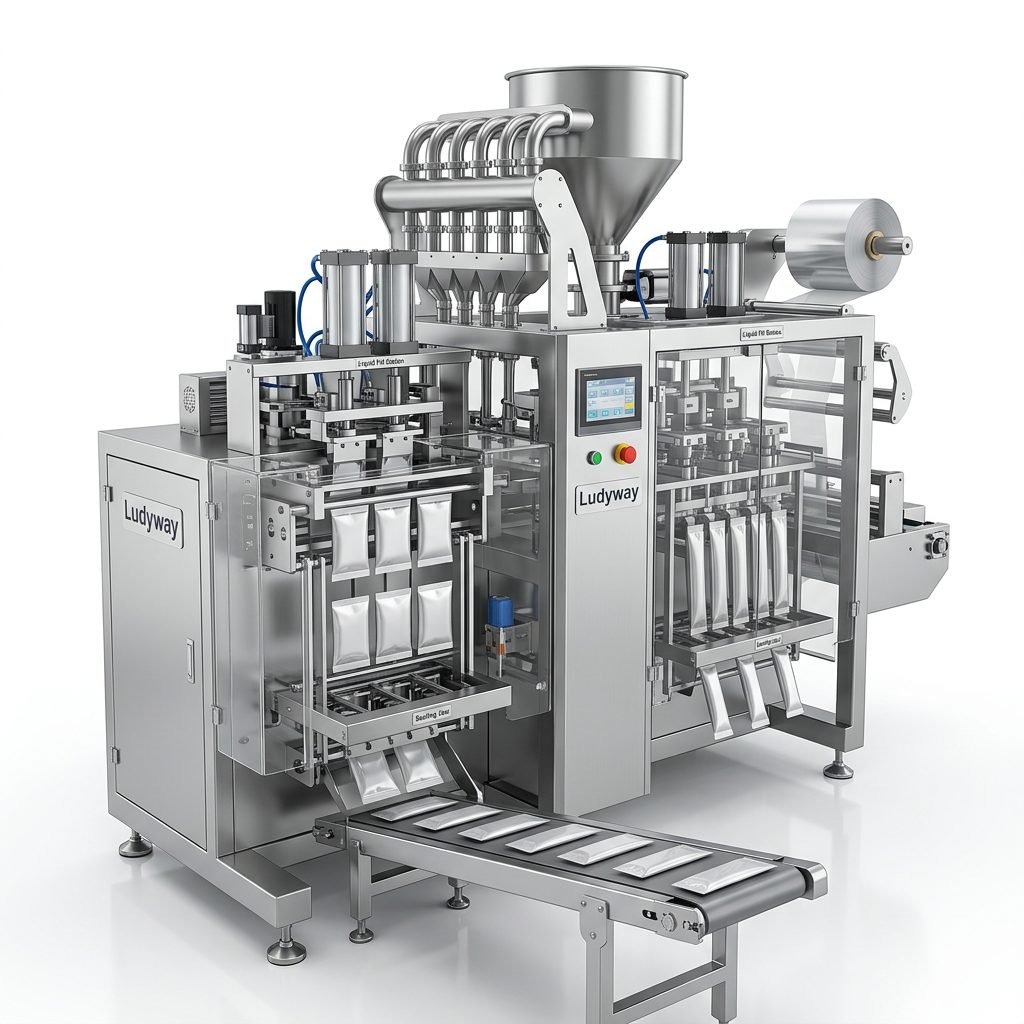
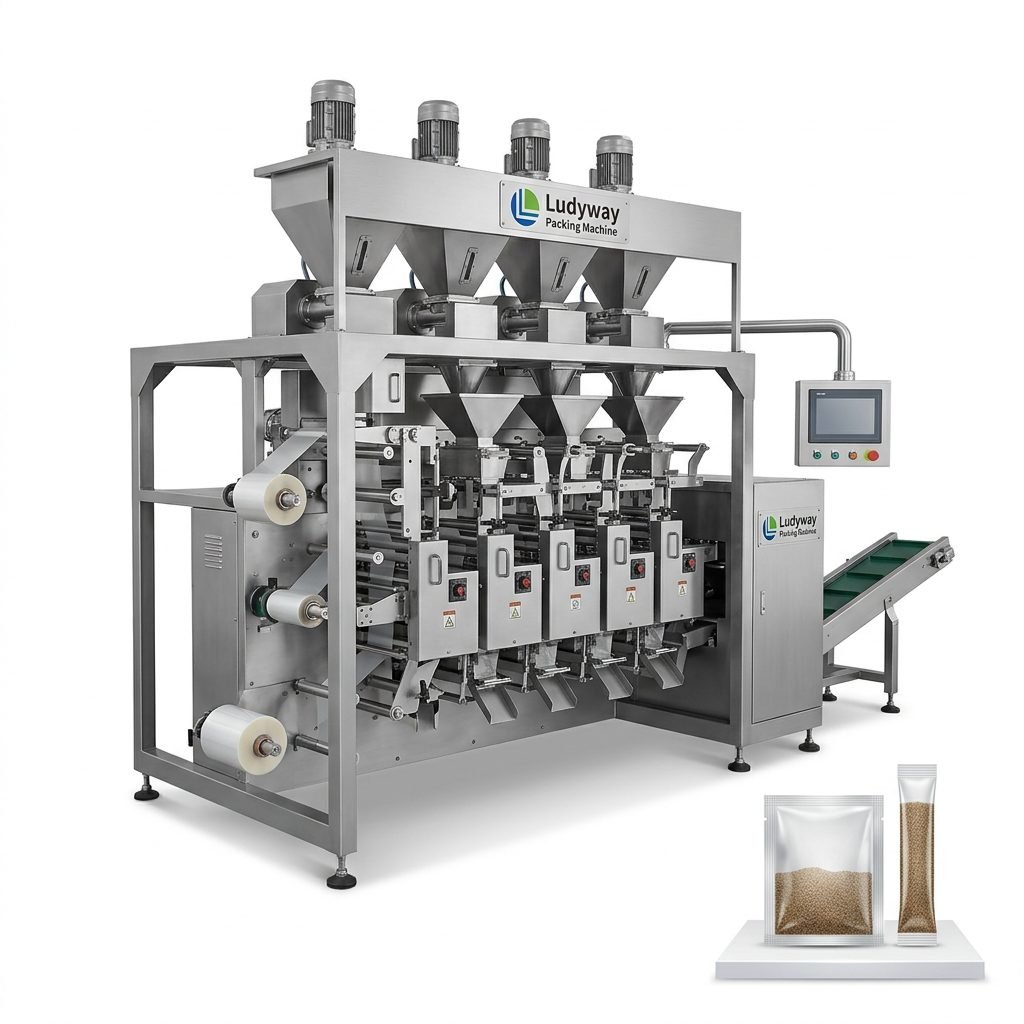
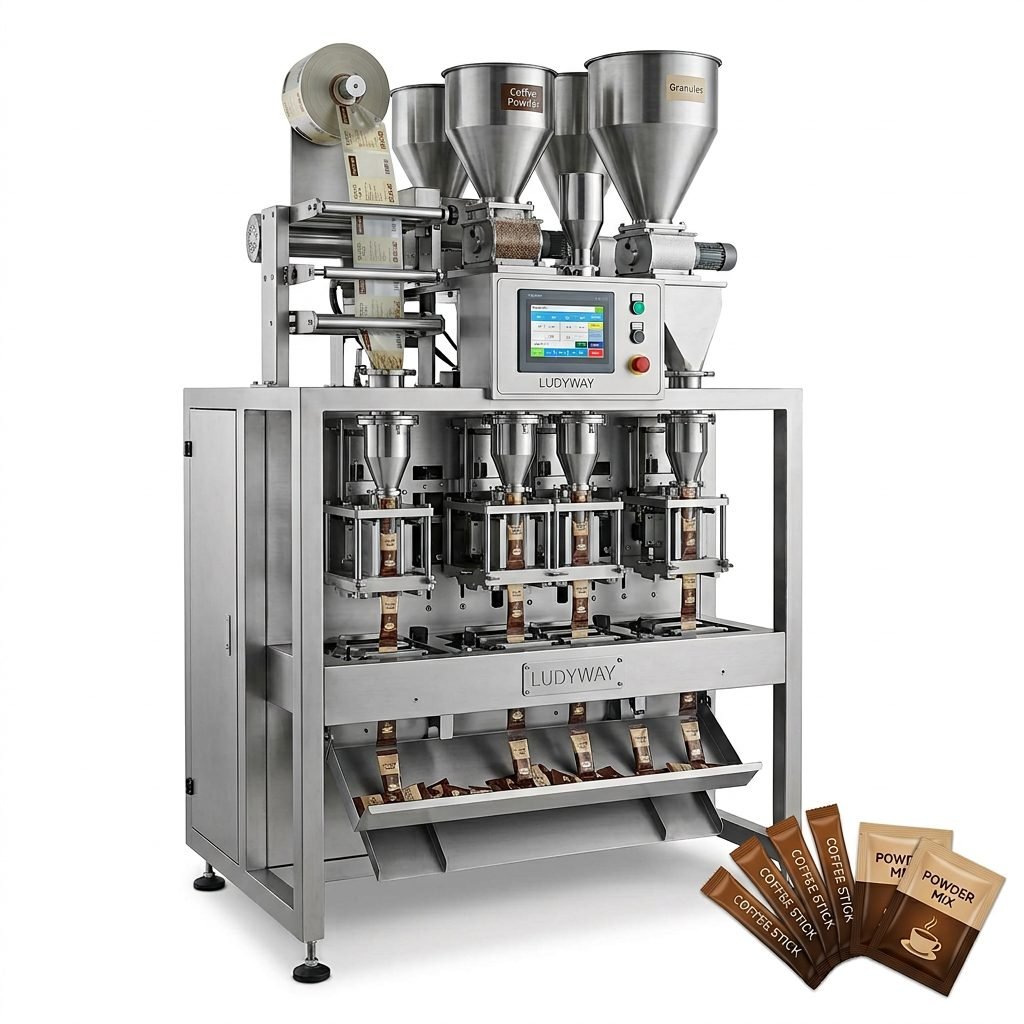
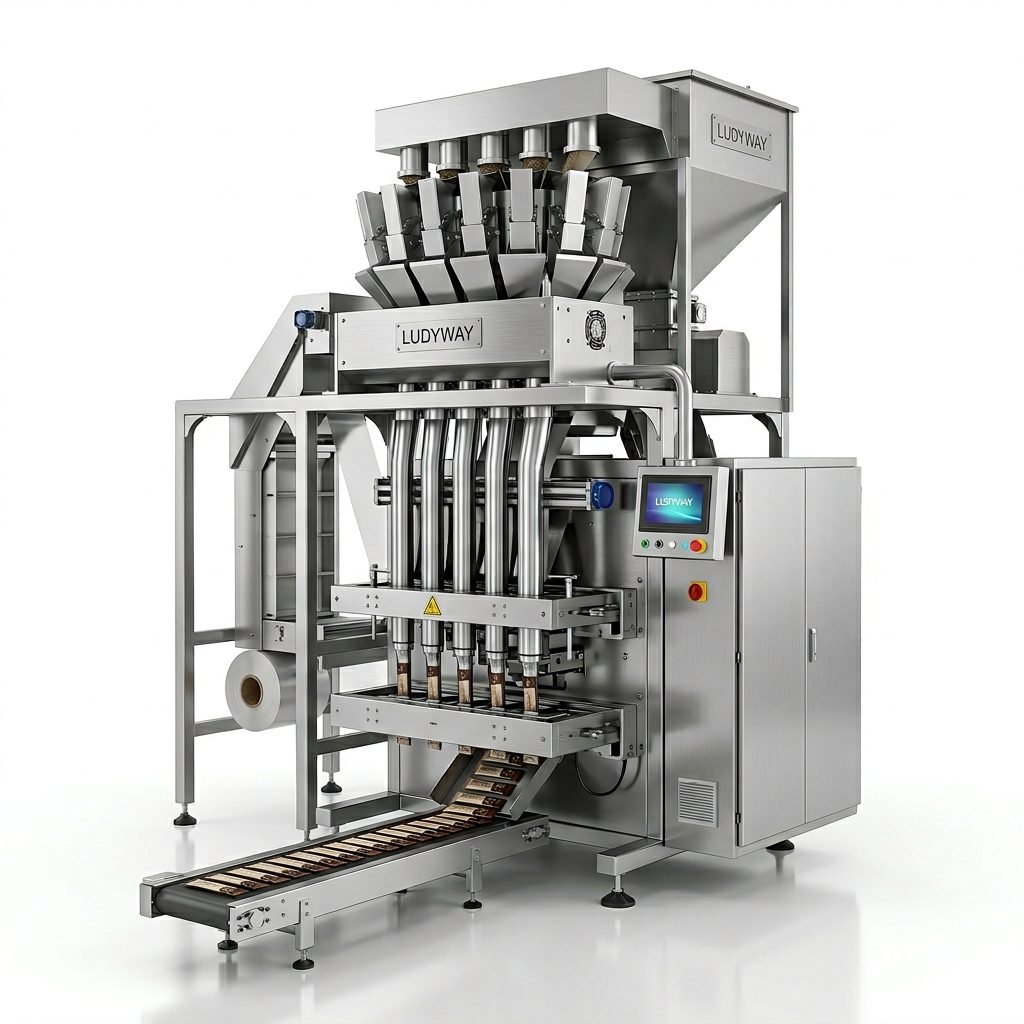
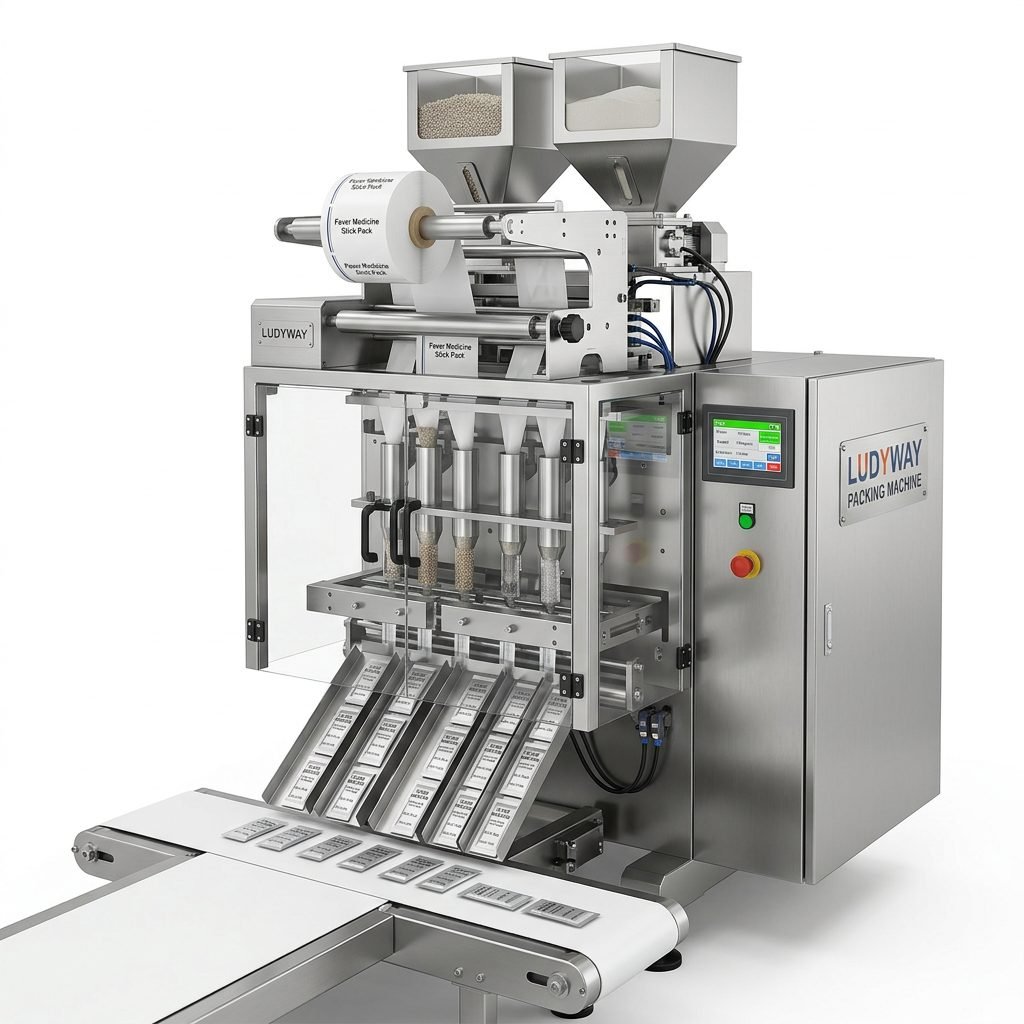
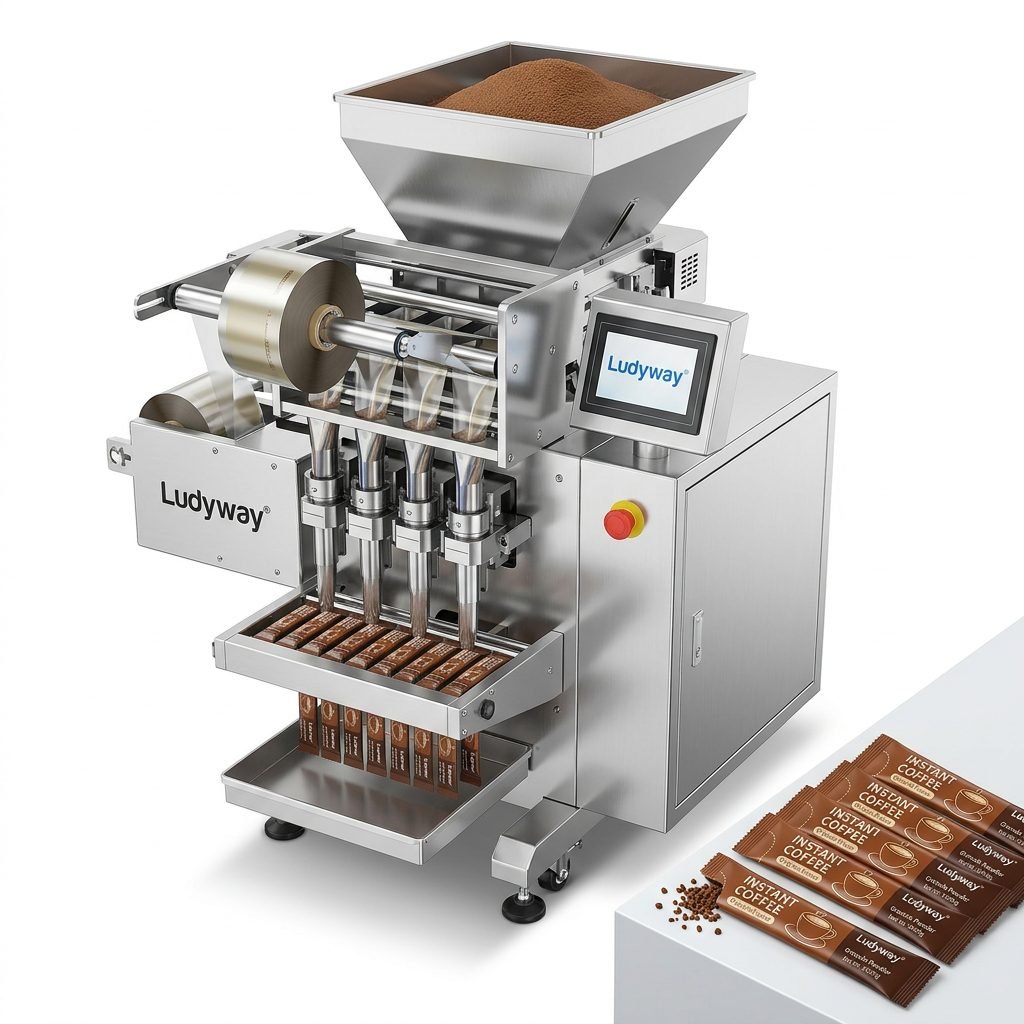
Stick pack machines are ideal for single-serve portions of powders, granules, and liquids such as instant coffee, sugar, protein powders, and sauce condiments. PMMI industry data shows that stick pack formats continue to grow in popularity across European markets due to convenience and portion control. Multi-lane configurations can produce hundreds of packs per minute, making them suitable for high-volume German production environments.
Vertical Form Fill Seal (VFFS) Systems
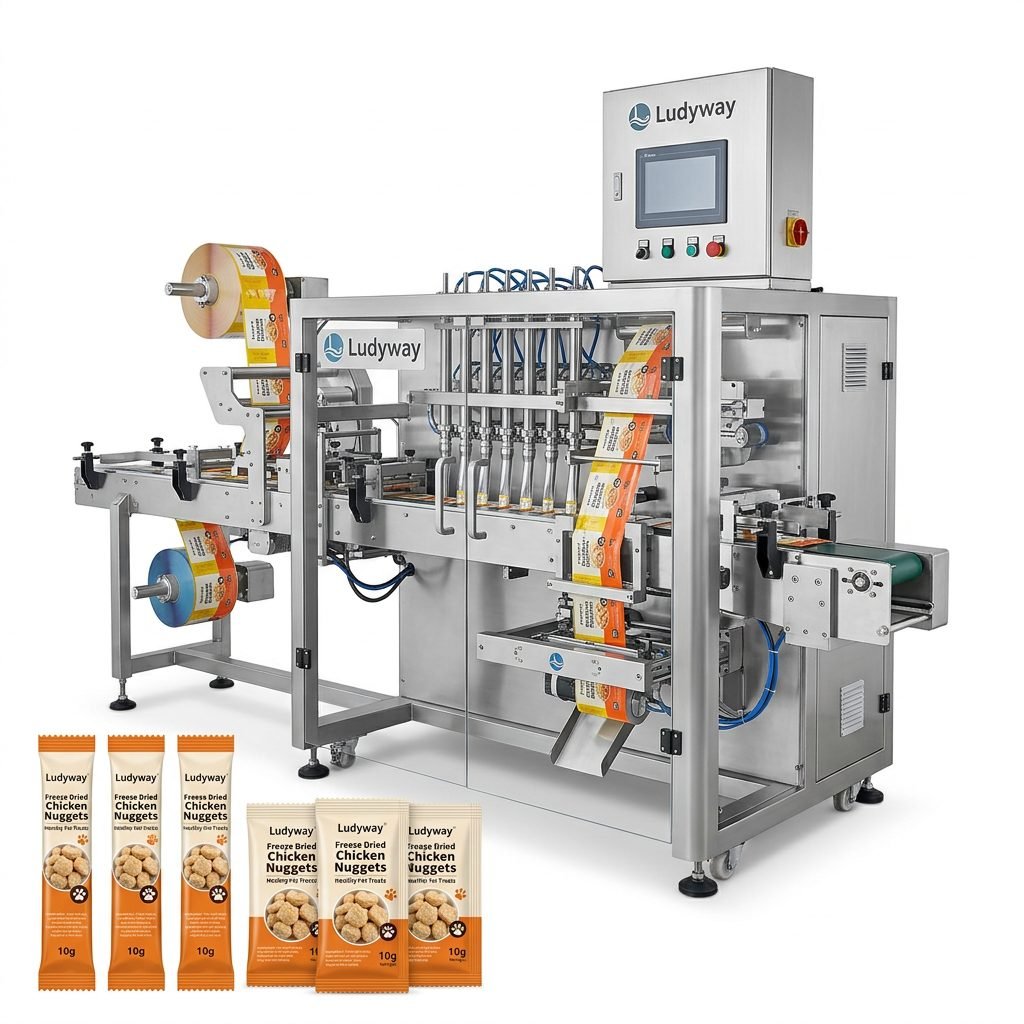
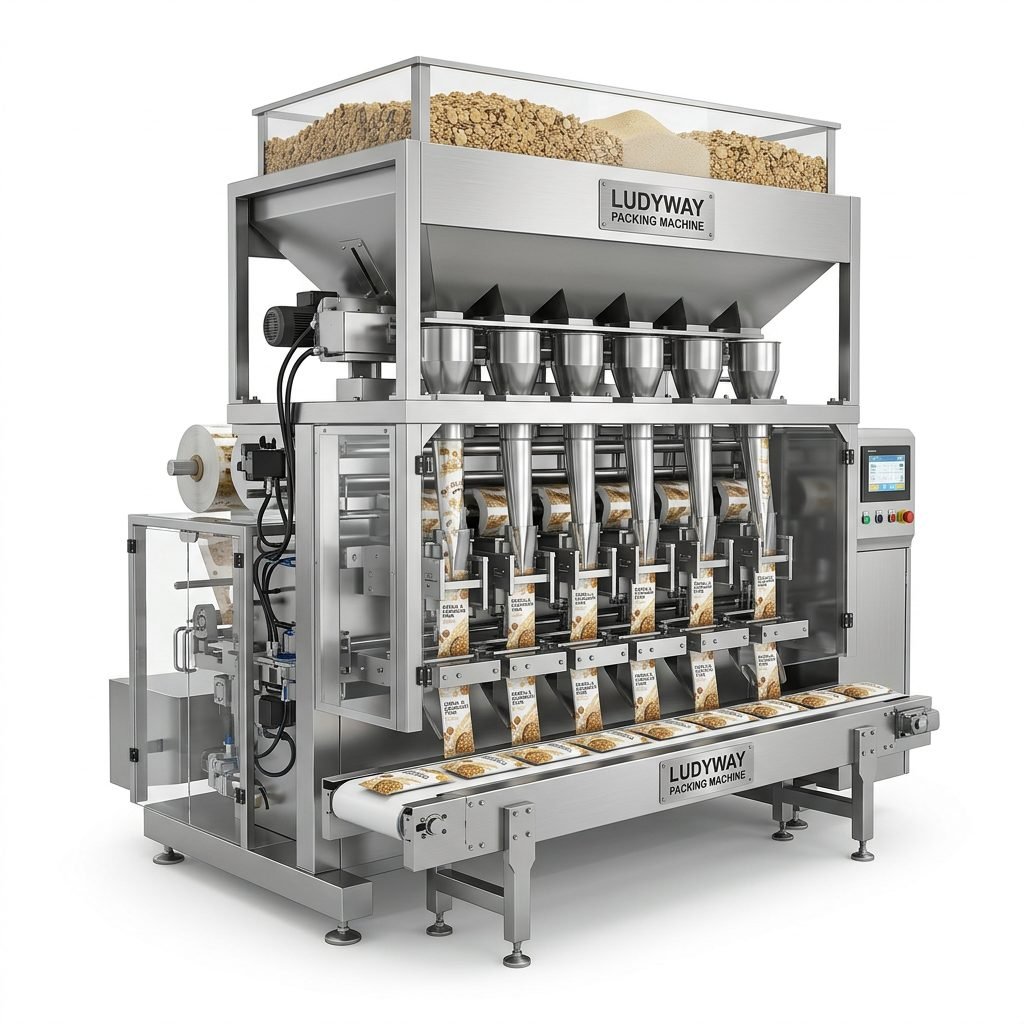
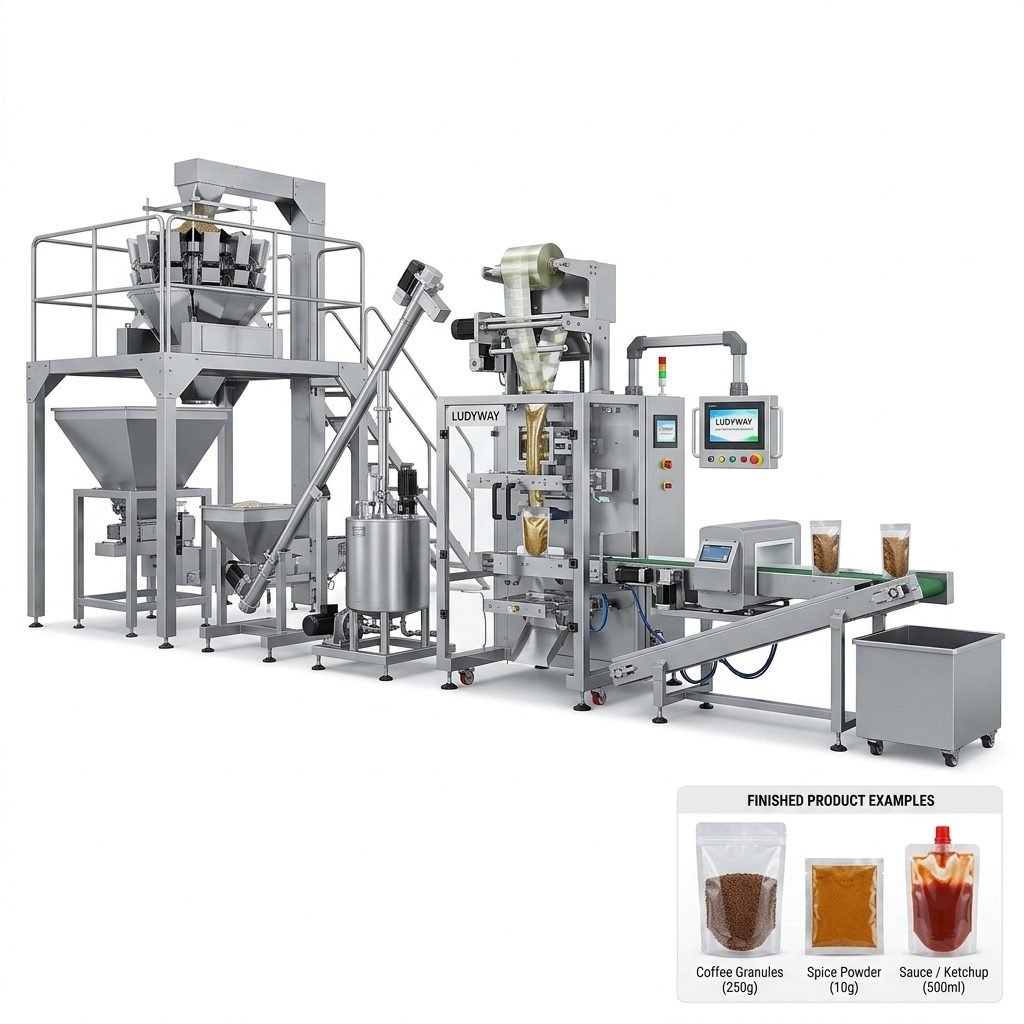
VFFS machines are versatile workhorses used across the German food sector for packaging products like cereals, snacks, frozen foods, and pet food into pillow bags or gusseted pouches. These systems integrate film unwinding, bag forming, product filling, and sealing in one continuous process.
Premade Pouch Filling and Sealing Lines
For premium product positioning, premade pouch systems offer enhanced shelf appeal with stand-up pouches, zipper closures, and shaped packaging. Rotary and inline configurations are available, with speeds ranging from 30 to over 120 pouches per minute depending on the model.
Bulk Bag and Weighing Lines
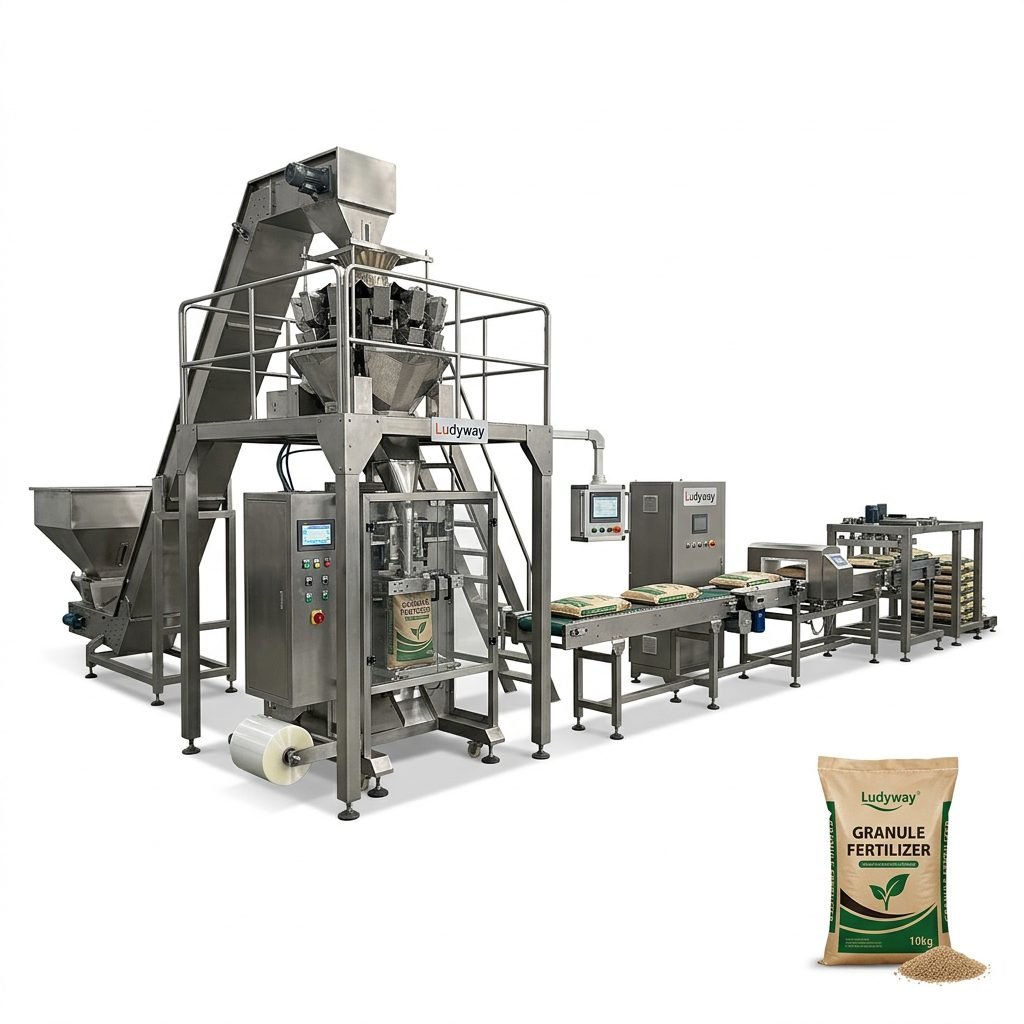
Industrial-scale production for ingredients like flour, sugar, grains, and food additives requires robust weighing and bagging systems capable of handling 5kg to 50kg formats. These are commonly integrated with palletizers for automated end-of-line operations.
Cost Ranges for Food Packaging Machines in Germany
The investment for food packaging equipment in the German market varies significantly based on automation level, speed, and configuration. Below is a general cost framework to guide your budgeting process.
| Machine Type | Speed Range | Estimated Cost (EUR) | Best Suited For |
|---|---|---|---|
| Single-Lane Stick Pack | 50-120 packs/min | €25,000 – €80,000 | Startups, specialty products |
| Multi-Lane Stick Pack (4-12 lanes) | 200-1,000+ packs/min | €100,000 – €350,000 | High-volume food production |
| VFFS Bagging Machine | 30-120 bags/min | €40,000 – €200,000 | Cereals, snacks, frozen foods |
| Premade Pouch Line | 30-80 pouches/min | €80,000 – €300,000 | Premium retail products |
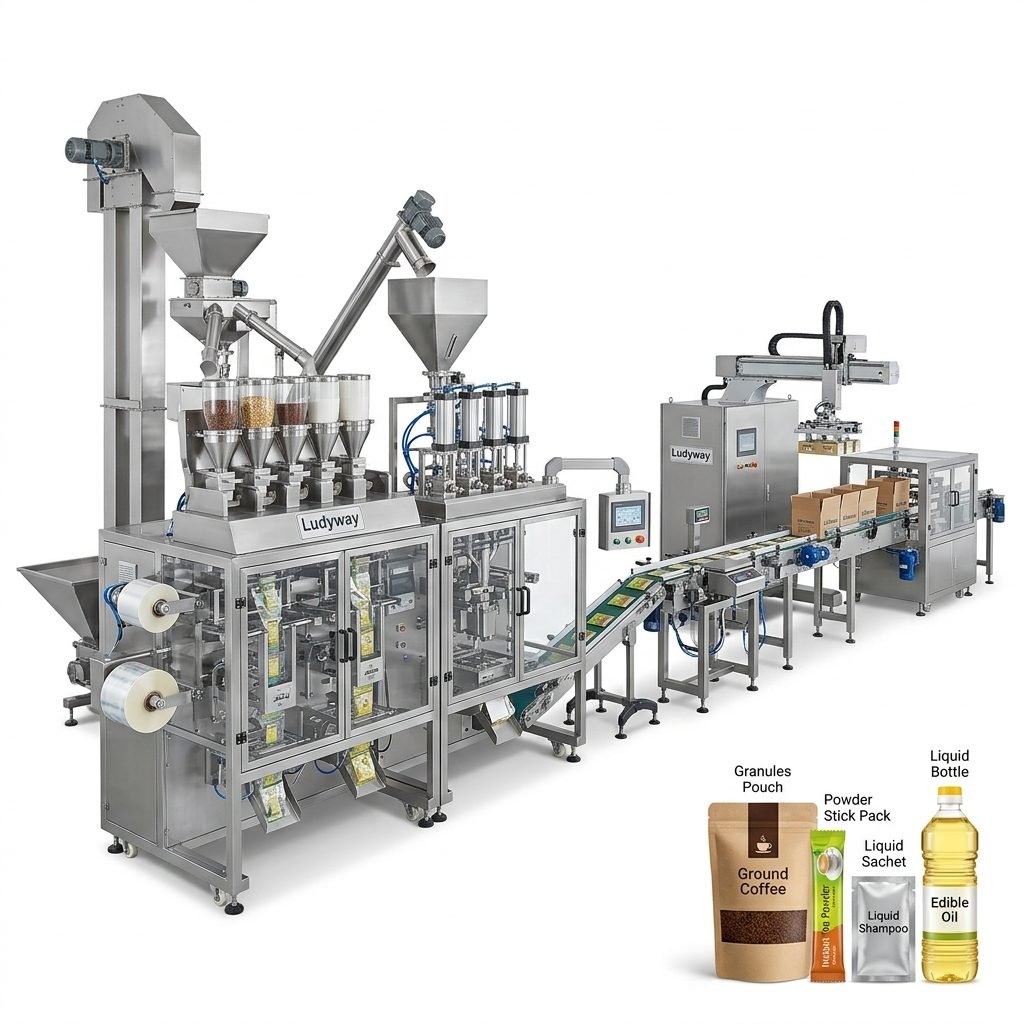
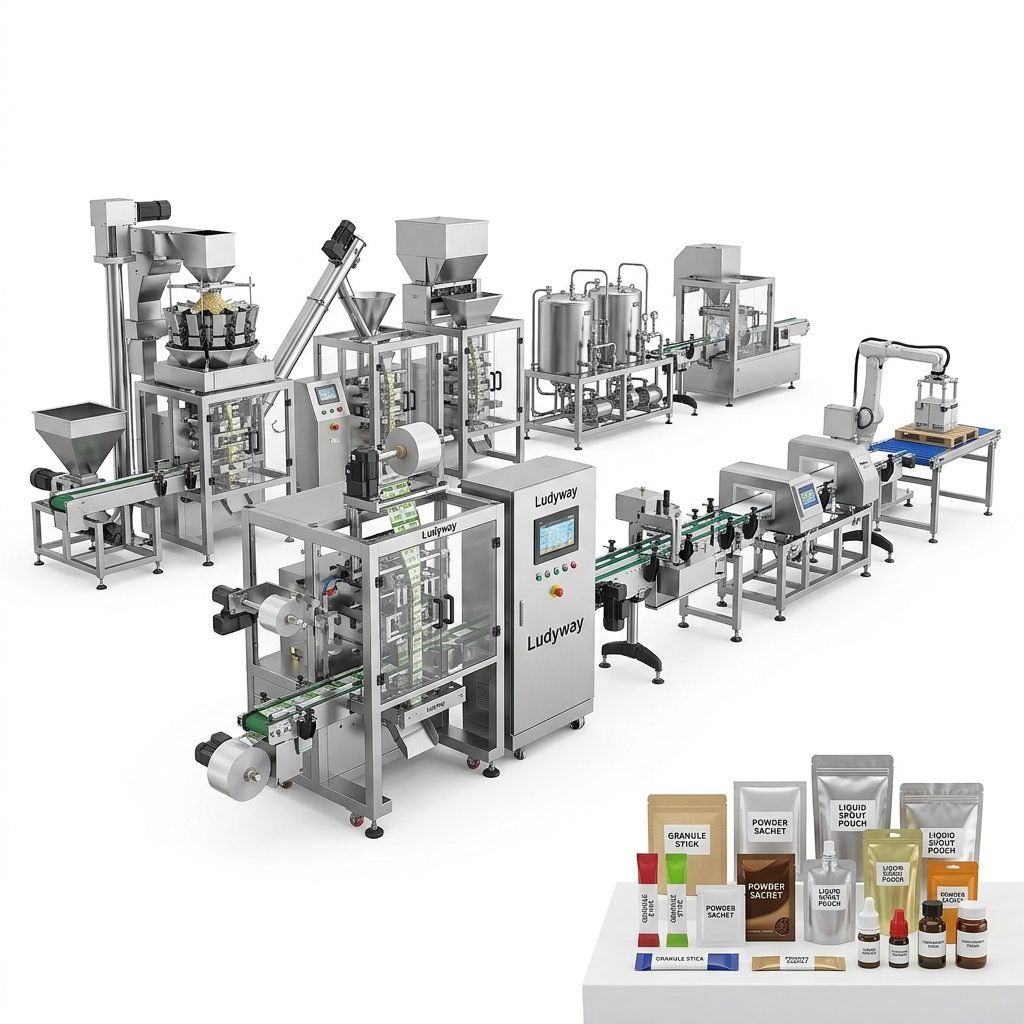
| Complete Turnkey Line | Custom | €200,000 – €1,500,000+ | Full-scale production operations |
Note: These figures are estimates and do not include shipping, installation, training, or ongoing maintenance costs. German import duties and VAT may also apply when purchasing from non-EU suppliers.
Key Considerations When Buying in Germany
Beyond machine specifications, several regulatory and operational factors are unique to the German and broader European market. Addressing these early in the procurement process can prevent costly delays.
CE Marking and EU Compliance
All packaging machinery sold and operated within Germany must carry CE marking, confirming conformity with applicable EU directives including the Machinery Directive 2006/42/EC. This is a non-negotiable legal requirement. Additionally, food contact material regulations enforced by EU Framework Regulation (EC) No 1935/2004 must be met for any machine components that touch food products.
German Packaging Act (VerpackG) and Sustainability
Germany’s VerpackG imposes strict requirements on packaging materials and recycling quotas. Your packaging machinery should be compatible with eco-friendly materials and minimize material waste. The European Commission’s packaging waste regulations are becoming increasingly stringent, making sustainability a critical purchasing criterion.
Technical Standards and Certifications
Look for equipment that adheres to ISO packaging standards and relevant German DIN norms. Important certifications include:
- ISO 9001 for quality management systems
- ISO 22000 for food safety management
- EHEDG guidelines for hygienic equipment design
- GAMP 5 for automated system validation
- ATEX certification if handling potentially explosive powders
After-Sales Support and Spare Parts Availability
Production downtime is expensive. Evaluate the supplier’s ability to provide local technical support, rapid spare parts delivery within Germany, and remote troubleshooting capabilities. Many international manufacturers now partner with local German service providers or maintain regional warehouses in the EU to ensure quick response times.
Evaluating Total Cost of Ownership (TCO)
The purchase price is only one component of the total investment. Smart buyers in Germany calculate the full lifecycle cost over 5-10 years of operation. Consider these factors:
| TCO Component | Typical Share of TCO | Key Considerations |
|---|---|---|
| Initial Purchase | 35-45% | Machine price, shipping, import duties, installation |
| Consumables and Packaging Film | 25-35% | Film compatibility, waste rates, material costs |
| Maintenance and Spare Parts | 10-15% | Wear parts, service contracts, technician visits |
| Energy and Utilities | 5-10% | Electricity consumption, compressed air requirements |
| Operator Training and Labor | 5-10% | Training costs, operator efficiency, shift coverage |
Supplier Selection Criteria
Choosing the right supplier is as important as choosing the right machine. In Germany, food manufacturers have access to both domestic European brands and international manufacturers. Consider the following when evaluating potential partners:
Manufacturing Quality and Track Record
Look for suppliers with proven experience in food-grade packaging equipment manufacturing. A supplier with decades of industry expertise and a modern production facility can offer more reliable and efficient packaging solutions. For example, Ludyway, one of the largest packaging machine manufacturers in China with over 30 years of industry experience, serves customers in over 100 countries and regions with advanced packaging equipment and turnkey solutions for granule, powder, liquid, and pouch packaging applications.
References and Case Studies
Request references from other German or EU-based food manufacturers. A reputable supplier should be able to provide documented case studies demonstrating successful installations in comparable production environments.
Factory Acceptance Testing (FAT) and Site Acceptance Testing (SAT)
Ensure the supplier offers comprehensive FAT and SAT protocols. This is standard practice in the German market and critical for validating that the equipment meets agreed-upon specifications before and after installation.
Integration with Industry 4.0 and Smart Factory Systems
German manufacturing leads the world in adopting Industry 4.0 principles. Modern food packaging machines should offer:
- IoT connectivity for real-time production monitoring
- OPC UA or MQTT communication protocols for MES/ERP integration
- Predictive maintenance alerts based on sensor data
- Digital recipe management for quick product changeovers
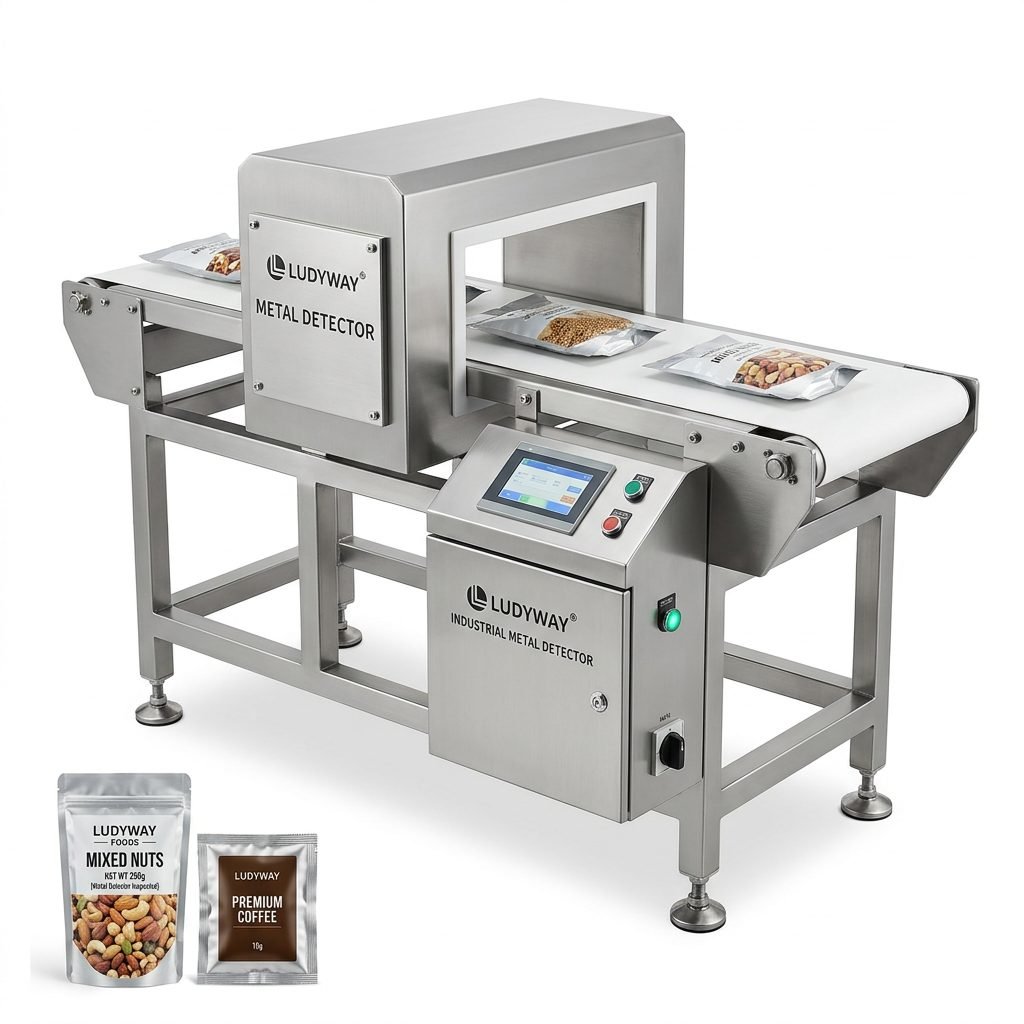
- Automated quality control with vision inspection systems
- Energy consumption tracking and optimization features
Warranty and Service Agreements
Standard warranties in the industry range from 12 to 24 months, but many German buyers negotiate extended coverage. Key points to clarify in your service agreement include:
- Response time guarantees for on-site service calls within Germany
- Availability of remote diagnostic support in German or English
- Annual maintenance contracts with fixed pricing
- Spare parts stocking agreements with guaranteed delivery times
- Software update and upgrade policies
For additional industry data and market intelligence, refer to resources from the PMMI Business Intelligence Library and the Flexible Packaging Association, both of which provide valuable insights into packaging machinery trends and standards.
Conclusion
Purchasing food packaging machinery in Germany involves navigating a complex landscape of technical specifications, regulatory requirements, and supplier evaluations. By thoroughly understanding the machine types available, realistic cost ranges, and key compliance factors, you can make a confident investment that supports long-term production goals. Prioritize CE compliance, total cost of ownership analysis, and strong after-sales support to ensure your packaging line delivers reliable performance in the demanding German market.