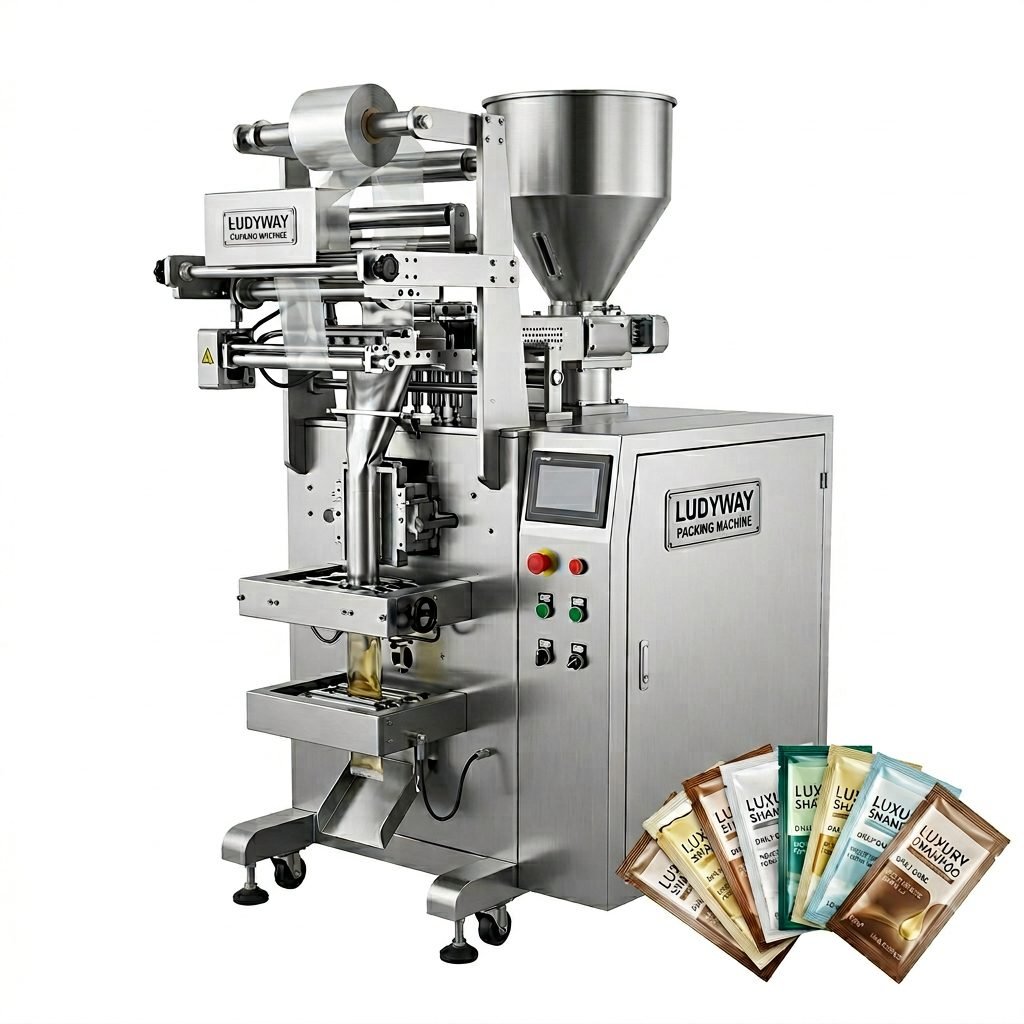
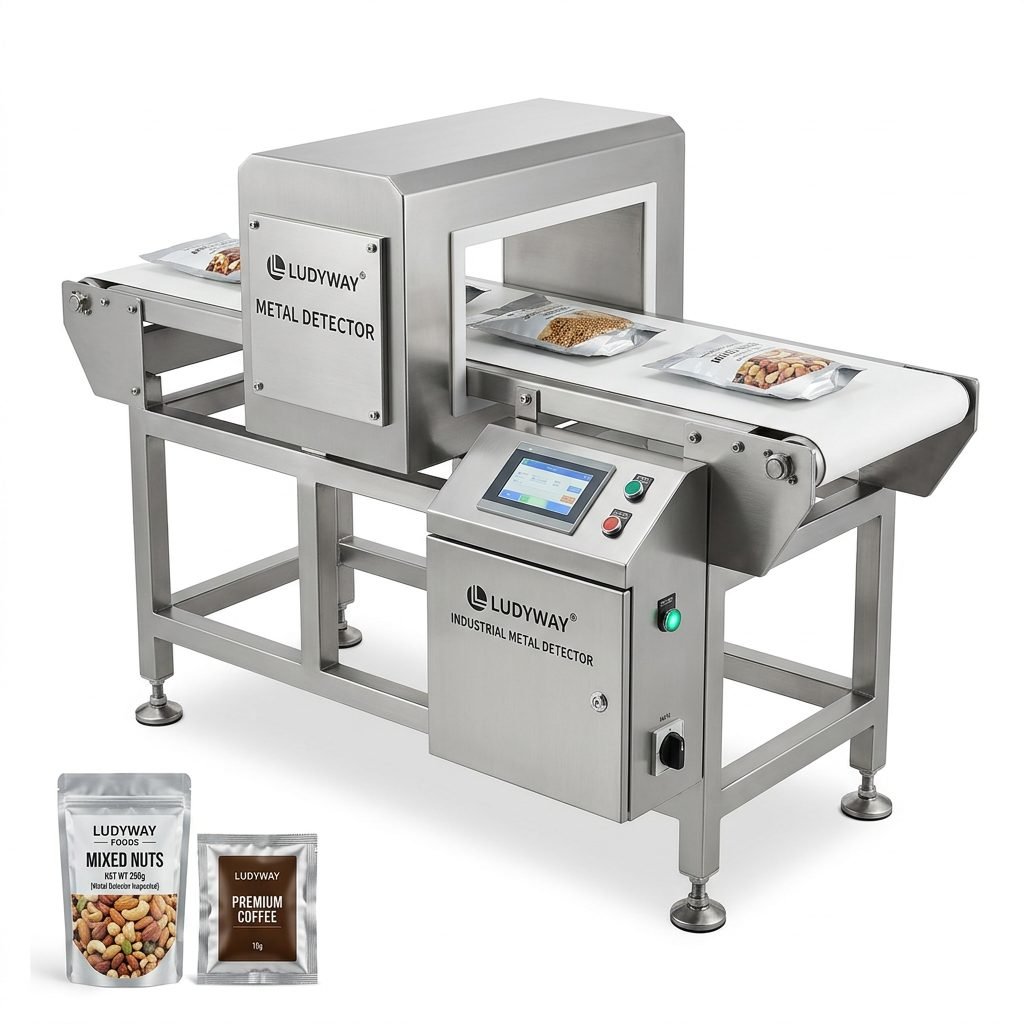
Investing in the right ice cream packaging machine is a critical decision for any dairy or frozen dessert manufacturer aiming to succeed in the competitive European market. From stick novelties and cones to cups, tubs, and flow-wrapped products, the packaging format directly impacts product shelf life, brand perception, and production efficiency. This guide provides a comprehensive overview of the key factors European buyers must evaluate before purchasing ice cream packaging machinery.
Understanding Ice Cream Packaging Machine Types
Before comparing suppliers, it is essential to identify the packaging format that aligns with your product portfolio. The most common machine categories deployed across Europe include:
- Stick and Bar Wrapping Machines: Designed for high-speed wrapping of ice cream sticks and bars using paper, foil, or laminated films. These machines often integrate with extrusion and freezing tunnels.
- Cone Sleeving and Wrapping Systems: Specialized equipment that places paper sleeves over filled cones and applies heat-sealed lids or overwraps to maintain crispness and hygiene.
- Cup and Tub Filling-Sealing Lines: Rotary or inline fillers that accurately dose ice cream into preformed cups or tubs, apply lids or heat-seal membranes, and often include date coding and tamper-evident sealing.
- Flow Wrapping and Pillow Pack Machines: Horizontal form-fill-seal systems ideal for wrapping individual bars, sandwiches, or frozen novelties in flexible film at high throughput.
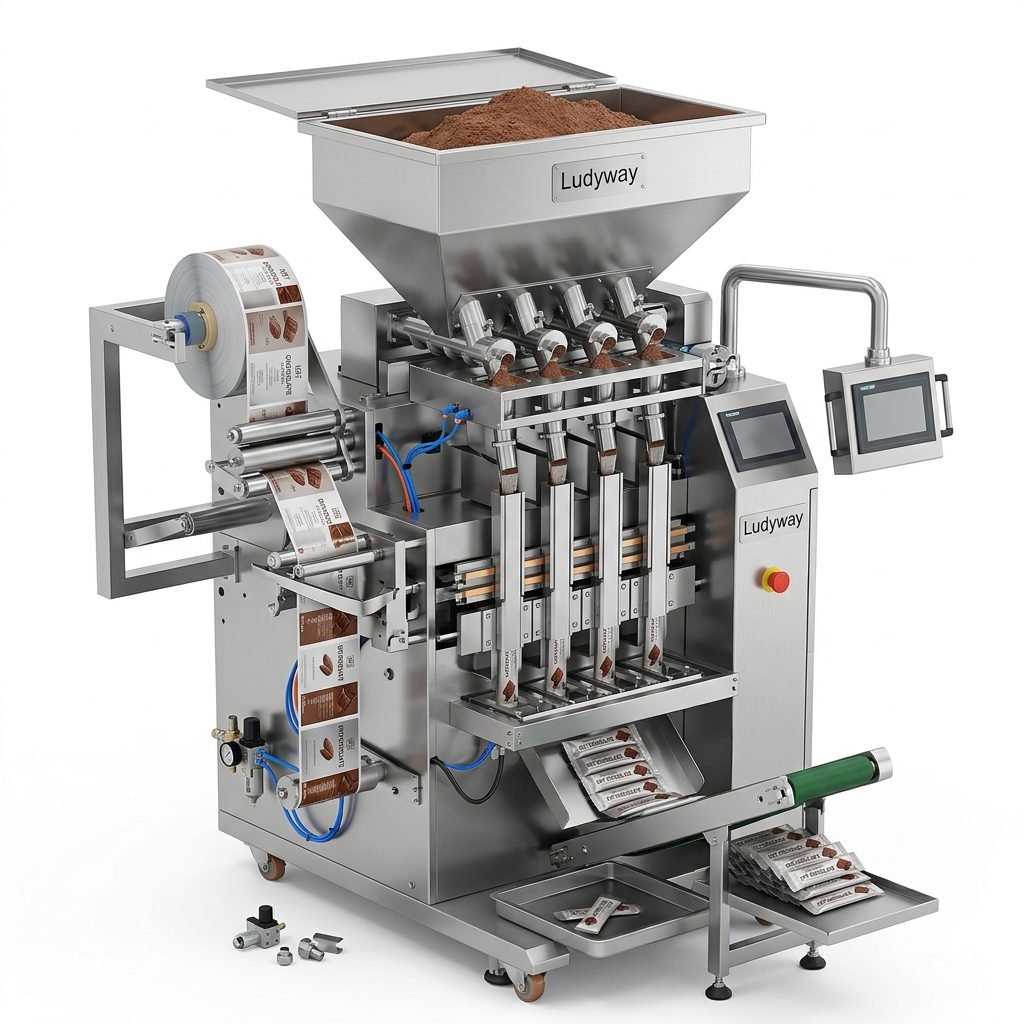
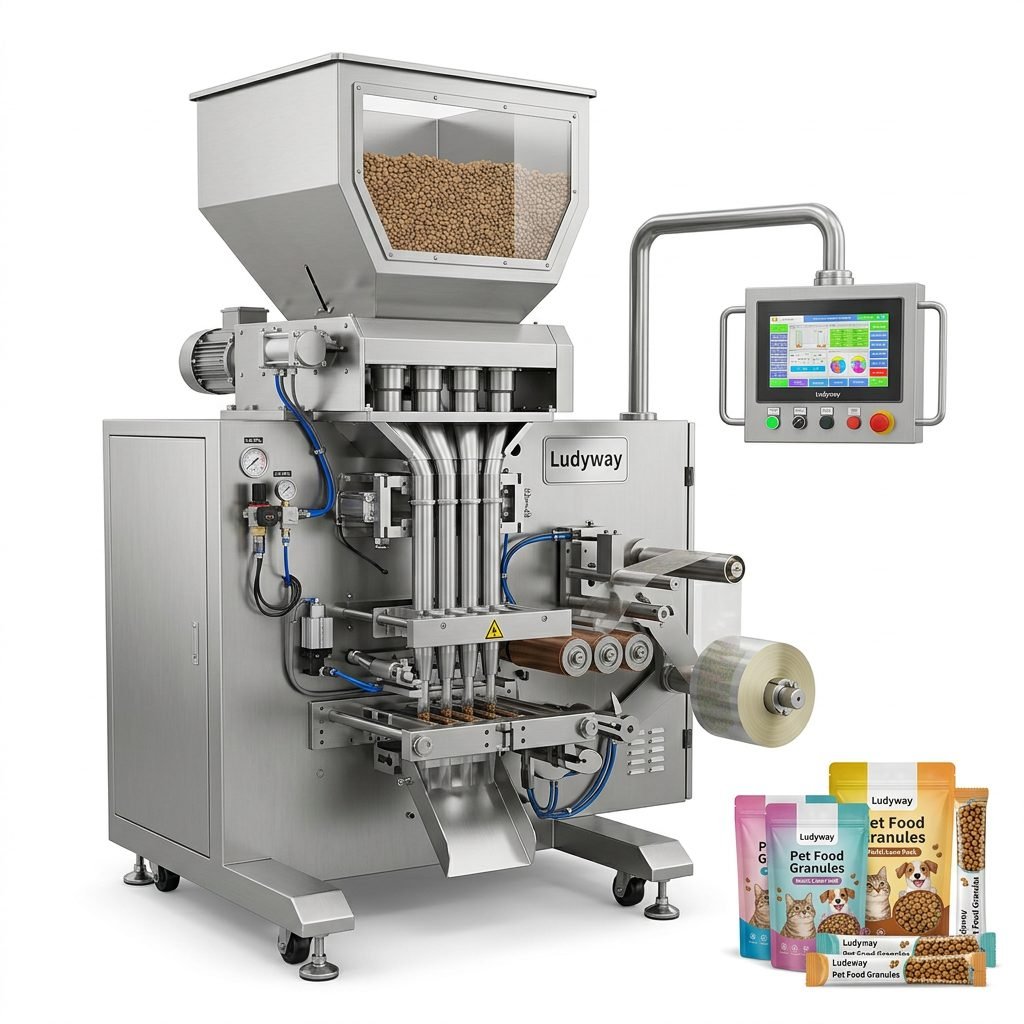
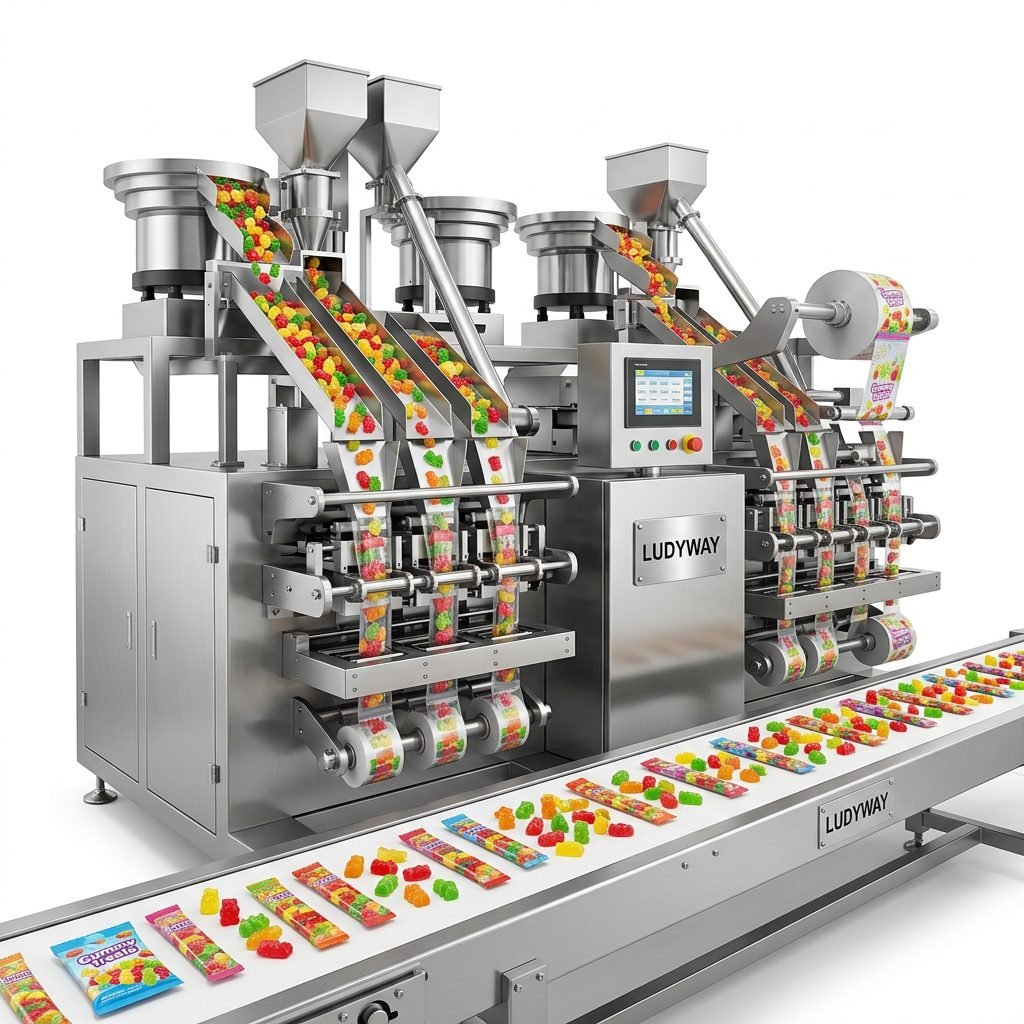
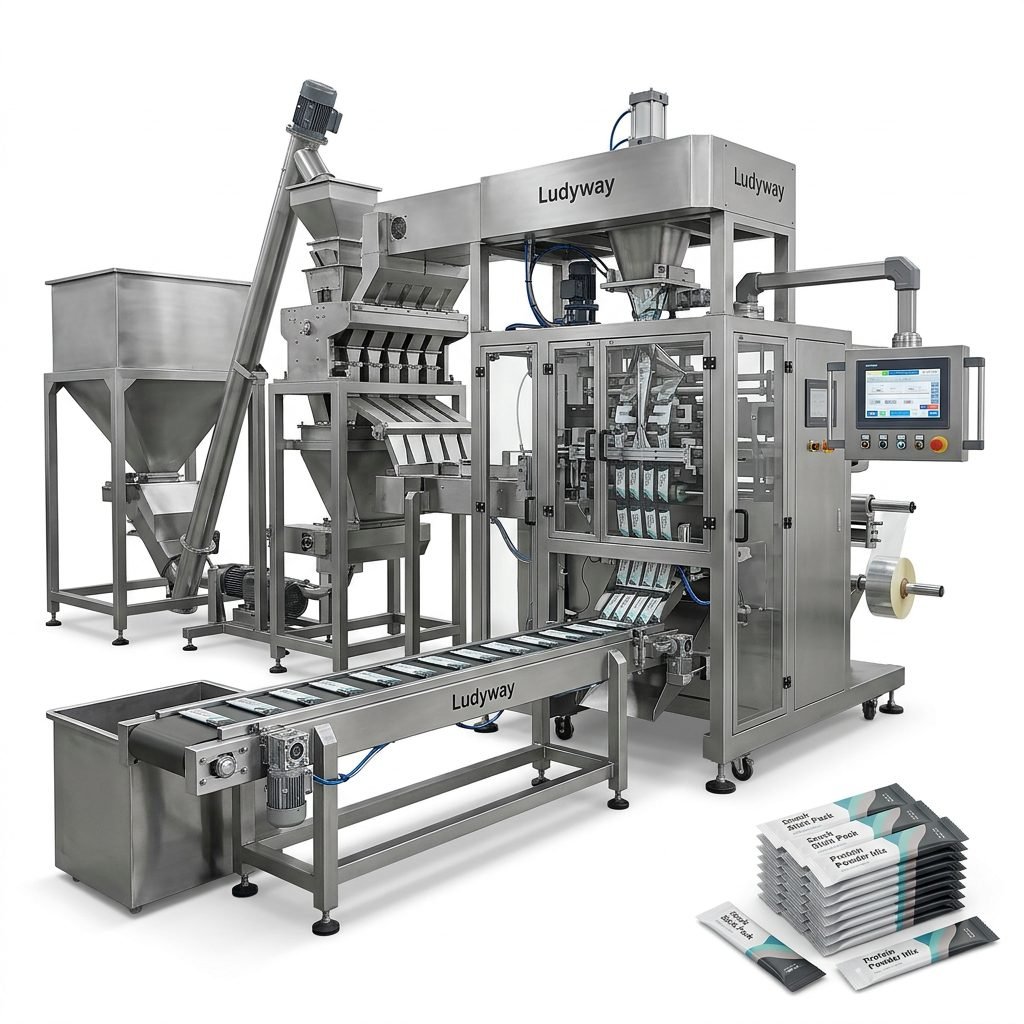
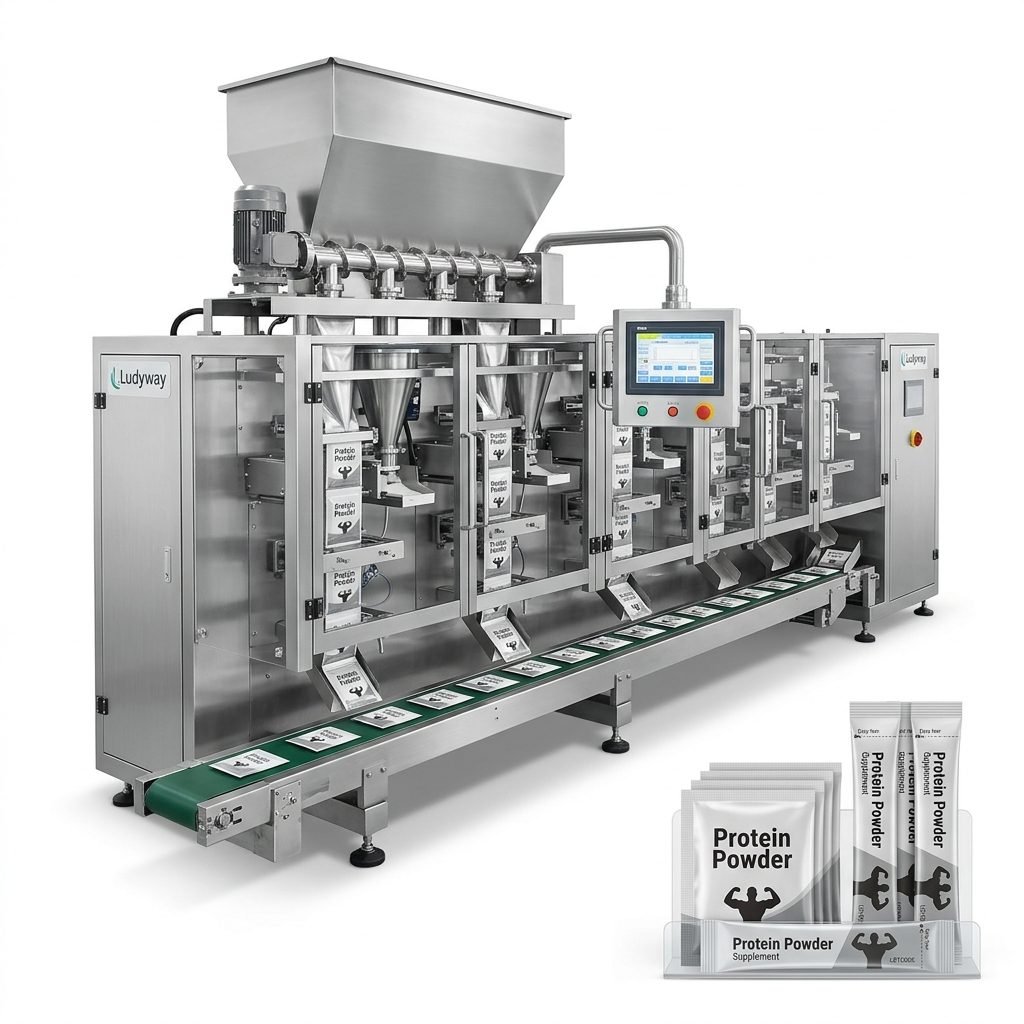
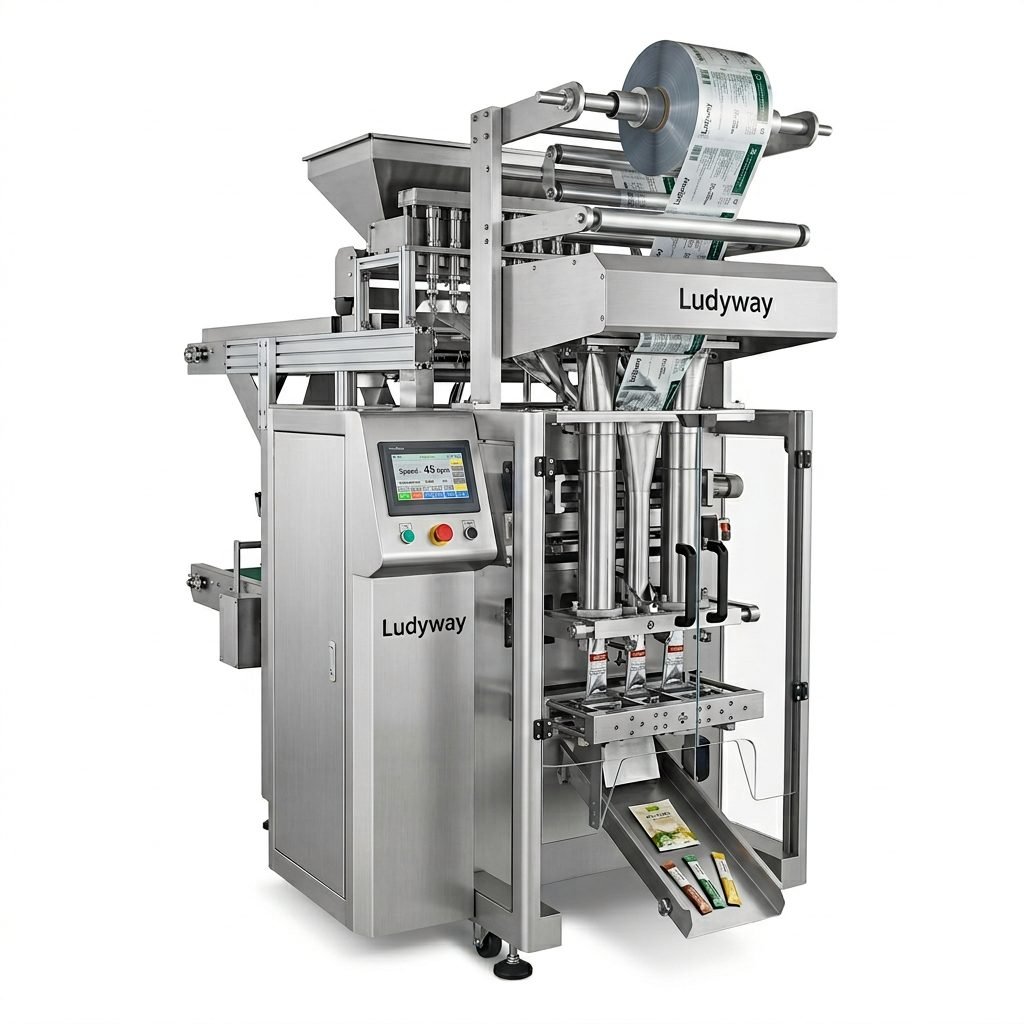
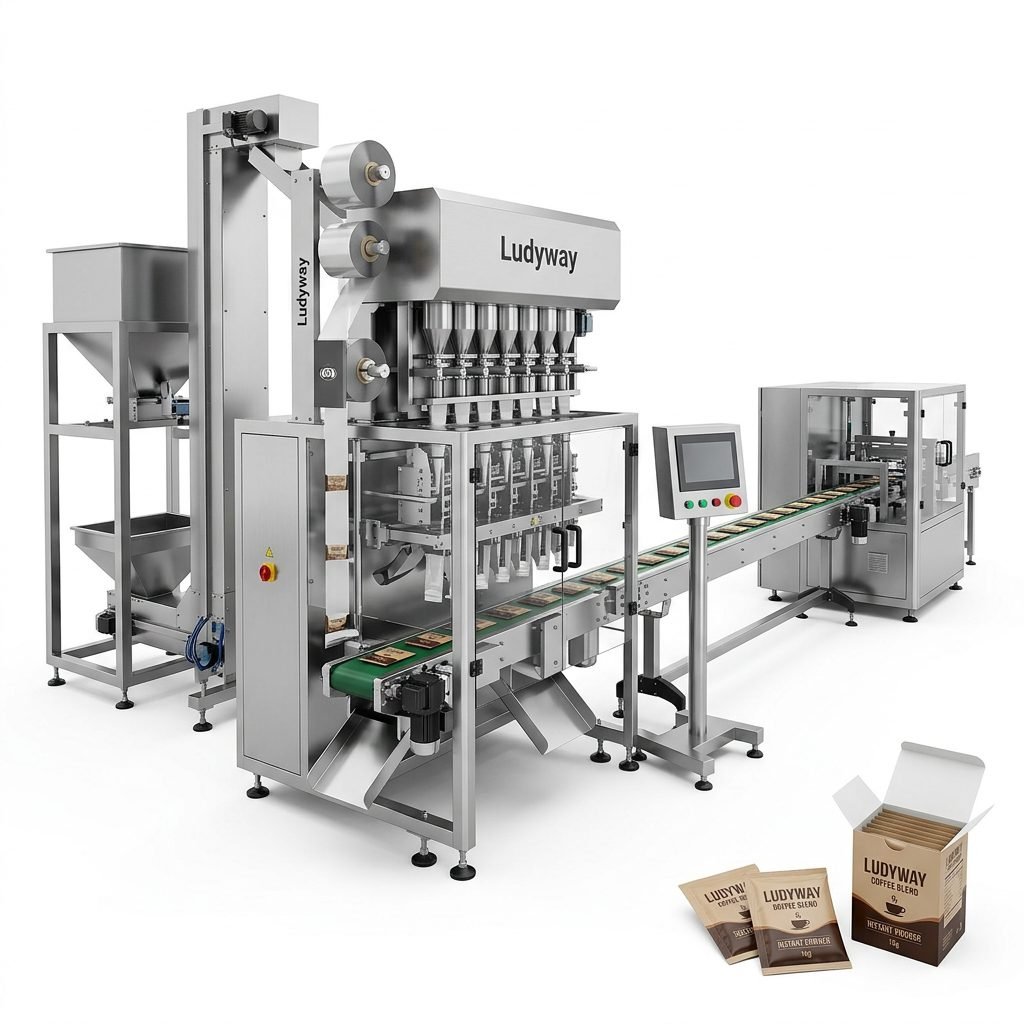
- Multi-Lane Sachet and Stick Pack Machines: For single-serve frozen treats or powder-based ice cream mixes, multi-lane packaging systems offer exceptional output by running multiple lanes simultaneously.

Key Technical Specifications to Evaluate
European production facilities demand high throughput, precision, and reliability. When assessing machine specifications, focus on the following parameters:
| Specification | Why It Matters | Typical European Range |
|---|---|---|
| Production Speed | Directly impacts output capacity and order fulfillment lead times. | 100–600 units per minute |
| Changeover Time | Frequent flavor or format changes require quick, tool-less adjustments to minimize downtime. | Under 15 minutes |
| Material Compatibility | Must handle sustainable films, paper-based wraps, and recyclable mono-materials to meet EU packaging directives. | PE, PP, paper, aluminum laminates |
| Hygiene Design | Open-frame construction, sloped surfaces, and IP65/IP67 washdown ratings ensure compliance with EU food safety regulations. | IP65–IP69K |
| Automation Level | Servo-driven controls, automatic film splicing, and integrated vision systems reduce labor costs and reject rates. | Fully servo-driven |
European Regulatory Compliance and Certifications
The European Union enforces stringent regulations for food contact materials and machinery safety. Non-compliance can result in costly delays at customs or outright rejection of imported equipment.
CE Marking and Machinery Directive
Any packaging machine sold or installed within the European Economic Area must carry the CE marking, demonstrating conformity with the Machinery Directive 2006/42/EC. This certification covers mechanical safety, electrical safety, and electromagnetic compatibility. Verify that the manufacturer provides a valid Declaration of Conformity and a comprehensive technical file in the required language.
Food Contact Material Regulations
All components that touch the ice cream—such as filling nozzles, film contact surfaces, and sealing jaws—must comply with EU Regulation (EC) No 1935/2004 and subsequent amendments. Additionally, plastic materials must meet the requirements of EU Regulation (EU) No 10/2011 regarding migration limits. Request documentation that explicitly confirms compliance with these regulations.
Hygienic Design Standards
European dairy processors increasingly require machinery designed according to EHEDG (European Hygienic Engineering and Design Group) guidelines. Machines should feature easy-to-clean surfaces, minimal horizontal ledges, and validated clean-in-place (CIP) compatibility to prevent bacterial contamination in frozen dessert production environments.
Total Cost of Ownership and ROI Analysis
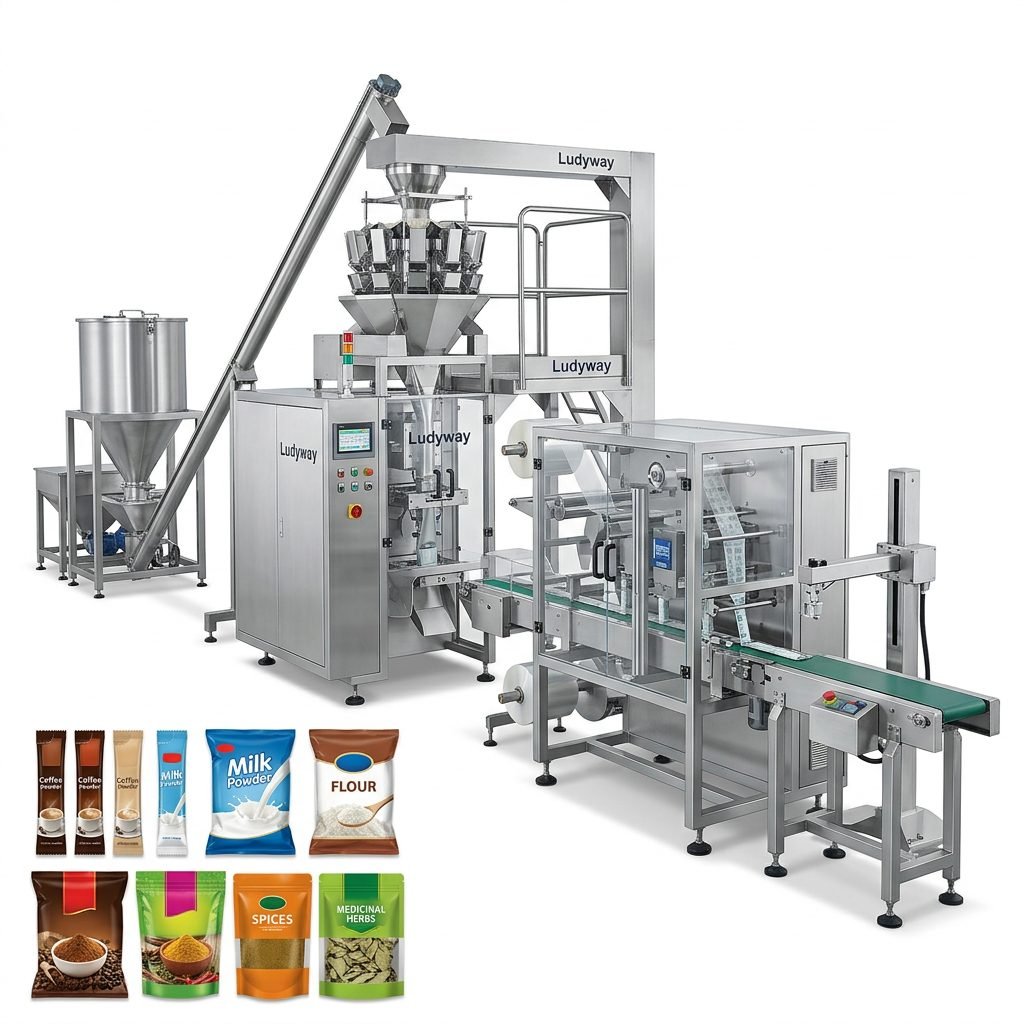
The purchase price is only one component of the total investment. European buyers should perform a thorough cost analysis that includes:
- Initial capital expenditure: Machine cost, shipping, import duties, and installation.
- Operational costs: Energy consumption, compressed air requirements, film material waste rates, and labor allocation.
- Maintenance and spare parts: Availability of critical components within Europe, recommended service intervals, and remote diagnostic capabilities.
- Downtime cost: Lost production hours during breakdowns or extended changeovers at peak ice cream season.
- Film yield optimization: Precise film registration and tension control can reduce material consumption by 3–7%, generating significant annual savings.
Supplier Selection and Due Diligence
Selecting a reliable equipment partner is as important as choosing the right machine specification. Consider the following evaluation criteria:
- Proven experience in frozen food packaging: Request case studies and references from ice cream or frozen dessert manufacturers, not just ambient food producers. Cold-chain packaging presents unique sealing and material handling challenges.
- Local service and support in Europe: Confirm the availability of field service engineers, spare parts warehouses within the EU, and response time guarantees for emergency breakdowns.
- Factory acceptance testing (FAT): Always conduct a FAT at the manufacturer’s facility before shipment. Run the machine with your actual ice cream product and packaging materials to verify performance parameters.
- After-sales training and documentation: Comprehensive operator training, maintenance manuals in your local language, and ongoing technical support are essential for long-term operational success.
Sustainability and Future-Proofing
Europe’s Packaging and Packaging Waste Regulation (PPWR) is reshaping packaging requirements across the continent. When selecting an ice cream packaging machine, evaluate its ability to run recyclable mono-material films, paper-based wraps, and thinner gauge materials without compromising seal integrity. Machines with servo-driven sealing jaw pressure control and adjustable temperature profiling are better positioned to handle the transition to sustainable packaging substrates. Additionally, look for energy-efficient servo motors that reduce power consumption during standby and production modes.
Industry Resources and Further Reading
For additional market intelligence and regulatory updates, consult the following authoritative sources:
- PMMI Business Intelligence – Packaging Machinery Market Research
- Flexible Packaging Association – Industry Data and Resources
- ISO Packaging Standards – International Compliance Framework
- European Commission – Packaging and Packaging Waste Regulation
Making the Final Decision
Purchasing an ice cream packaging machine for the European market is a strategic investment that requires balancing production requirements, regulatory compliance, and long-term operational costs. By thoroughly evaluating machine specifications, verifying certifications, and conducting comprehensive supplier due diligence, you can secure equipment that delivers consistent performance throughout its lifecycle.
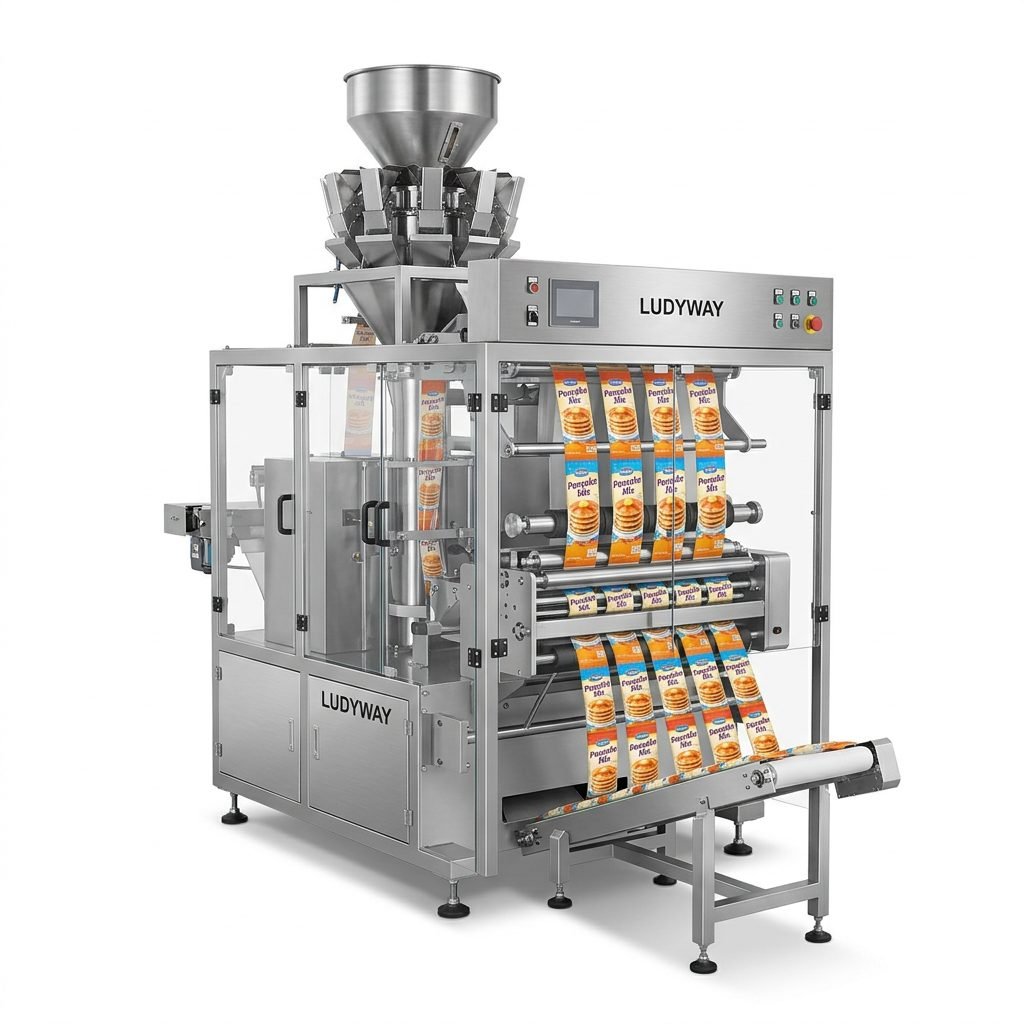
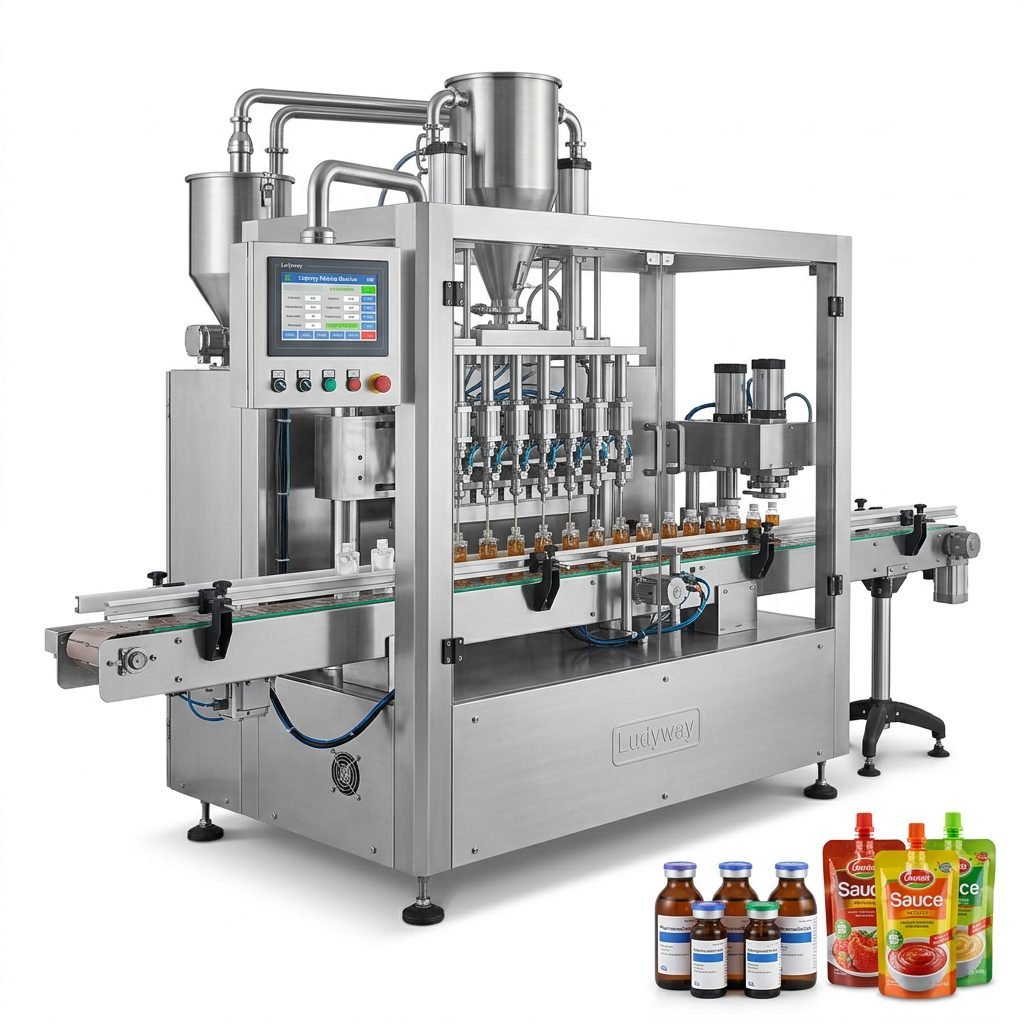
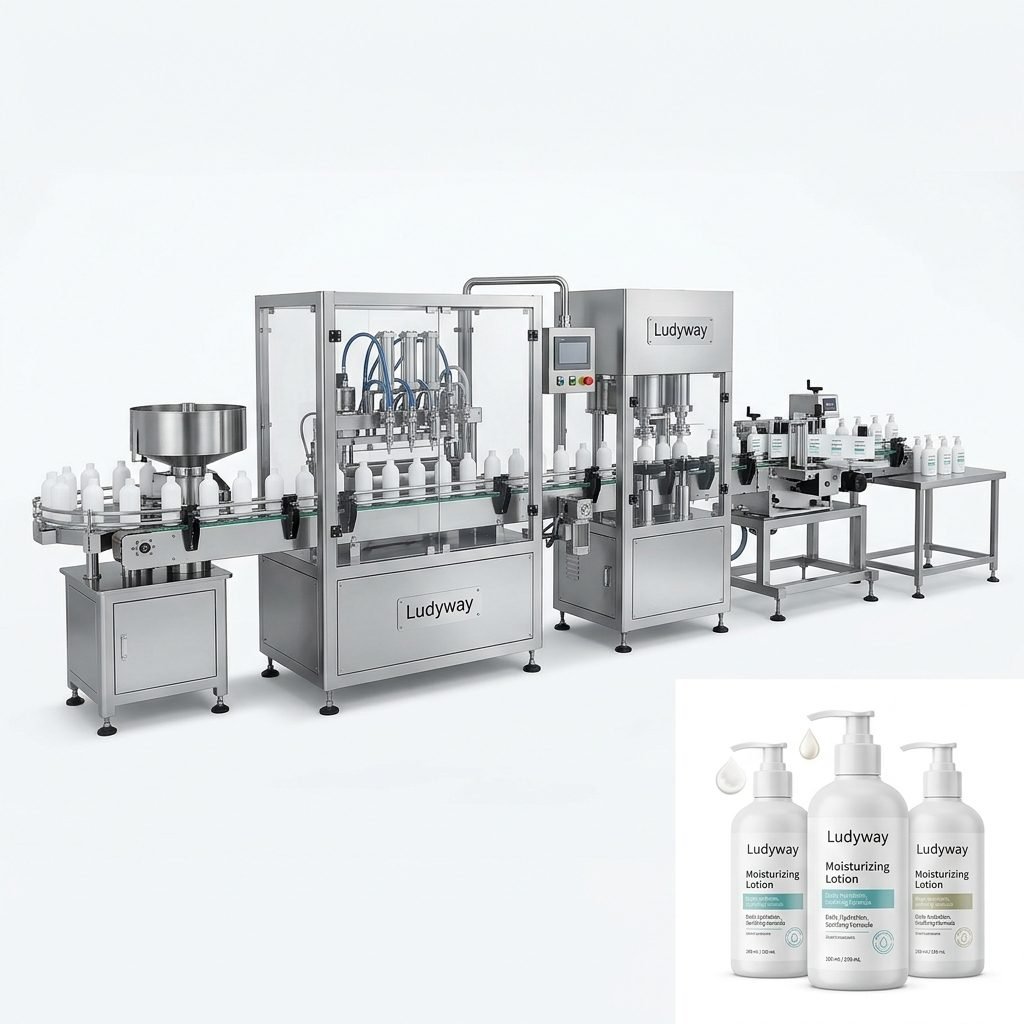
For manufacturers seeking reliable, high-performance packaging solutions, companies like Ludyway offer extensive expertise in automated packaging systems designed for food, pharmaceutical, and health industry applications. With over 30 years of industry experience and a presence in more than 100 countries, they provide a wide range of intelligent packaging machine models, including multi-lane stick pack, sachet, and fully automated packaging systems tailored to diverse production needs.
Take the time to consult multiple vendors, request detailed proposals, and visit operating installations where possible. A well-chosen ice cream packaging machine will serve as a cornerstone of your production line for many years, contributing to product quality, brand reputation, and operational efficiency in the demanding European frozen dessert market.