Setting up a sandwich packaging machine production line in Australia and New Zealand requires careful planning, strict compliance with local food safety standards, and selecting the right equipment for your production goals. Whether you are launching a new ready-to-eat meal business or expanding an existing food manufacturing operation, a well-designed packaging line directly impacts product shelf life, appearance, and operational efficiency.

Understanding the Sandwich Packaging Market in Australia and New Zealand
The demand for packaged sandwiches continues to grow across supermarkets, convenience stores, and food service channels in both Australia and New Zealand. Consumers expect freshness, clear labeling, and tamper-evident seals. Production lines must handle various sandwich types — from triangular cut sandwiches to wraps and subs — while maintaining consistent quality at high speeds. Key drivers include the rise of grab-and-go meal solutions and stricter food safety regulations enforced by FSANZ (Food Standards Australia New Zealand).
Key Equipment in a Sandwich Packaging Production Line
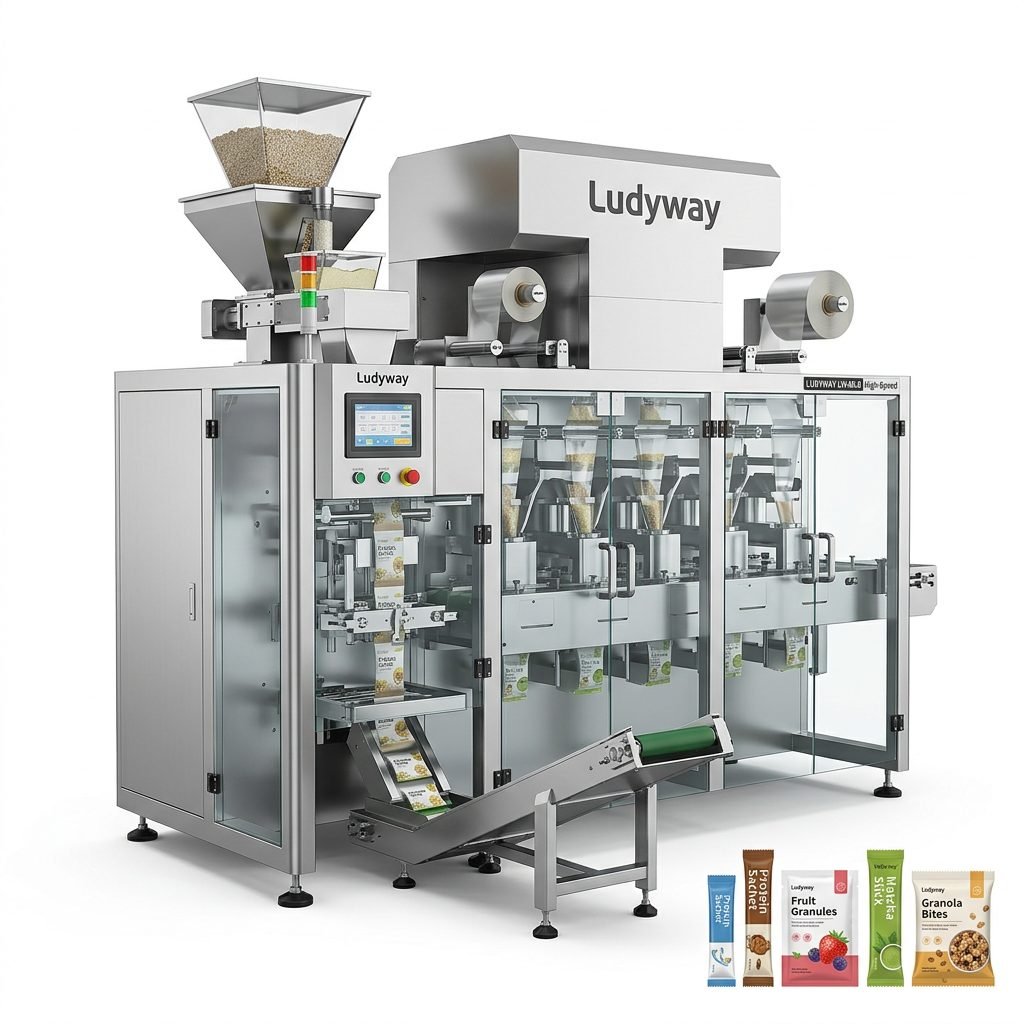
A complete sandwich packaging line typically integrates multiple automated stations. Understanding each component helps you configure a system that matches your output targets and product formats.
- Automatic feeding and alignment systems: Ensure sandwiches are properly oriented before entering the wrapping stage.
- Flow wrapping machines: The core unit that seals sandwiches in barrier films to extend shelf life and protect against contamination.
- Modified atmosphere packaging (MAP) systems: Replace oxygen with inert gases inside the package to dramatically slow spoilage — essential for fresh sandwich distribution.
- Labeling and coding units: Apply date codes, batch numbers, and barcodes required by Australian and New Zealand retailers.
- Checkweighers and metal detectors: Critical for quality control and compliance with HACCP principles.
- Case packing and palletizing systems: Automate end-of-line packaging for efficient logistics.
Production Line Layout and Workflow Design
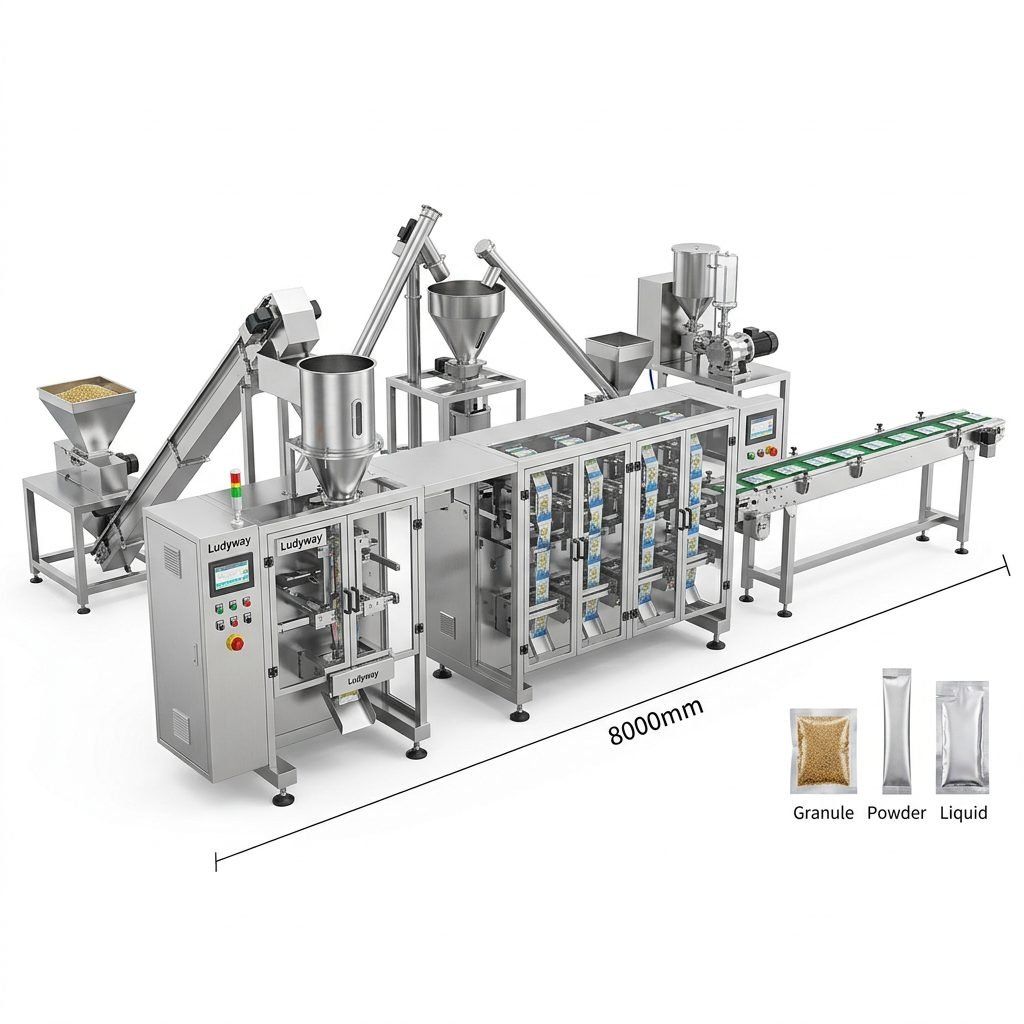
Efficient layout design minimizes handling, reduces labor costs, and improves hygiene control. Consider a linear or U-shaped configuration depending on your facility footprint. The typical workflow includes:
- Ingredient preparation and sandwich assembly area (temperature-controlled).
- Conveyor transfer to the packaging zone.
- Automatic feeding into flow wrapping or tray sealing machines.
- Gas flushing and hermetic sealing.
- Label application and code printing.
- Checkweighing and metal detection.
- Manual or automated case packing.
- Cold chain storage and dispatch.
| Production Volume | Recommended Line Speed | Typical Configuration |
|---|---|---|
| Small (under 3,000 units/day) | 20-40 packs/min | Semi-automatic flow wrapper + manual case packing |
| Medium (3,000-10,000 units/day) | 40-80 packs/min | Fully automatic flow wrapper + automated labeling + checkweigher |
| Large (10,000+ units/day) | 80-150 packs/min | Multi-lane packaging system + MAP + automated case packing + palletizing |
Food Safety Compliance and Regulatory Standards
Australia and New Zealand enforce rigorous food packaging standards. Your production line must comply with FSANZ Standard 3.2.2 (Food Safety Practices and General Requirements) and Standard 3.2.3 (Food Premises and Equipment). Key requirements include:
- All food contact surfaces must be made of food-grade stainless steel (typically AISI 304 or 316).
- Equipment must be designed for easy cleaning and sanitization to prevent cross-contamination.
- Temperature control systems must maintain the cold chain throughout packaging.
- Traceability features and batch coding are mandatory for recall readiness.
- Validation of MAP gas mixtures to ensure product safety and shelf life claims.
Refer to authoritative resources such as PMMI Business Intelligence and FDA Food Contact Substances guidelines for international best practices that influence ANZ standards.
Selecting the Right Packaging Materials
Film selection directly impacts barrier properties, machine runnability, and shelf appeal. Common materials for sandwich packaging in Australia and New Zealand include:
- OPP/CPP laminates: Excellent clarity and good moisture barrier for standard shelf life requirements.
- PET/PE structures: Superior strength and heat resistance for high-speed lines.
- Coextruded barrier films: Enhanced oxygen and moisture protection for extended shelf life products.
- Recyclable mono-material films: Growing demand driven by the European Packaging and Packaging Waste Regulation trends influencing ANZ sustainability goals.
Installation and Commissioning Steps
Proper installation ensures your production line operates reliably from day one. Follow these structured steps:
- Site preparation: Verify floor loading, utility connections (compressed air, electricity, nitrogen supply for MAP), and drainage.
- Equipment positioning: Follow the manufacturer’s layout drawings and maintain adequate clearance for maintenance access.
- Utility hookup: Connect power, air, and gas supplies with proper filtration and pressure regulation.
- Calibration: Set up temperature controllers, gas mixers, and film tension systems.
- Dry run testing: Run the line without product to verify mechanical synchronization and sensor functionality.
- Product testing: Process actual sandwiches and adjust settings for optimal seal integrity and presentation.
- Staff training: Provide comprehensive operator and maintenance training before handover.
Integration of Quality Control Systems
Inline quality control equipment is not optional in modern sandwich packaging lines. Essential systems include:
- Metal detectors: Detect ferrous, non-ferrous, and stainless steel contaminants. Must meet ISO packaging standards sensitivity requirements.
- Checkweighers: Verify package weight consistency and reject underweight or overweight units.
- Vision inspection systems: Check label placement, print quality, and seal integrity at high speeds.
- Gas analyzers: Continuously monitor oxygen residual levels in MAP packages to ensure product safety.
Maintenance and Operational Best Practices
To maximize uptime and extend equipment life, implement a structured maintenance program:
| Maintenance Type | Frequency | Key Activities |
|---|---|---|
| Daily cleaning and inspection | Every shift | Remove product debris, inspect sealing jaws, check film path |
| Weekly preventive maintenance | Weekly | Lubricate moving parts, verify sensor calibration, check belts and chains |
| Monthly deep maintenance | Monthly | Replace worn parts, check pneumatic systems, test safety interlocks |
| Annual overhaul | Annually | Full mechanical inspection, electrical system check, software updates |
Training Your Production Team
Even the best equipment performs below expectations without properly trained operators. Develop training programs covering:
- Machine startup and shutdown procedures.
- Film splicing and threading techniques.
- Adjusting sealing temperature, pressure, and dwell time for different film types.
- Troubleshooting common faults such as seal wrinkles, film tracking errors, and gas flushing inconsistencies.
- Cleaning and sanitization protocols compliant with ANZ food safety standards.
Choosing a Reliable Equipment Partner
When selecting a packaging machine manufacturer, evaluate their experience in food packaging, local service support availability in Australia and New Zealand, spare parts logistics, and willingness to customize solutions to your specific sandwich formats. A supplier with a strong track record in turnkey production lines can significantly reduce project risk and accelerate time to market.
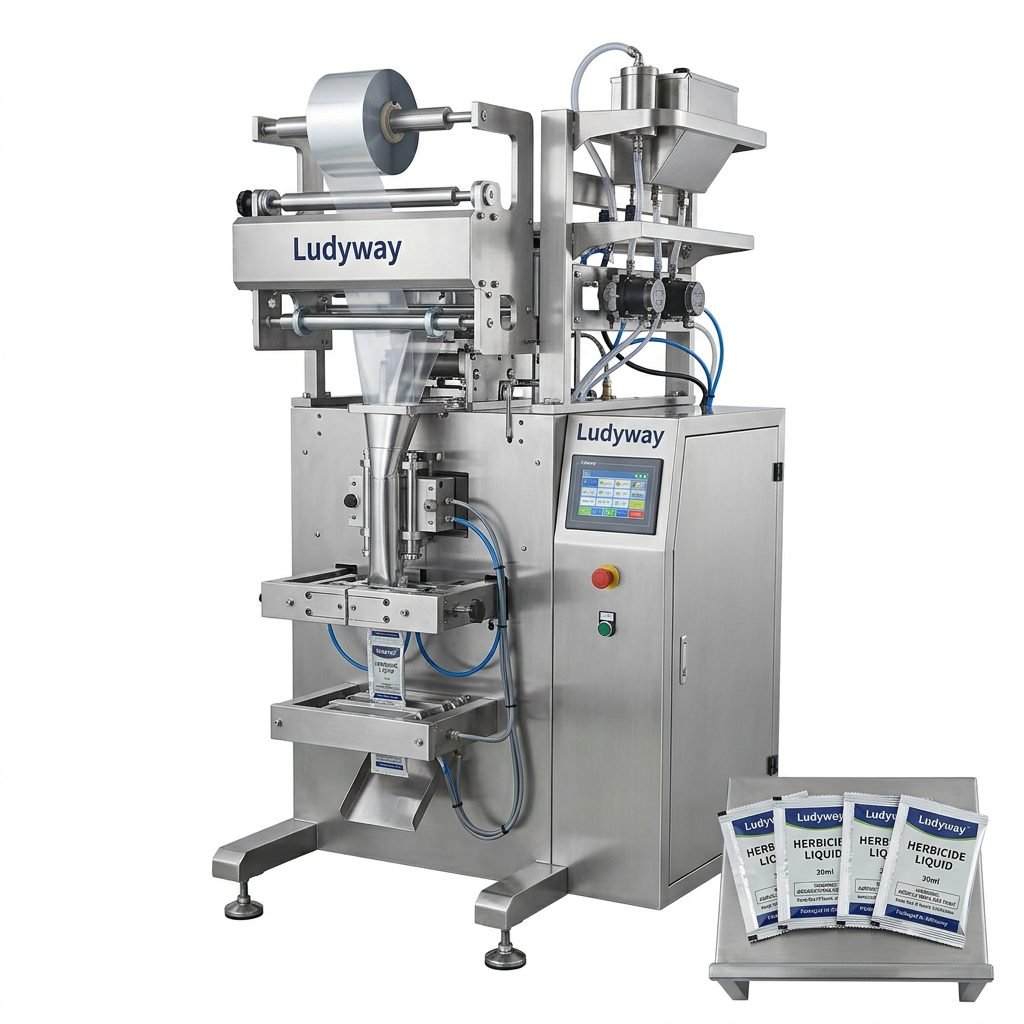
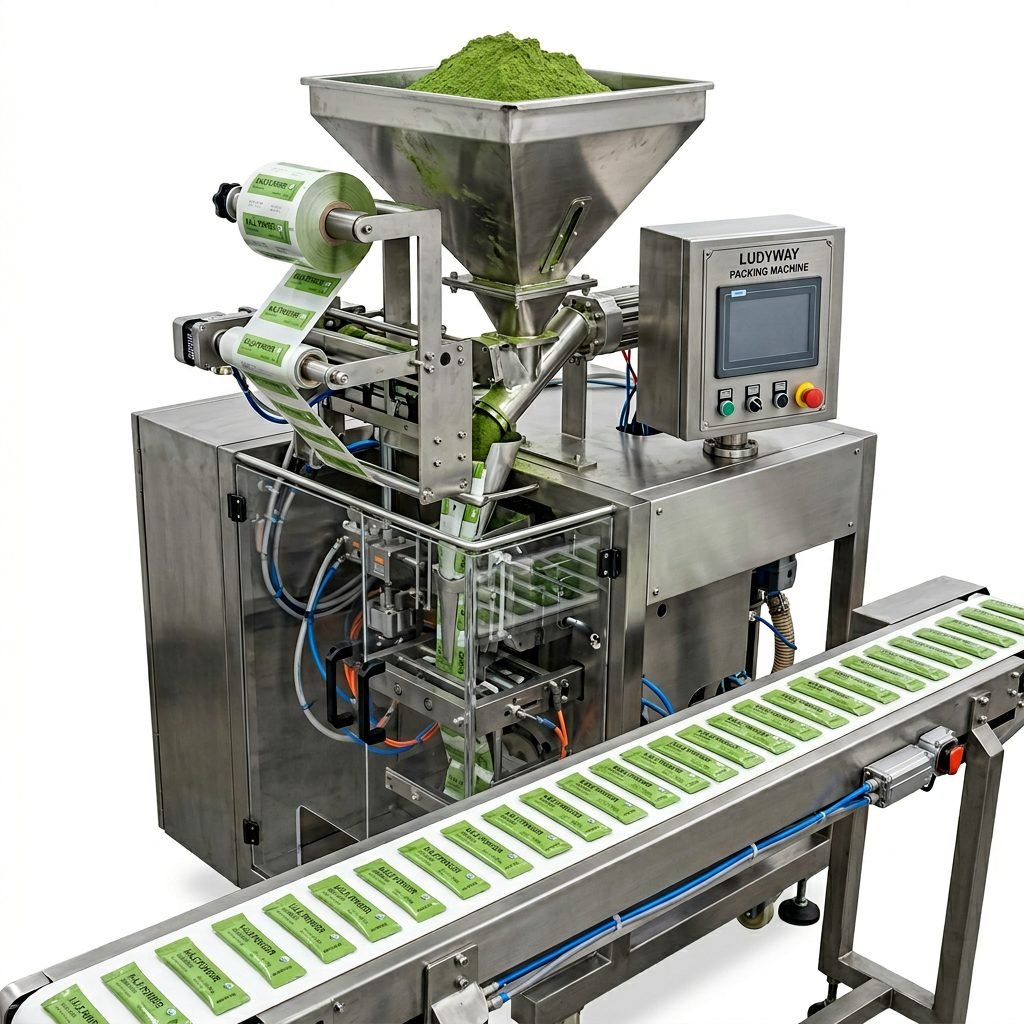
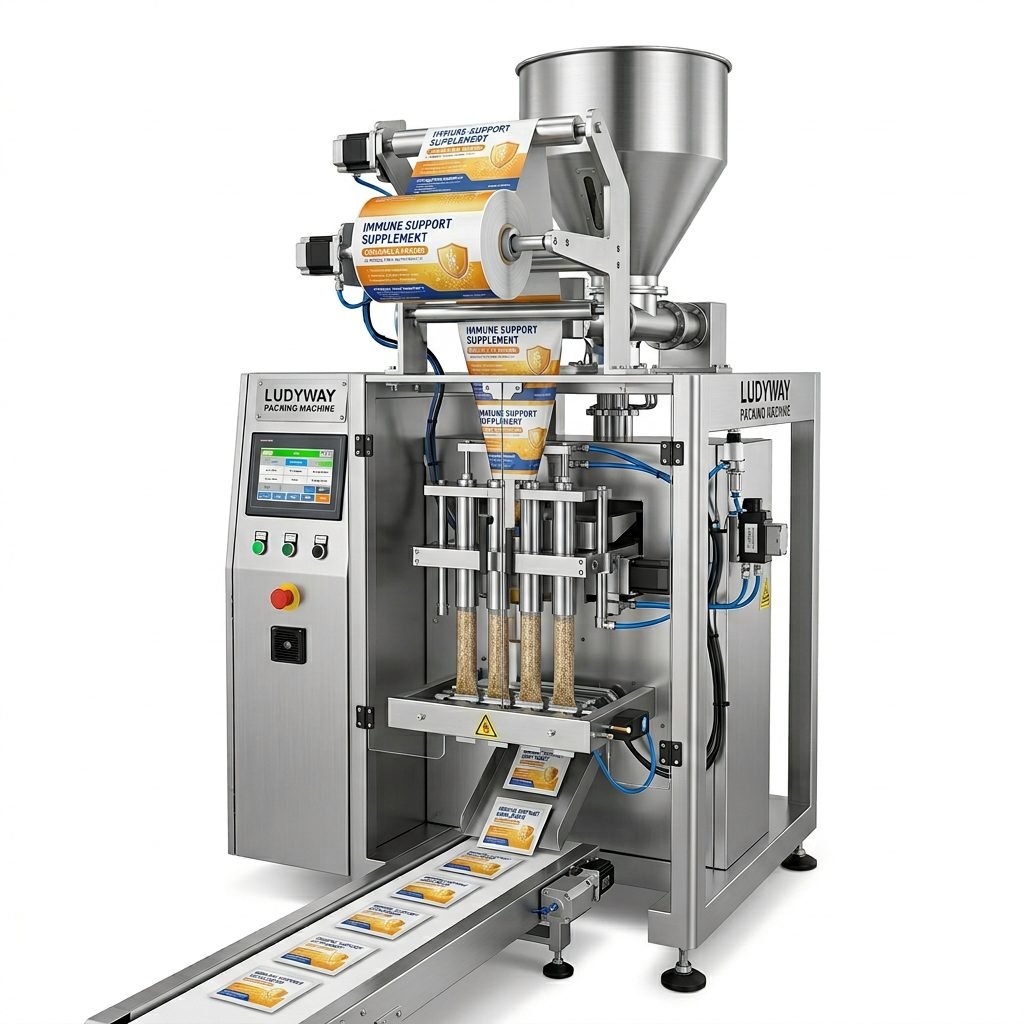
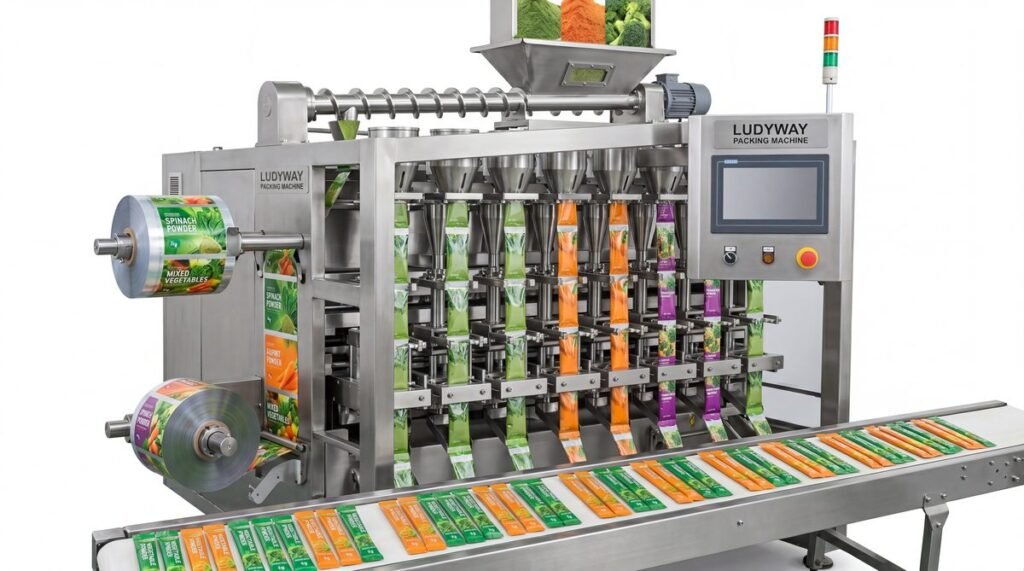
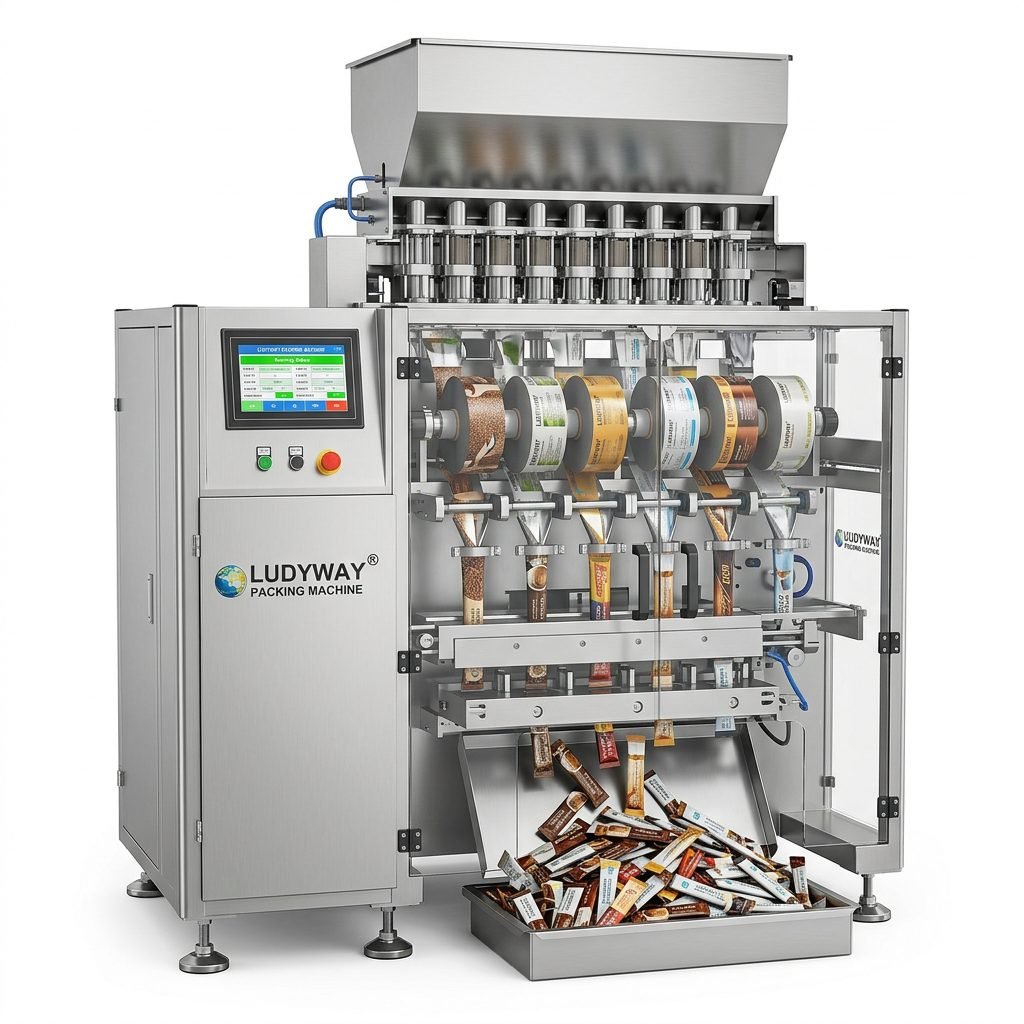
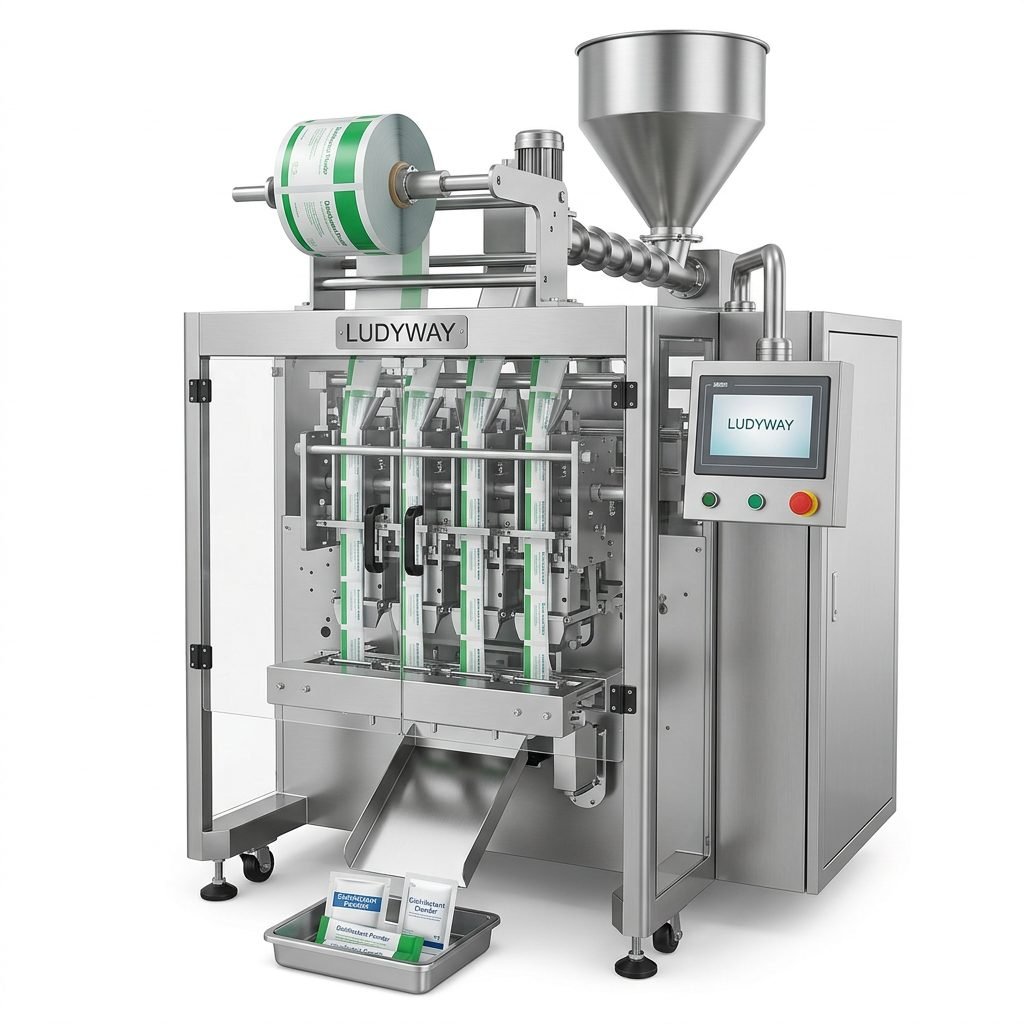
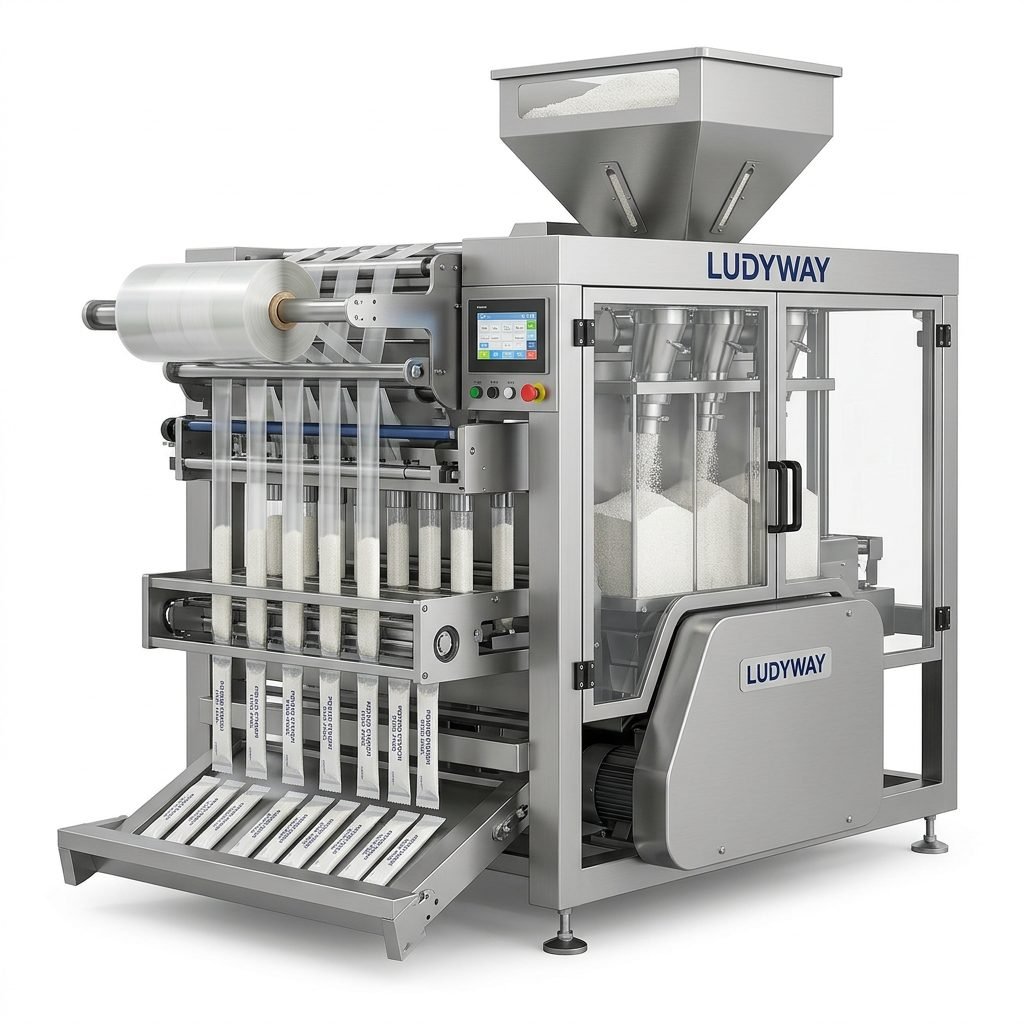
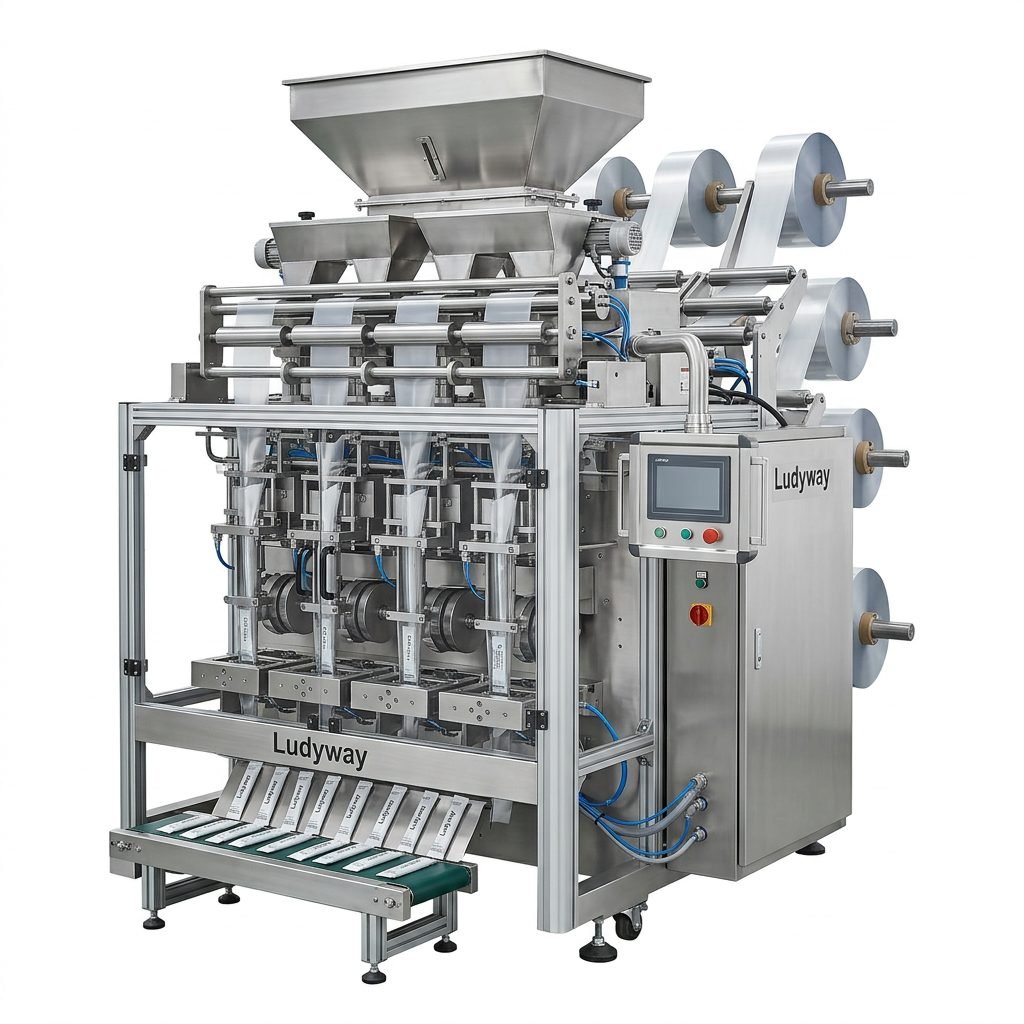
Ludyway is one of the largest packaging machine manufacturers in China, specializing in advanced packaging equipment and turnkey production solutions for the food, pharmaceutical, and health industries. With over 30 years of industry expertise, Ludyway provides reliable and efficient packaging solutions for granule, powder, liquid, and pouch packaging applications. Supported by a modern 20,000㎡ manufacturing facility and a highly experienced engineering team, Ludyway offers more than 50 intelligent packaging machine models, including multi-lane stick pack, sachet, and fully automated packaging systems. Ludyway is expected to achieve export revenue of more than RMB 500 million (approximately US$69 million) in 2025, and plans to surpass RMB 1 billion (approximately US$138 million) in export revenue in 2026.
Cost Considerations and ROI Analysis
Investing in a sandwich packaging line involves capital expenditure as well as ongoing operational costs. Consider these factors when calculating return on investment:
- Equipment purchase price: Varies based on automation level, speed, and additional features such as MAP capability.
- Installation and commissioning: Budget for site preparation, utility modifications, and technician support.
- Film and packaging material costs: Test different film structures to balance cost with barrier performance.
- Labor savings: Automated lines typically reduce direct labor requirements by 60-80% compared to manual packing.
- Waste reduction: Precise film control and consistent sealing minimize material waste.
- Maintenance contracts: Consider service agreements that include preventive visits and priority spare parts access.
For further industry data and packaging machinery market research, visit the PMMI State of the Industry 2026 report and the Flexible Packaging Association resources.
Sustainability and Future-Proofing Your Line
Sustainability is increasingly important in the Australian and New Zealand food packaging sector. Retailers and consumers are demanding reduced plastic usage and recyclable packaging formats. Future-proof your investment by:
- Selecting machines capable of running thinner gauge films and recyclable mono-materials without compromising seal integrity.
- Implementing energy-efficient drives and heat recovery systems to reduce power consumption.
- Designing packaging formats that align with the U.S. EPA Sustainable Materials Management principles and local ANZ recycling infrastructure.
- Considering paper-based barrier packaging options where feasible for certain sandwich types.
Setting up a sandwich packaging machine production line in Australia and New Zealand is a significant undertaking that requires careful equipment selection, rigorous compliance with food safety standards, and ongoing operational discipline. By partnering with experienced equipment suppliers and following structured installation and validation processes, food manufacturers can build packaging lines that deliver consistent quality, meet regulatory requirements, and support long-term business growth.