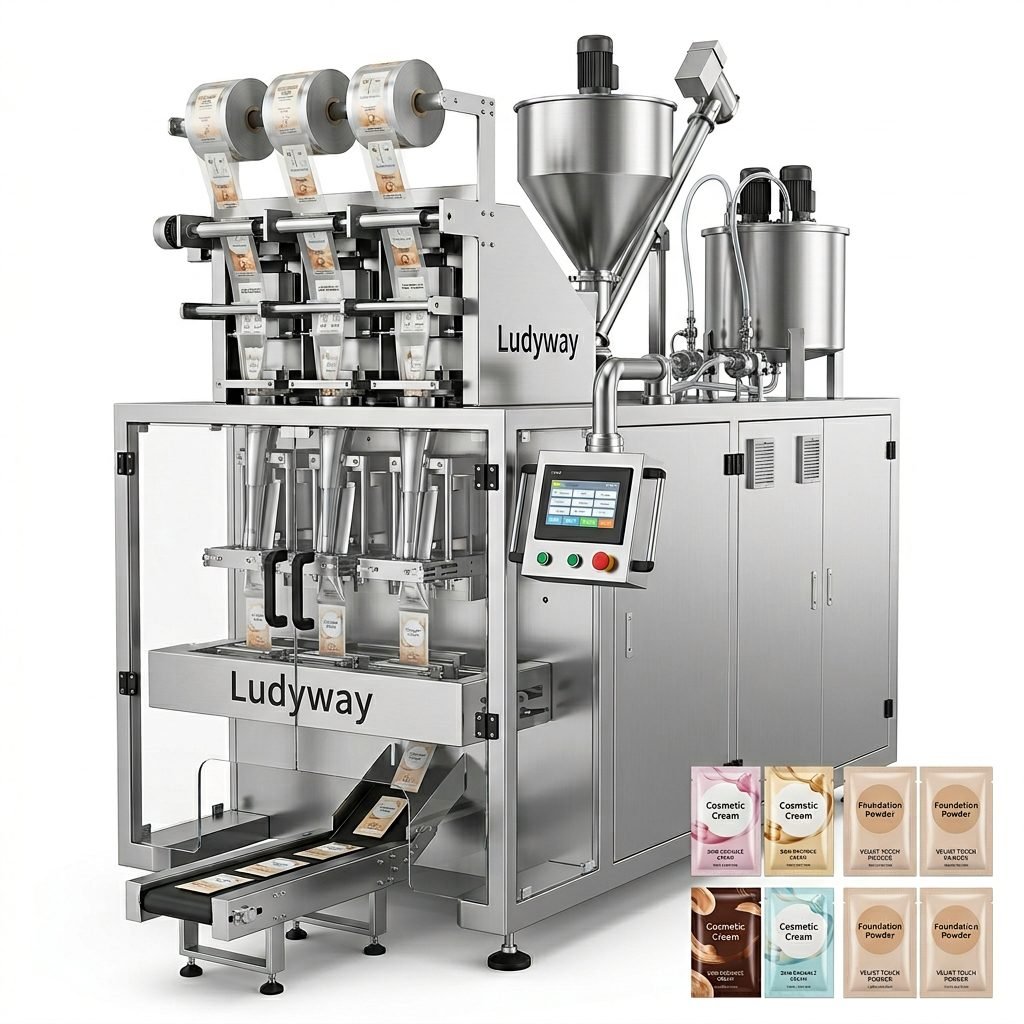
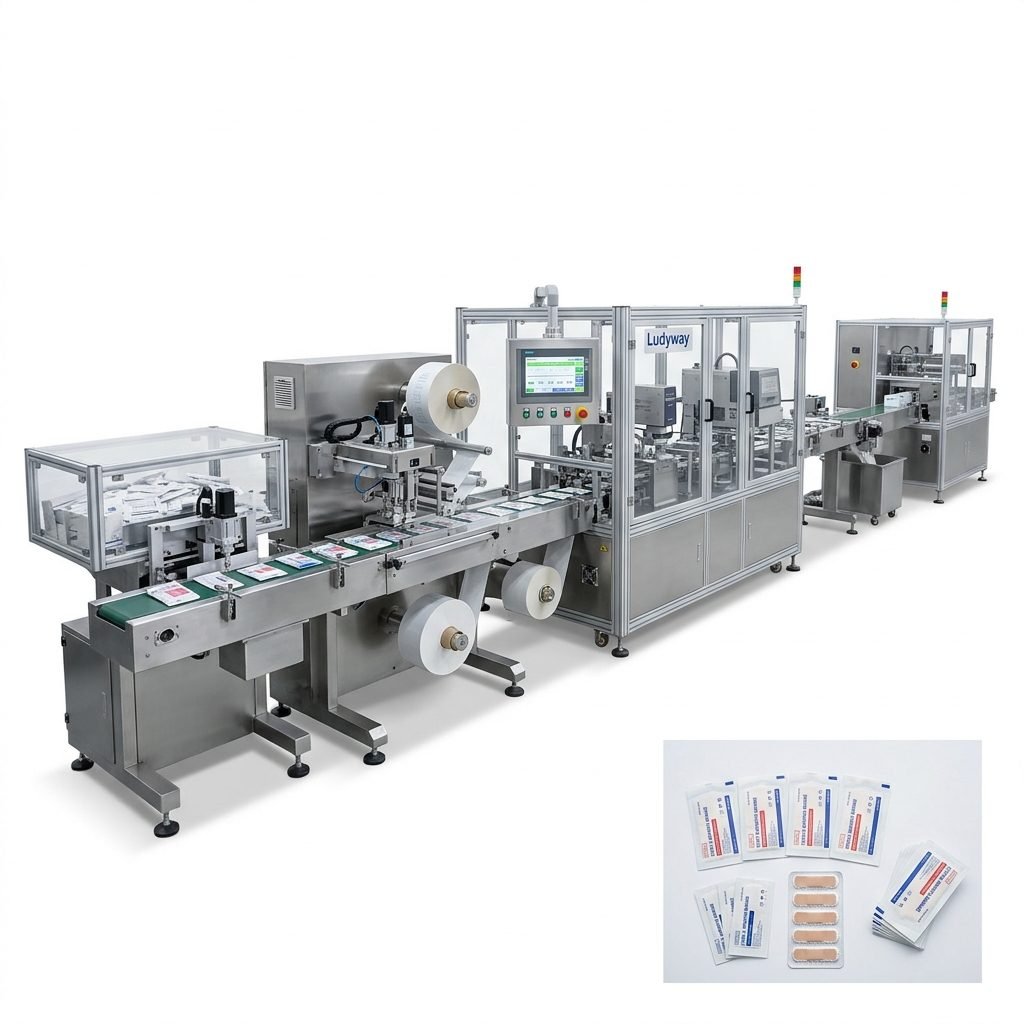
Choosing the right bottle packaging machine is not simply about buying a filler. It is about matching product characteristics, output goals, container types, automation level, and long-term operating cost with a system that can run reliably every day. For manufacturers of water, juice, sauces, oils, chemicals, pharmaceuticals, cosmetics, and health products, the right solution can improve efficiency, reduce waste, and strengthen packaging consistency.
If you are planning a new line or upgrading an existing one, this guide explains what to evaluate before selecting a bottle packaging machine for efficient liquid packaging.
Why the right bottle packaging machine matters
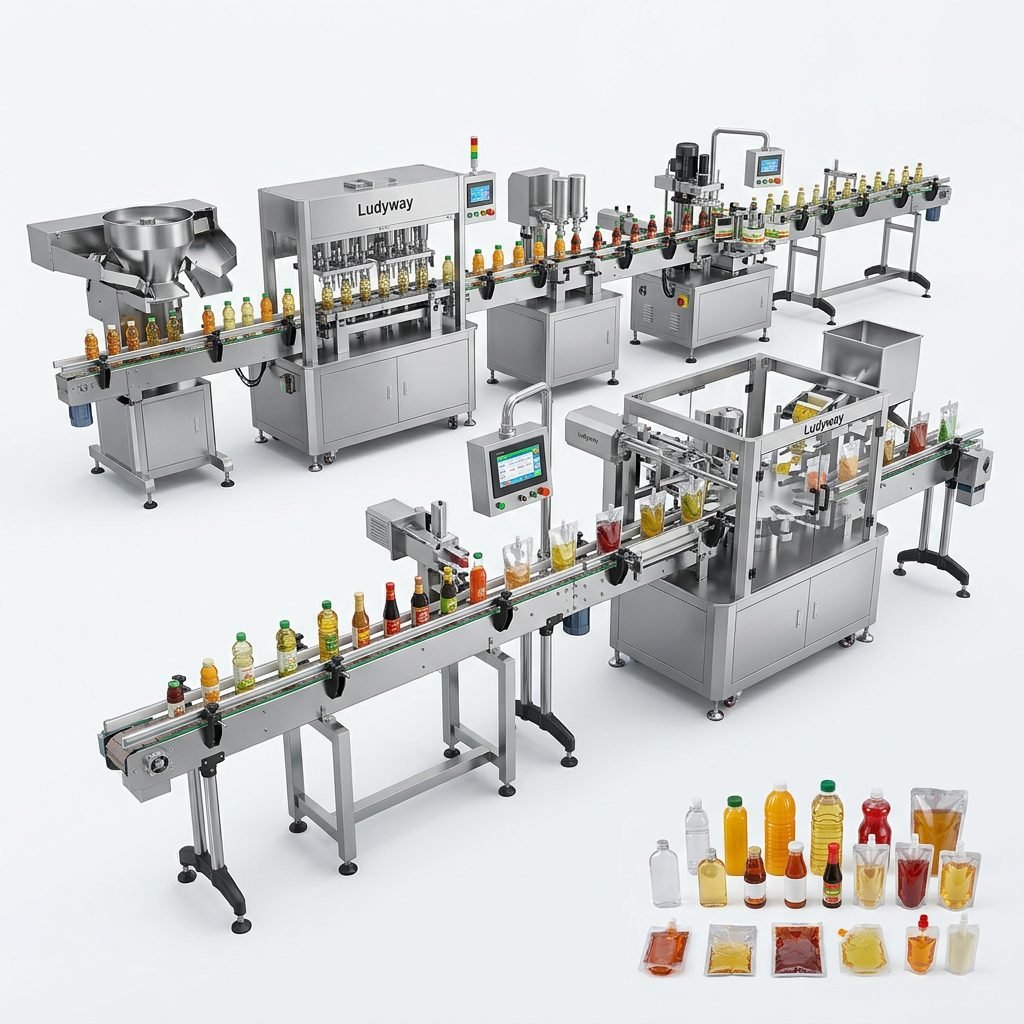
Liquid packaging involves more than filling a bottle. A complete process may include bottle feeding, rinsing, filling, capping, induction sealing, labeling, coding, cartoning, and end-of-line packing. If one part of the line is mismatched, the entire operation can suffer from slow speed, leakage, inaccurate fill volume, higher maintenance, and excessive labor dependence.
- Faster throughput with stable and repeatable production
- Higher filling accuracy to protect product quality and control giveaway
- Better sealing performance to reduce leakage during transport
- Improved hygiene and compliance for food, pharma, and personal care products
- Lower labor and operating costs through automation
- Greater flexibility for different bottle sizes and product formats
Start with your liquid product type
The first step is understanding the physical behavior of your liquid. Different products require different filling principles.
| Liquid Type | Typical Products | Recommended Filling Method |
|---|---|---|
| Free-flowing liquid | Water, juice, alcohol, oral liquids | Gravity filling or flowmeter filling |
| Viscous liquid | Syrup, shampoo, lotion, detergent | Piston filling or servo pump filling |
| Foamy liquid | Cleaning agents, hand wash, certain beverages | Bottom-up filling, anti-foam nozzles |
| Hot-fill liquid | Sauces, tea drinks, fruit-based liquids | Heat-resistant filling system with temperature control |
| Corrosive liquid | Bleach, acids, industrial chemicals | Corrosion-resistant filling machine with special materials |
| Liquid with particles | Chili sauce, dressings, suspensions | Wide-path piston or specialized particle filling system |
When the filling technology matches the liquid behavior, the machine can maintain cleaner filling, better accuracy, and smoother production at higher speeds.
Evaluate your bottle and closure specifications
A bottle packaging machine must fit the packaging format, not just the liquid. Before making a decision, review:
- Bottle material: PET, HDPE, PP, glass, aluminum, or specialty container
- Bottle shape: round, square, flat, custom-profiled, or flexible
- Bottle volume: small-dose bottles, standard retail bottles, or large bulk containers
- Neck finish and opening diameter
- Cap type: screw cap, pump, trigger, flip-top, child-resistant cap, dropper, aluminum cap
- Label position and coding requirements
Unstable bottle shape or lightweight plastic can affect conveying, positioning, filling, and capping. This is why it is important to test the actual bottle samples before finalizing a machine configuration.
Choose the right level of automation
Bottle packaging machines are available in semi-automatic, automatic, and fully integrated line configurations. The best choice depends on your production scale and future expansion plans.
Semi-automatic systems
These are suitable for startups, pilot production, or companies with many short production runs. They require more labor but have lower upfront investment.
Automatic standalone machines
These machines automate filling or capping and are ideal for growing manufacturers that need higher efficiency without building a full line immediately.
Turnkey bottle packaging lines
A turnkey line integrates several modules into one continuous process. This option is best for medium to large production operations seeking higher speed, lower manual handling, and more stable line coordination.
| Automation Level | Best For | Main Benefit |
|---|---|---|
| Semi-automatic | Low-volume production | Lower initial investment |
| Automatic machine | Growing brands and factories | Better efficiency and consistency |
| Fully integrated line | High-output industrial production | Maximum productivity and reduced labor |
Key performance factors to compare
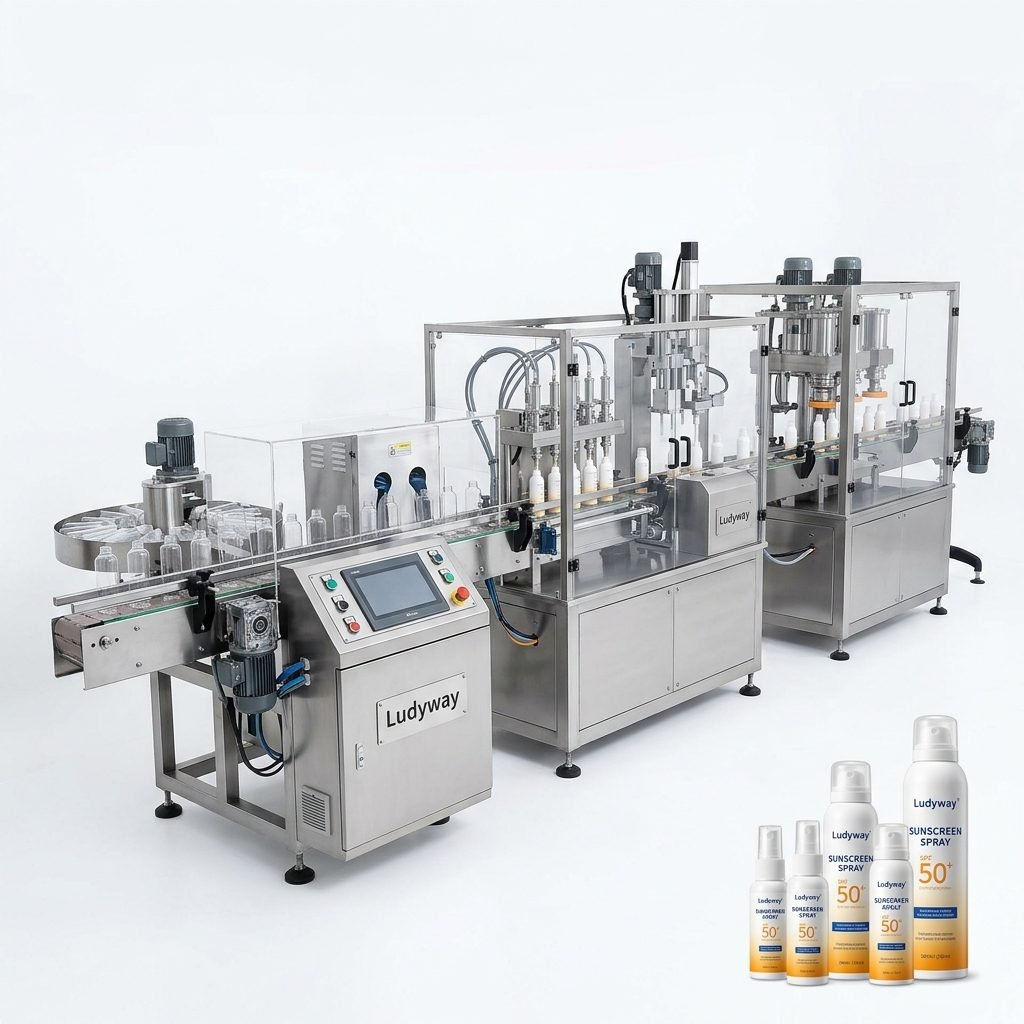
When reviewing suppliers and technical proposals, focus on measurable operating performance rather than only machine price.
1. Filling accuracy
Accurate dosing helps reduce overfill loss and protects compliance, especially in food, pharmaceutical, and health-related products.
2. Production speed
Check bottles per minute under real operating conditions, not just theoretical maximum speed. Bottle size, viscosity, and changeover can all affect actual output.
3. Changeover time
If you pack different bottle sizes or multiple SKUs, quick changeover can significantly increase usable production time.
4. Machine stability
Stable operation reduces downtime, rejects, and maintenance interruption. Ask about electrical components, control systems, and long-run performance.
5. Cleanability
For hygiene-sensitive industries, machine design should allow efficient cleaning and, where needed, CIP-compatible or sanitary-contact construction.
6. Integration capability
The machine should connect easily with upstream tanks and downstream cappers, labelers, coders, case packers, and palletizing systems.
Common machine configurations for liquid bottle packaging
A complete bottle packaging solution may include one or more of the following units:
- Bottle unscrambler or infeed table
- Air rinsing or bottle washing machine
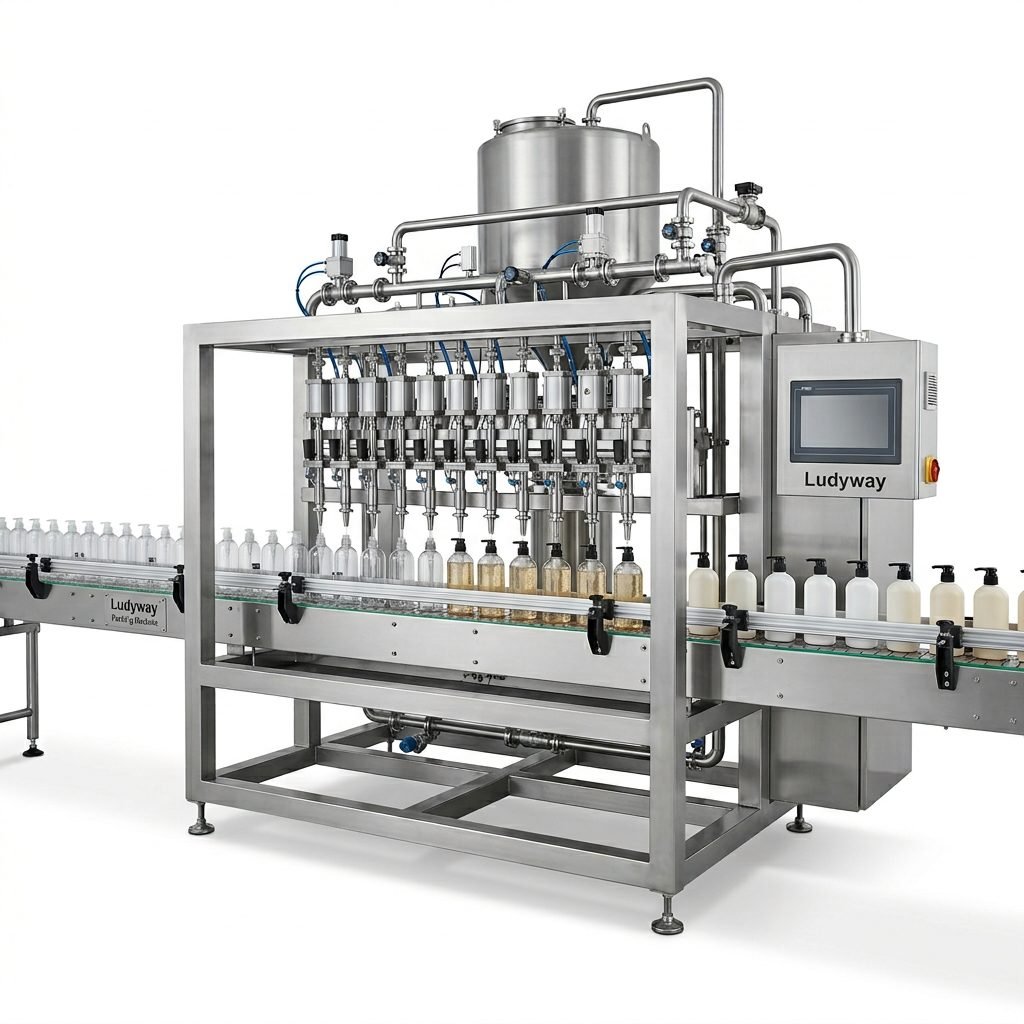
- Liquid filling machine
- Cap sorting and capping machine
- Induction sealing or foil sealing unit
- Labeling machine
- Date coding or inkjet printing system
- Checkweigher, metal detector, or inspection equipment
- Cartoning, case packing, and palletizing system
If your business is scaling rapidly, a modular line is often a better investment than an isolated filler because it leaves room for future expansion.
Industry-specific considerations
Food and beverage
Food-grade contact parts, sanitary design, easy cleaning, anti-drip nozzles, and compatibility with hot fill or viscosity variation are important.
Pharmaceutical and health products
Precision, traceability, clean-room compatibility, and validation support become critical. Small-dose bottles and strict contamination control may require specialized designs.
Cosmetics and personal care
Products such as serum, lotion, shampoo, and body wash often need high-viscosity handling, elegant bottle presentation, and precise capping torque.
Chemical and household products
Chemical resistance, sealed filling areas, corrosion-resistant materials, ventilation considerations, and operator safety features are essential.
How to estimate the right capacity
A common mistake is choosing equipment based only on current demand. The better method is to estimate line capacity based on:
- Current daily or monthly production target
- Projected growth over the next 3 to 5 years
- Number of shifts per day
- Expected operating efficiency
- Planned maintenance downtime
- Seasonal demand peaks
Selecting a machine with no room for growth may save money initially but can create a bottleneck much sooner than expected. On the other hand, buying a line far above your real operating requirement can increase cost and complexity unnecessarily.
Questions to ask before buying
- What liquid products will be filled now and in the future?
- What bottle sizes and cap types must the machine handle?
- What is the real target speed per minute or per hour?
- What filling accuracy is required?
- How long does size changeover take?
- What materials are used in product-contact parts?
- Can the system integrate with my existing packaging line?
- What spare parts and after-sales support are available?
- Can the supplier provide sample testing or trial video?
- What certifications or quality controls are in place?
The importance of customization
No two liquid packaging projects are exactly the same. Viscosity, foam level, bottle geometry, workshop layout, and target speed can vary significantly. That is why custom engineering often delivers better long-term value than an off-the-shelf setup.
For buyers looking for scalable automation, liquid packaging machine solutions from Ludyway can be considered for standalone equipment and turnkey packaging line integration across food, pharmaceutical, cosmetic, chemical, and health-related applications.
Signs you need to upgrade your current bottle packaging line
- Frequent leakage or inconsistent fill levels
- Too much manual labor around filling and capping
- Slow output that limits order fulfillment
- High product loss from overfilling or spillage
- Long changeovers between SKUs
- Difficulty meeting hygiene or compliance requirements
- Repeated downtime caused by aging equipment
Final selection checklist
| Checklist Item | Why It Matters |
|---|---|
| Liquid characteristics | Determines filling method and machine material |
| Bottle and cap format | Affects positioning, filling, and capping compatibility |
| Required speed | Ensures the machine supports production goals |
| Automation level | Balances labor savings and investment cost |
| Hygiene and compliance needs | Critical for food, pharma, and cosmetics |
| Expandability | Supports future line upgrades and SKU growth |
| Service and technical support | Reduces downtime and protects long-term ROI |
The best bottle packaging machine is the one that fits your liquid, your containers, your output target, and your long-term business plan. By comparing filling technology, automation level, line integration, and supplier support, you can build an efficient liquid packaging process that improves productivity today while staying flexible for future growth.