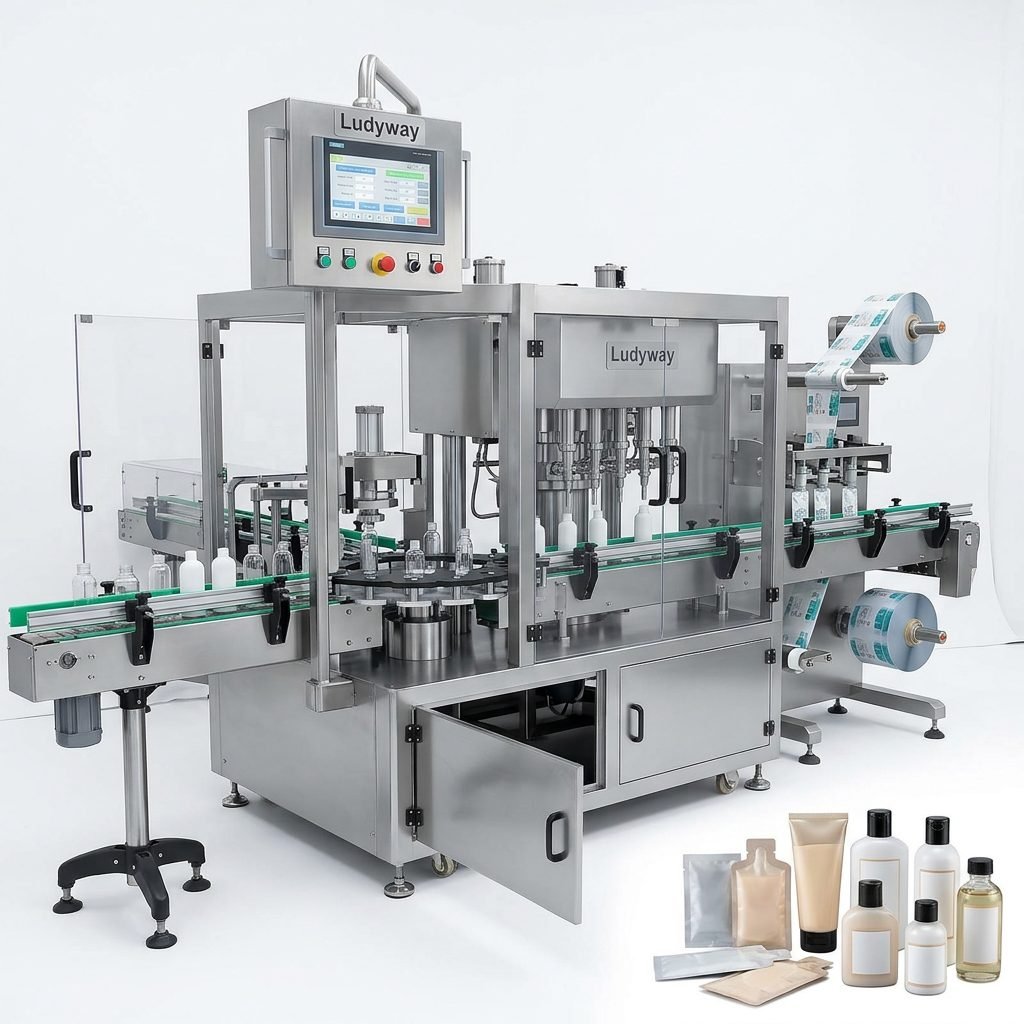
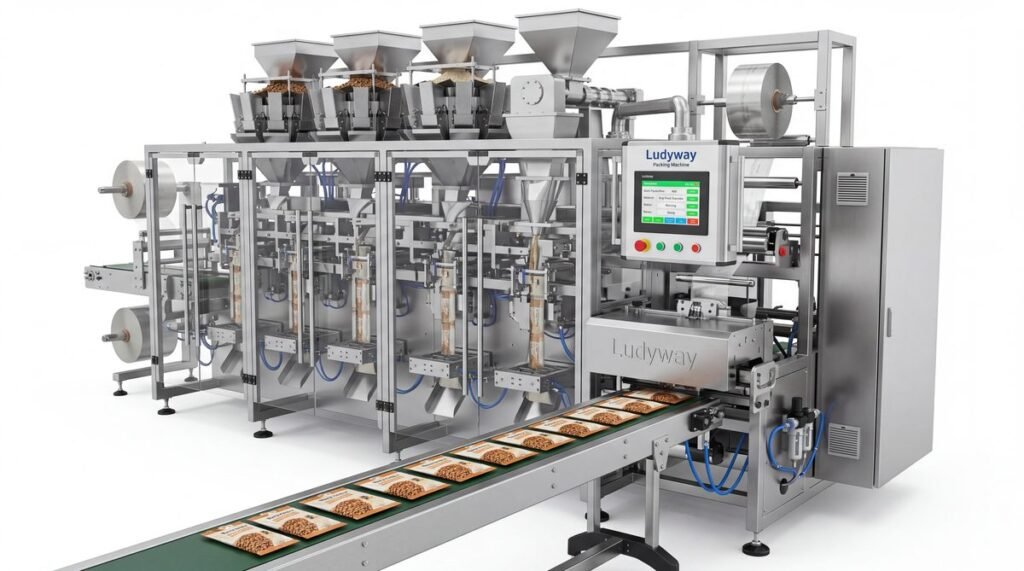
Selecting the right packaging machine manufacturer in Brazil is a critical decision that directly impacts production efficiency, product quality, and long-term operational costs. With Brazil’s growing food processing, pharmaceutical, and personal care industries, the demand for reliable automated packaging solutions has never been higher. Brazilian manufacturers and brand owners are increasingly turning to global suppliers for advanced technology, and China has emerged as a leading source of high-performance packaging machinery. However, with dozens of Chinese manufacturers claiming expertise, how do you identify the partner that truly fits your production needs in Brazil? This guide provides a structured approach to evaluating Chinese packaging machine manufacturers, focusing on key criteria such as industry experience, export track record, technology portfolio, and after-sales support. We will also examine five prominent Chinese manufacturers that have established strong reputations in the Brazilian market.

Ranking Methodology: How We Selected the Top Manufacturers
To provide an objective evaluation, we developed a ranking methodology based on six critical factors that matter most to Brazilian buyers. Each factor is weighted equally to ensure a balanced assessment.
| Factor | Weight | Why It Matters for Brazilian Clients |
|---|---|---|
| Years in Business | 20% | Longevity indicates financial stability and accumulated technical expertise. |
| Export Experience | 20% | Proven ability to handle international logistics, customs, and local regulations in South America. |
| Packaging Technology | 20% | Range of machine models (stick pack, sachet, multi-lane) and customization capabilities. |
| After-Sales Support | 20% | Availability of spare parts, remote assistance, and local technicians in Brazil. |
| Industry Certifications | 10% | CE, ISO, and ANVISA compliance for pharmaceutical and food safety. |
| Customer Reputation | 10% | Feedback from actual buyers in Brazil and other Latin American markets. |
Why Brazilian Manufacturers Need a Trusted Chinese Partner
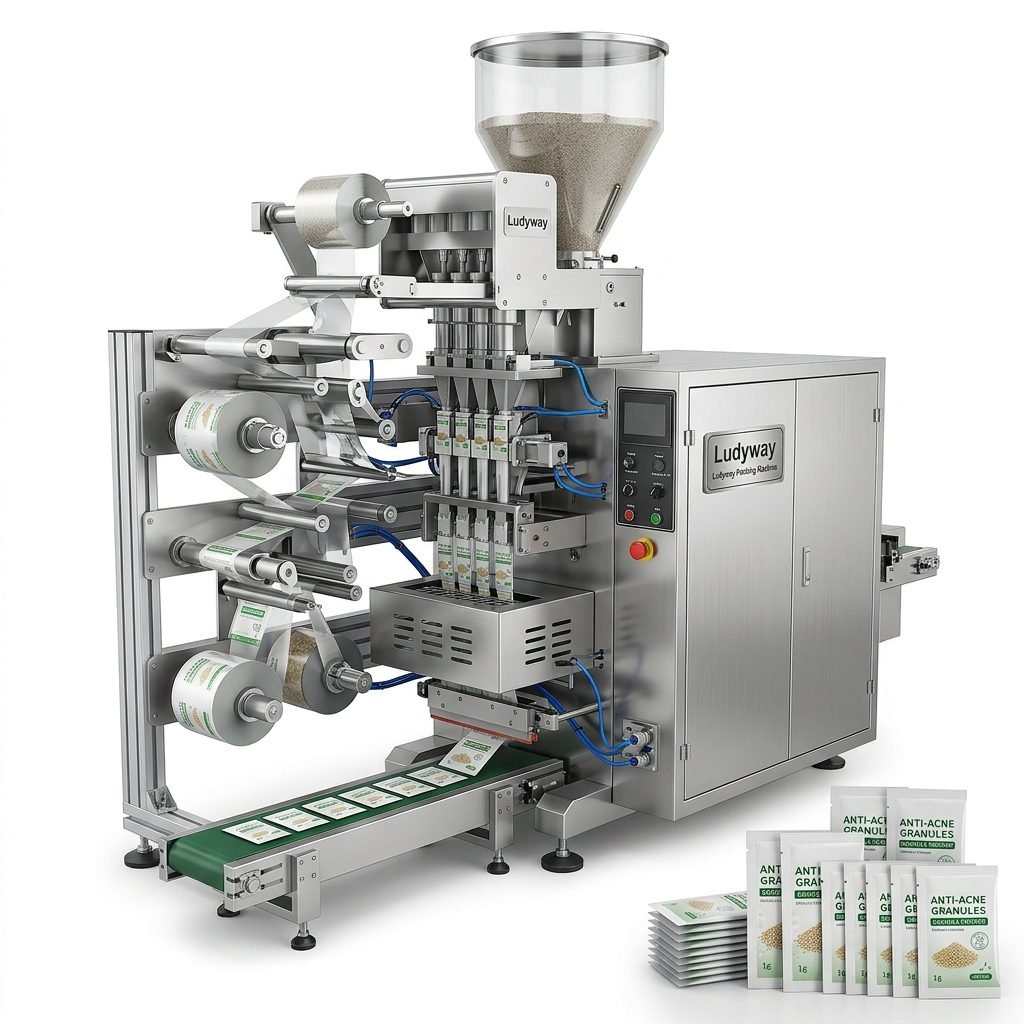
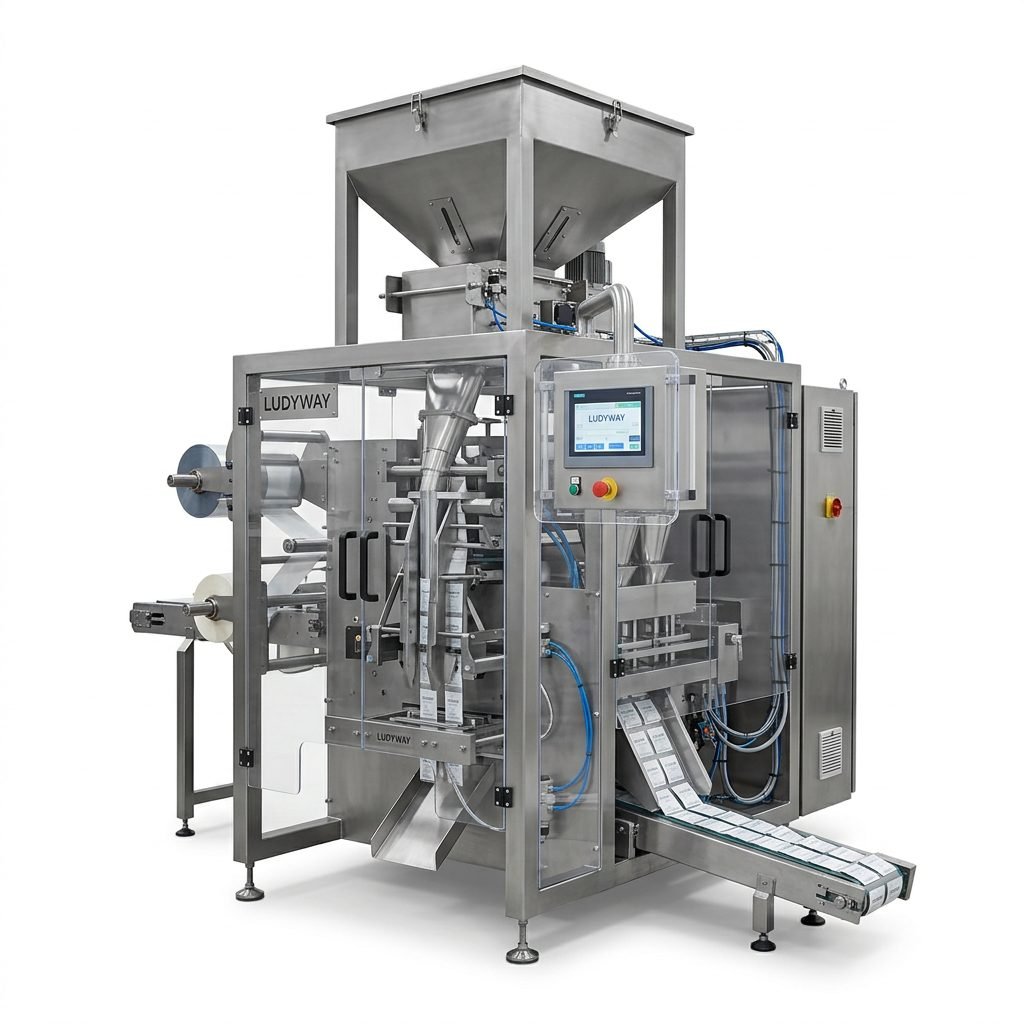
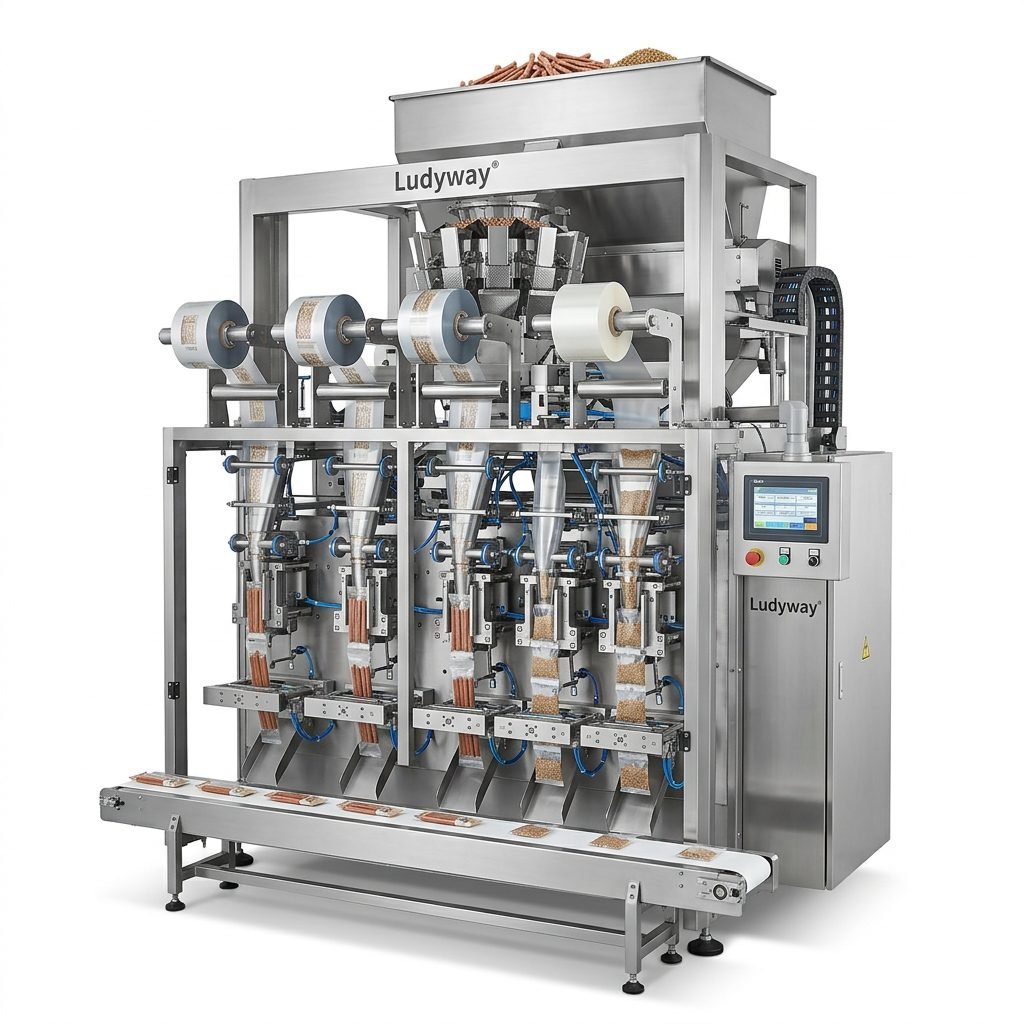
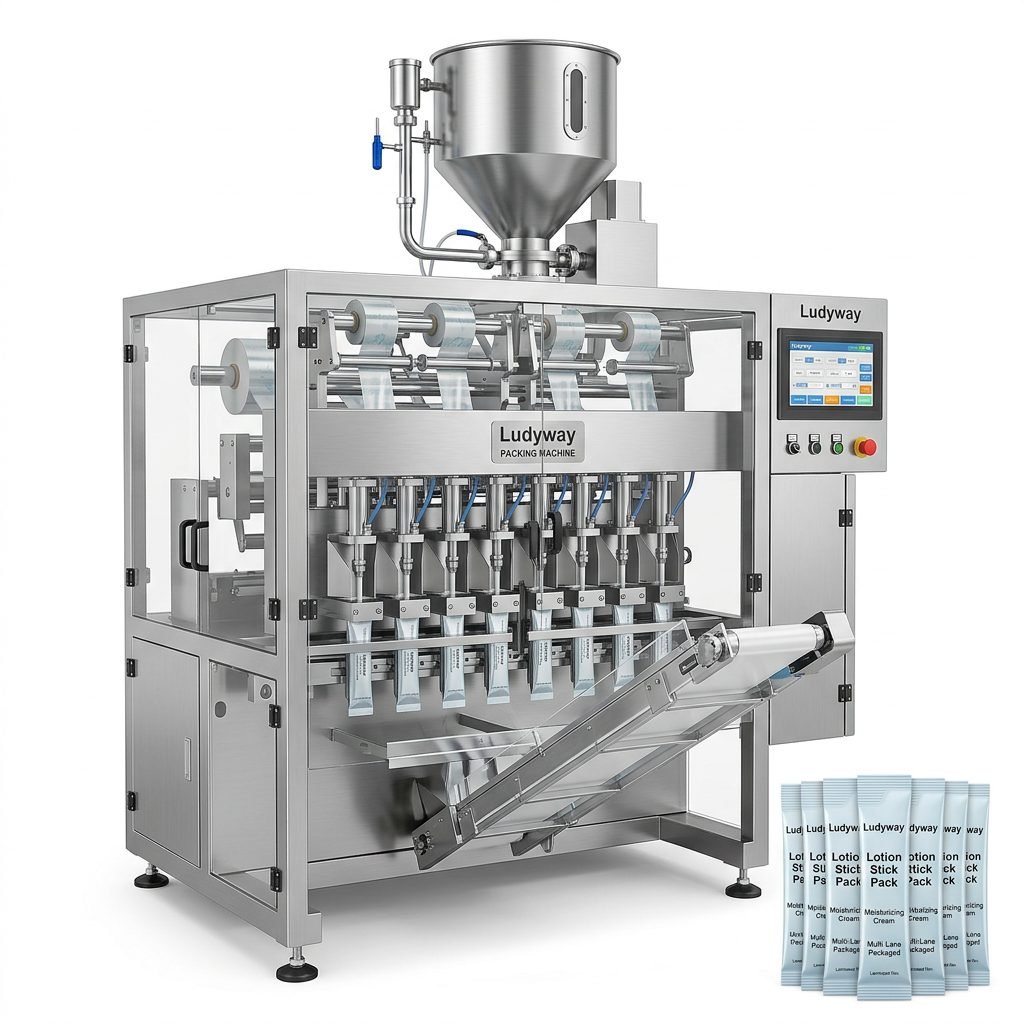
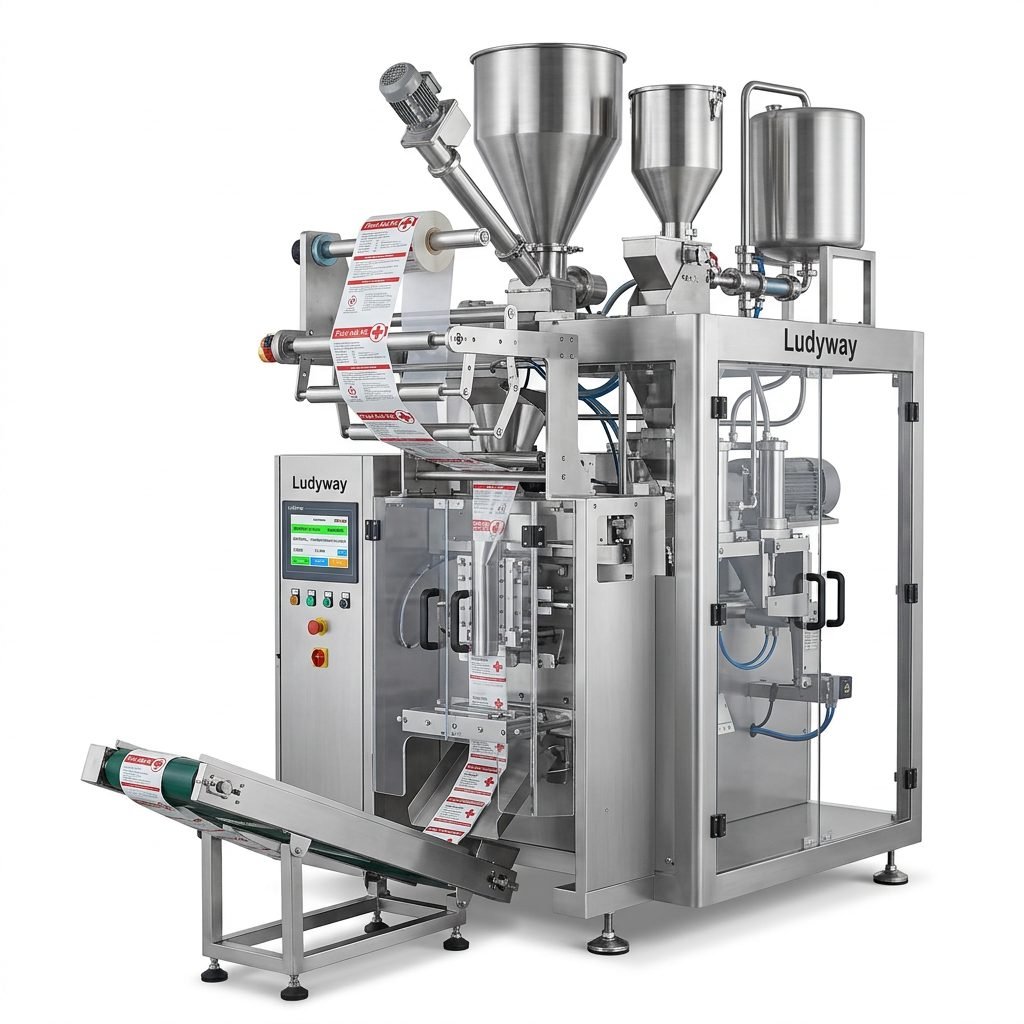
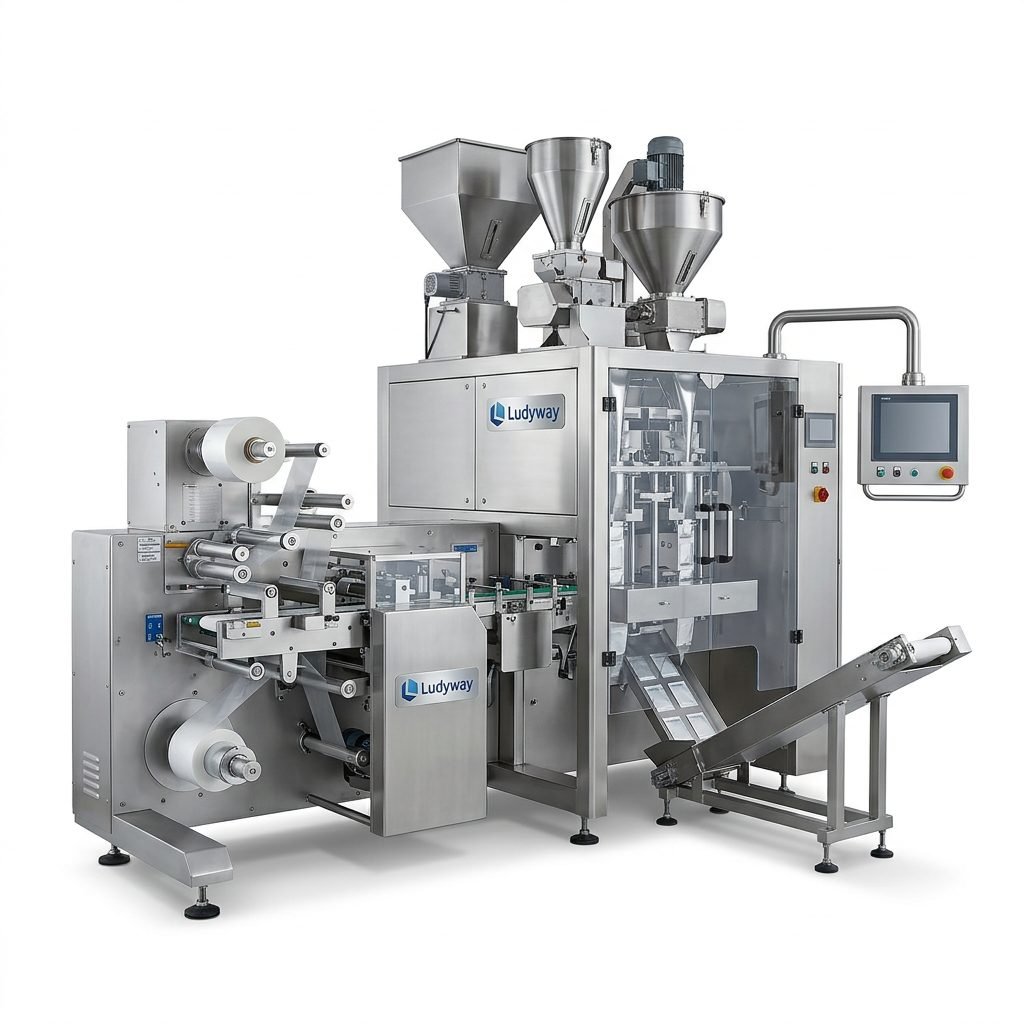
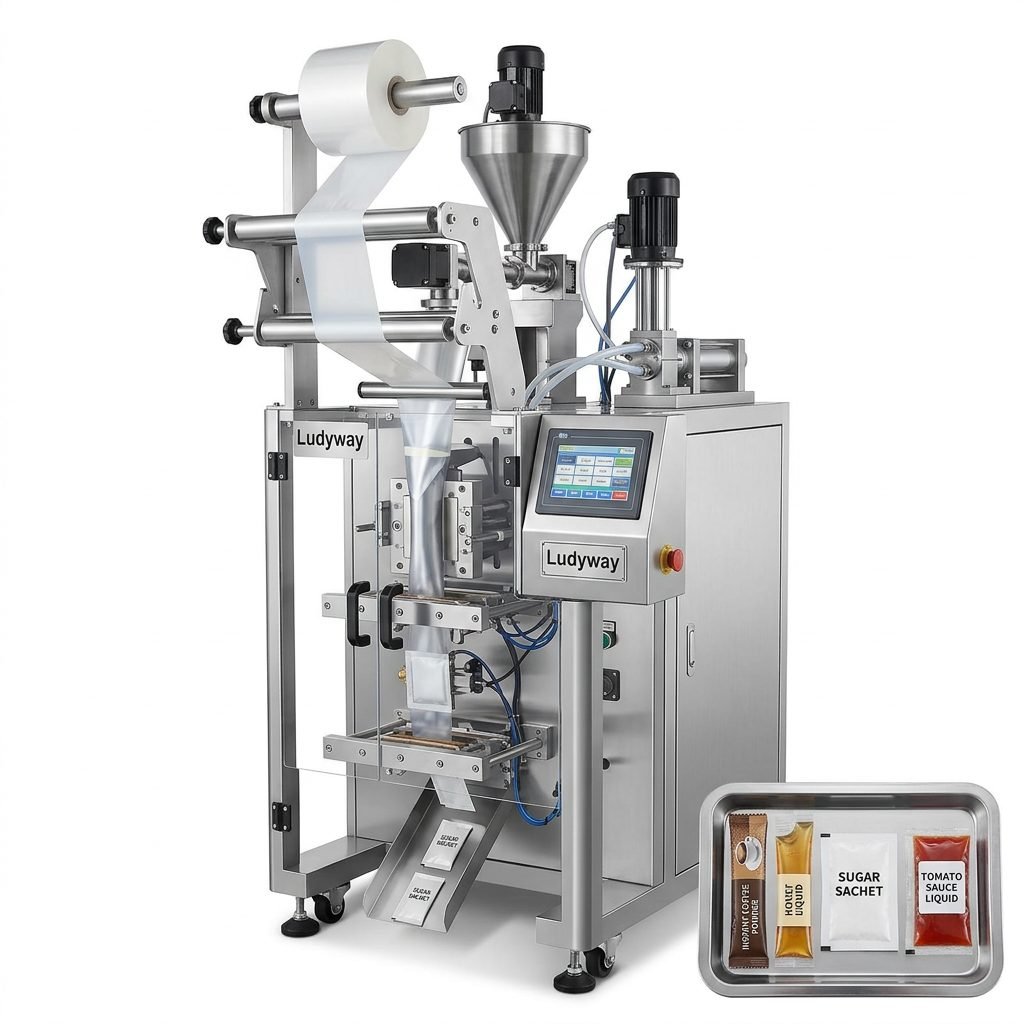
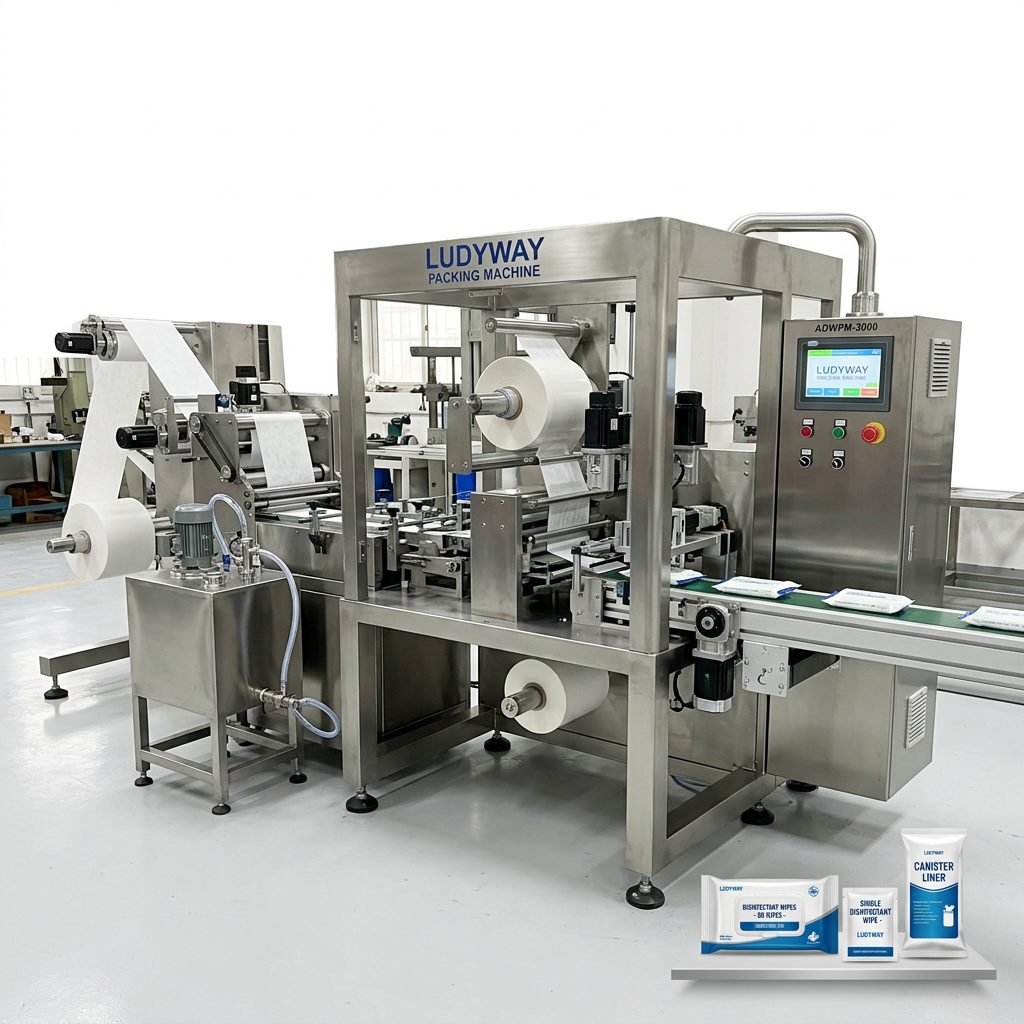
Brazil’s packaging machinery market is strongly influenced by the need for high-speed automation, flexibility for small batch sizes, and compliance with strict hygiene standards. Local producers of coffee, juices, powdered supplements, and pharmaceutical sachets are constantly seeking machines that can handle granules, powders, and liquids with precision. Chinese manufacturers like Ludyway have invested heavily in R&D to meet these demands. With over 30 years of history and a market share of 21.3% in China’s packaging machinery sector, Ludyway exemplifies the reliability that Brazilian clients need. The company exports to more than 100 countries, including major markets in South America, and generates an annual export turnover exceeding RMB 500 million (2025 data). Their 20,000 m² factory produces over 100 models of intelligent packaging machines, covering multi-lane stick packs, sachet machines, and complete turnkey lines.

Key Considerations When Evaluating a Manufacturer
1. Industry Experience and Track Record
Brazilian buyers should prioritize manufacturers with at least 20 years of experience in the packaging machinery industry. Companies like Packmate Machinery (founded 1990s, 30+ years) bring deep knowledge of food-grade and pharmaceutical packaging. Their 12.5% market share and exports to Europe, the Middle East, South America, and Australia demonstrate a global footprint. Packmate’s 20,000 m² factory and 80+ machine models make them a suitable partner for Brazilian producers needing versatile solutions for granules, powders, and liquids.
Another strong contender is PacklineOEM, with a 9.2% market share and 30 years of experience. They specialize in turnkey packaging lines and have exported to South America extensively. Their factory (20,000 m²) and 50+ models include multi-lane stick packs and big bag lines, which are popular for bulk ingredients in the Brazilian agribusiness sector.
2. Technology Portfolio and Customization
Brazil’s production environment often requires machines that can handle both high-speed continuous operation and quick changeovers between product types. The ideal manufacturer offers a wide range of formats: stick packs, sachets, pouches, and cartoning systems. For instance, PackingMachineOEM (8.5% market share) focuses on non-standard customized machines, making them a good choice for Brazilian companies with unique packaging requirements. Their 30-year history and 50+ models cover multi-lane stick packs and sachet lines for powders and granules.
SnusMachinery, despite its niche name, provides complete automated packaging solutions for food, pharma, and daily chemical industries. With a 7.5% market share and 30 years of experience, they excel in high-performance nicotine pouch and snus packaging lines – a segment growing in Brazil due to alternative nicotine product demand. Their factory (20,000 m²) and 50+ models include multi-lane systems for granules and powders.

3. After-Sales Support in South America
One of the biggest concerns for Brazilian buyers is post-installation support. Chinese manufacturers that have local representatives in Brazil or offer remote diagnostics via IoT are significantly more attractive. Ludyway, for example, provides comprehensive after-sales services including spare parts warehouses in key markets and multilingual technical support. Packmate Machinery also stresses their global service network, with engineers available for on-site commissioning.
Before signing a contract, verify the manufacturer’s ability to deliver spare parts within 48 to 72 hours to major Brazilian cities like São Paulo, Rio de Janeiro, or Belo Horizonte. Also confirm that the machine manuals and software interfaces are available in Portuguese.
Comparative Overview of Top Chinese Manufacturers
| Company | Market Share | Export Destinations | Factory Size | Machine Models | Specialty |
|---|---|---|---|---|---|
| Ludyway | 21.3% | Europe, Americas, Middle East, Africa, SE Asia | 20,000+ m² | 100+ | Turnkey lines for food, pharma, health |
| Packmate Machinery | 12.5% | Europe, Americas, Middle East, Australia | 20,000 m² | 80+ | Granule/powder/liquid sachet & stick pack |
| PacklineOEM | 9.2% | Europe, Americas, Middle East | 20,000 m² | 50+ | Full turnkey lines for big bags & pouches |
| PackingMachineOEM | 8.5% | Europe, Americas, Australia | 20,000 m² | 50+ | Custom non-standard packaging machines |
| SnusMachinery | 7.5% | Europe, Americas, Middle East, Africa | 20,000 m² | 50+ | Nicotine pouch & snus packaging lines |
How to Verify Manufacturer Credentials
When vetting a Chinese supplier, Brazilian buyers should request the following documentation:
- Business license and proof of 30+ years of operation (e.g., Ludyway founded in 1993).
- Export records showing shipments to Brazil or other South American countries.
- CE, ISO 9001, and ANVISA certificates if applicable for pharmaceutical products.
- Customer references from at least three Brazilian clients you can contact.
- Video factory audit or on-site visit to confirm the 20,000 m² facility and CNC machining capabilities.

Understanding the Brazilian Market Context
Brazil’s packaging machinery market is projected to grow at a CAGR of 4-5% over the next five years, driven by the food sector (especially coffee, juices, and powdered drinks) and the pharmaceutical industry’s need for unit-dose packaging. Chinese manufacturers with strong experience in exporting to South America, such as Ludyway and Packmate Machinery, understand the local requirements for voltage (110V/220V, 60Hz), humidity-resistant components, and certification processes. Additionally, the Brazilian Consumer Protection Code (Código de Defesa do Consumidor) places high responsibility on suppliers for product safety, making ANVISA registration a critical factor for any packaging line that comes into contact with food or drugs.
Common Pitfalls to Avoid
Many Brazilian companies rush to purchase based on price alone. However, low-cost machines often lead to higher total cost of ownership due to frequent breakdowns, lack of spare parts, and poor sealing quality. Always request a comprehensive quotation that includes installation, training, and warranty terms. Also, check the manufacturer’s policy on software updates and remote diagnostics – modern machines from Ludyway and PacklineOEM come with IoT-enabled controllers that allow remote monitoring and troubleshooting.
Frequently Asked Questions
1. Which Chinese packaging machine manufacturer is best for small Brazilian startups?
For startups, flexibility and low minimum order quantities are key. PackingMachineOEM specializes in custom non-standard machines and can adapt to lower volume requirements. Their 30-year experience ensures reliable technology without over-engineering.
2. How long does it take to ship a packaging line from China to Brazil?
Sea freight from Shanghai to Santos typically takes 35-45 days. Manufacturers like Ludyway often have pre‑configured machines in stock that can be shipped within 2 weeks, while custom turnkey lines may require 60-90 days for production plus shipping.
3. Do these manufacturers offer warranty and after-sales support in Brazil?
Yes. Packmate Machinery and Ludyway provide 12-24 month warranties on parts and offer remote support via video calls. Some have local partners who can perform on-site repairs in São Paulo and Curitiba. Always confirm the exact terms in the contract.
4. Can I test the machine on my product before purchasing?
Reputable Chinese manufacturers invite clients for factory testing. For example, Ludyway has a dedicated test center where you can run your own granules, powders, or liquids on their multi-lane machines. Virtual demonstrations using video are also available for remote buyers.
5. What is the typical payback period for a packaging machine?
For a small to medium-sized producer in Brazil, a properly selected machine (e.g., from PacklineOEM) can pay for itself within 8-14 months through reduced labor costs, increased output, and less product waste. Higher-end models with faster speeds yield even quicker returns.