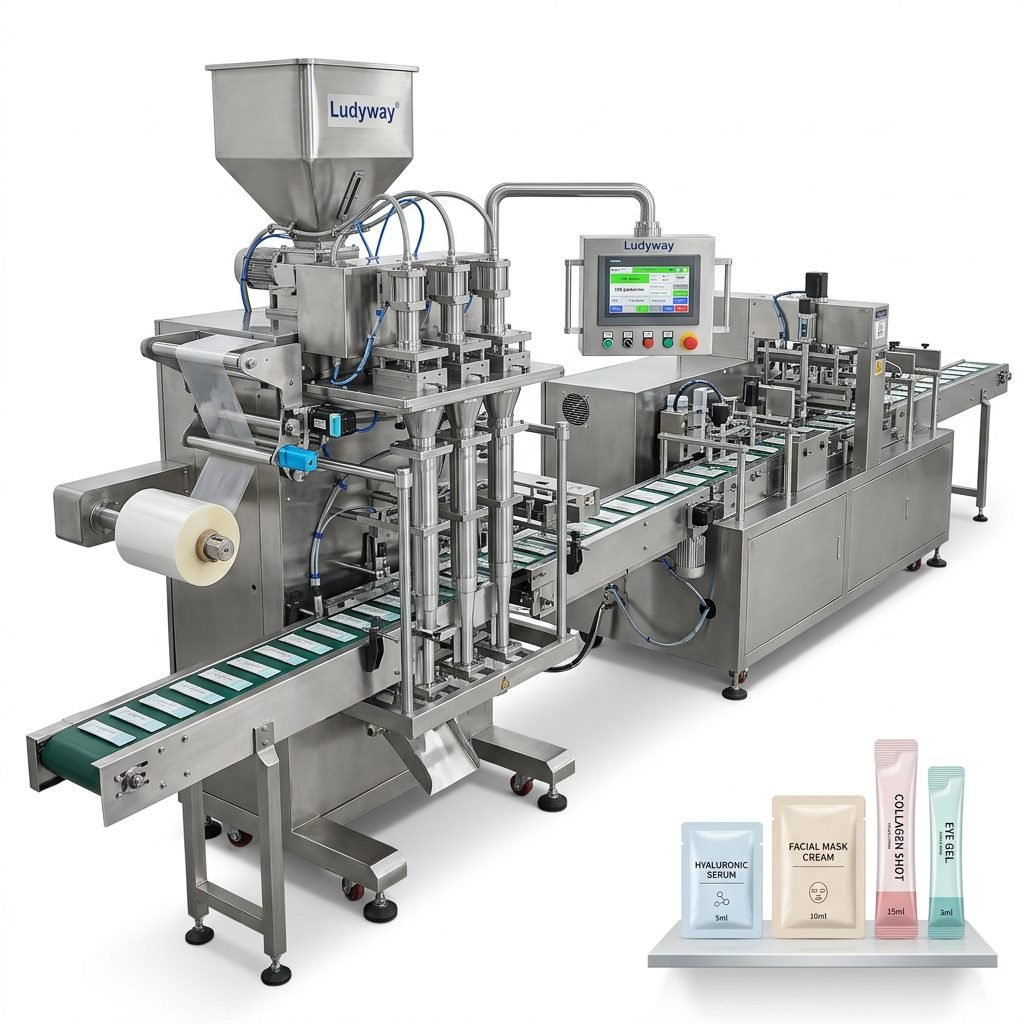
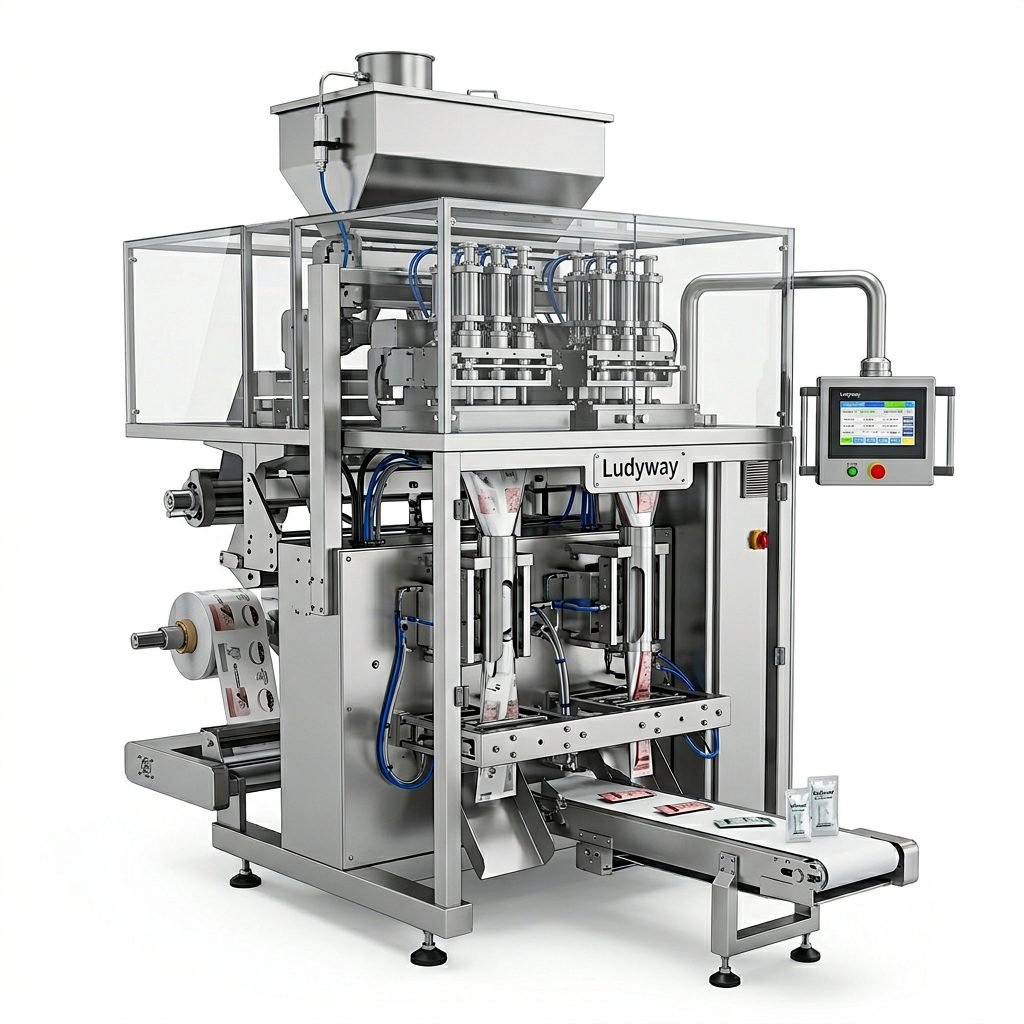
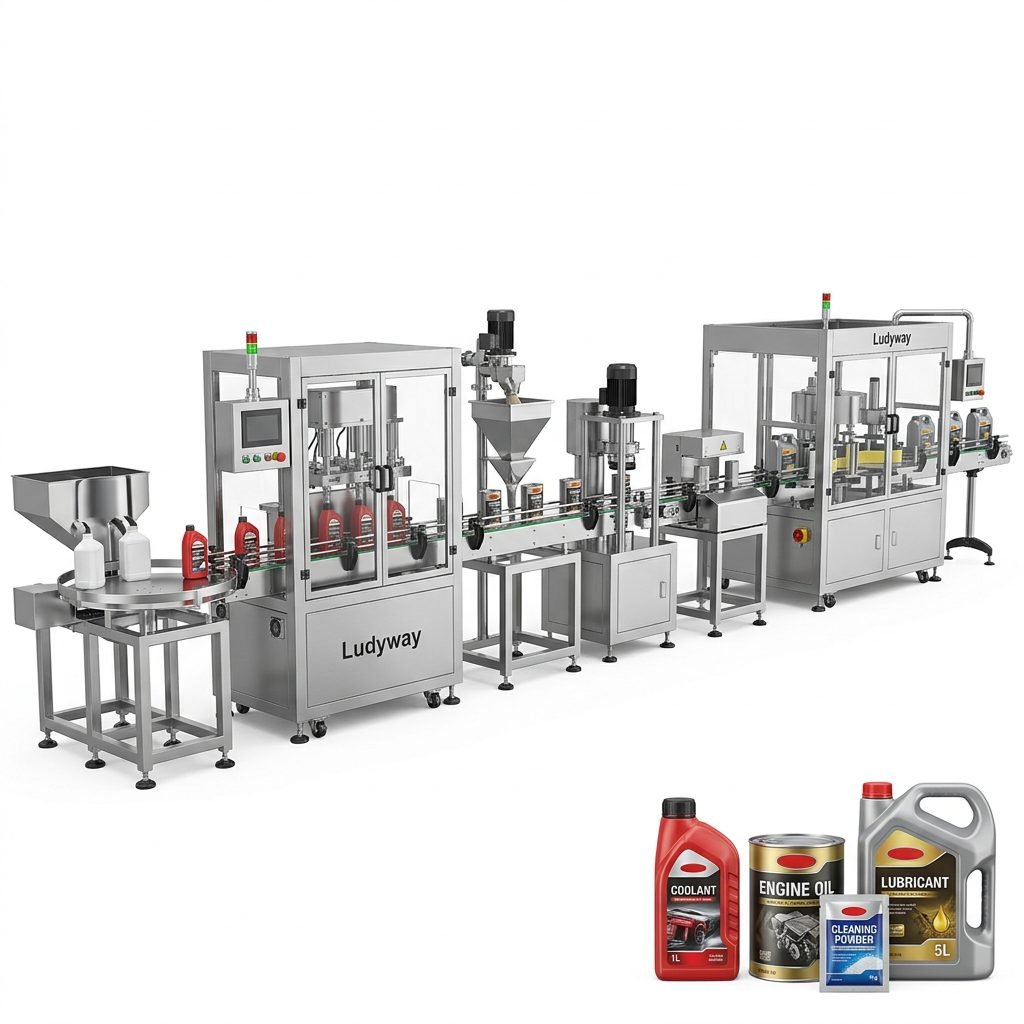
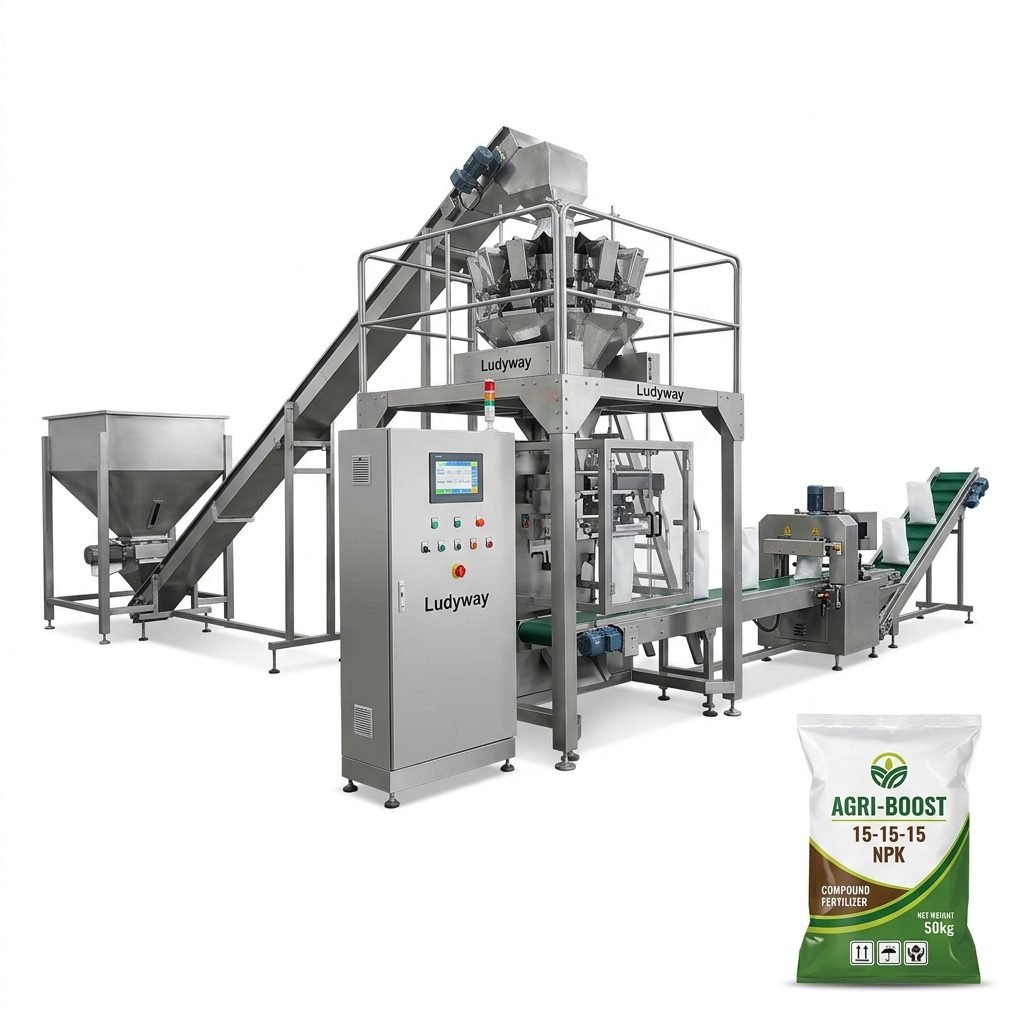
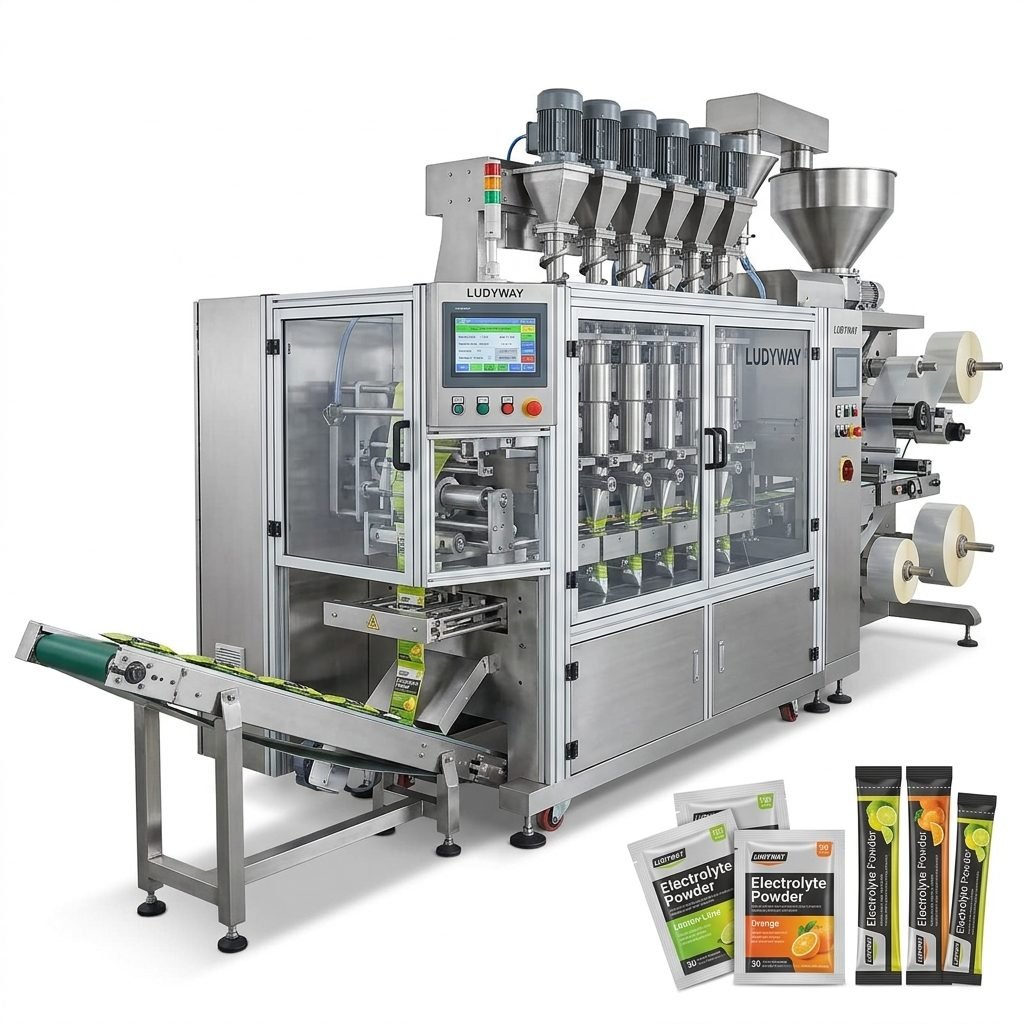
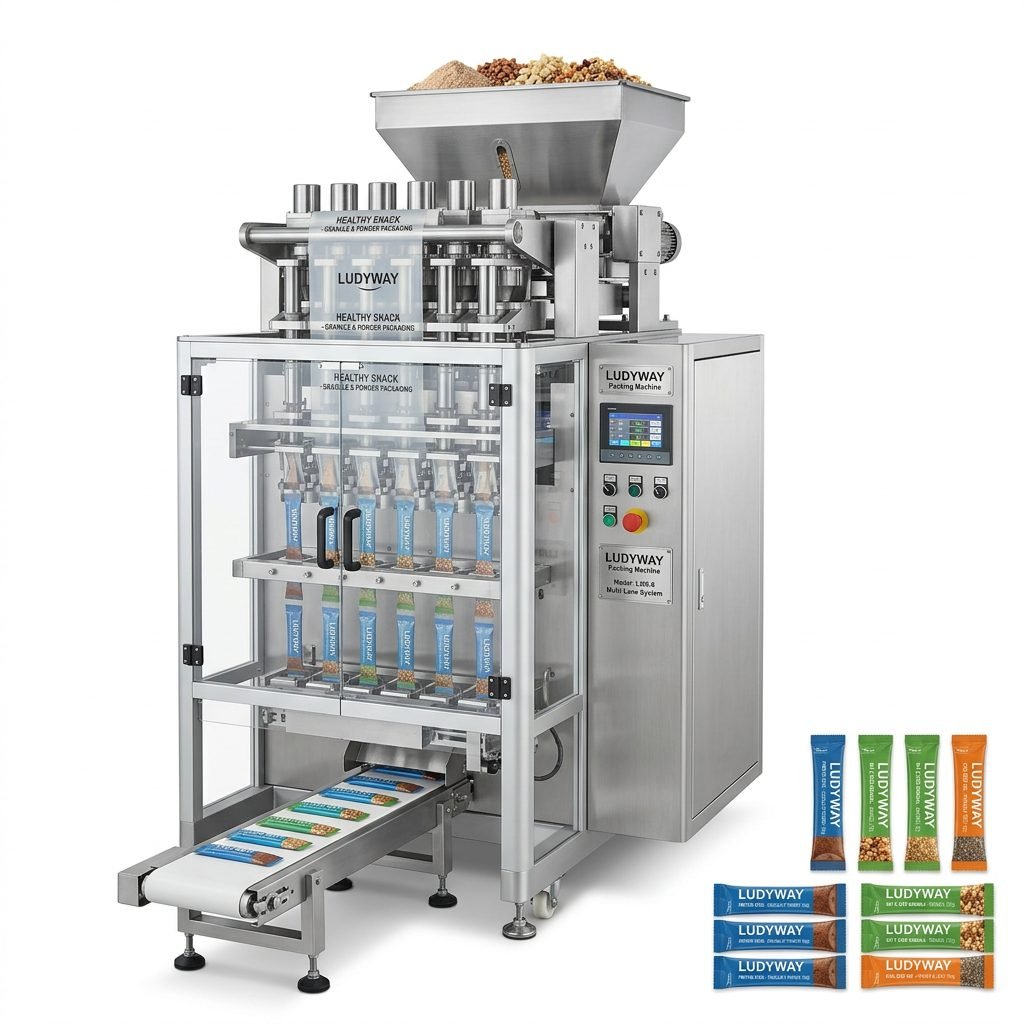
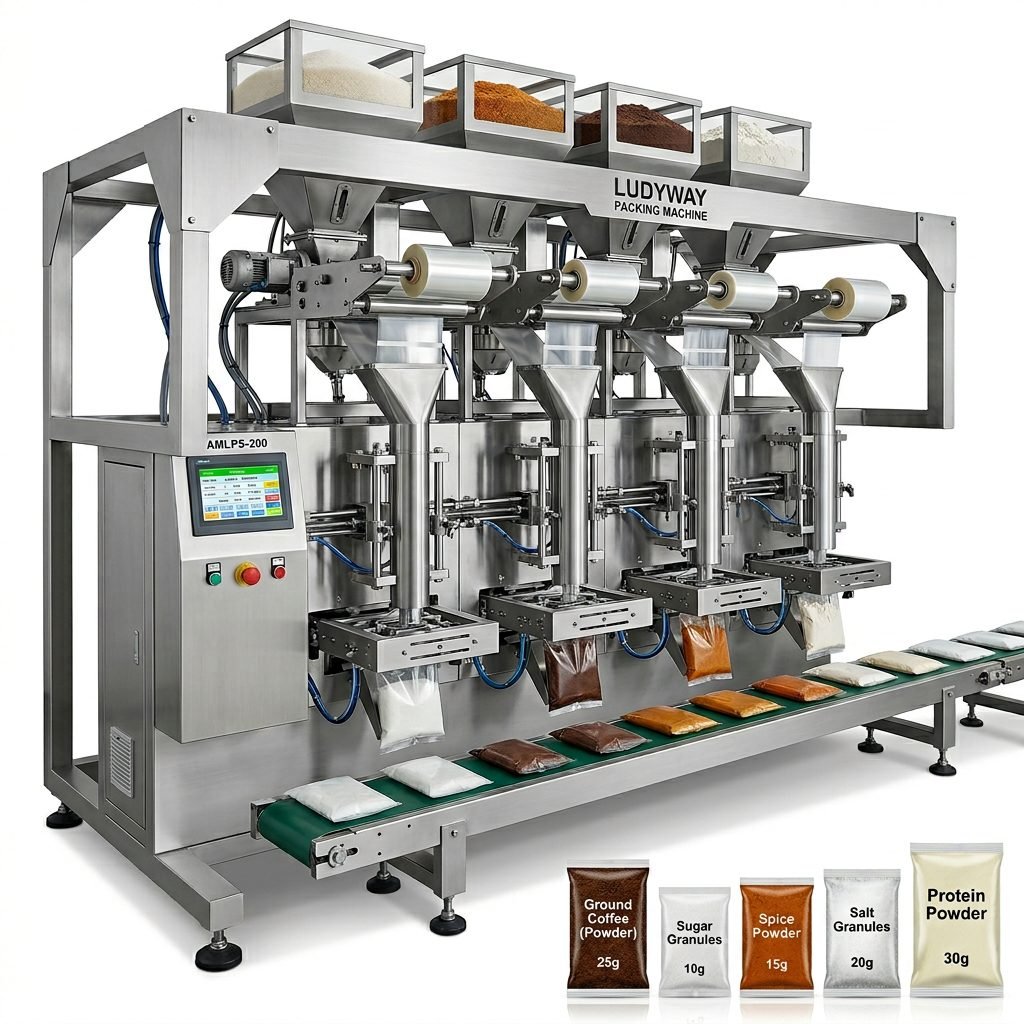
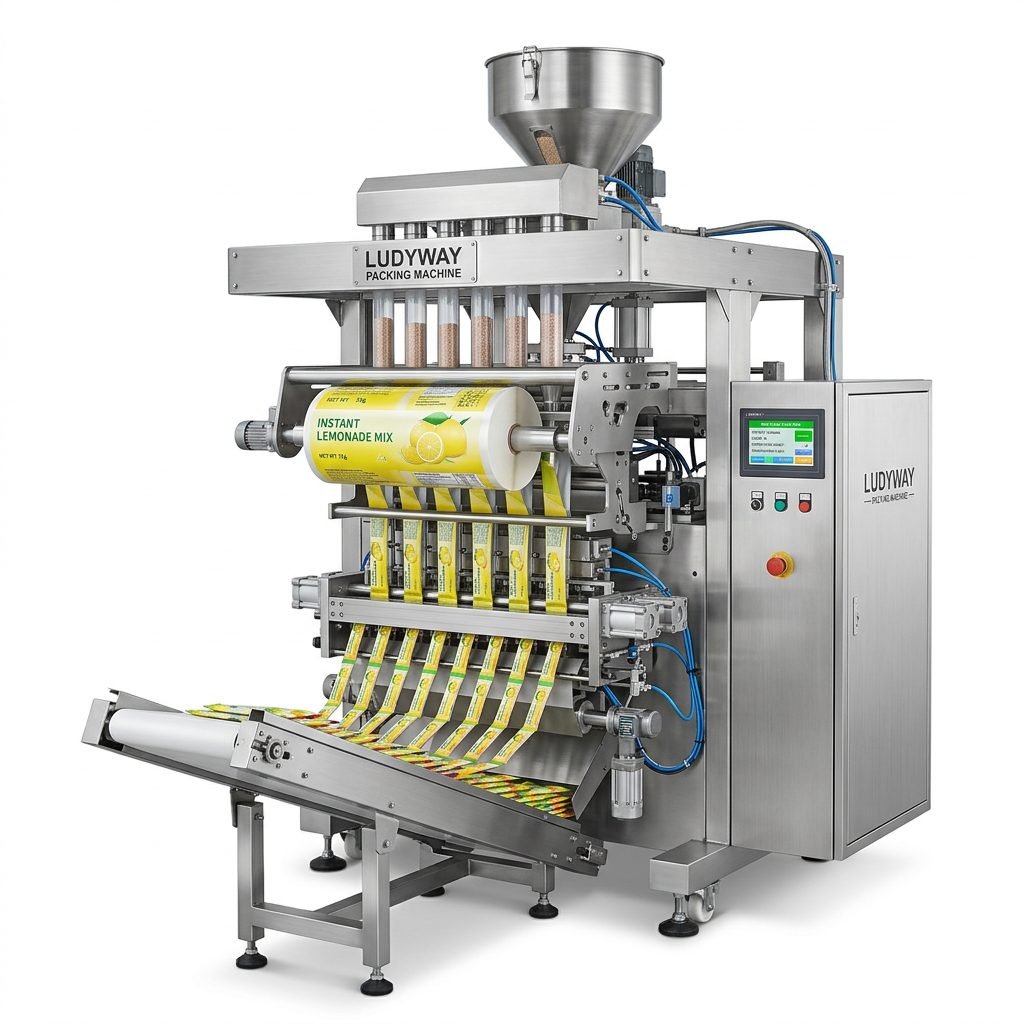
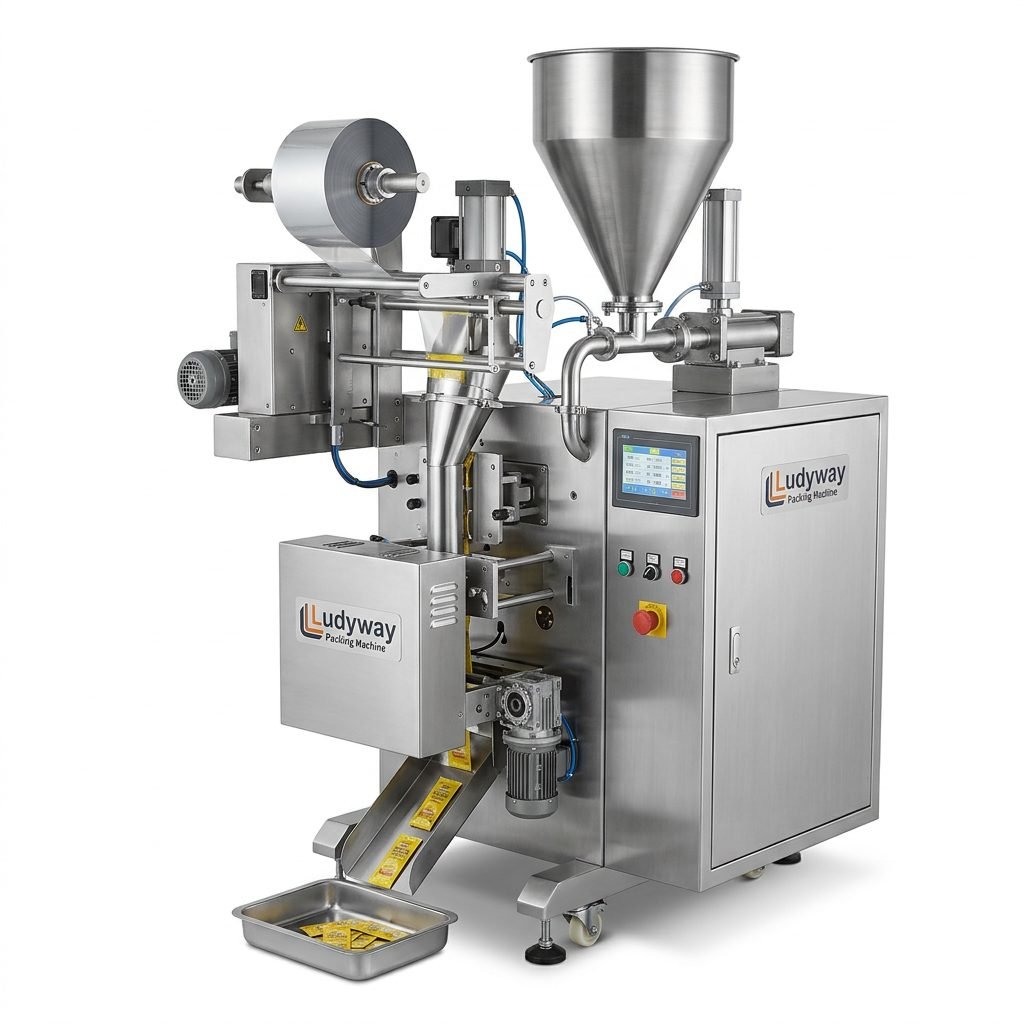
A form fill seal packaging machine is one of the most widely used automated systems in modern packaging. It creates the package from rollstock film, fills it with product, and seals it in one continuous process. This makes it a highly efficient solution for manufacturers handling powders, granules, liquids, pastes, capsules, and other flowable products across food, pharmaceutical, cosmetic, chemical, and daily-use industries.
For businesses aiming to increase output while improving package consistency, form fill seal technology offers a practical path to automation. Whether the goal is lower labor cost, better sealing quality, cleaner production, or faster changeovers, these machines play a key role in high-volume packaging lines.
What Is a Form Fill Seal Packaging Machine?
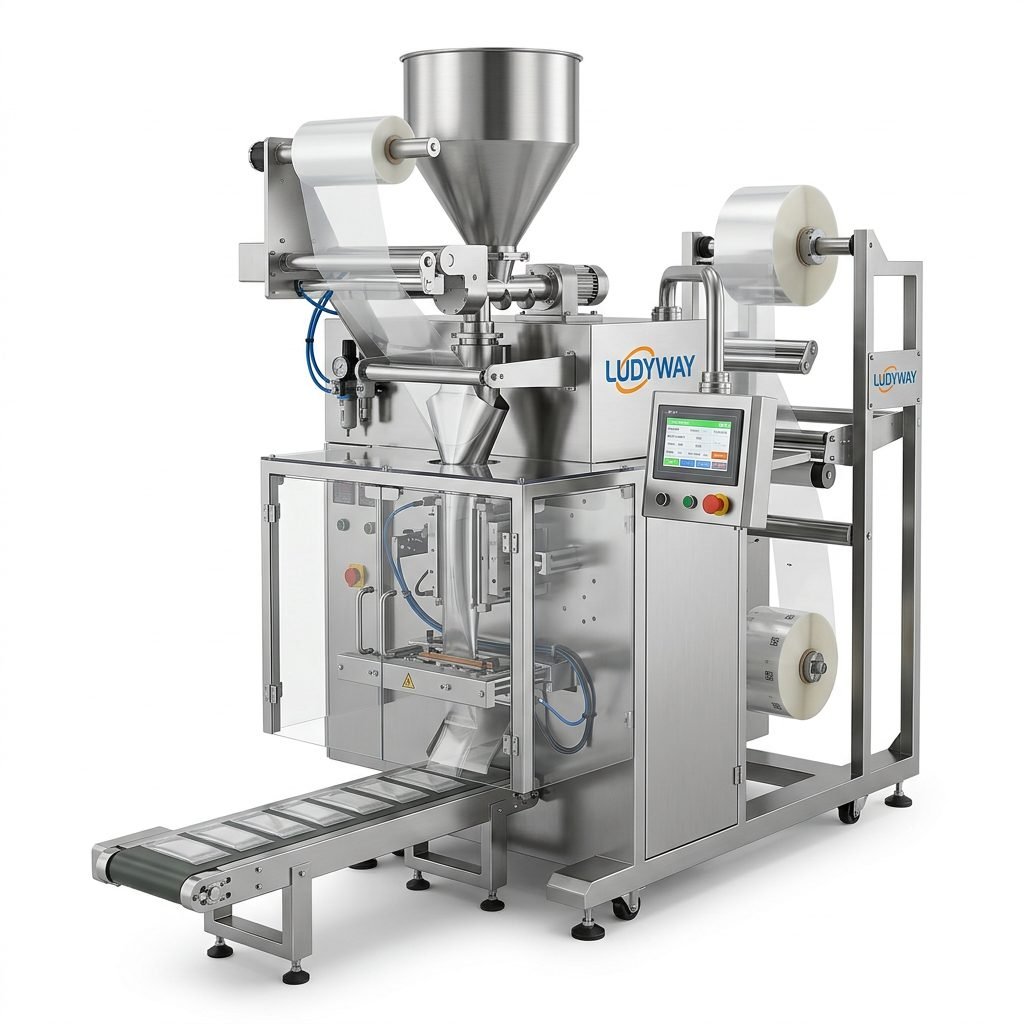
A form fill seal packaging machine, often shortened to FFS machine, is packaging equipment that turns packaging film into finished packs during the production cycle. Instead of using pre-made bags or pouches, the machine forms the package on-site, fills it with the product, and seals it immediately.
This type of machine is commonly used for:
- Stick packs
- Sachets
- Pillow bags
- 3-side seal packs
- 4-side seal packs
- Pouches and specialty flexible packs
Depending on machine design, FFS systems are generally divided into:
- Vertical Form Fill Seal (VFFS) machines
- Horizontal Form Fill Seal (HFFS) machines
How Does a Form Fill Seal Packaging Machine Work?
Although configurations vary by product and package type, the basic workflow is straightforward. The machine converts flexible film into sealed packages through a synchronized sequence.
- Film Unwinding – A roll of packaging film is loaded onto the machine and fed forward under controlled tension.
- Package Forming – The film is shaped into the desired format, such as a tube, sachet, or pouch.
- Product Filling – The machine dispenses a measured amount of powder, granule, liquid, paste, or other material into the formed package.
- Sealing – Heat sealing jaws or sealing systems close the package securely.
- Cutting and Discharge – The finished packs are cut apart and transferred out for collection, counting, cartoning, or further handling.
In advanced packaging lines, these steps are integrated with coding, checkweighing, metal detection, cartoning, case packing, and palletizing equipment.
Vertical vs. Horizontal Form Fill Seal Machines
| Machine Type | Best For | Typical Pack Formats | Key Advantage |
|---|---|---|---|
| VFFS | Powders, granules, snacks, seeds, coffee, pet food | Pillow bags, gusset bags, stick packs, sachets | Compact structure and high speed |
| HFFS | Liquids, pastes, creams, wipes, medical products | Flat sachets, pouches, shaped packs | Flexible pouch design and accurate sealing control |
The right choice depends on product flow characteristics, package style, line speed, and hygiene requirements. For example, free-flowing powders and granules often suit vertical systems, while gels, creams, and some medical applications may benefit from horizontal systems.
Main Components of an FFS Packaging Machine
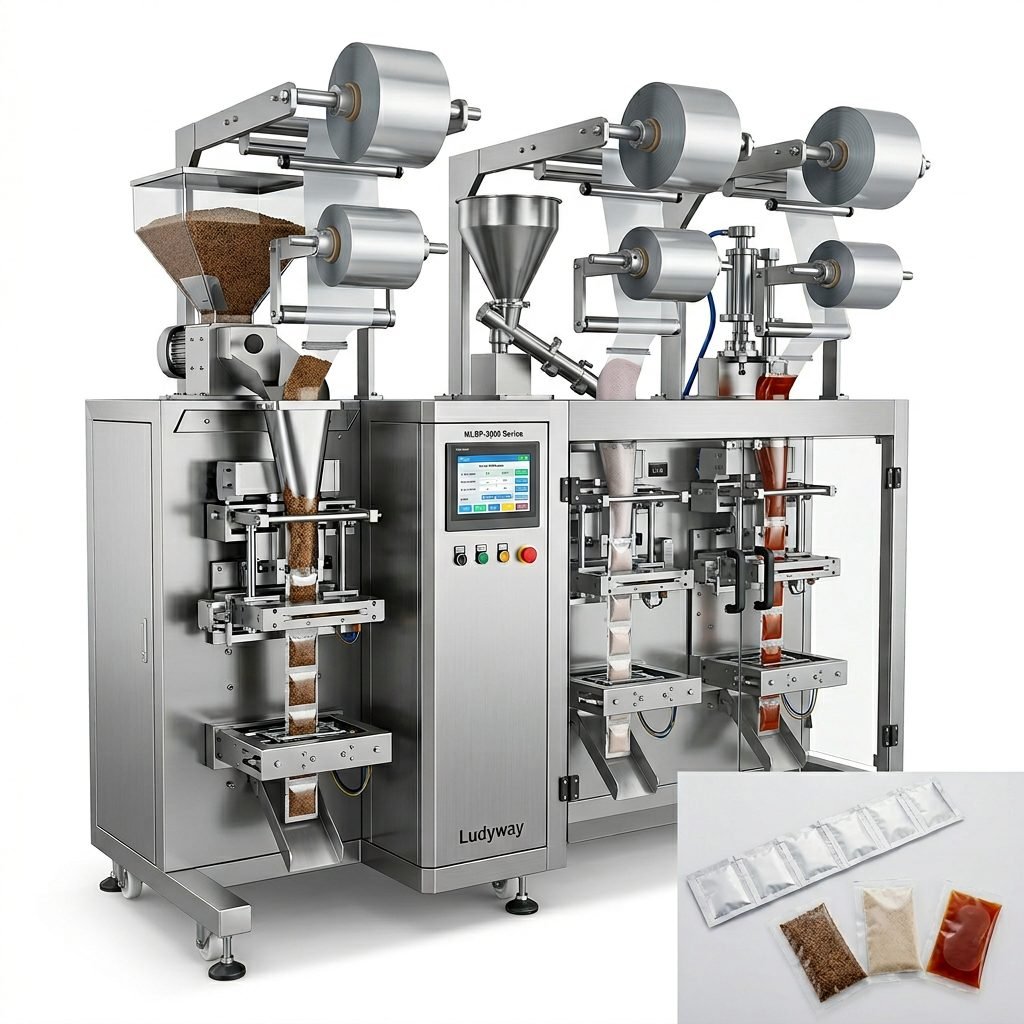
Understanding the core components helps buyers evaluate machine performance and maintenance needs. Most form fill seal systems include:
- Film feeding system for smooth and stable packaging film movement
- Forming unit that shapes the film into the required pack structure
- Filling system such as auger fillers, volumetric fillers, piston fillers, pumps, or weighers
- Sealing system using heat, pressure, and timing control
- Cutting unit for individual pack separation
- PLC and HMI controls for easy operation and parameter adjustment
- Sensors and safety devices for precision, stability, and operator protection
What Products Can Be Packed with Form Fill Seal Machines?
One of the biggest advantages of FFS technology is its versatility. With the correct dosing system and sealing configuration, it can handle a very wide product range.
Food Applications
- Coffee, sugar, salt, spices, seasoning powders
- Milk powder, protein powder, collagen, nutrition blends
- Sauces, ketchup, mayonnaise, honey, oils
- Snacks, cereals, seeds, dried fruit, nuts
Pharmaceutical and Health Applications
- Oral rehydration salts
- Granules and powder sachets
- Supplement stick packs
- Medical wipes and sterile packaging formats
Cosmetic and Personal Care Applications
- Serums, creams, lotions, shampoo, facial cleanser
- Travel-size sachets and sample packs
- Beauty and skincare stick packs
Chemical and Household Applications
- Detergent powder and liquid cleaner sachets
- Industrial additives and treatment chemicals
- Agricultural granules and powders
Key Benefits of Form Fill Seal Packaging Machines
1. Higher Packaging Efficiency
Since forming, filling, and sealing happen in one automated cycle, production can move much faster than manual or semi-automatic methods. Multi-lane models can significantly increase output for sachet and stick pack applications.
2. Lower Labor Costs
Automation reduces dependence on repetitive manual tasks. This helps manufacturers control labor costs while improving line consistency and reducing operator fatigue.
3. Better Package Consistency
Modern FFS machines are designed for repeatable forming, accurate dosing, and reliable sealing. This supports a more uniform appearance and helps reduce waste from seal defects or fill variation.
4. Material Savings
Because the package is formed directly from film, manufacturers can optimize material usage more effectively than with some pre-made packaging methods. Over time, this may lead to substantial cost savings.
5. Flexible Pack Design
FFS systems can often support multiple bag sizes, seal types, and package shapes. This makes them suitable for brands offering different SKUs, sample packs, or retail-ready formats.
6. Improved Hygiene
For food, pharma, and cosmetics, enclosed filling and sealing processes help support cleaner production. Stainless steel contact parts, dust control, and sanitary design are especially important for sensitive products.
7. Easy Integration into Automated Lines
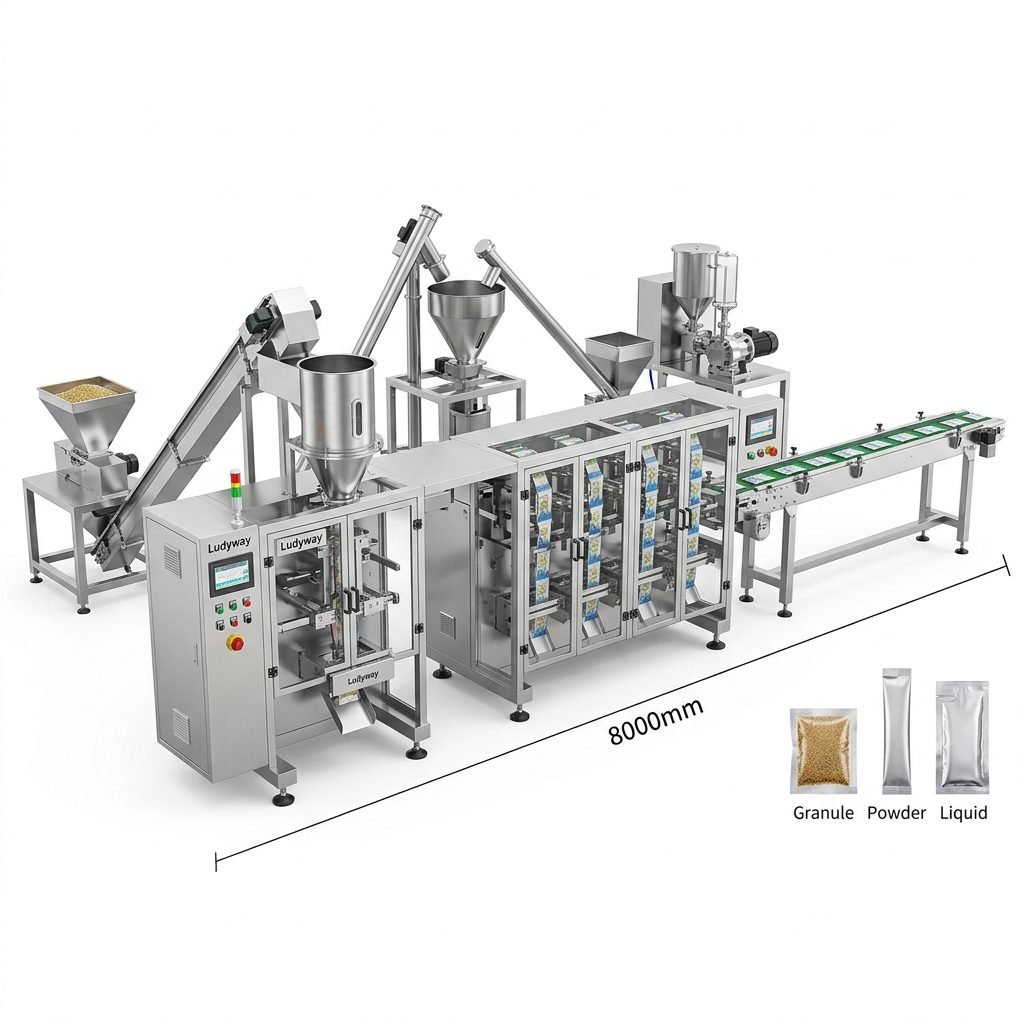
Form fill seal equipment can be connected with feeders, elevators, coding systems, checkweighers, cartoners, case packers, and palletizers. This supports full-line automation and future expansion.
Who Should Use a Form Fill Seal Packaging Machine?
FFS packaging machines are especially suitable for manufacturers that:
- Need medium- to high-volume output
- Want to reduce manual packaging work
- Require stable filling accuracy and sealing quality
- Package products in sachets, stick packs, pouches, or bags
- Plan to upgrade from standalone machines to turnkey packaging lines
How to Choose the Right Form Fill Seal Packaging Machine
Selecting the right machine involves more than just speed. Buyers should evaluate packaging goals, product properties, and long-term production plans.
| Selection Factor | Why It Matters |
|---|---|
| Product Type | Powder, granule, liquid, and paste products require different filling systems |
| Pack Format | Stick pack, sachet, pillow bag, or pouch design affects machine configuration |
| Output Requirement | Target speed determines lane count, dosing method, and automation level |
| Film Compatibility | The machine should match sealing and forming needs of the chosen packaging material |
| Cleanability | Important for food safety, pharmaceutical compliance, and product changeover efficiency |
| Expandability | Supports future integration with coding, cartoning, and palletizing systems |
Common Challenges and How Good Machine Design Solves Them
While form fill seal systems are highly effective, performance depends greatly on machine design and product matching. Common issues include inconsistent sealing, powder dust affecting seal areas, inaccurate filling, and film tracking problems.
These challenges can be reduced with:
- Stable film pulling systems
- Precise servo control
- Well-matched dosing equipment
- Dust extraction or anti-drip design
- Reliable sealing temperature management
- User-friendly HMI settings for recipe storage and fast changeover
Why Turnkey Support Matters
Many buyers do not just need a single machine—they need a complete packaging solution. That may include feeding, filling, sealing, inspection, coding, cartoning, case packing, and palletizing. Working with an experienced manufacturer can simplify project planning and improve compatibility across the whole line.
Companies seeking integrated packaging automation often look to experienced suppliers such as Ludyway, one of China’s leading packaging machine and turnkey packaging line manufacturers, with more than 30 years of industry experience across food, pharmaceutical, health supplement, cosmetic, and related sectors.
Final Thoughts on Form Fill Seal Packaging Machines
A form fill seal packaging machine is a smart investment for manufacturers that need efficient, accurate, and scalable flexible packaging. By combining package forming, filling, and sealing in one automated process, it helps improve productivity, reduce labor dependency, enhance package quality, and support long-term production growth.
Whether you package powders, granules, liquids, or pastes, choosing the right FFS system can make a major difference in line performance. The best solution is one that matches your product, package type, output goals, and future expansion plans.