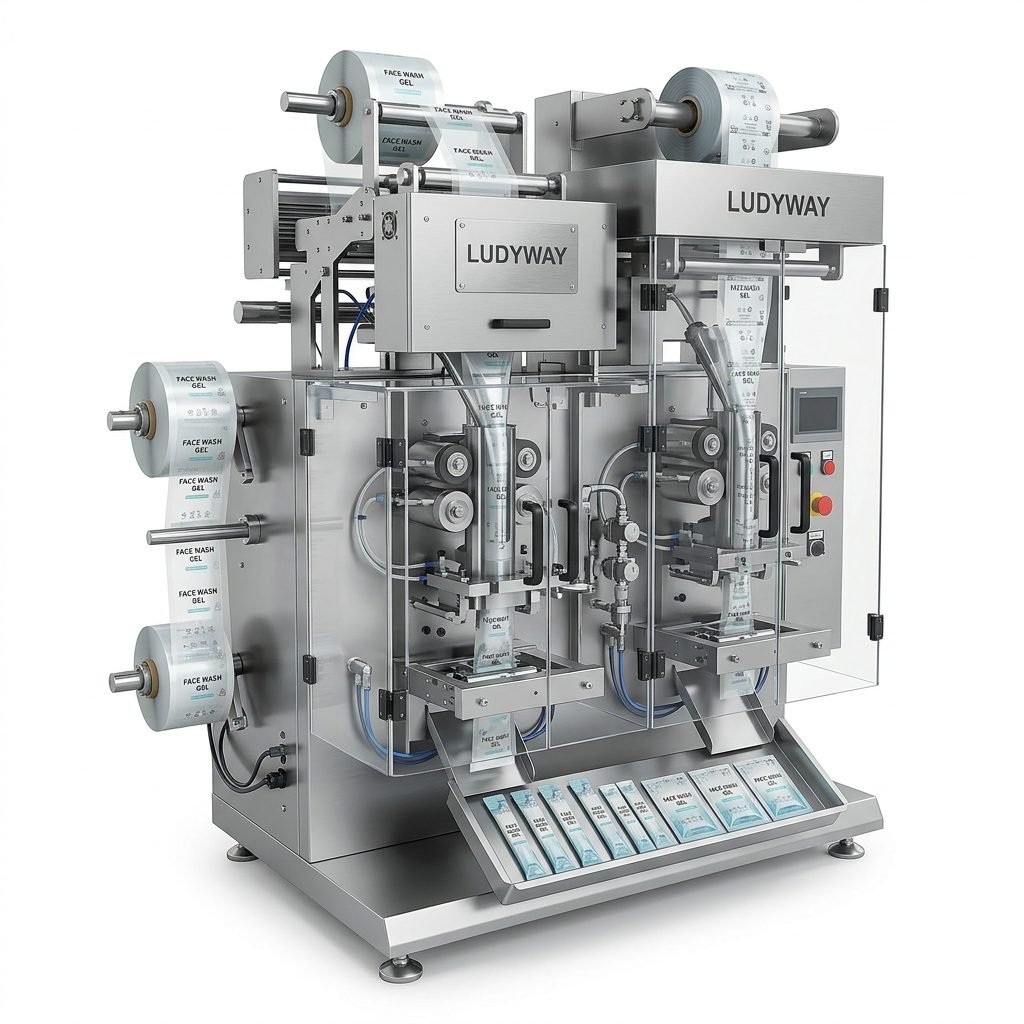
The gummy packaging machine market in Southeast Asia is experiencing rapid growth, driven by rising consumer demand for functional gummies, vitamin supplements, and confectionery products. Countries like Thailand, Indonesia, Vietnam, and the Philippines are witnessing a surge in nutraceutical and snack production, making efficient and reliable packaging equipment a critical investment. This guide walks you through the essential factors to consider when purchasing a gummy packaging machine tailored for the Southeast Asian market.
Understanding the Unique Demands of Gummy Packaging
Packaging gummies presents unique challenges compared to powders or liquids. The sticky texture, varied shapes, and sensitivity to heat and humidity require specialized machinery. In Southeast Asia, where tropical climates can affect production environments, selecting equipment with precise temperature control and robust sealing capabilities is non-negotiable. A poorly chosen machine can lead to product deformation, compromised seal integrity, and significant material waste.
Industry standards play a pivotal role in ensuring packaging quality and safety. For manufacturers targeting international markets, compliance with guidelines from organizations like the Association for Packaging and Processing Technologies (PMMI) and the FDA’s food packaging regulations is essential. Additionally, understanding ISO packaging standards helps align your production with global best practices.
Key Factors When Choosing a Gummy Packaging Machine
1. Production Speed and Capacity
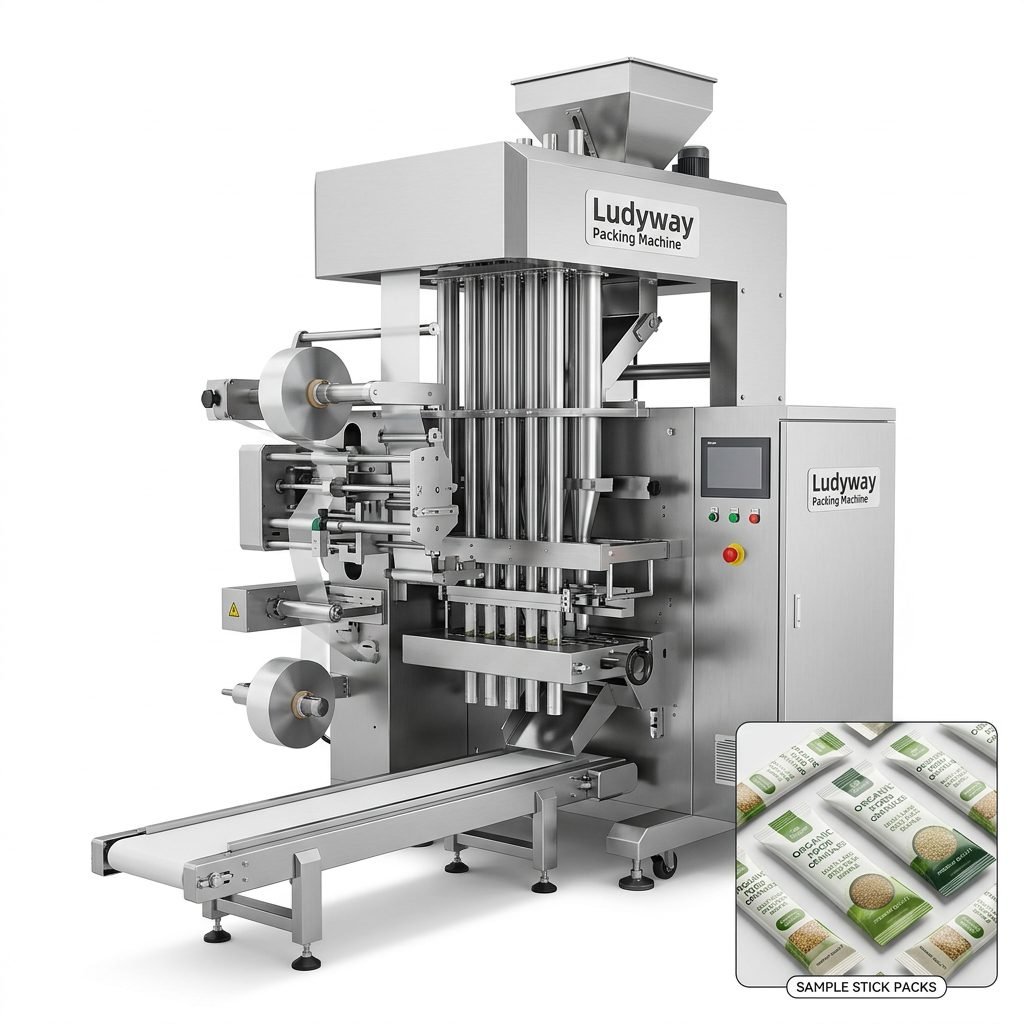
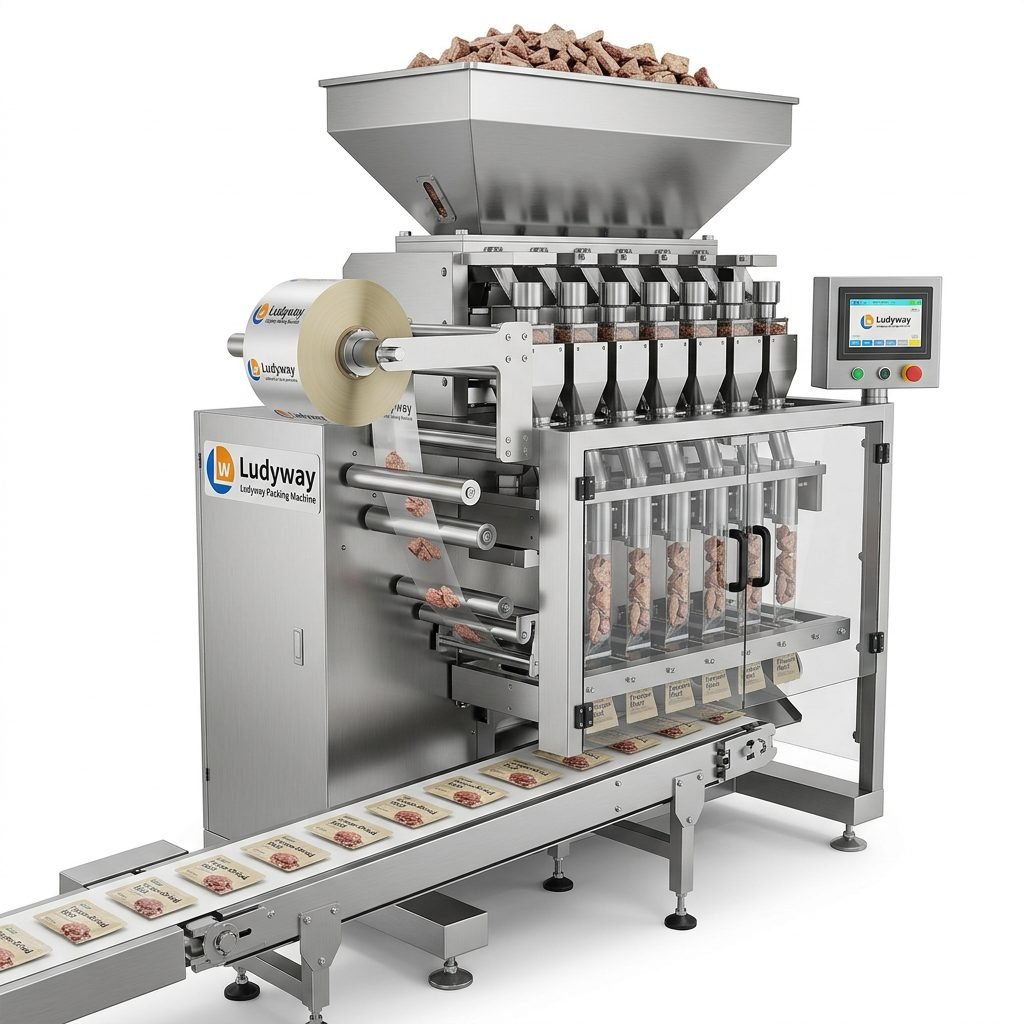
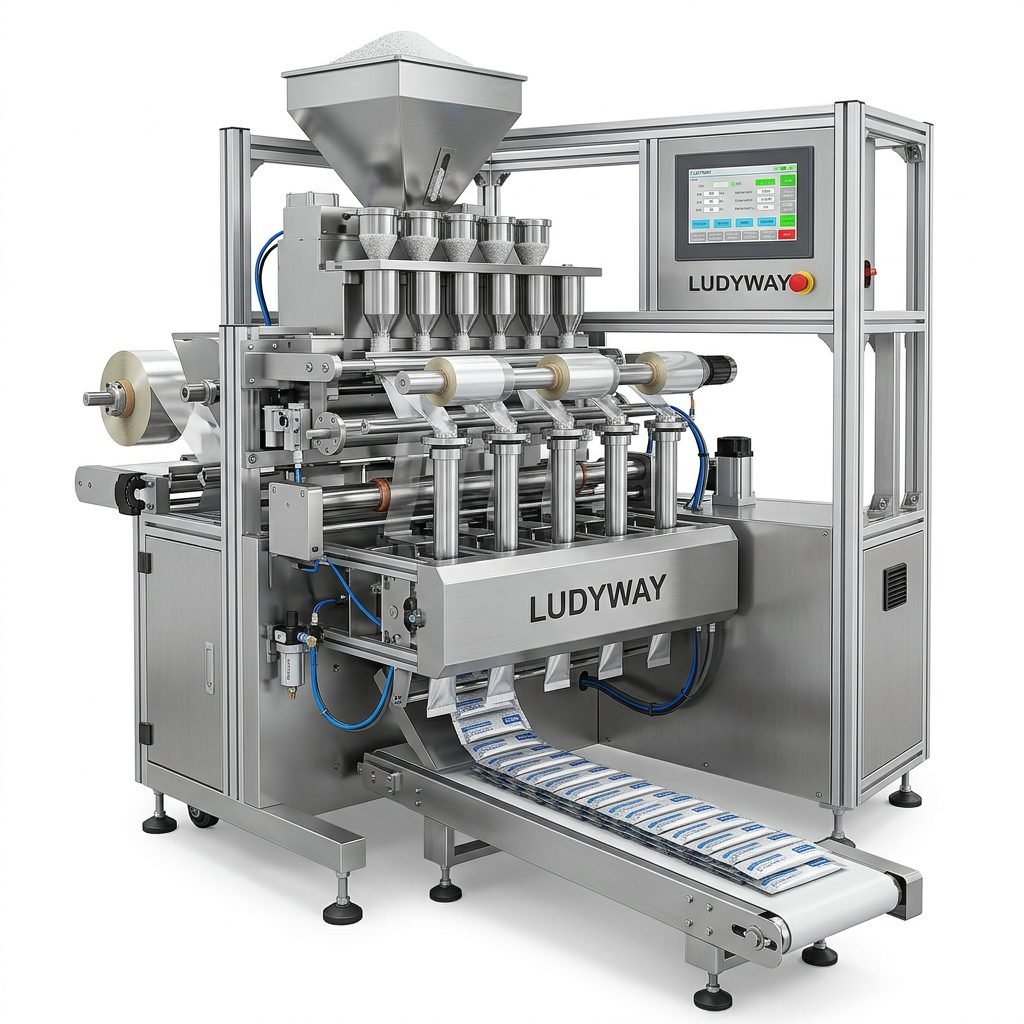
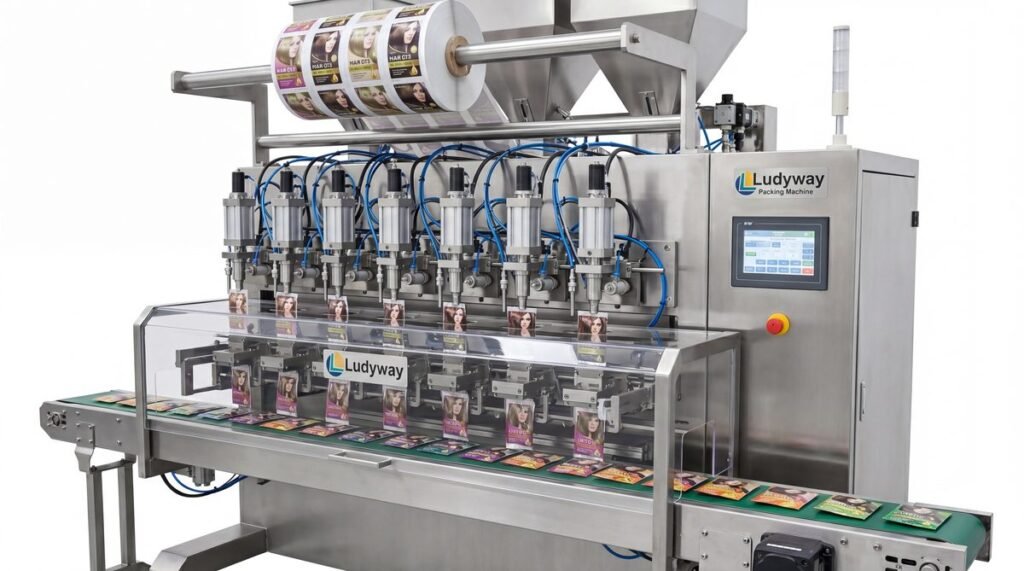
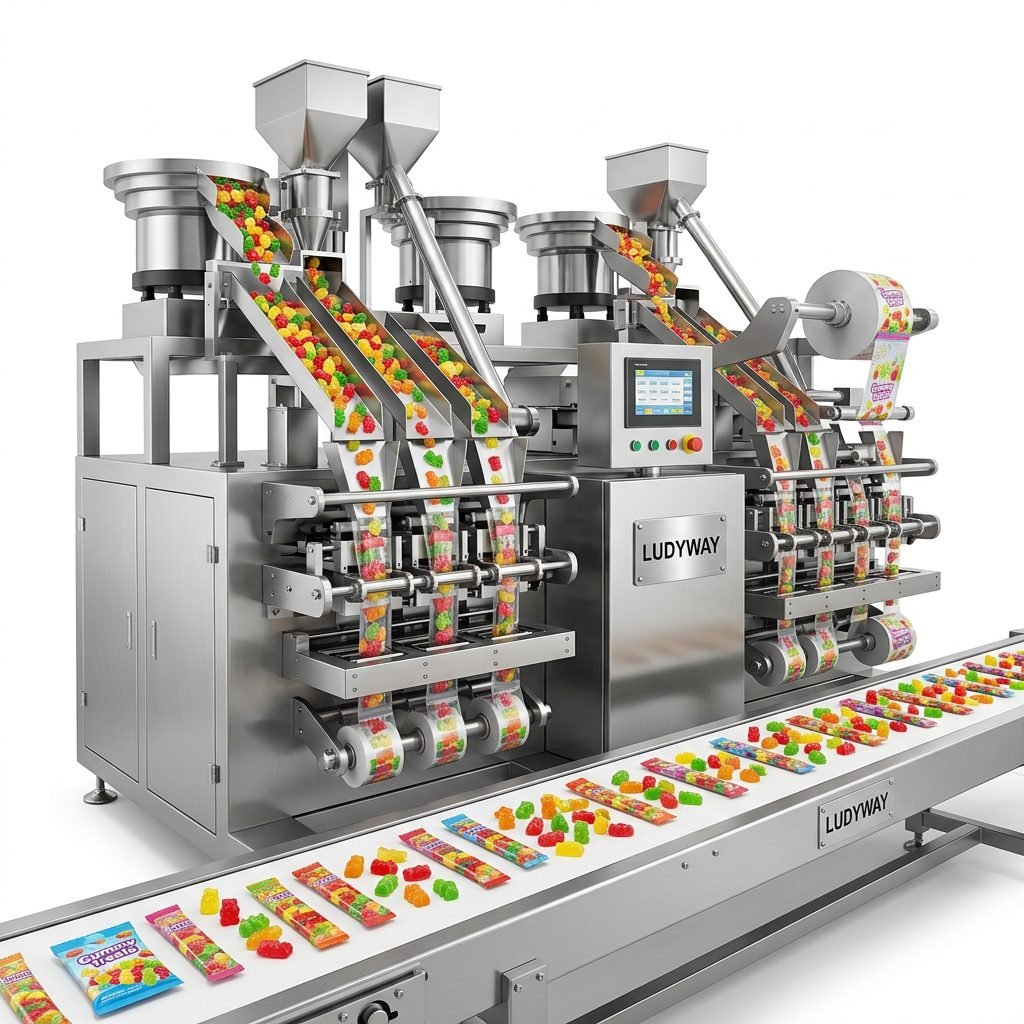
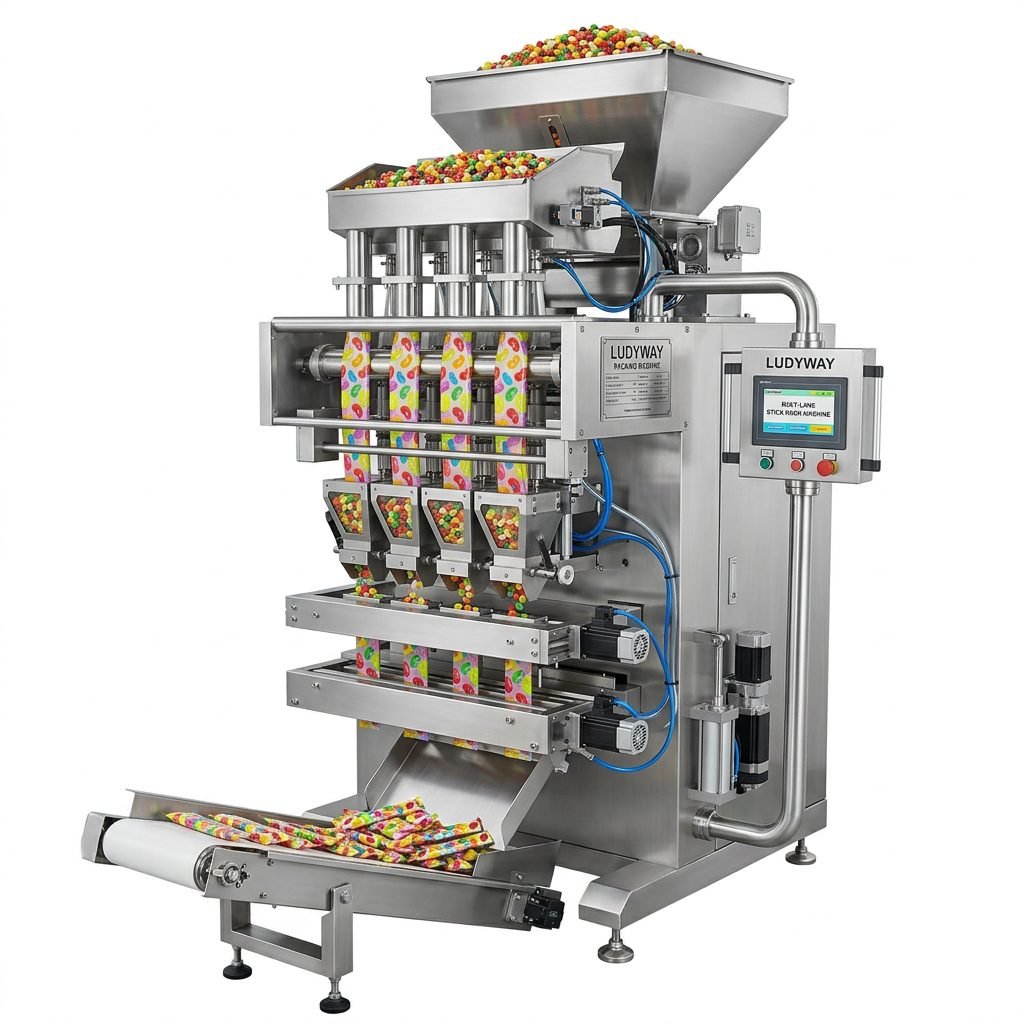
Production volume directly impacts your return on investment. Multi-lane stick pack machines are particularly popular in Southeast Asia for their ability to run 4 to 12 lanes simultaneously, achieving outputs of 200 to 600 packs per minute depending on the model. Evaluate your current demand and projected growth to select a machine that offers both immediate efficiency and scalability. Single-lane machines may suffice for startups, but mid-to-large manufacturers benefit significantly from multi-lane configurations.
- Consider future scalability when assessing lane configurations
- Multi-lane systems reduce per-unit packaging cost over time
- High-speed models minimize labor dependency and production bottlenecks
2. Packaging Format Flexibility
Southeast Asian consumers engage with diverse packaging formats. From stick packs and sachets to pouches, your machine should accommodate various sizes and styles. The ability to switch between formats without extensive retooling is a significant advantage. Machines that support both gummy granules and individually wrapped pieces offer versatility across product lines. The Flexible Packaging Association’s resources provide valuable insights into material and format trends shaping the industry.
3. Material Compatibility and Sustainability
Film material compatibility is critical for gummy packaging. The machine must handle heat-sealable films, aluminum foil laminates, and biodegradable materials without compromising seal quality. With Southeast Asia’s increasing focus on sustainable packaging, investing in equipment that supports eco-friendly film options can give your brand a competitive edge. Verify that the machine’s sealing temperature range and dwell time can be precisely adjusted for different material thicknesses.
4. Climate and Environmental Adaptability
Southeast Asia’s high humidity and ambient temperatures demand packaging machines built with corrosion-resistant components and robust electrical systems. Look for features like stainless steel construction, sealed control panels, and effective cooling mechanisms. Humidity can affect both the gummy product and the packaging film, so machines equipped with dehumidification attachments or nitrogen flushing systems are highly recommended for maintaining product freshness and extending shelf life.
5. Hygiene Standards and Compliance
Food safety regulations across Southeast Asia are becoming increasingly stringent. Your gummy packaging machine should meet GMP (Good Manufacturing Practice) requirements and be designed for easy cleaning and sanitation. Tool-less disassembly, CIP-ready surfaces, and minimal product contact areas reduce contamination risks. For exporters, certifications like CE and ISO are often mandatory prerequisites for entering regulated markets.
6. Automation and Intelligent Control Systems
Modern packaging lines integrate PLC touchscreen controls, servo-driven motors, and IoT-enabled monitoring. These technologies enable precise filling accuracy, real-time performance tracking, and predictive maintenance alerts. In a region where skilled labor costs are rising, automated systems reduce dependency on manual operations while improving consistency. Features like automatic film splicing, online printing, and integrated checkweighing further streamline production workflows.
7. After-Sales Support and Maintenance
Reliable after-sales support is crucial for minimizing downtime. Evaluate potential suppliers based on their local service networks, spare parts availability, and technical training programs. In Southeast Asia, having a supplier with regional representatives or strong distributor partnerships ensures faster response times for troubleshooting and preventive maintenance.
- Verify warranty coverage and service level agreements
- Assess spare parts inventory and shipping lead times
- Look for remote diagnostic capabilities and multilingual support
Comparing Machine Configurations for Gummy Packaging
The table below outlines common configurations available for gummy packaging applications, helping you match equipment capabilities with your production goals.
| Feature | Single-Lane | Multi-Lane (4-6 Lanes) | Multi-Lane (8-12 Lanes) |
|---|---|---|---|
| Output Capacity | 30-60 packs/min | 150-300 packs/min | 300-600 packs/min |
| Best For | Startups, niche products | Mid-size production | Large-scale manufacturing |
| Footprint | Compact | Moderate | Larger floor space needed |
| Changeover Time | Fast | Moderate | Requires planning |
| Initial Investment | Lower | Mid-range | Higher, but best ROI at scale |
| Material Waste | Minimal | Optimized | Highly efficient |
Selecting the Right Partner for Your Packaging Line
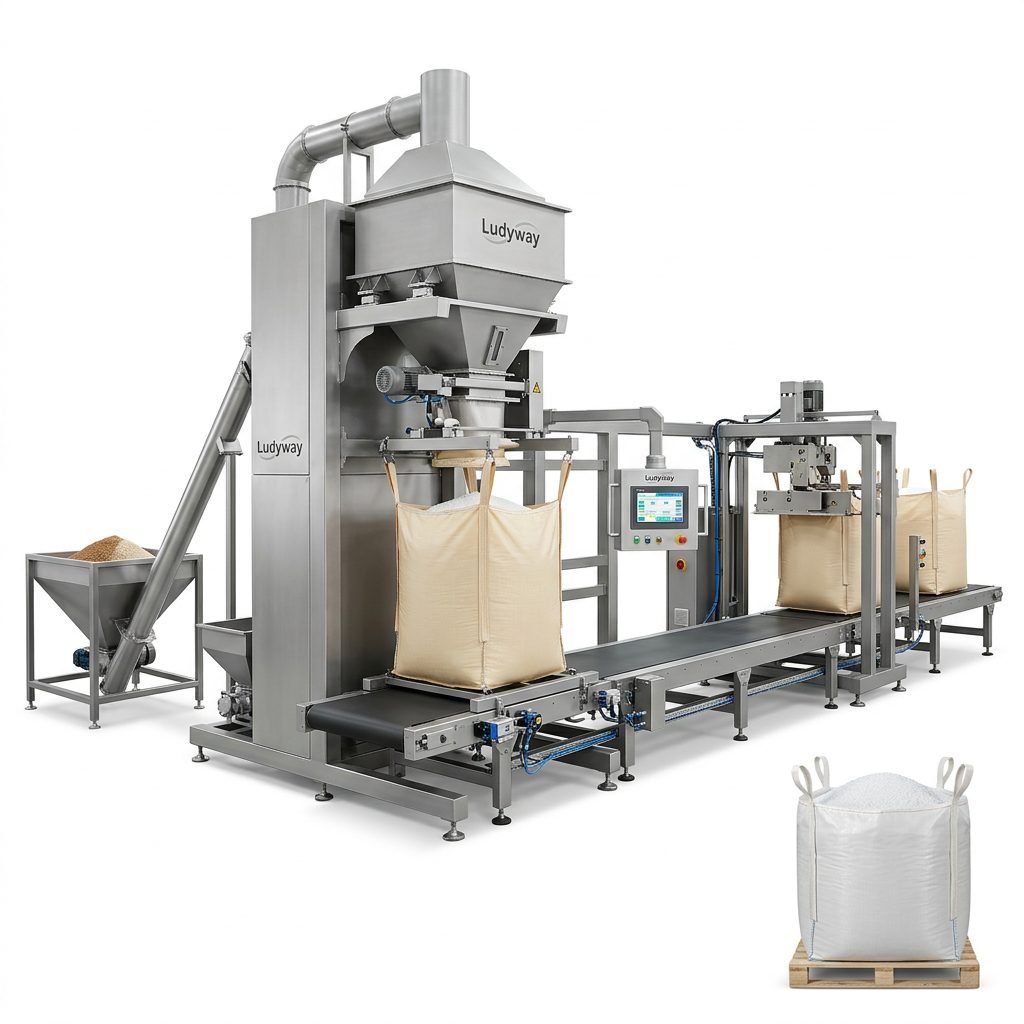
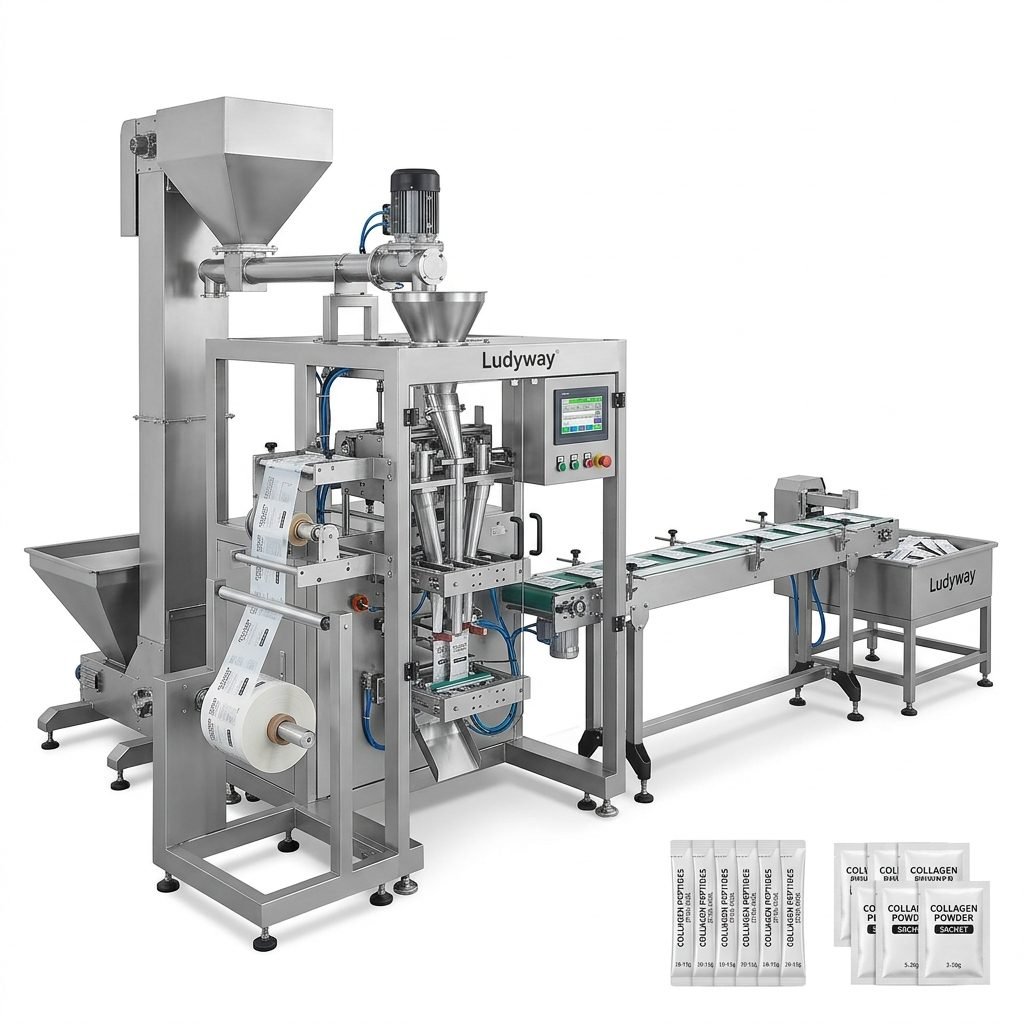
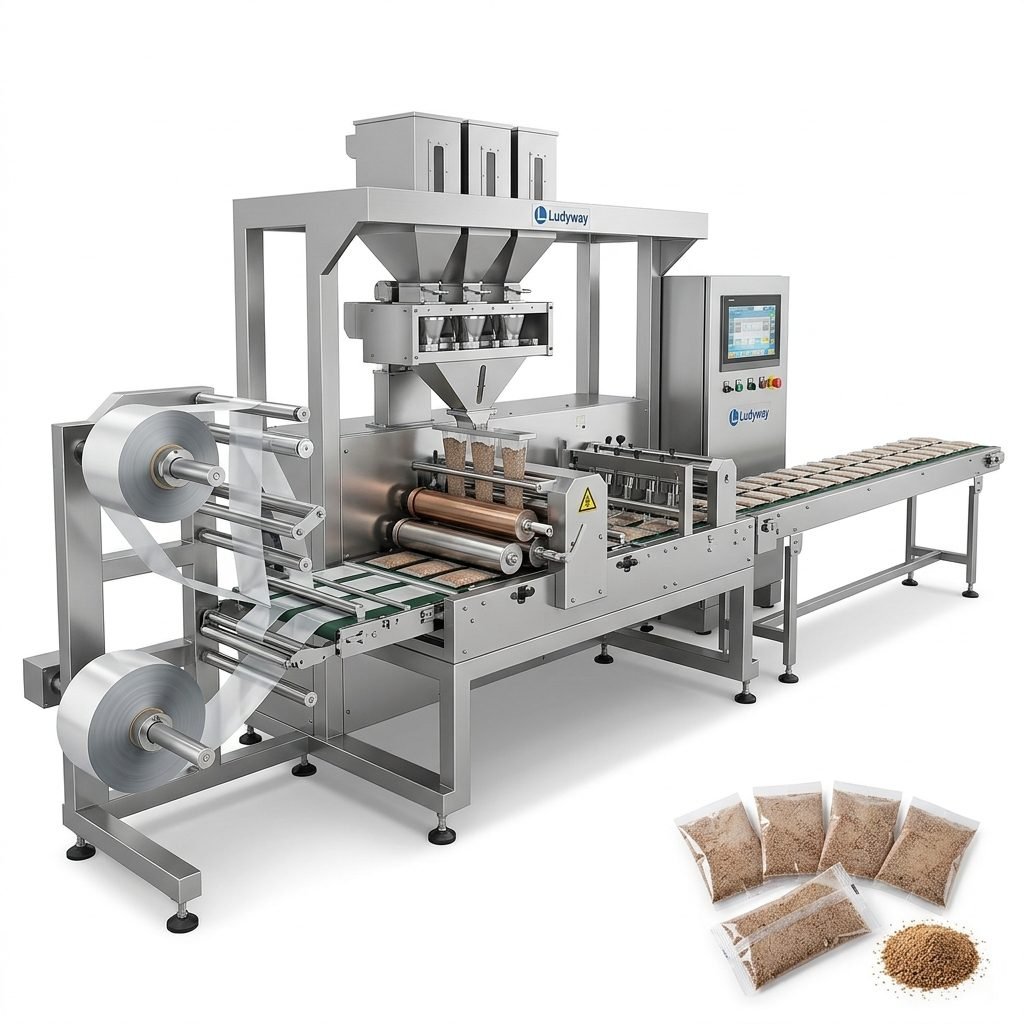
Choosing a reliable equipment provider is as important as the machine specifications themselves. Look for manufacturers with proven experience in gummy and confectionery packaging, comprehensive testing facilities, and a portfolio of successful installations in Southeast Asia. One notable manufacturer in this space is Ludyway, a leading packaging machine provider with extensive expertise in multi-lane stick pack and sachet systems for food and pharmaceutical applications.
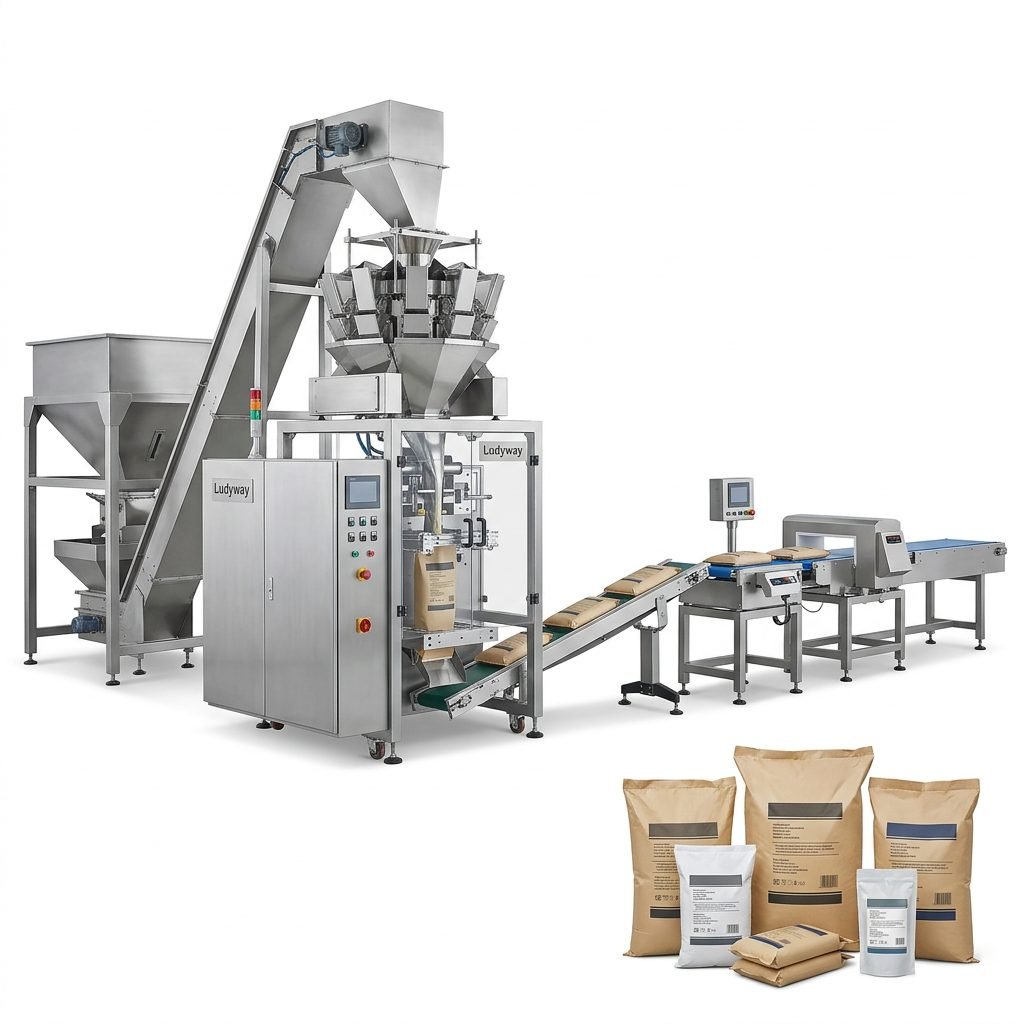
Before finalizing your purchase, request product samples, factory acceptance testing (FAT), and references from existing customers in similar industries. A supplier that offers turnkey solutions — from feeding and filling to cartoning and palletizing — can simplify project management and ensure seamless integration across your entire production line.

Final Considerations for Southeast Asian Buyers
Investing in a gummy packaging machine requires careful evaluation of technical specifications, market demands, and supplier capabilities. By prioritizing production efficiency, format flexibility, climate resilience, and robust after-sales support, manufacturers in Southeast Asia can build packaging operations that are both competitive and sustainable. Take the time to test multiple configurations, visit manufacturing facilities when possible, and engage with industry peers to make an informed, future-proof decision.