Germany represents one of the largest and most technologically advanced confectionery markets in Europe. Investing in the right packaging machinery is not merely a capital expenditure—it is a strategic move that directly impacts product shelf life, brand perception, and operational efficiency. This guide navigates the critical factors of sourcing confectionery packaging machines specifically for the German food processing landscape.
Understanding the German Confectionery Landscape
The German confectionery industry is characterized by high automation standards, strict hygiene regulations, and a strong demand for sustainable packaging. Whether you are producing chocolate bars, gummy candies, hard-boiled sweets, or marshmallows, the equipment must comply with CE standards and often align with the stringent guidelines of the German Food and Feed Code (LFGB). Manufacturers must prioritize seamless integration with existing production lines and the ability to handle various packaging formats, from flow wraps to stand-up pouches.
Key Machine Types for Confectionery Packaging
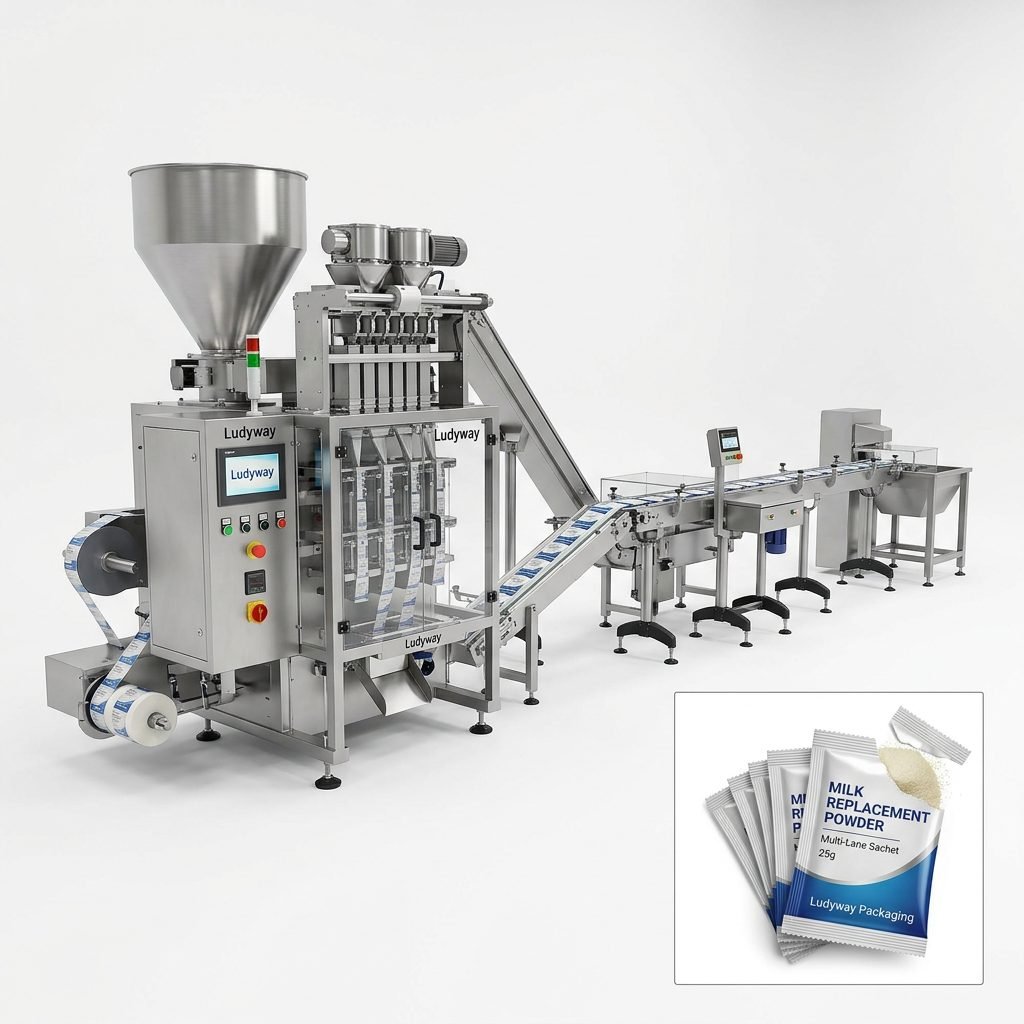
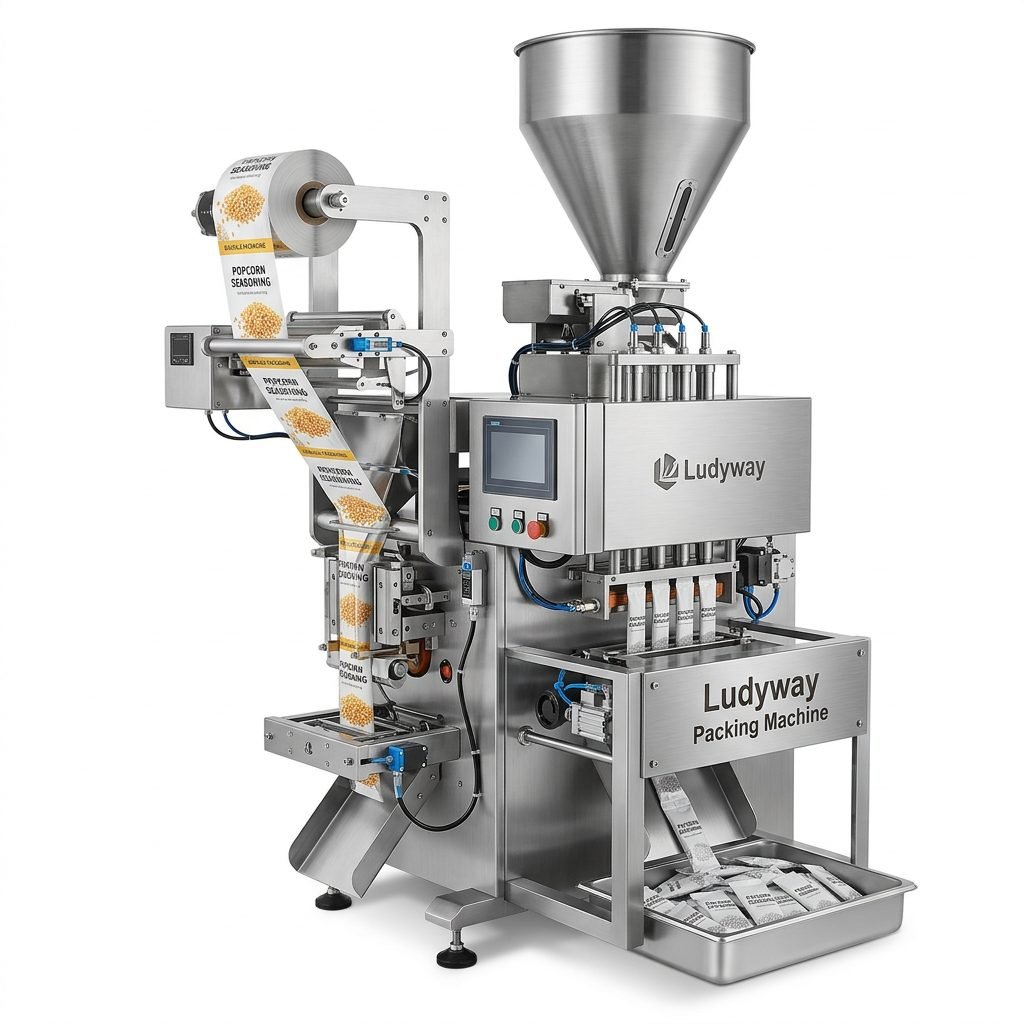
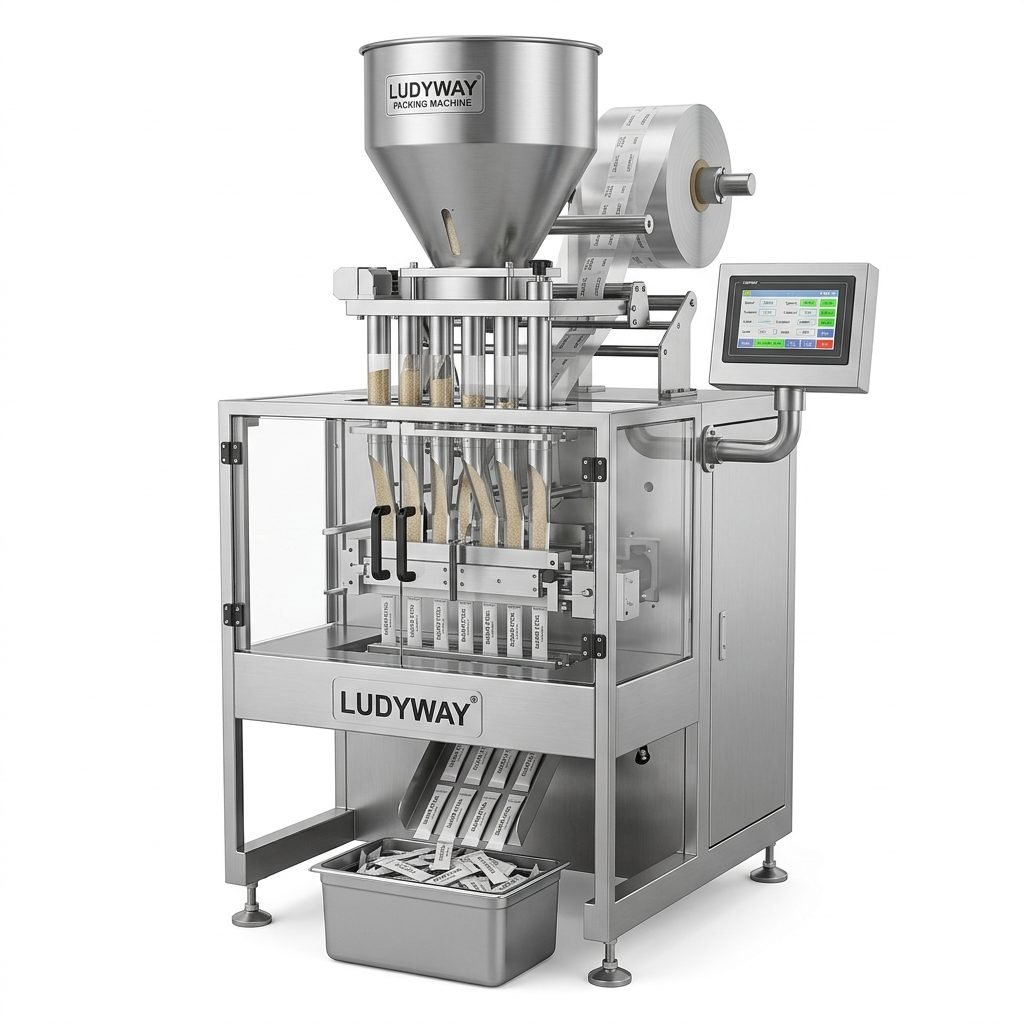
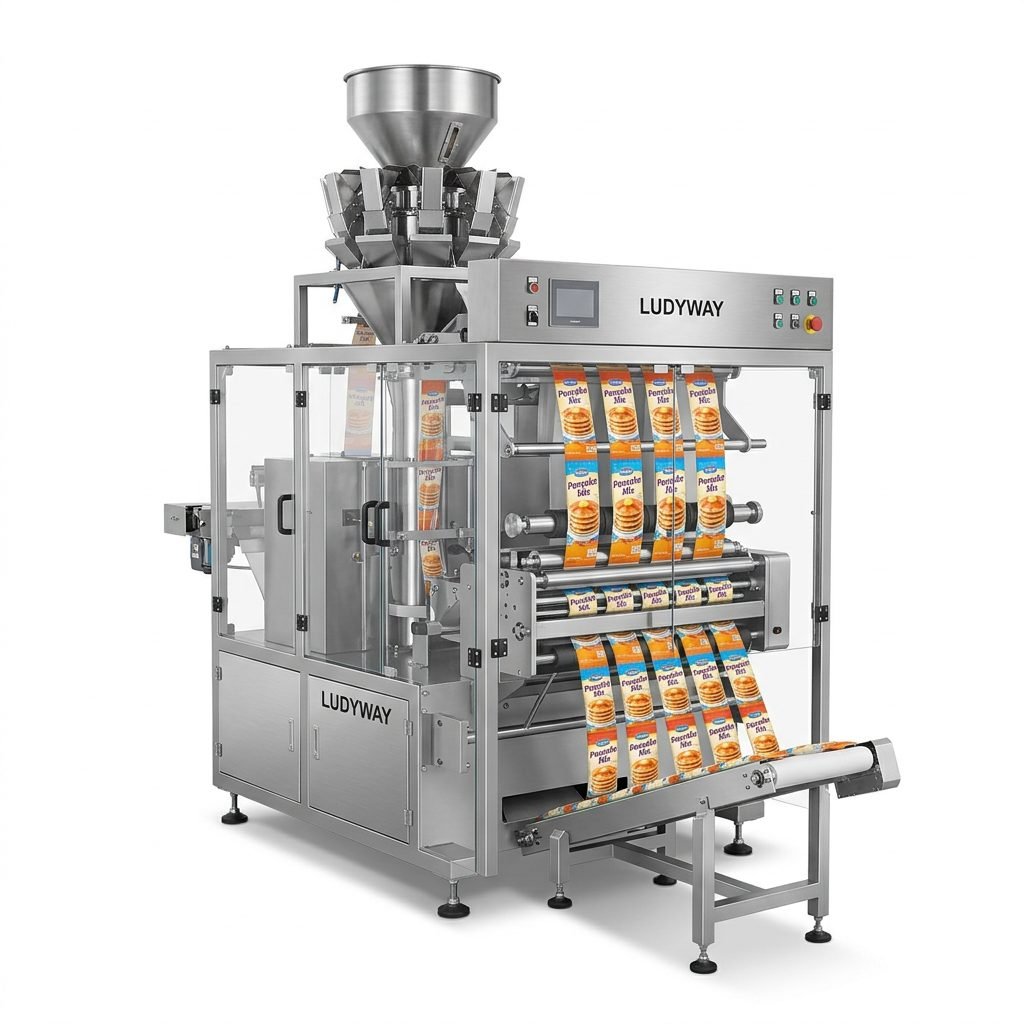
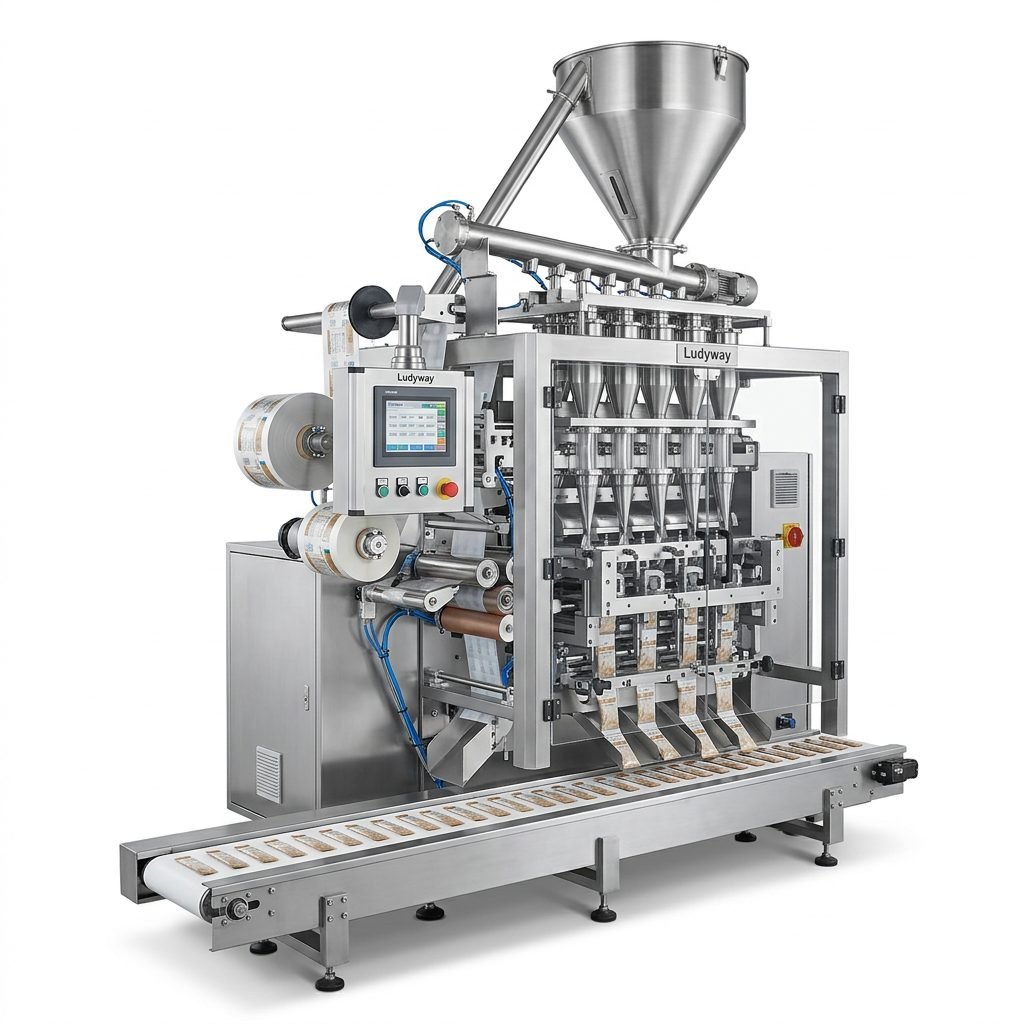
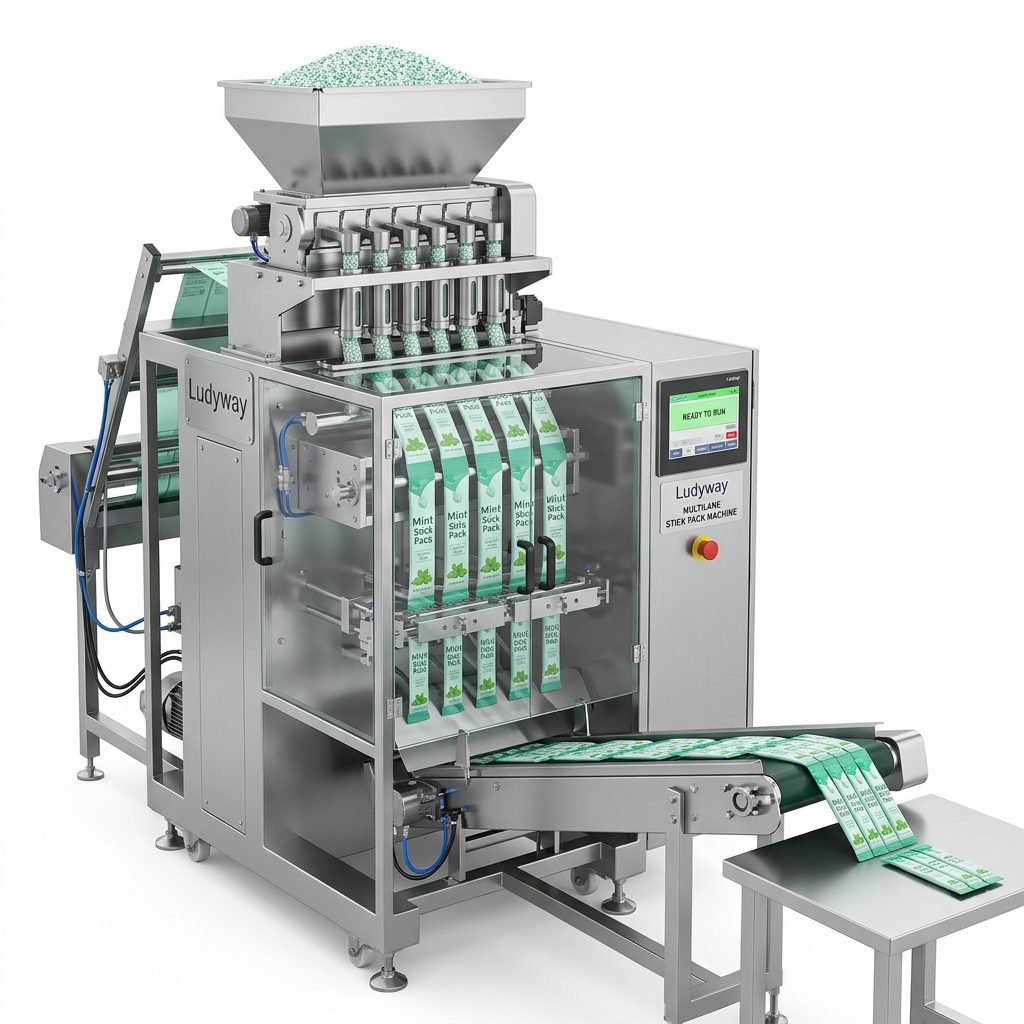
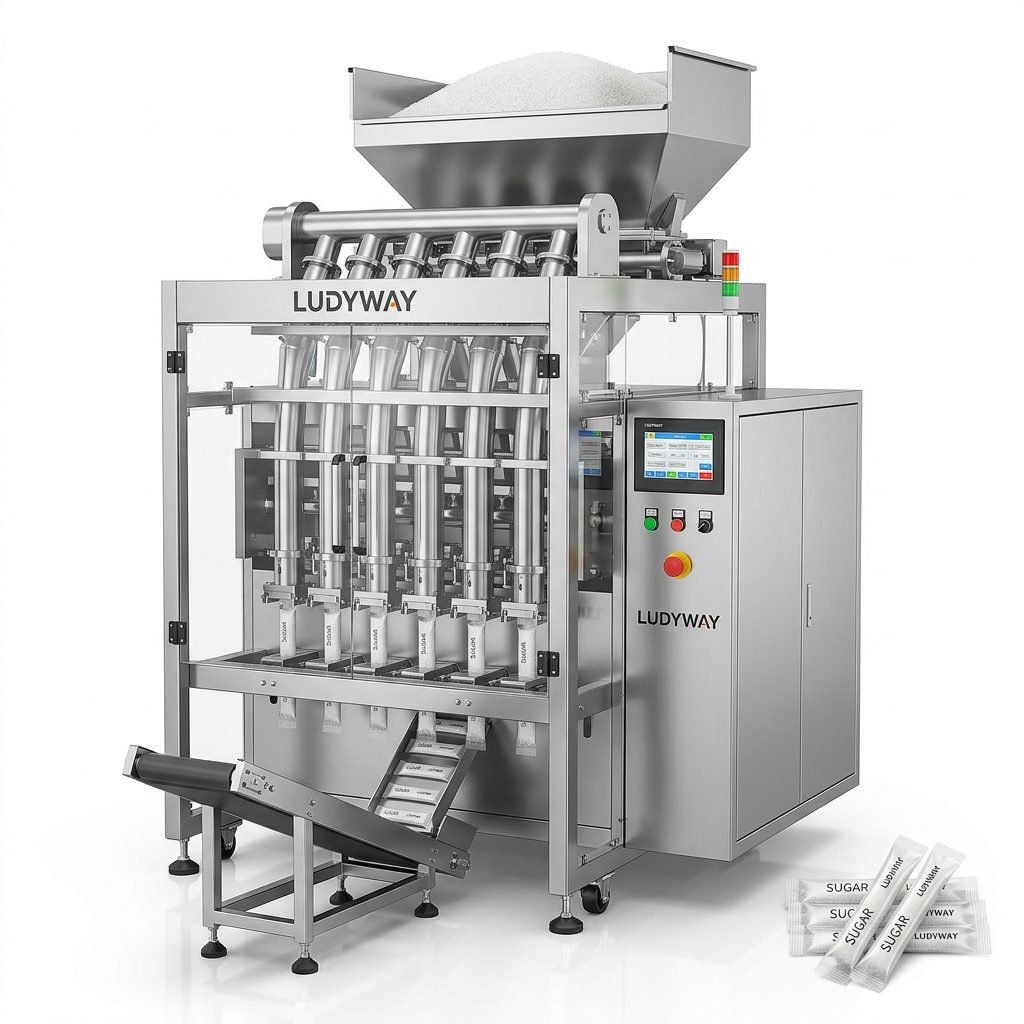
Selecting the correct form, fill, and seal technology is the foundation of a profitable operation. For the German market, where versatility is key, multi-lane stick pack machines are exceptionally popular for portion-controlled snacking products. Depending on the product consistency—granule, powder, liquid, or solid piece—different dosing systems are required.
| Machine Type | Ideal Application | Key Advantage |
|---|---|---|
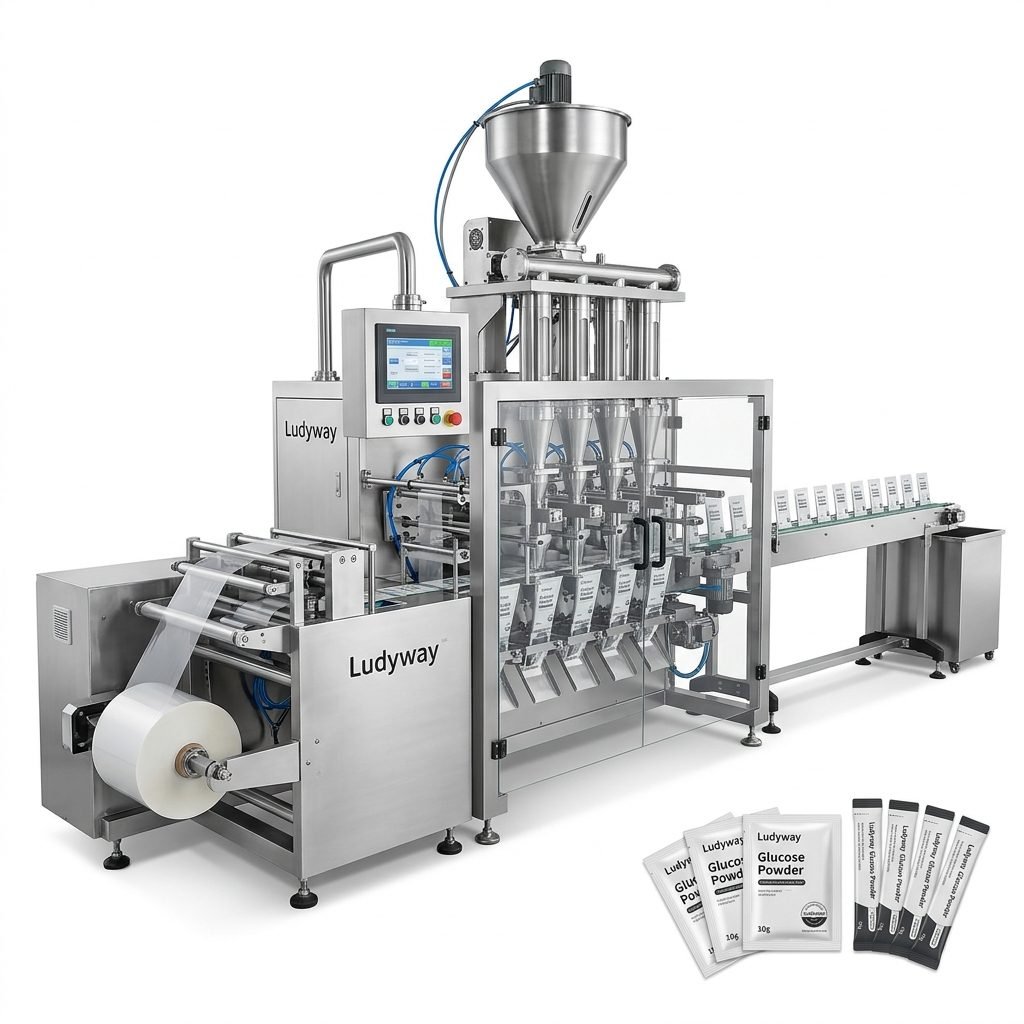
| Multi-Lane Stick Pack | Powdered drink mixes, sugar, granulated candy | High-speed output, precise portion control |
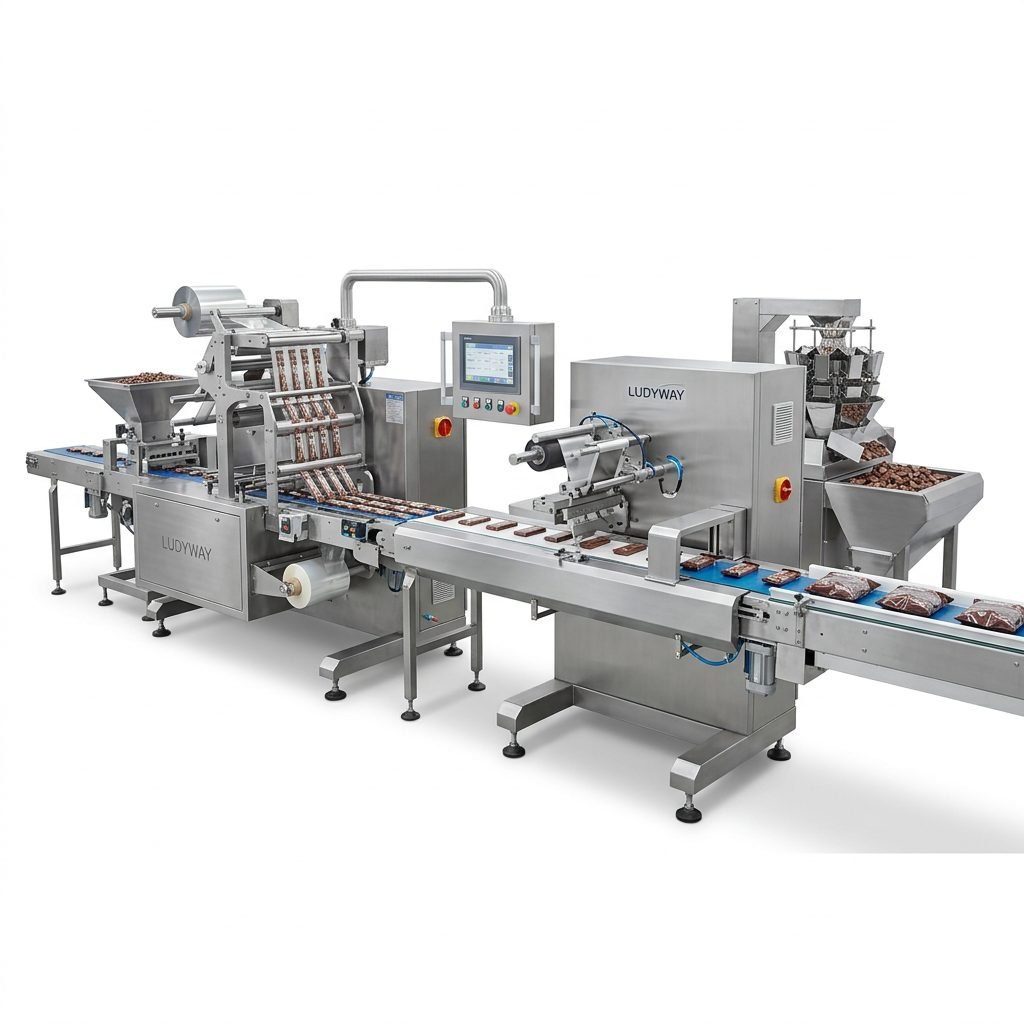
| Flow Wrapping (Horizontal) | Chocolate bars, cereal bars, solid candy | Gentle product handling, hermetic sealing |
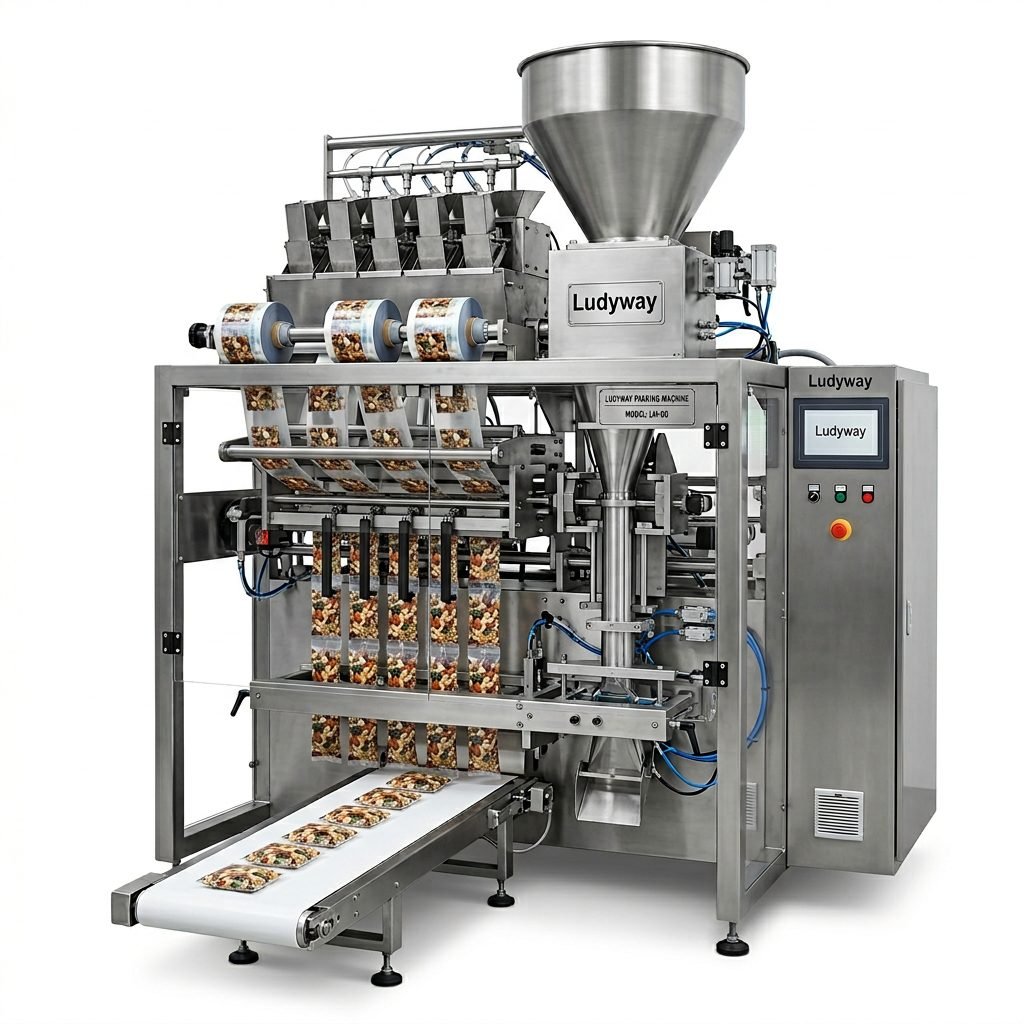
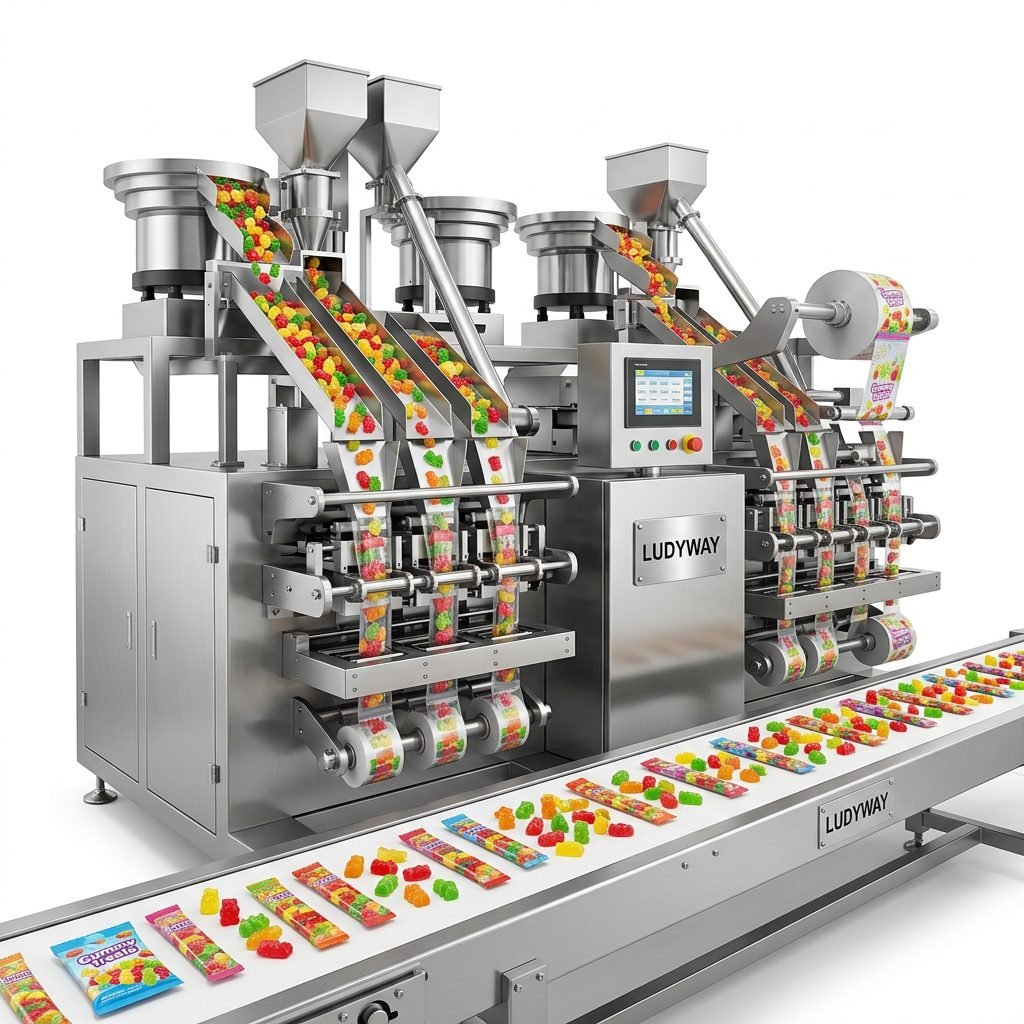
| Vertical Form Fill Seal (VFFS) | Gummies, jelly beans, hard candy | Flexible bag styles, pillow bags to gusseted |
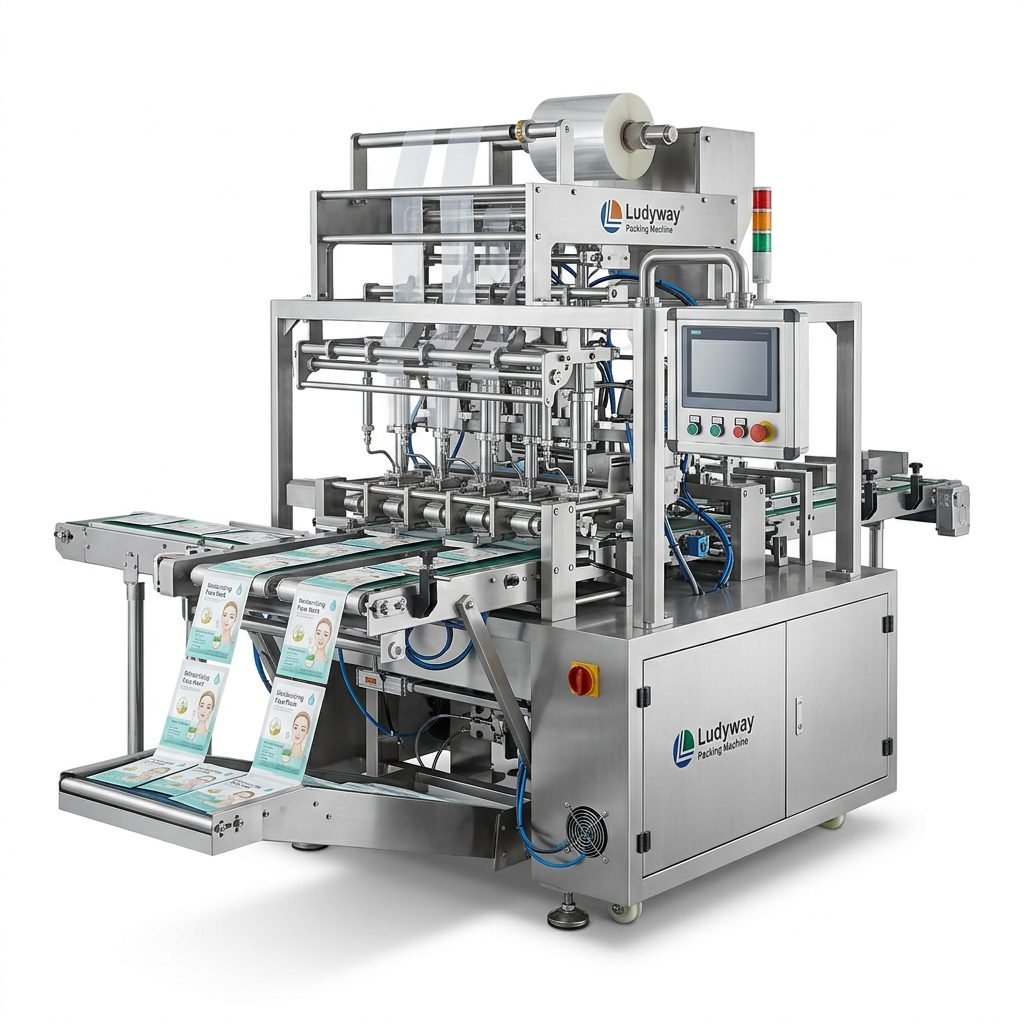
| Sachet Packaging Machines | Liquid-filled chocolates, sauces, creams | Excellent for sample sizes and single-use formats |

Granule and Powder Dosing Technologies
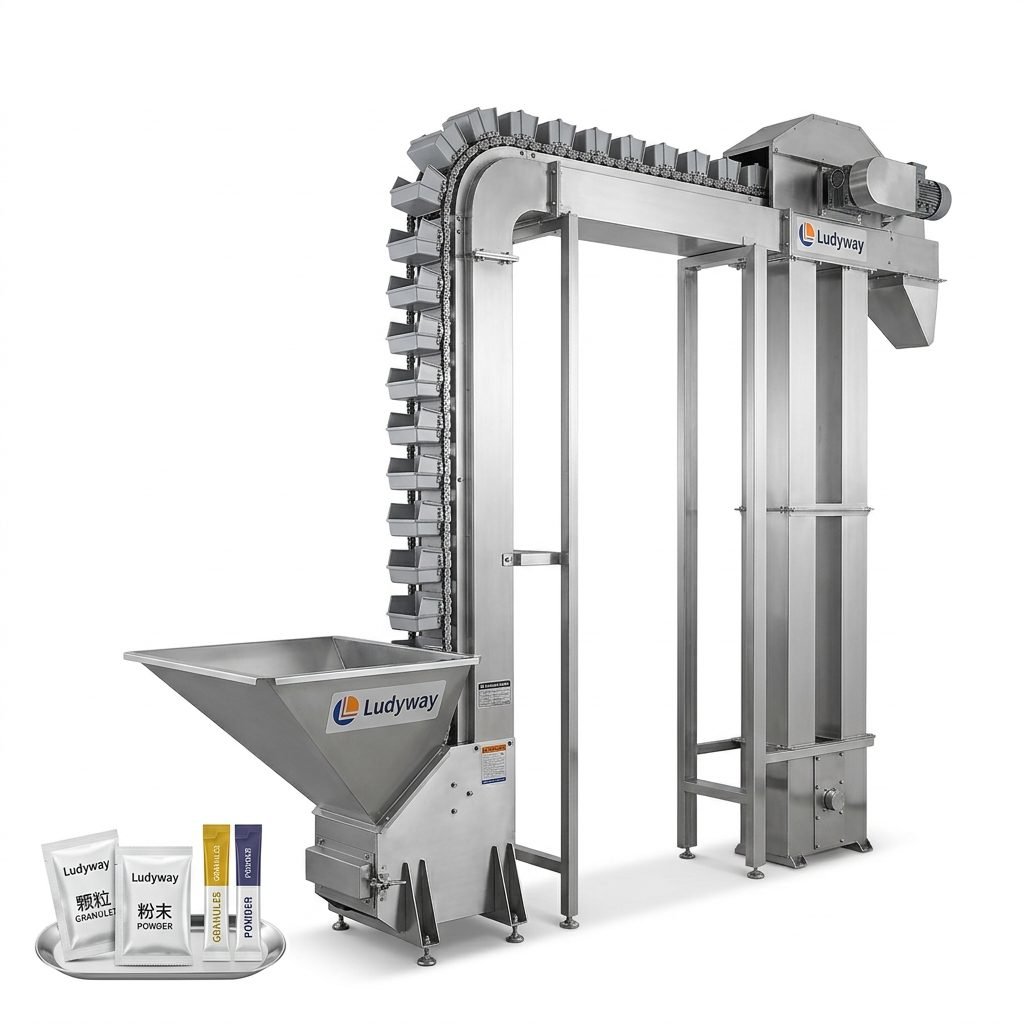
Volumetric cup fillers and multi-head weighers are the standard for granulated sugar and powdery confectionery mixes. In the German market, precision is non-negotiable to minimize give-away. Auger fillers are widely used for fine, dusty powders like dextrose or icing sugar, ensuring tight weight tolerances and dust-free sealing areas to comply with ATEX directives where applicable.
Liquid and Paste Confectionery Packaging
For liquid centers, fruit jellies, and caramel fillings, piston fillers and gear pumps mounted on stick pack or sachet machines offer exceptional accuracy. Hot-fill capacity is often necessary for high-sugar liquid confectionery products, enabling filling at temperatures that reduce viscosity before the product sets in the final packaging.
Critical Factors for Supplier Selection in Germany
Choosing a supplier for the German market extends beyond the machine specifications. You need a partner who understands the local regulatory framework and offers reliable after-sales service within the EU.
- CE Certification and Compliance: Ensure the machine carries the valid CE marking and comes with comprehensive technical documentation in German or English.
- Material Traceability: All product contact parts must be certified food-grade stainless steel 304 or 316L.
- Automation Level: Look for fully integrated systems featuring PLC control with HMI touch screens and remote monitoring capabilities.
- Service and Spare Parts: Confirm the availability of local support engineers and rapid spare parts delivery within Germany to minimize downtime.
- Sustainability Features: Machines should process recyclable mono-materials and minimize film waste, aligning with Germany’s strict packaging recycling laws.
Navigating German Standards and Regulations
Packaging machinery destined for Germany must conform to the EU Machinery Directive 2006/42/EC. Additionally, collaboration with a supplier who performs Factory Acceptance Testing (FAT) and Site Acceptance Testing (SAT) based on German protocols is invaluable. A key resource is the PMMI standards, which often overlap with global best practices for hygienic design and operational safety. For deeper insights into market trends, the State of the Industry reports from PMMI can guide your strategic planning.
Integrating Inspection and Quality Control
High-speed confectionery lines in Germany almost universally require integrated checkweighers, metal detectors, and X-ray inspection systems. These systems must be able to reject out-of-tolerance packages without reducing line speed. Connectivity via Profinet or Ethernet/IP is often mandatory for centralized production data logging.
Flexible Packaging and Sustainability in Focus
The German marketplace is rapidly shifting towards paper-based flow wraps and bio-plastics. Purchasing machinery explicitly designed to seal recyclable laminates future-proofs your investment. Machines with quick-changeover tooling and servo-driven adjustments allow you to switch between traditional polymers and newer sustainable films with minimal operator intervention.
Evaluating Machine Specifications and ROI
| Performance Metric | What to Look for | Impact on Confectionery |
|---|---|---|
| Speed (Packs/Min) | 200–600 for stick packs; 80–150 for flow wrap | Essential for seasonal peak demands |
| Changeover Time | Less than 15 minutes with memory recipes | Supports product variety and short runs |
| Energy Consumption | IE3/I4 premium efficiency motors | Lowers operational cost, meets EU green directives |
A trusted global manufacturer such as Ludyway provides a range of advanced packaging solutions engineered to meet these specific German and international standards. With decades of engineering expertise, selecting a partner capable of providing CE-certified, servo-driven technology is a direct path to maximizing Return on Investment. Their equipment is designed for the rigorous demands of the European confectionery sector, focusing on high-speed output and hygienic, easy-to-clean frames.
Turnkey Solutions vs. Standalone Units
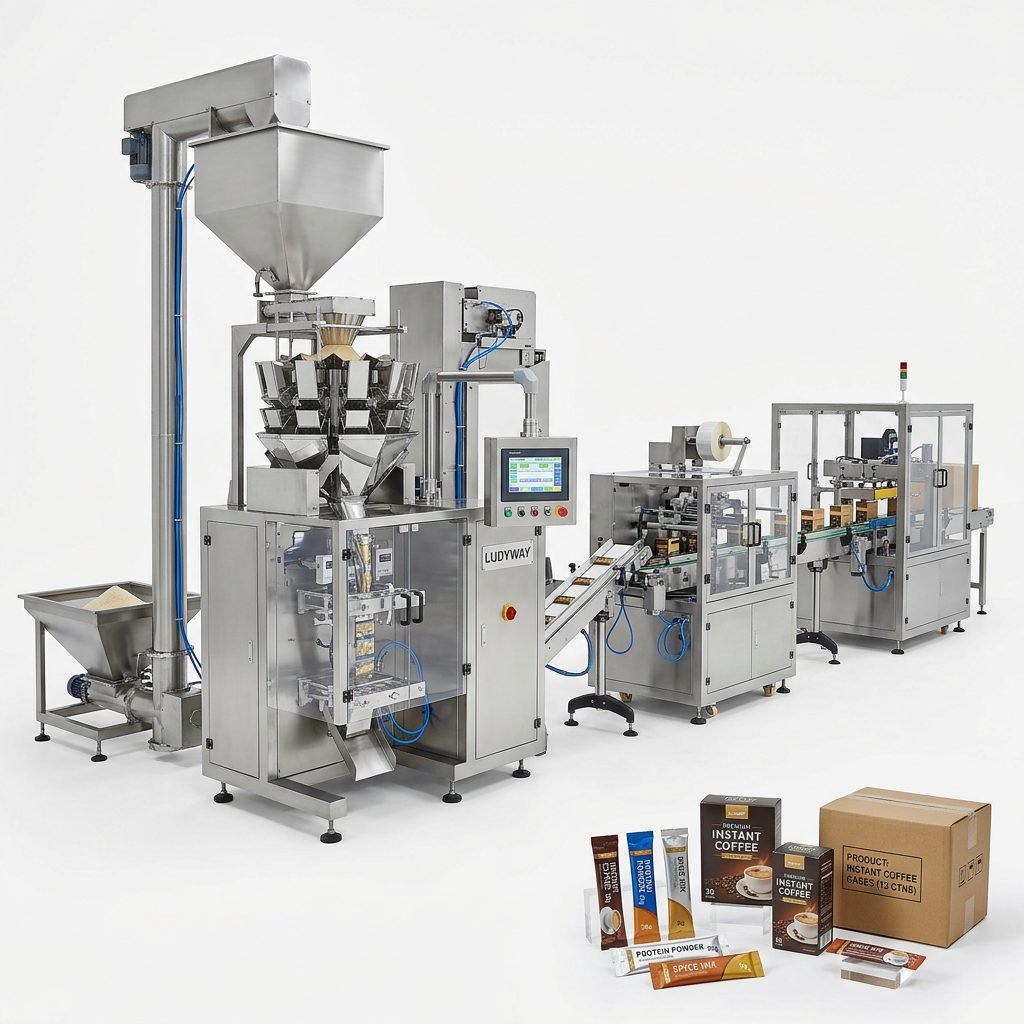
While you can purchase standalone units, the German industry often favors turnkey packaging lines. These integrate feeding systems, the primary packager, checkweighers, cartoners, and even palletizers. A synchronized line ensures the traceability and digital connectivity required under the EU’s digitalization push for smart factories. Collaboration with a single engineering team for the entire line drastically simplifies commissioning and operator training.
Future-Proofing Your Investment
Industry 4.0 capabilities are becoming standard. When purchasing a confectionery packaging machine, insist on platforms that support OPC UA protocols for interoperability across different vendor systems. This ensures your packaging floor remains agile and ready for predictive maintenance, a concept rapidly gaining traction in Germany.
External resources such as the Flexible Packaging Association offer ongoing data on material innovations, while the ISO packaging standards provide a benchmark for quality conformity. Staying aligned with these frameworks guarantees your new acquisition remains an asset for years, clarifying the long-term value of your confectionery packaging machine purchase in Germany.