Choosing the right gummy packaging machine is a critical decision for any candy producer looking to scale operations, ensure product freshness, and maintain brand consistency. An automatic gummy packaging solution goes beyond simply wrapping your product—it integrates into your production flow to enhance efficiency, reduce waste, and deliver a professional finish that appeals to consumers. This guide will walk you through the key factors to consider when selecting the perfect automatic packaging system for your gummy candy production line.
Understanding Your Gummy Packaging Needs
Before diving into machine specifications, it’s essential to conduct a thorough analysis of your own production requirements. The ideal packaging machine is not a one-size-fits-all solution; it must align with your specific product characteristics, output goals, and business model.
Key Questions to Ask Yourself:
- Production Volume: What is your current and projected daily/weekly output? This determines the required machine speed (packs per minute).
- Gummy Characteristics: What is the size, shape, and stickiness of your gummies? Do you produce single shapes or mixed varieties?
- Packaging Format: Are you aiming for stand-up pouches, flow wraps, stick packs, or portion-controlled sachets?
- Budget & ROI: What is your investment capacity, and what is the expected return on investment through labor savings and reduced material waste?
Core Components of an Automatic Gummy Packaging Line
A complete automatic solution typically involves more than just a single machine. It’s an integrated system designed for a seamless workflow from product feeding to final packaging.
1. Feeding and Sorting System
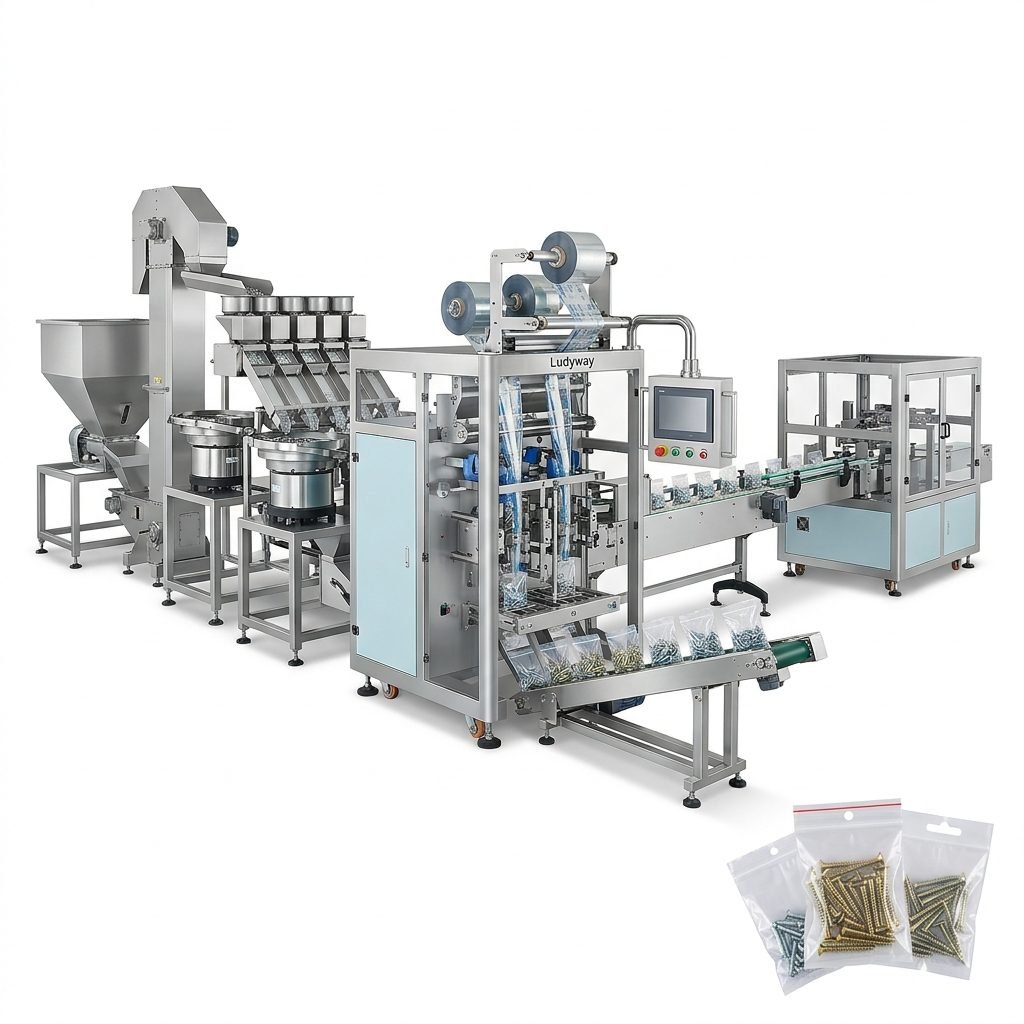
This is the first critical stage. Gummies must be consistently oriented and delivered to the packaging machine. Vibratory feeders, conveyor belts with guides, or vision-based robotic pick-and-place systems can be used, especially for delicate or irregularly shaped gummies. The goal is to eliminate jams and ensure a smooth, uninterrupted flow into the packaging unit.
2. The Primary Packaging Machine
This is the heart of the operation. For gummies, common machine types include:
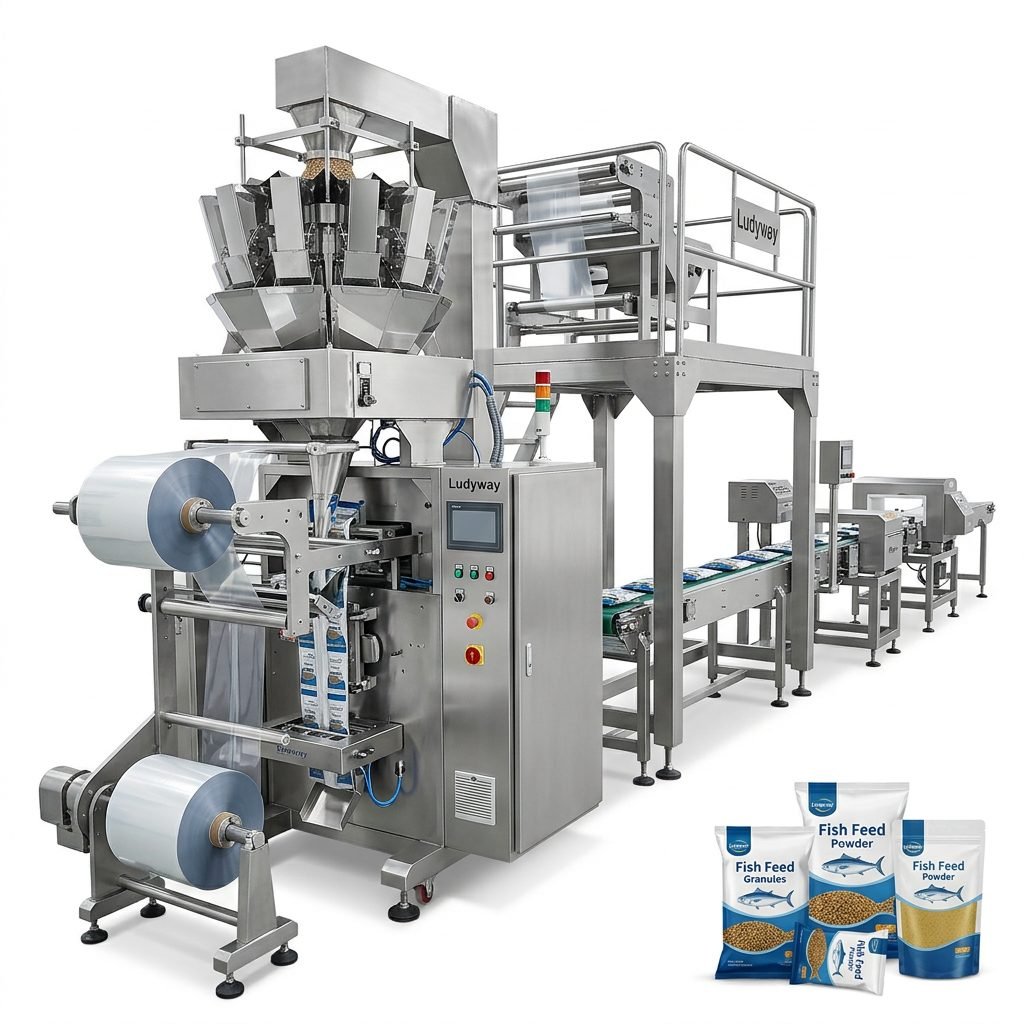
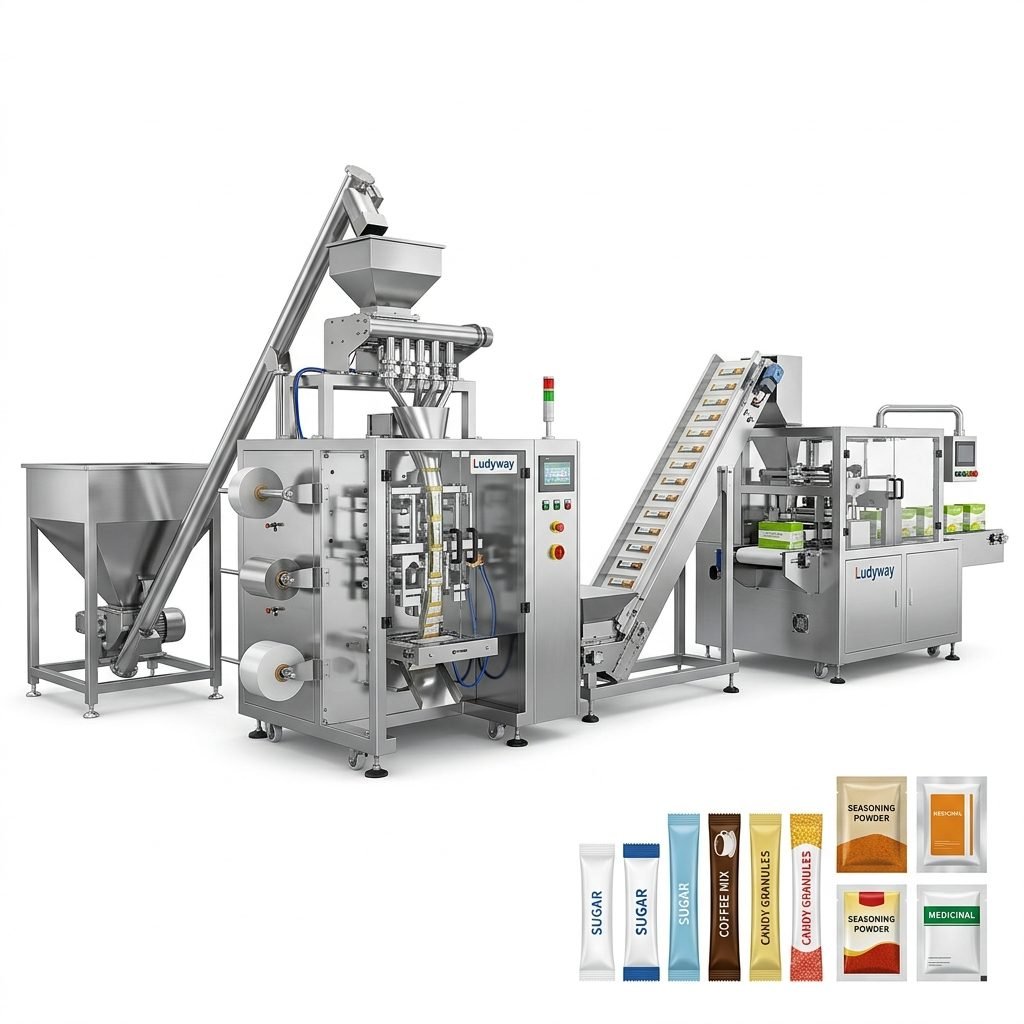
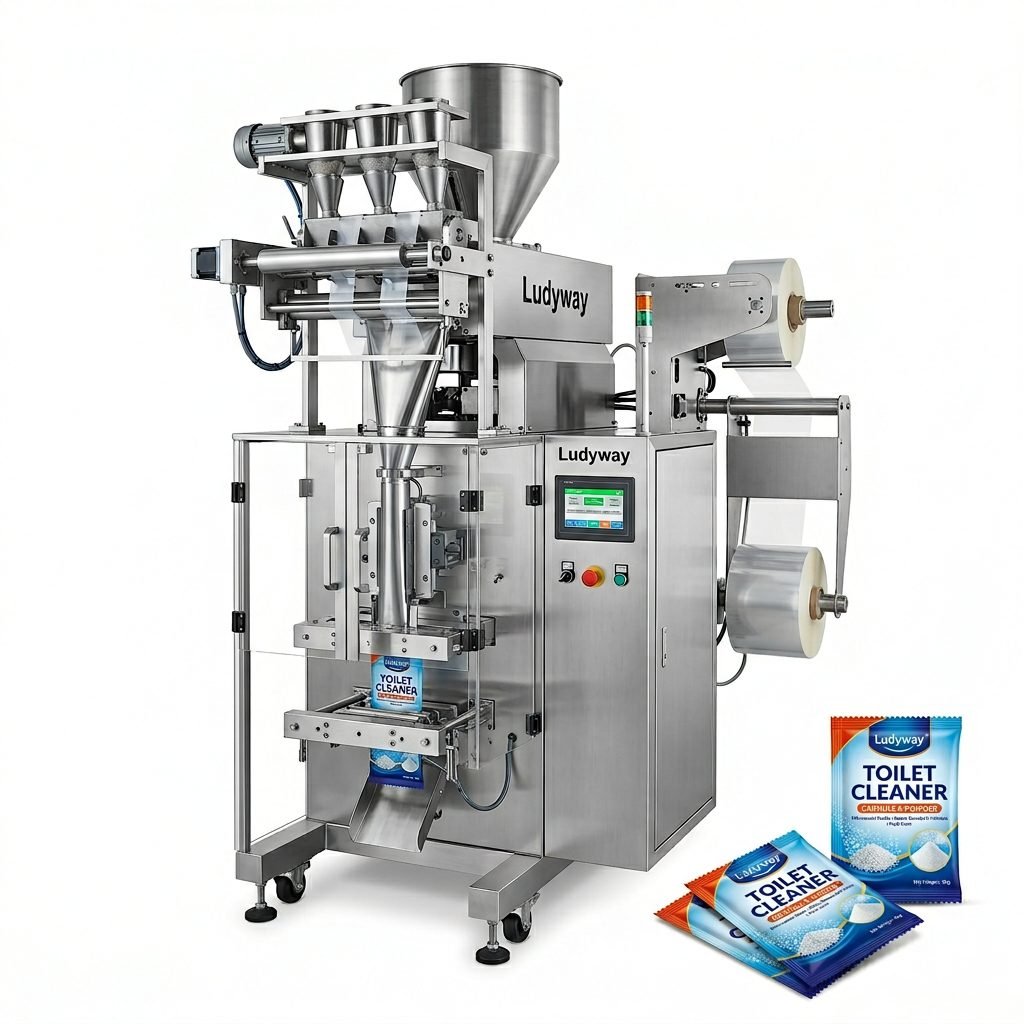
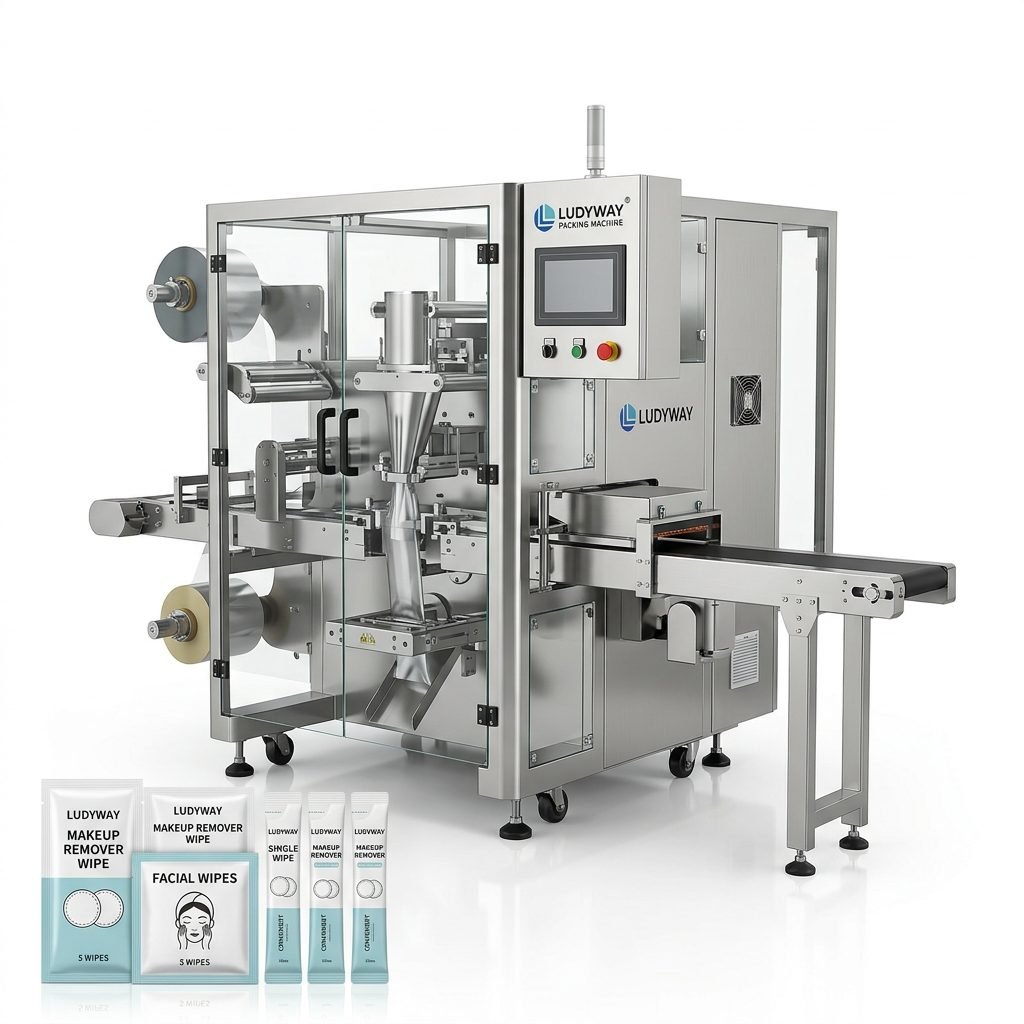
- Vertical Form-Fill-Seal (VFFS) Machines: Ideal for packaging loose gummies into pouches or bags. They form the bag from a roll of film, fill it with the precise weight or count of product, and then seal it. Modern VFFS machines offer excellent flexibility for different bag sizes and styles.
- Horizontal Flow Wrappers: Perfect for wrapping individual gummy pieces, multi-packs, or gummy bars in a tight, secure envelope of film. This format is common for retail-ready products.
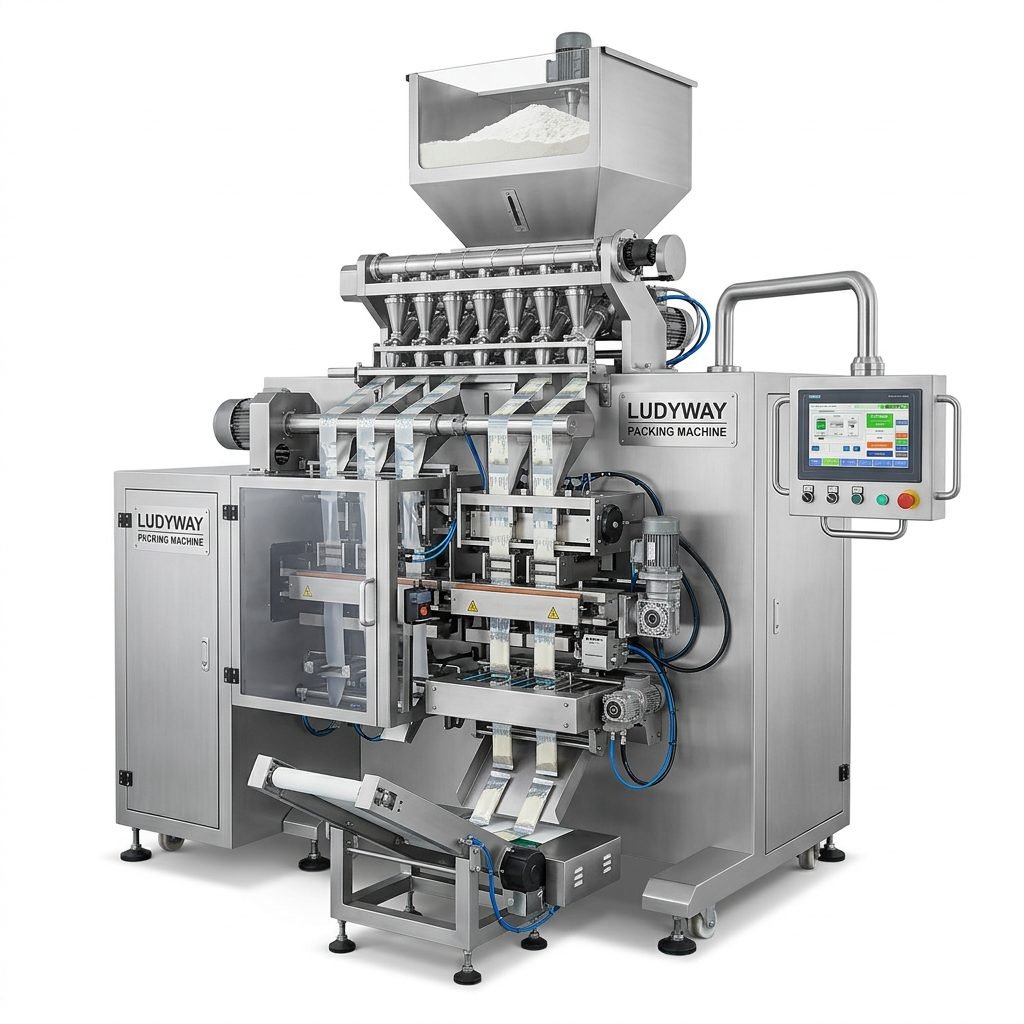
- Stick Pack Machines: Designed to create slim, single-serve stick packs, often used for powdered supplements but adaptable for small, uniform gummy products or gummy vitamins.
When evaluating packaging machinery providers, inquire about their experience with sticky, sugar-coated products to ensure their systems have appropriate anti-stick coatings and cleaning protocols.
3. Checkweighing and Quality Control
Integrated checkweighers ensure every package meets the declared weight, which is crucial for regulatory compliance and consumer trust. Metal detectors or X-ray inspection systems can also be incorporated to guarantee product safety and quality.
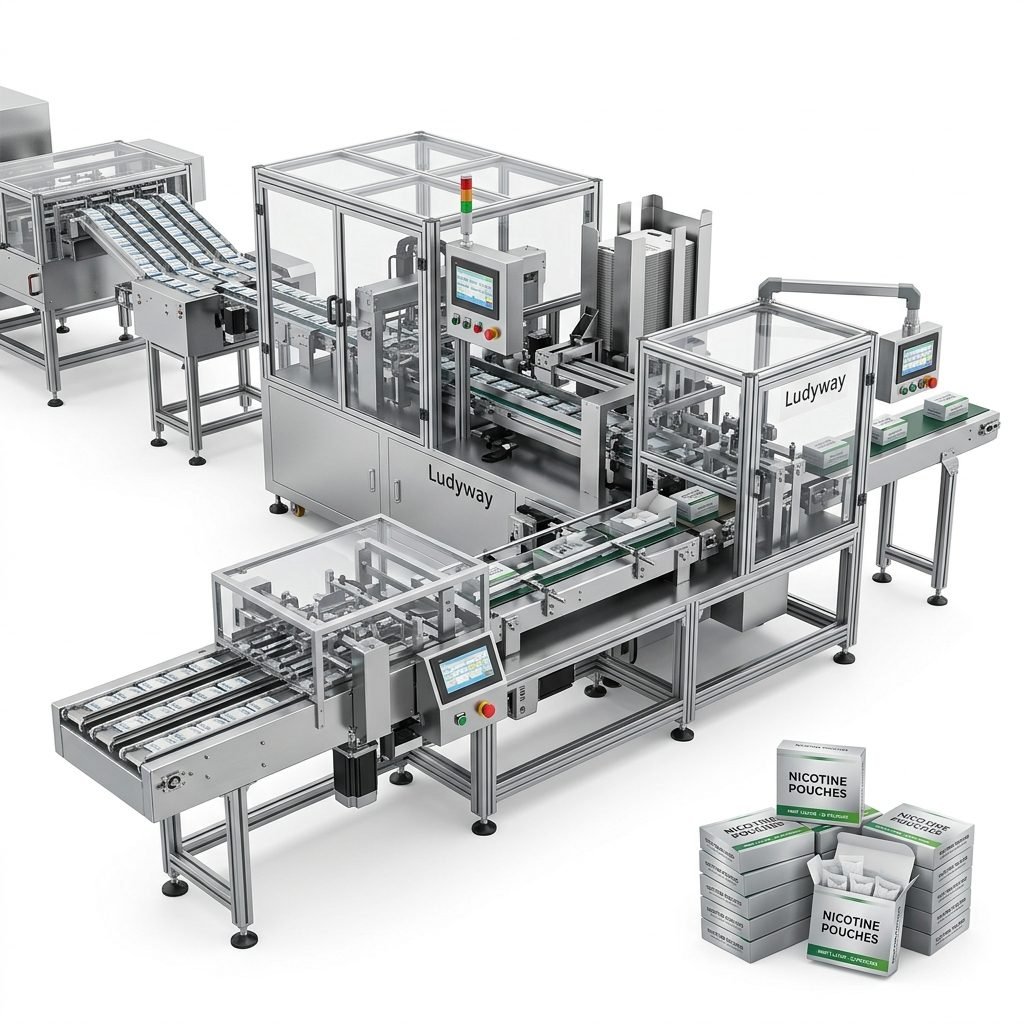
4. Secondary Packaging and Cartoning
After primary packaging, machines can automatically collate individual packs into boxes, cartons, or display trays. This automation step further reduces manual handling and prepares products for shipping.
Critical Technical Specifications to Evaluate
When comparing different automatic gummy packaging machines, pay close attention to these technical details.
Performance & Compatibility Checklist
Use this list as a benchmark during your machine evaluation process:
- → Speed (Packs Per Minute): Match the machine’s maximum speed to your output needs with some room for growth. Don’t overpay for speed you won’t use.
- → Film/Packaging Material Compatibility: Can it handle the specific laminates or films you plan to use (e.g., high-barrier films for freshness)? Ensure it supports sustainable material options if that’s a brand priority.
- → Changeover Time & Flexibility: How quickly can operators switch between different gummy products or package sizes? Look for machines with quick-change parts and recipe memory functions.
- → Accuracy of Filling: Whether using volumetric cups, scales, or counters, the filling system must deliver precise and consistent amounts to minimize giveaways.
- → Hygiene & Cleanability: Machines should have smooth surfaces, accessible areas, and be made of food-grade materials (e.g., stainless steel contact parts) for easy and thorough cleaning.
- → Integration Capabilities: Can the machine easily connect with upstream (mixers, depositors) and downstream (cartoners, palletizers) equipment? Open communication protocols (like OPC UA) are a major advantage.
The Importance of Supplier Support and Service
The machine itself is only part of the solution. The reliability and expertise of the supplier are paramount for long-term success. A provider with deep industry experience, like Ludyway Machinery, brings invaluable support. Look for suppliers who offer comprehensive training for your operators and maintenance staff, readily available spare parts, and responsive technical support. Ask about their track record with international clients to gauge their ability to support your operation remotely or on-site.
Investing in Your Candy Production Future
Transitioning to or upgrading an automatic gummy packaging line is a significant investment. However, the benefits often justify the cost through substantial labor savings, increased output with fewer errors, enhanced product presentation, and improved shelf life. A well-chosen machine becomes a reliable partner in your growth, allowing you to scale production, enter new markets, and ensure consistent quality that builds brand loyalty.
By carefully assessing your needs, scrutinizing technical specifications, and partnering with a knowledgeable and reliable packaging solutions provider, you can select an automatic gummy packaging machine that delivers efficiency, reliability, and a strong return on investment for years to come.
Frequently Asked Questions (FAQs)
1. What is the typical speed range for an automatic gummy packaging machine?
Speeds vary widely based on the machine type and package complexity. Vertical form-fill-seal machines for gummy pouches can range from 40 to over 200 bags per minute. Horizontal flow wrappers for individual pieces typically run between 100 and 500 packs per minute. Your required speed should be based on your actual production volume with room for future growth.
2. How do automatic machines handle sticky gummies without jamming?
Reputable manufacturers design machines with specific features for sticky products. These include food-grade anti-stick coatings (like Teflon) on contact surfaces, specialized hopper designs, and precise vibration or air-assisted feeding systems. Proper machine selection and configuration during the planning phase are critical to prevent sticking and jamming issues.
3. Can one machine package different gummy shapes and sizes?
Yes, many modern automatic machines are designed for flexibility. The key is the changeover process. Look for machines with “quick-change” features, where components like forming tubes, filling funnels, and sealing jaws can be swapped out in minutes using tool-less mechanisms. Digital recipe storage also allows operators to recall settings for different products instantly.
4. What packaging materials work best with automatic gummy packaging?
Automatic machines commonly use rollstock films, which can be tailored for gummies. Popular choices include metallized polyester or polypropylene laminates that offer excellent moisture and oxygen barriers to keep gummies fresh and prevent drying out. It’s essential to collaborate with your film supplier and machine manufacturer to ensure material compatibility with the machine’s sealing system.
5. What kind of maintenance does an automatic gummy packaging machine require?
Regular preventive maintenance is crucial for longevity and uptime. Daily cleaning of product contact zones is mandatory. Weekly tasks might include lubricating moving parts (with food-grade lubricants) and checking seal integrity. Periodic inspections of wear parts like sealing jaws, cutters, and belts should be scheduled based on the machine’s usage. A good supplier will provide a detailed maintenance schedule and training.