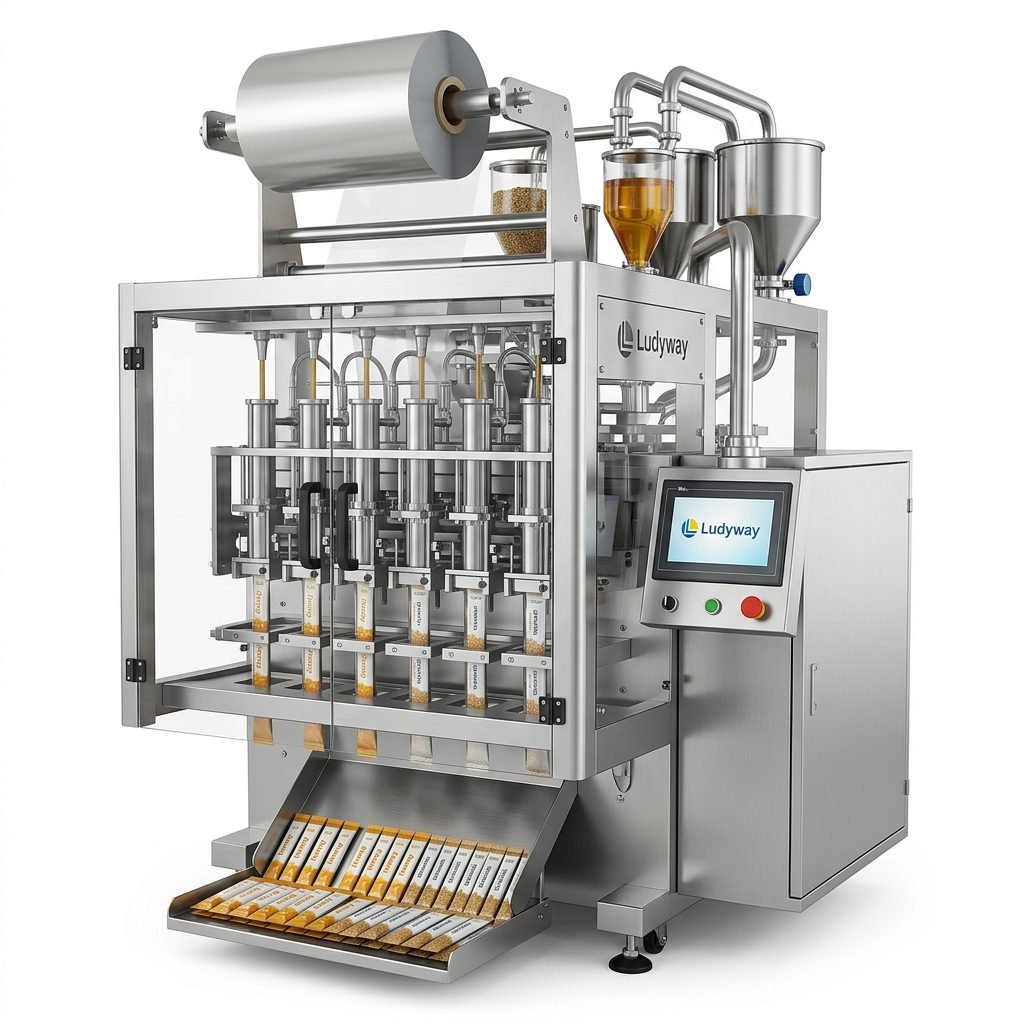
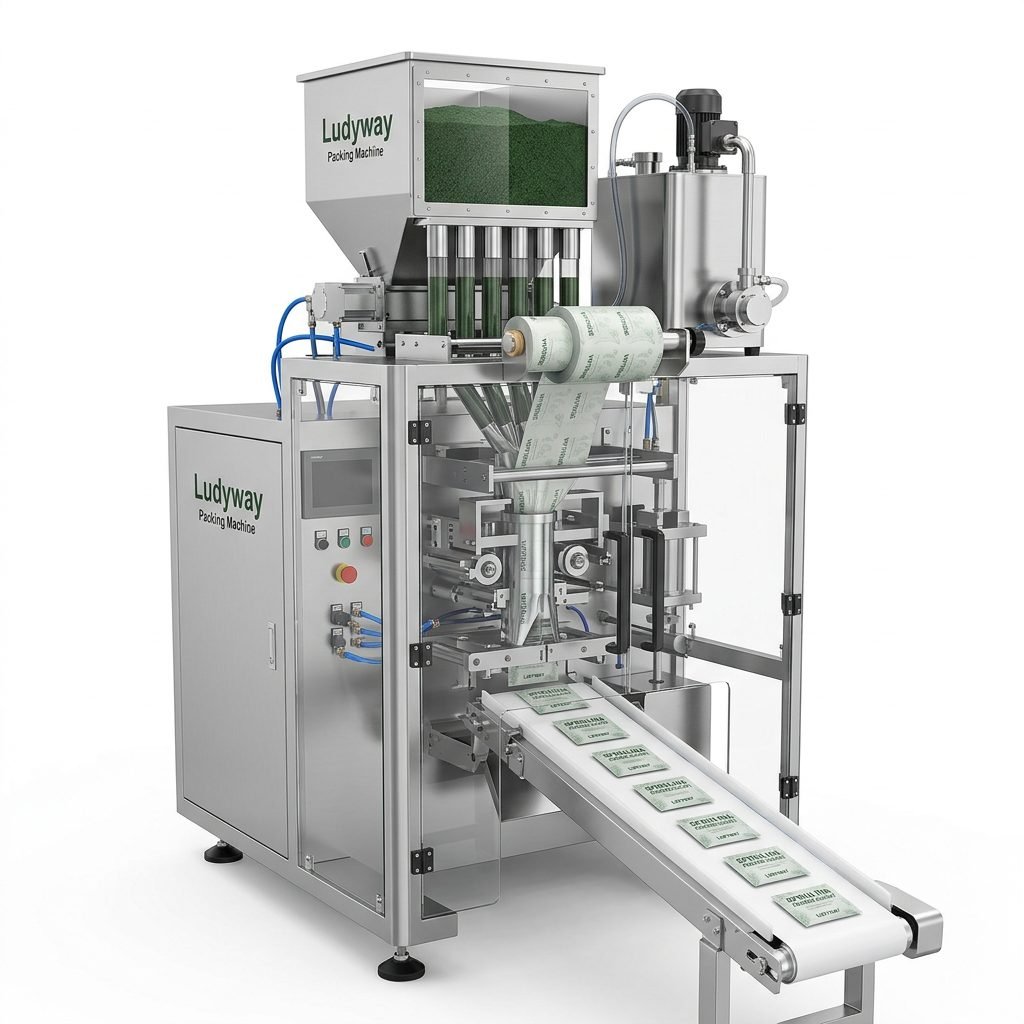
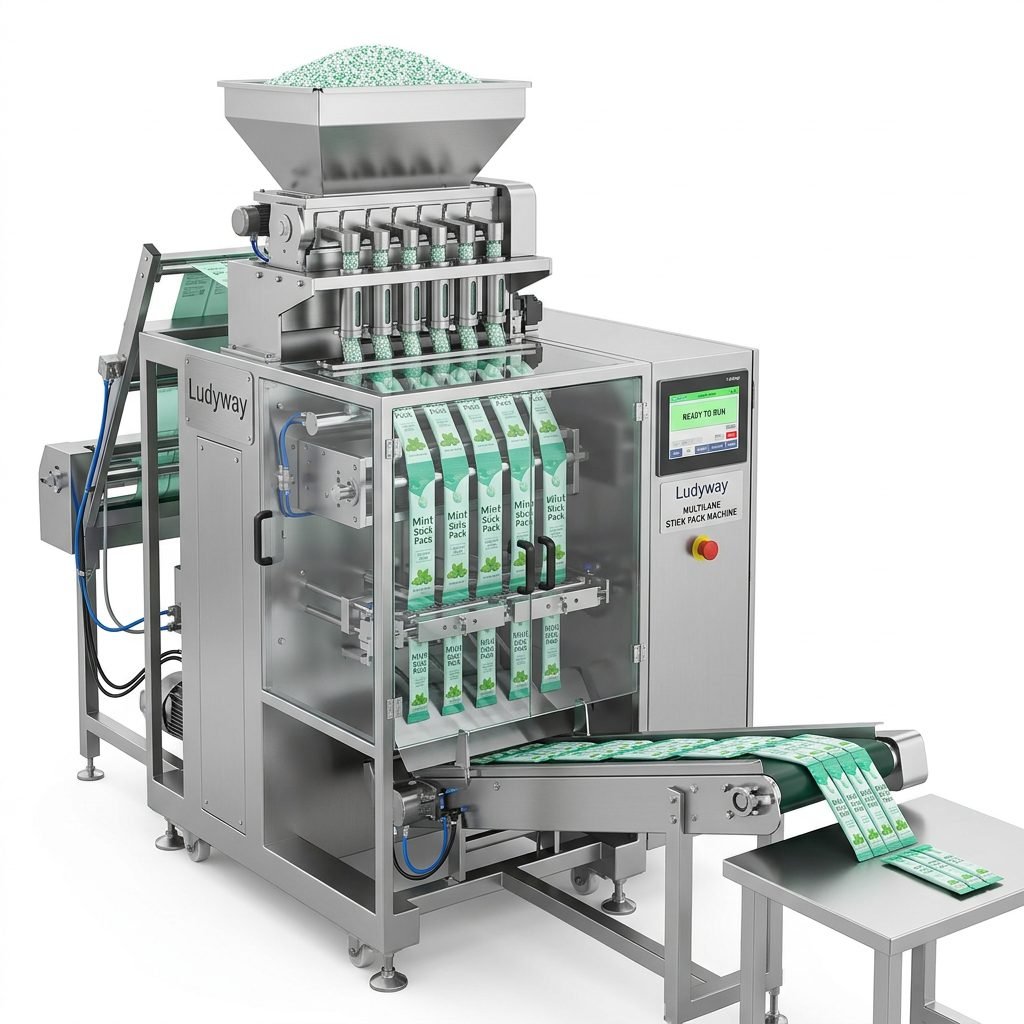
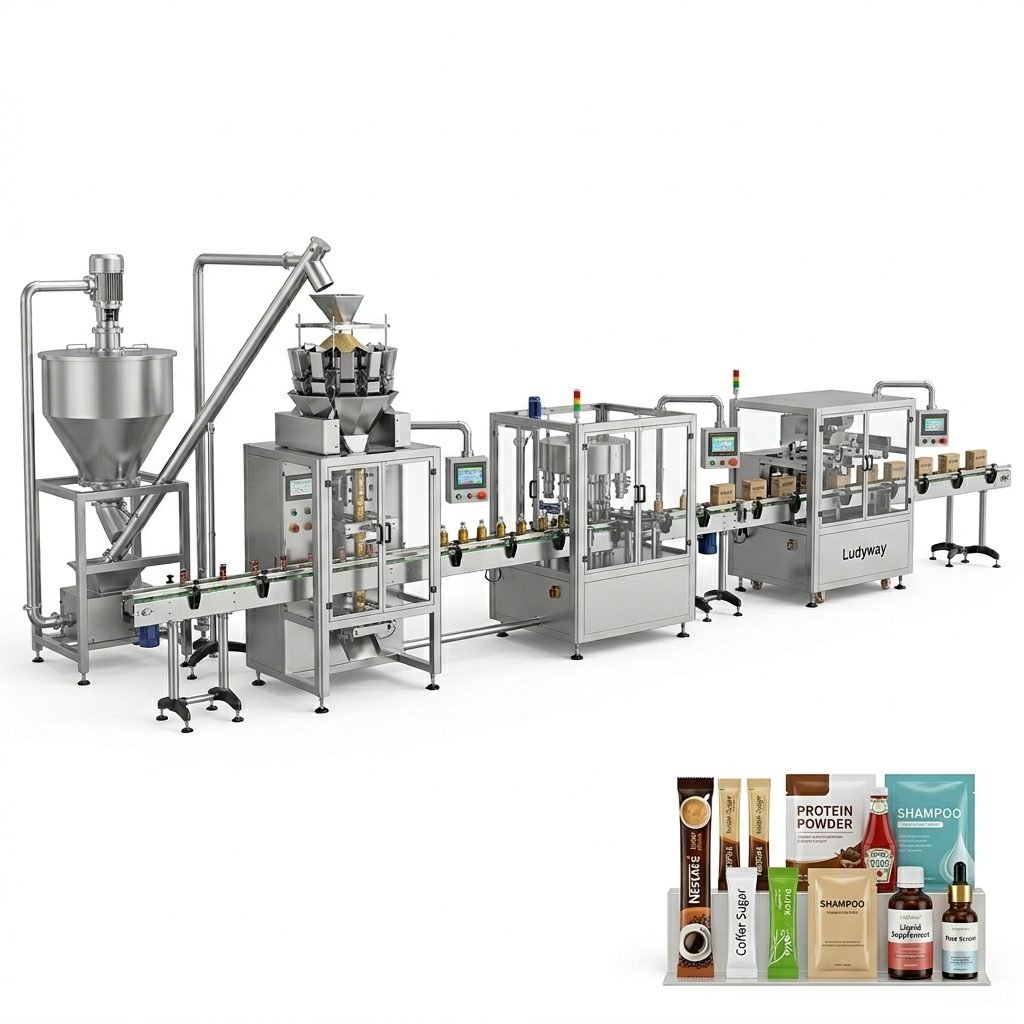
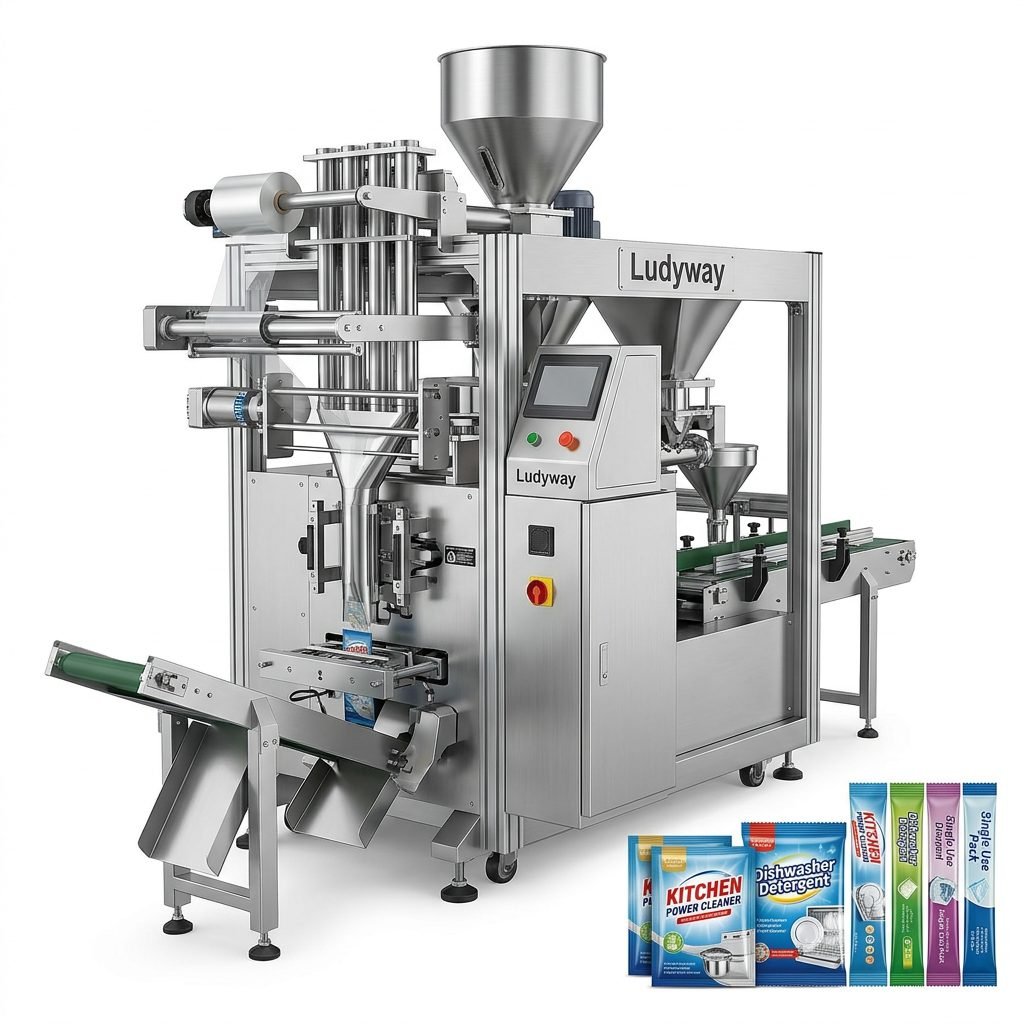
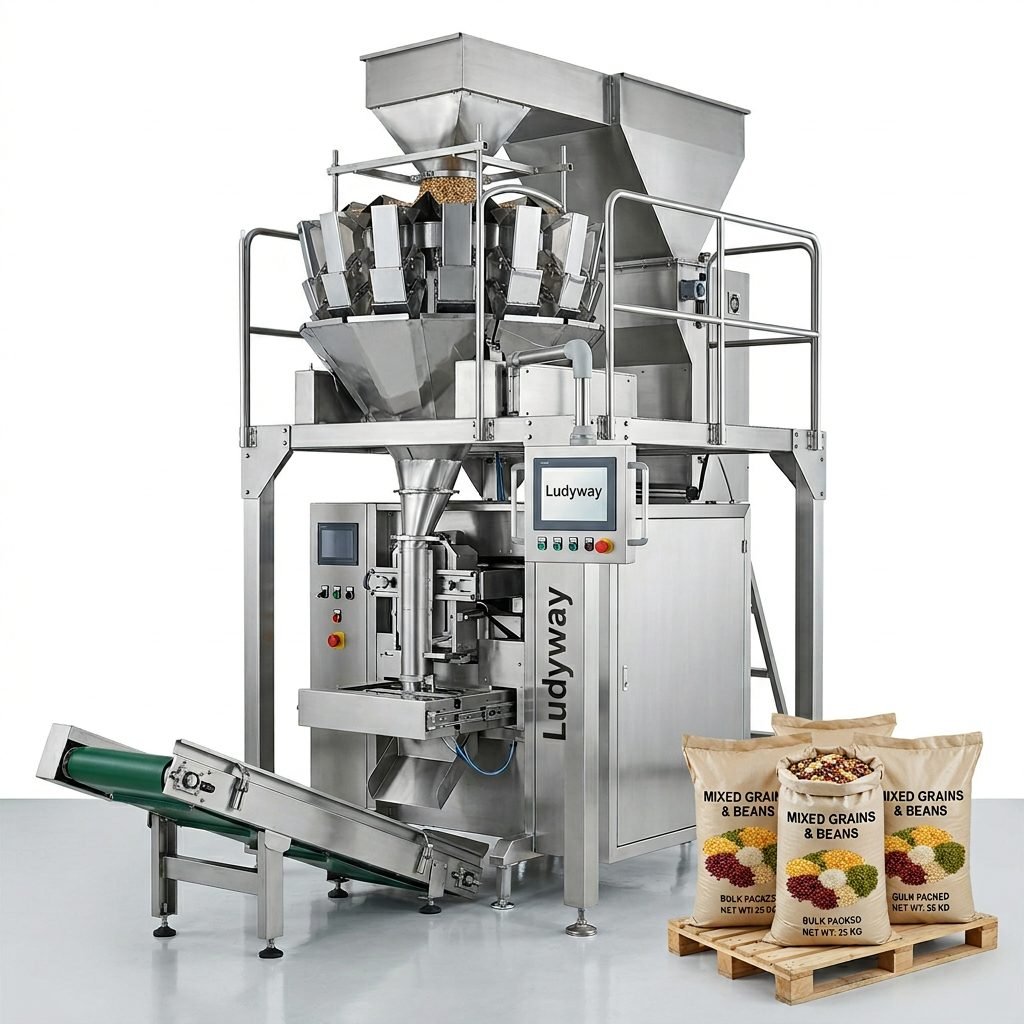
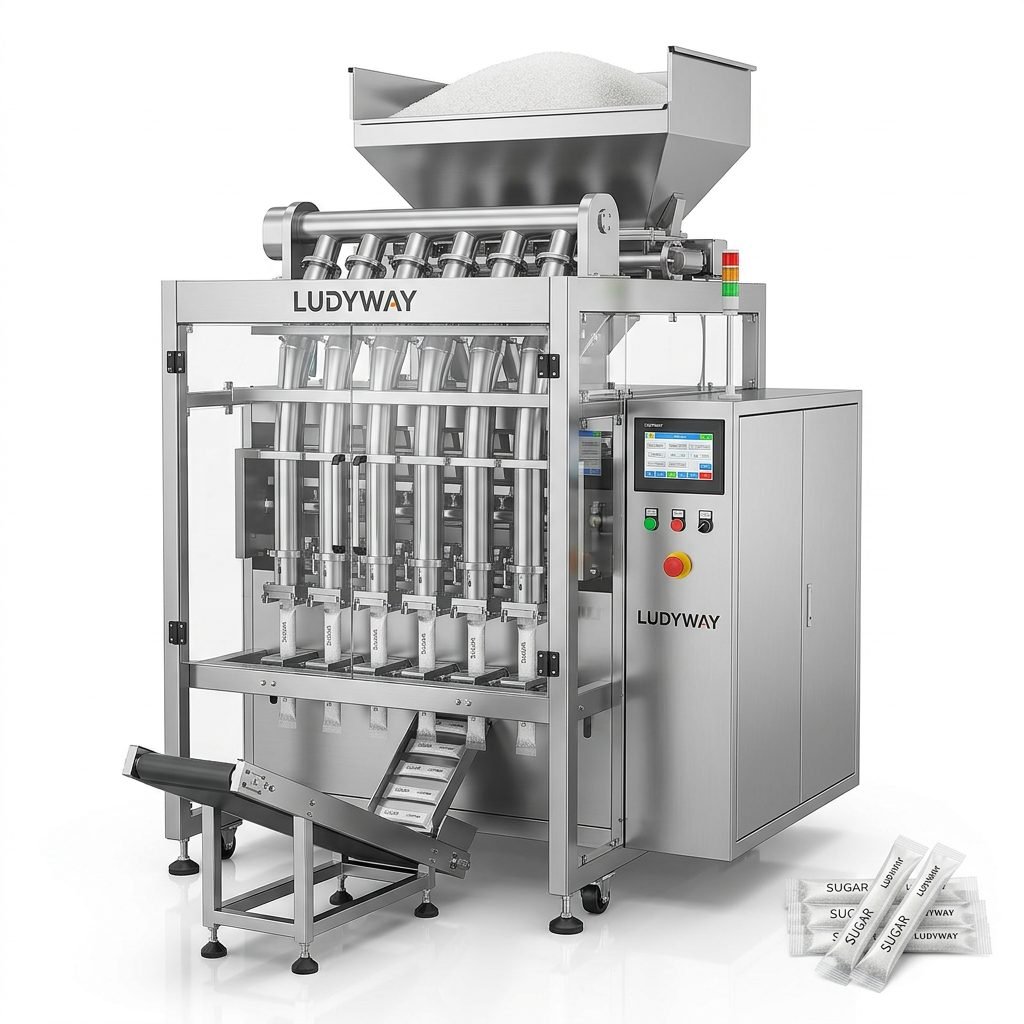
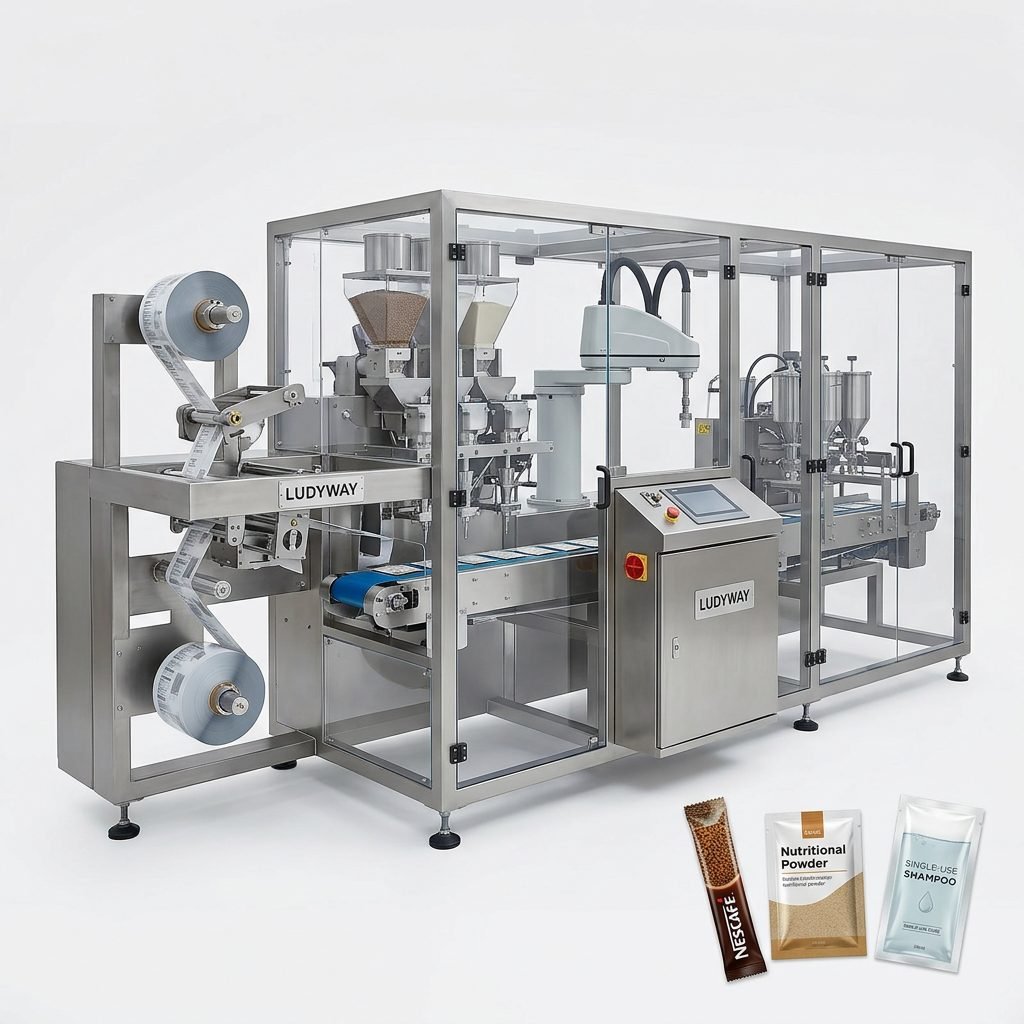
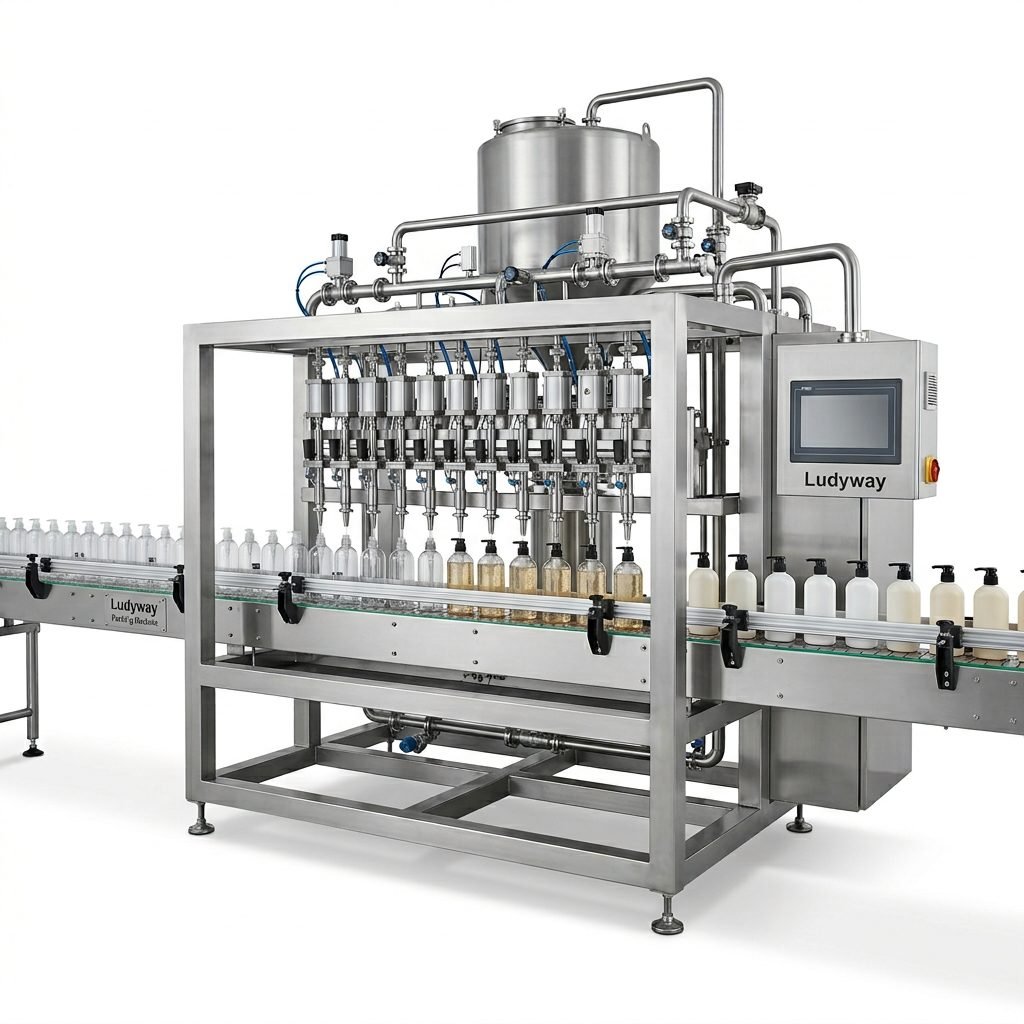
Selecting the right automatic packaging solution is a critical decision that directly impacts your production efficiency, product quality, and overall operational costs. For businesses utilizing Nasu packaging machines or considering their integration, understanding the key selection criteria is essential for optimizing your production line’s performance.
Understanding Your Core Packaging Requirements
Before evaluating any equipment, a thorough analysis of your specific needs is the foundational step. This goes beyond simply knowing your product type.
Key factors to define include:
✔ Product Characteristics: Is your product a granule, powder, liquid, or paste? Each type demands different dosing mechanisms, sealing methods, and material handling features from the packaging machine.
✔ Production Speed & Output: Calculate your required packages per minute (PPM) or per hour. This determines whether you need a single-lane, dual-lane, or multi-lane system.
✔ Packaging Materials: The type of film (e.g., laminates, polyethylene, aluminum foil) you plan to use must be compatible with the machine’s forming, sealing, and cutting systems.
✔ Bag Style & Size: Define the final pouch format (e.g., stick pack, sachet, pillow bag) and the range of dimensions (length, width) you need to accommodate.
Evaluating Machine Technology and Features
Modern automatic packing machines offer a range of technologies. Focus on features that deliver reliability and flexibility for your application.
Dosing System Accuracy: This is paramount for product consistency and cost control. Look for machines with high-precision servo-driven auger fillers for powders, piston fillers for liquids and pastes, or volumetric cup fillers for granules. The system should handle your product’s flow characteristics without bridging or segregation.
Sealing Integrity and Quality: A strong, consistent seal is critical for product shelf life and preventing leaks. Investigate the sealing technology—whether it uses constant heat, pulse heat, or ultrasonic methods—and ensure it is suitable for your chosen packaging material. Dual or triple sealing bars often provide greater reliability.
➤ Control System and Ease of Use: An intuitive Human-Machine Interface (HMI) with recipe storage dramatically reduces changeover time and operator error. Machines with PLC-based controls and touchscreen panels allow for quick parameter adjustments for different bag sizes and products.
Integration with Your Existing Production Line
The new packaging machine must function as a cohesive part of your entire operation. Consider its footprint, connectivity, and upstream/downstream compatibility.
Compatibility Checkpoints:
• Physical Layout: Measure the available space, including height for film unwinding and product infeed. Ensure there is adequate access for maintenance and operation.
• Material Handling: How will product be fed into the machine (e.g., via screw conveyor, vibratory feeder, or manual hopper)? How will finished packs be discharged (e.g., to a conveyor, carton, or collection bin)?
• Automation Level: Determine if you need features like automatic film splicing, missing bag detection, or rejection systems to enable continuous, unattended operation.
The Importance of Supplier Support and Service
The machine’s quality is only one part of the equation. The supplier’s expertise and support network are crucial for long-term success.
Technical Expertise and Customization: A reputable supplier like Ludyway Machinery will not just sell you a standard machine. They should offer engineering support to tailor the solution to your unique product and line requirements, drawing from deep industry experience.
After-Sales Service & Parts Availability: Inquire about the warranty, the availability of spare parts, and the responsiveness of the technical support team. Downtime is costly, so having reliable local or on-call support is a significant advantage. Suppliers with a strong track record, backed by 30+ years of industry experience, often provide more dependable long-term partnerships.
Cost Analysis: Beyond the Initial Purchase Price
Adopting a Total Cost of Ownership (TCO) perspective prevents unforeseen expenses and ensures a better return on investment.
Operational Costs: Evaluate the machine’s energy consumption, compressed air requirements, and expected film waste rates. A more efficient machine may have a higher upfront cost but lower running costs.
Maintenance and Durability: Machines built with high-quality components, such as stainless-steel contact parts and industrial-grade servos, typically have longer lifespans and lower maintenance needs. Assess the build quality and the supplier’s manufacturing capabilities, which are often reflected in their facility scale and history of innovation.
Scalability and Future-Proofing: Consider if the machine can be upgraded or reconfigured to handle future products, higher speeds, or new packaging formats. Investing in a flexible platform protects your investment as your business grows.
Making the Final Decision and Implementation
Once you have shortlisted potential machines and suppliers, take these final steps.
Request a Product Test: Always send your actual product and packaging materials to the supplier for a live machine test. This demonstrates the machine’s performance with your specific materials and validates output speed and quality.
Review Case Studies and References: Ask for examples of similar installations, particularly in your industry (food, pharmaceutical, etc.). Speaking to existing customers can provide invaluable insights into real-world performance and supplier reliability.
Plan for Installation and Training: Ensure the supplier provides comprehensive installation, commissioning, and operator training. A smooth start-up is critical for achieving projected efficiencies quickly.
By methodically working through these areas—from defining requirements and evaluating technology to assessing supplier support and total costs—you can confidently select the right automatic Nasu packaging solution. The optimal machine will enhance your line’s productivity, ensure consistent product quality, and provide the flexibility to adapt to future market demands.
Frequently Asked Questions (FAQs)
1. What is the main advantage of an automatic Nasu packaging machine over a semi-automatic one?
The primary advantage is significantly higher production output and consistency. Automatic machines integrate forming, filling, and sealing into one continuous process, minimizing manual intervention, reducing labor costs, and ensuring uniform package quality at speeds far beyond semi-automatic operations.
2. Can one machine handle different types of products, like powders and granules?
While some machines are designed as multi-purpose, the key is the interchangeable dosing system. Many models allow you to switch between, for example, an auger filler for powders and a volumetric cup filler for granules. It’s essential to confirm this flexibility and the changeover process with your supplier during the testing phase.
3. How do I ensure the machine will work with my specific packaging film?
The only sure way is to conduct a live test using your exact film material. Submit samples to the supplier to run on the machine. This test will verify the film’s machinability, the quality of the seals (strength and appearance), and the reliability of the film transport system, preventing costly compatibility issues post-purchase.
4. What kind of maintenance does an automatic packing machine require?
Regular maintenance typically includes daily cleaning of product contact parts, lubrication of moving components as per the manual, and periodic inspection of seals, cutters, and sensors. Preventive maintenance schedules provided by the supplier, along with proper operator training, are vital to maximize uptime and machine lifespan.
5. What should I look for in a supplier beyond the machine specifications?
Prioritize suppliers with proven industry experience, strong technical support, and readily available spare parts. Evaluate their ability to provide customization, comprehensive training, and responsive after-sales service. A supplier’s commitment to long-term partnership, as evidenced by their company history and customer testimonials, is as important as the equipment itself.