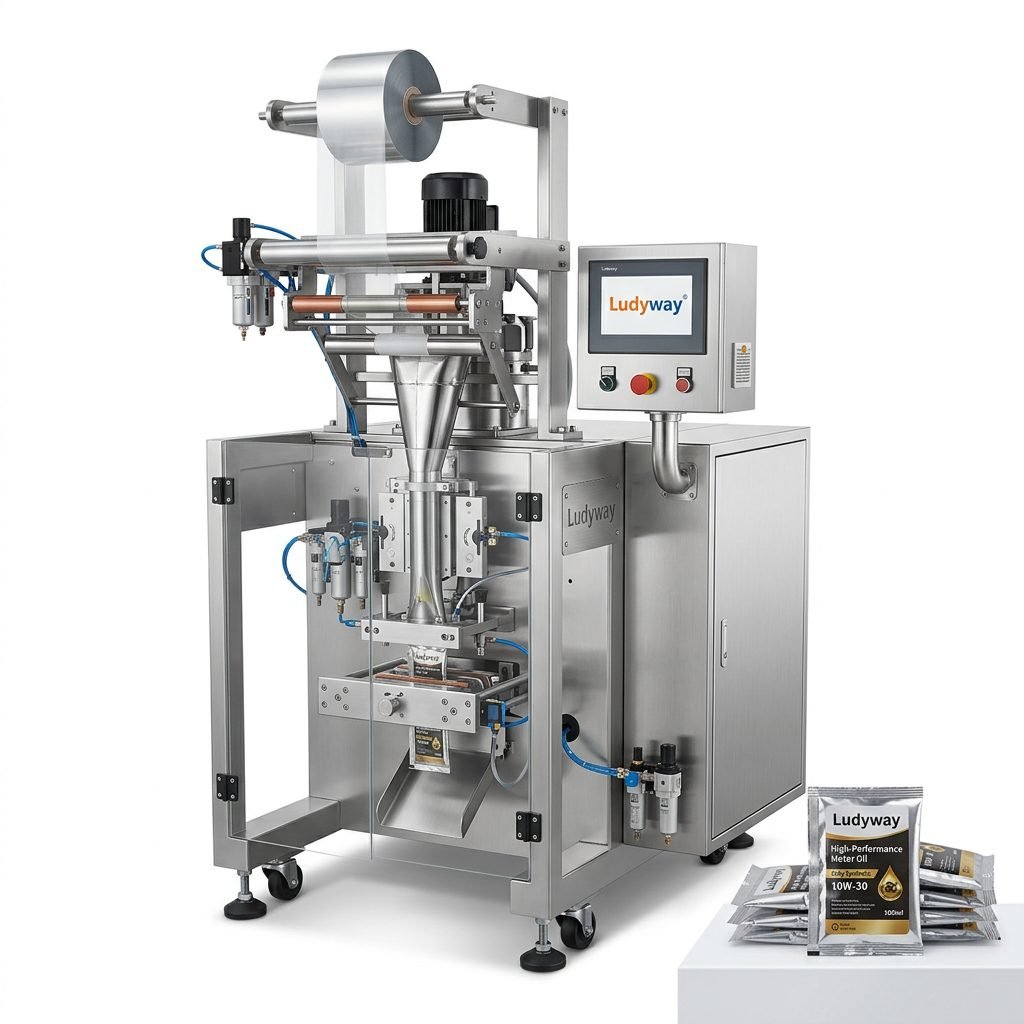
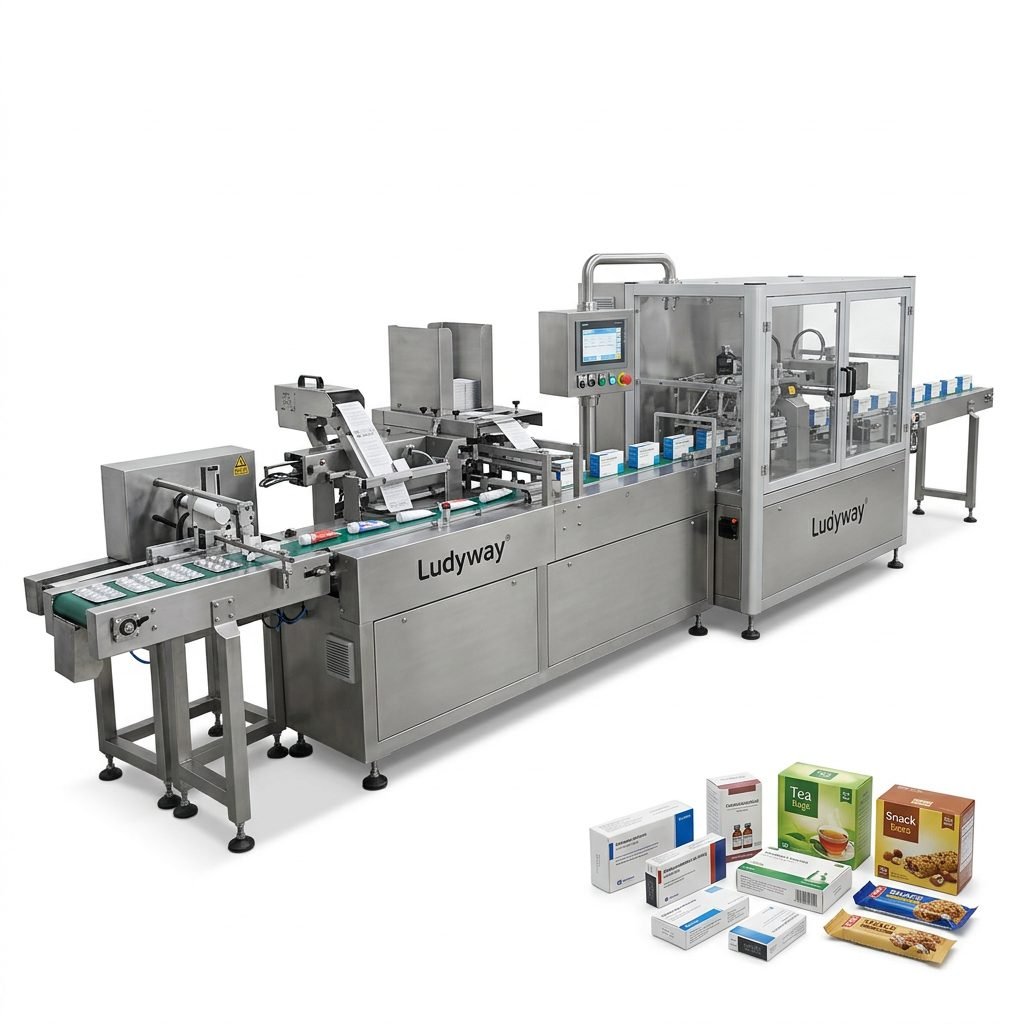
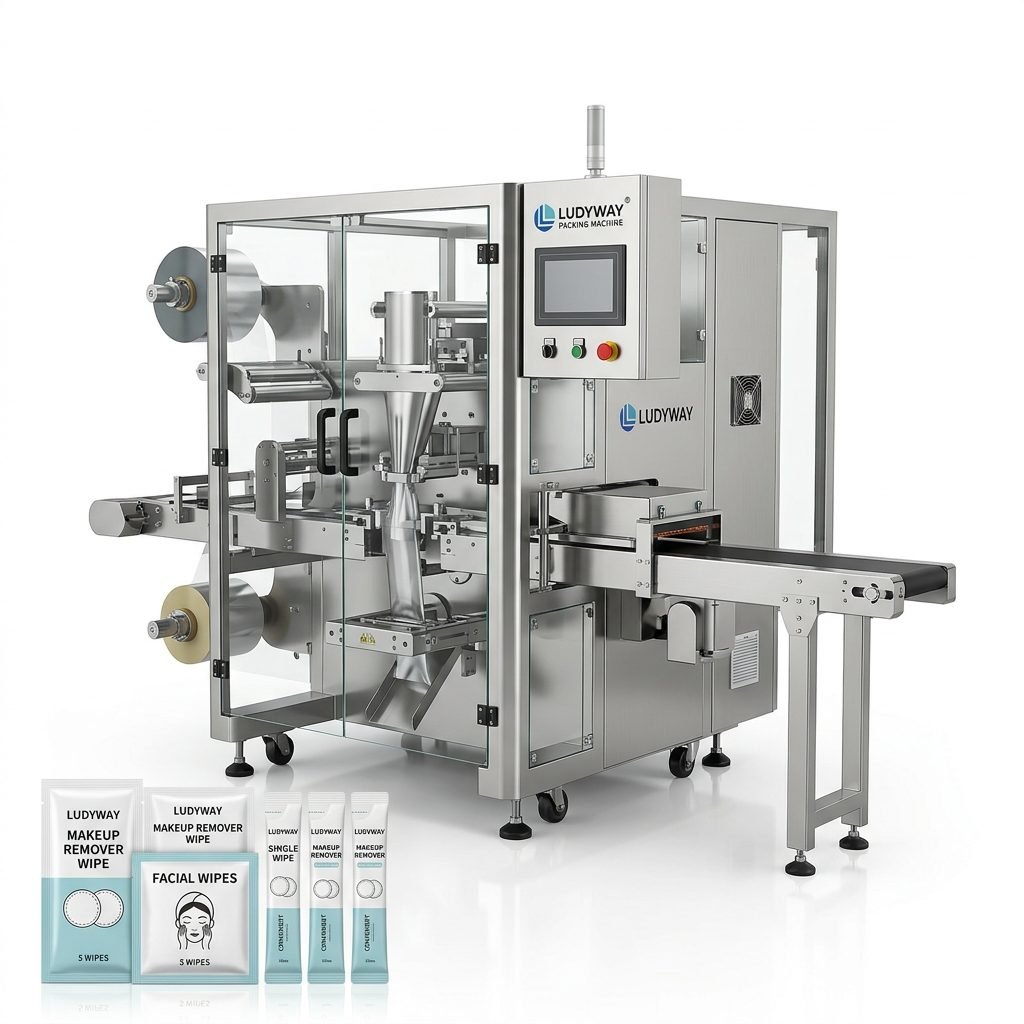
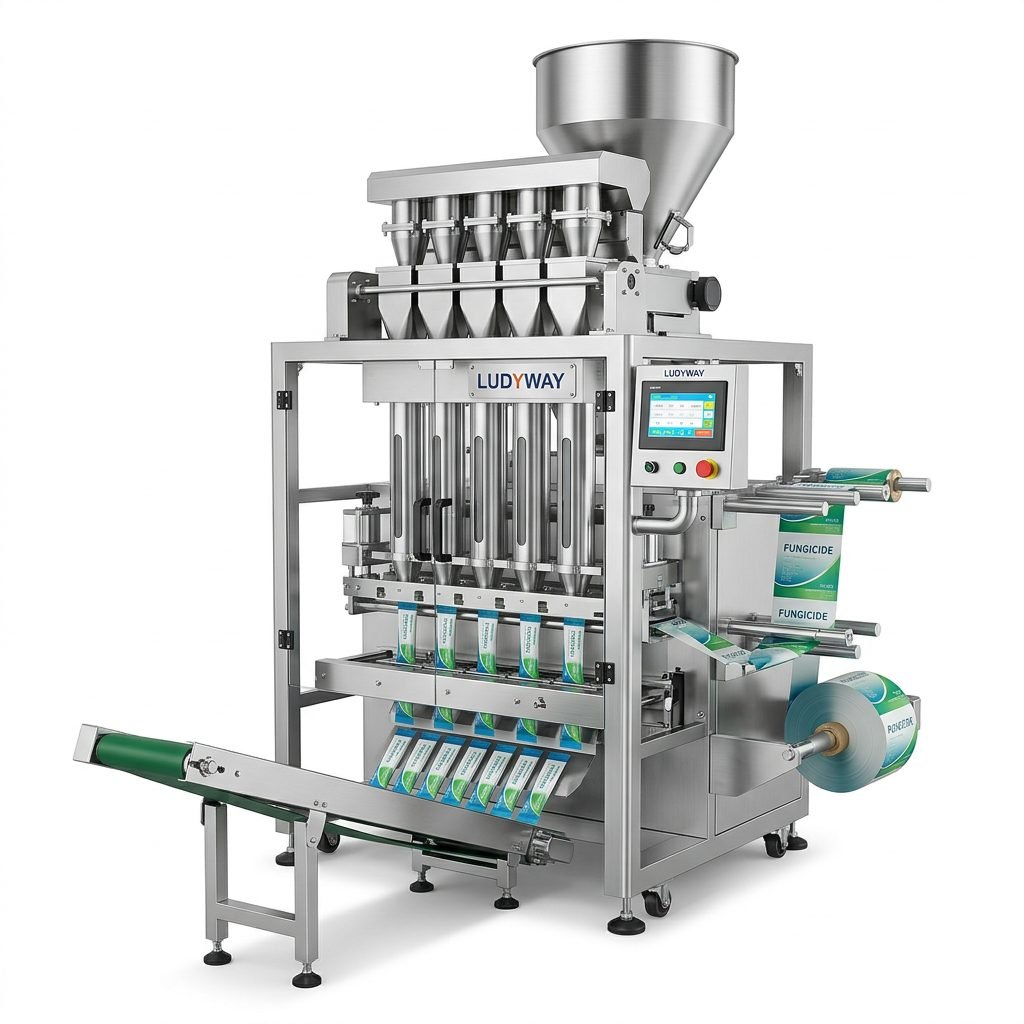
In today’s fast-paced manufacturing and distribution landscape, efficient product protection and presentation are paramount. Shrink wrap packaging equipment stands as a cornerstone technology for countless businesses, offering a versatile and professional sealing solution. This process involves applying a loose plastic film—typically polyolefin, PVC, or polyethylene—around a product or group of products and then applying heat. The heat causes the film to contract tightly, conforming to the shape of the contents and creating a secure, tamper-evident, and visually appealing package.
Understanding Shrink Wrap Packaging Machinery
The core function of this equipment is to automate and streamline the process of applying and sealing shrink film. The basic workflow involves placing the product into the loose film, sealing it to create a “bag,” and then moving it through a heat tunnel or applying a heat gun to activate the shrinking process. This technology is ubiquitous, used for bundling multi-packs of beverages, securing software boxes, protecting hardware tools, and creating retail-ready displays.
Key Advantages of Automated Shrink Wrapping
Adopting a dedicated machine over manual methods brings transformative benefits:
→ Enhanced Product Protection: The tight seal safeguards against dust, moisture, and minor handling damage during storage and transit.
→ Improved Stability for Shipping: It securely bundles multiple items (like cans or bottles) together, preventing shifting and reducing the risk of damage.
→ Professional, Tamper-Evident Seal: Provides a clean, finished look that boosts brand perception and clearly shows if a product has been opened.
→ Significant Labor and Time Savings: Automation drastically increases output speed and consistency compared to hand-wrapping.
Main Types of Shrink Wrap Equipment
Choosing the right machine starts with understanding the different configurations available, each suited to specific production volumes and product types.
L-Sealers (Manual & Automatic)
These are the most common entry-point machines. An L-sealer uses a heated sealing bar to create a “L”-shaped seal on three sides of the film, forming a bag. The operator (or an automated arm) places the product into the open side, and then the package moves into the heat tunnel. They are ideal for low to medium-volume production and are highly versatile for different product sizes.
Sleeve Wrappers
This equipment creates a continuous tube of film around a product. The product is fed into the film, a longitudinal seal is made along the length, and then cross-seals are cut to separate individual packages before shrinking. Perfect for high-speed packaging of uniform products like books, magazines, and frozen food boxes.
Shrink Tunnels
The heat tunnel is a critical component, often sold separately to pair with a sealer. Products on a conveyor belt pass through the tunnel, where precisely controlled heat (via electric or steam elements) evenly shrinks the film. Tunnels vary in size and heating technology based on the film type and line speed required.
Fully Automated Robotic Systems
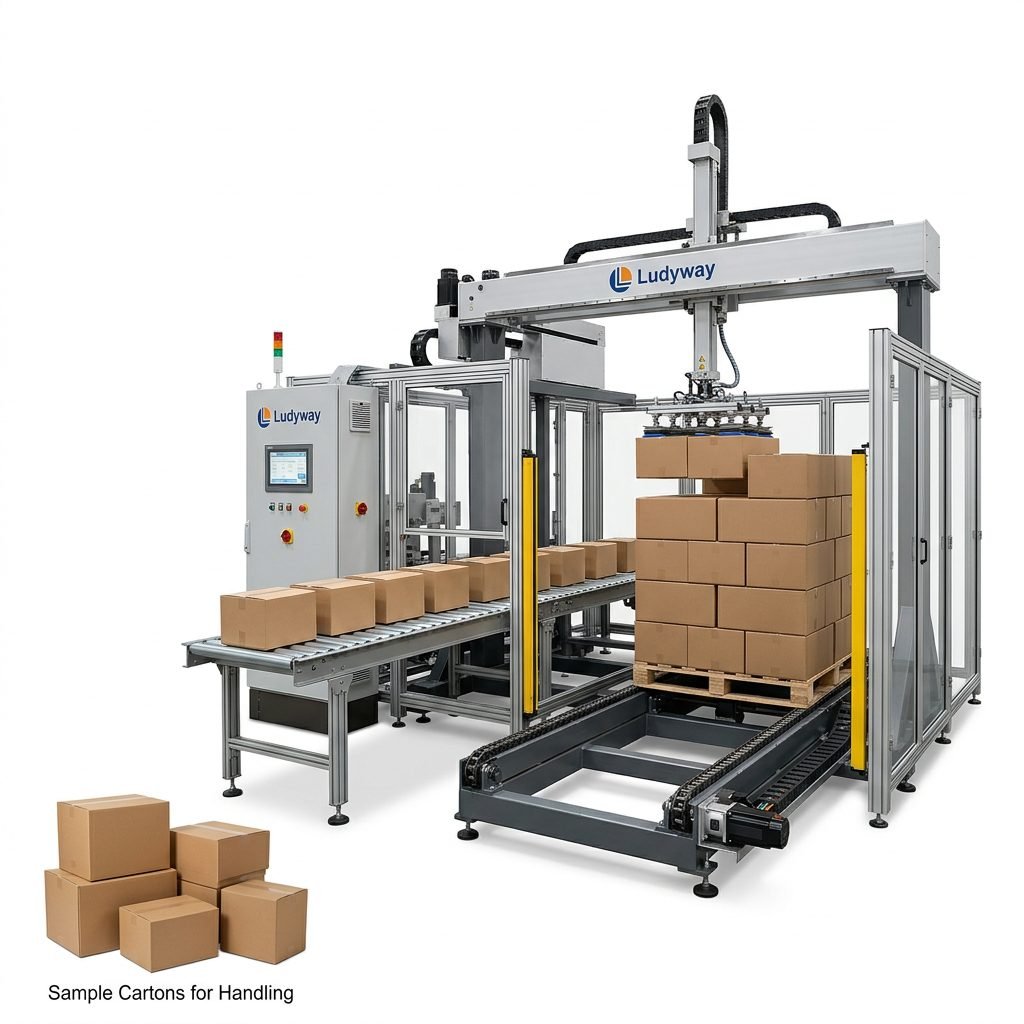
For the highest volume operations, robotic arms can pick, place, and orient products before they enter an automated L-sealer or sleeve wrapper. This represents a complete, turnkey packaging line solution that maximizes efficiency with minimal human intervention.
How to Choose the Right Machine for Your Business
Selecting the optimal shrink wrapper is a strategic decision. A careful evaluation of your specific needs will ensure you invest in a machine that delivers ROI and grows with your business.
Critical Selection Criteria Checklist
Product Dimensions & Shape: Measure your largest and smallest products. Irregular shapes may require a larger heat tunnel for even shrinkage.
Required Output Speed (Packages/Hour): Calculate your current and projected future volumes. Match the machine’s cycle speed to your production line pace.
Film Material & Thickness: The machine must be compatible with your chosen film (e.g., Polyolefin, PVC). Heavier films may require more powerful seal bars and heat tunnels.
Available Factory Space: Account for the machine’s footprint plus room for film rolls, infeed, and outfeed conveyors.
Automation Level & Labor: Decide if you need a manual, semi-automatic, or fully automatic system based on your labor costs and operational goals.
Budget & Total Cost of Ownership: Consider not just the purchase price, but also costs for installation, maintenance, spare parts, and energy consumption.
Step 1: Analyze Your Product and Volume
Begin with a thorough audit of what you’re packaging. Is it a single box, a multi-pack, or an irregularly shaped tool? What are the dimensions and weight? Next, project your daily, weekly, and monthly output. A machine that is too slow creates a bottleneck; one that is overly large and fast is an unnecessary capital expense. For businesses experiencing growth, considering a reliable supplier with scalable solutions is wise.
Step 2: Evaluate Key Machine Features
Look beyond the basic type. Examine the quality of the sealing bar—consistent temperature control is vital for strong seals. Check the adjustability of the machine to handle different product sizes quickly. For heat tunnels, even air flow and precise temperature zones prevent uneven shrinking or “burn-through.” Modern machines may offer PLC touchscreen controls for easier operation and diagnostics.
Step 3: Consider Integration and Support
Will the machine fit into your existing production line? Consider conveyor height and connectivity. Most importantly, assess the manufacturer’s or supplier’s support. Reliable technical support, availability of spare parts, and clear documentation are crucial for minimizing downtime. A partner with deep industry experience can provide invaluable guidance during selection and installation.
Optimizing Your Shrink Wrap Process
Once you have the right equipment, fine-tuning the process ensures quality and efficiency.
Film Selection: Work with your supplier to choose the correct film grade and thickness for your product weight and desired finish (e.g., clarity, gloss).
Temperature and Speed Calibration: Set the heat tunnel temperature and conveyor speed to achieve a tight, wrinkle-free shrink without damaging the product or film.
Preventative Maintenance: Regularly clean sealing bars and heat tunnels, check for wear on belts and guides, and follow the manufacturer’s maintenance schedule to ensure longevity and consistent performance.
Frequently Asked Questions (FAQs)
What is the difference between a shrink wrapper and a stretch wrapper?
Shrink wrapping uses heat to tighten a loose bag of film around a product. Stretch wrapping (commonly used on pallets) mechanically stretches a stretchy plastic film around a load without heat, relying on the film’s elastic recovery to hold the load together.
Can one machine handle vastly different product sizes?
Many L-sealers and sleeve wrappers are highly adjustable, but frequent, extreme size changes can require manual adjustment time, affecting efficiency. For operations with highly variable products, discuss flexibility needs with your equipment provider during the selection process.
How do I prevent common issues like weak seals or uneven shrinking?
Weak seals are often due to incorrect sealing bar temperature, pressure, or dwell time. Uneven shrinking typically points to incorrect heat tunnel temperature settings, poor air circulation, or using film that is incompatible with the tunnel’s heating method. Consistent machine calibration and using recommended materials are key.
What safety features should I look for?
Essential safety features include thermal overload protection, emergency stop buttons, guards around hot surfaces and moving parts, and proper electrical certifications for your region. Operator training on safe use is non-negotiable.
Is shrink wrapping environmentally friendly?
Many modern shrink films, like polyolefin, are fully recyclable (where facilities exist). The process itself can be efficient, reducing material waste compared to oversized packaging. The best practice is to use the minimal effective film thickness and explore recycled-content film options to improve sustainability.