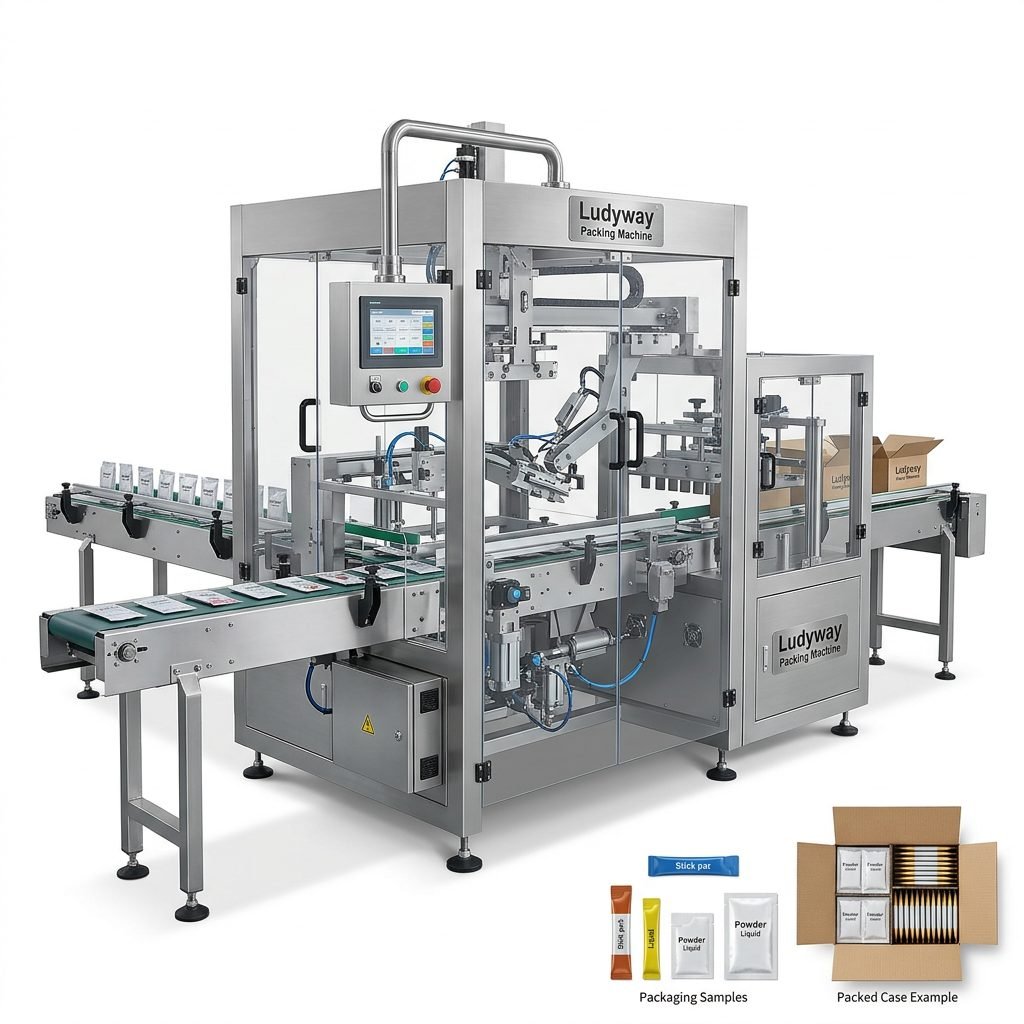
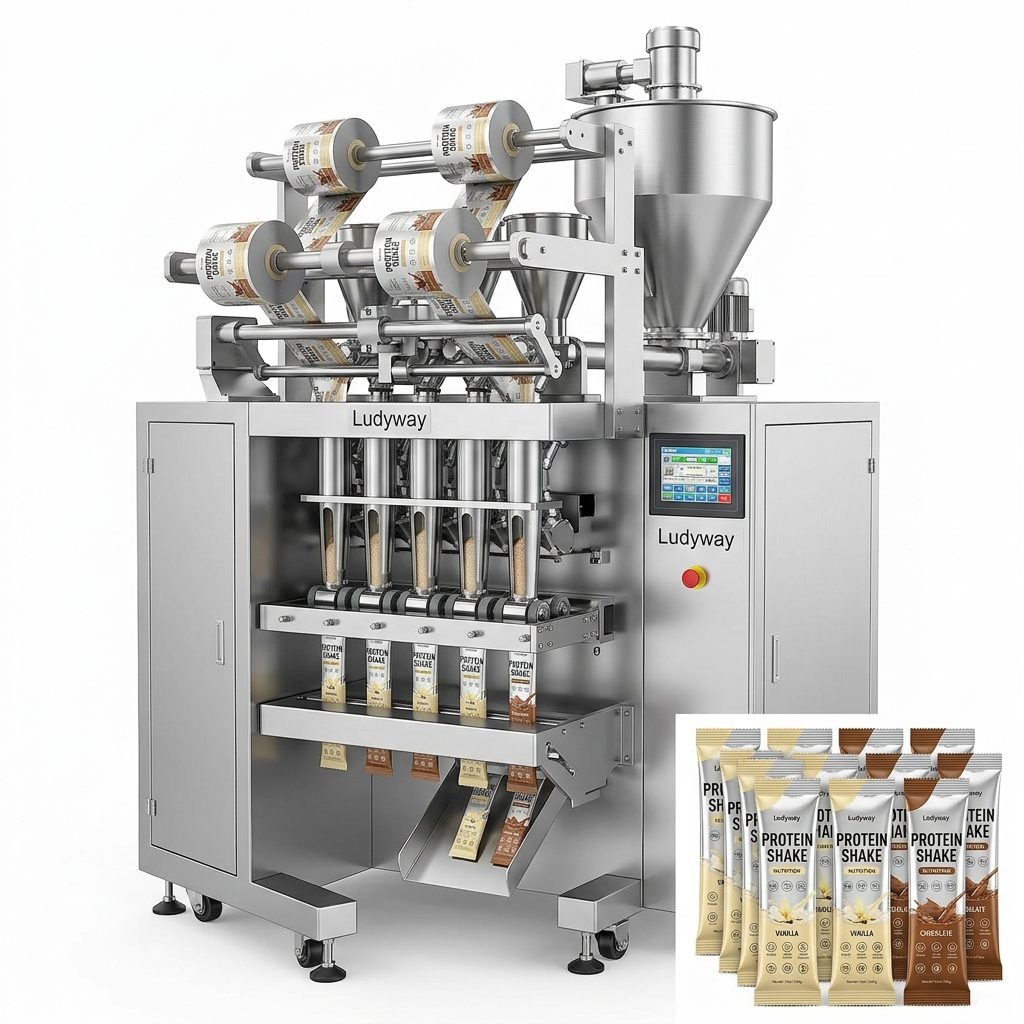
The vacuum packaging industry is a critical component of modern manufacturing, ensuring product freshness, extending shelf life, and enhancing safety across food, pharmaceutical, and industrial sectors. Selecting the right vacuum packaging machine manufacturer is a strategic decision that impacts production efficiency, product quality, and long-term operational costs. This guide delves into the landscape of top manufacturers and provides a comprehensive framework for choosing the best supplier for your specific needs.
Understanding the Vacuum Packaging Machine Market
The global demand for vacuum packaging is driven by consumer preferences for fresh, preservative-free products and stringent industry regulations. Manufacturers range from large multinational corporations to specialized engineering firms, each offering different technologies, capacities, and levels of automation. Key segments include chamber vacuum sealers for batch processing and external suction sealers for flexible packaging of irregular items.
Core Technology Considerations
When evaluating machines, focus on the core technology. Advanced systems feature programmable logic controllers (PLCs) for consistent operation, dual-vacuum pumps for faster cycle times, and gas flushing capabilities (Modified Atmosphere Packaging) for delicate products. The choice between single-chamber, double-chamber, or rotary-chamber models depends entirely on your required production throughput.
Key Criteria for Evaluating Top Manufacturers
Not all manufacturers are created equal. Beyond the basic machine specifications, a holistic evaluation is necessary to ensure a successful partnership.
1. Engineering Expertise and Innovation
A manufacturer’s strength lies in its engineering depth. Look for companies with a proven track record of R&D and the ability to provide customized solutions. For instance, a manufacturer like Ludyway Packing Machine leverages over 30 years of industry experience to develop intelligent packaging systems. This experience translates into machines that are not only reliable but also adaptable to evolving production lines and packaging materials.
2. Manufacturing Scale and Quality Control
The scale of a manufacturer’s facility often correlates with production consistency and the ability to meet large orders. A modern production facility equipped with precision machining tools ensures component quality. In-house assembly and rigorous testing protocols—such as continuous run tests under load—are non-negotiable for guaranteeing machine durability and performance from day one.
✔ Pro Tip: Audit the Supply Chain
Inquire about the origin of critical components like vacuum pumps, seals, and heating elements. Top-tier manufacturers use components from reputable, often brand-name, suppliers to ensure longevity and simplify future maintenance.
3. Product Range and Application Specialization
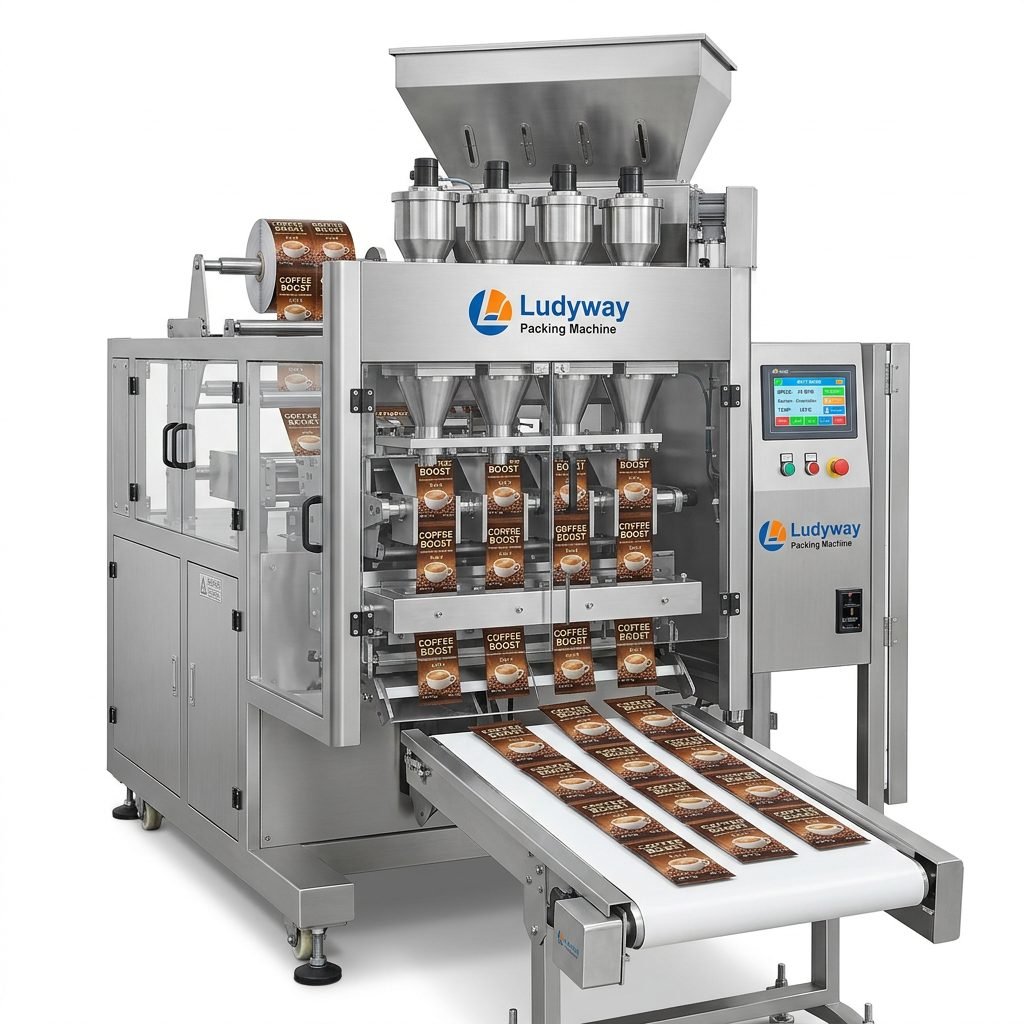
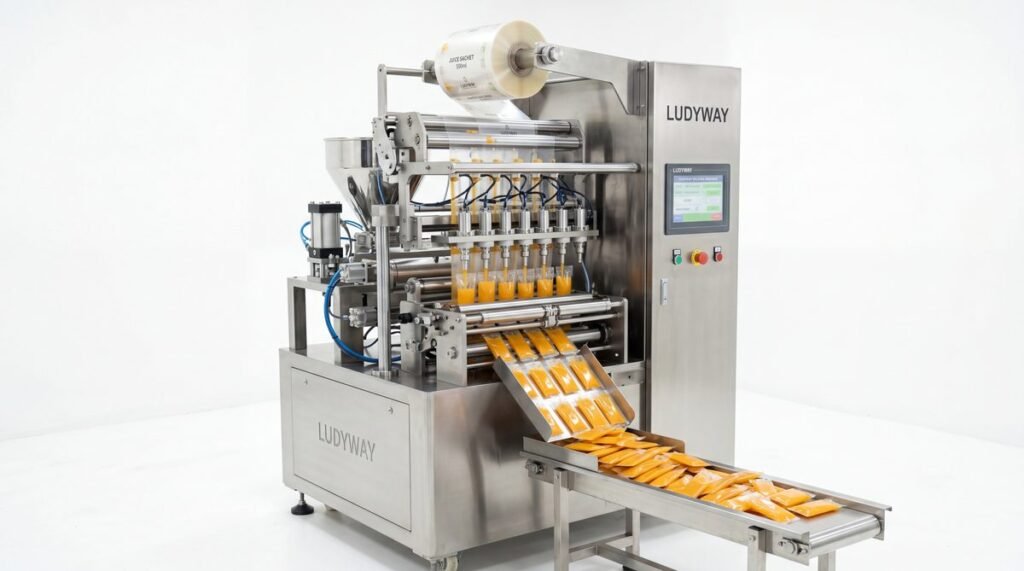
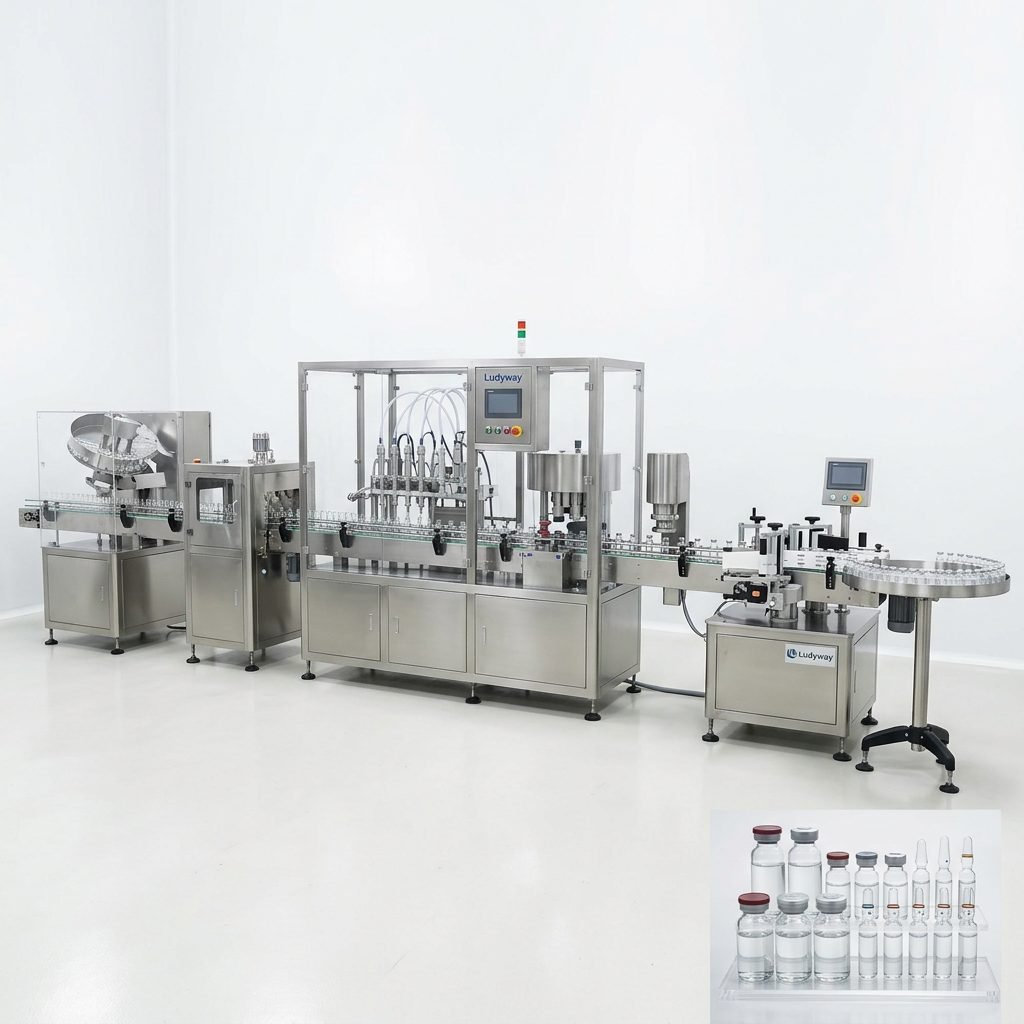
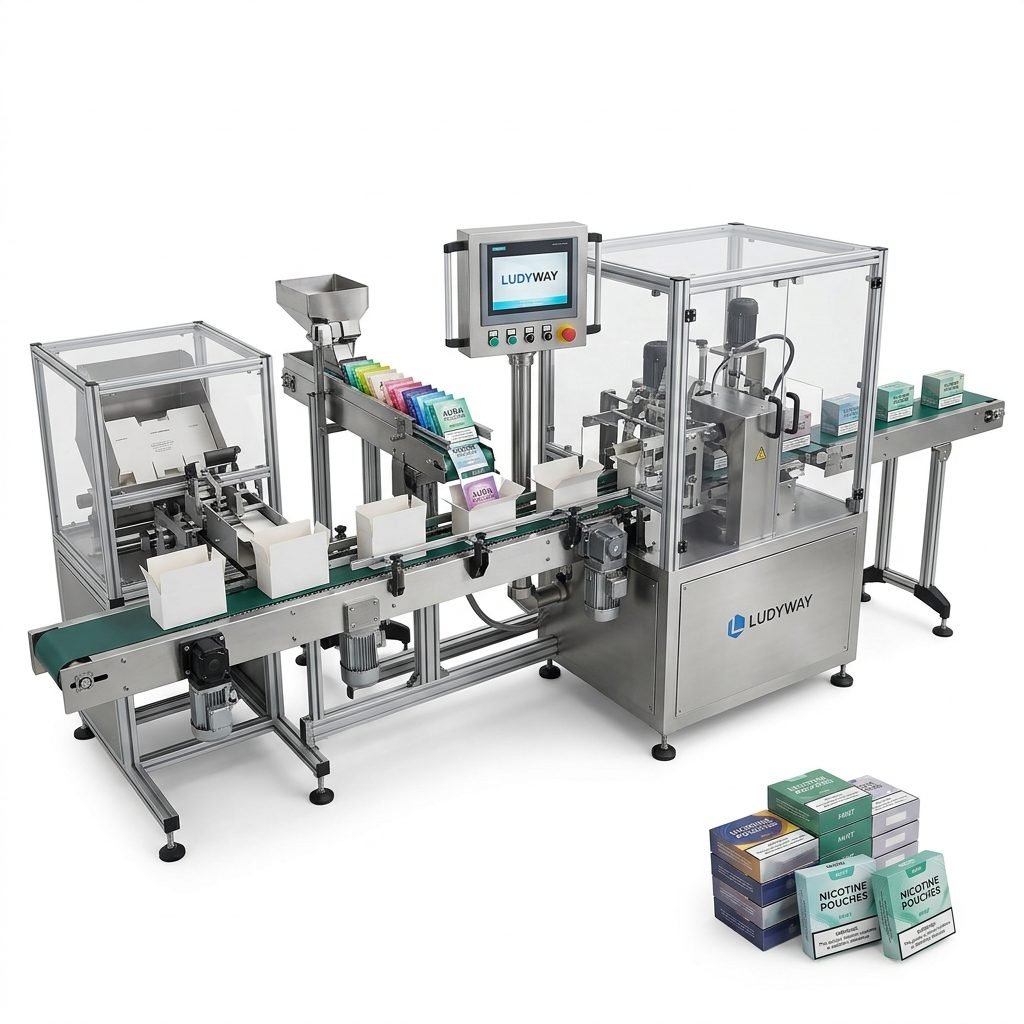
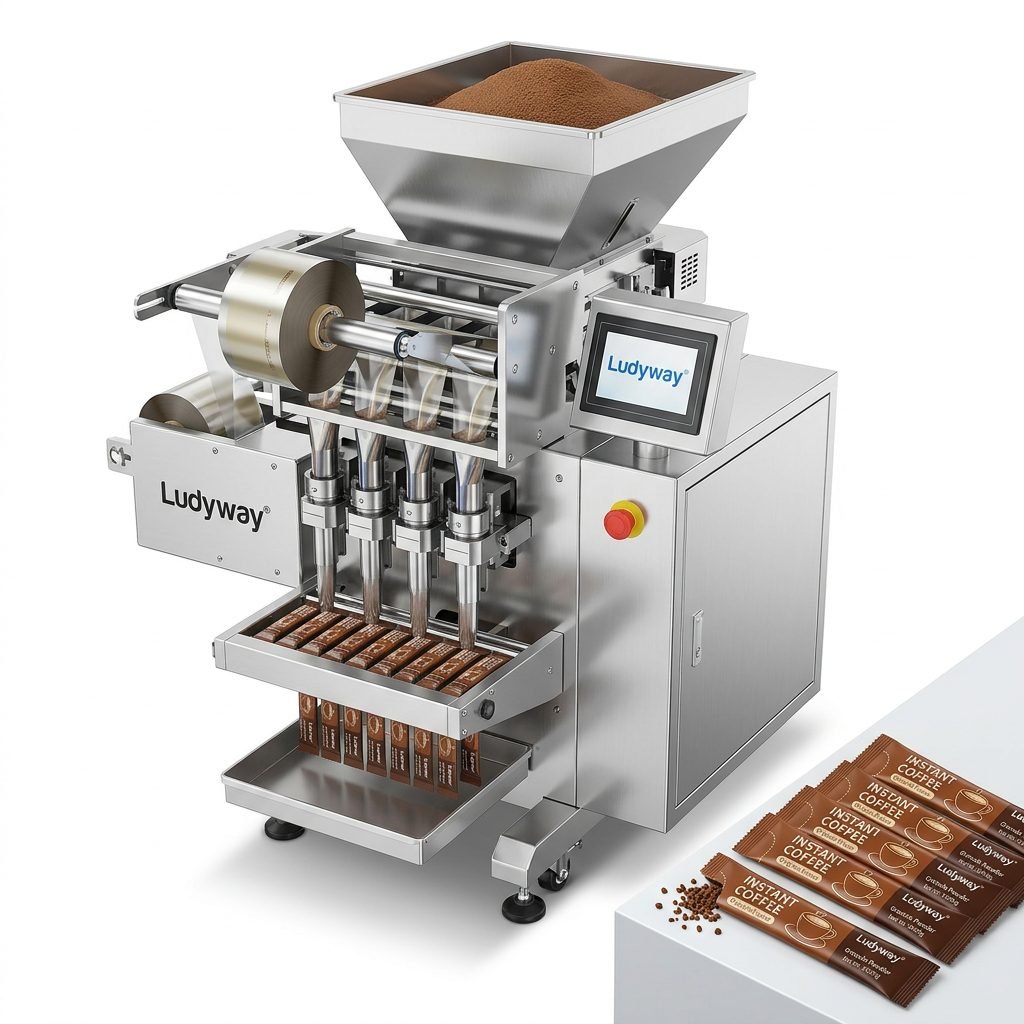
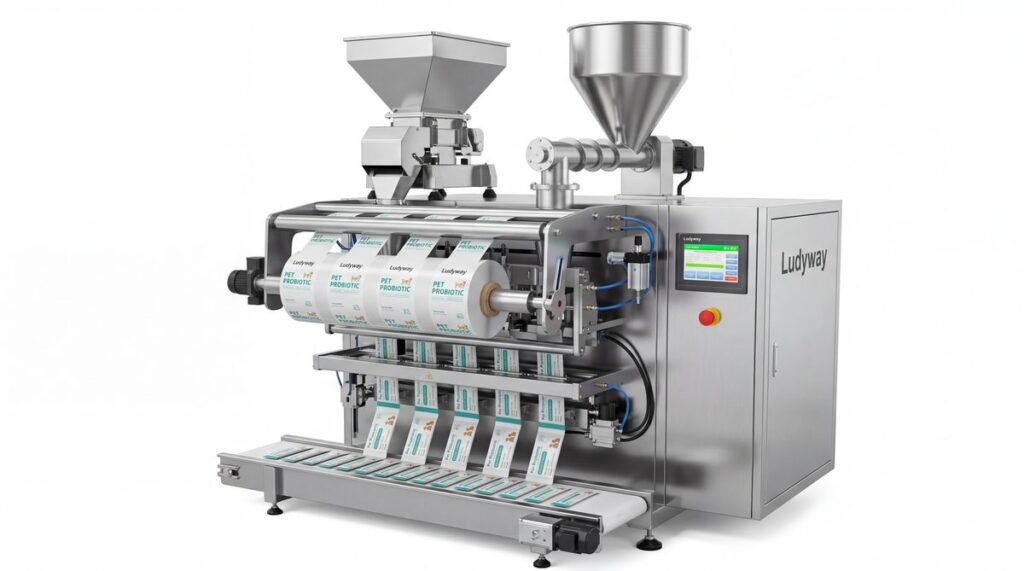
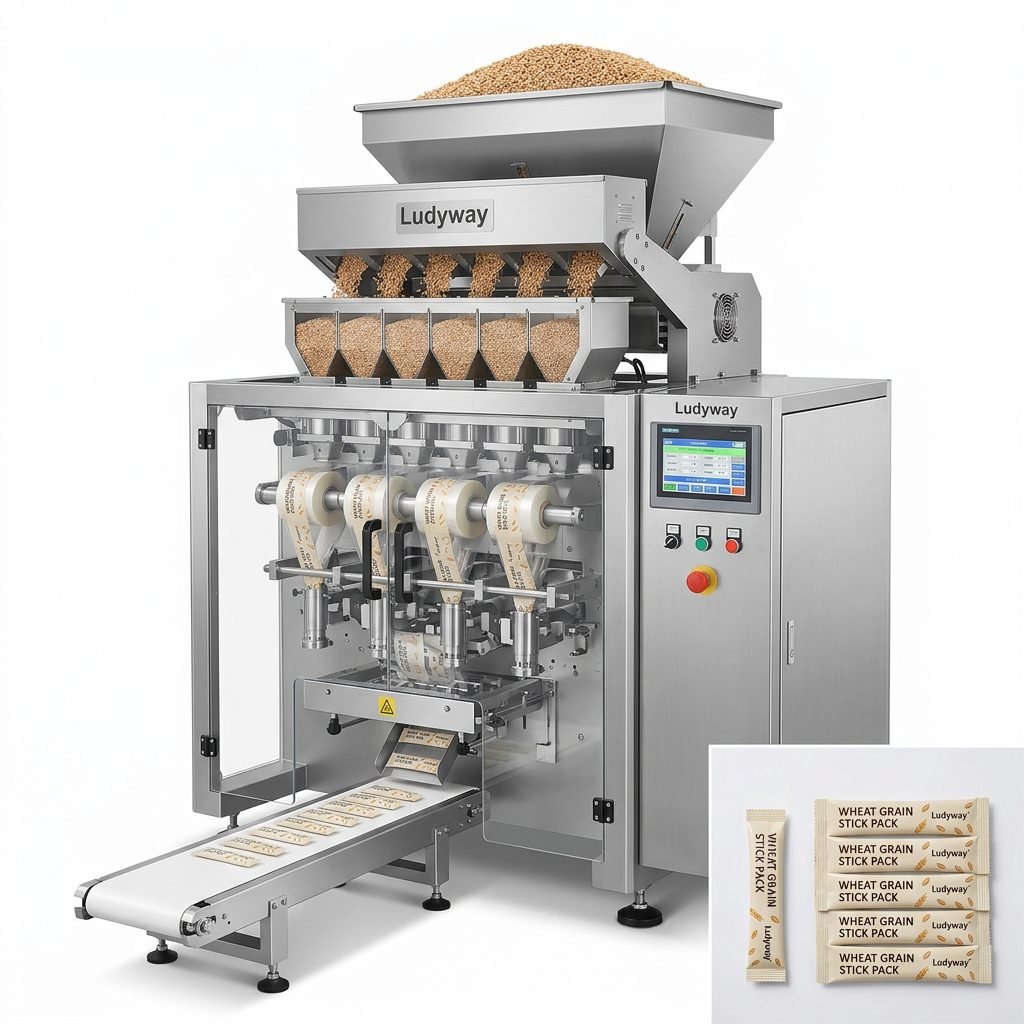
The best supplier for a meat processor may not be ideal for a pharmaceutical company. Assess whether the manufacturer has specific experience in your sector. A broad portfolio, such as offering over 50 intelligent packaging machine models covering granules, powders, liquids, stick packs, and sachets, indicates a deep understanding of diverse packaging challenges. This versatility allows them to recommend the most efficient solution rather than a one-size-fits-all machine.
4. Global Support and Service Network
Technical support is where partnerships are truly tested. Evaluate the supplier’s after-sales service structure. Do they offer comprehensive training, detailed manuals (in your local language), and readily available spare parts? A manufacturer with a global service footprint can provide faster response times for troubleshooting and maintenance, minimizing costly downtime. The commitment to long-term cooperation mentioned in the ethos of established brands is a key indicator of reliable post-purchase support.
A Step-by-Step Guide to Choosing Your Best Supplier
Follow this actionable process to narrow down your options and make a confident decision.
Step 1: Define Your Exact Requirements
Document your needs: production speed (packages per minute), bag size range, product type (wet/dry, abrasive), required vacuum level, and future scalability. This clarity will help suppliers provide accurate quotations and demonstrations.
Step 2: Shortlist and Conduct Deep Due Diligence
Research manufacturers online, seek industry referrals, and attend trade shows. Shortlist 3-5 candidates. Scrutinize their company history, client testimonials, and case studies. For example, a company that began its international business over a decade ago and has steadily expanded its product range and solutions demonstrates stability and growth.
Step 3: Request Product Demonstrations & Samples
Never buy based on specifications alone. Insist on a live demonstration using your actual product or a close substitute. Test the machine’s ease of use, seal integrity, and speed. This step is invaluable.
Step 4: Analyze the Total Cost of Ownership (TCO)
Look beyond the initial purchase price. Calculate TCO by factoring in energy consumption, maintenance costs, spare part pricing, and expected machine lifespan. A slightly higher upfront cost for a more robust and efficient machine often leads to significant long-term savings.
Step 5: Review Contractual Terms and Support Agreements
Carefully review the warranty period, service level agreements (SLAs), and terms for technical support. Ensure there are clear protocols for installation, training, and emergency support. A trustworthy supplier will be transparent and detailed in these agreements.
Conclusion: Building a Partnership for Success
Choosing a vacuum packaging machine manufacturer is about forging a strategic partnership. The ideal supplier combines robust engineering, proven manufacturing quality, and unwavering after-sales support. By thoroughly evaluating potential partners against the criteria outlined above and following a structured selection process, you can secure a packaging solution that enhances your product quality, optimizes your operational efficiency, and scales with your business for years to come. Investing time in this selection process is an investment in your production line’s future reliability and profitability.
Frequently Asked Questions (FAQs)
1. What is the most important factor when choosing a vacuum packaging machine?
While specifications are vital, the manufacturer’s after-sales service and technical support are often the most critical long-term factors. A machine will eventually need maintenance; having reliable, accessible support ensures minimal downtime and protects your investment.
2. How can I verify a manufacturer’s claimed production speed?
Always request a live demonstration under conditions that match your production line. Use your own product and packaging materials. The demonstrated speed, accounting for loading and unloading, is the only reliable metric.
3. Are more expensive machines always better?
Not necessarily. The key is to evaluate Total Cost of Ownership (TCO). A moderately priced machine from a reputable supplier with low energy use, high durability, and affordable spare parts can offer a far better return on investment than a cheap machine with high failure rates or an over-specified premium machine with features you don’t need.
4. What should I look for in a warranty?
Seek a comprehensive warranty that covers both parts and labor for a reasonable period (e.g., 1-2 years). Pay close attention to exclusions and the process for claiming service. A clear, responsive warranty process is a sign of a confident manufacturer.
5. Can a single machine handle different types of products?
Many modern machines are versatile, but switching between vastly different products (e.g., fine powder to wet meat) may require changeover of parts and recalibration. Discuss your product range with the supplier. A manufacturer with a wide product portfolio can best advise if a single machine suffices or if a dedicated system is more efficient for each product line.