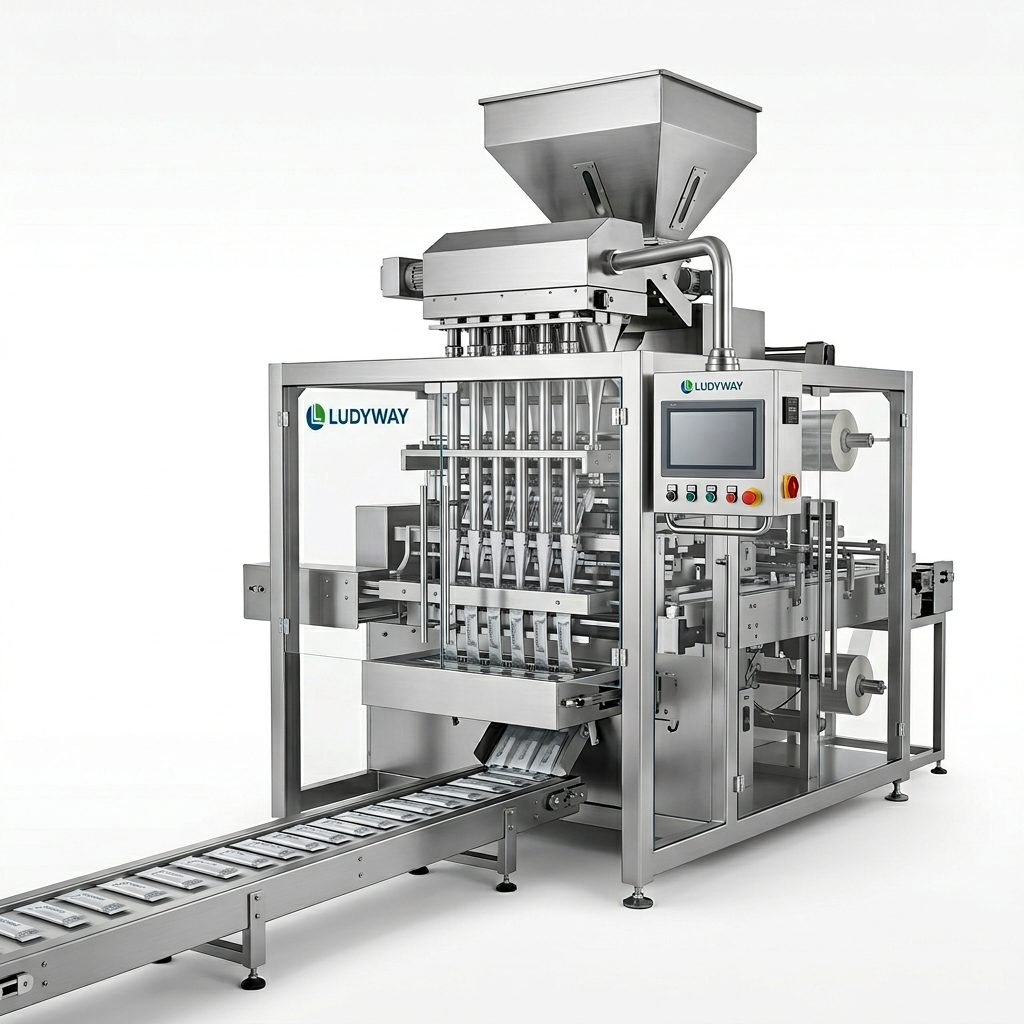
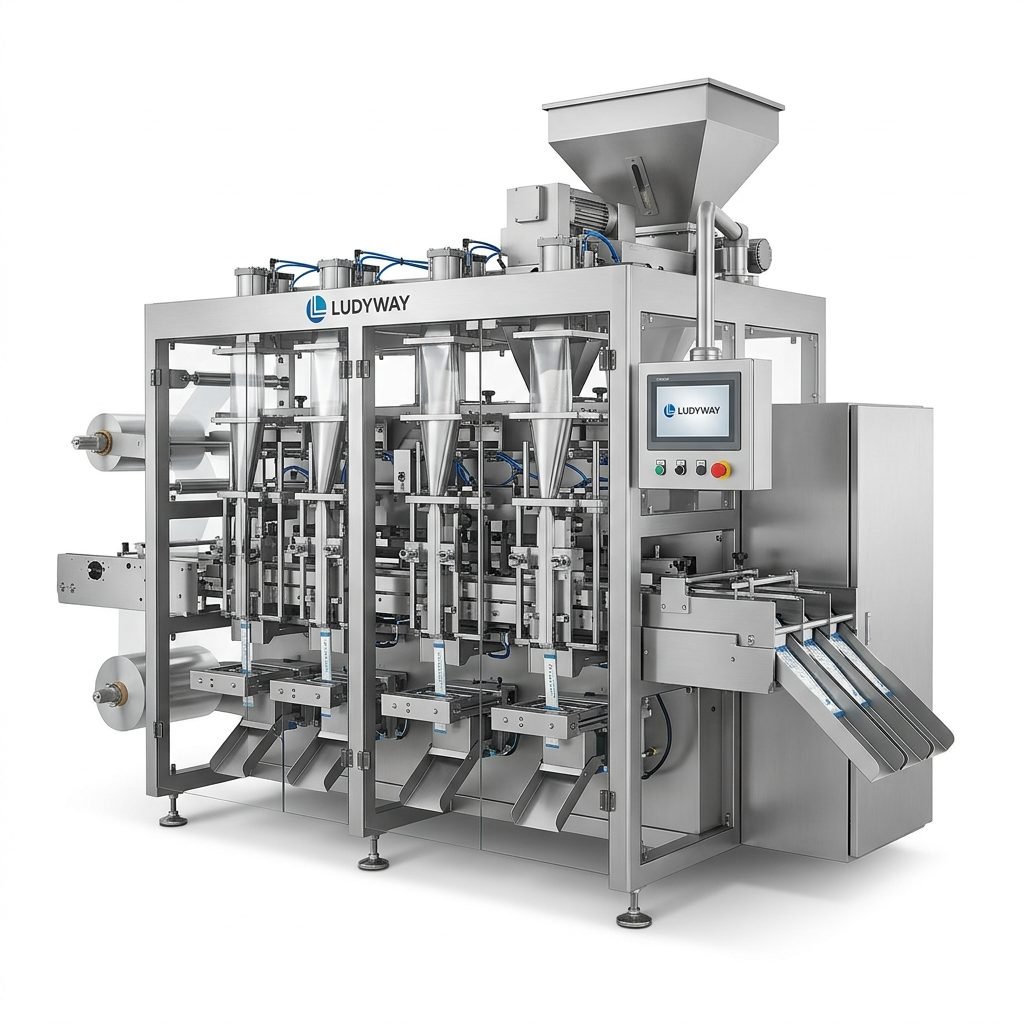
Navigating the complexities of international trade for packaging machine parts requires a clear understanding of the Harmonized System (HS) code framework. Accurate classification is not merely a bureaucratic step; it is the cornerstone of determining import duties, ensuring customs compliance, and facilitating smooth cross-border logistics. This guide delves into the critical aspects of classifying packaging machinery components, calculating associated costs, and adhering to regulatory requirements to streamline your global supply chain operations.
Key Takeaway: The correct HS code directly impacts your landed cost and customs clearance time. Misclassification can lead to delays, penalties, and unexpected financial liabilities.
Understanding HS Codes for Packaging Machinery
The Harmonized System is a globally standardized nomenclature for classifying traded products. For packaging machinery and their parts, the primary chapter to consult is Chapter 84: Nuclear reactors, boilers, machinery and mechanical appliances; parts thereof.
Primary Classification Headings
Packaging machines themselves are typically classified under a few key headings:
- 8422.30 – Machinery for filling, closing, sealing, or labelling bottles, cans, boxes, bags, or other containers.
- 8422.40 – Machinery for packing or wrapping goods (e.g., shrink-wrapping, stretch-wrapping).
- 8438 – Machinery for preparing or manufacturing food or drink.
Classifying Machine Parts and Components
Parts of these machines are generally classified under Heading 8438 or, more broadly, under Heading 8487 – Machinery parts, not containing electrical connectors, insulators, coils, contacts, or other electrical features. The specific classification depends on the part’s function and exclusivity.
Example: A specialized nozzle exclusively designed for a specific model of a powder packaging machine would likely fall under the same heading as the complete machine. A generic gear, motor, or conveyor belt used in various machines might be classified under a more general parts heading.
Calculating Import Duties and Taxes
The assigned HS code determines the duty rate applied by the importing country. Rates vary significantly between countries and are subject to trade agreements.
Factors Influencing Final Cost
- Country of Origin: Preferential tariffs may apply under free trade agreements (FTAs).
- Product Value: Duties are usually calculated as a percentage of the Customs Value (cost, insurance, and freight – CIF).
- Additional Taxes: Value-Added Tax (VAT), Goods and Services Tax (GST), or other local taxes are levied on the cumulative value (product + duty + insurance + freight).
Practical Duty Estimation
To estimate costs, identify the target country’s duty schedule. For instance, a parts shipment to the United States requires consulting the U.S. International Trade Commission’s Harmonized Tariff Schedule. Always verify with a licensed customs broker for the most accurate and current assessment, as seen in successful global project deliveries.
Ensuring Customs Compliance
Proper documentation and adherence to regulations prevent costly delays at ports.
Essential Documentation
- Commercial Invoice: Must detail the HS code, value, and full description of goods.
- Packing List: Itemizes contents per package, including weight and dimensions.
- Bill of Lading/Air Waybill: Contract of carriage between shipper and carrier.
- Certificate of Origin: May be required to claim preferential duty rates under FTAs.
Common Compliance Pitfalls to Avoid
Misdeclaring value or description, using an incorrect HS code, or lacking required certifications (like safety standards for electrical components) are frequent causes of examinations, seizures, or penalties. Engaging with experienced logistics partners who understand the nuances of international machinery trade is invaluable.
Strategic Considerations for Importers
Proactive management of the classification and import process can yield significant advantages.
Binding Rulings
For high-value or frequent shipments, consider applying for an Advance Ruling or Binding Tariff Information (BTI) from the destination country’s customs authority. This provides legal certainty on the HS code and duty rate for your specific product.
Regular Review and Updates
The HS system is updated every five years. Trade agreements and duty rates also change. Regularly review your product classifications to ensure ongoing compliance and cost optimization.
Frequently Asked Questions (FAQs)
1. What is the most common HS code for packaging machine parts?
While it depends on the specific part, many non-electrical, specialized parts fall under 8438.90 or 8487.90 (“Parts thereof”). Always classify based on the part’s principal use and specificity to the parent machine.
2. How do I find the correct HS code for my specific part?
Start with the national customs website of the importing country (e.g., Customs and Border Protection for the USA). Use their tariff search tool with detailed product descriptions. Consulting a licensed customs broker or the machinery supplier’s export department is highly recommended for accuracy.
3. Can incorrect HS code classification be corrected after shipment?
Yes, but the process is complex and may involve filing a post-entry amendment with customs, which can incur additional fees and scrutiny. It is far more efficient to ensure correctness before shipping.
4. Are duties and taxes the same for complete machines versus spare parts?
No, they often differ. Complete machines and their parts are frequently classified under different subheadings with different duty rates. Parts may sometimes have lower duty rates, but this is not a universal rule.
5. What role does the supplier play in ensuring smooth customs clearance?
A professional supplier provides accurate and detailed commercial documents, including a precise goods description, correct harmonized code suggestion, and proper origin statements. Their experience in serving international markets is crucial for avoiding documentation errors that cause delays.