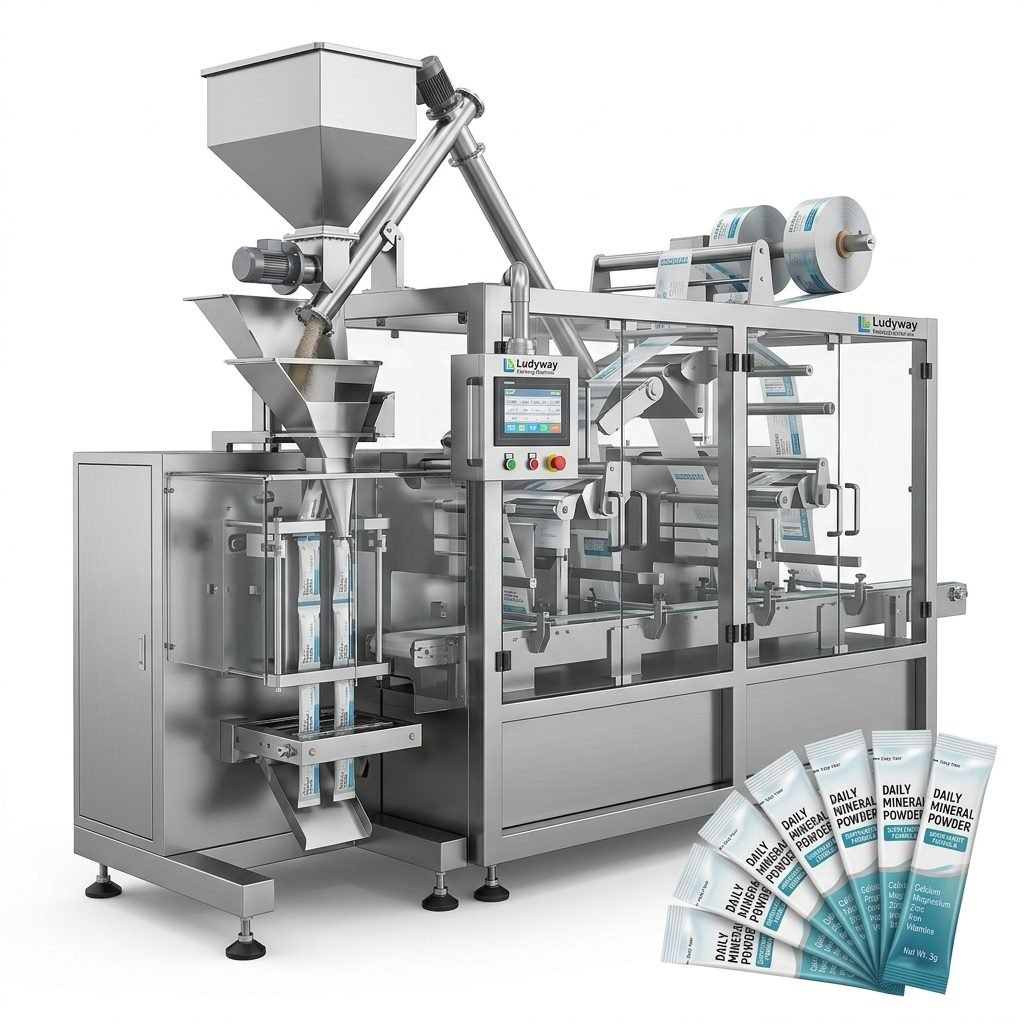
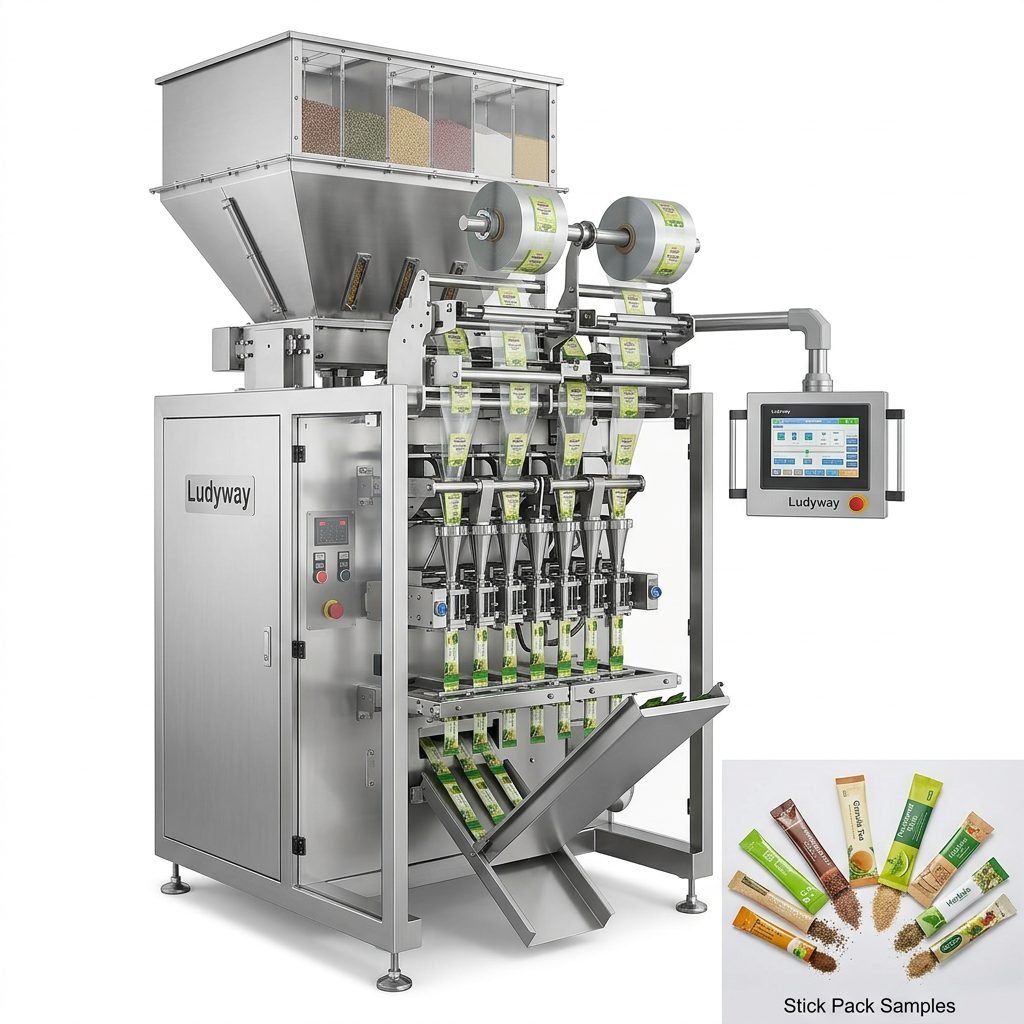
In today’s fast-paced manufacturing and distribution environments, efficient and reliable packaging is crucial. Heat sealing packaging machines stand at the core of this process for countless products, from food and pharmaceuticals to chemicals and consumer goods. This comprehensive guide explores the different types of heat sealing machines, their wide-ranging applications, key benefits, and practical advice on selecting the perfect model for your operational needs.
Understanding Heat Sealing Packaging Machines
At its essence, a heat sealing machine uses controlled heat and pressure to bond thermoplastic materials together, creating a secure, airtight, and often tamper-evident seal. This process is fundamental for creating pouches, sachets, stick packs, and various other flexible packaging formats. Unlike adhesive-based sealing, heat sealing provides a cleaner, faster, and more consistent bond, making it ideal for high-speed production lines.
The principle relies on the thermoplastic properties of the packaging film. When heat is applied to the sealing area, the polymer layers melt and fuse under pressure. Once cooled, they form a solid, hermetic seal that protects the contents from moisture, oxygen, and contaminants. The precision of temperature, pressure, and dwell time control is what separates a basic sealer from a high-performance packaging machine.
Core Components of a Modern Heat Sealer
While designs vary, most industrial heat sealers share common critical components:
Heating Elements & Jaw: The heart of the machine. These are precisely controlled bars (often made from aluminum or ceramic) that apply heat to the film. Advanced systems feature multiple heating zones for uniform temperature distribution.
Control System: The brain of the operation. Modern machines use PLC (Programmable Logic Controller) or microprocessor-based systems to manage temperature, sealing time, pressure, and machine sequencing with high accuracy.
Cooling Mechanism: Essential for a strong seal. After heating, the film must be cooled under pressure to set the bond. This can be via passive cooling jaws or active systems with water or air cooling.
Drive & Conveyance System: Moves the packaging material through the sealing station. This can include servo motors for precise indexing or continuous motion systems for high-speed flow.
Primary Types of Heat Sealing Machines
Choosing the right type is the first step. The market offers a spectrum of machines, from simple manual units to fully integrated automated lines.
1. Impulse Sealers
These are the most common entry-level machines. An impulse sealer uses a thin heating wire (nickrome ribbon) that is briefly electrified to generate a pulse of heat. The seal is made while the film is pressed between a heated ribbon and a silicone rubber pad.
Best For: Low to medium-volume operations, prototyping, small businesses, and sealing poly bags made of LDPE, HDPE, and Polypropylene. They are portable, affordable, and simple to use.
2. Constant Heat Sealers
Also known as hot bar sealers, these machines maintain the sealing jaws at a constant, preset temperature. The film is pressed between two heated bars for a specific “dwell time” to create the seal.
Best For: Higher production volumes and more demanding materials like laminates (PET/PE, PET/AL/PE) used for coffee, snacks, or medical supplies. They offer more consistent seals for complex films than impulse sealers.
3. Band Sealers
Designed for continuous operation, band sealers use two moving Teflon-coated steel bands to transport the bag. The bag’s open end passes between heated plates and then cooling plates, all while being carried by the bands, creating a strong, continuous seal.
Best For: High-volume packaging of pre-made bags and pouches. Common in food packaging for items like nuts, frozen vegetables, and hardware items. They are fast and efficient for sealing a wide variety of bag sizes.
4. Vacuum Heat Sealers
These machines combine two processes: first, they remove air from a specially designed bag to create a vacuum; second, they heat-seal the bag opening. This dramatically extends the shelf life of perishable products.
Best For: Food preservation (meats, cheeses, prepared meals), industrial parts protection, and electronic components where oxygen and moisture exclusion are critical. You can learn more about advanced preservation techniques on industry resource sites like Packaging World.
5. Rotary or Continuous Sealers
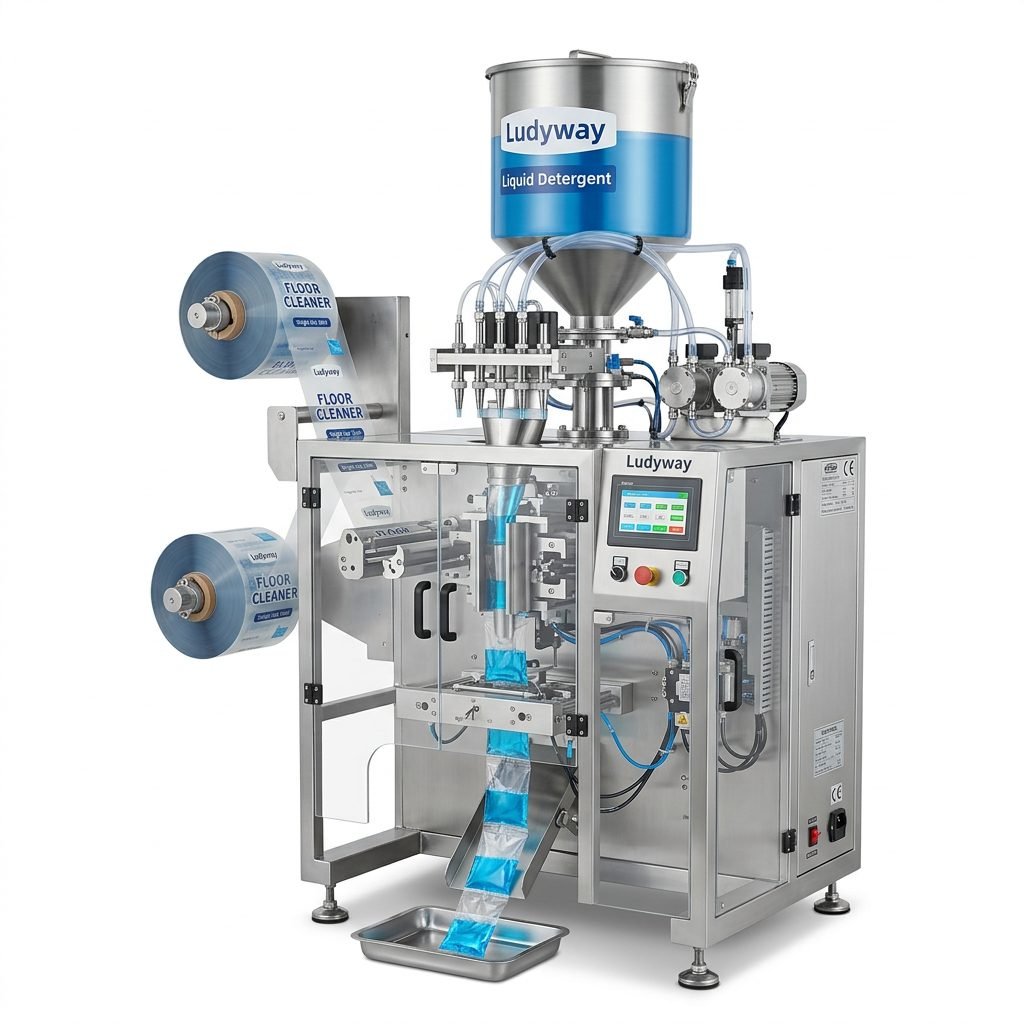
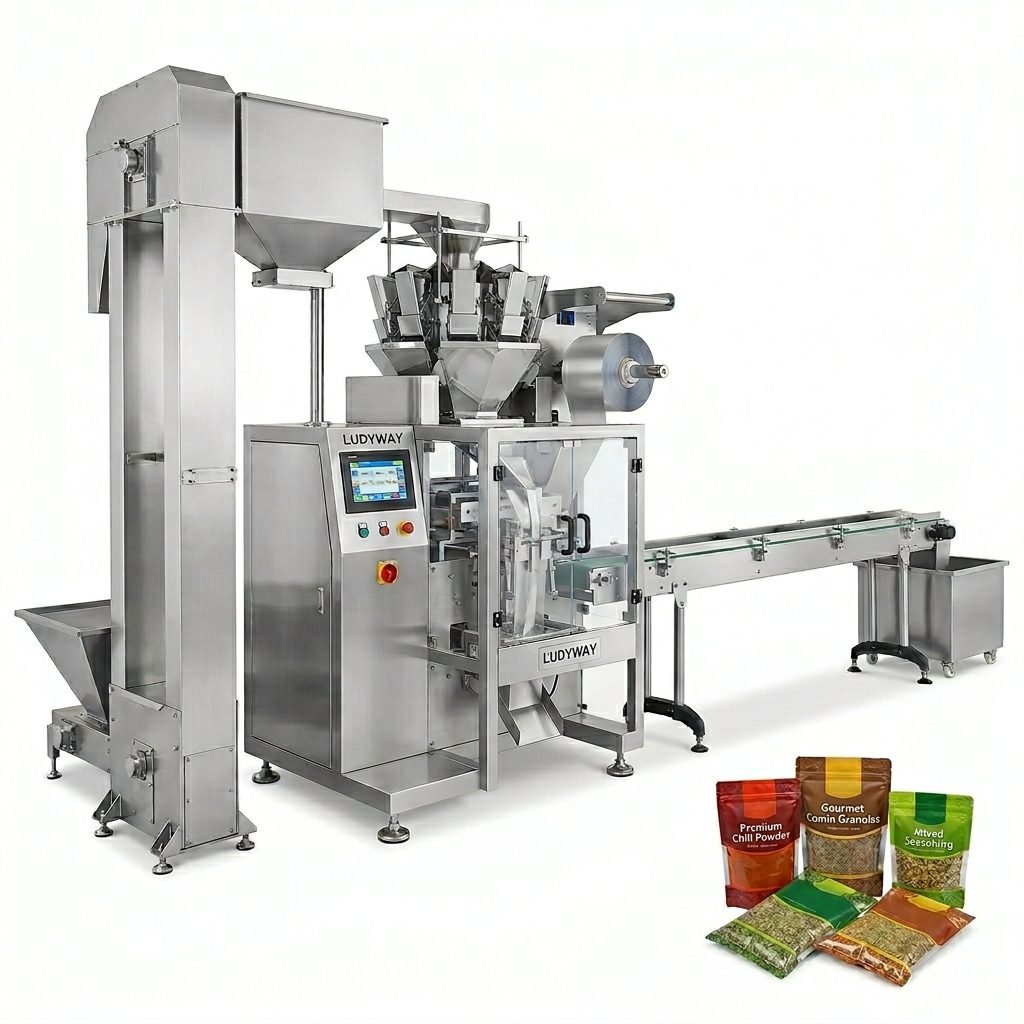
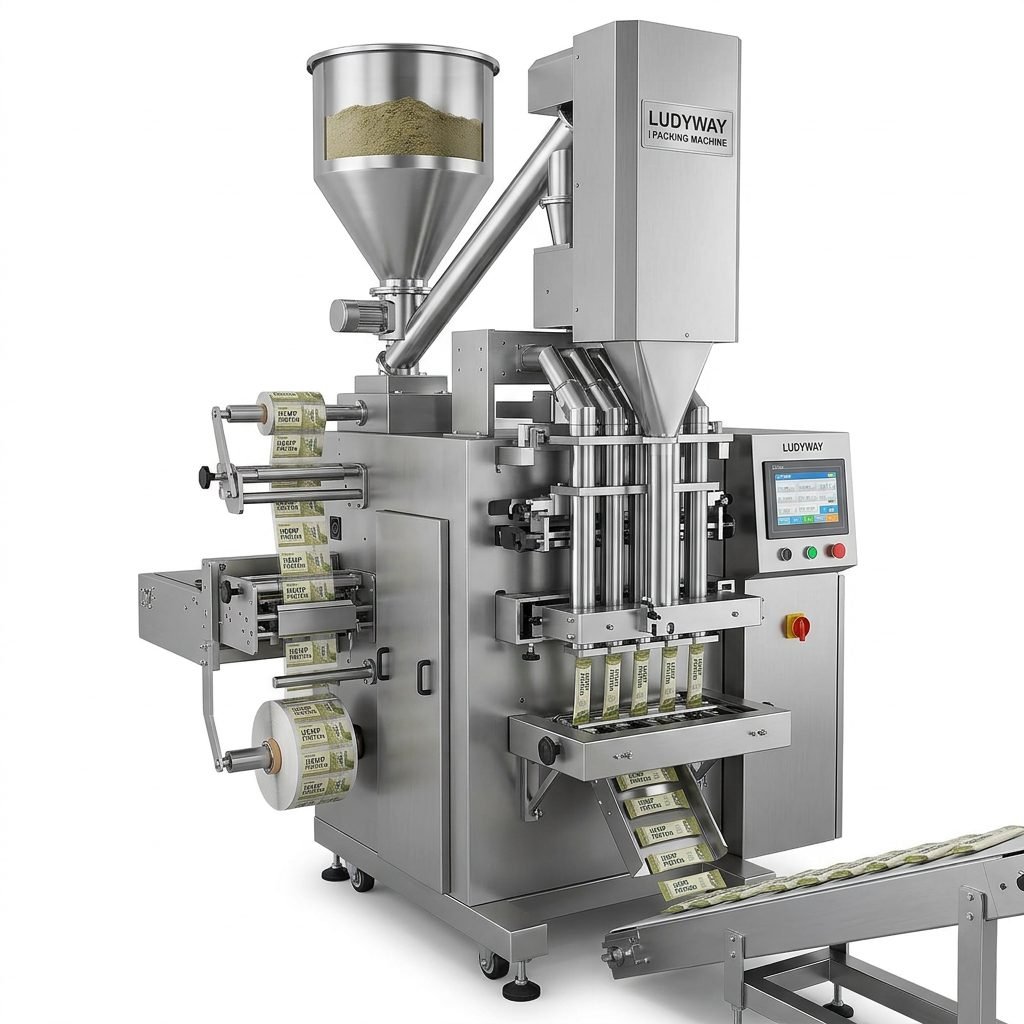
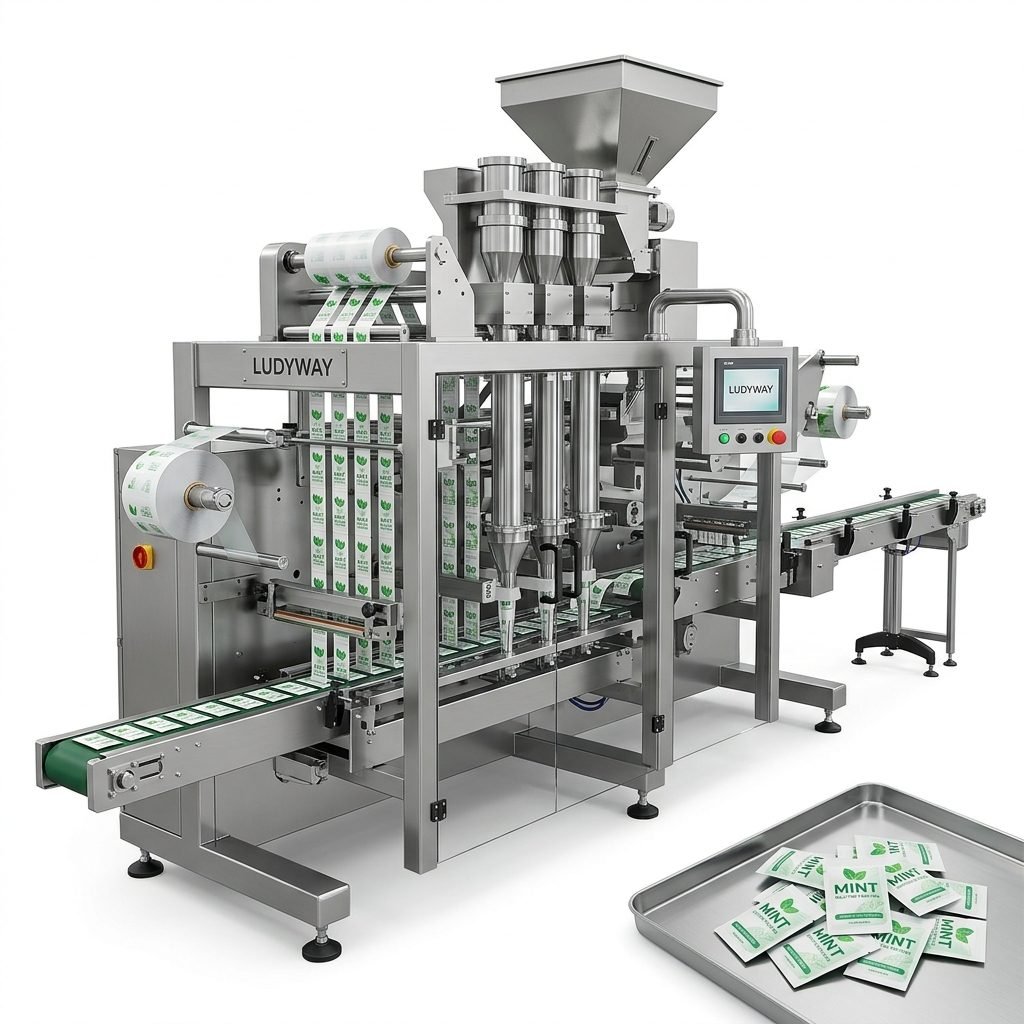
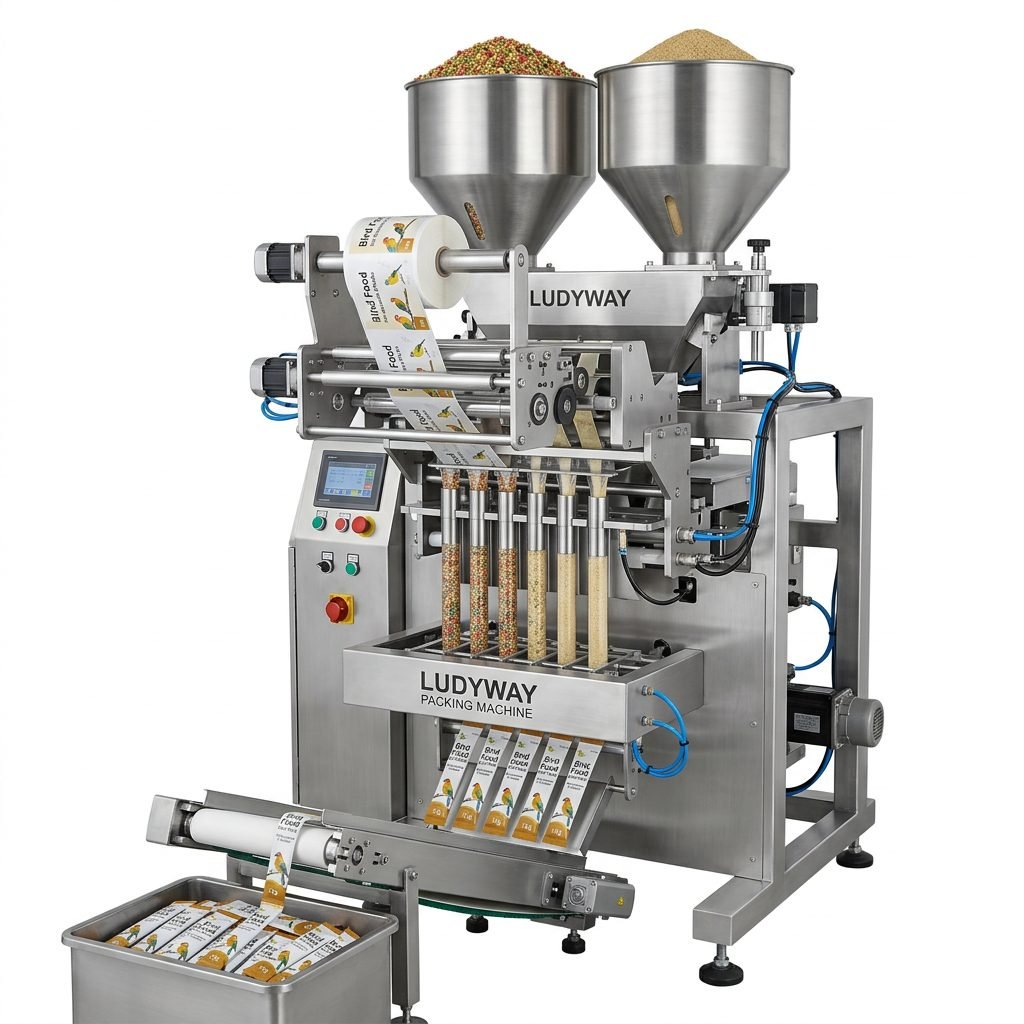
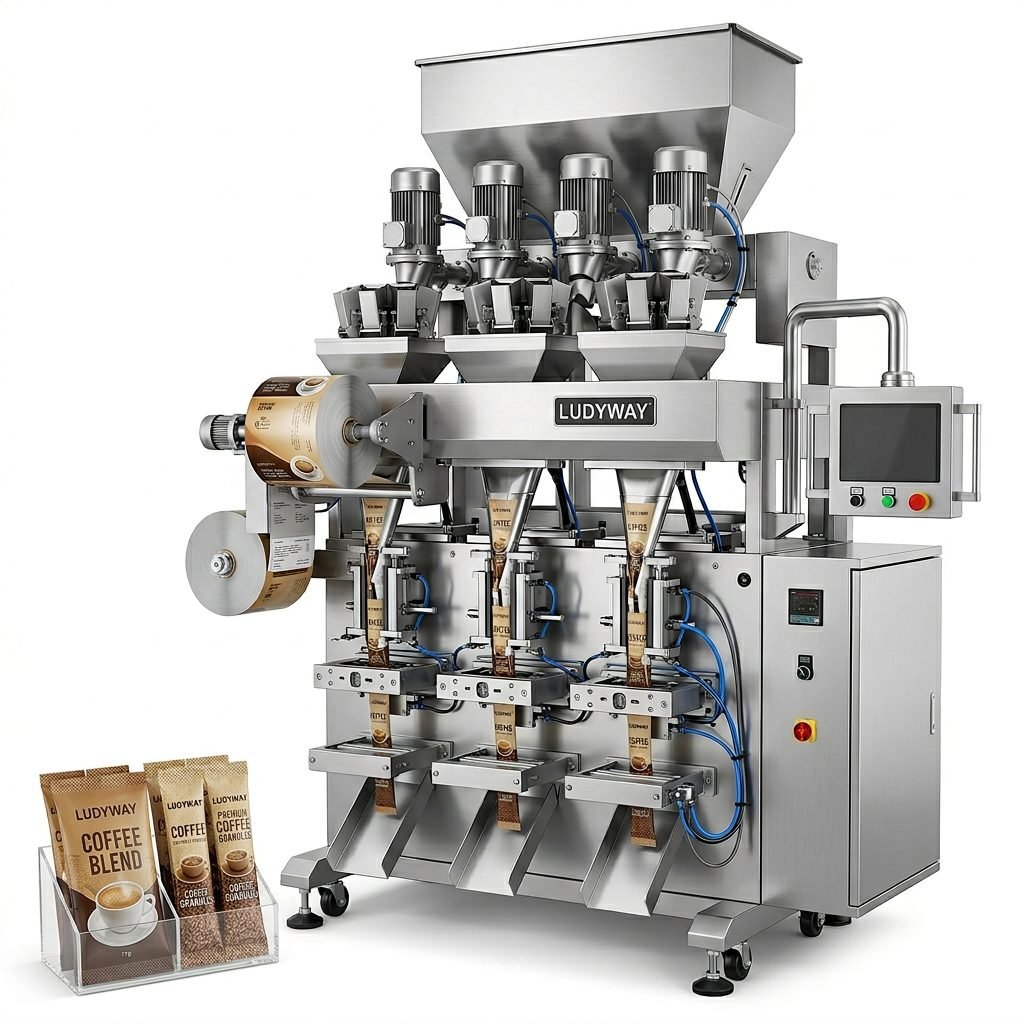
The pinnacle of high-speed packaging, these machines are integrated into form-fill-seal (FFS) systems. Sealing jaws are mounted on rotating wheels, allowing for simultaneous forming, filling, and sealing of packages from a roll of film at extremely high speeds.
Best For: Mass production of sachets, stick packs (for sugar, instant coffee, shampoo), and pillow bags for snacks and granules. Companies like Ludyway Machinery specialize in providing such advanced, multi-lane stick pack and sachet packaging systems for global manufacturers.
Key Applications and Industry Uses
The versatility of heat sealing technology makes it indispensable across diverse sectors.
Food & Beverage Industry
This is the largest application area. Heat sealing creates airtight barriers for snacks, spices, coffee, frozen foods, and liquids. It ensures freshness, prevents contamination, and allows for attractive, printed packaging. Vacuum sealing is particularly vital for meats and cheeses.
Pharmaceutical & Medical
Sterility and product integrity are non-negotiable. Heat sealing is used for blister packs, medical device pouches, sterile barrier systems, and sachets for powders or ointments. The seal must be consistently hermetic and often include tamper evidence.
Consumer Goods & Chemicals
From single-use shampoo and condiment sachets to packets of detergent, seeds, or hardware items, heat sealing provides a durable, leak-proof package that is cost-effective for unit-dose or sample-sized products.
Significant Benefits of Automated Heat Sealing
Investing in a proper heat sealing system delivers tangible returns beyond just closing a package.
✔ Superior Product Protection: Creates hermetic seals that guard against moisture, oxygen, dust, and microbes, significantly extending shelf life and maintaining product quality.
✔ High Efficiency & Speed: Automated machines can seal hundreds or even thousands of units per minute, dramatically increasing output and reducing labor costs compared to manual methods.
✔ Consistency & Reliability: Automated controls ensure every seal is identical in strength and integrity, minimizing waste from faulty seals and reducing product recalls.
✔ Material & Cost Efficiency: Heat sealing often allows the use of thinner, less expensive laminates compared to other sealing methods, reducing material costs. It also eliminates the need for adhesives.
✔ Enhanced Brand Image: A clean, professional, and secure seal improves package appearance and consumer trust. It enables advanced features like easy-open notches and tamper-evident strips.
How to Choose the Best Heat Sealing Machine: A Step-by-Step Guide
Selecting the right machine requires careful analysis of your specific needs. Here’s a structured approach.
Step 1: Analyze Your Packaging Material
This is the most critical factor. The machine must be compatible with your film’s composition and thickness.
- Material Type: Identify if you’re using single-layer films (PE, PP) or multi-layer laminates (PET/PE, NY/PE, MET-PET/PE). Laminates often require higher, more precise temperatures.
- Thickness (Gauge): Thicker materials require more heat energy and potentially higher pressure.
- Seal Layer: Determine the melting point of the film’s inner sealant layer (usually a type of polyethylene). Your machine’s temperature range must accommodate this.
Consulting with your film supplier and a knowledgeable machinery provider like Ludyway Machinery is essential. They can conduct seal tests to determine optimal parameters.
Step 2: Define Your Production Requirements
Quantify your needs to determine the necessary machine capacity.
Output Speed (Packages/Minute): Calculate your current and projected future volumes. A benchtop impulse sealer may manage 10-20 bags/min, while a rotary FFS machine can exceed 1,000 sachets/min.
Package Size & Dimensions: Note the minimum and maximum length, width, and seal width of your packages. The machine must have adjustable jaws or tools to accommodate this range.
Operation Type: Decide between manual (operator places each bag), semi-automatic (operator indexes bags, machine seals), or fully automatic (integrated with filling and conveying).
Step 3: Evaluate Key Machine Features
Look beyond the basic type to the features that impact performance and usability.
Temperature Control: Digital PID controllers offer far superior accuracy and stability compared to analog dials, crucial for sensitive materials.
Seal Time & Pressure Adjustment: Precise, programmable control over dwell time and jaw pressure is vital for achieving perfect seals across different materials.
Cooling System: For high-speed operations or thick films, an active cooling system is necessary to set the seal quickly and prevent burn-through.
Construction & Durability: Look for robust frames, high-quality heating elements, and durable non-stick coatings (e.g., Teflon) on the sealing jaws.
Step 4: Consider Integration and Support
The machine is part of a larger system.
Footprint & Utilities: Ensure you have the appropriate space, electrical supply (voltage, phase), and, if needed, compressed air or cooling water connections.
Ease of Maintenance: Check accessibility for cleaning and part replacement. Availability of spare parts is crucial.
Supplier Reputation & Service: Choose a supplier with proven expertise and reliable after-sales support. A provider with over 30 years of industry experience, like the team behind Ludyway, can offer invaluable guidance and ensure long-term machine uptime. Reviewing technical forums such as Packaging Digest can provide insights into supplier reliability.
Remember, the cheapest upfront cost often leads to higher long-term expenses due to downtime, poor seals, and limited support. Investing in a quality machine from a reputable supplier tailored to your exact needs is the most cost-effective strategy.
Frequently Asked Questions (FAQs)
1. What is the main difference between impulse and constant heat sealers?
Impulse sealers generate a short burst of heat only during the sealing cycle, making them energy-efficient and good for basic poly bags. Constant heat sealers keep the jaws hot at all times, providing faster cycle times and more consistent performance for a wider range of materials, especially laminates used in professional packaging.
2. Can one machine seal different types of plastic films?
Yes, but with limitations. A versatile machine with broad, precise temperature control and adjustable pressure/timing can handle multiple films within a similar thickness range. However, switching between very different materials (e.g., thin polyethylene to thick polypropylene laminate) may require recalibration and potentially different jaw coatings. For operations using vastly different films, dedicated machines or quick-change tooling might be more efficient.
3. Why is my heat seal weak or peeling apart easily?
Weak seals are usually due to incorrect machine settings or material mismatch. Common causes include: temperature too low (insufficient melting), temperature too high (burning the film), insufficient pressure or dwell time, contaminated sealing surfaces (clean the jaws regularly), or using a film whose sealant layer is not compatible with heat sealing. Always conduct a seal test when changing materials.
4. How do I maintain my heat sealing machine for optimal performance?
Regular maintenance is key: Daily: Clean the sealing jaws with a soft cloth and isopropyl alcohol to remove film residue. Weekly/Monthly: Check for wear on non-stick jaw coatings and replace if scratched. Inspect and tighten any loose mechanical fasteners. Periodically: Calibrate the temperature controller using a surface pyrometer. Lubricate moving parts as per the manufacturer’s manual. For complex systems, consider an annual professional service check.
5. What should I look for in a supplier for an industrial heat sealing system?
Prioritize suppliers with: Proven industry experience and technical expertise, not just salesmanship. The ability to test your specific materials and provide a performance guarantee. A strong portfolio of successful installations in your industry. Comprehensive after-sales support, including training, spare parts availability, and responsive technical service. A supplier that offers turnkey production solutions can be invaluable for integrating the sealer seamlessly into your line. For further reading on selecting industrial equipment, resources like Engineering.com offer valuable perspectives.