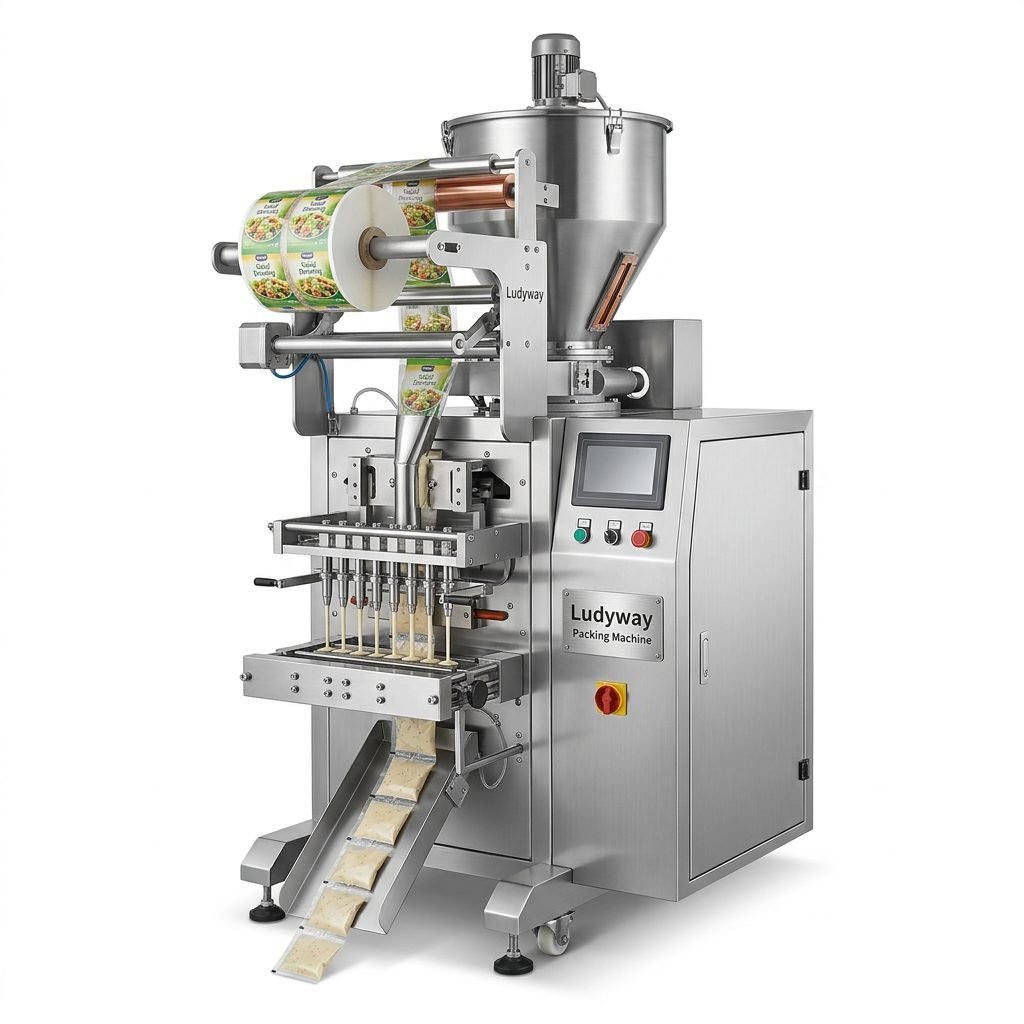
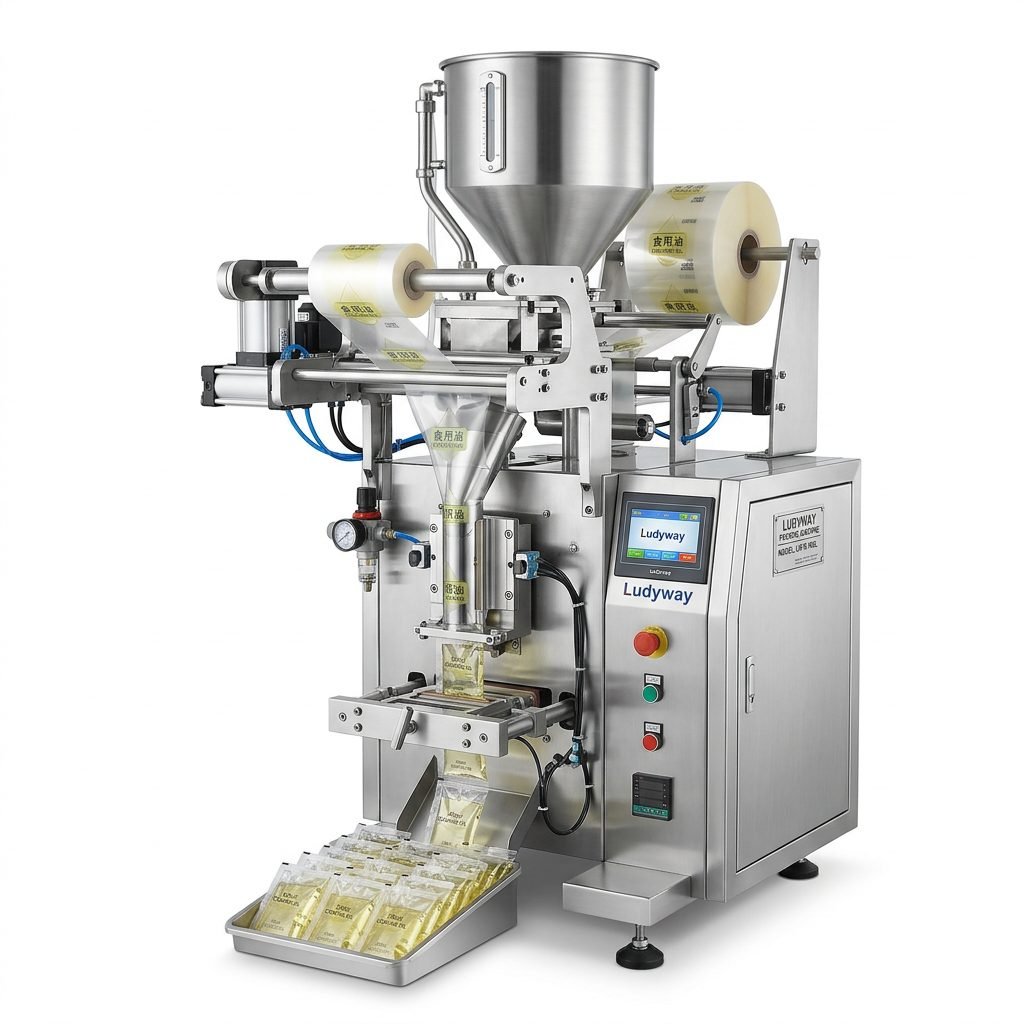
Choosing the right herb packaging machine is a critical decision for any herbal product manufacturer. The right automatic solution can significantly enhance your production efficiency, ensure product integrity, and elevate your brand’s market presence. This comprehensive guide will walk you through the key factors to consider when selecting the best automatic packaging solution for your herbal products, helping you make an informed investment that supports your business growth.
Understanding Your Herbal Product Requirements
Before diving into machine specifications, you must have a clear understanding of your product’s unique characteristics. Herbal products come in various forms, each with distinct packaging needs.
Product Form and Consistency
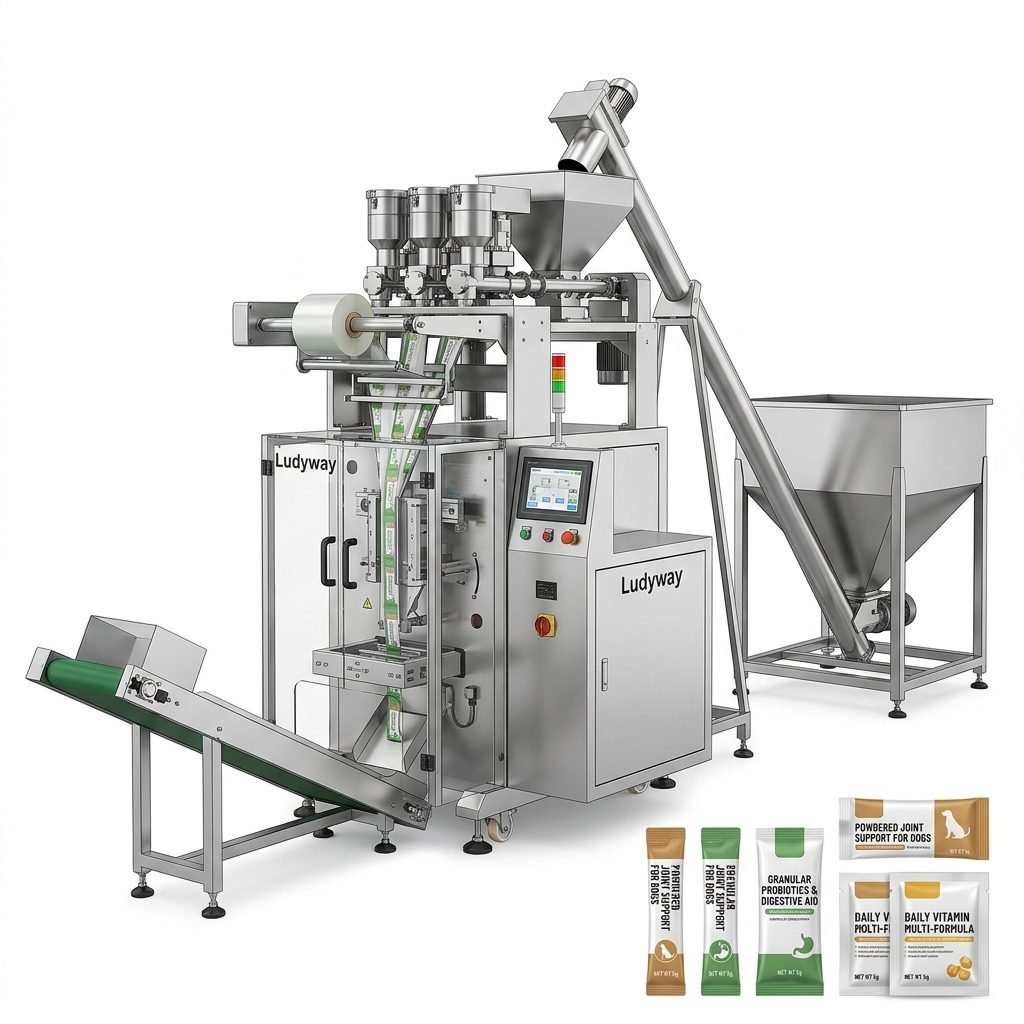
Is your product a fine powder, coarse granules, cut leaves, or a blended mixture? The physical form dictates the type of feeding system, auger design, and filling mechanism required. For instance, fine powders like turmeric or matcha need precision augers and anti-bridging features, while leafy herbs may require volumetric cup fillers.
Packaging Material and Style
Consider your desired final package. Common options for herbs include:
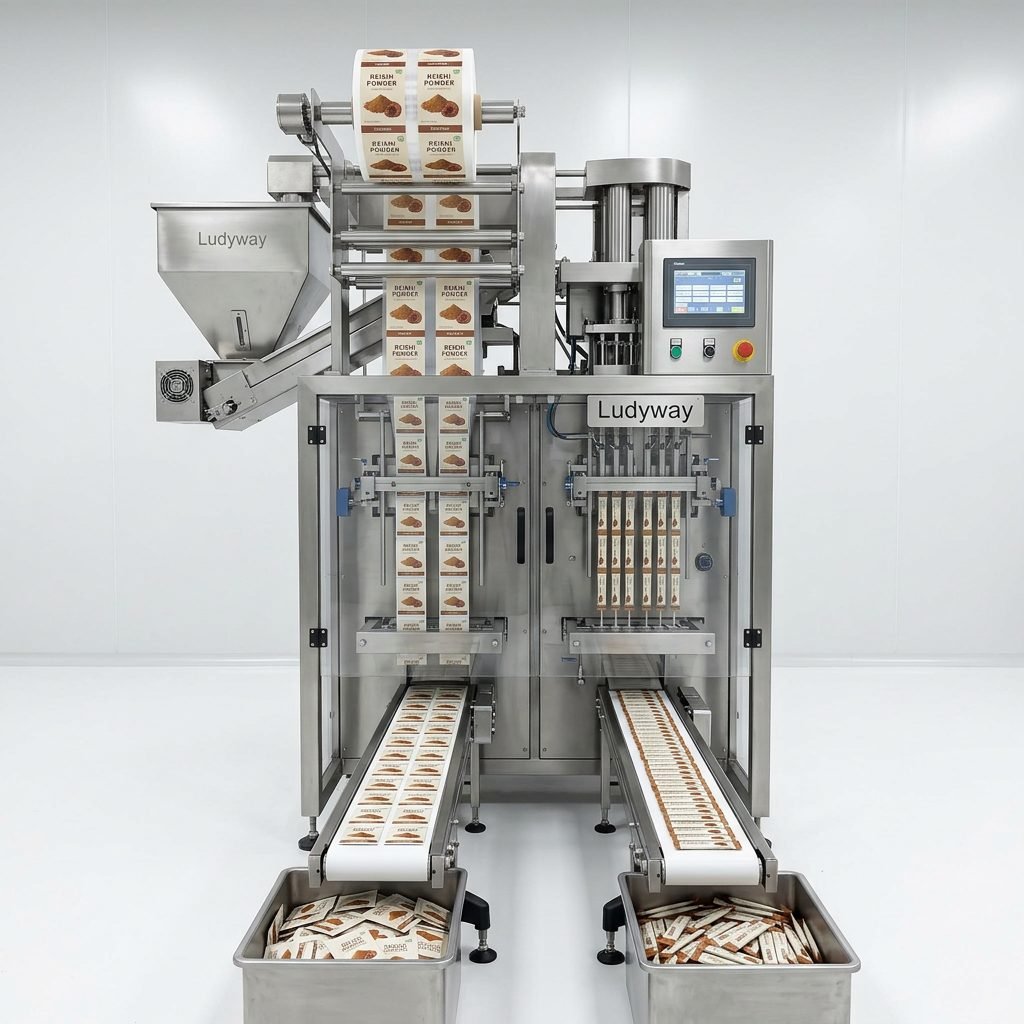
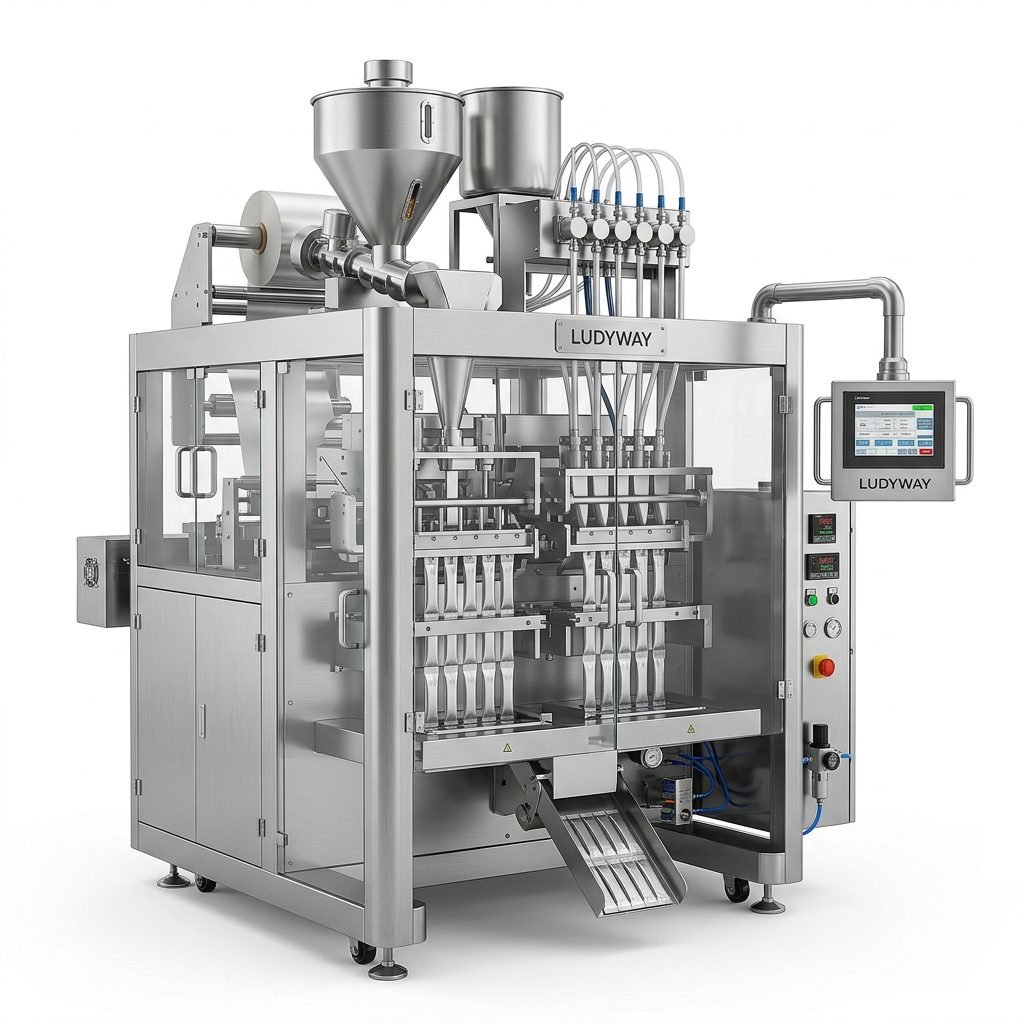
- Stick packs: Ideal for single-serve powdered drink mixes or supplements.
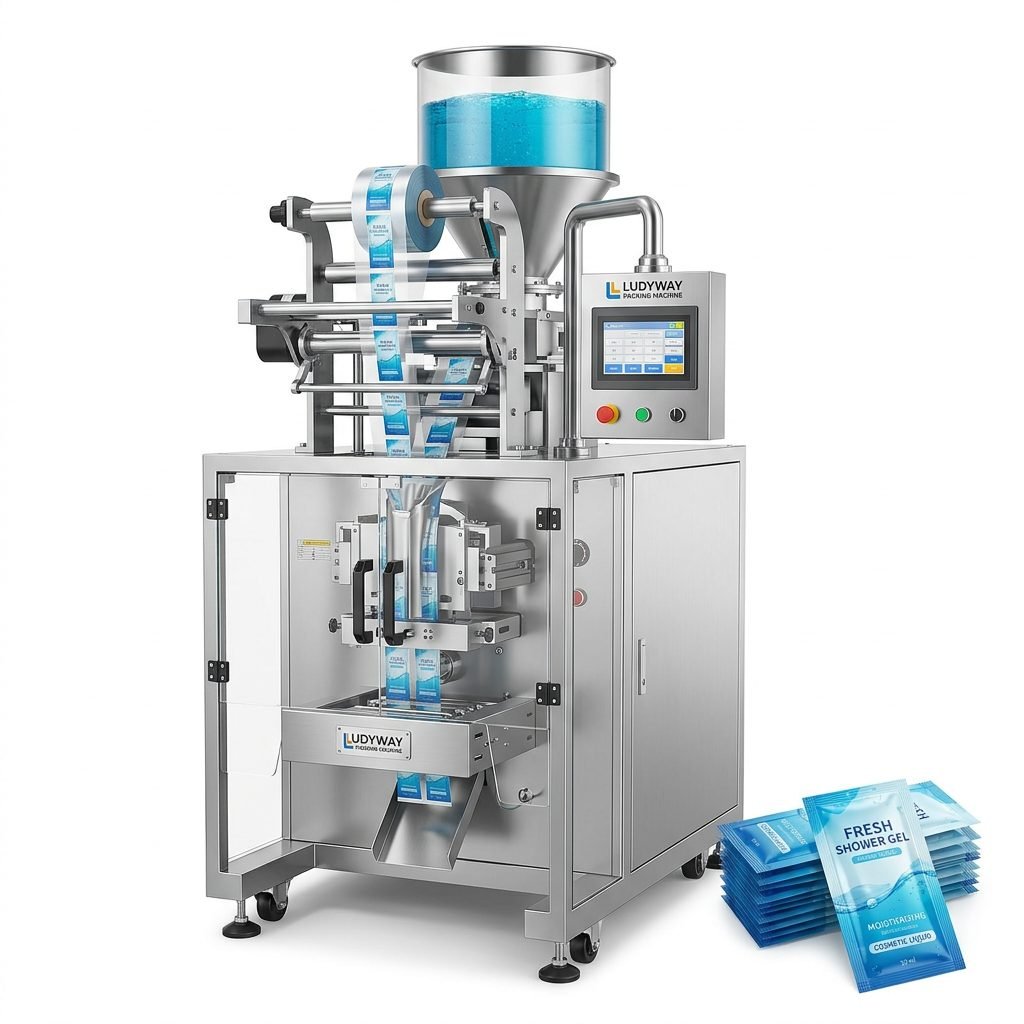
- Sachets: Perfect for tea blends, loose-leaf herbs, or bath mixtures.
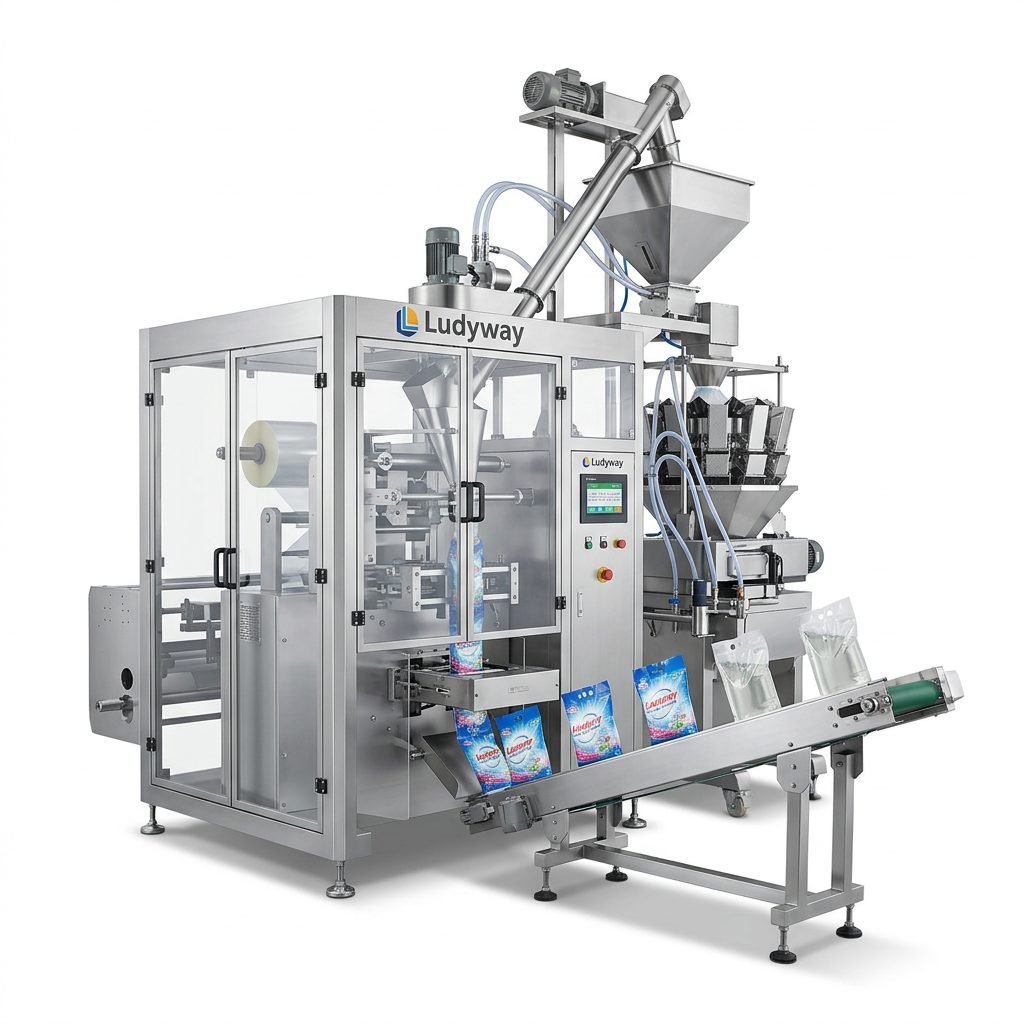
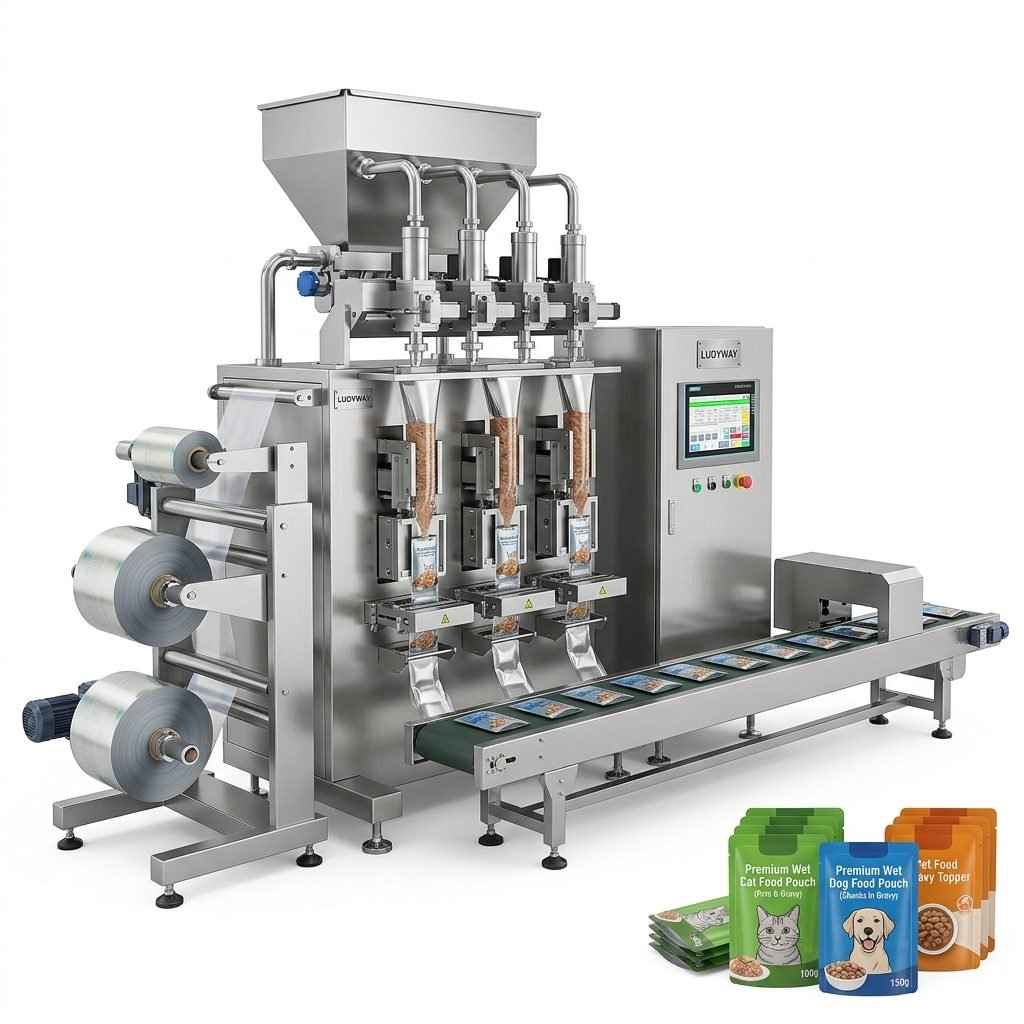
- Pouches: Suitable for larger quantities of dried herbs or granulated formulas.
The machine must be compatible with your chosen film or laminate material, which should provide an effective barrier against moisture, light, and oxygen to preserve the herbs’ potency and shelf life.
Key Features of an Automatic Herb Packaging Machine
Modern automatic herb packaging machines offer a range of features designed for efficiency and precision. Look for these essential capabilities.
High-Precision Weighing and Filling
Accuracy is non-negotiable. A slight deviation can lead to significant product giveaway or underfilling over a high-volume production run. The best machines incorporate multi-head weighers or servo-driven auger fillers that offer remarkable precision, often with tolerances as low as ±0.5-1%. This ensures every packet contains the exact amount promised on the label, maintaining regulatory compliance and consumer trust.
Gentle Product Handling
Many herbs are delicate. Processing equipment must handle them gently to prevent crushing, breaking, or generating excessive dust (which can lead to yield loss). Machines with vibration-controlled feeding systems and soft-drop mechanisms are crucial for maintaining the physical integrity and aesthetic quality of your herbal products.
Ease of Cleaning and Changeover
In herb packaging, cross-contamination is a major concern. Machines designed with quick-release parts, smooth, accessible surfaces, and tool-free disassembly facilitate thorough cleaning between batches. Similarly, fast changeover capabilities allow you to switch between different products or package sizes with minimal downtime, boosting overall operational flexibility.
Evaluating Machine Performance and Output
Beyond features, you need to assess the machine’s performance metrics against your production goals.
Speed and Capacity
Match the machine’s speed (packages per minute) to your current and projected production volume. A machine that is too slow creates a bottleneck, while an excessively fast machine may be an unnecessary capital expenditure if your output doesn’t justify it. Consider machines with scalable speed controls.
Integration and Automation Level
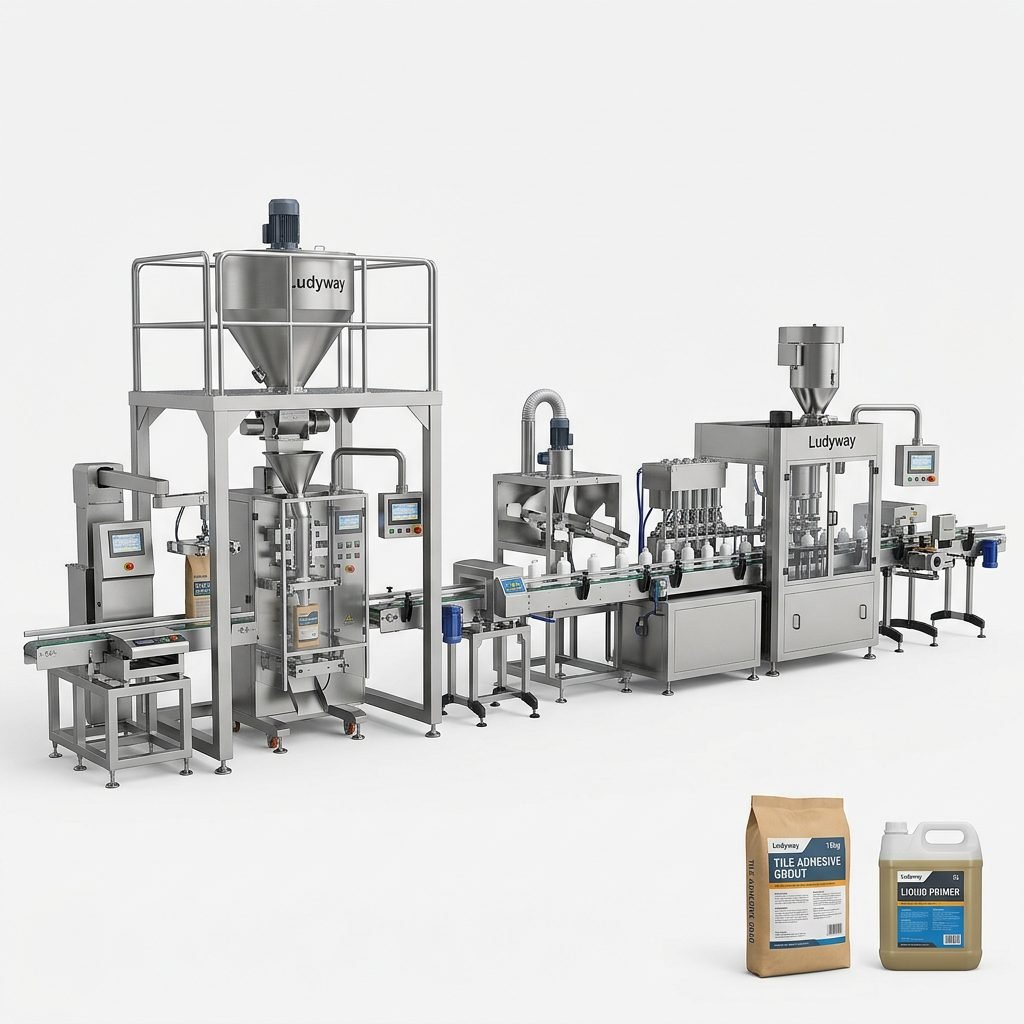
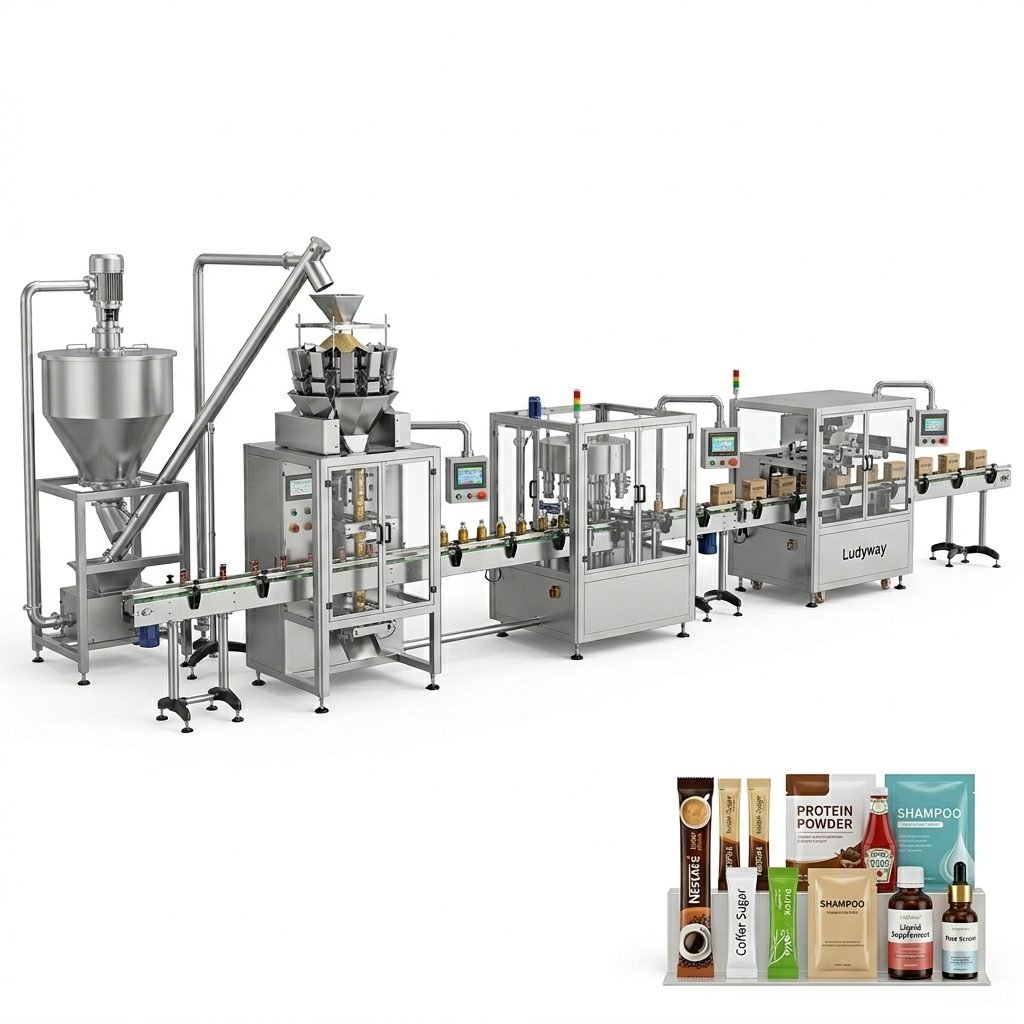
Think about the machine’s role in your production line. Can it integrate seamlessly with upstream equipment (like mixers or dryers) and downstream systems (like cartoners or case packers)? Higher levels of automation, including automatic film loading, batch coding, and rejection systems, reduce labor requirements and minimize human error.
Reliability and Uptime
Investigate the machine’s build quality, the reputation of its critical components (like PLCs and servos), and the manufacturer’s track record for reliability. Consistent uptime is far more valuable than peak speed. A robust machine from a trusted supplier like Ludyway Machinery ensures long-term, trouble-free operation.
Partnering with the Right Supplier
The machine manufacturer is as important as the machine itself. A strong partnership provides ongoing value.
Technical Expertise and Support
Choose a supplier with deep experience in packaging herbal products. They should understand the specific challenges of your industry. Evaluate their technical support structure—do they offer comprehensive training, detailed manuals, and readily available spare parts? Reliable after-sales service is critical for minimizing downtime.
Customization and Flexibility
Off-the-shelf solutions rarely fit perfectly. A capable supplier will offer customization options to tailor the machine to your specific herb, package format, and factory layout. This could involve special hopper designs, unique sealing jaws for delicate films, or customized software interfaces.
Commitment to Innovation
The packaging landscape evolves. Partner with a supplier committed to R&D, who can offer insights into future trends like sustainable packaging materials or advanced data tracking for Industry 4.0 integration. This ensures your investment remains relevant for years to come.
Selecting the best automatic herb packaging machine is a strategic process that balances technical specifications with practical business needs. By thoroughly analyzing your product, understanding key machine features, and partnering with an experienced and supportive supplier, you can implement a solution that drives efficiency, ensures quality, and supports the successful growth of your herbal brand.
Frequently Asked Questions (FAQs)
1. What is the most important feature to look for in a machine for packaging powdered herbs?
For powdered herbs, precision filling and dust containment are paramount. Look for a machine with a high-accuracy, anti-static auger filler system designed for fine powders. A completely enclosed filling zone and integrated dust extraction ports are also crucial to maintain a clean production environment and prevent product loss.
2. Can one machine handle different types of herbal products, like both powders and granules?
Yes, many modern automatic packaging machines are designed for versatility. The key is a quick-changeover filling system. Machines that allow you to swap augers or change to a volumetric cup filler in minutes enable you to run multiple product types efficiently. Discuss your full product range with your supplier to ensure the recommended machine can be configured for all your needs.
3. How do I ensure the packaging keeps my herbs fresh and potent?
Freshness depends on the packaging material and the sealing quality of the machine. Your supplier should guide you in selecting a high-barrier laminate film (often multi-layer with foil or metallized layers). The machine must then provide a consistent, strong, and airtight seal—often a double or triple seal—to lock out moisture and oxygen, which are the main culprits of degradation.
4. What kind of maintenance does an automatic herb packaging machine require?
Regular maintenance includes daily cleaning of all product contact parts, lubrication of moving components as per the manual, and inspection of seals and cutting blades. The level of maintenance is significantly reduced with machines built from high-quality, corrosion-resistant materials and featuring self-diagnostic systems. A reliable supplier will provide a clear maintenance schedule and training.
5. Why is supplier experience specifically in herb packaging important?
An experienced supplier, such as Ludyway Machinery, brings invaluable practical knowledge. They understand the unique flow characteristics of herbs, the importance of gentle handling, and the regulatory environment for dietary supplements and botanicals. This expertise translates into better machine recommendations, more effective troubleshooting, and customized solutions that a general packaging supplier might not offer.