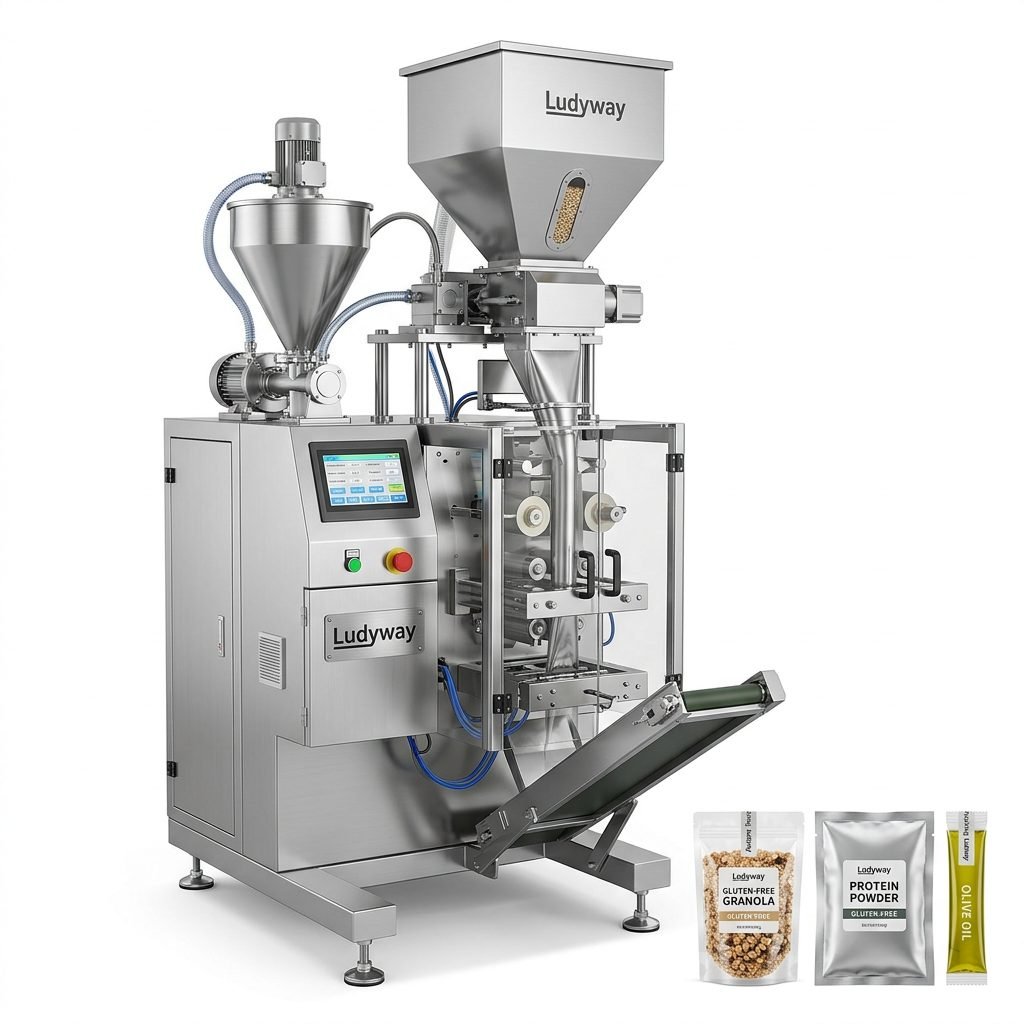
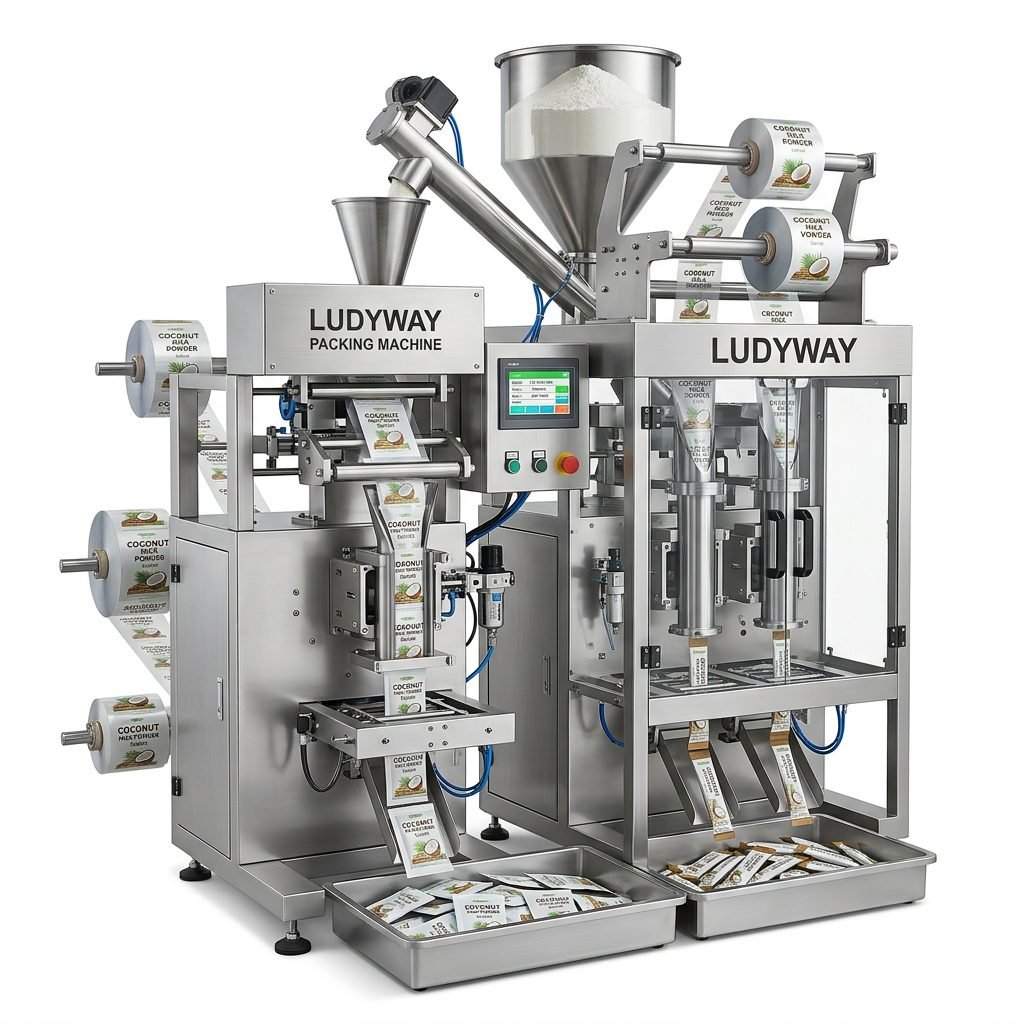
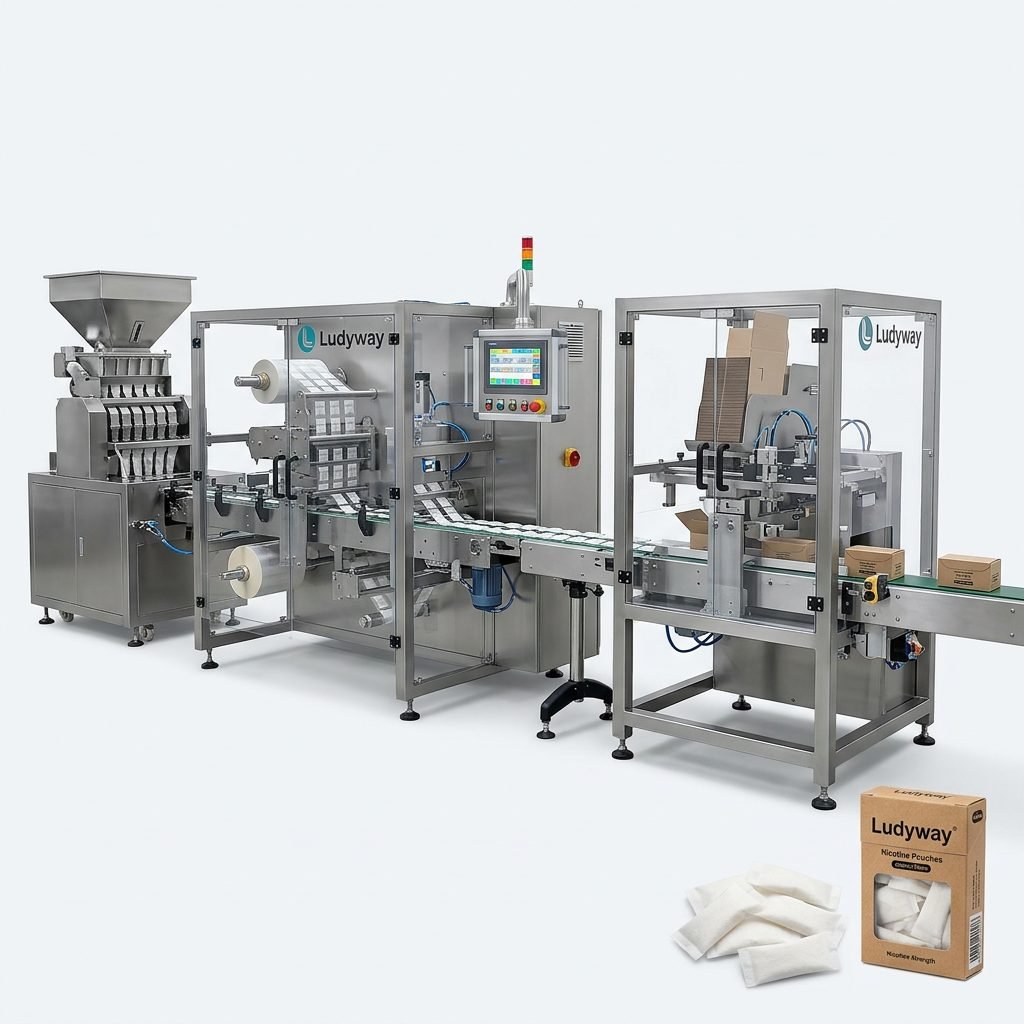
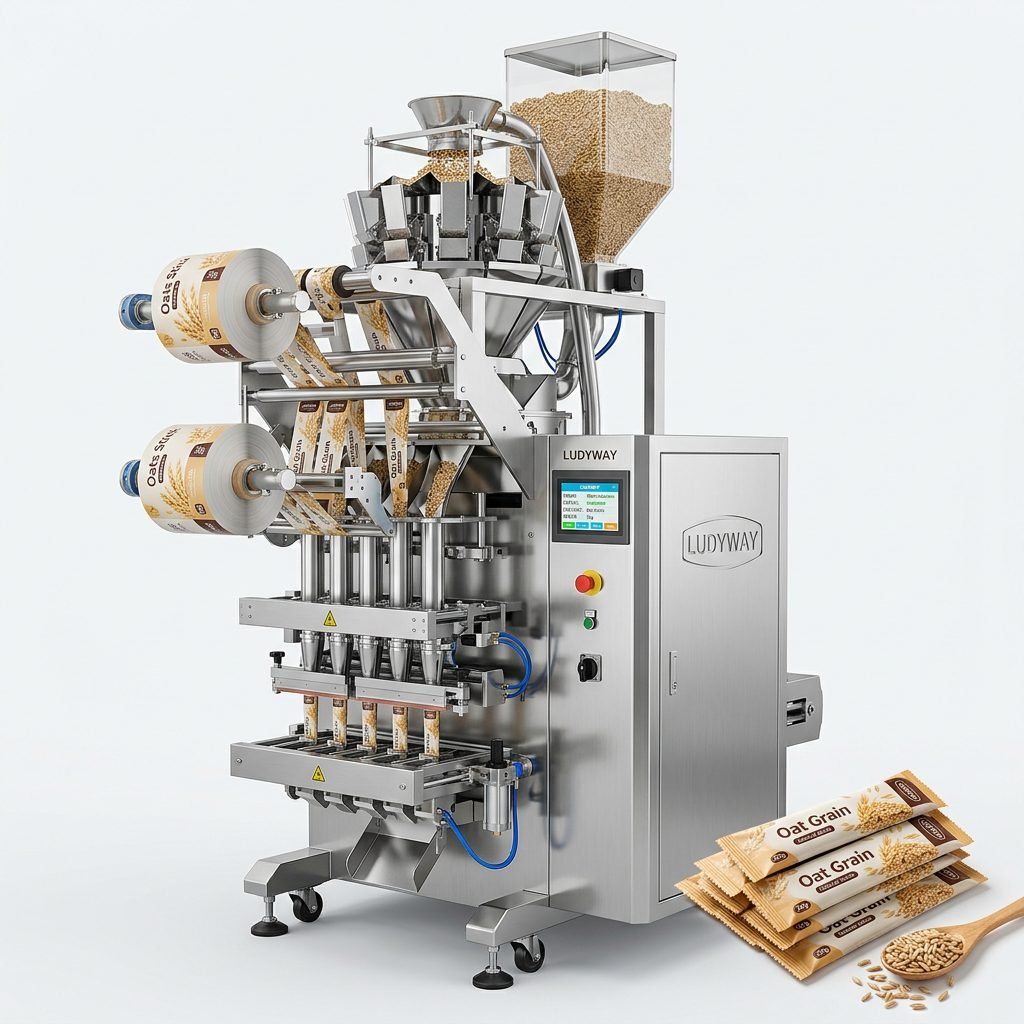
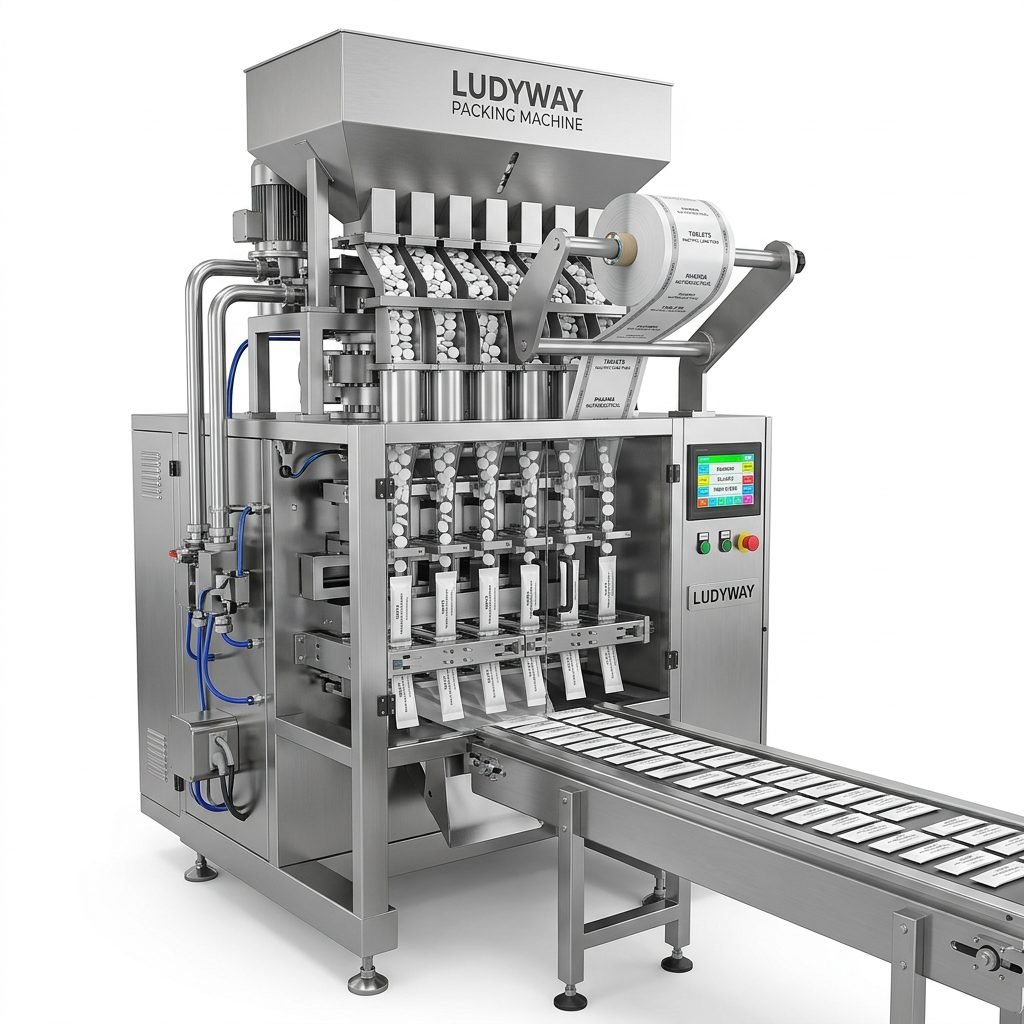
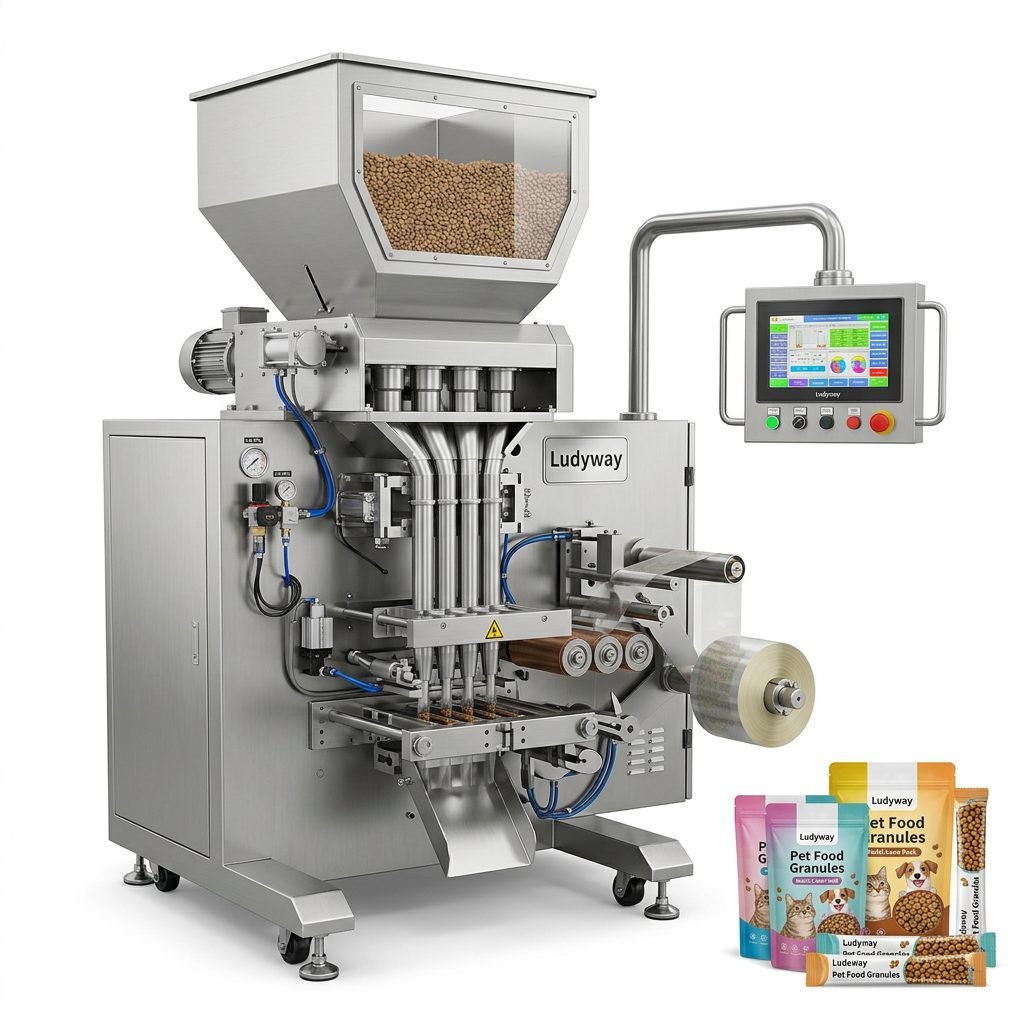
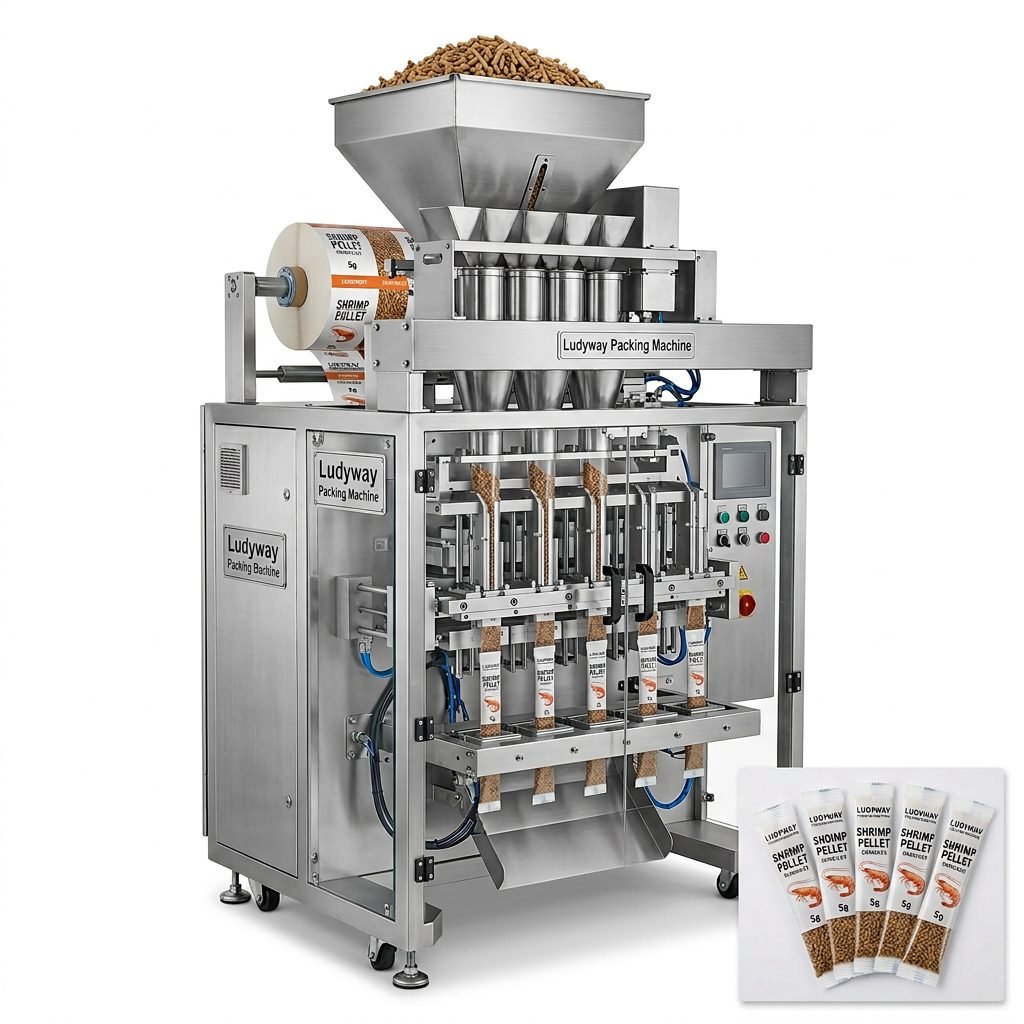
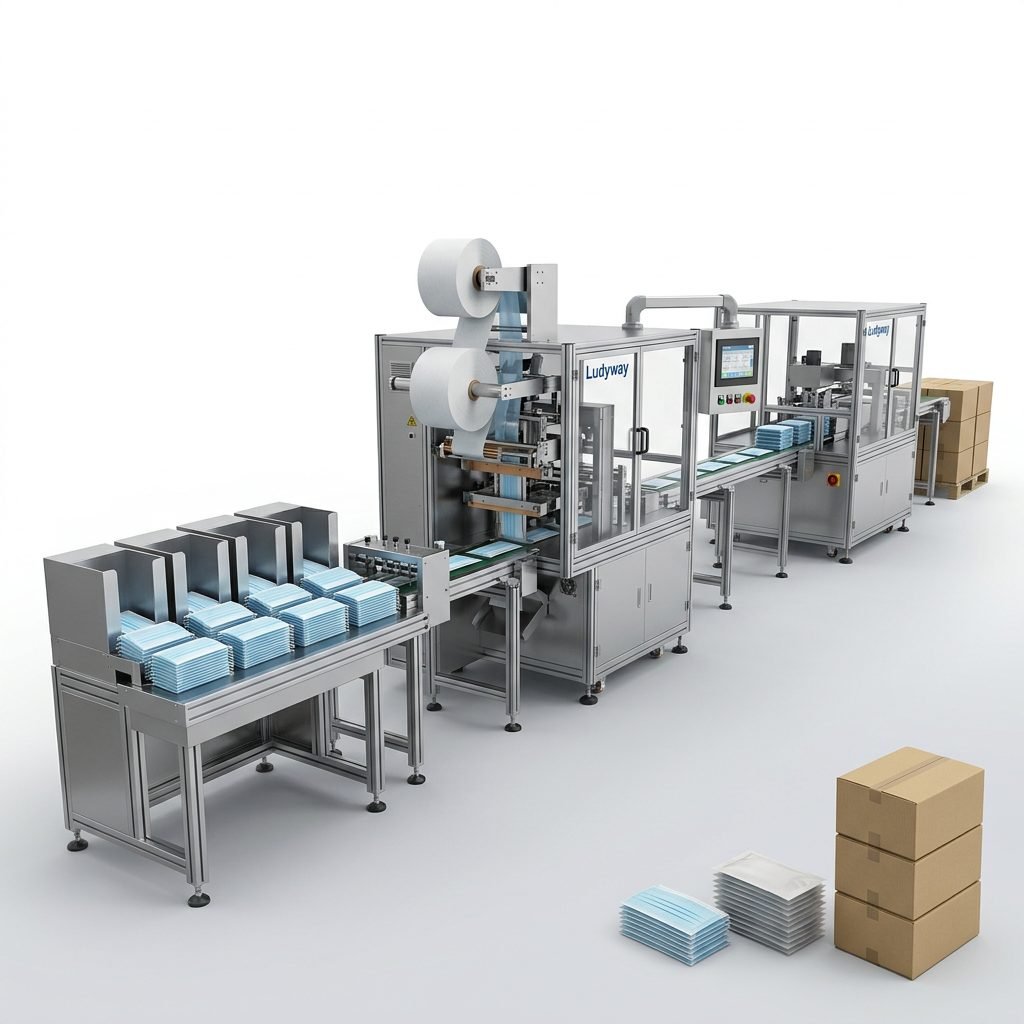
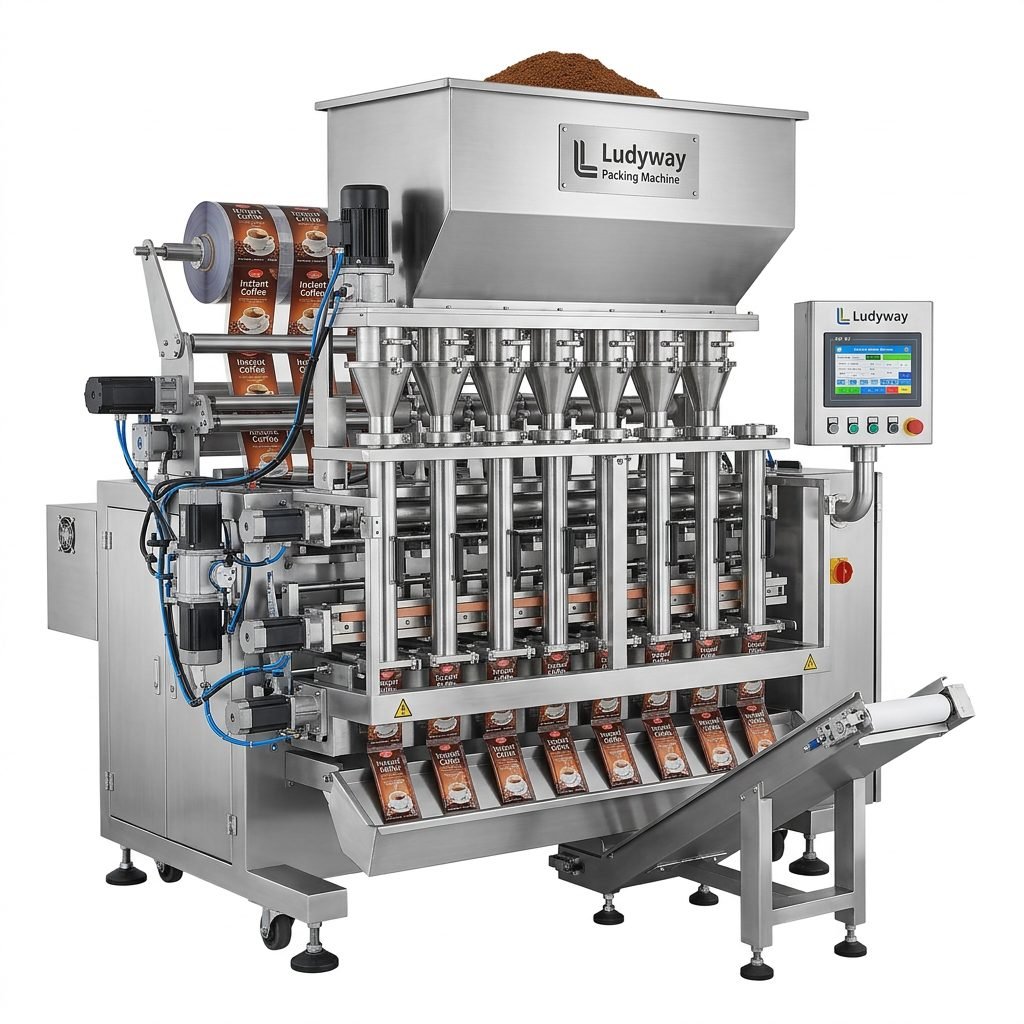
Edible oil packaging requires more than basic filling. Manufacturers need accurate volume control, clean sealing, stable production speed, and packaging formats that fit retail, foodservice, and export markets. A modern edible oil packing machine helps producers reduce product waste, improve hygiene, and maintain consistent pack quality across sachets, pouches, bottles, and other liquid packaging formats.
Whether you package olive oil, sunflower oil, palm oil, soybean oil, coconut oil, fish oil, or blended cooking oils, choosing the right machine directly affects output, shelf presentation, and operating costs. For growing brands and large-scale factories alike, automation has become a practical way to improve efficiency while meeting stricter market expectations.
Why Edible Oil Packaging Accuracy Matters
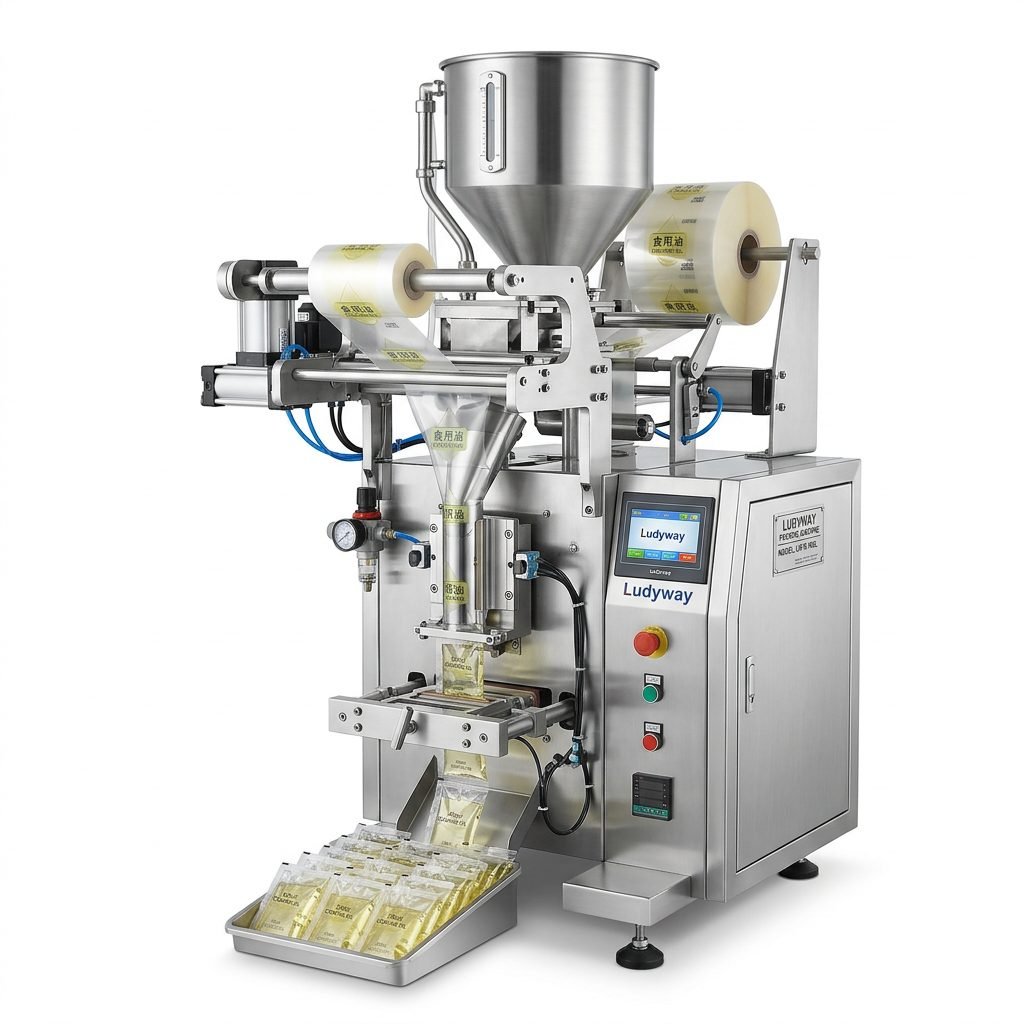
In liquid food production, even small filling deviations can lead to noticeable losses over time. Underfilling may create customer complaints and compliance risks, while overfilling increases raw material costs. An advanced edible oil packing machine is designed to keep filling performance stable by combining precise dosing systems, reliable sealing structures, and smooth material flow.
- Lower product giveaway through controlled filling accuracy
- Cleaner sealing performance for leak prevention during transport
- Improved food safety with hygienic contact parts and stable operation
- Higher line efficiency through reduced downtime and easier adjustment
- Better retail appearance with uniform packs and consistent sealing
Common Packaging Formats for Edible Oil
Different markets require different packaging solutions. Small consumer packs often focus on convenience and portion control, while industrial users prioritize filling speed and handling efficiency. The right equipment should match both your oil characteristics and your package style.
| Packaging Format | Typical Use | Key Advantage |
|---|---|---|
| Sachets | Single-use retail, takeout, travel-size packs | Low material usage and convenient portions |
| Stick packs | Narrow single-serve liquid packs | Compact format for portable consumption |
| Pouches | Retail refill packs and flexible packaging | Strong shelf appeal and storage efficiency |
| Bottles | Cooking oil, premium oils, supermarket channels | Familiar packaging and easy pouring |
| Large containers | Foodservice and industrial supply | Efficient bulk distribution |
What Types of Edible Oil Packing Machines Are Available?
The ideal machine depends on viscosity, pack size, output target, and final packaging format. For free-flowing edible oils, automatic liquid packing systems are often used with piston filling, pump filling, or other metering technologies designed for stable liquid handling.
1. Sachet Oil Packing Machines
These machines are widely used for small cooking oil sachets supplied to households, restaurants, catering businesses, and promotional markets. They typically form, fill, and seal the package in one automatic process.
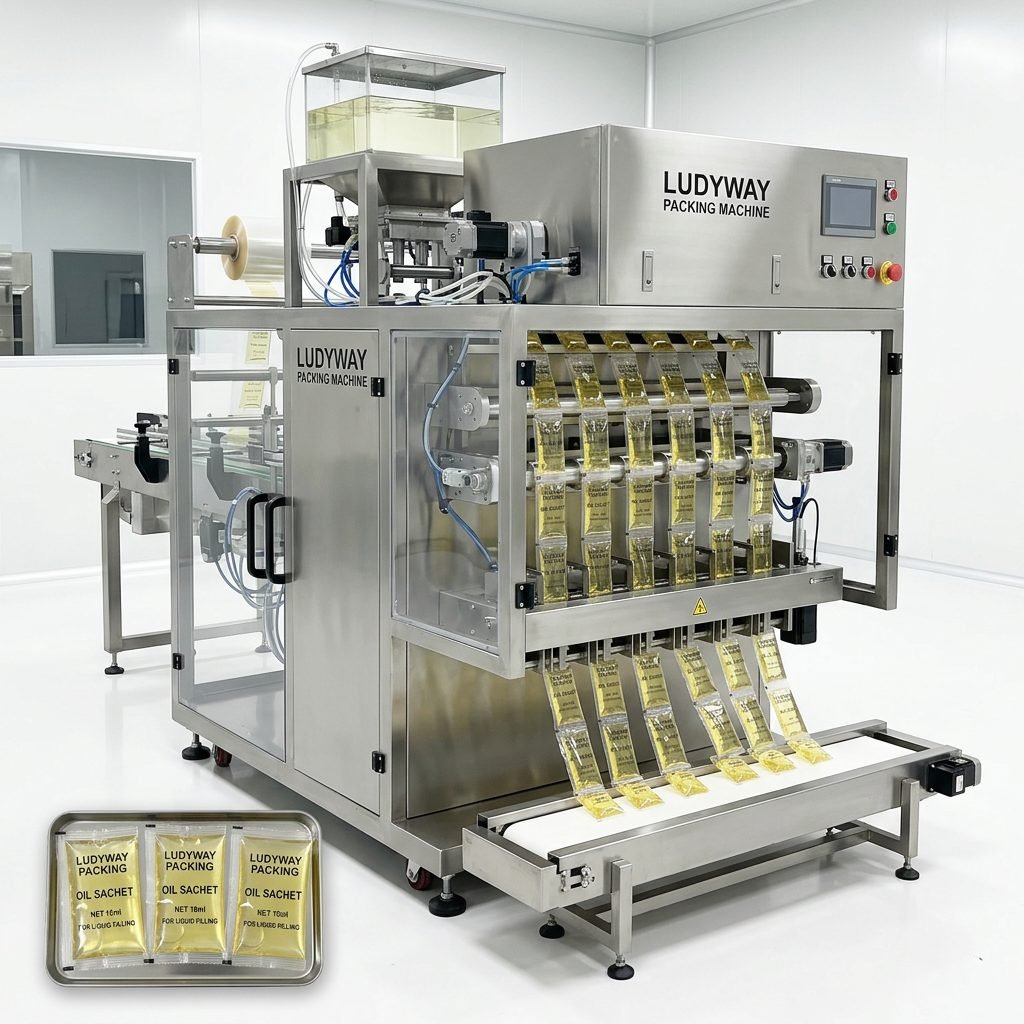
2. Stick Pack Oil Machines
Stick packs are suitable for narrow, single-dose liquid packaging. This format is often selected where portability, precise portions, and compact shelf placement are important.
3. Bottle Filling and Capping Lines
For medium and large edible oil containers, bottle filling systems offer efficient filling, capping, labeling, and downstream integration. These lines are common in retail oil production and premium edible oil brands.
4. Turnkey Oil Packaging Lines
A complete line can include feeding, filling, sealing, coding, inspection, cartoning, and palletizing. This is the best fit for factories seeking long-term automation and smoother production management.
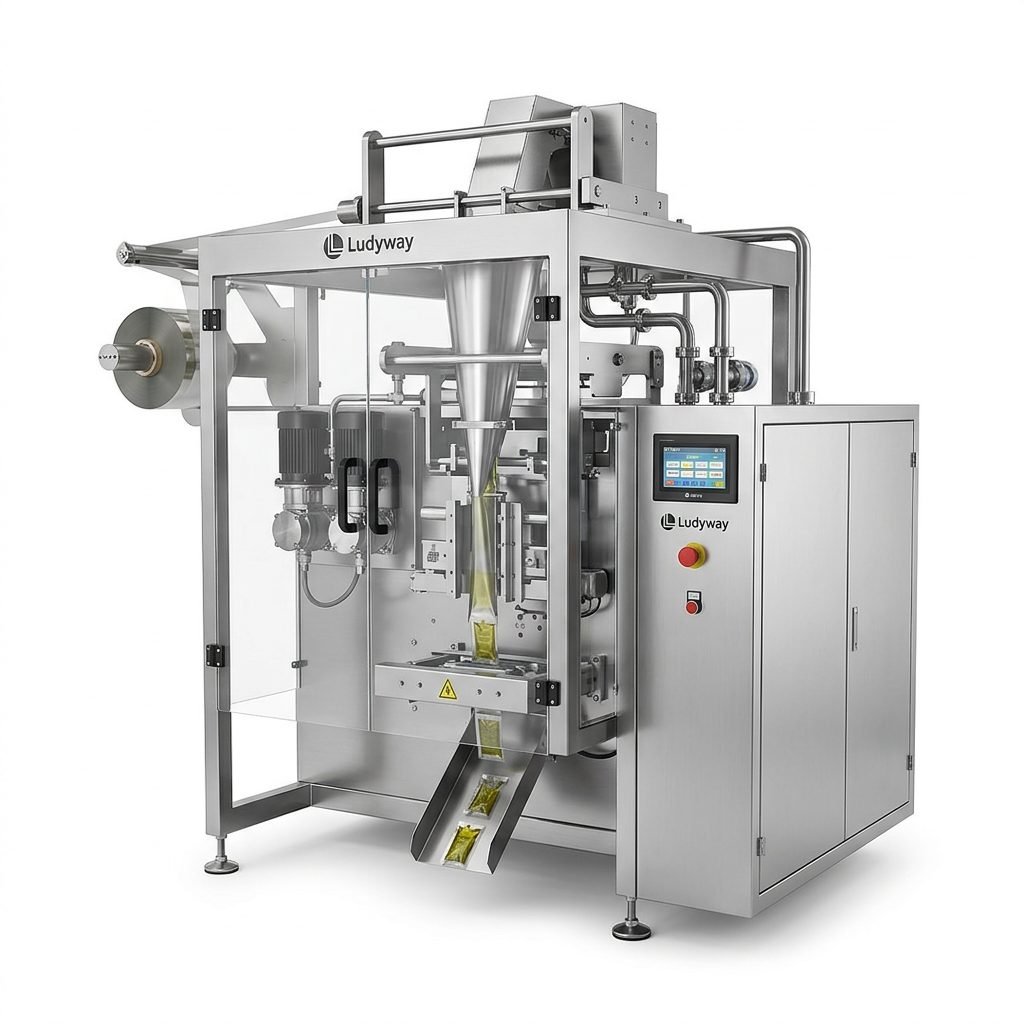
Key Features to Look for in an Edible Oil Packing Machine
Not all liquid packaging machines perform equally well with edible oils. Buyers should focus on the practical details that affect daily operation, maintenance, hygiene, and production consistency.
- Stable liquid dosing for repeatable filling accuracy
- Reliable sealing system to minimize leakage and contamination
- Food-grade contact parts suitable for edible liquid applications
- Easy changeover for different pack sizes or oil types
- Simple operator interface for efficient parameter setting
- Compatibility with coding, labeling, cartoning, and inspection modules
- Strong machine frame and dependable electrical components
- Convenient cleaning and maintenance access
How the Right Machine Improves Production Efficiency
A well-matched edible oil packaging solution can create measurable gains beyond basic filling speed. It supports more stable production planning, better labor allocation, and fewer interruptions caused by inconsistent seals, inaccurate dosing, or manual handling.
In many factories, the biggest efficiency improvements come from reducing hidden losses. These include oil drips, film waste, rework, packaging defects, and line stoppages. When a machine is engineered for liquid packaging stability, the entire process becomes more predictable and easier to control.
| Operational Goal | How the Machine Helps |
|---|---|
| Reduce waste | Precise filling and better sealing reduce oil loss and film scrap |
| Boost output | Automated cycles increase packing speed and consistency |
| Lower labor dependence | Integrated automation reduces manual filling and sealing tasks |
| Improve hygiene | Controlled liquid handling reduces spills and contamination risk |
| Support expansion | Modular lines allow future upgrades and downstream additions |
Industries and Businesses That Benefit
Edible oil packing machines serve a wide range of users, from small consumer brands to industrial processors. The same core technology can be adapted for different capacity levels and packaging demands.
- Edible oil manufacturers
- Private label food brands
- Export-oriented packaging plants
- Restaurant and catering suppliers
- Food ingredient processors
- Retail packers and co-packers
How to Choose the Best Edible Oil Packing Solution
The selection process should begin with your product and production goals, not only with machine speed. An oil packaging project works best when the supplier understands viscosity, filling range, package style, sealing material, and end-market requirements.
Consider these factors before buying:
- Oil type: olive oil, cooking oil, coconut oil, fish oil, blended oil, or specialty edible oils
- Pack size: single-serve sachets, retail bottles, or larger commercial packs
- Desired speed: entry-level, medium output, or high-volume automation
- Packaging material: film structure, pouch type, or bottle specifications
- Factory layout: available space and process flow integration
- Future expansion: ability to add coding, cartoning, or palletizing later
Benefits of Working With an Experienced Packaging Machine Manufacturer
For edible oil projects, machine reliability is only one part of the investment. Buyers also need technical support, customization ability, quality control, and the option to scale into more automated systems later. This is especially important for businesses exporting to multiple markets or running different product formats on one site.
Ludyway edible oil packing machine solutions are backed by more than 30 years of packaging machinery experience. As one of China’s leading packaging machine and turnkey packaging line manufacturers, the company offers a broad range of automatic systems for liquids, powders, granules, pastes, and pouch-based applications, with support for standalone machines and complete integrated lines.
Why Turnkey Packaging Lines Are Increasingly Popular
Many edible oil producers no longer want to source separate machines from multiple vendors. A turnkey line reduces interface issues between upstream and downstream equipment and improves overall line coordination. It can also simplify project management, installation planning, and after-sales support.
A turnkey edible oil packaging line may include:
- Liquid storage or feeding system
- Automatic filling unit
- Forming and sealing machine or bottle filling module
- Date coding and batch marking
- Checkweighing or inspection system
- Cartoning, case packing, and palletizing equipment
Maintenance and Daily Operation Tips
Even the best machine performs better with proper maintenance. For edible oil packaging, routine attention helps preserve dosing accuracy, sealing quality, and long-term stability.
- Clean product-contact parts regularly
- Check sealing surfaces and temperature settings
- Inspect pumps, valves, and pipelines for leakage
- Calibrate filling volume at scheduled intervals
- Monitor film tracking and sealing alignment
- Train operators on changeover and shutdown procedures
Final Thoughts for Buyers
Investing in the right edible oil packing machine means balancing accuracy, efficiency, hygiene, and scalability. The best solution is not simply the fastest machine, but the one that fits your oil type, package format, target output, and long-term production strategy.
If your business is planning to upgrade sachet, pouch, or bottle packaging for edible oils, focus on equipment that delivers consistent dosing, dependable sealing, easy maintenance, and integration potential. A well-designed packaging system can help improve product quality, reduce losses, and support sustainable production growth in competitive food markets.