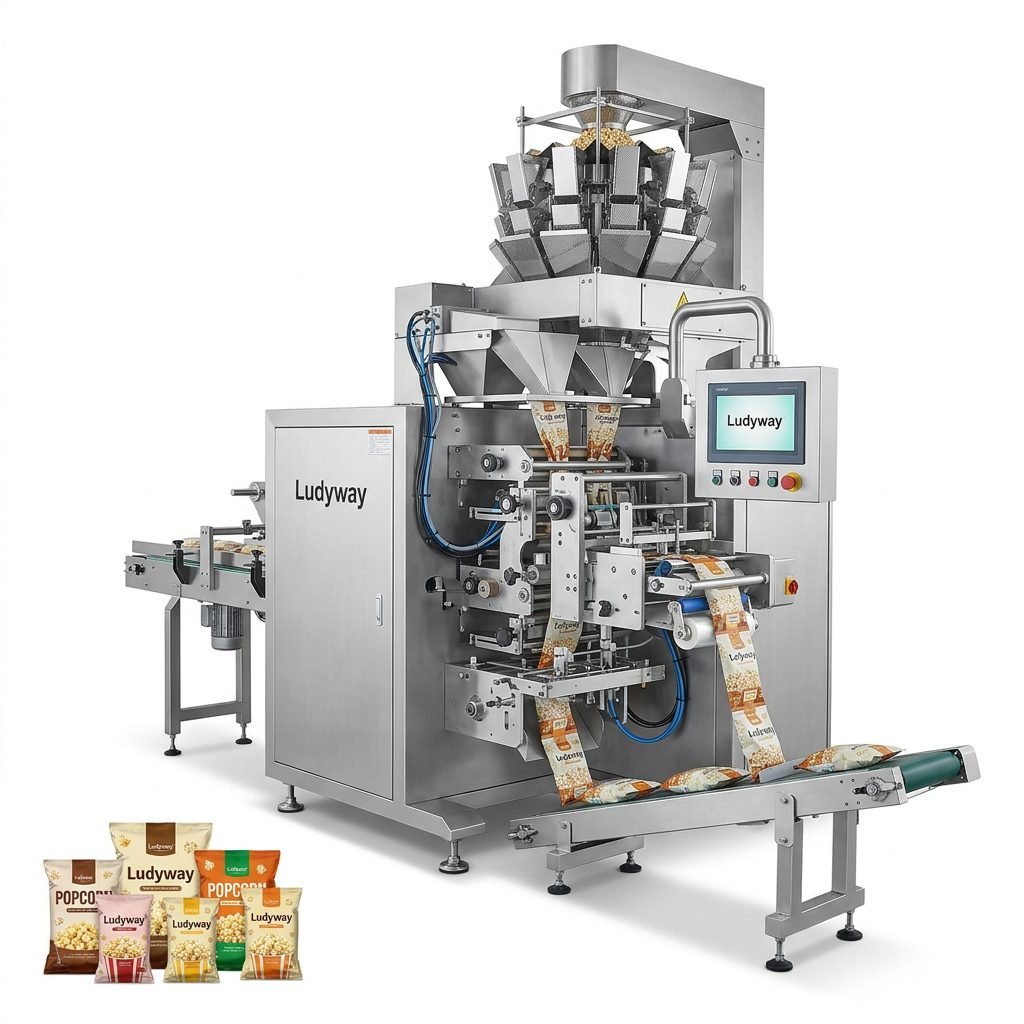
Choosing the right packaging machine for your herbal tea products is a critical business decision. The right equipment not only protects your product’s quality and freshness but also enhances its shelf appeal and optimizes your production efficiency. This comprehensive guide will walk you through the different types of herbal tea packaging machines, their key features, and a step-by-step process to select the best one for your specific needs.
Understanding the Types of Herbal Tea Packaging Machines
The first step in your selection journey is understanding the primary packaging formats and the machines that create them. The choice often depends on your product form (loose leaf, powdered, tea bags) and your target market’s preferences.
1. Stick Pack Packaging Machines
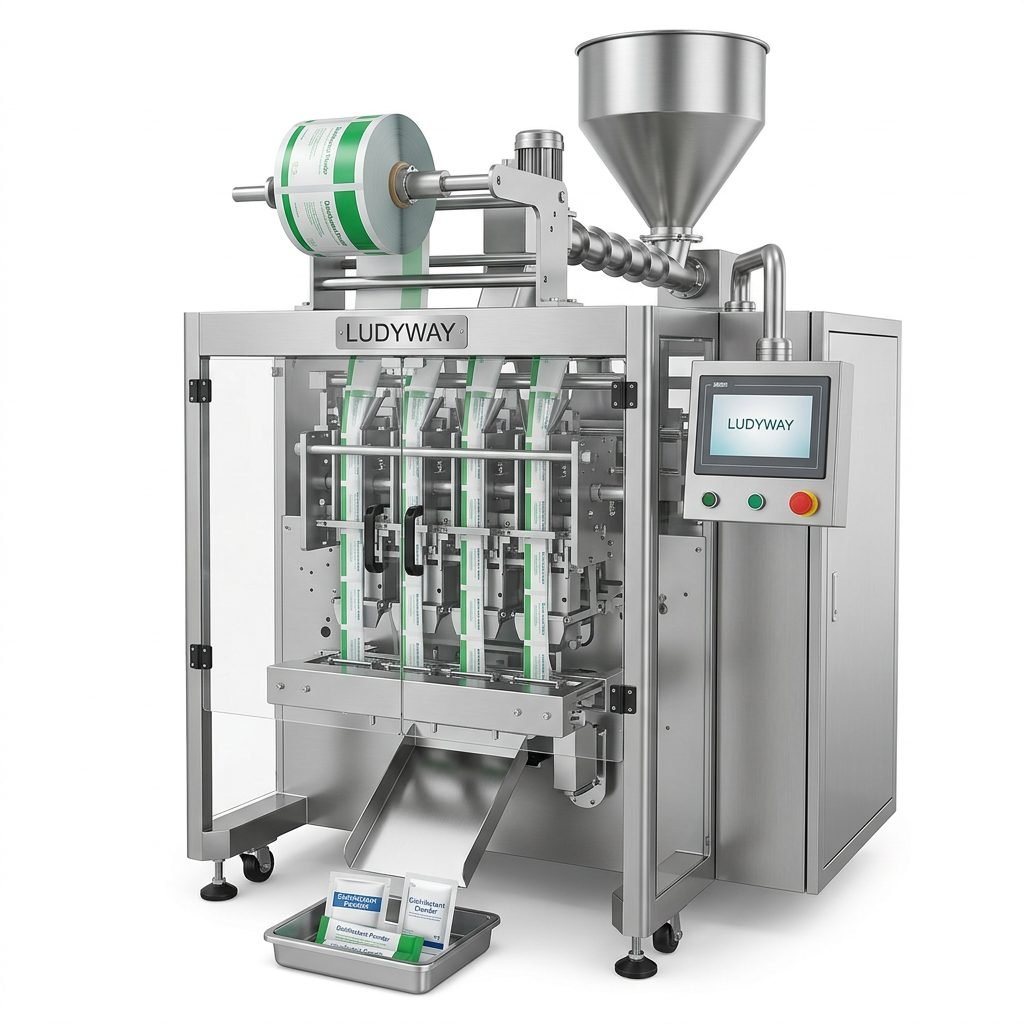
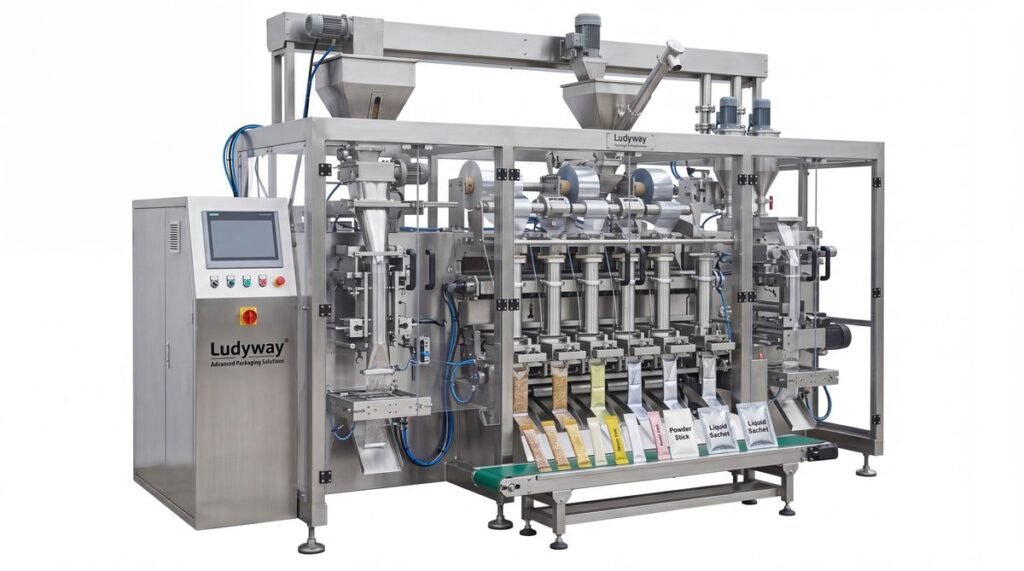
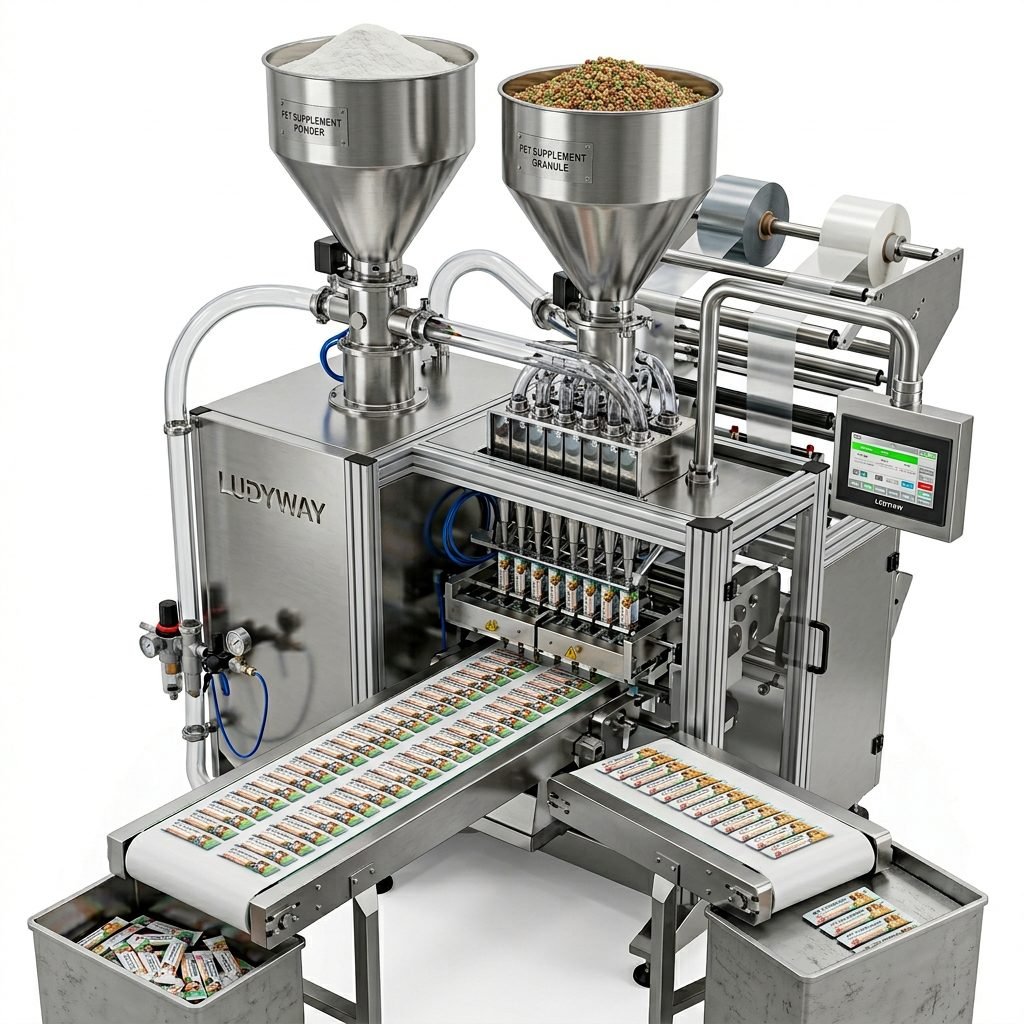
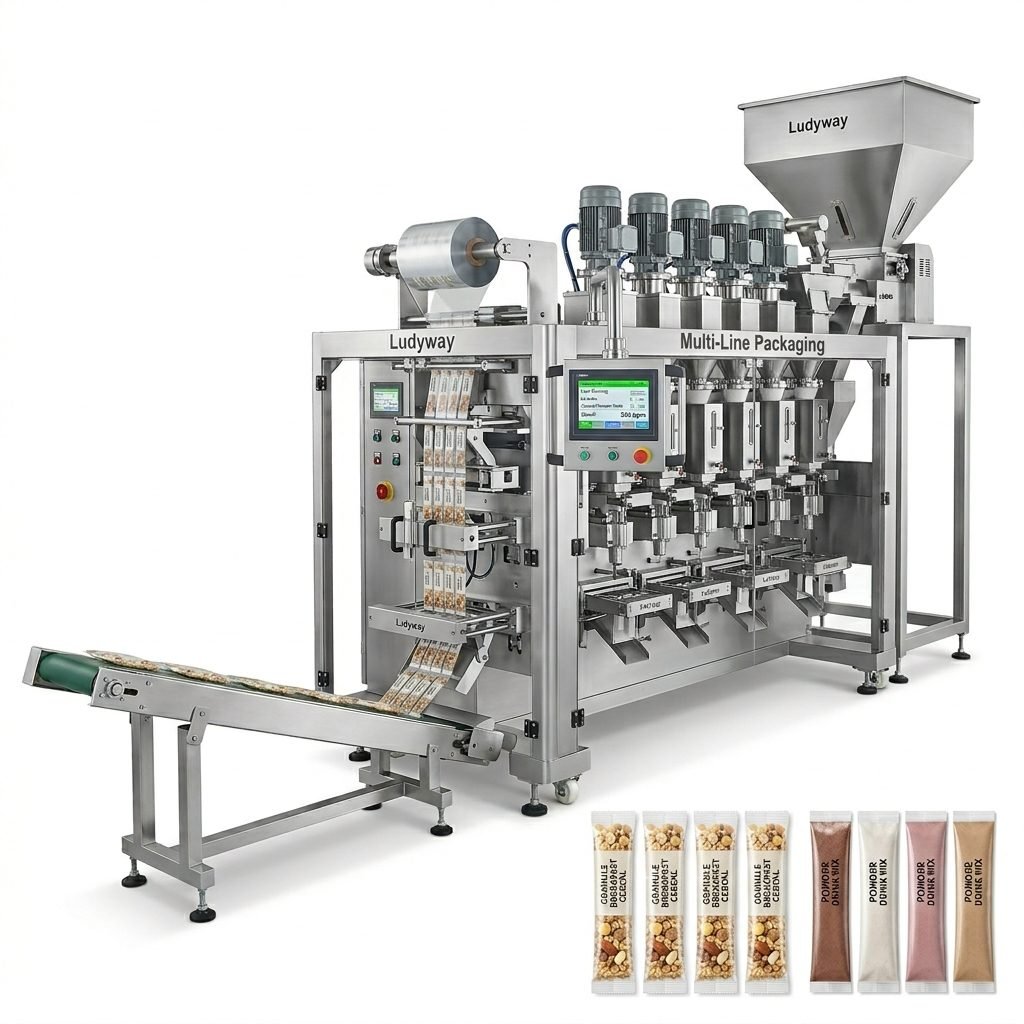
Stick packs are long, slender single-serve pouches, extremely popular for powdered herbal teas, instant mixes, or fine-cut leaves. Machines like the multi-lane stick pack machine are designed for high-speed production, often running multiple lanes simultaneously to output thousands of packs per hour. They are ideal for brands focusing on convenience, sample distribution, or portion-controlled products.
2. Sachet (Pouch) Packaging Machines
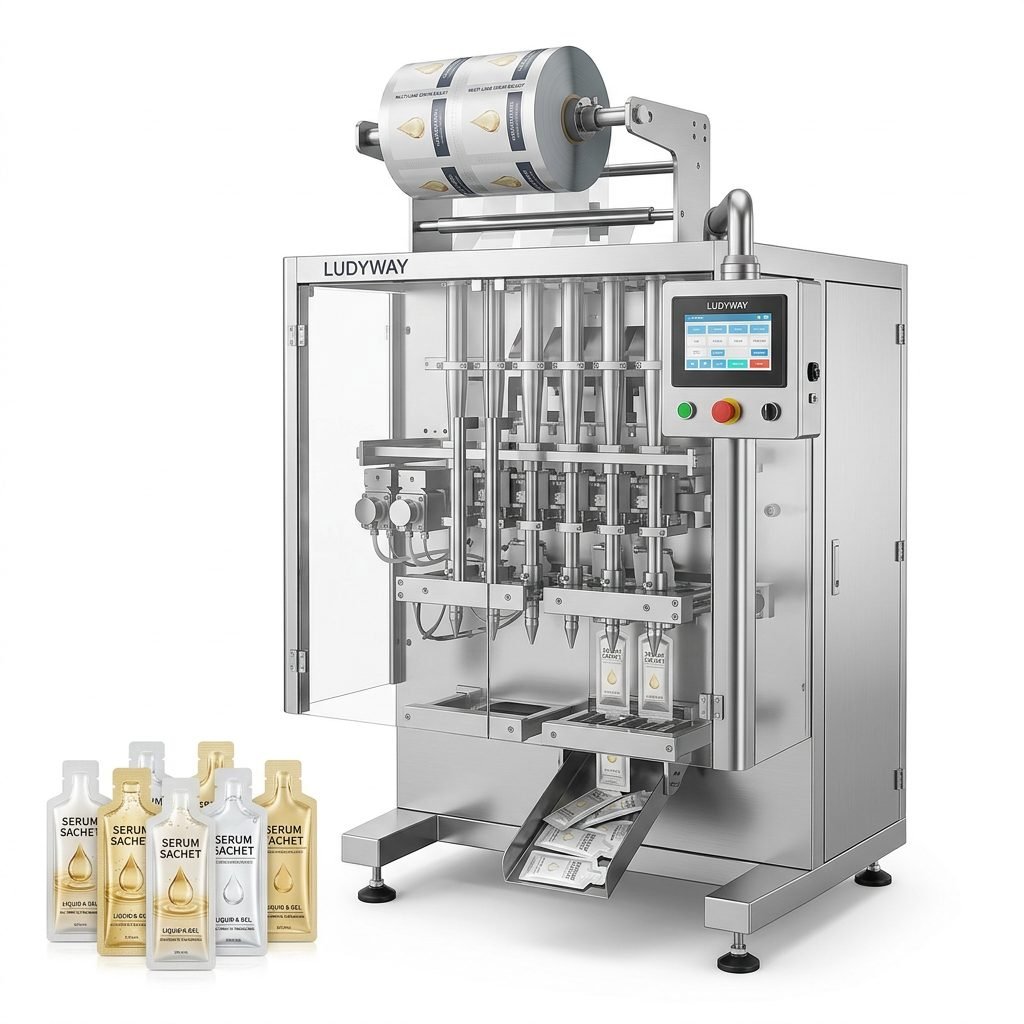
Sachet machines create flat, rectangular, or square pouches, which are perfect for loose-leaf herbal teas, larger tea bags, or blends containing whole flowers and herbs. These machines offer great flexibility in pouch size and can incorporate features like zip resealability or nitrogen flushing to preserve delicate aromas and active compounds.
3. Bag-in-Box and Bulk Packaging Systems
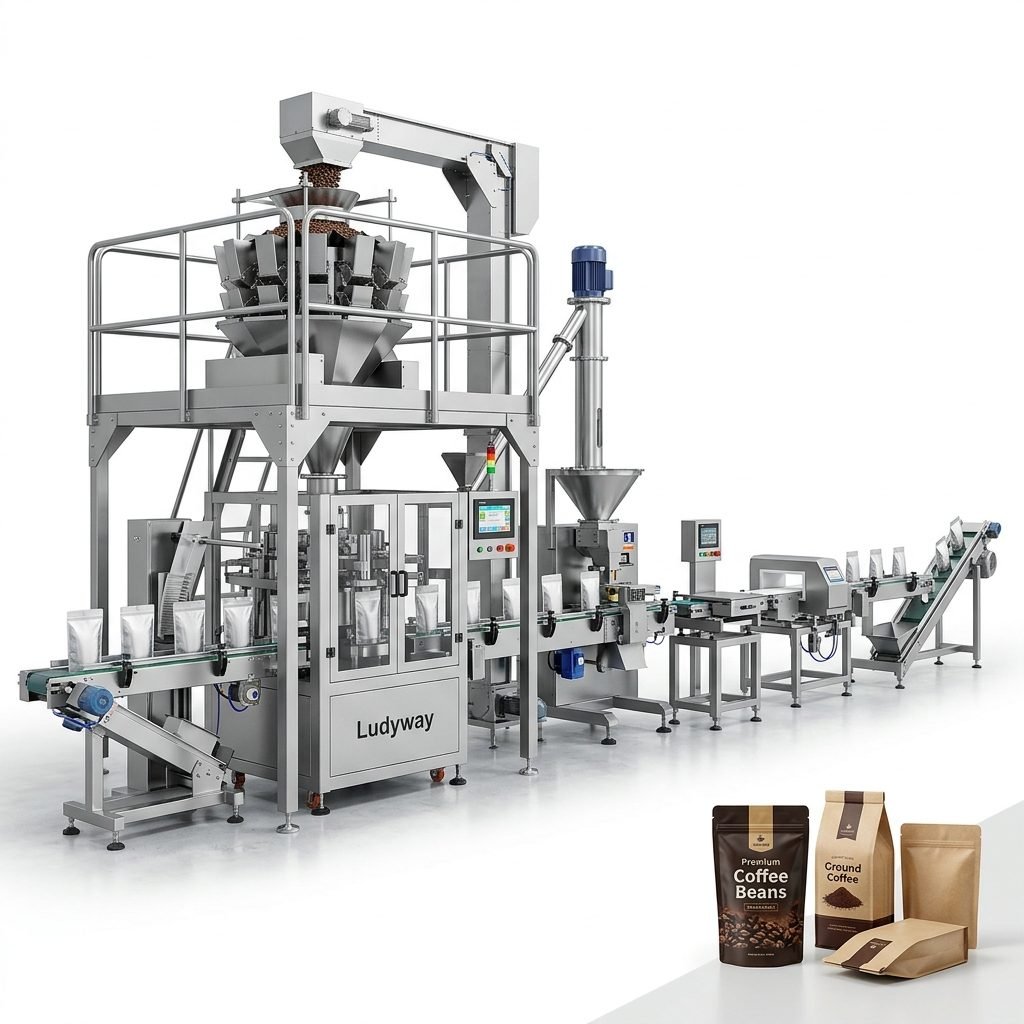
For retail-ready boxes or larger bulk quantities, bag-in-box systems are the solution. These machines automatically form a sealed bag (often with a degassing valve for freshness) and place it into a carton. This format is excellent for premium herbal tea brands that sell in larger quantities, such as 100-gram packs, ensuring product integrity from the factory to the consumer’s cupboard.
4. Specialized Tea Bag Packaging Machines
If your product line includes traditional tea bags, you will need a dedicated tea bag machine. These systems can handle string-and-tag, pillow-style, or pyramid-shaped bags. They are engineered for precision, ensuring consistent fill weight and secure sealing, which is crucial for maintaining the exact blend ratio in every cup.
Key Features to Evaluate in a Packaging Machine
Beyond the machine type, several core features directly impact your product quality, operational cost, and line flexibility.
Material Compatibility & Sealing Technology
Herbal teas often require high-barrier packaging materials (like multi-layer laminates) to protect against moisture, oxygen, and light. Ensure the machine can reliably seal these materials. Look for robust sealing systems—such as constant heat or impulse sealing—that provide strong, airtight seams even with challenging films.
Weighing and Dosing Accuracy
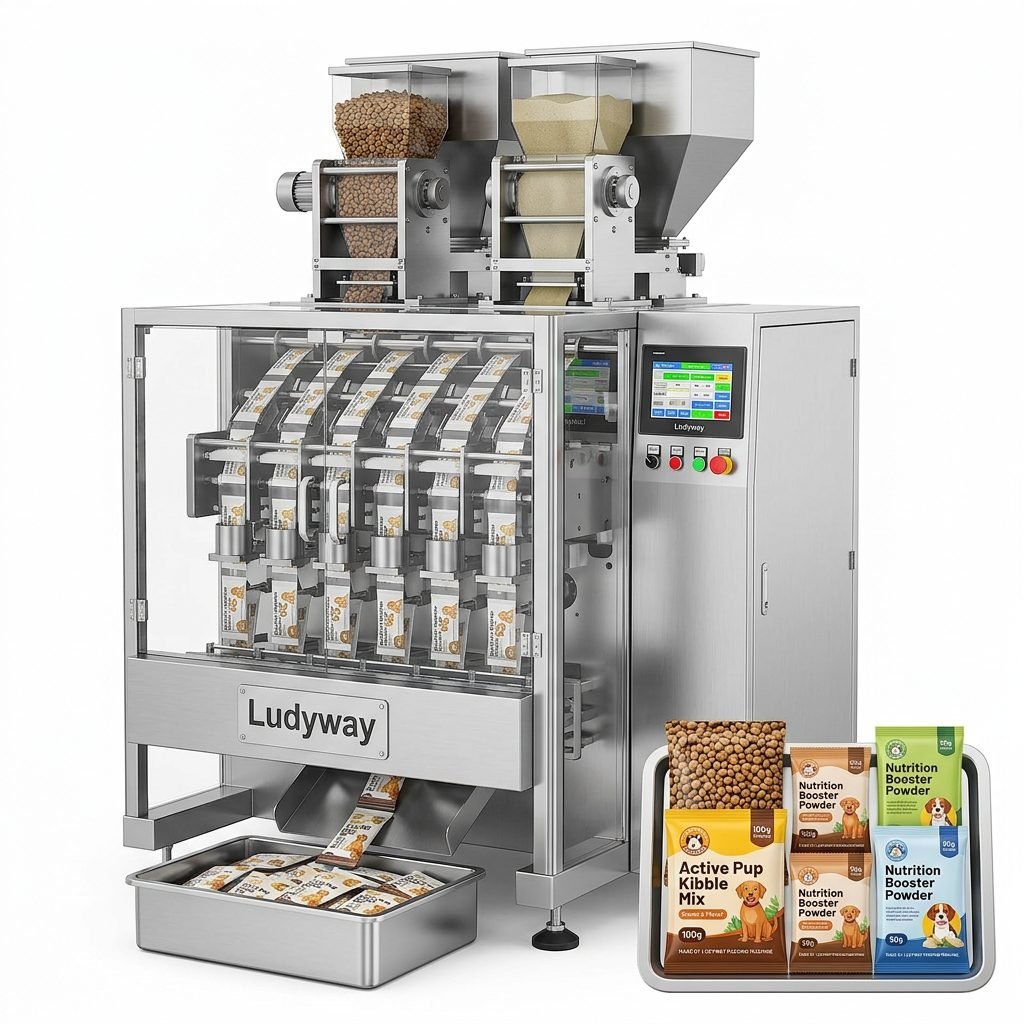
Consistency is key. Precision auger fillers, cup fillers, or weigh-cell systems are used depending on the product density and flow characteristics. For blends with large, irregular pieces (like chamomile flowers or ginger slices), a volumetric cup filler might be best. For fine powders, a highly accurate auger filler is essential to minimize giveaway and ensure every pack meets label claim.
Automation Level and Changeover Ease
Modern machines offer varying degrees of automation. A semi-automatic machine may suffice for a startup, but a fully automatic system with PLC control, touchscreen HMI, and quick-change parts is vital for high-volume production. Easy changeover between different pack sizes or tea blends drastically reduces downtime and increases line versatility.
Hygienic Design and Cleanability
Food-grade construction (e.g., stainless steel contact parts) and a design that prevents product accumulation in crevices are non-negotiable. This ensures compliance with food safety standards and makes cleaning and sanitation between production runs fast and effective.
How to Choose the Best Herbal Tea Packaging Machine: A Step-by-Step Guide
Follow this structured approach to make a confident investment decision.
Step 1: Define Your Product and Production Requirements
Start with clarity. What is your primary product form (whole leaf, cut & sifted, powder)? What is your target packaging format (stick pack, sachet, bag-in-box)? Critically assess your required output speed (packs per minute/hour) and consider future growth. Don’t forget to factor in your available factory space and utilities (power, compressed air).
Step 2: Set a Realistic Budget
Your budget should encompass the total cost of ownership: the machine’s purchase price, installation, training, spare parts, and long-term maintenance. While upfront cost is important, prioritize value and reliability over the lowest price to avoid costly downtime and quality issues later.
Step 3: Research and Shortlist Reputable Suppliers
Look for suppliers with proven experience in the tea or food packaging industry. Examine their company history, client portfolio, and after-sales service structure. A supplier like Ludyway Machinery, with deep industry experience, can provide not just a machine but a viable production solution. Request detailed specifications and, if possible, visit their facility or see the machine run at a trade show.
Step 4: Request a Product Test Run
This is the most crucial step. Send your actual herbal tea product and packaging materials to the shortlisted suppliers for a live test run. Evaluate the machine’s performance firsthand: check filling accuracy, seal integrity, ease of operation, and the quality of the finished pack. This test will reveal potential issues that specs alone cannot.
Step 5: Evaluate After-Sales Support and Training
The relationship with your supplier begins after purchase. Inquire about warranty terms, availability of spare parts, technical support response time, and operator training programs. A reliable partner will ensure your team is fully trained and supported for the long term, maximizing your machine’s uptime and lifespan.
Why Partner with an Experienced Packaging Specialist?
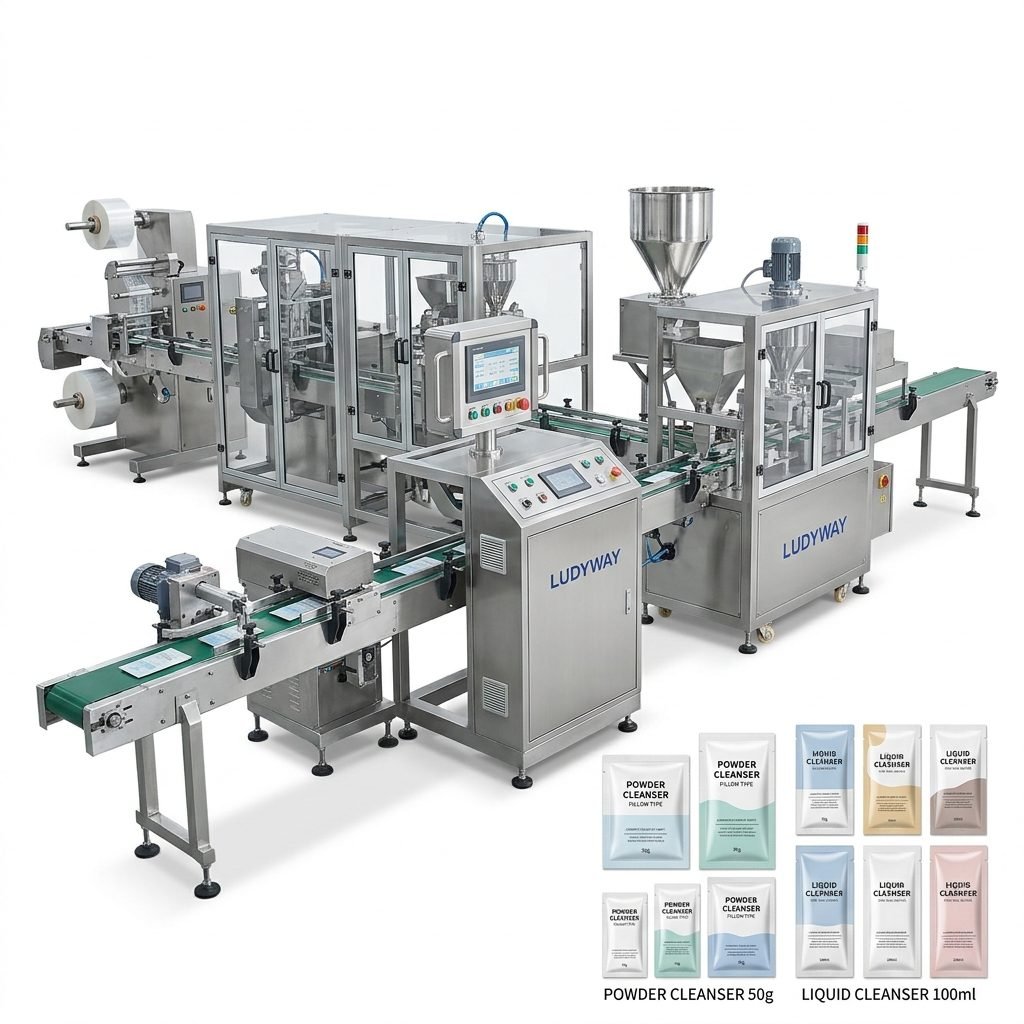
Navigating the world of packaging machinery can be complex. Partnering with a specialist brings immense value. They offer more than just equipment; they provide turnkey production solutions tailored to your needs. With over 30 years of industry experience, a specialist understands the nuances of handling delicate products like herbal teas. They can guide you on material selection, regulatory compliance, and production line layout. Their global service network ensures you have support wherever your production is located, turning a capital purchase into a strategic partnership for growth.
Frequently Asked Questions (FAQs)
1. What is the typical output speed of a standard herbal tea stick pack machine?
Output speeds vary greatly by machine configuration. A single-lane machine may produce 60-120 packs per minute, while a high-speed multi-lane stick pack machine can achieve outputs of 200-400+ packs per minute. The exact speed depends on pack size, product characteristics, and the level of automation.
2. Can one machine package different types of herbal tea (powder and loose leaf)?
Many machines are designed with changeover capabilities. However, switching between vastly different product forms (e.g., fine powder and bulky leaves) often requires changing the dosing system (e.g., from an auger to a cup filler). Discuss this requirement explicitly with your supplier to ensure the machine can be adapted efficiently.
3. How important is nitrogen flushing for herbal tea packaging?
Nitrogen flushing is highly recommended for premium, oxygen-sensitive herbal teas. It removes oxygen from the package headspace, significantly slowing oxidation and preserving the product’s color, aroma, flavor, and nutritional compounds. This extends shelf life and maintains premium quality.
4. What is the lead time for receiving and installing a new packaging machine?
Lead times typically range from 8 to 16 weeks after order confirmation, depending on the machine’s complexity and customization. This includes manufacturing, factory testing, and shipping. Installation and commissioning by a technician usually take an additional 3-7 days on-site.
5. What maintenance does a tea packaging machine require?
Regular maintenance includes daily cleaning, lubrication of moving parts as per the manual, and inspection of seals and wear parts. Periodic maintenance (weekly/monthly) involves checking electrical connections, calibrating scales, and verifying seal temperatures. A proactive maintenance schedule is key to preventing unplanned downtime.