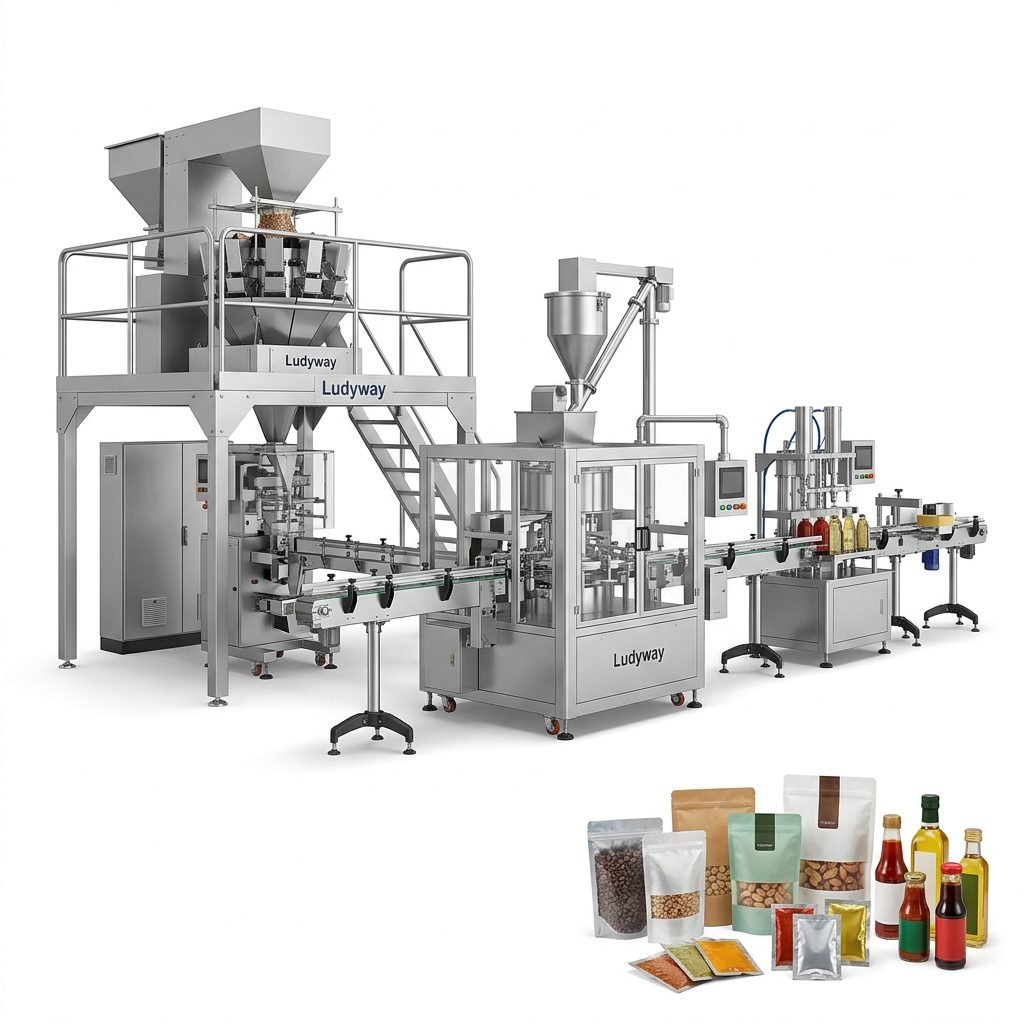
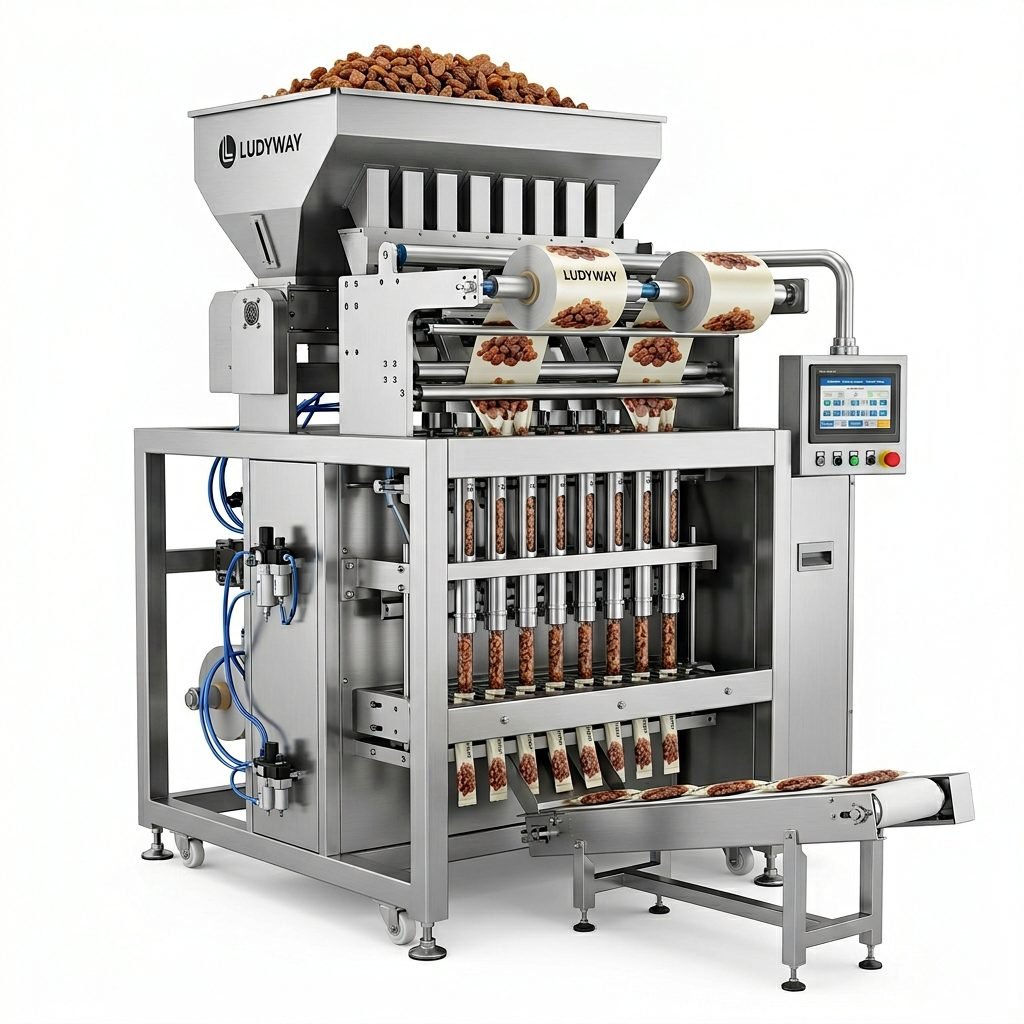
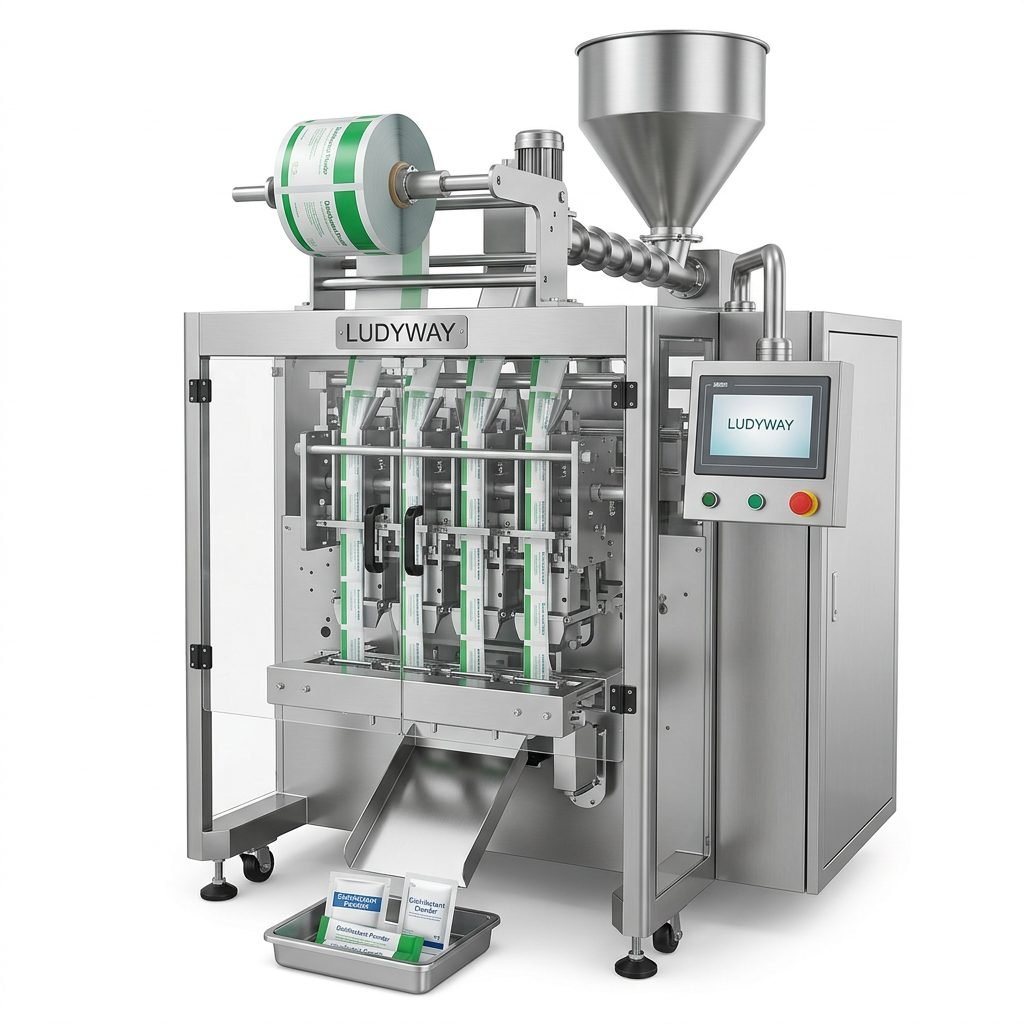
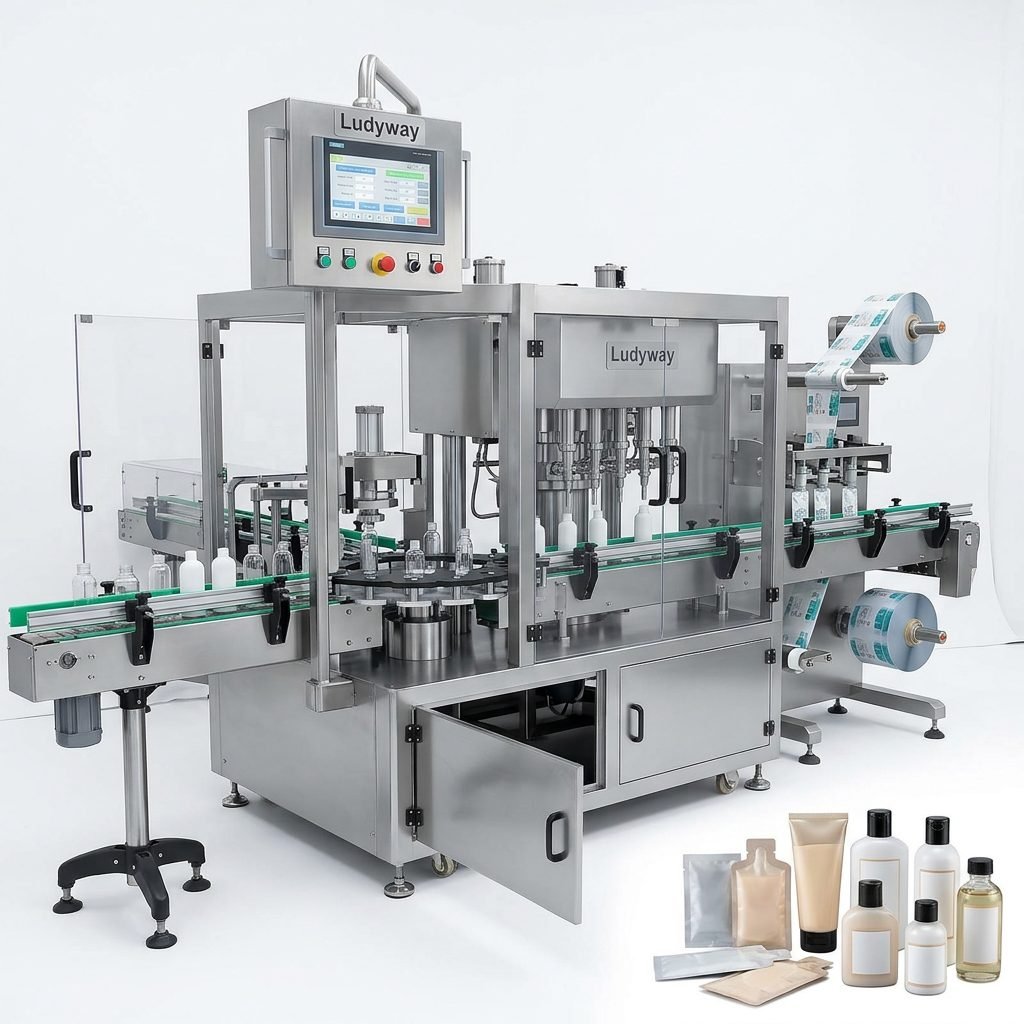
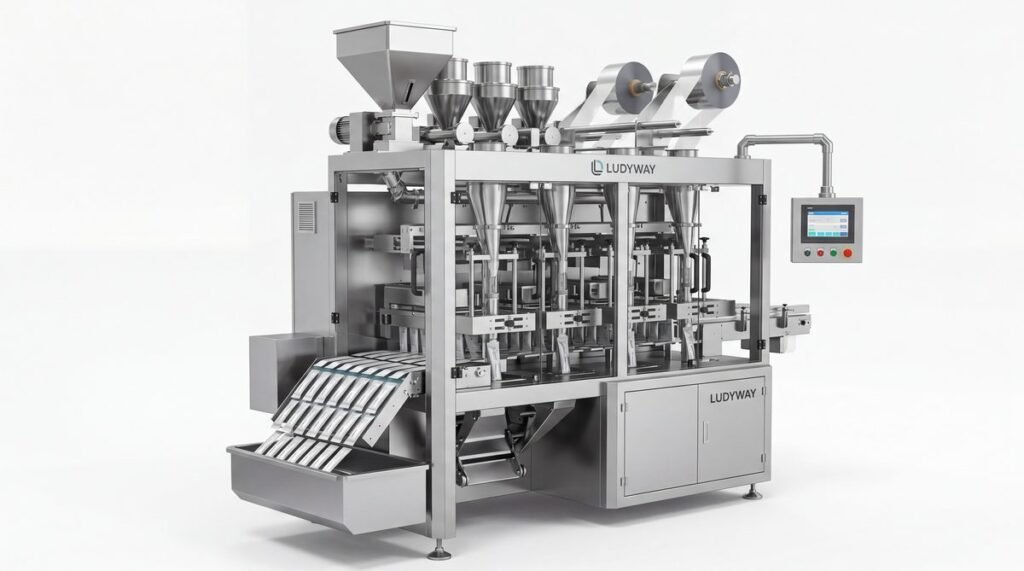
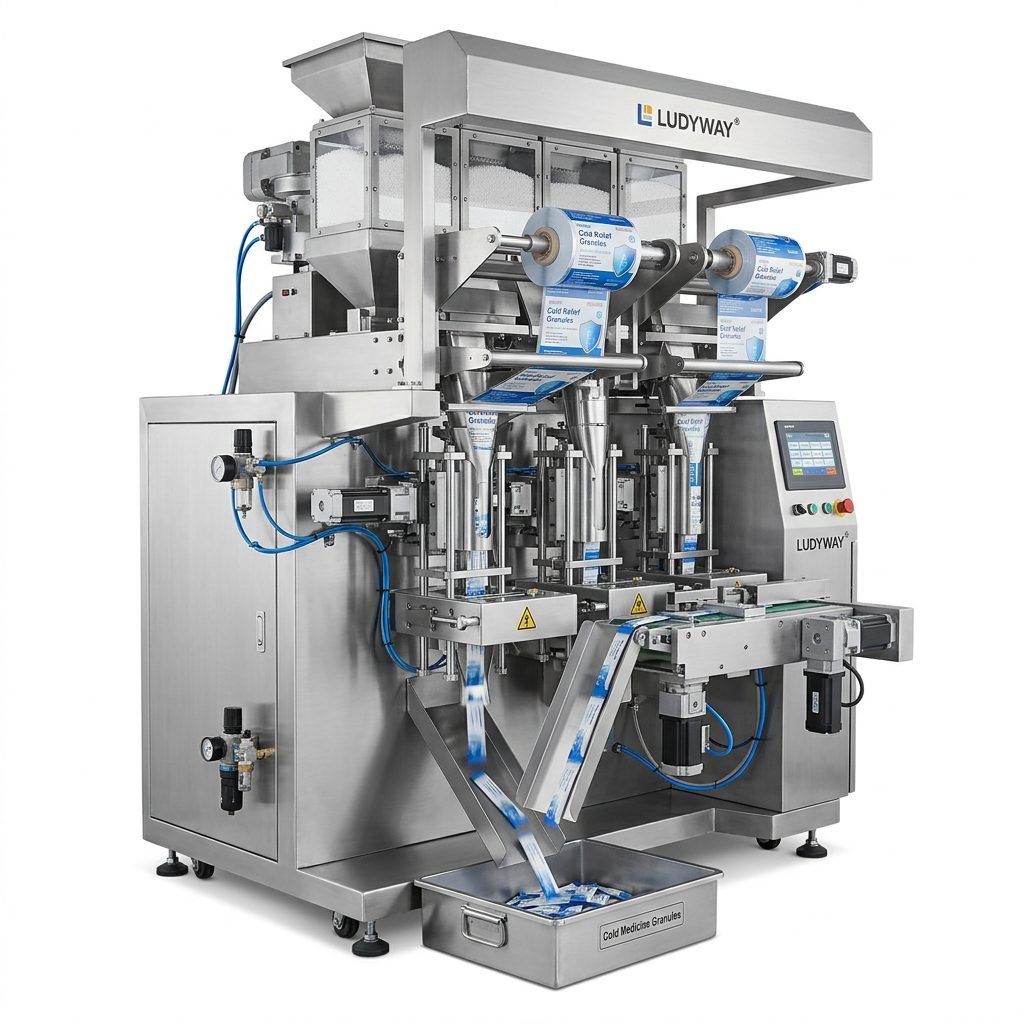
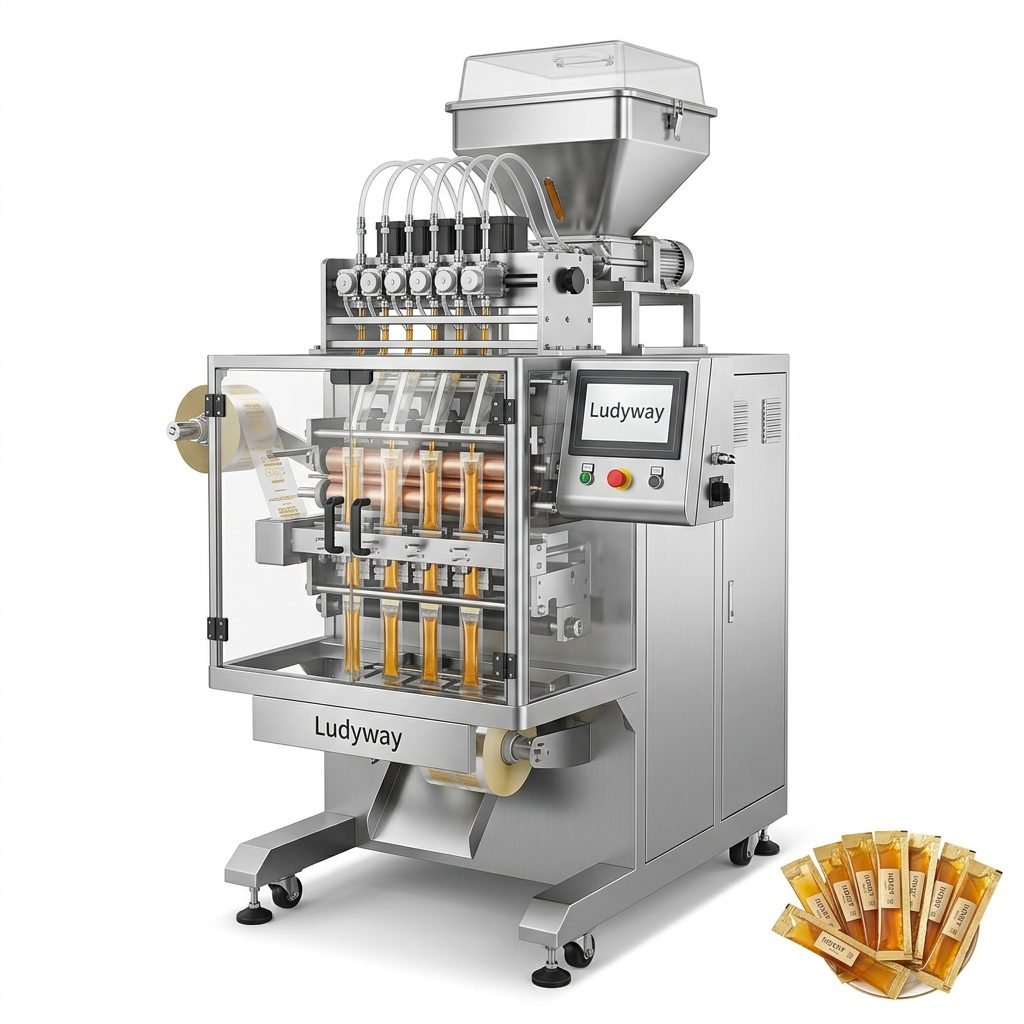
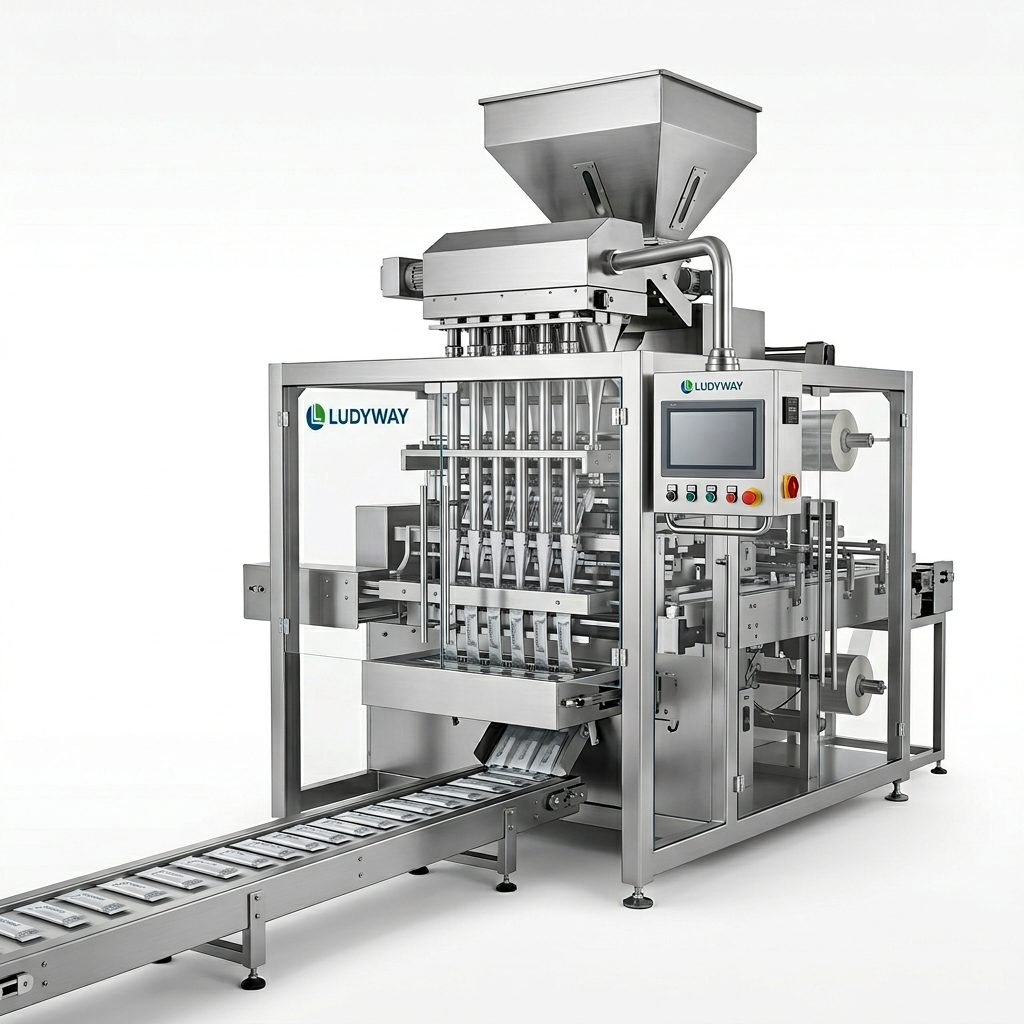
In the fast-paced world of industrial production, efficiency and integration are paramount. For businesses handling liquids, creams, or viscous products, the monobloc packaging machine represents a significant leap forward. This integrated system combines filling and capping—and often other functions like labeling—into a single, synchronized unit. Choosing the right monobloc solution is not merely a purchase; it’s a strategic investment in your production line’s future. This guide will walk you through the critical factors to consider, ensuring you select a machine that boosts your output, maintains product integrity, and delivers a strong return on investment.
Understanding the Monobloc Advantage
A monobloc machine is essentially a unified production cell. Unlike standalone fillers and cappers that require conveyors and complex timing synchronization, a monobloc is designed from the ground up to work as one cohesive system. The container is filled and then immediately capped in a continuous, automated motion, often within the same machine frame.
Key Benefits:
➤ Space Efficiency: It occupies significantly less floor space than separate machines, a crucial factor for facilities with limited real estate.
➤ Enhanced Hygiene & Reduced Contamination Risk: The closed, direct transfer between stations minimizes the product’s exposure to the open environment.
➤ Higher Overall Equipment Effectiveness (OEE): With perfect synchronization, there are no bottlenecks or waiting times between processes, maximizing throughput.
➤ Simplified Operation & Maintenance: One control system, one set of manuals, and often one service provider simplify training and upkeep.
Core Components of a Monobloc System
While designs vary, a typical monobloc integrates several key stations:
1. Infeed Conveyor: Gently feeds empty containers (bottles, jars) into the system in a single file.
2. Filling Station: Precisely dispenses the product. Technology choices here are critical and depend on your product’s viscosity (e.g., piston filler, peristaltic pump, gravity filler).
3. Capping Station: Applies and tightens closures (screw caps, snap caps, pump dispensers). Torque control is essential for consistency and leak prevention.
4. Optional Stations: Many monoblocs can integrate labeling, induction sealing, coding, or checkweighing, creating a true end-of-line packaging solution.
How to Choose the Right Machine: A Step-by-Step Guide
Selecting a monobloc requires a deep analysis of your current and future needs. Rushing this process can lead to costly mismatches.
Step 1: Define Your Product & Container
This is the foundation of your search. Be specific about:
- Product Characteristics: Viscosity, acidity, particulates, foaming tendency, and temperature.
- Container Details: Material (glass, PET, HDPE), shape, size (range of volumes), and neck finish.
- Closure Type: Screw cap (plastic/metal), ROPP, sports cap, spray pump, crimp cap.
Machine manufacturers like Ludyway Packing Machine often provide testing services. Always conduct a product test with your actual containers and product to validate fill accuracy, capping performance, and line speed.
Step 2: Determine Your Production Requirements
Look beyond today’s numbers. Plan for growth.
Calculation Example:
Required Output: 5,000 bottles per hour.
Bottles per minute: 5,000 / 60 = ~83 BPM.
Machine Speed: Choose a monobloc rated for at least 100-110 BPM to account for minor stoppages and future demand, providing a comfortable buffer.
Also, consider shift patterns, desired changeover speed between different products or formats, and the skill level of your operators.
Step 3: Evaluate Filling Technology
The filling method is the heart of the machine. Match it precisely to your product.
Piston Fillers: Ideal for viscous products (ketchup, sauces, creams), offering high accuracy and handling particulates well.
Peristaltic Pump Fillers: Excellent for sterile or aggressive products (acids, solvents) as the product only contacts the tube, which is easily replaced.
Gravity/Volumetric Fillers: Suited for thin, free-flowing liquids (water, juices) at lower to medium speeds.
Step 4: Assess Capping Technology
The capper must securely apply your specific closure.
➤ Spindle Cappers: The most common for screw caps. Multiple spinning chucks pick up caps and screw them on. Look for precise, adjustable torque control.
➤ Snap Cappers: Use pressure to press on flip-top or press-on lids.
➤ Chuck Cappers: Best for applying consistent torque to a wide variety of cap sizes and shapes.
Ensure the chosen capping head can handle your cap size range and material without causing damage.
Step 5: Consider Control Systems & Integration
A modern monobloc should be a smart machine. Prioritize:
User-Friendly HMI (Human-Machine Interface): A color touchscreen with intuitive software for recipe storage, changeovers, and diagnostics.
PLC (Programmable Logic Controller) Based: Ensures reliability, precise control, and easier troubleshooting.
Connectivity: Capabilities for data logging, OEE tracking, and potential integration with factory SCADA or MES systems for Industry 4.0 readiness.
Step 6: Analyze Build Quality & Support
This is where long-term value is determined. Inspect:
- Frame & Construction: Heavy-duty stainless steel (grade 304 or 316 for food/pharma) ensures stability and corrosion resistance.
- Component Brands: Reputable brands for motors, drives, sensors, and PLCs indicate quality and aid in future part sourcing.
- Supplier’s Expertise: Choose a partner with proven experience, like Ludyway Machinery, which offers over 30 years of industry knowledge and can provide comprehensive turnkey production solutions, not just a machine.
Never underestimate the importance of after-sales service, availability of spare parts, and technical support.
Common Questions (FAQ)
Q1: Is a monobloc machine better than separate filling and capping machines?
A: For most medium to high-volume production lines, yes. The monobloc offers superior space savings, hygiene, synchronization, and often a lower total cost of ownership despite a higher initial investment. Separate machines are more flexible for very low-volume or highly variable production.
Q2: How difficult is it to change over a monobloc for a different bottle or product?
A: Modern monoblocs are designed for quick changeover. Look for features like tool-less adjustments, digital setting recall for stored recipes, and quick-change parts (like filling nozzles and capping chucks). A well-designed machine can achieve changeovers in 15-30 minutes.
Q3: What is the typical maintenance required for a monobloc?
A: Regular maintenance includes daily cleaning and lubrication of specified points, weekly checks of sensor alignment and mechanical tightness, and periodic replacement of wear parts like seals, gaskets, and pump tubes. A reliable supplier will provide a clear maintenance schedule.
Q4: Can a monobloc handle fragile containers like glass bottles?
A: Absolutely. Key is the infeed and handling system. Look for machines with gentle handling features like starwheels with soft lining, low-pressure guides, and smooth transfer mechanisms specifically designed to prevent glass-to-glass contact and minimize breakage.
Q5: What safety features should I look for?
A: Essential safety features include full machine guarding with interlocked doors (machine stops if a door is opened), emergency stop buttons at multiple points, safety-rated PLCs, and protection against over-torquing or jamming at the capping station.