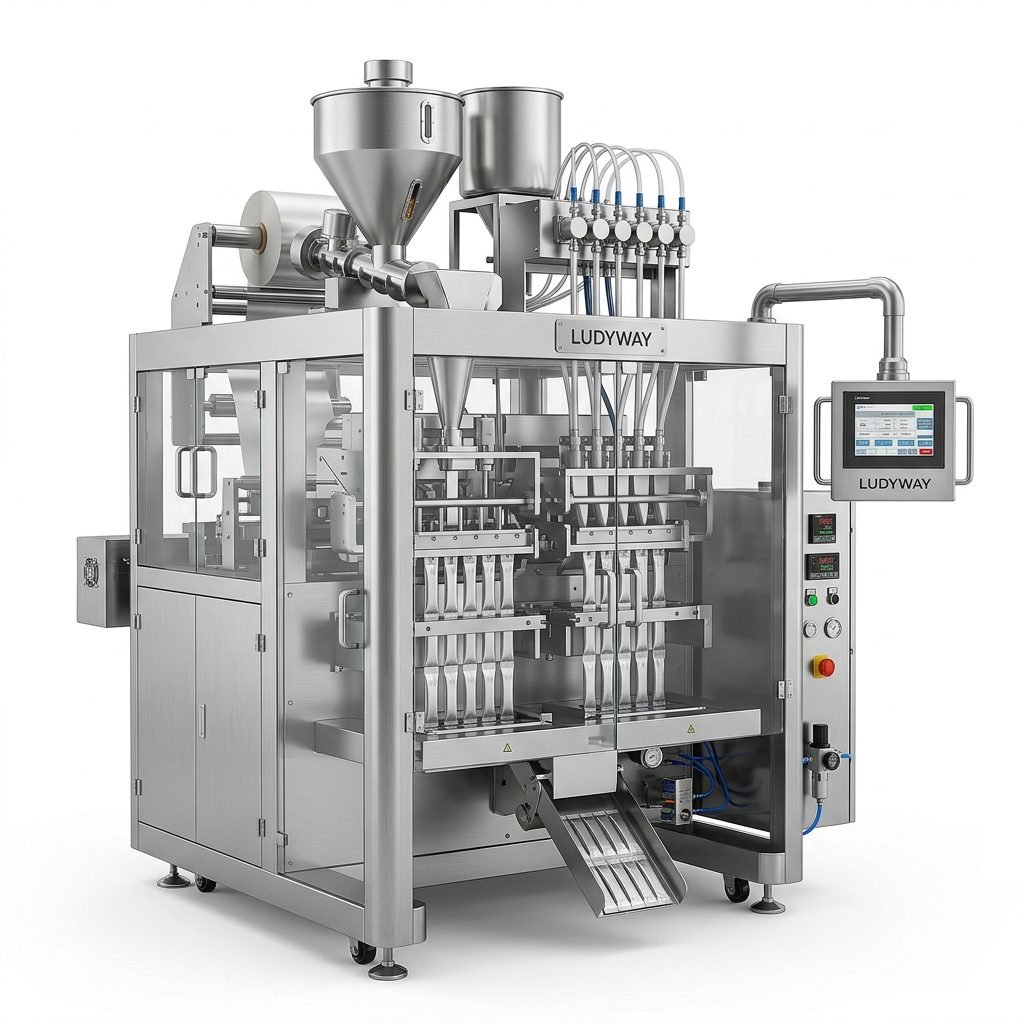
In today’s fast-paced manufacturing landscape, achieving peak operational efficiency is not just a goal—it’s a necessity for survival and growth. Across the food, pharmaceutical, and industrial sectors, the demand for speed, accuracy, and hygiene has never been higher. This is where high-efficiency automatic packaging machines step in, transforming production lines into models of precision and productivity. These sophisticated systems are engineered to handle diverse materials—from delicate powders and granules to viscous liquids—with minimal human intervention, ensuring consistent output and superior product protection.
Core Advantage: The primary value proposition of modern automated packaging lies in its ability to seamlessly integrate speed, precision, and flexibility. This triad forms the foundation for reducing waste, lowering labor costs, and scaling production to meet market demands.
Revolutionizing Food Production with Automated Packaging
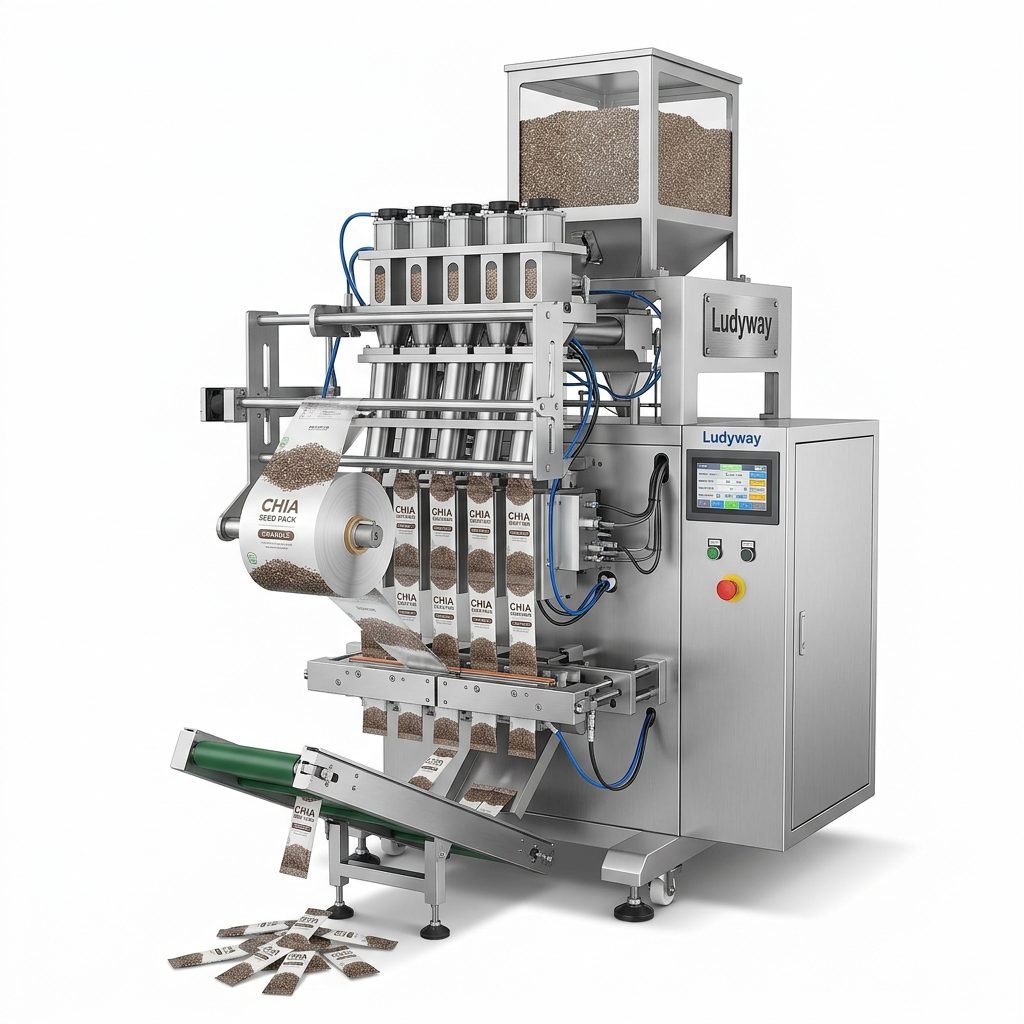
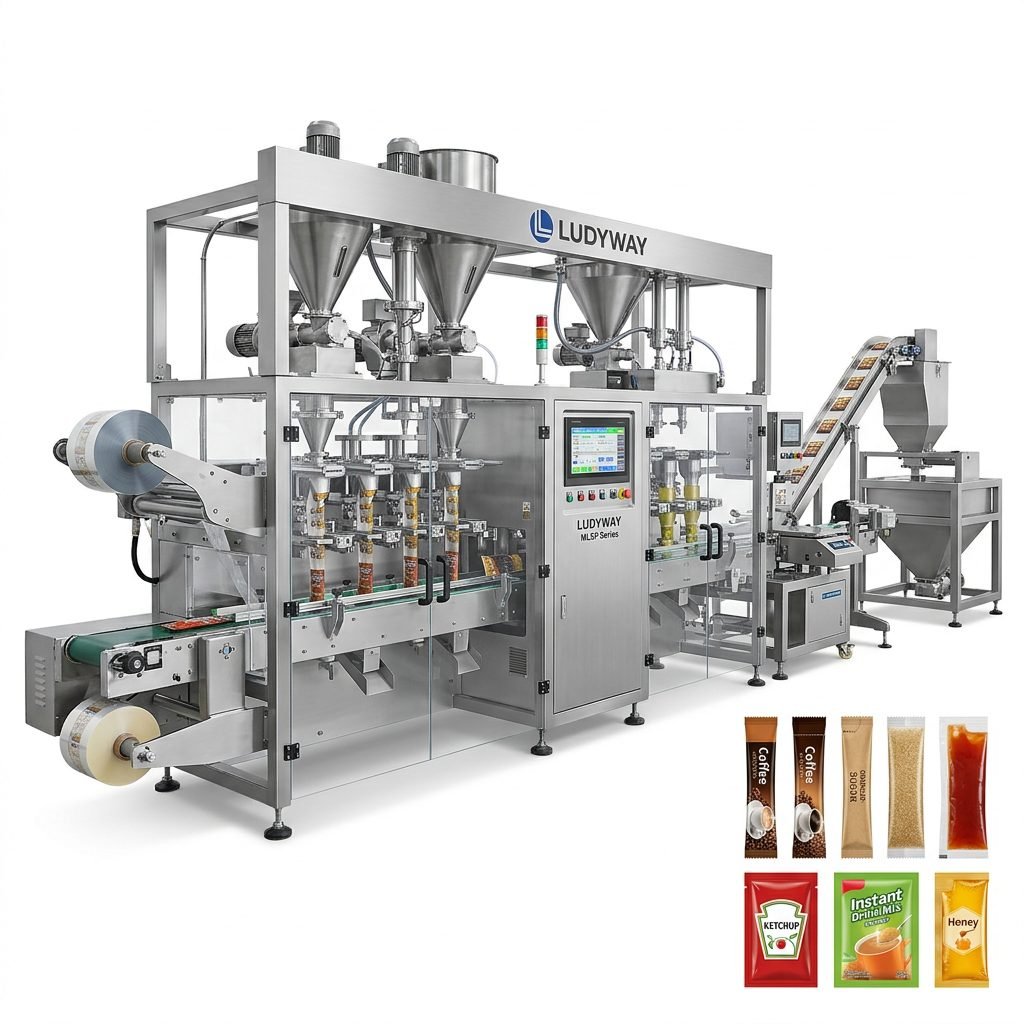
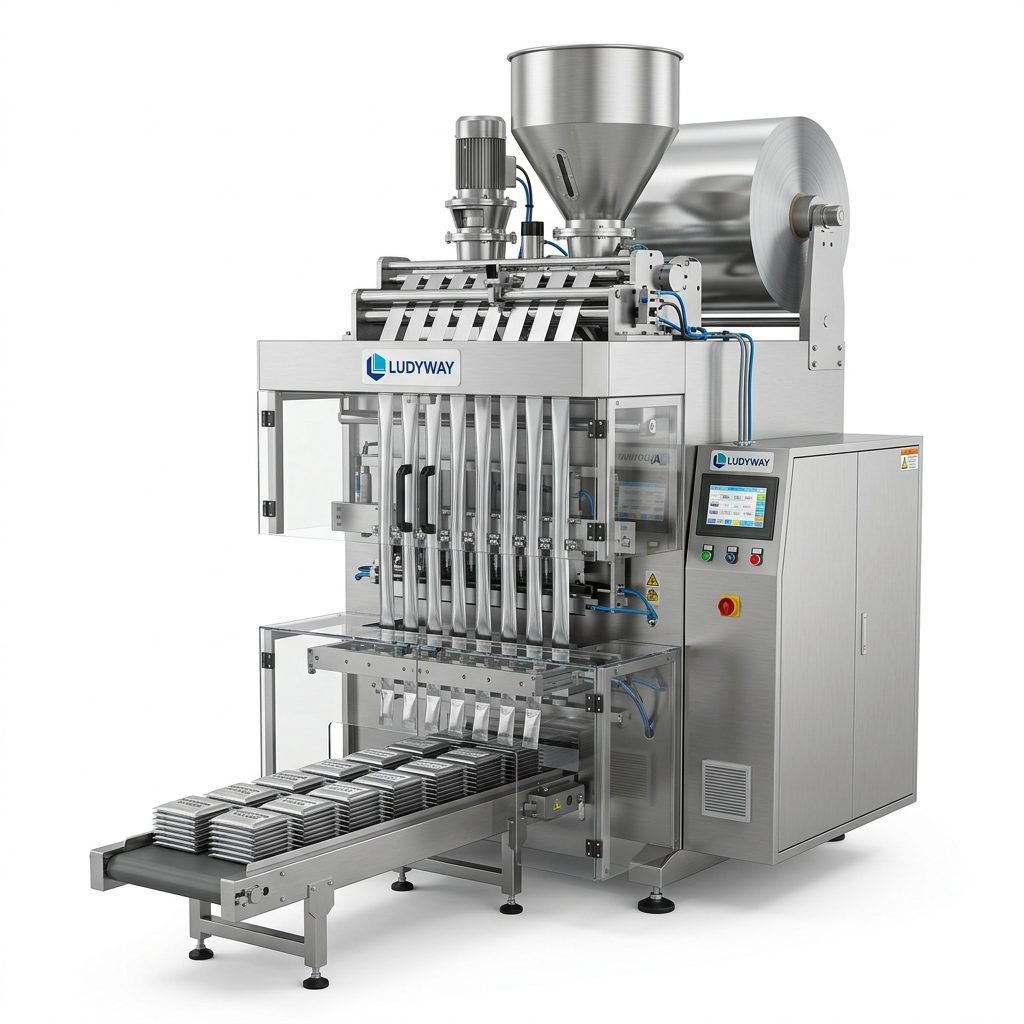
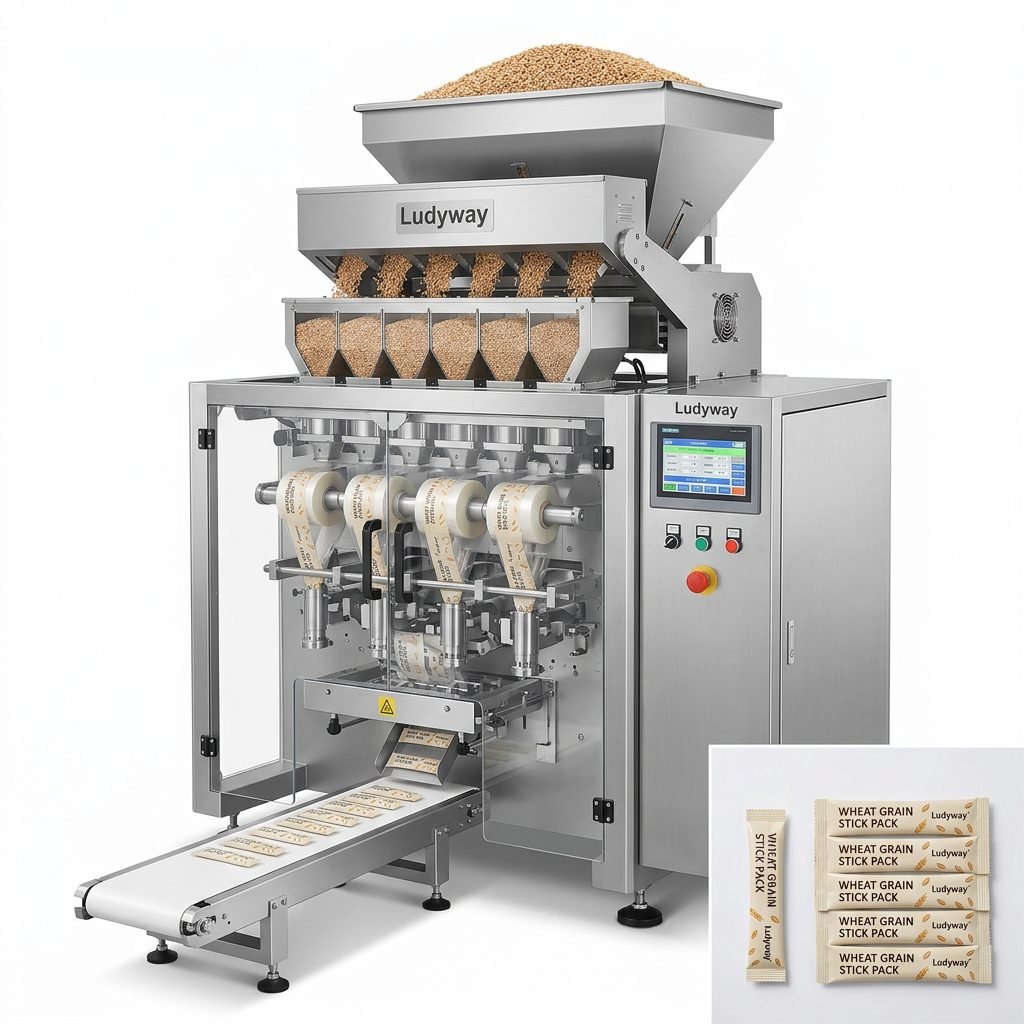
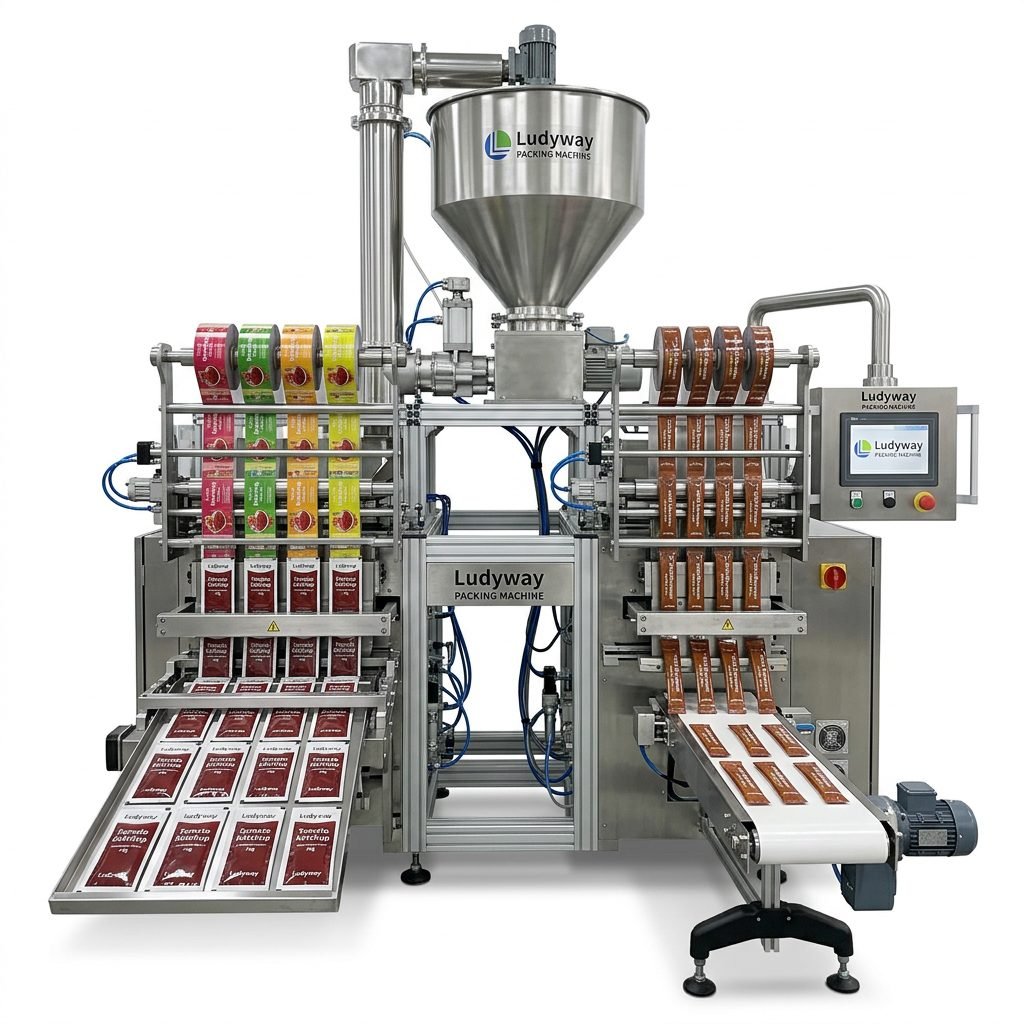
The food industry faces unique challenges: stringent hygiene standards, variable product shapes and sizes, and the critical need to preserve freshness. Automatic packaging machines are tailored to meet these demands head-on. Systems like multi-lane stick pack machines can simultaneously fill and seal dozens of portions of items like instant coffee, sugar, or seasoning blends at astonishing speeds. For snacks and confectionery, vertical form-fill-seal (VFFS) machines create pouches from a roll of film, offering incredible versatility in package size and design.
Beyond speed, these machines incorporate advanced features such as nitrogen flushing to extend shelf life by displacing oxygen, and precision weigh-fillers that ensure every package meets exact weight regulations, preventing costly giveaways. The automation of these processes drastically reduces the risk of human contamination, a paramount concern for food safety protocols worldwide.
Key Technologies in Food-Grade Packaging
- ➤ Servo-Driven Mechanics: For unparalleled accuracy in film feeding, cutting, and sealing.
- ➤ Integrated Checkweighers: Real-time weight verification to ensure compliance and consistency.
- ➤ Touch-Screen HMI Panels: Intuitive interfaces for quick changeovers between different products.
Precision and Compliance in Pharmaceutical Packaging
In the pharmaceutical and nutraceutical sectors, the margin for error is zero. Packaging is not merely about containment; it is a critical component of product integrity, patient safety, and regulatory compliance. High-efficiency automatic packaging for pharma is designed with an obsessive focus on precision and traceability. Machines handling powders for sachets or tablets for blister packs operate in environments that often meet or exceed cGMP (current Good Manufacturing Practice) standards.
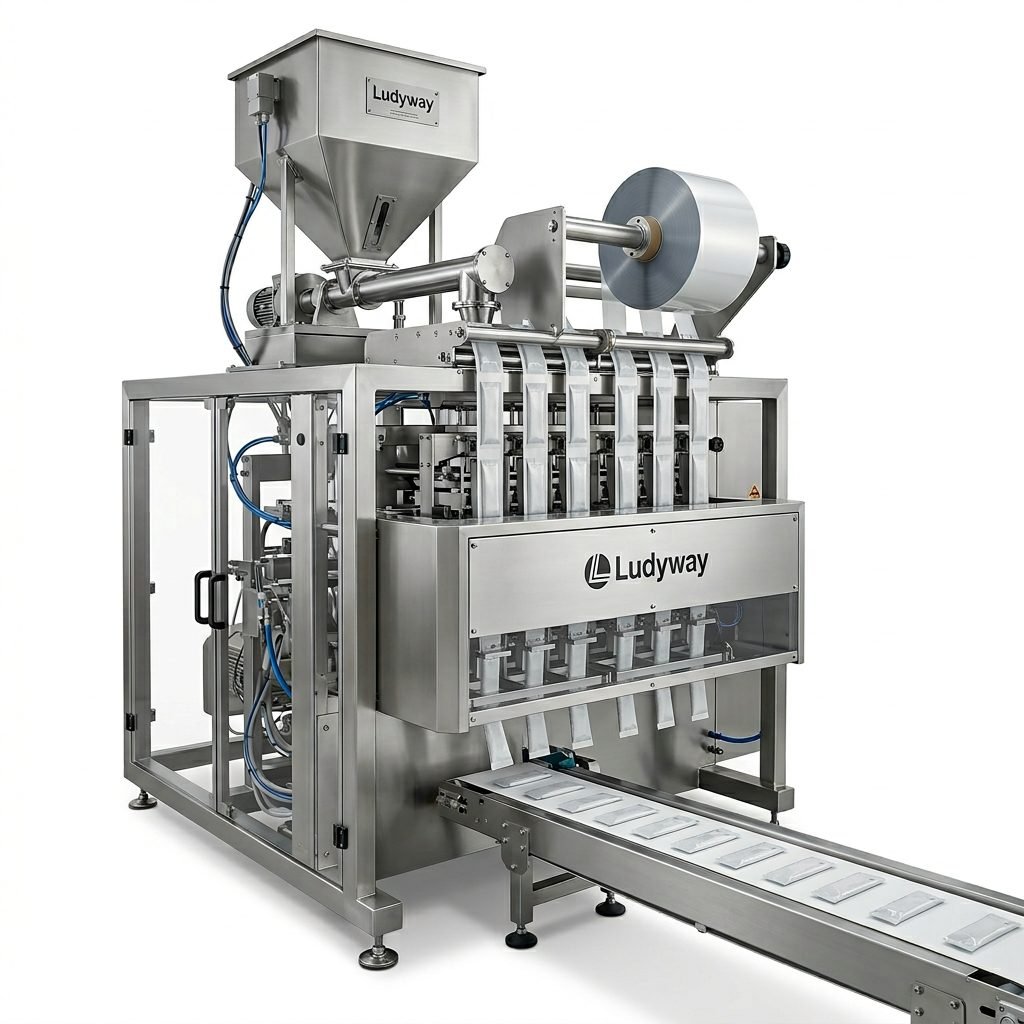
These systems feature validatable cleaning processes, constructed with stainless steel and other easy-to-sanitize materials. They ensure each unit dose is perfectly measured, and every package is hermetically sealed to protect against moisture and contamination. Furthermore, serialization capabilities can be integrated, allowing each package to be assigned a unique identifier for end-to-end supply chain tracking—a growing global regulatory requirement.
Did You Know?
Modern pharmaceutical stick pack machines can achieve accuracies of ±1% for difficult-to-handle fine powders, a level of precision impossible to maintain with manual filling operations. This directly impacts dosage efficacy and patient safety.
Driving Robustness in Industrial and Chemical Packaging
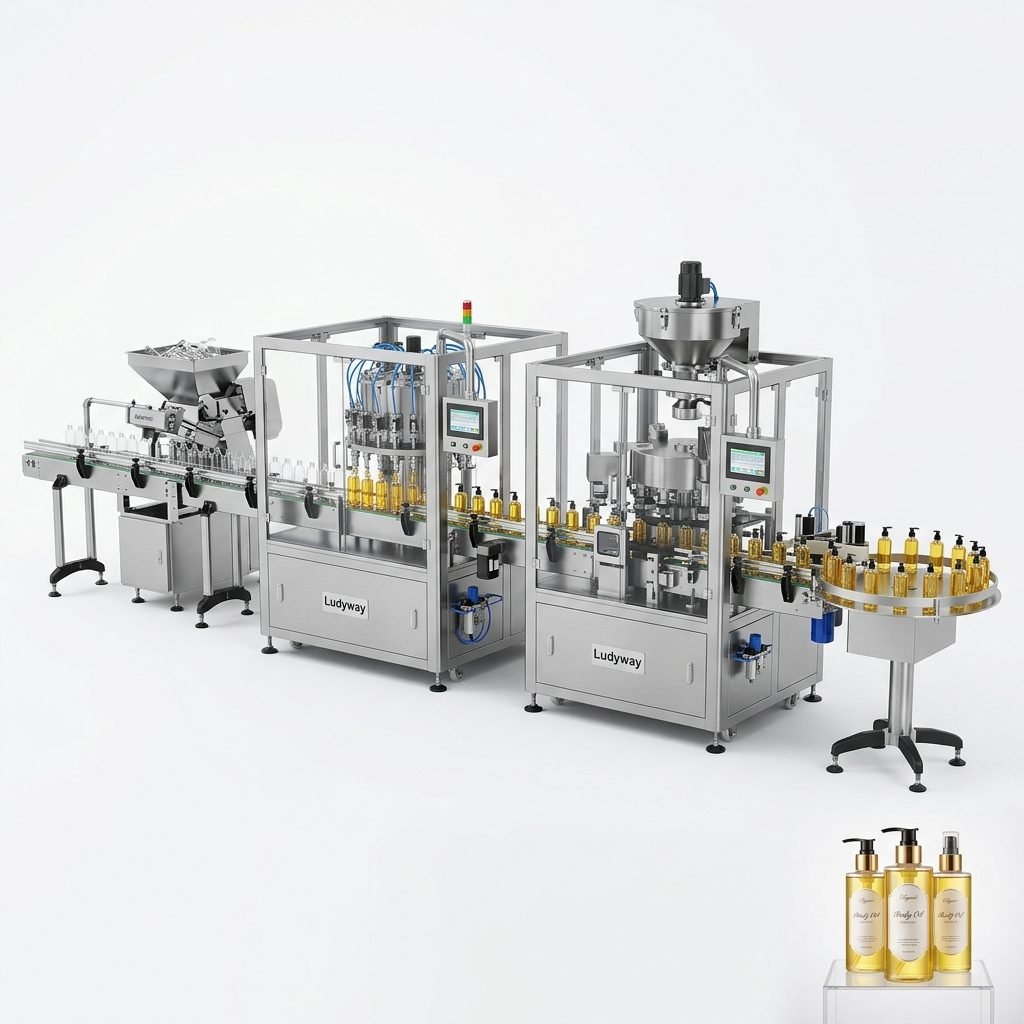
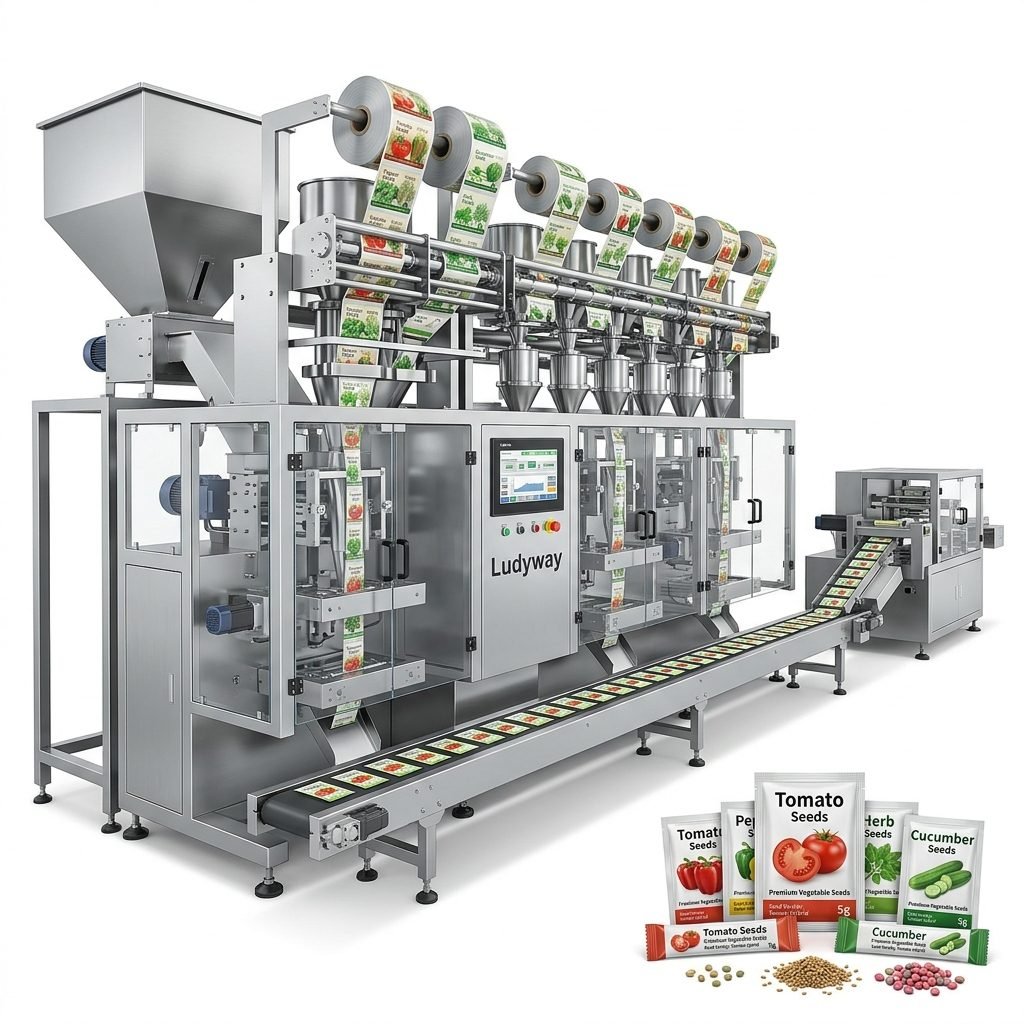
Industrial products, such as chemicals, fertilizers, adhesives, and hardware components, require packaging solutions that are robust, reliable, and capable of handling often abrasive or hazardous materials. Automatic packaging machines for industrial applications are built for durability and high-volume output. Heavy-duty auger fillers precisely dispense corrosive powders, while liquid fillers manage solvents and oils with zero leakage.
These systems prioritize operator safety through enclosed designs and dust collection systems. They also offer remarkable flexibility, quickly switching between bag sizes for bulk chemicals or accurately counting and boxing small hardware parts. The efficiency gains here translate directly into lower per-unit packaging costs and the ability to fulfill large-scale industrial orders reliably and on schedule.
Choosing the Right Partner for Your Packaging Automation
Selecting a high-efficiency automatic packaging machine is a significant investment. The right partner provides more than just hardware; they offer a comprehensive solution. A provider with deep industry experience, like Ludyway Machinery, understands that every production line is unique. They bring over 30 years of applied knowledge in creating turnkey solutions for granules, powders, and liquids.
Key considerations should include the manufacturer’s ability to offer custom engineering, reliable after-sales support, and a proven track record. A partner with a 20,000㎡ modern production facility and a portfolio of over 50 intelligent machine models demonstrates the capacity to deliver and innovate. Their global project experience ensures they can navigate the specific technical and regulatory requirements of your market, providing a machine that is not just efficient but also a perfect fit for your long-term operational goals.
Frequently Asked Questions (FAQs)
1. What are the main benefits of switching from manual to automatic packaging?
The primary benefits include a dramatic increase in output speed (often 200-300% faster), significant reduction in product giveaway through precise filling, improved hygiene and safety by minimizing human contact, and lower long-term labor costs. Automation also ensures consistent package quality and enables easier compliance with tracking and tracing regulations.
2. Can one automatic packaging machine handle different types of products?
Yes, many modern machines are designed for flexibility. With quick-change parts (like different sized augers or forming tubes) and programmable recipes stored in the machine’s computer, a single machine can often switch between different product types (e.g., from sugar to powdered milk) and package sizes in a matter of minutes, maximizing your return on investment.
3. How important is after-sales service and technical support?
It is critically important. Even the most reliable machinery requires maintenance, occasional spare parts, and software updates. A supplier with a strong global support network ensures minimal downtime. Look for partners who offer comprehensive training, detailed documentation, and readily available technical assistance to keep your production line running smoothly for years.
4. Are these machines suitable for small to medium-sized businesses (SMBs)?
Absolutely. The market offers a wide range of automation solutions scalable to different outputs and budgets. Semi-automatic or compact fully automatic models provide an excellent entry point for SMBs to gain efficiency benefits without the scale of a large industrial line. The key is to conduct a thorough ROI analysis with a trusted supplier.
5. What should I prepare before contacting a packaging machine supplier?
To get the most accurate proposal, have clear information ready: your product characteristics (flowability, density, aggressiveness), desired packaging material (film type, structure), required output speed (packages per minute), available factory space, and any specific regulatory standards (e.g., food-grade, cGMP) that must be met. This allows the supplier to recommend the most optimal and efficient solution.