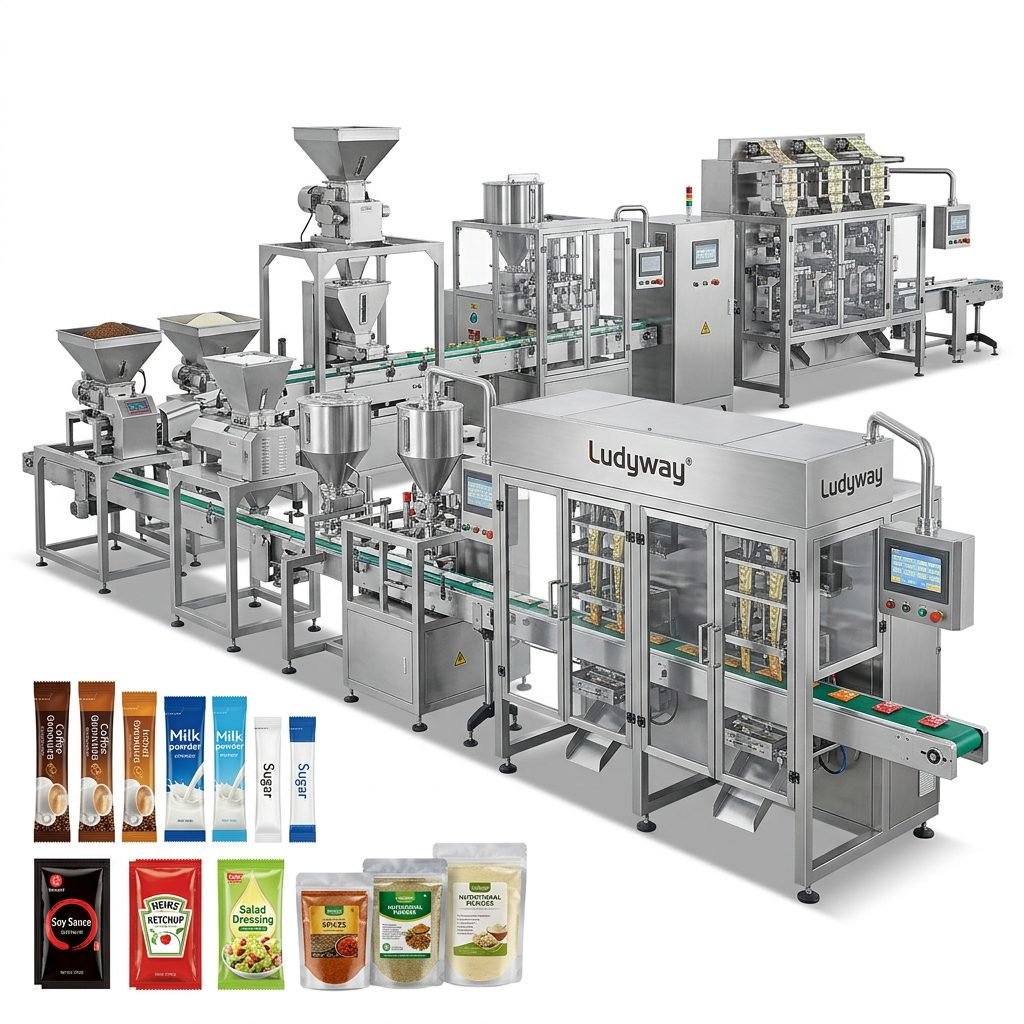
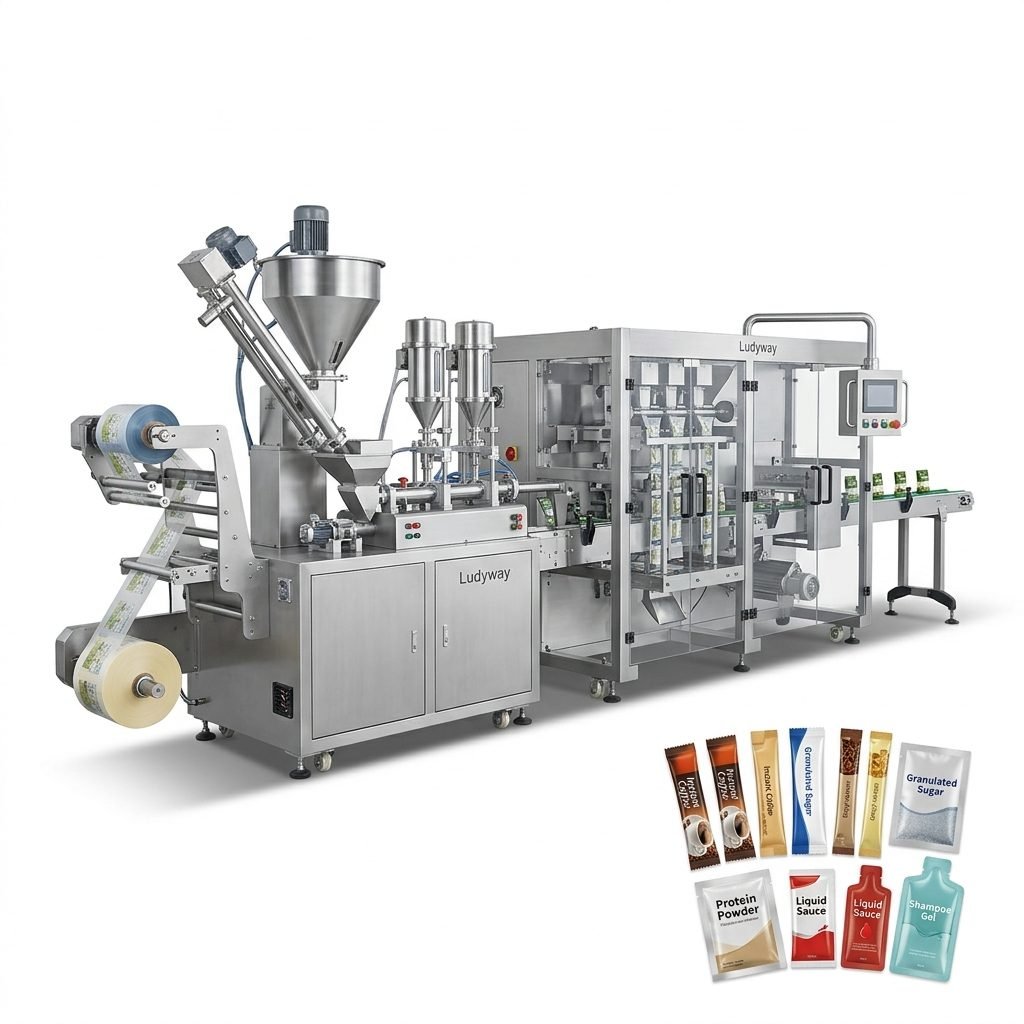
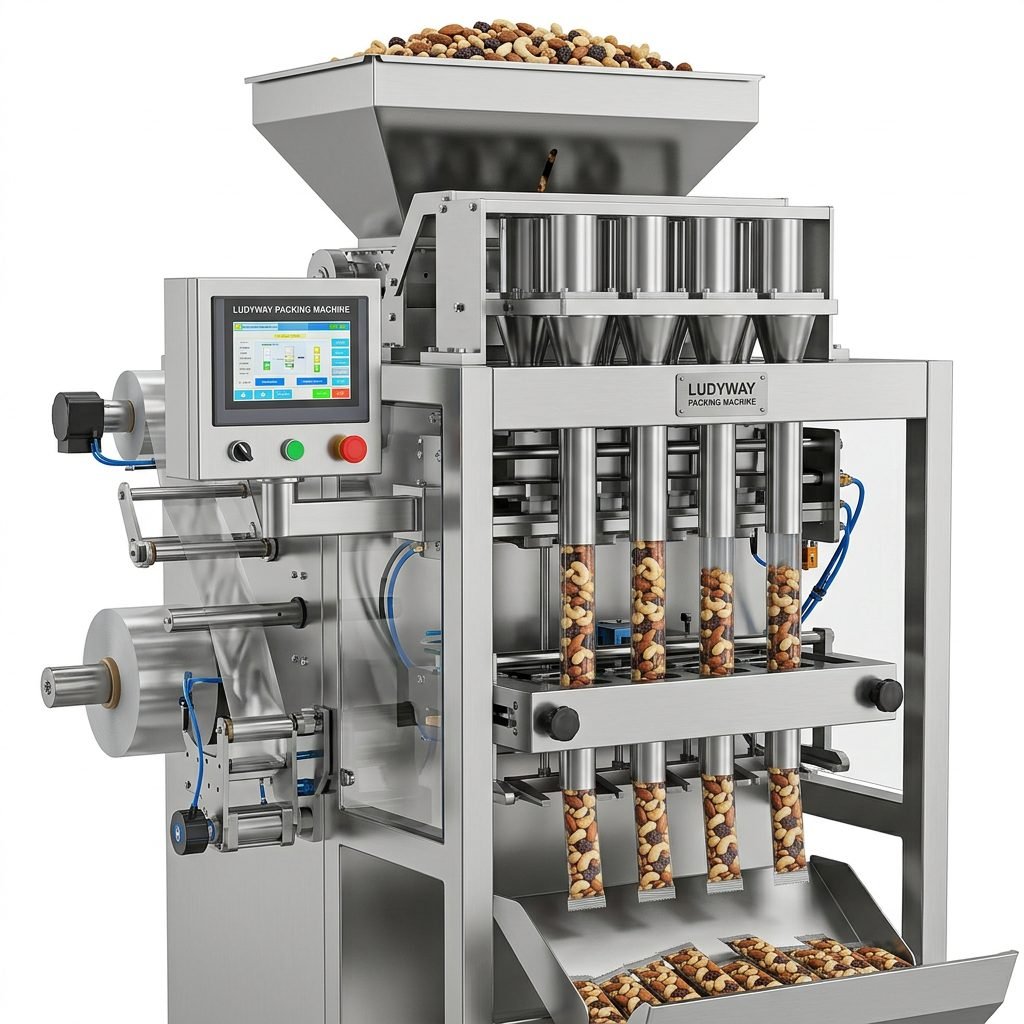
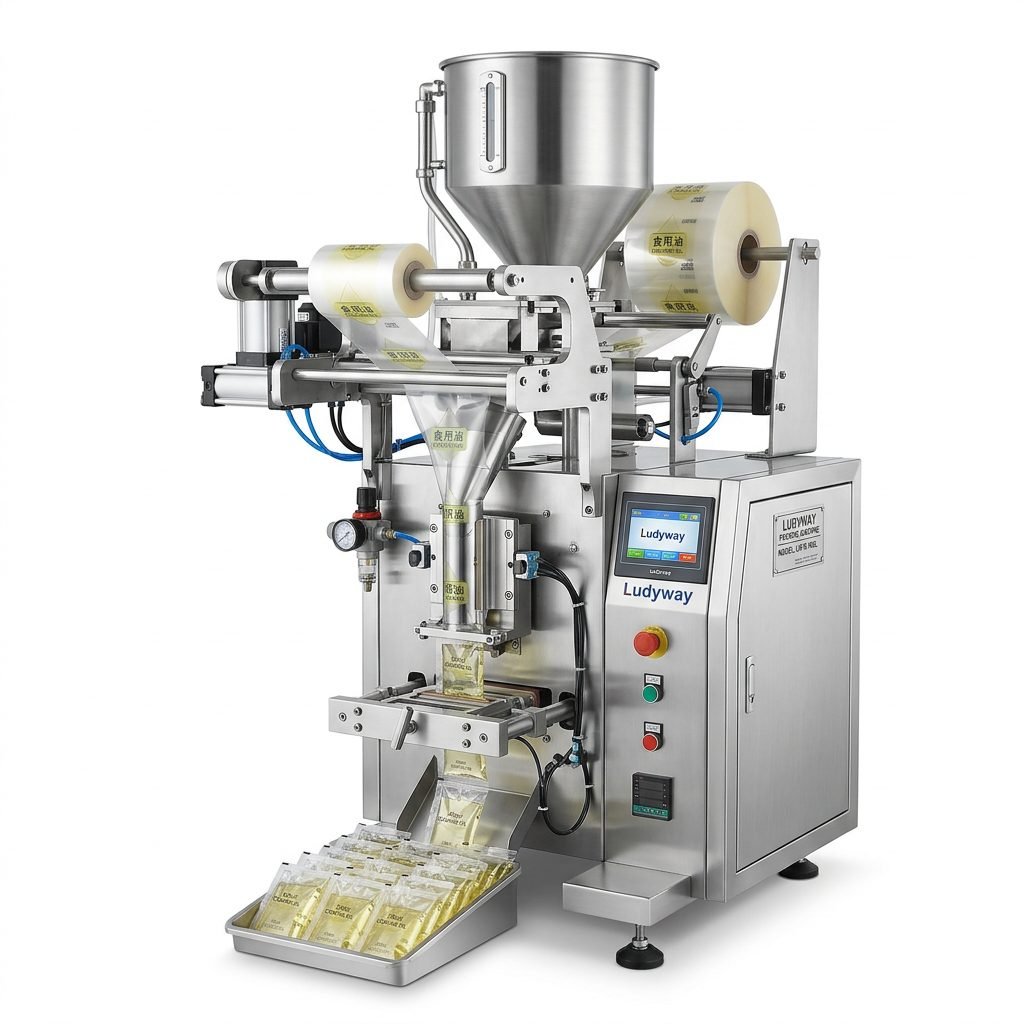
Investing in a sachet water packaging machine is a significant step for any business in the beverage industry. Finding the best price involves more than just comparing initial costs; it requires a deep understanding of the machine’s features, long-term value, and how it fits your specific production needs. This comprehensive guide will walk you through the cost factors, essential features, and key considerations to help you make an informed purchasing decision.
Understanding the Cost Factors of Sachet Water Packaging Machines
The price of a sachet water packaging machine can vary widely, typically ranging from $15,000 to over $100,000. This broad spectrum is influenced by several key factors:
Automation Level: Fully automatic machines with robotic arms, automatic film feeding, and integrated sealing systems command a higher price than semi-automatic or manual models. The investment in automation pays off through significantly higher output and reduced labor costs.
Production Speed and Output: Machines are rated by their output in packs per minute (PPM). A basic machine might produce 30-40 sachets per minute, while high-speed models can exceed 120 PPM. Higher speed capabilities directly correlate with a higher price tag but are essential for large-scale operations.
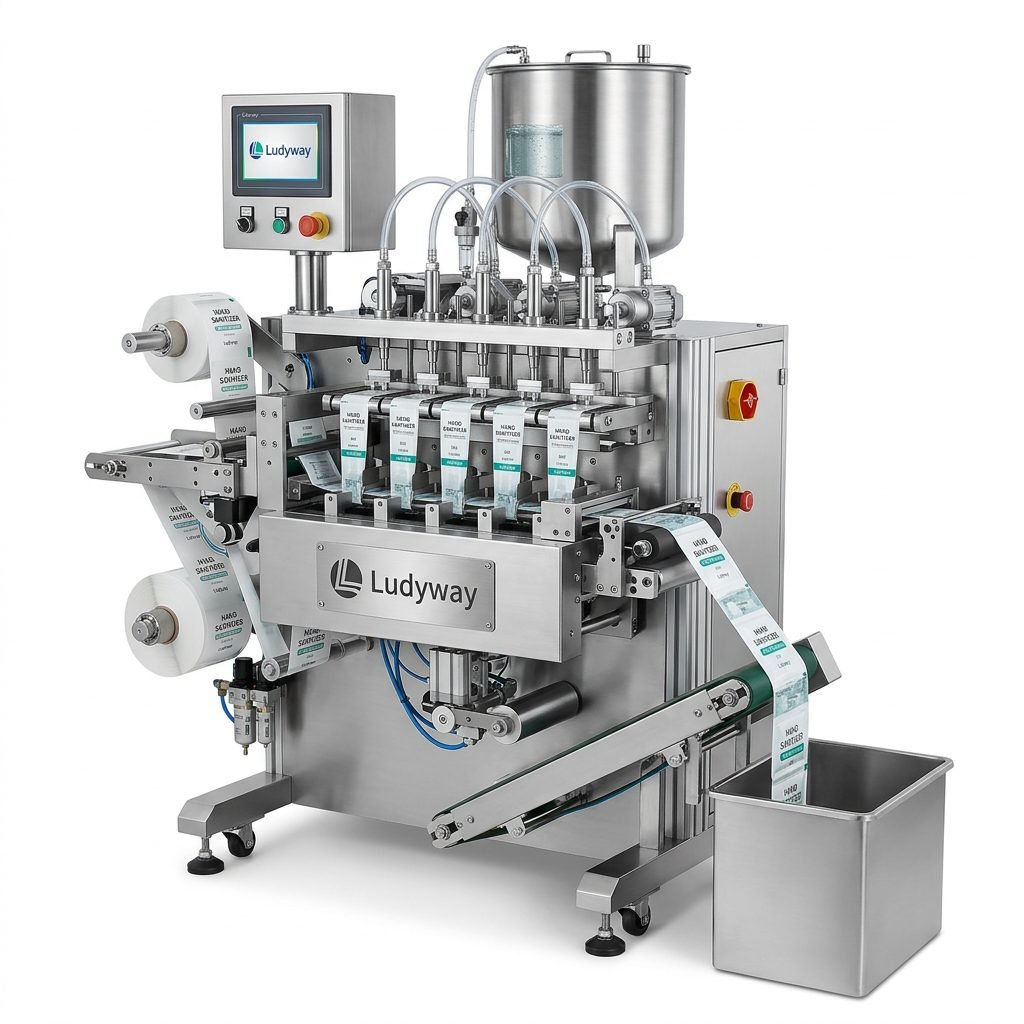
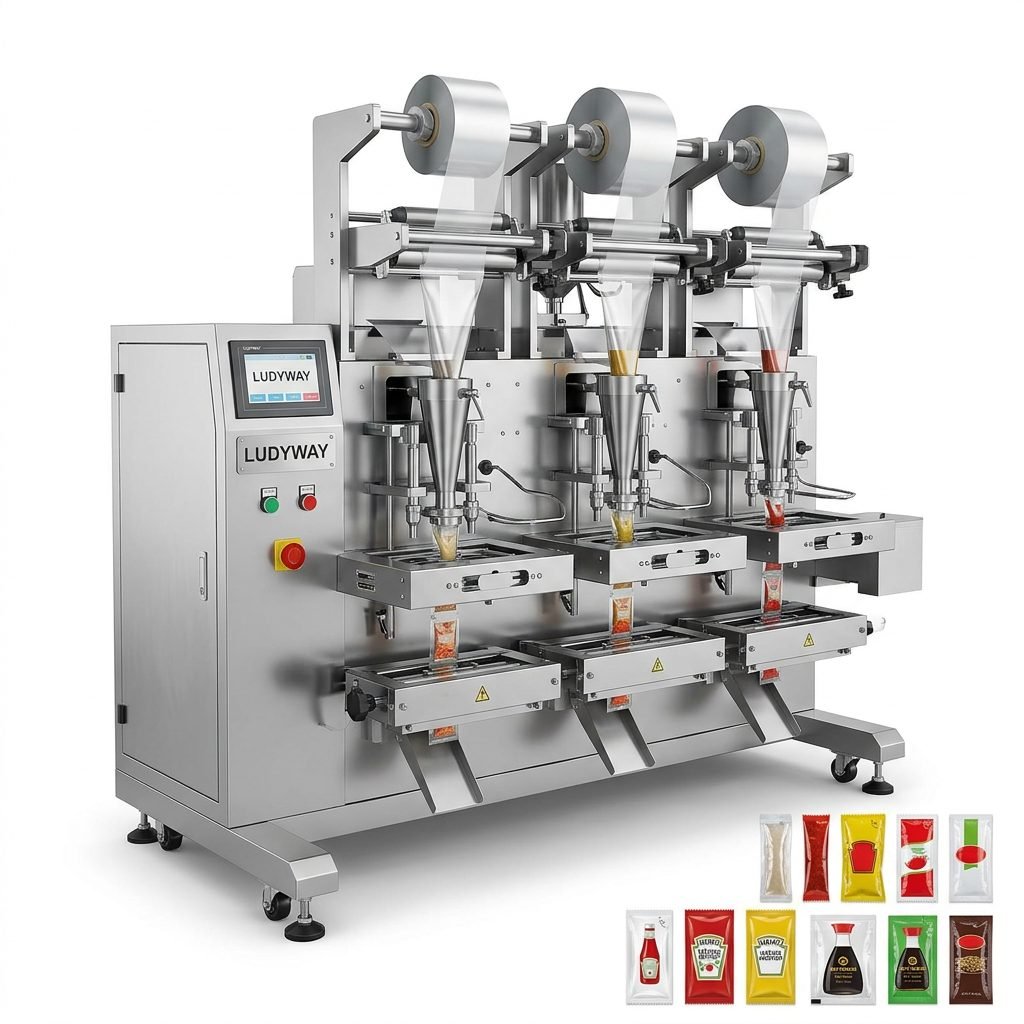
Machine Configuration and Features: Additional features like multi-lane filling (producing 2, 3, or 4 sachets simultaneously), advanced servo motor drives for precision, touch-screen PLC controls, and stainless-steel contact parts for hygiene all add to the cost but also to the machine’s reliability and versatility.
Brand and Manufacturer Support: Established brands with a proven track record, like Ludyway Machinery, often price their machines to reflect their quality, durability, and the comprehensive after-sales support, training, and warranty they provide.
Breaking Down the Initial Investment vs. Operational Cost
While the upfront cost is important, the Total Cost of Ownership (TCO) is a more accurate measure. A cheaper machine with low efficiency and high maintenance needs can be more expensive in the long run. Consider:
- ✔ Energy Consumption: Machines with efficient servo motors consume less power.
- ✔ Material Waste: Precision machines minimize film and water waste during forming and sealing.
- ✔ Downtime & Maintenance: Reliable machines from reputable suppliers have lower downtime and easier, more affordable maintenance.
- ✔ Labor Requirements: A fully automatic line may require only 1-2 operators, drastically cutting long-term labor costs.
Essential Features to Look for in a Quality Machine
To ensure you get the best value for your investment, prioritize machines with these critical features:
1. Robust Construction and Food-Grade Materials
The machine frame should be made of heavy-duty steel for stability. All parts that come into contact with water must be made of 304 or 316 food-grade stainless steel to prevent contamination and ensure compliance with health regulations.
2. Advanced Sealing Technology
A perfect seal is non-negotiable for sachet water. Look for machines with temperature-controlled sealing jaws and consistent pressure application. Some advanced models offer cooling systems post-seal to strengthen the bond immediately.
3. Precision Filling System
The filling system must be accurate to avoid under-filling (which disappoints customers) or over-filling (which cuts into profits). Servo-driven piston fillers or advanced flow meters provide the highest accuracy and consistency.
4. User-Friendly PLC Control Panel
A modern, color touch-screen PLC (Programmable Logic Controller) is essential. It allows operators to easily set parameters like fill volume, seal temperature, and production speed, store recipes for different products, and provides clear diagnostics for troubleshooting.
5. Flexibility and Changeover Ease
Can the machine handle different sachet sizes (e.g., 200ml, 500ml, 1L)? How quickly and easily can you change the forming collar and filling nozzles? Quick-change parts minimize downtime when switching production runs.
Your Step-by-Step Buying Guide
Follow this process to navigate your purchase successfully:
Step 1: Assess Your Production Needs
Define your current and projected future output. Calculate the required packs per minute/hour based on your target market demand. Also, consider the types of water (purified, spring, flavored) and sachet sizes you plan to offer.
Step 2: Research and Shortlist Suppliers
Look for manufacturers with a strong reputation in liquid packaging. Examine their company history and client portfolio. A supplier with over a decade of experience, like Ludyway, brings invaluable expertise to the table. Request detailed brochures and specification sheets for comparison.
Step 3: Evaluate Machine Specifications and Demos
Scrutinize the technical specs against your needs. Whenever possible, request a live video demonstration or, ideally, visit a showroom or existing client site to see the machine in operation. Pay attention to noise levels, ease of operation, and finished product quality.
Step 4: Scrutinize After-Sales Support
The relationship with your supplier begins after purchase. Confirm the details of the warranty, availability of spare parts, and technical support. Does the supplier offer installation supervision, on-site training for your operators, and remote assistance? This support is crucial for a smooth startup and continuous operation.
Step 5: Analyze the Total Quotation
Compare quotes holistically. The cheapest offer may exclude essential accessories, incur high shipping costs, or offer limited warranty. Ensure the quote includes installation, training, and a basic set of spare parts. Clarify payment terms and delivery timelines.
Why Partnering with an Expert Manufacturer Matters
Choosing a manufacturer like Ludyway Machinery means more than buying a machine; it’s entering a partnership. With 30+ years of industry experience, they understand the challenges of sachet water production. They can provide tailored solutions, from a single machine to a complete turnkey, ensuring every component from the water treatment system to the packaging machine works in harmony. Their ongoing support helps you adapt to market changes and scale your business efficiently.
Frequently Asked Questions (FAQs)
1. What is the typical production speed range for a sachet water machine?
Production speeds vary widely. Semi-automatic machines may produce 20-50 sachets per minute (PPM). Standard fully automatic machines range from 60-100 PPM. High-speed, multi-lane models can achieve outputs of 120-160 PPM or more, making them suitable for large-scale commercial operations.
2. How much factory space is required to install the machine?
A standard automatic sachet water packaging machine typically requires a floor area of approximately 4m (L) x 2m (W). You must also account for additional space for material storage (rolls of packaging film), a purified water source, finished product pallets, and safe operator working areas. Always consult the manufacturer’s layout recommendations.
3. What kind of maintenance does the machine require?
Daily maintenance includes cleaning all food-contact surfaces and basic visual checks. Weekly tasks might involve lubricating moving parts (with food-grade lubricant) and checking seal integrity. An annual professional service by a technician is recommended to inspect critical components like seals, sensors, and motors to prevent major breakdowns.
4. Can one machine package different sachet sizes?
Yes, most modern machines are designed for flexibility. However, changing the sachet size requires changing parts like the forming collar, filling nozzle, and sometimes the sealing jaws. The ease and time required for this changeover vary by model, so it’s a key point to discuss with your supplier.
5. What is the lead time from order to delivery?
Lead times depend on the machine’s complexity and the manufacturer’s production schedule. For standard models, it can range from 30 to 90 days after order confirmation. Customized or high-capacity machines may have longer lead times. Always get a written delivery estimate and factor it into your business planning.