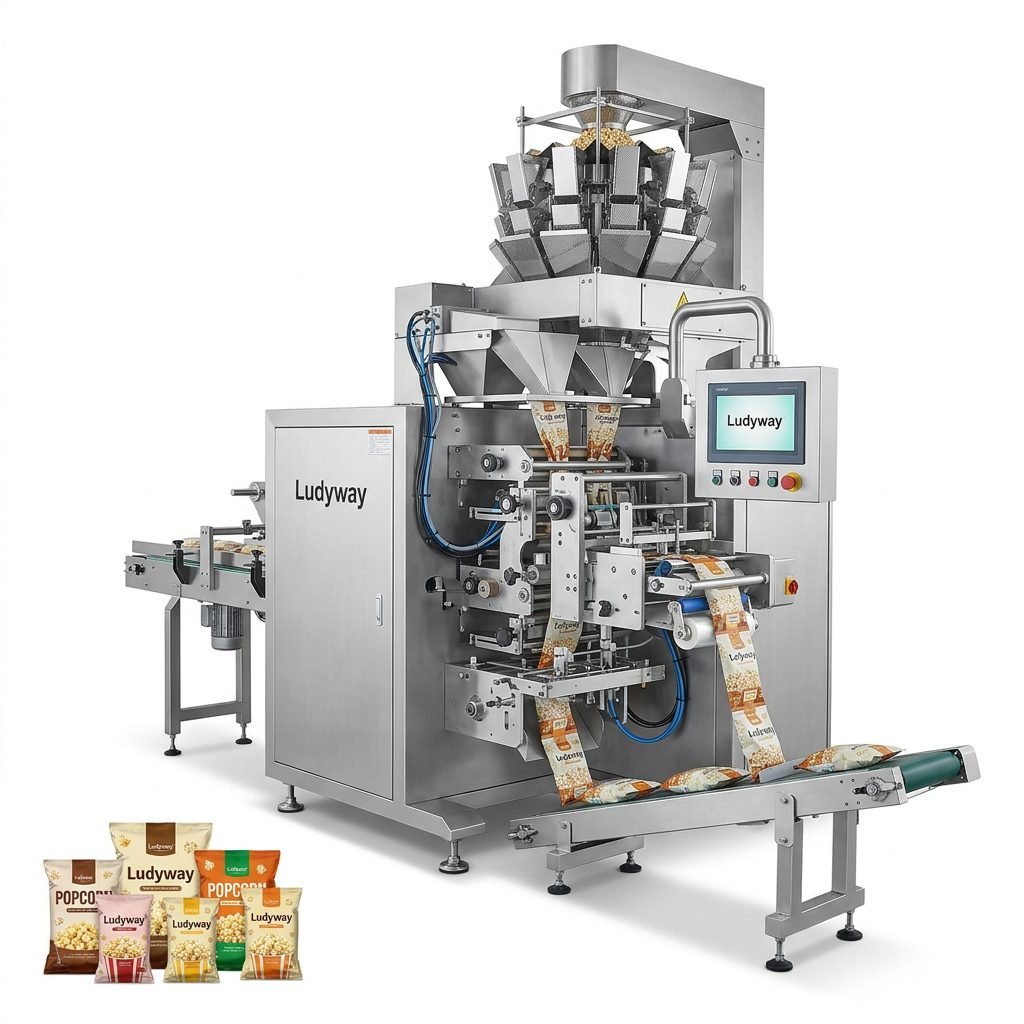
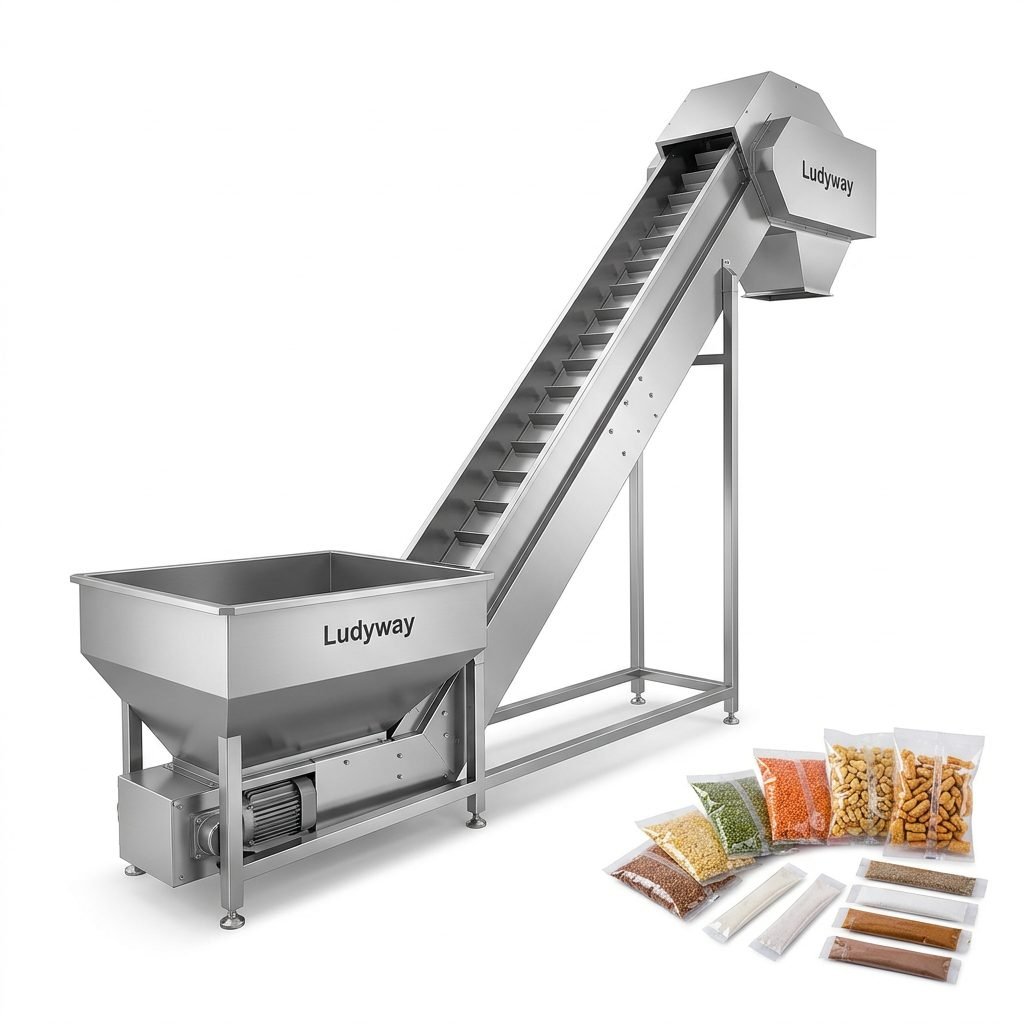
In today’s competitive manufacturing landscape, scaling production efficiently is a universal challenge. For growing businesses, the packaging process often becomes a critical bottleneck. Implementing high-efficiency packaging equipment is not merely an upgrade; it’s a strategic investment that directly impacts throughput, product quality, and operational costs. This article explores comprehensive solutions designed to empower expanding manufacturers to overcome these hurdles and achieve sustainable growth.
The Strategic Imperative for Advanced Packaging Automation
As order volumes increase, manual or semi-automated packaging lines struggle to maintain pace. The limitations become evident in inconsistent seal quality, slower output speeds, and rising labor costs. Transitioning to automated systems addresses these pain points directly. Automated packaging machinery ensures consistent, high-quality presentation for every unit, which is vital for brand reputation in consumer markets worldwide. Furthermore, it dramatically increases output per shift, allowing businesses to fulfill larger orders and explore new market opportunities without proportional increases in staffing.
Core Benefits at a Glance:
- Enhanced Productivity: Machines operate continuously at optimized speeds, far exceeding manual capabilities.
- Superior Consistency: Every package is identical in weight, seal, and appearance, reducing waste and customer complaints.
- Significant Labor Savings: Automating repetitive tasks reallocates human resources to more value-added roles like quality control and machine oversight.
- Improved Safety & Hygiene: Closed systems minimize product contamination and reduce worker contact with materials, crucial in food and pharmaceutical sectors.
Tailored Solutions for Diverse Product Types
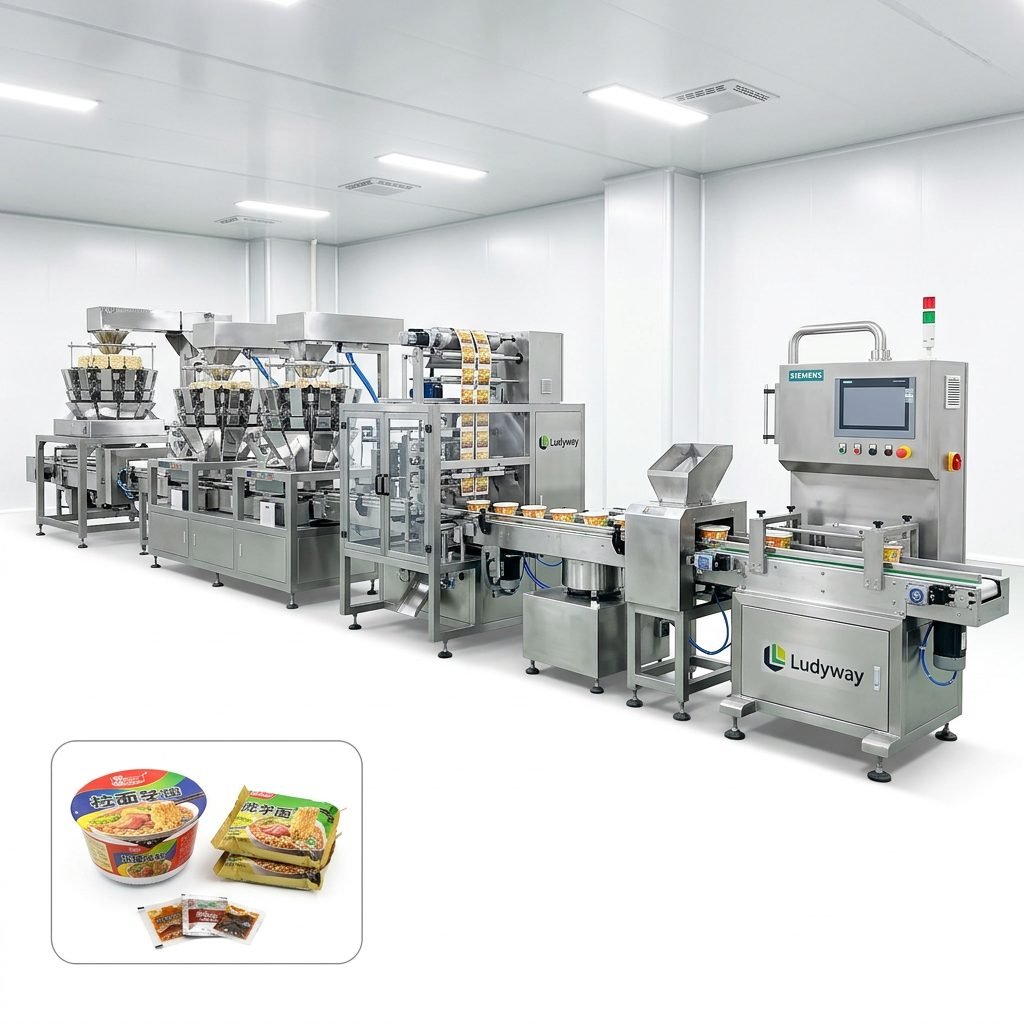
A one-size-fits-all approach does not work in packaging. Different products demand specific handling technologies. Leading providers like Ludyway Machinery offer specialized equipment for various formats, ensuring optimal performance for your specific product.
Granule & Powder Packaging Systems
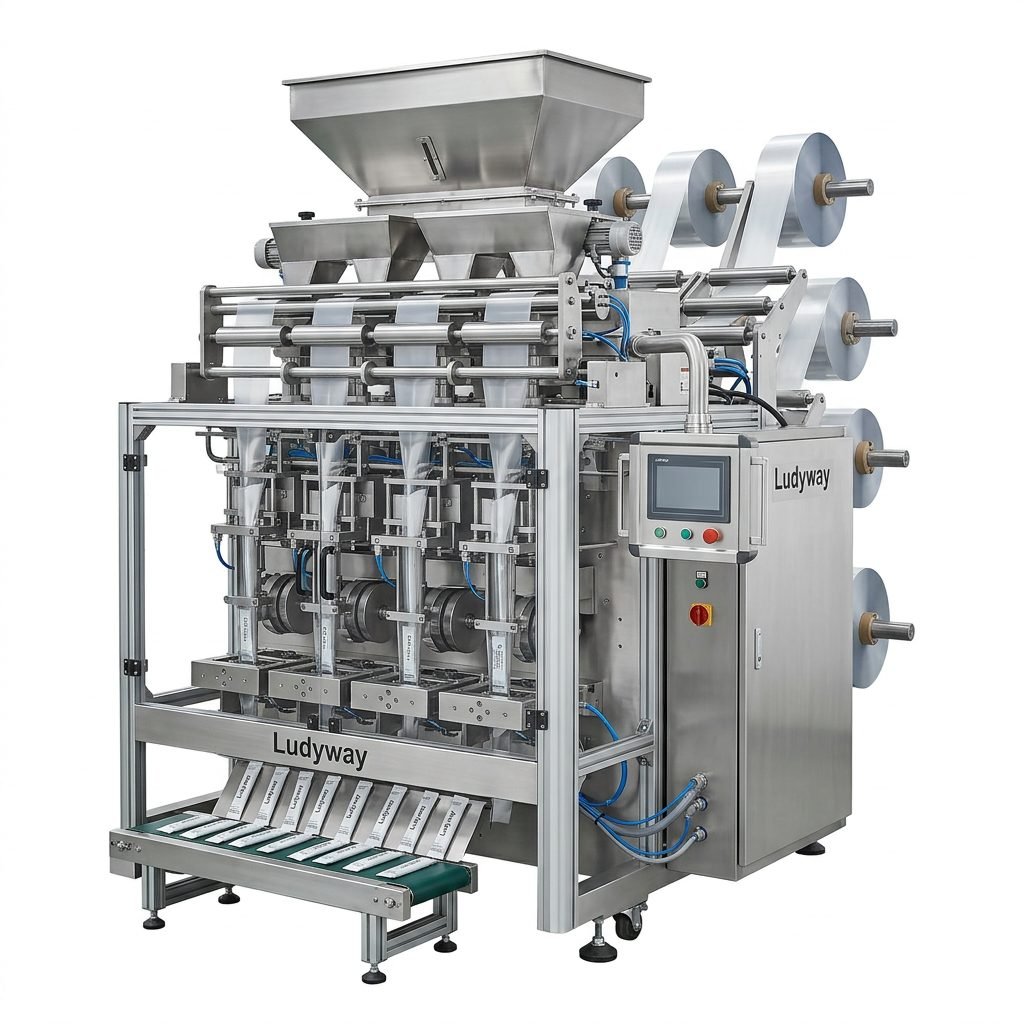
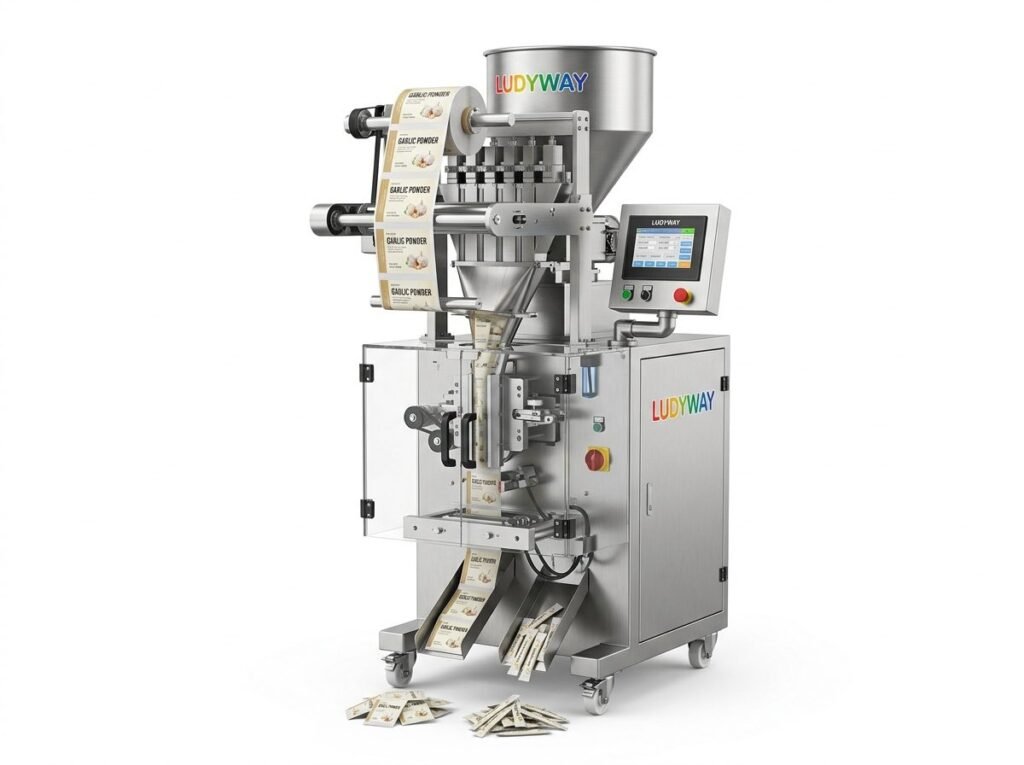
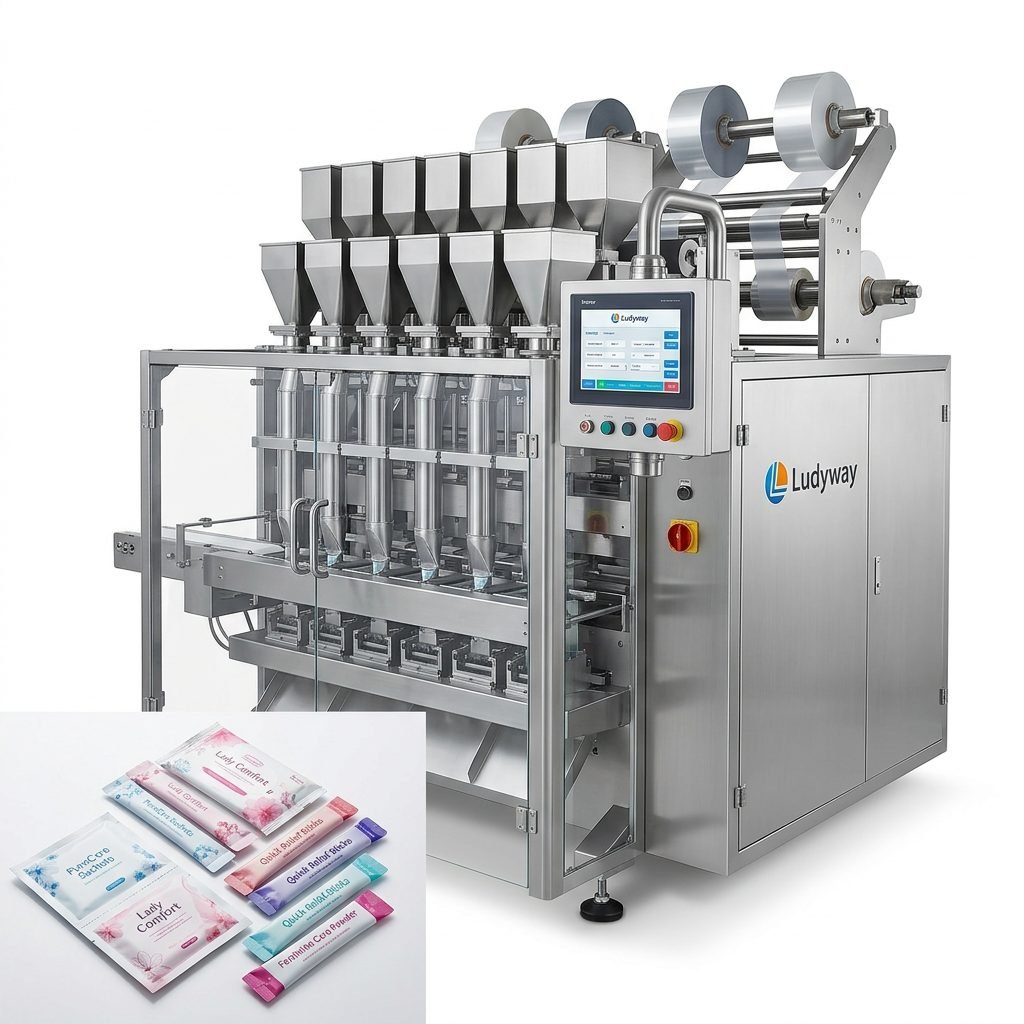
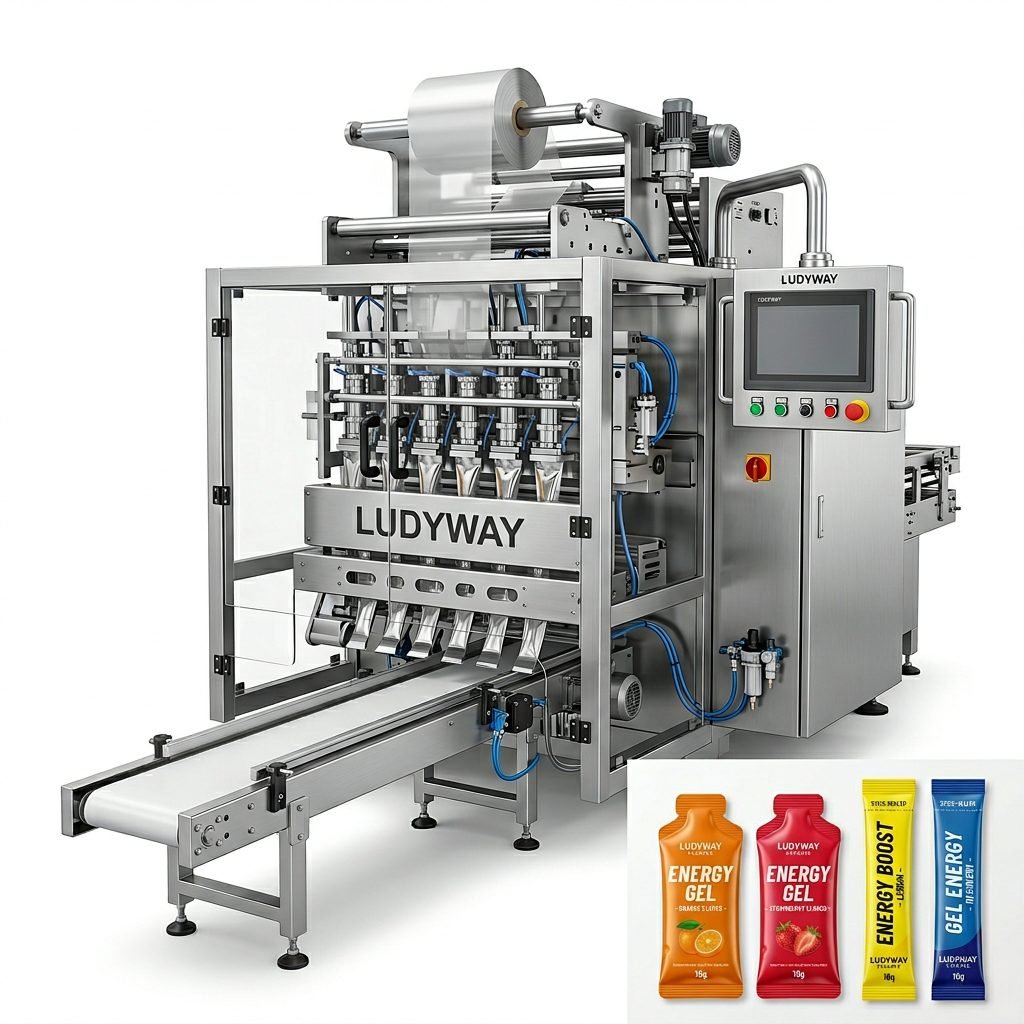
Products like instant coffee, spices, and protein powders require precision dosing and excellent seal integrity to prevent spoilage. Multi-lane stick pack and sachet machines are ideal here, offering high-speed portioning into sleek, user-friendly packages. Advanced auger filler technology guarantees weighing accuracy, while robust sealing mechanisms protect product freshness.
Liquid & Viscous Product Packaging
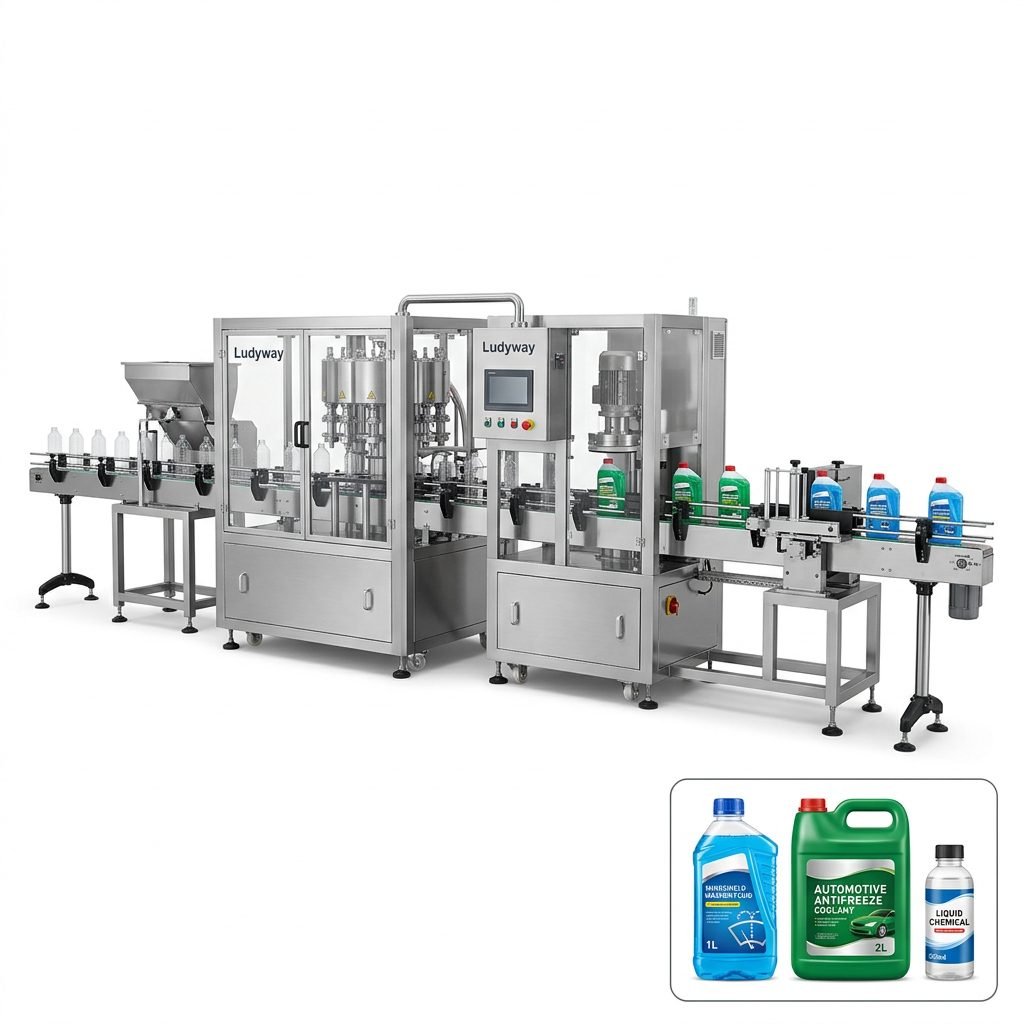
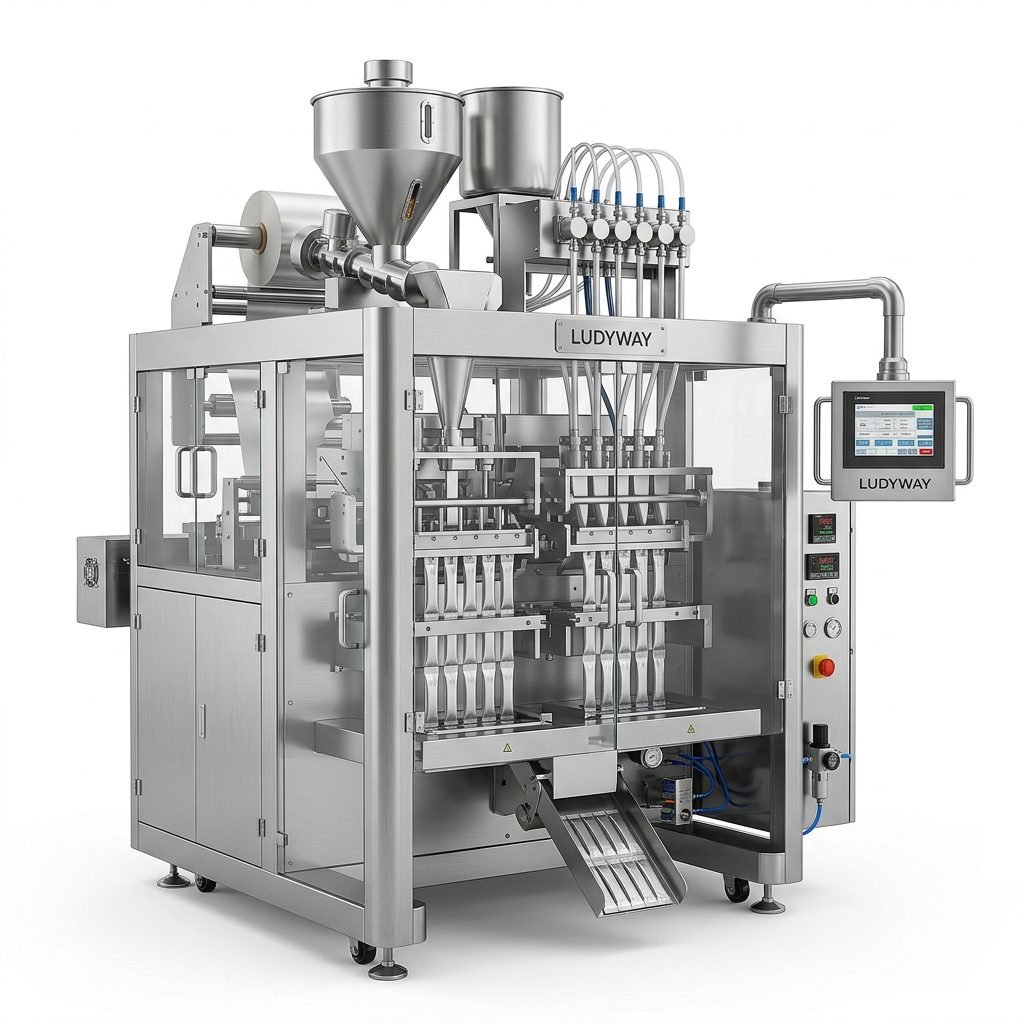
Packaging liquids, sauces, or creams presents unique challenges in preventing leaks and ensuring clean fills. Modern liquid filling machines utilize piston or pump fillers for precise volumetric control. Coupled with high-quality sealing jaws, these systems produce durable sachets or pouches that withstand transportation and storage, maintaining product integrity from factory to end-user.
Building a Future-Proof Packaging Line
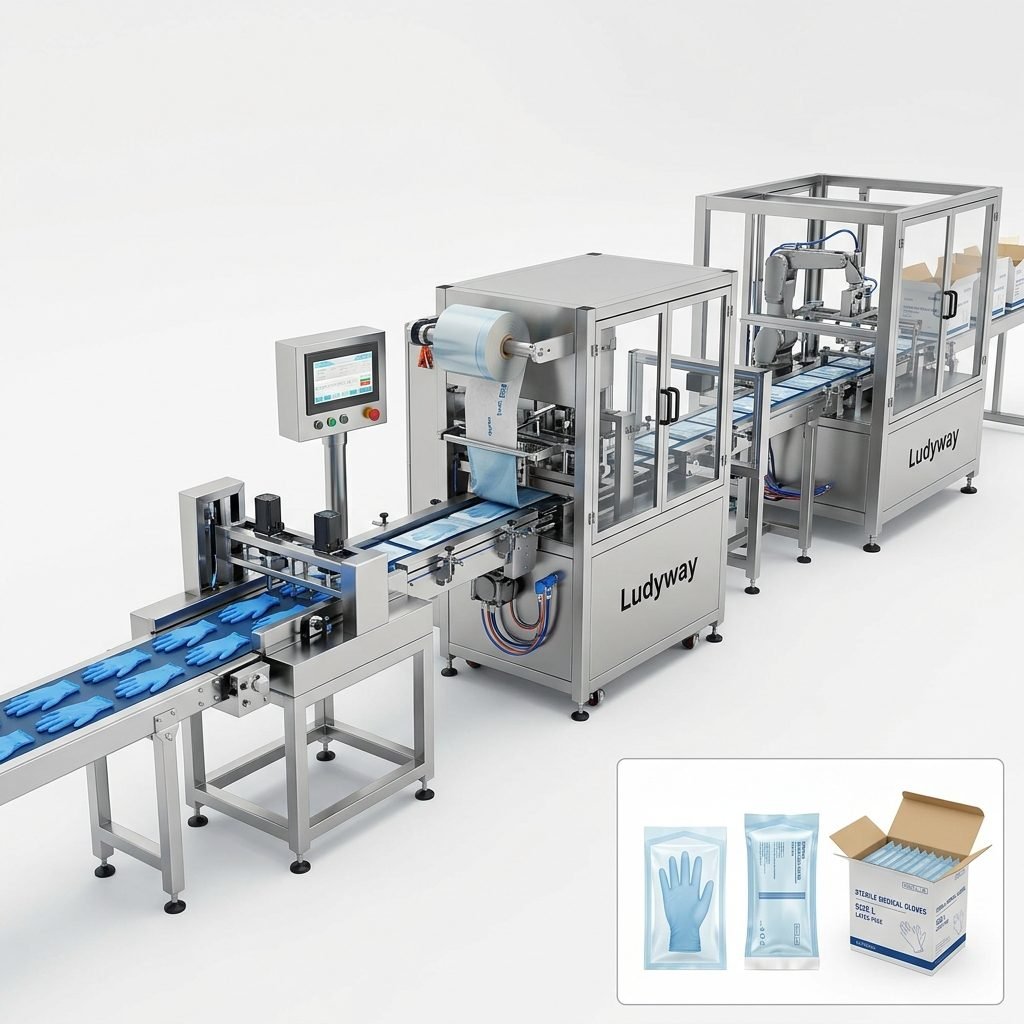
Investing in packaging equipment is a long-term decision. Therefore, choosing scalable and flexible solutions is paramount for a growing business. A modular approach allows you to start with a core machine and add components like automated cartoning, case packing, or integrated labeling systems as demand grows. Look for equipment built with industrial-grade components for durability and designed for easy changeovers, enabling quick shifts between different package sizes or products to maximize line utilization.
Key Considerations for Selection:
✔ Throughput Requirements:
Calculate your current and projected output to select a machine with the appropriate speed (e.g., packs per minute).
✔ Packaging Material Compatibility:
Ensure the machine can handle your specific film, laminate, or pouch material effectively for strong seals.
✔ Footprint & Integration:
Assess your factory floor space. Modern machines are designed to be compact yet easily integrated into existing production flows.
✔ Supplier Support & Expertise:
Partner with a provider known for strong after-sales service, technical support, and readily available spare parts to minimize downtime.
The Role of Expert Partnership in Implementation
Successfully deploying a new packaging line extends beyond purchasing hardware. It requires expert planning and support. A reliable partner provides a comprehensive turnkey solution, from initial consultation and factory layout planning to installation, operator training, and ongoing maintenance. This holistic support ensures a smooth transition, rapid ramp-up to full productivity, and long-term equipment reliability. Leveraging a partner with deep industry experience, such as the team behind Ludyway’s packaging solutions, helps navigate technical complexities and avoid common pitfalls.
Maximizing Return on Investment (ROI)
The ROI from high-efficiency packaging equipment is measurable. It comes from reduced material waste via precise dosing, lower labor costs per unit produced, decreased downtime, and the ability to secure larger contracts with consistent, high-quality output. A detailed ROI analysis should factor in these savings against the capital expenditure, typically showing a compelling payback period that solidifies the investment’s value for a growing enterprise.
Conclusion: Packaging as a Growth Catalyst
For manufacturing businesses on an upward trajectory, the packaging department should be viewed as a center for efficiency gains and competitive advantage. By investing in tailored, high-efficiency packaging equipment and partnering with an experienced provider, companies can break through production bottlenecks, enhance product quality, and build a scalable operation ready for future market demands. This strategic focus transforms packaging from a cost center into a powerful engine for growth and brand enhancement.
Frequently Asked Questions (FAQs)
1. What is the typical lead time for installing a new automated packaging line?
Lead times vary based on machine complexity and customization. For standard models from established suppliers, delivery can range from 8 to 16 weeks. This includes manufacturing, factory acceptance testing, and shipping. Always discuss timelines in detail during the planning phase.
2. How can I ensure the packaging machine will work with my specific product?
Reputable suppliers offer product testing services. You can send samples of your product and packaging material to their facility for a live trial run. This process confirms dosing accuracy, sealing quality, and overall machine compatibility before purchase.
3. What kind of training is provided for our operators and maintenance staff?
Comprehensive training is a critical part of the service. This typically includes on-site training during installation and commissioning, covering normal operation, changeover procedures, routine maintenance, and basic troubleshooting. Detailed operation and maintenance manuals are also provided.
4. Are these machines suitable for small-batch or frequent product changeover production?
Yes, many modern machines are designed for flexibility. Features like quick-change parts, recipe storage in the PLC (Programmable Logic Controller), and user-friendly HMI (Human-Machine Interface) screens significantly reduce changeover time, making them efficient even for smaller batches.
5. What are the key maintenance requirements to ensure long-term reliability?
Daily and weekly preventative maintenance is essential. This usually involves cleaning, lubrication of moving parts, and inspection of critical components like sealing jaws and cutting blades. Your supplier should provide a clear maintenance schedule and support for sourcing genuine spare parts when needed.