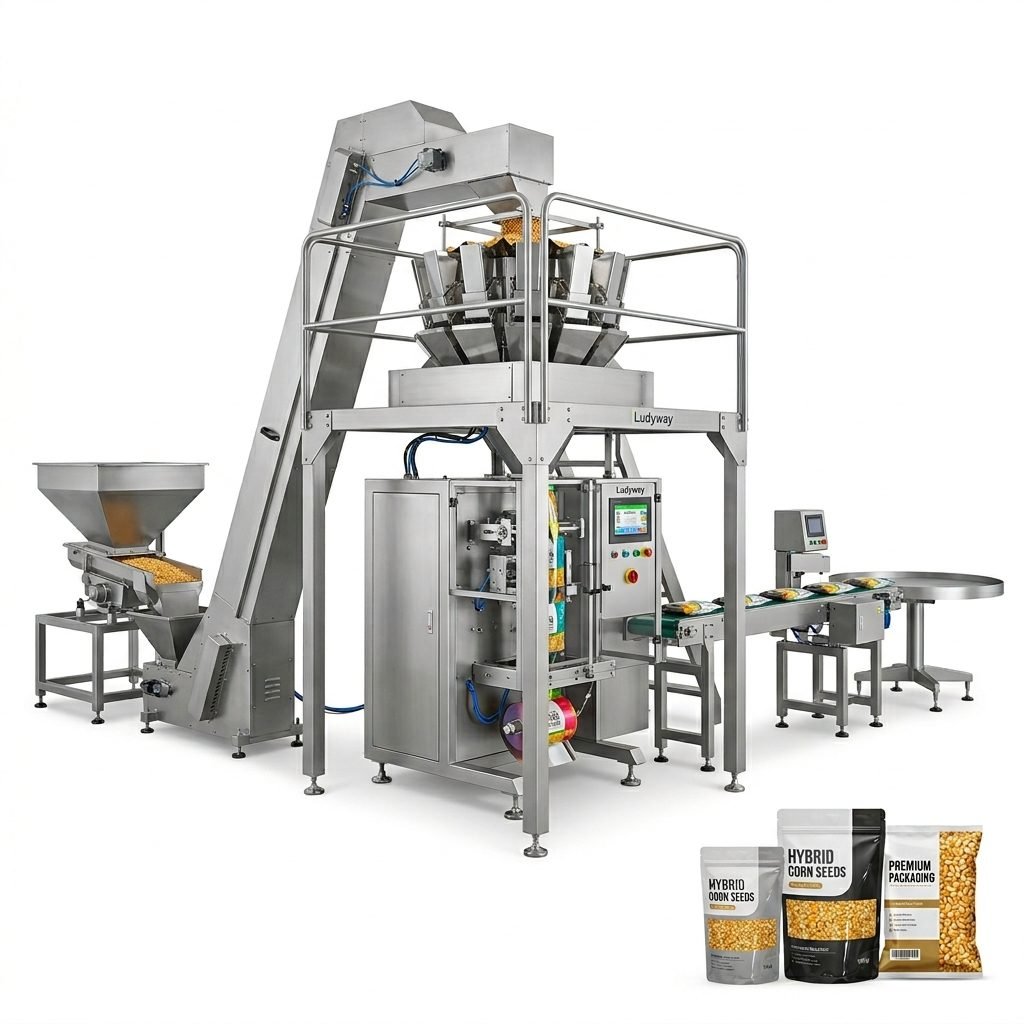
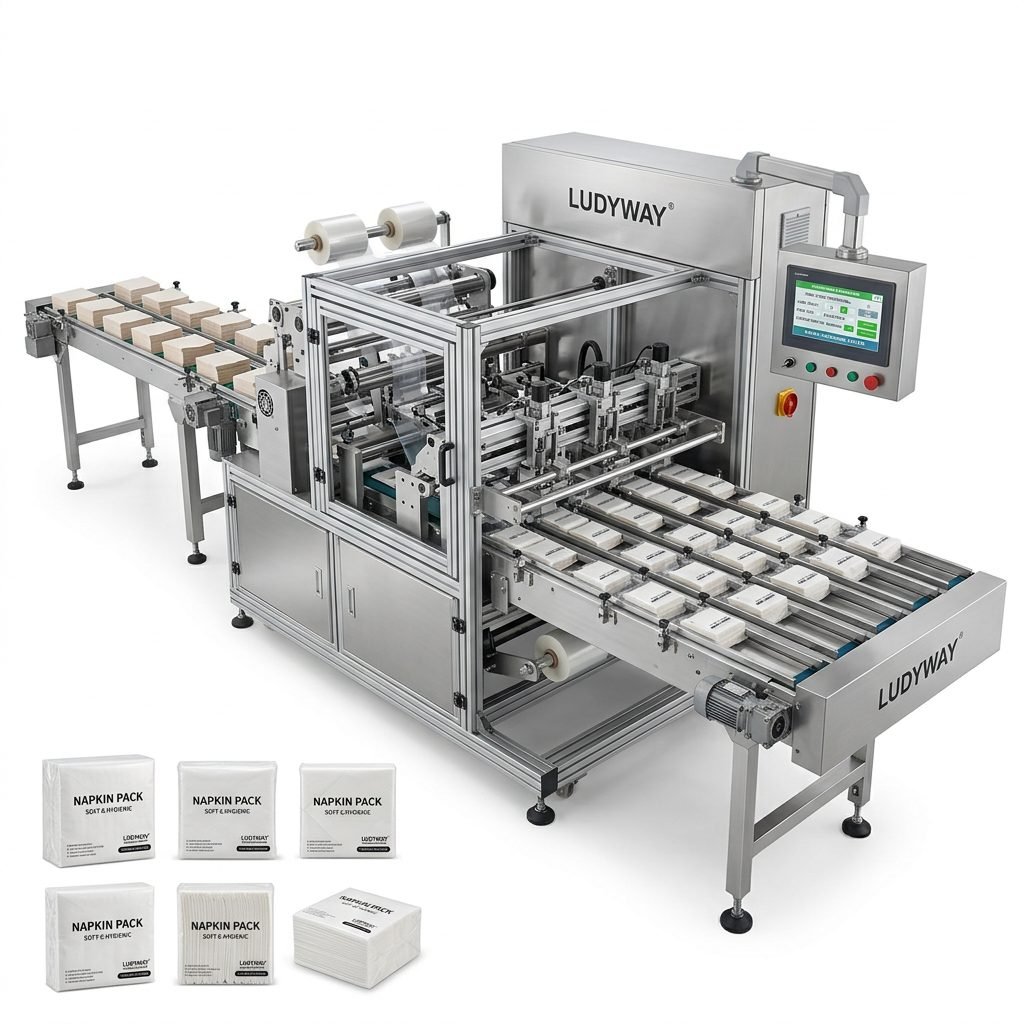
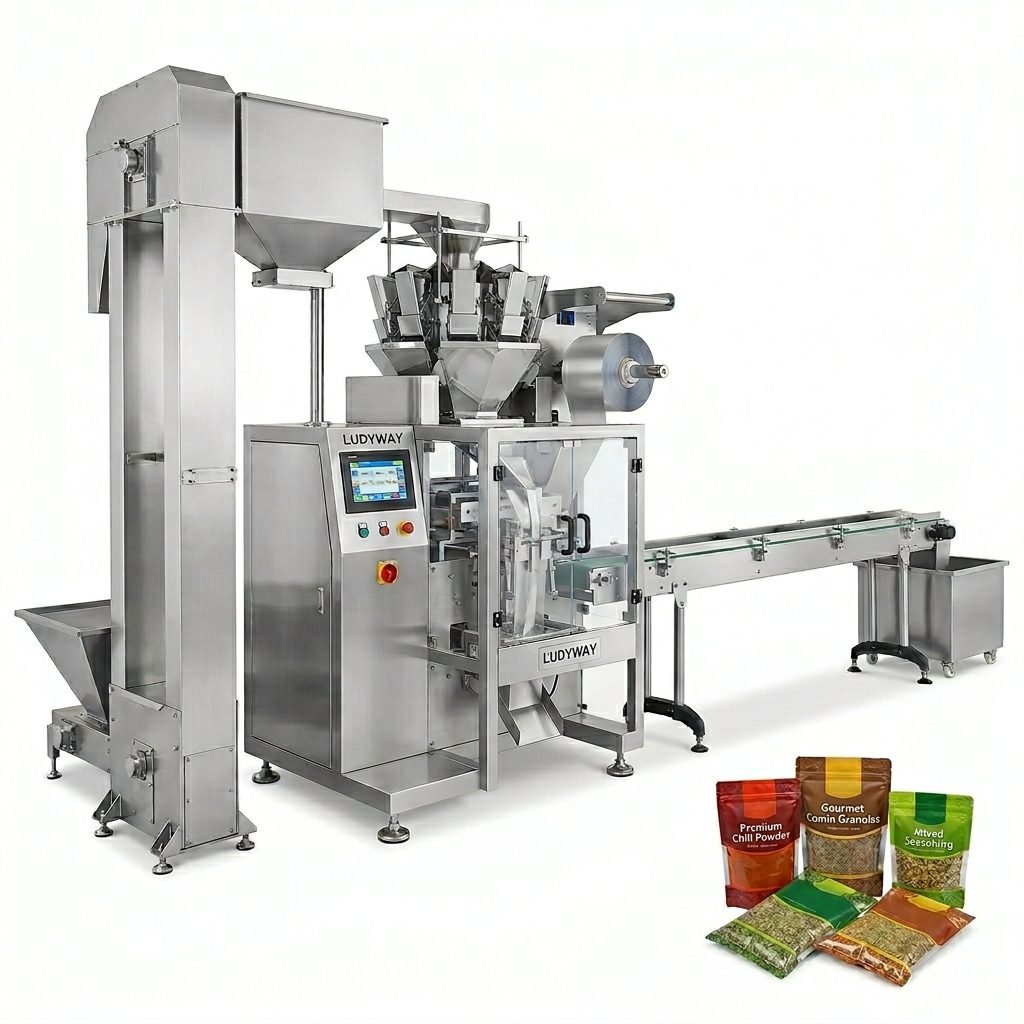
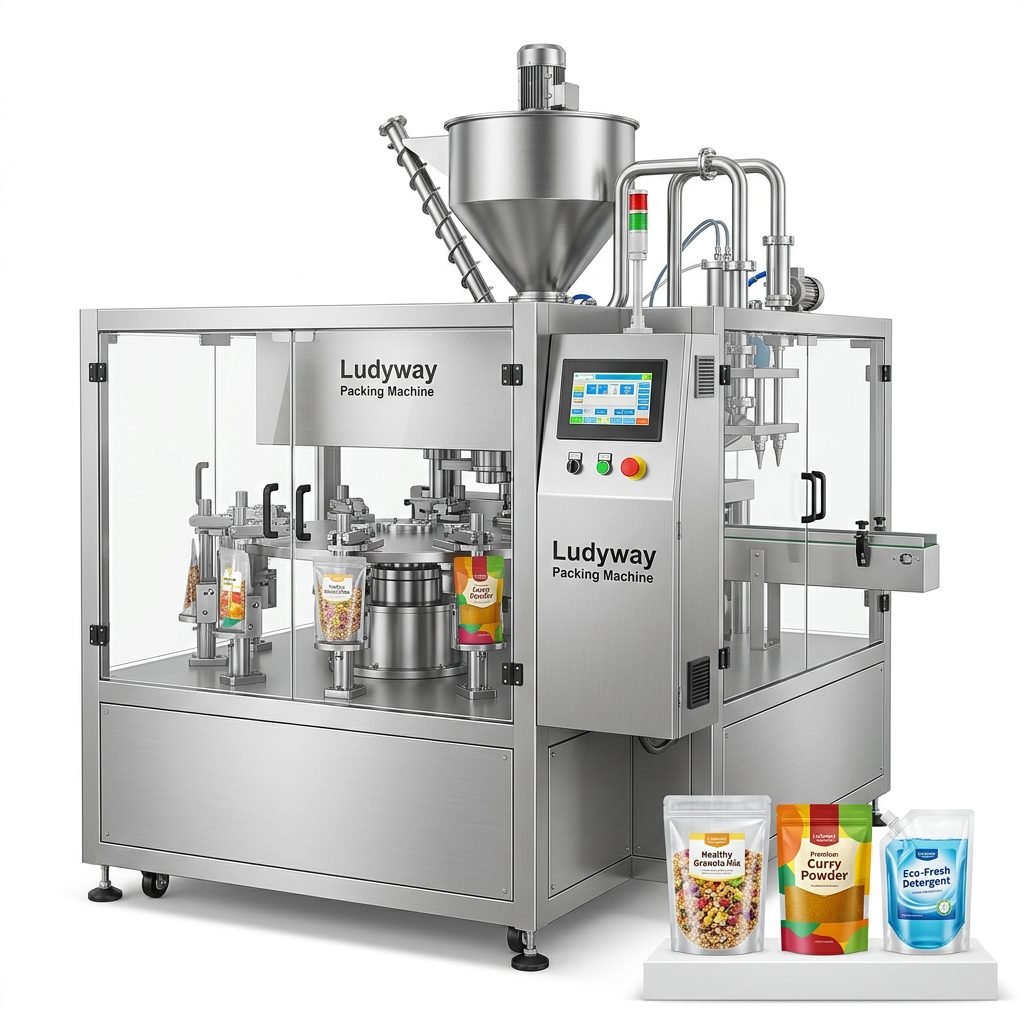
Fruit juice packaging is more than a filling task. It directly affects product safety, shelf life, production speed, transport efficiency, and brand presentation. Whether you produce fresh juice, NFC juice, juice concentrate, pulp juice, or functional beverage blends, choosing the right fruit juice packaging machine can determine how competitive your operation becomes.
Modern juice manufacturers need equipment that can handle different viscosities, packaging formats, hygiene requirements, and output targets. From small sachets for travel retail to large-volume pouches and bottle lines for supermarkets, the ideal machine should match your product characteristics and long-term growth plan.
What Is a Fruit Juice Packaging Machine?
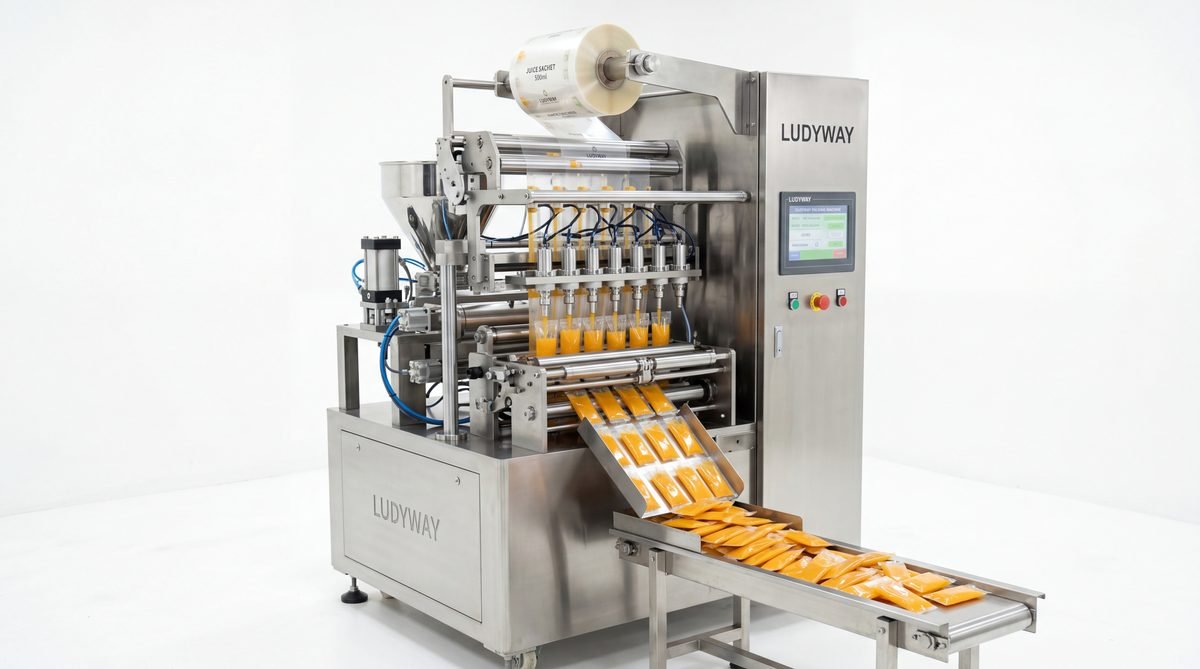
A fruit juice packaging machine is automated equipment designed to fill, seal, pack, and sometimes label or code juice products into containers such as sachets, stick packs, pouches, bottles, cups, or cartons. Depending on the production setup, the machine may work as a standalone unit or as part of a fully integrated packaging line.
These machines are typically engineered to process:
- Clear fruit juice
- Pulp-containing juice
- Cold-filled or hot-filled juice
- Juice concentrate
- Mixed fruit beverages
- Vitamin-enriched and functional juice drinks
Main Types of Fruit Juice Packaging Machines
There is no single “best” machine for all juice products. The right solution depends on packaging style, capacity, sanitation level, and market requirements.
1. Sachet Juice Packaging Machines
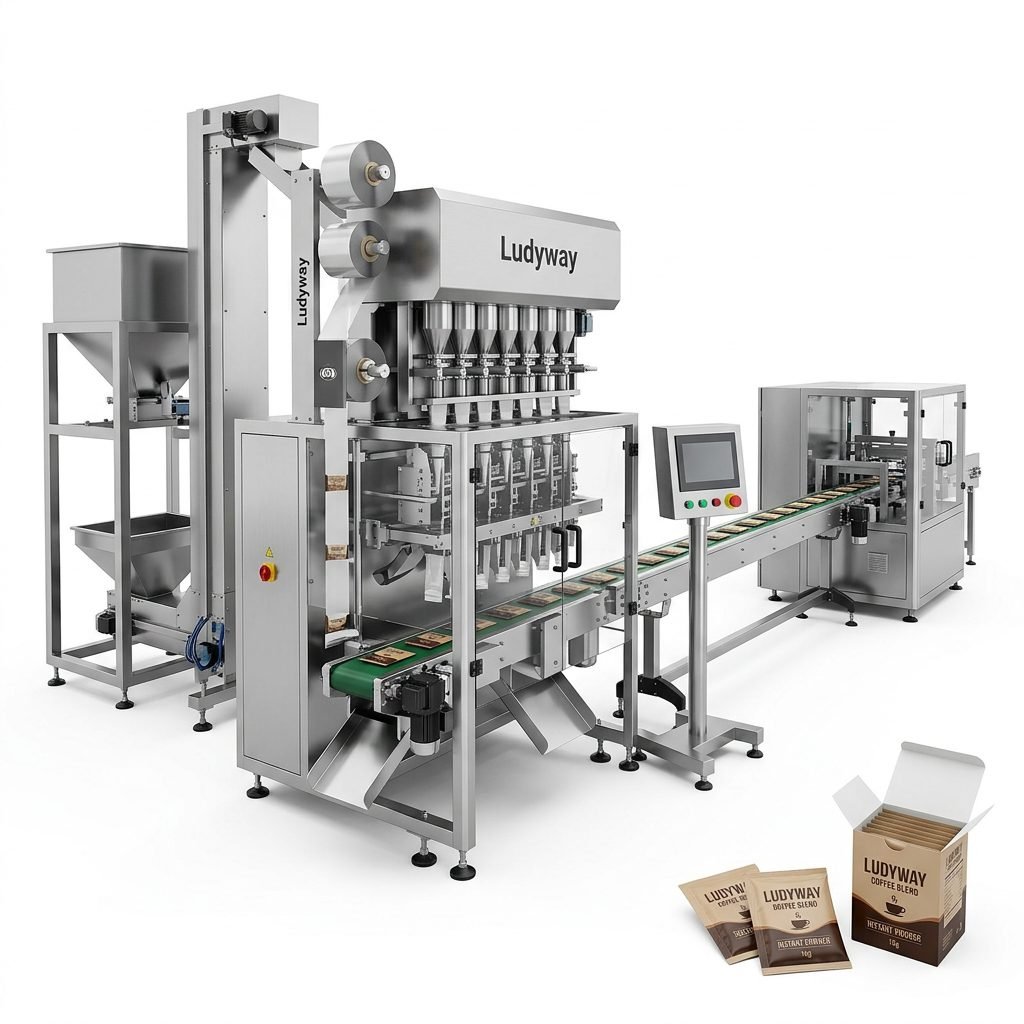
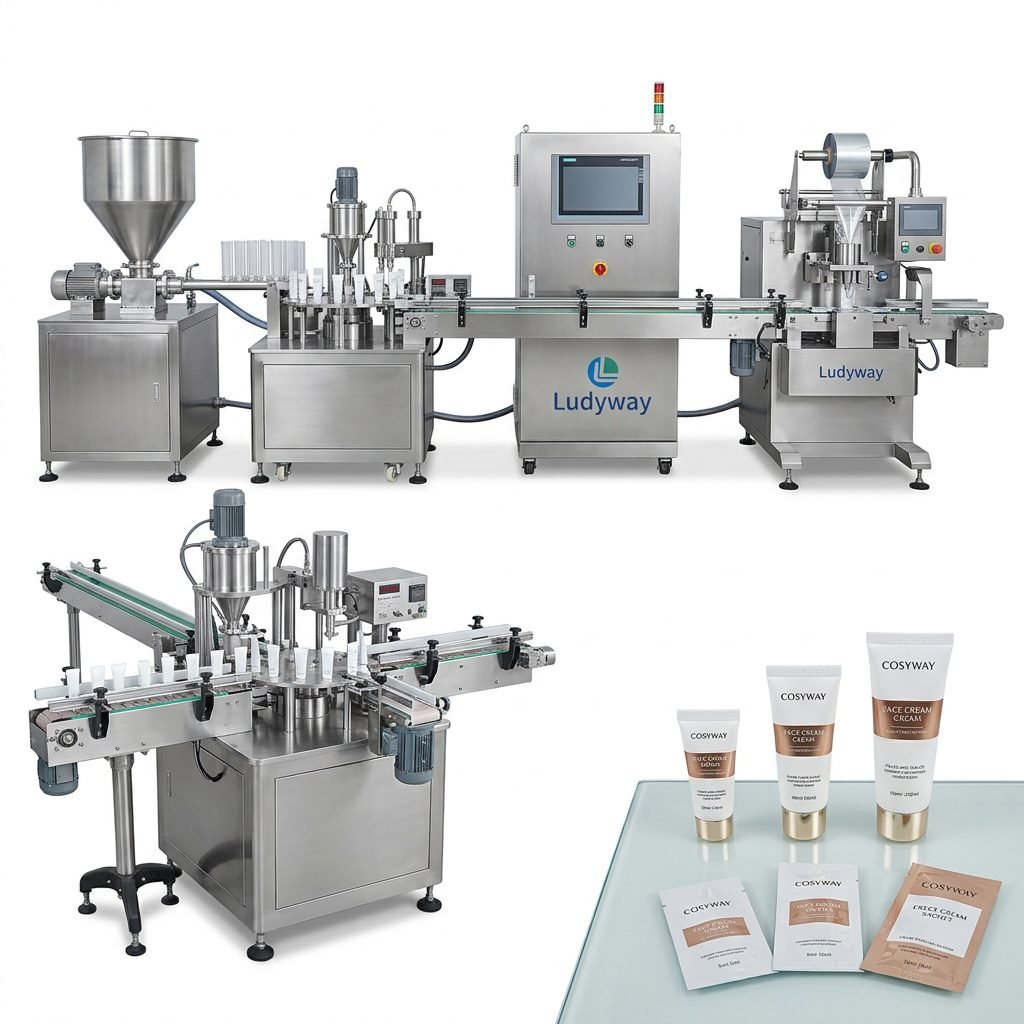
Sachet machines are ideal for single-serve fruit juice packaging. They are widely used for sample packs, retail travel packs, hotel supplies, school nutrition programs, and promotional beverage products.
- Suitable for small-volume liquid packs
- Compact and efficient
- Good for high-speed repetitive production
- Common in price-sensitive consumer markets
2. Stick Pack Juice Packaging Machines
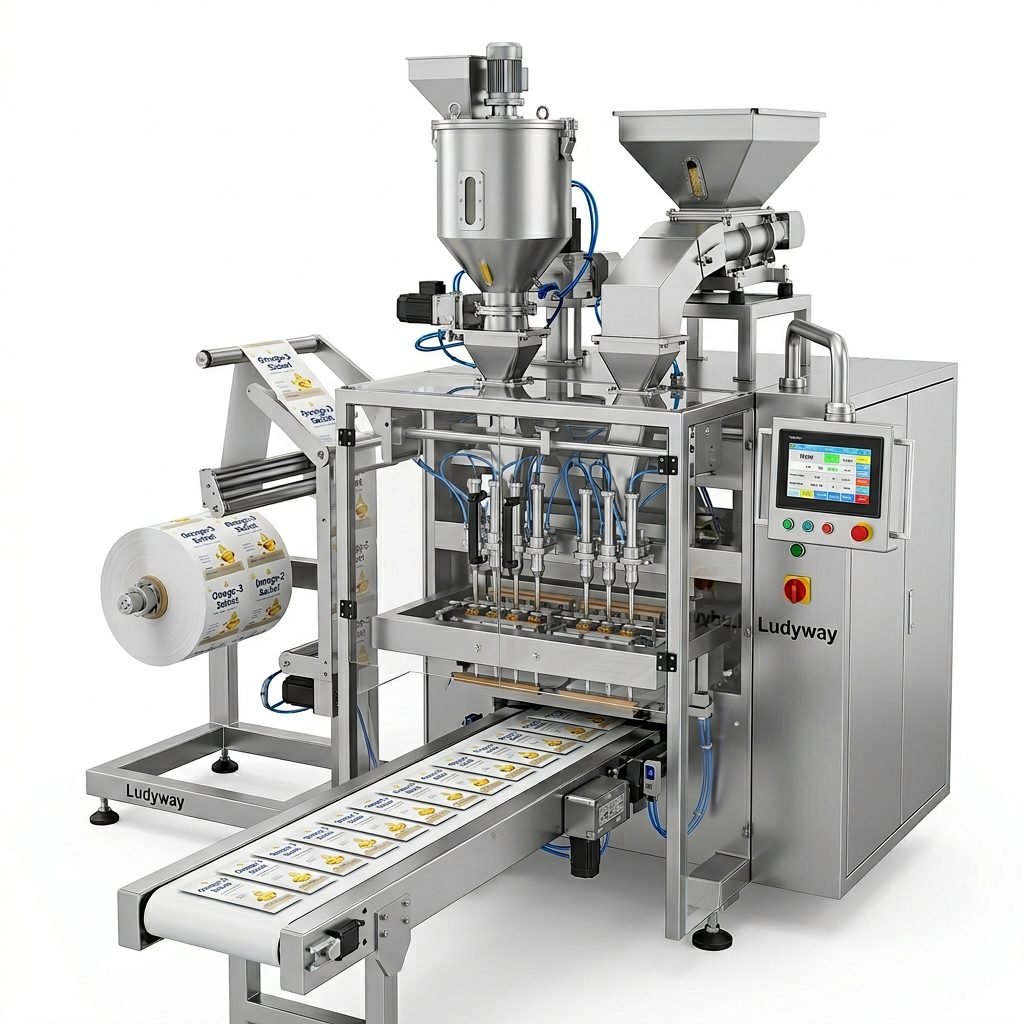
Stick pack machines are used when narrow, elongated packaging is preferred. They offer a modern appearance and are useful for portable or portion-controlled beverage applications.
- Excellent for on-the-go consumption
- Attractive retail format
- Efficient material usage
- Works well for concentrated juice portions
3. Premade Pouch Filling and Sealing Machines
For brands seeking a more premium shelf presence, premade pouch machines can fill stand-up pouches, spouted pouches, or flat pouches. This format is popular for children’s juice, healthy drinks, and premium fruit beverages.
- Better branding area
- Consumer-friendly packaging
- Can support resealable formats
- Suitable for higher-value products
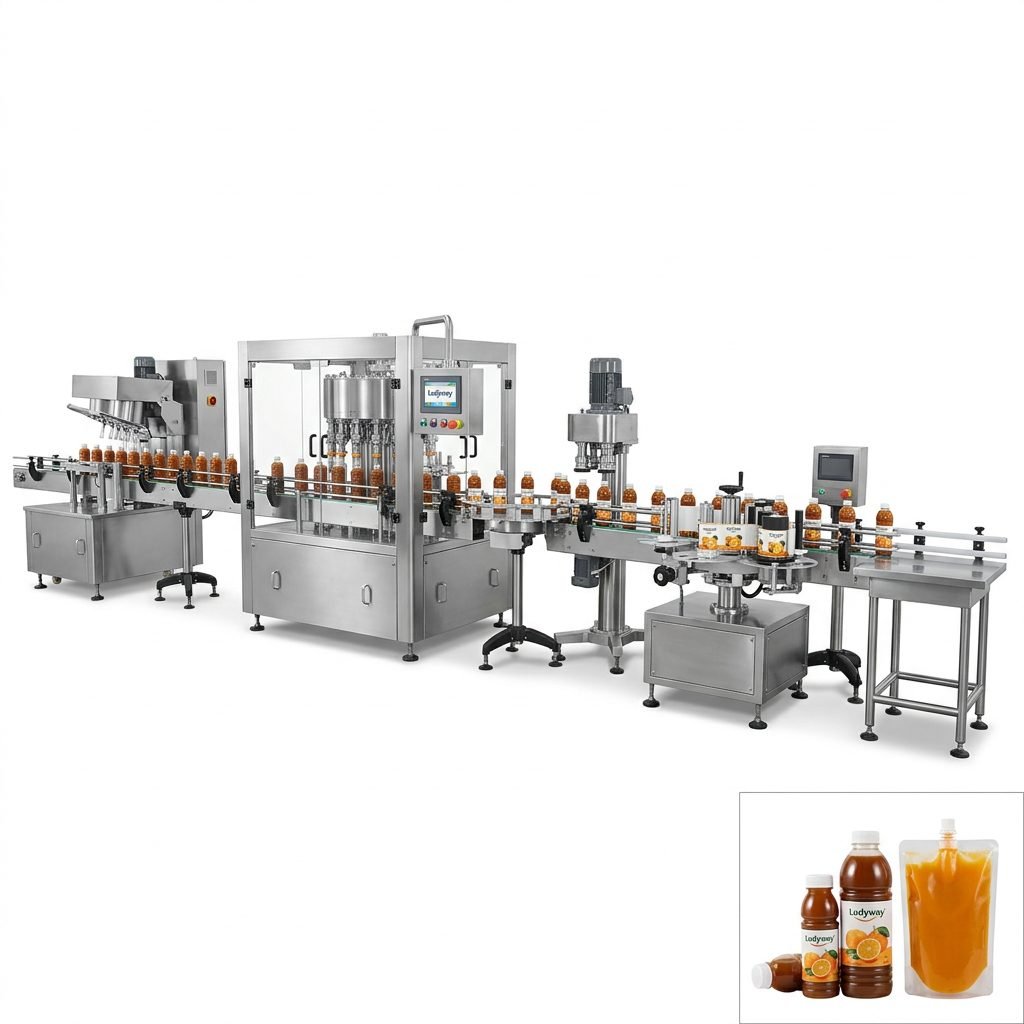
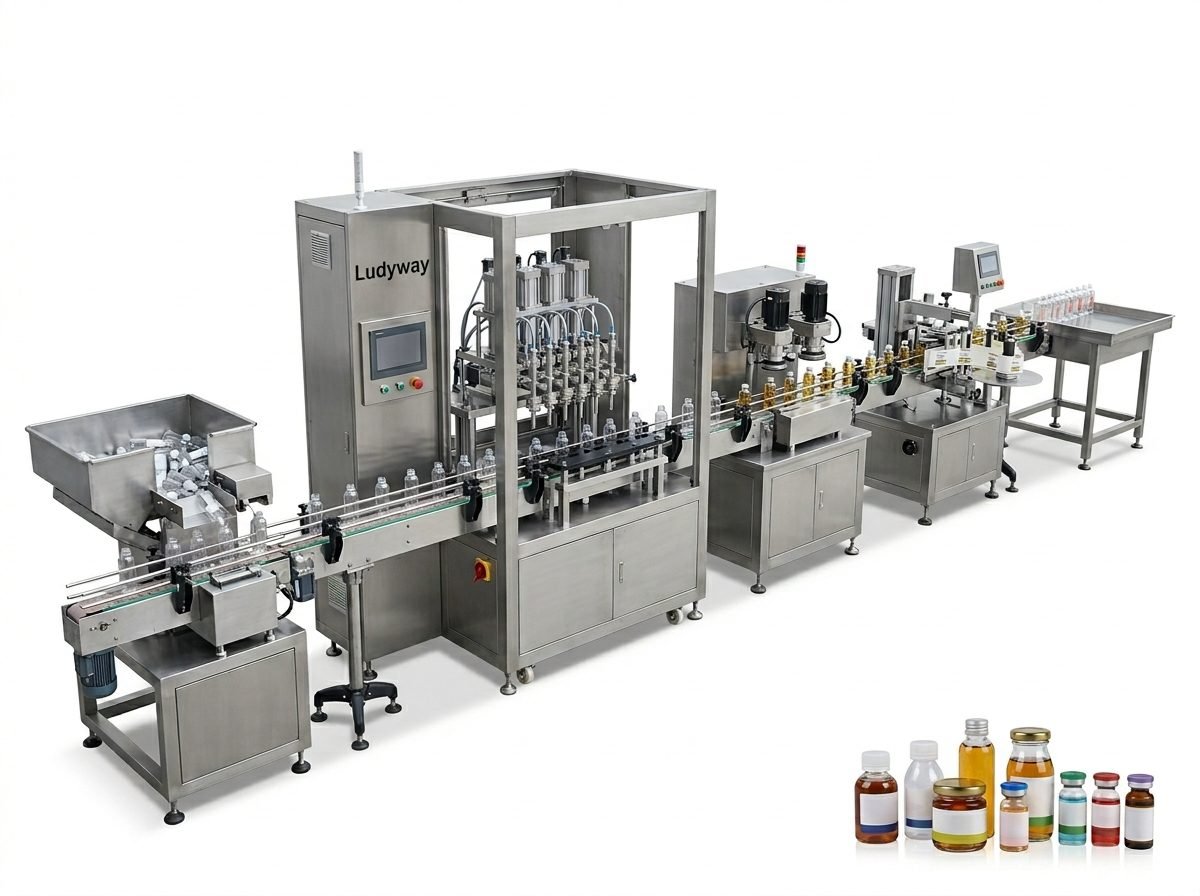
4. Bottle Filling and Capping Lines
Bottle lines remain one of the most common solutions for fruit juice packaging. They can support PET bottles, glass bottles, and other rigid containers depending on the application.
- Suitable for large retail distribution
- Compatible with hot fill or cold fill systems
- Easy for labeling and branding
- Good for wide volume ranges
5. Cup Filling and Sealing Machines
Cup filling machines are selected for specialty juice drinks, kid-focused products, and short-consumption beverages. They provide reliable sealing and portion consistency.
6. Complete Turnkey Juice Packaging Lines
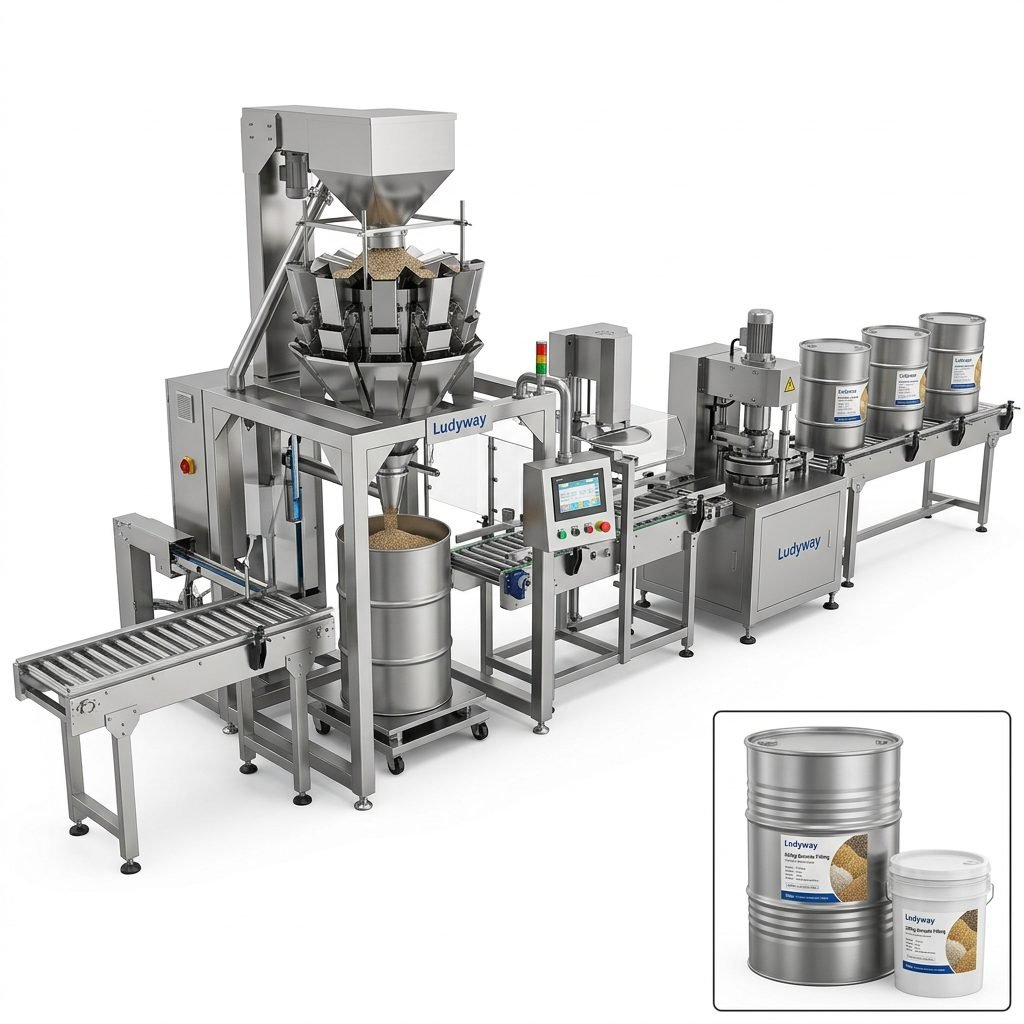
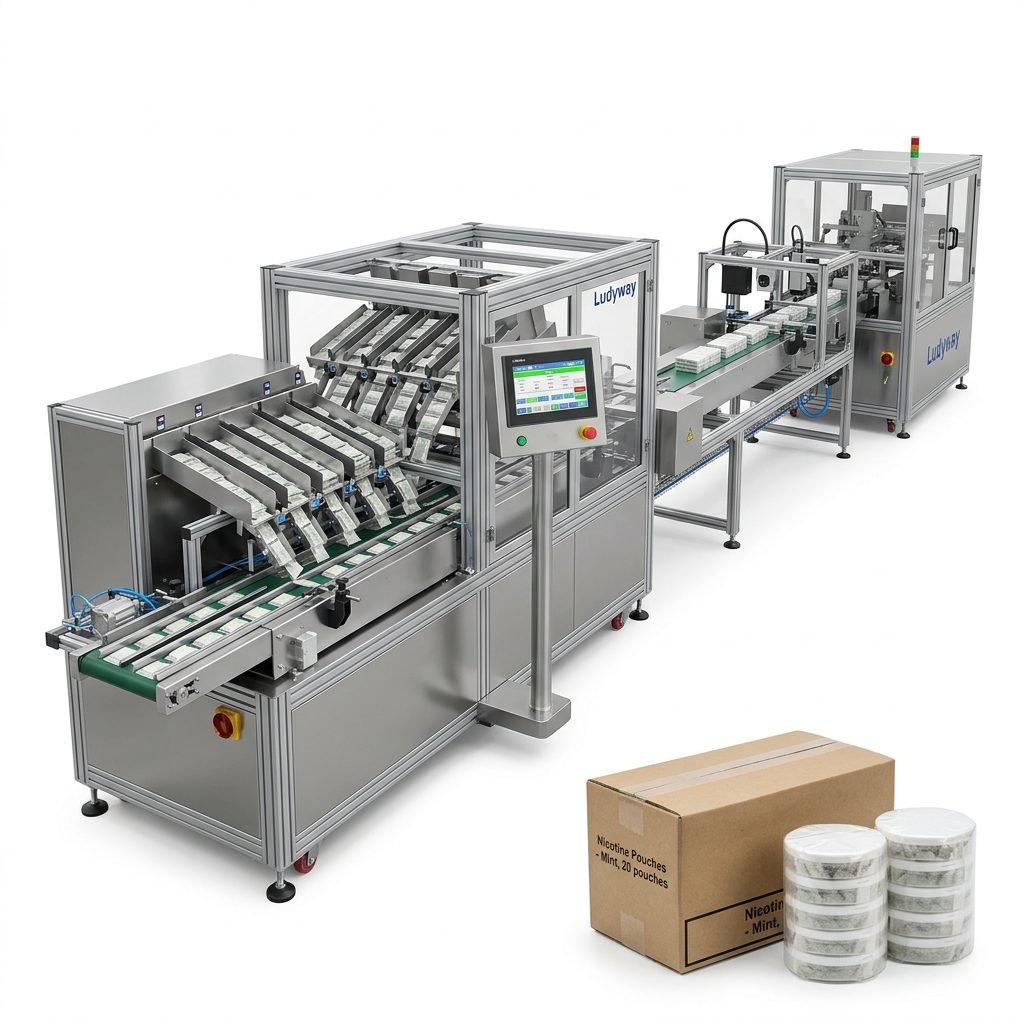
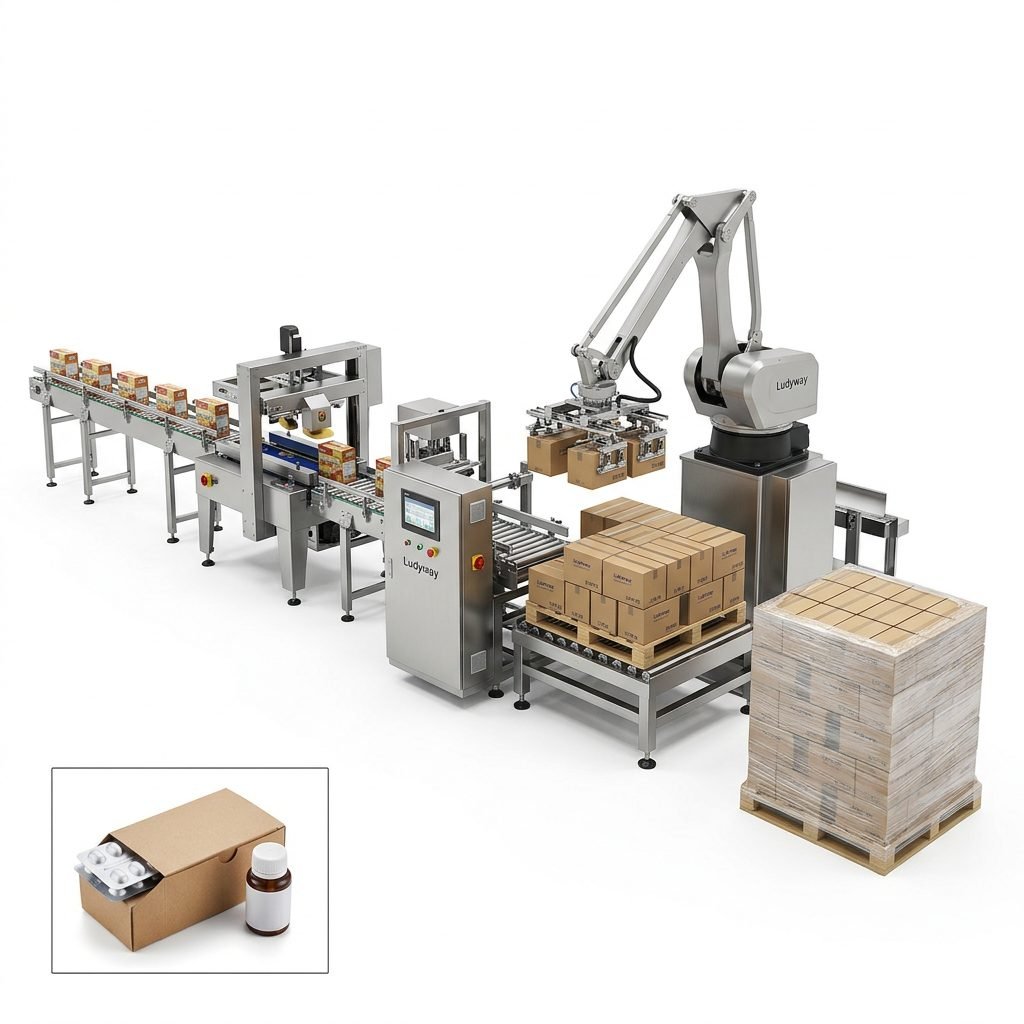
A turnkey line integrates multiple stages, including product feeding, filling, sealing, coding, inspection, cartoning, conveying, and end-of-line handling. This is ideal for manufacturers planning medium- to large-scale automated production.
| Machine Type | Best For | Advantages |
|---|---|---|
| Sachet machine | Single-serve juice | High speed, low pack cost, compact format |
| Stick pack machine | Portable juice portions | Convenient, sleek appearance, efficient film use |
| Premade pouch machine | Premium juice brands | Strong shelf appeal, flexible pouch options |
| Bottle filling line | Mainstream retail juice | Widely accepted format, scalable production |
| Cup filling machine | Specialty servings | Controlled dosing, secure sealing |
| Turnkey line | Growing factories | Full automation, integration, lower labor dependence |
How Fruit Juice Packaging Machines Work
Although each machine type differs, the standard workflow usually includes the following steps:
- Juice is stored in a hygienic holding tank.
- The product is transferred through pipelines or pumps.
- The machine doses a precise amount into the target package.
- The package is sealed using heat sealing, capping, or closure systems.
- Date coding, batch coding, or labeling is applied.
- Finished packs move to inspection, cartoning, and palletizing if required.
Advanced systems may also include CIP cleaning support, servo control, leak detection, checkweighing, nitrogen flushing, and vision inspection.
Key Benefits of Using the Right Juice Packaging Equipment
Higher Production Efficiency
Automated packaging significantly improves output compared with manual or semi-automatic operations. This means faster order fulfillment, better consistency, and easier shift planning.
Improved Filling Accuracy
Precise dosing reduces giveaway and helps maintain product uniformity. For juice manufacturers, this directly supports cost control and customer satisfaction.
Better Hygiene and Food Safety
Juice products are sensitive to contamination. Machines designed with sanitary contact parts, easy-clean structures, and food-grade materials help manufacturers meet strict quality requirements.
Longer Shelf Life Support
Reliable sealing and controlled filling conditions reduce leakage, oxidation risks, and microbial exposure. This is especially important for export-oriented juice brands and extended distribution chains.
Lower Labor Dependence
Automation reduces the need for repetitive manual handling, lowers labor costs, and helps maintain stable operation even when workforce availability changes.
Flexible Packaging Options
A well-selected machine can support multiple pack sizes or package styles, making it easier to launch new SKUs and test new markets.
Important Features to Look For
When comparing fruit juice packaging machines, pay close attention to these factors:
- Filling accuracy: Essential for liquid cost control and compliance
- Speed range: Must match your production target now and later
- Material compatibility: Important for acidic juice, pulp, or concentrate
- Seal quality: Critical for transport stability and shelf life
- Cleaning convenience: Faster sanitation means less downtime
- Automation level: Standalone machine or full line integration
- Control system: PLC and touchscreen improve usability
- Customization: Necessary for non-standard packaging formats
How to Choose the Right Fruit Juice Packaging Machine
1. Define Your Juice Type
Start with the product itself. Is it a clear liquid, a viscous juice concentrate, or a pulp-containing beverage? Product texture and flow characteristics influence pump selection, filling method, and nozzle design.
2. Confirm Your Packaging Format
Your target market often determines the format. Retail chains may favor bottles, while e-commerce brands may explore pouches. Small promotional packs may require sachet or stick pack solutions.
3. Estimate Production Volume
A machine that fits today’s demand may become a bottleneck next year. Choose equipment with enough capacity margin to support growth without overinvesting too early.
4. Evaluate Sanitation Requirements
Juice packaging requires a hygienic production environment. Look for stainless-steel construction, easy product-contact cleaning, and designs that reduce dead corners and residue retention.
5. Check Integration Possibilities
Many buyers focus only on the filling unit, but real efficiency often comes from linking upstream and downstream systems such as tanks, conveyors, cappers, labelers, cartoners, and palletizers.
6. Consider Maintenance and Technical Support
Even high-quality machinery needs service. Choose a manufacturer with real export experience, documentation support, spare parts planning, and long-term engineering assistance.
| Selection Factor | Why It Matters |
|---|---|
| Juice viscosity | Determines filling technology and dosing stability |
| Pack style | Affects machine structure and sealing format |
| Output target | Impacts model size, lanes, and automation level |
| Hygiene standard | Supports food safety and easier compliance |
| Expansion needs | Avoids costly future replacement |
| After-sales support | Reduces downtime and protects long-term performance |
Common Applications in the Juice Industry
Fruit juice packaging machines are used across a wide range of beverage segments, including:
- Orange juice
- Apple juice
- Mango juice
- Mixed fruit juice
- Coconut water and fruit blends
- Juice concentrate
- Functional juice drinks
- Children’s juice portions
- Hotel and catering beverage packs
Challenges in Juice Packaging and How Modern Machines Solve Them
Leakage Problems
Poor sealing can damage product reputation and increase returns. Modern machines use stable temperature control, optimized sealing jaws, and better film handling for stronger seals.
Product Foaming
Some juice products foam during filling. Advanced fillers reduce splashing and support more stable dosing through optimized nozzle design and filling logic.
Pulp Handling
Juice with pulp needs equipment that can maintain smooth product flow without clogging or inconsistent volume. Proper pump and pipeline design is essential.
Frequent Changeovers
Brands with multiple SKUs need equipment that allows quick format adjustments. User-friendly controls and modular machine design help reduce downtime during product changes.
Standalone Machine vs. Turnkey Juice Packaging Line
If you are a smaller producer or launching a new product, a standalone liquid packaging machine may be enough. But if you are planning wider distribution, private label production, or export growth, a complete line is usually more efficient.
A turnkey solution can include:
- Juice storage and transfer system
- Filling and sealing machine
- Date coding equipment
- Checkweigher or inspection system
- Cartoning or case packing
- Conveying and palletizing support
Manufacturers looking for scalable automation often work with experienced suppliers such as Ludyway fruit juice packaging machine solutions, especially when they need customized equipment or integrated packaging lines for food and beverage applications.
Questions to Ask Before Buying
- What packaging formats do I need now and in the next 3–5 years?
- Will the machine handle juice with pulp or varying viscosity?
- What is the real output under production conditions?
- How easy is cleaning and maintenance?
- Can the machine integrate with coding, labeling, and cartoning equipment?
- What spare parts and technical support are available?
- Is customization available for my brand and package size?
Final Buying Advice for Juice Manufacturers
The best fruit juice packaging machine is not simply the fastest or cheapest model. It is the system that aligns with your product type, packaging format, hygiene expectations, production goals, and expansion plan. A carefully chosen machine helps improve output, reduce waste, protect juice quality, and strengthen your market position.
If you are comparing options, focus on long-term value: reliable filling accuracy, stable sealing, sanitary design, upgrade flexibility, and dependable supplier support. That combination will deliver far better results than choosing on price alone.