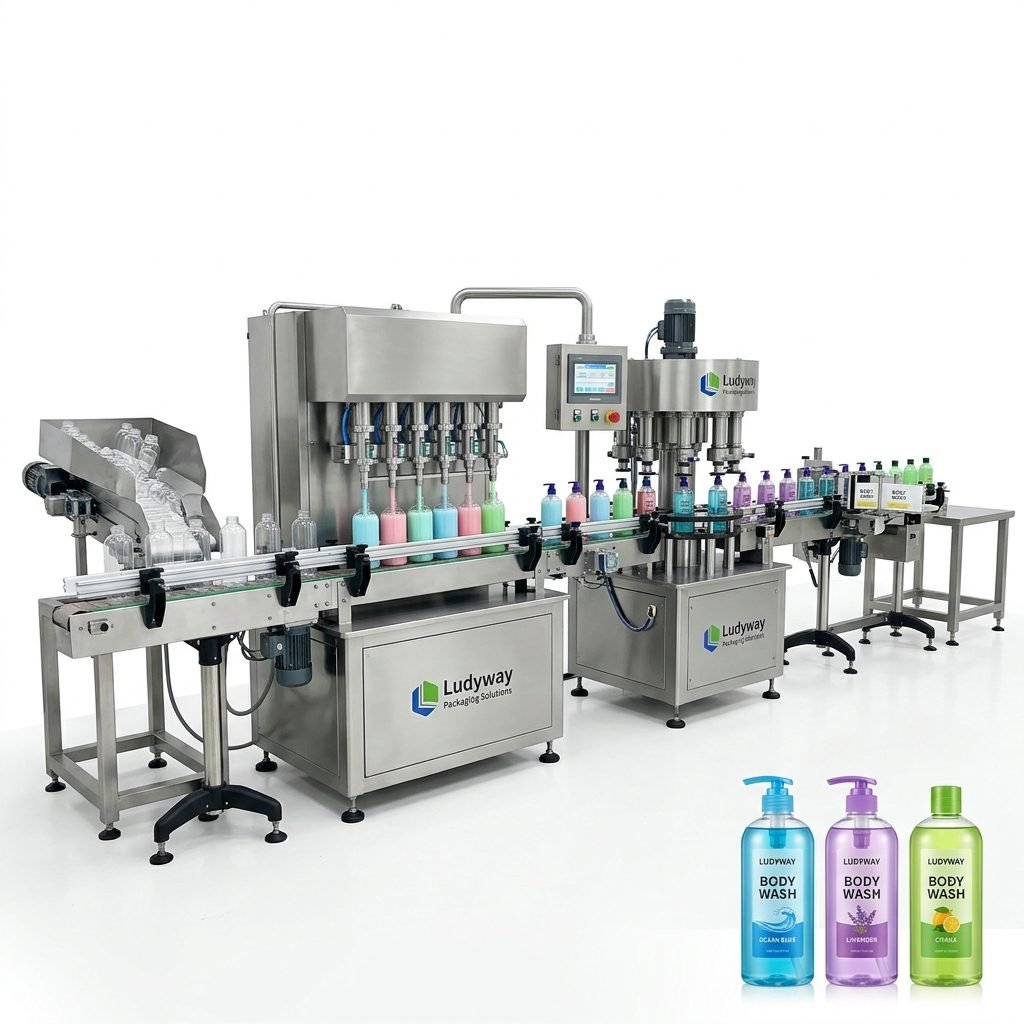
Potato producers, snack brands, frozen food companies, starch processors, and fresh produce packers all face the same challenge: how to package potatoes faster, more accurately, and with less waste. A modern potato packing machine helps solve this by combining weighing, feeding, bagging, sealing, labeling, and end-of-line automation into one efficient workflow.
Whether you are packing whole potatoes, potato chips, frozen diced potatoes, dehydrated potato flakes, or potato starch, the right automation system can improve output consistency, reduce labor pressure, and support scalable growth across retail, wholesale, and export markets.
What Is a Potato Packing Machine?
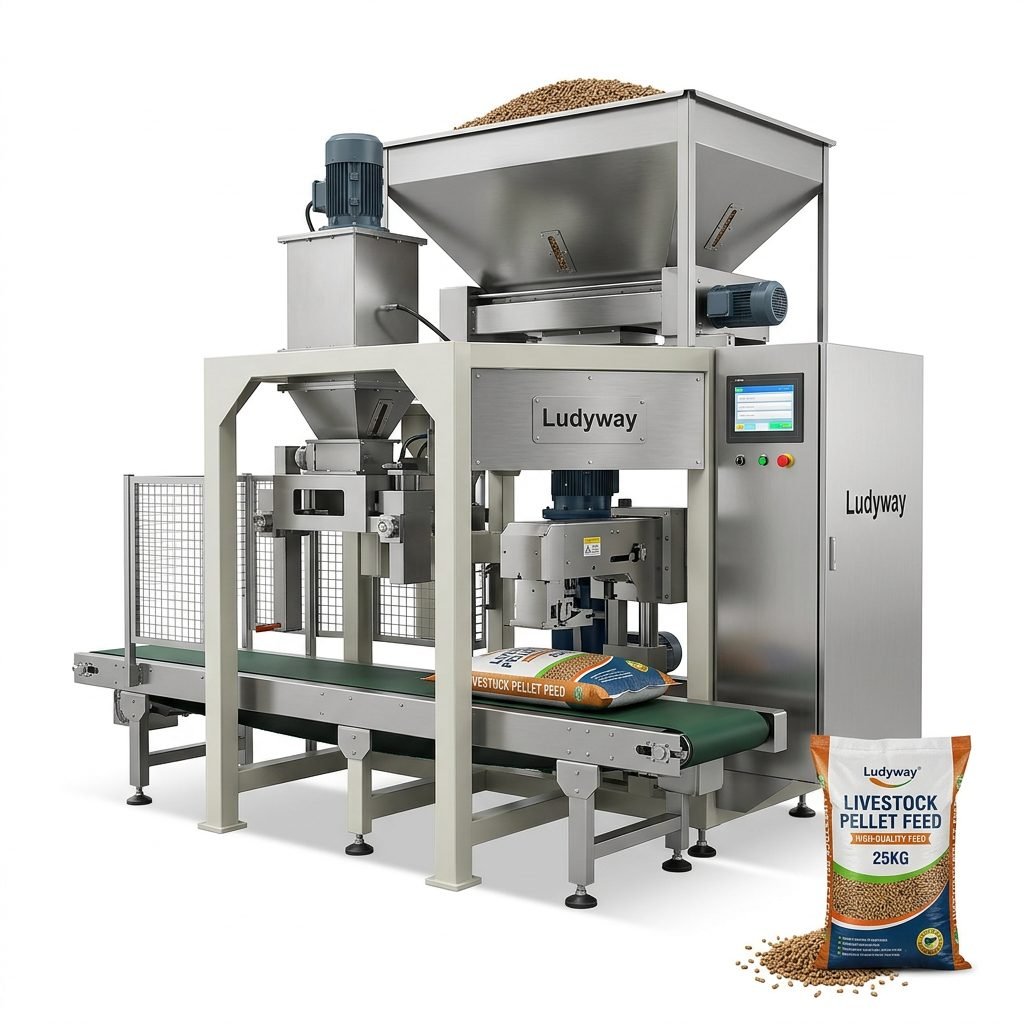
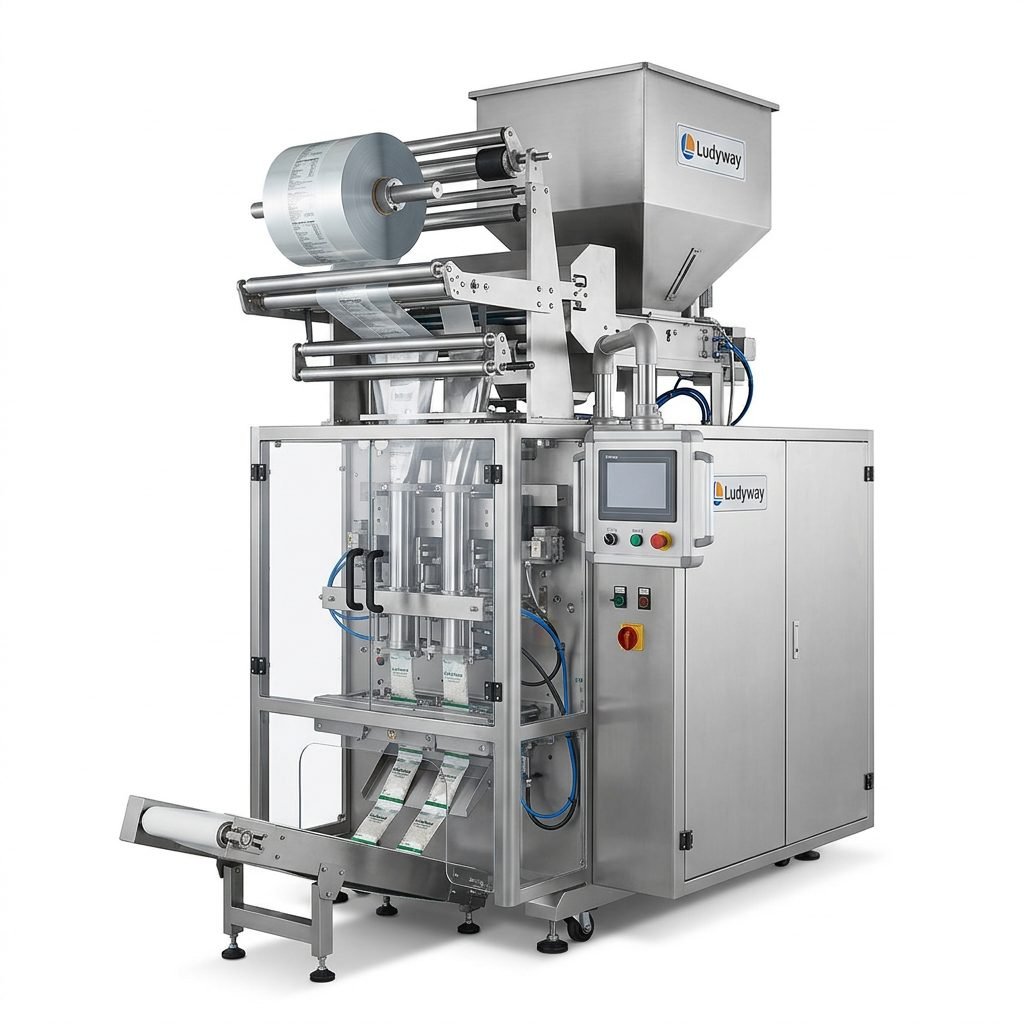
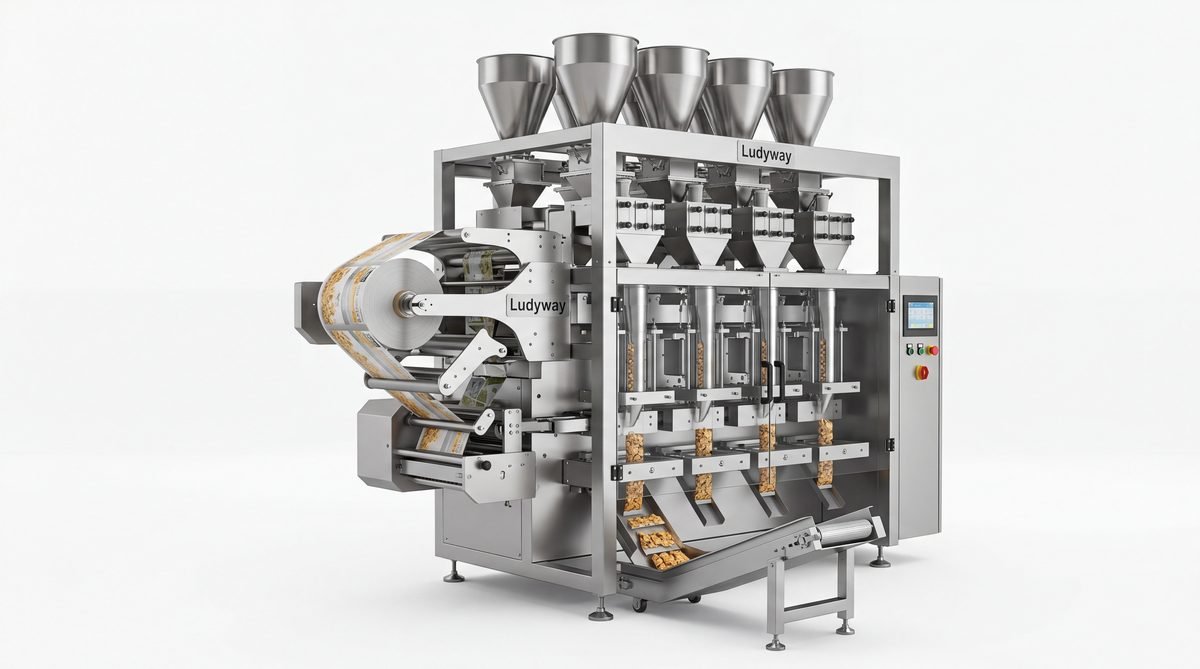
A potato packing machine is automated equipment designed to package potato-based products in different formats, including bags, pouches, sachets, stick packs, and bulk sacks. The exact configuration depends on the product form:
- Fresh whole potatoes in mesh bags, PE bags, or large woven sacks
- Potato chips and snack products in retail pouches
- Frozen potato products in sealed bags
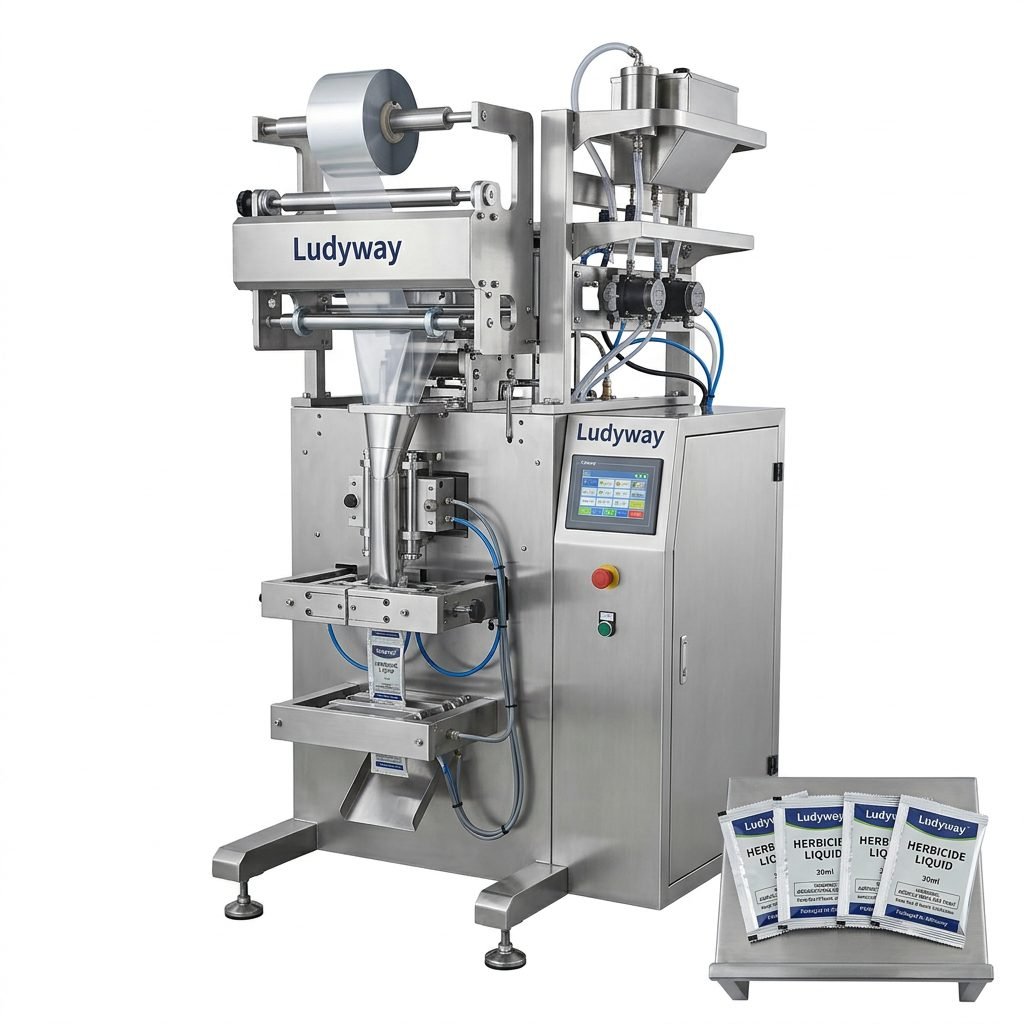
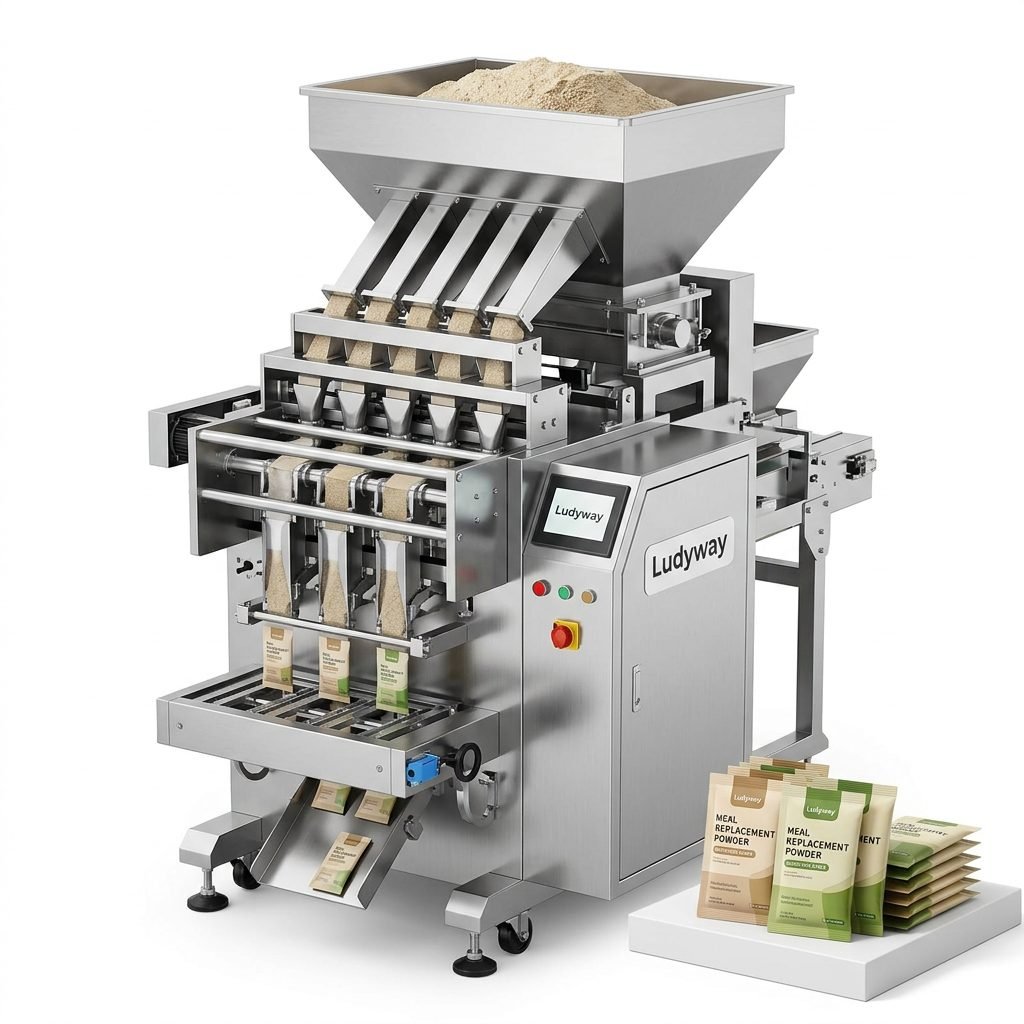
- Potato starch and potato powder in sachets, pouches, or bulk bags
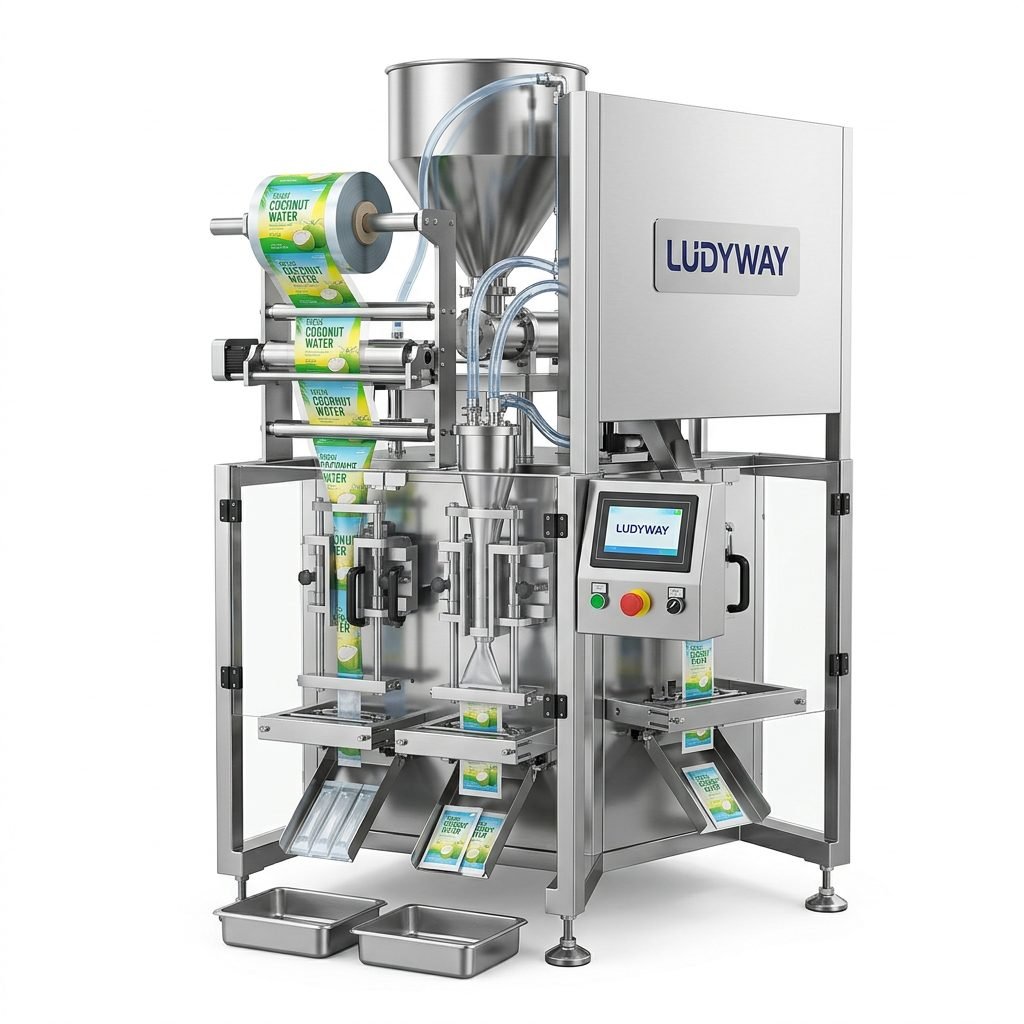
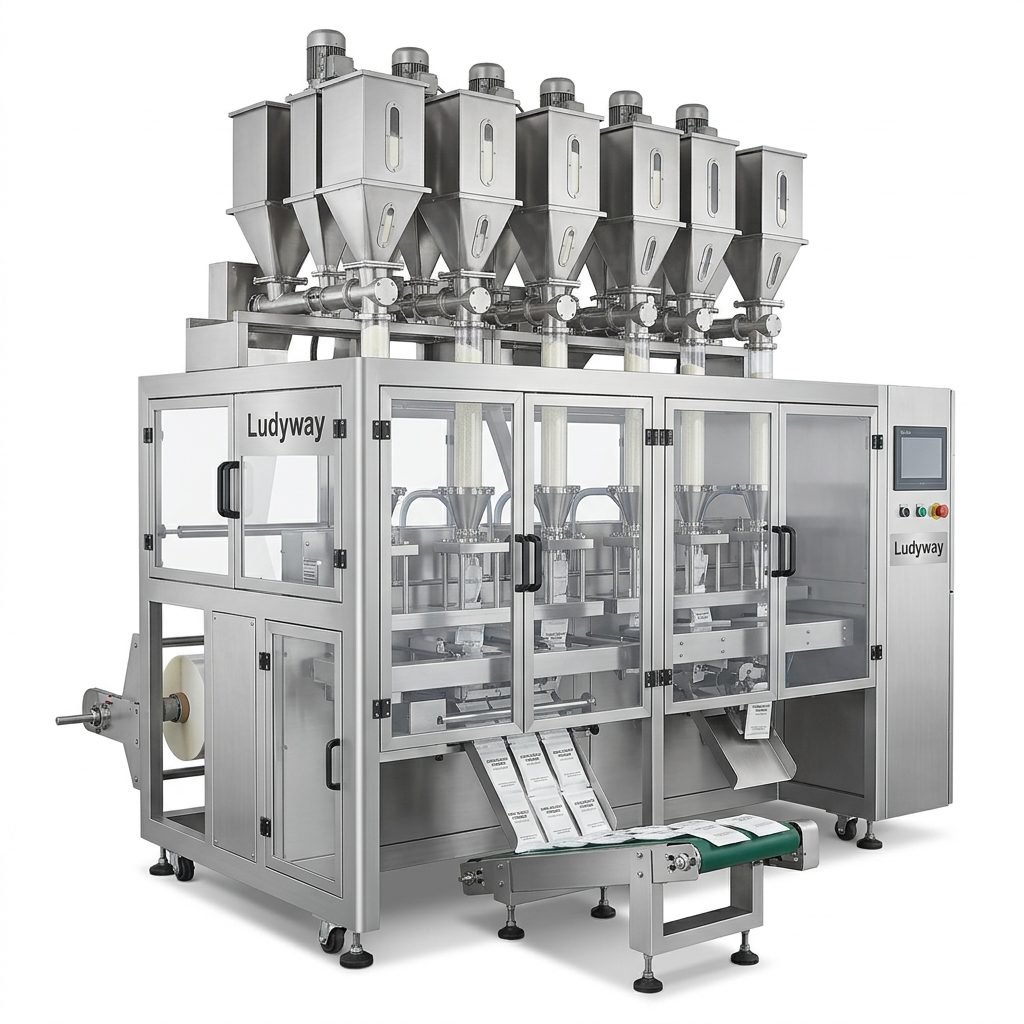
- Seasoning blends or instant potato mixes in multi-lane sachets
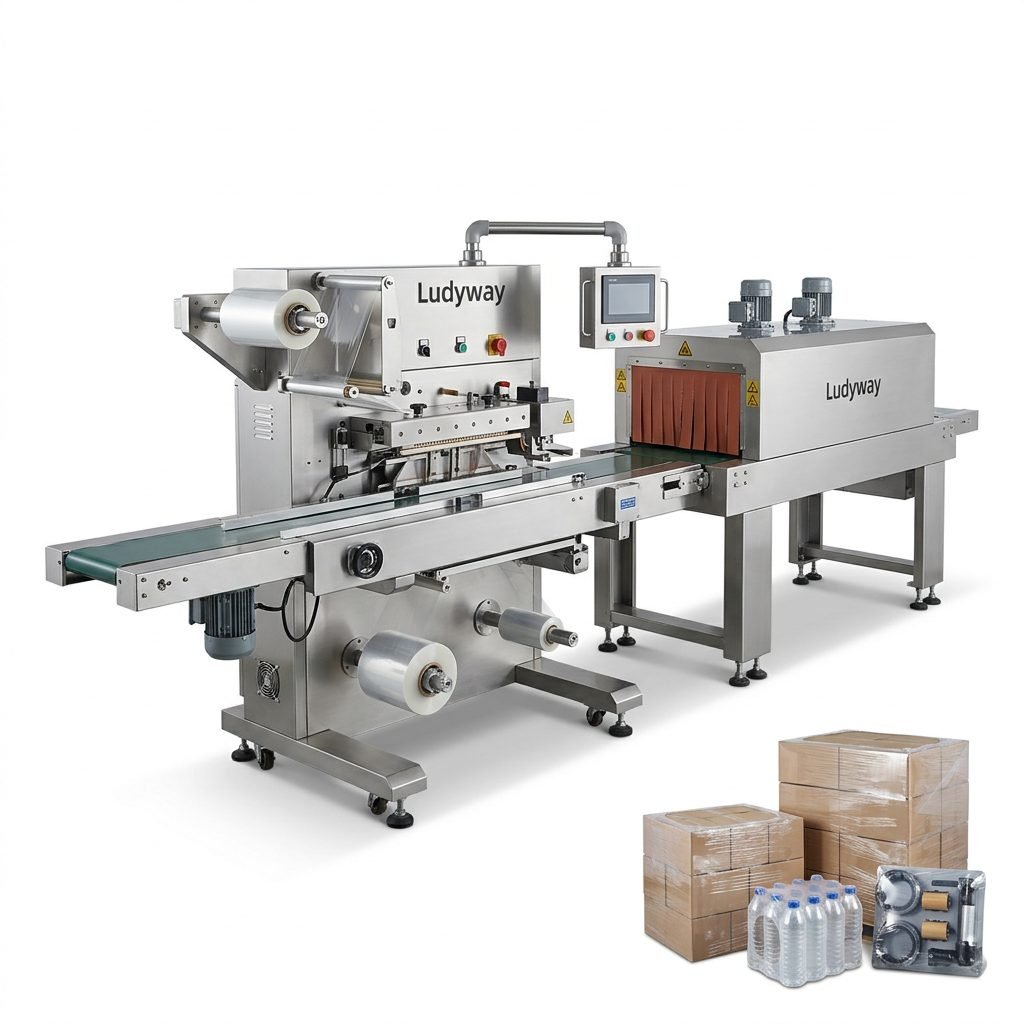
In many factories, a complete line may include feeding systems, elevators, multihead weighers or auger fillers, bagging machines, sealers, coding systems, checkweighers, metal detectors, case packers, and palletizing units.
Why Automated Potato Packaging Matters
Manual packaging often creates bottlenecks, especially during peak production seasons. Automation helps manufacturers maintain stable output while improving packaging quality.
- Higher speed for large-volume production
- More accurate filling to reduce giveaway and underweight packs
- Better sealing consistency for shelf life and transport safety
- Lower labor dependence in repetitive packaging tasks
- Improved traceability through coding and inspection systems
- Scalable production for retail and export expansion
Main Types of Potato Packing Machines
1. Fresh Potato Bagging Machines
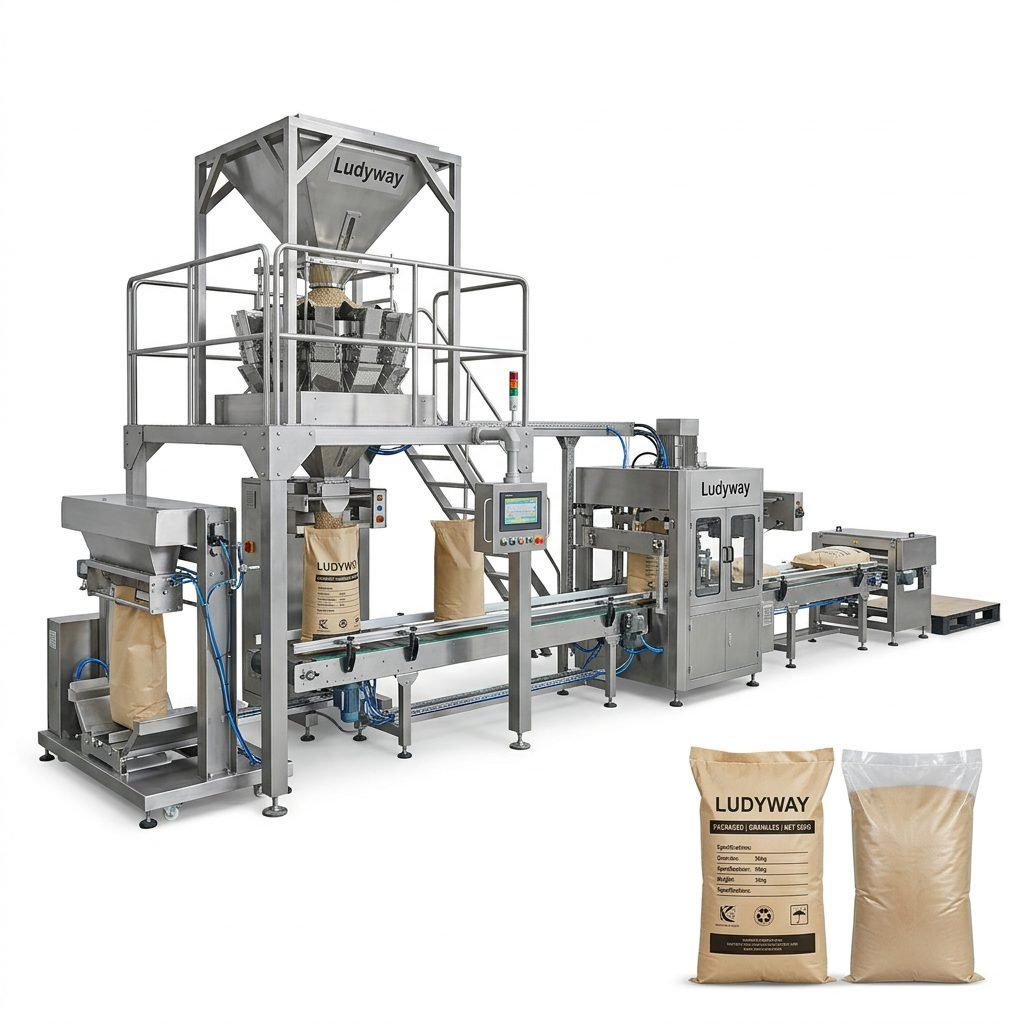
These systems are used for whole potatoes packed by weight into mesh bags, plastic bags, or woven sacks. They are common in agricultural packing stations and wholesale food supply operations.
- Suitable for 1kg, 2kg, 5kg, 10kg, 20kg, 25kg, and 50kg formats
- Can integrate weighing, bag feeding, sealing, stitching, and labeling
- Ideal for farm packing houses and distribution centers
2. Potato Chips Packaging Machines
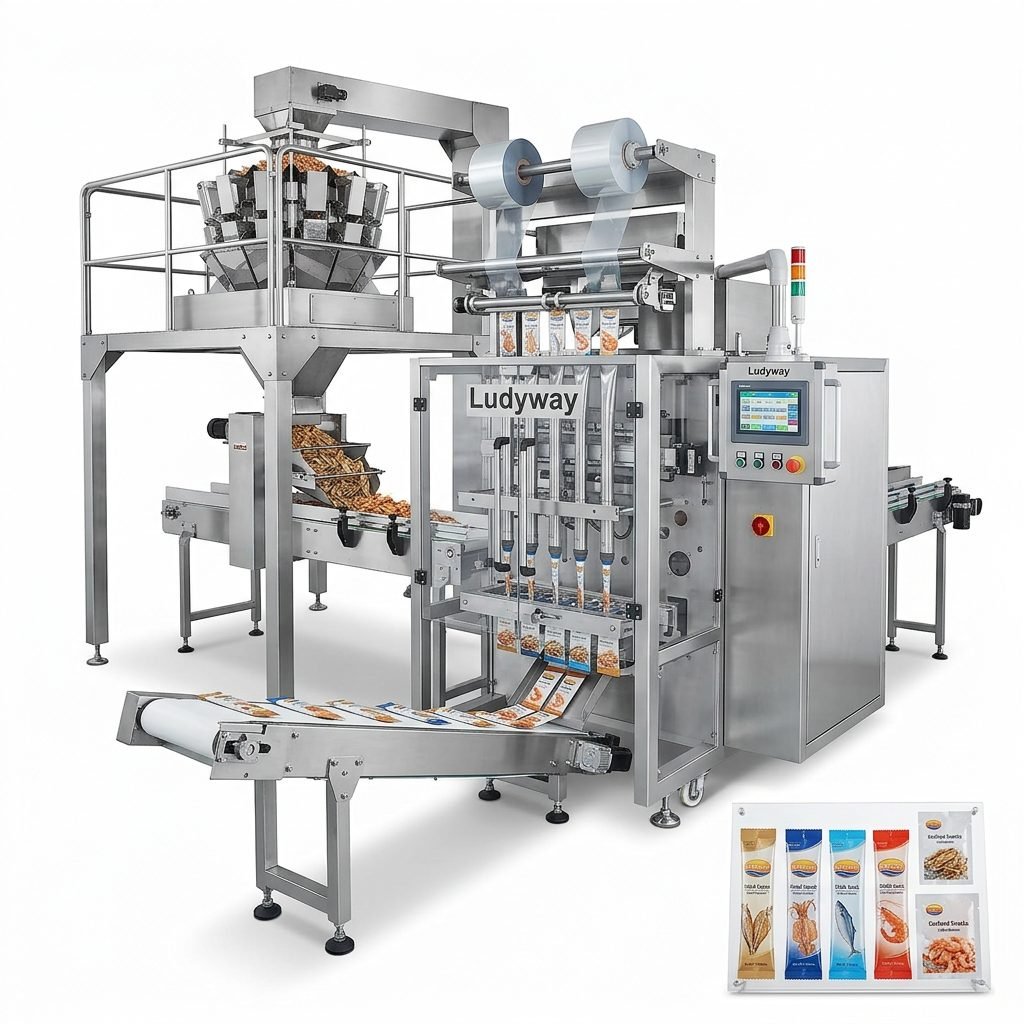
For snack applications, these machines are designed for high-speed pouch packaging with stable weighing and sealing performance. Nitrogen flushing may also be added to protect product freshness and reduce breakage.
3. Potato Powder and Starch Packaging Machines
Potato starch, instant mashed potato powder, and dehydrated potato mixes usually require powder filling technology. Depending on the pack size, manufacturers may use auger fillers, vertical form-fill-seal systems, or multi-lane sachet machines.
4. Frozen Potato Packaging Lines
Frozen fries, wedges, and diced potatoes require packaging systems that work reliably in cold-chain production environments. These machines focus on efficient product handling, accurate weighing, and durable sealing.
Key Features to Look For
Not every machine fits every potato product. The best choice depends on material characteristics, target output, packaging format, hygiene standards, and downstream logistics. Important features include:
| Feature | Why It Matters |
|---|---|
| Accurate weighing/filling | Reduces product giveaway and improves pack consistency |
| Fast changeover | Helps switch between different pack sizes or bag types quickly |
| Strong sealing performance | Protects product quality during transport and storage |
| Dust control or clean filling | Especially important for starch and powder products |
| Automation integration | Supports conveyors, coding, inspection, cartoning, and palletizing |
| Durable construction | Ensures stable operation in continuous industrial production |
Applications Across the Potato Industry
A potato packing machine can be used in many processing and supply scenarios:
- Fresh produce packing centers
- Potato chip and snack manufacturing
- Frozen food processing plants
- Potato starch and powder production
- Instant food and seasoning factories
- Bulk wholesale and export packaging operations
Benefits for Production Efficiency
Reduced Product Loss
With precise dosing and reliable bag handling, businesses can reduce overfilling, spillage, and sealing defects. This has a direct effect on profitability, especially in high-volume operations.
Improved Labor Utilization
Instead of assigning workers to repetitive filling and sealing tasks, manufacturers can redeploy staff to quality control, maintenance, logistics, and supervisory roles.
Better Packaging Consistency
Uniform packaging improves retail presentation, stacking performance, and customer confidence. For export-oriented suppliers, this consistency is especially valuable.
Higher Throughput
Automated systems are designed to keep pace with upstream production, helping prevent delays between processing and final packing.
How to Choose the Right Potato Packing Solution
Before selecting a machine, businesses should clearly define their packaging requirements. A practical evaluation usually includes the following:
- Product type: whole potatoes, chips, flakes, powder, starch, or frozen products
- Packaging format: pouch, sack, mesh bag, sachet, or stick pack
- Required output per minute or per hour
- Target weight range and accuracy expectations
- Available factory space and line layout
- Need for downstream automation such as labeling, cartoning, or palletizing
- Cleaning and maintenance requirements
Single Machine or Complete Turnkey Line?
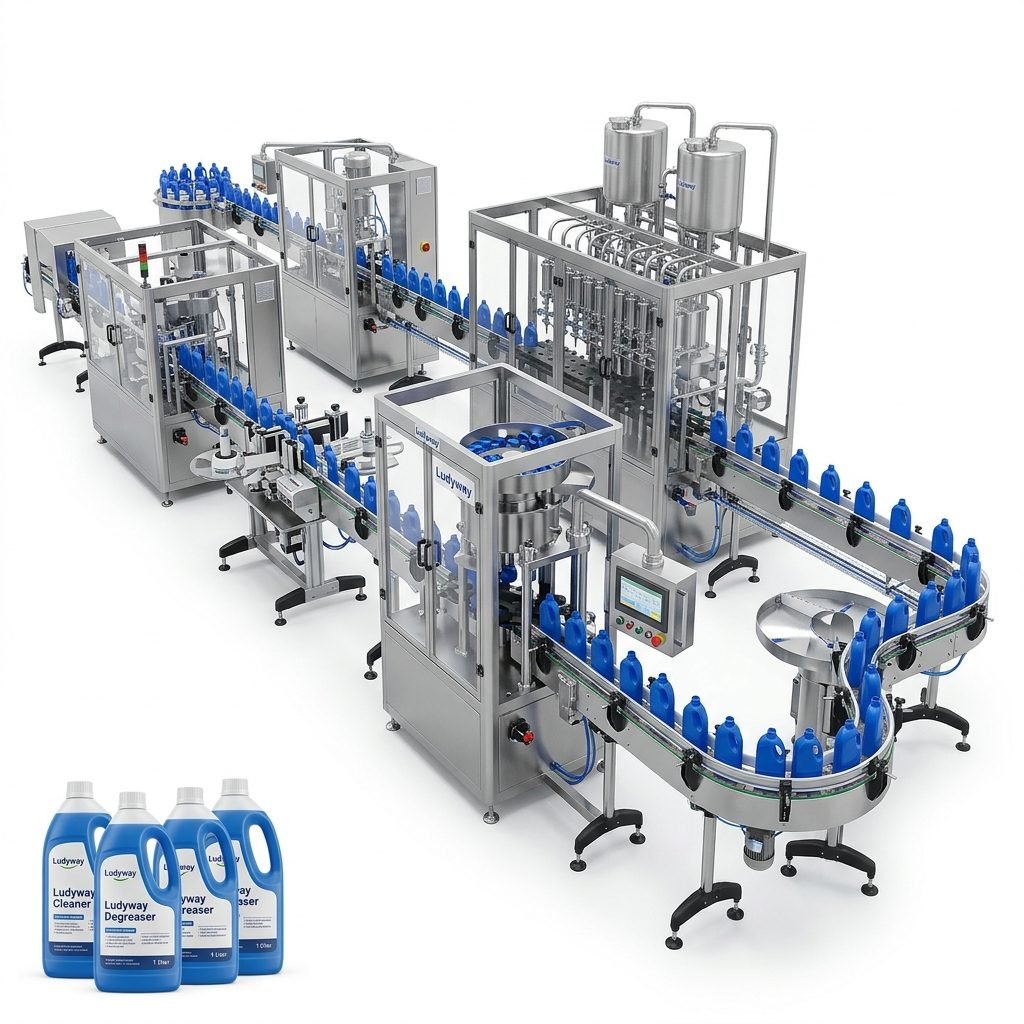
Some companies only need a standalone bagging or pouch packing machine. Others benefit more from a complete automated line. A turnkey potato packaging solution may include:
- Raw material feeding
- Elevating or conveying
- Weighing or filling
- Bag forming or pouch handling
- Sealing and coding
- Inspection and rejection
- Cartoning or case packing
- Palletizing and final logistics integration
For growing manufacturers, turnkey systems often offer better long-term efficiency because every stage is designed to work together smoothly.
Why Machine Reliability Is Critical
Packaging downtime can disrupt the entire potato supply chain. If the packing section stops, upstream washing, slicing, frying, drying, or freezing processes may also be affected. That is why machine reliability, stable spare parts support, and responsive technical service are essential factors when choosing a supplier.
Manufacturers looking for scalable automation often consider experienced suppliers such as Ludyway potato packing machine solutions for applications involving powders, granules, pouches, sachets, and complete turnkey packaging lines.
Future Trends in Potato Packaging Automation
The potato packaging sector is evolving with broader automation and smarter control systems. Current trends include:
- More intelligent touch-screen control and recipe management
- Higher-speed weighing and filling systems
- Integration with inspection, coding, and traceability tools
- Flexible machine designs for multiple SKUs
- Energy-efficient operation and reduced packaging waste
- Greater compatibility with export packaging standards
Conclusion
A well-designed potato packing machine helps food businesses achieve accurate filling, faster packaging, lower waste, and stronger production stability. From fresh potatoes in bulk bags to starch in sachets and chips in retail pouches, automated packaging systems make it easier to meet market demand while maintaining consistent quality.
Choosing the right machine means matching the equipment to your product, packaging format, throughput goals, and future expansion plans. With the right automated solution, potato packaging becomes more efficient, more reliable, and more competitive.