In today’s fast-paced manufacturing world, achieving optimal efficiency, hygiene, and reliability in packaging is not just a goal—it’s a necessity. For industries where product integrity is paramount, such as food, pharmaceuticals, and general industrial production, the right packaging machinery solutions form the backbone of a successful operation. These solutions directly impact product shelf life, safety, brand presentation, and ultimately, the bottom line.
Core Challenges in Modern Packaging Operations
Manufacturers across these critical sectors face a common set of pressures. Strict regulatory compliance, particularly in pharma and food, demands absolute precision and traceability. The need for high-speed production to meet market demand must be balanced with minimizing waste of both product and packaging materials. Furthermore, flexibility to handle multiple product formats and frequent changeovers is essential for staying competitive.
What Defines a High-Efficiency Packaging System?
True high-efficiency transcends mere speed. It encompasses a holistic approach: maximizing output per energy unit, ensuring near-zero product giveaway through precise dosing, reducing unplanned downtime with robust engineering, and enabling quick, tool-less changeovers. This integrated efficiency drives down the total cost of ownership and boosts overall equipment effectiveness (OEE).
Tailored Solutions for the Food Industry
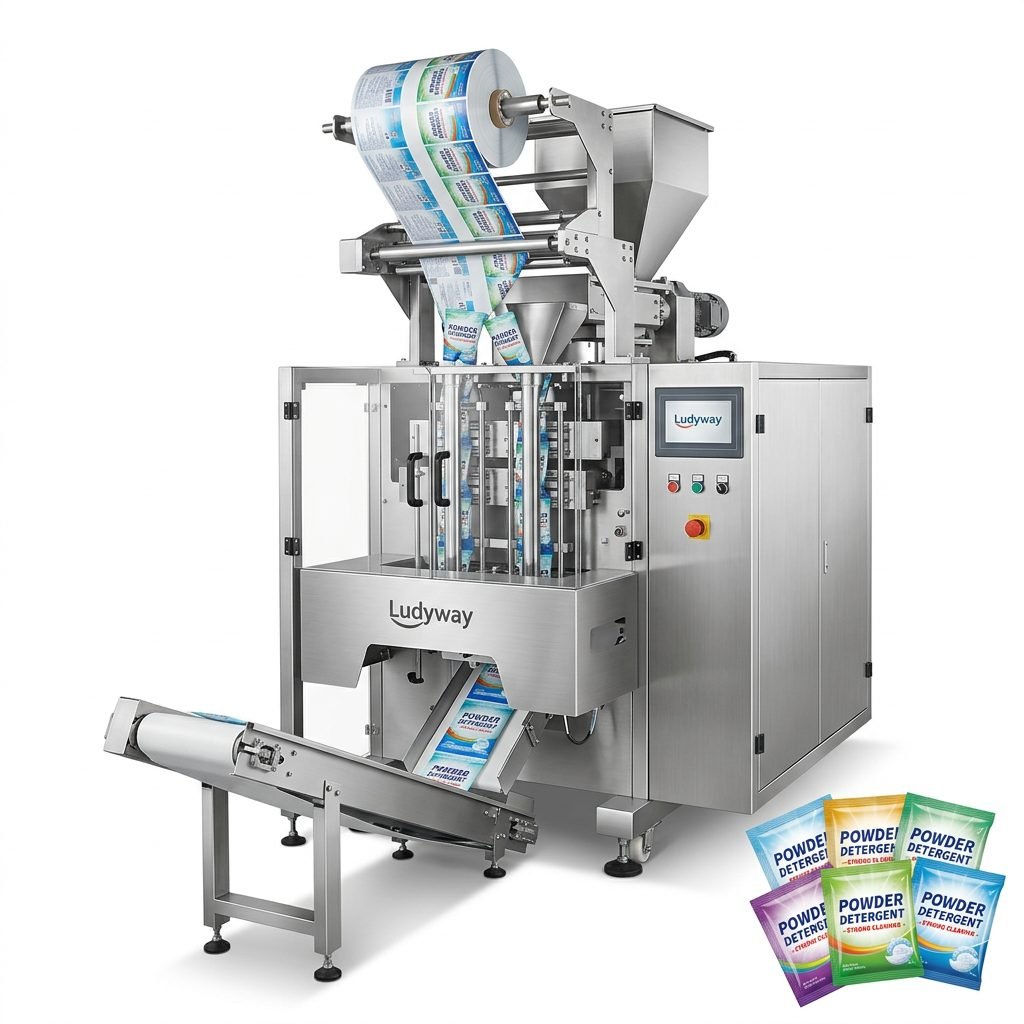
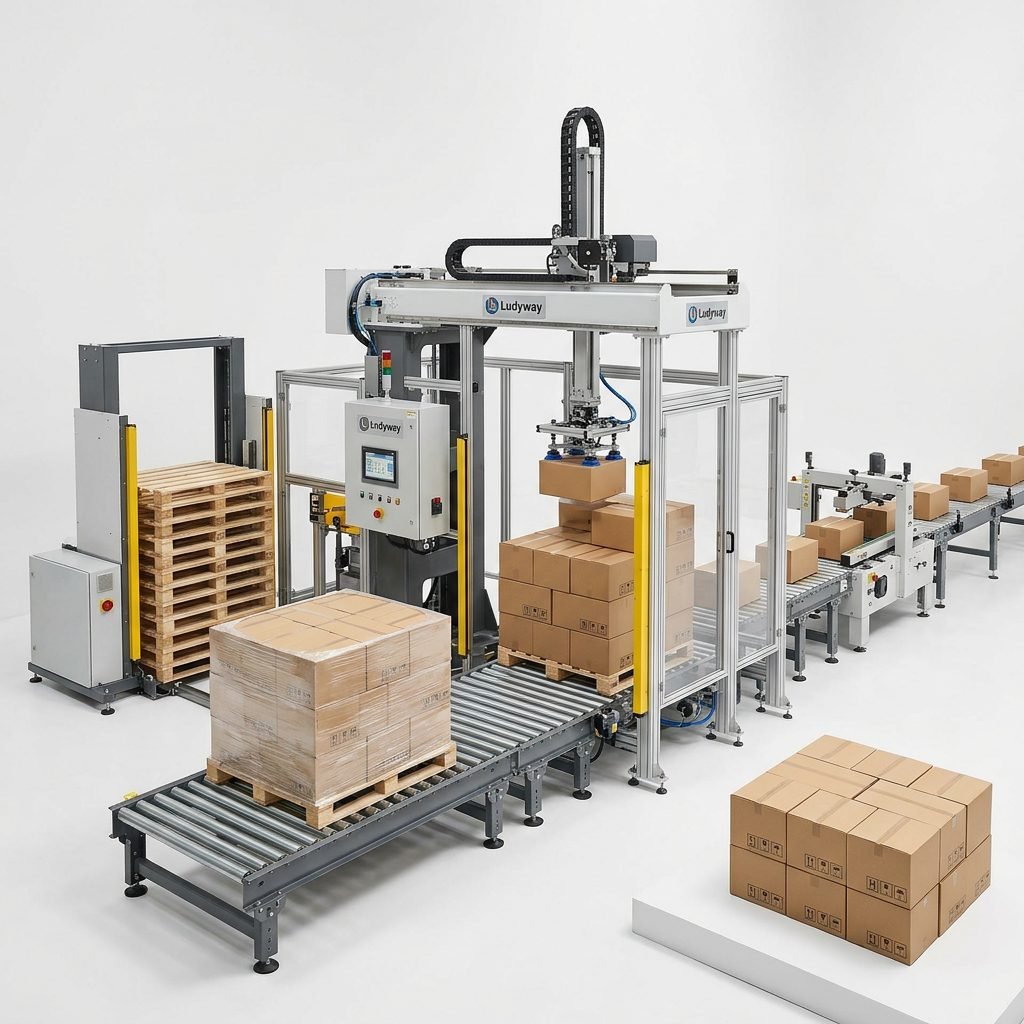
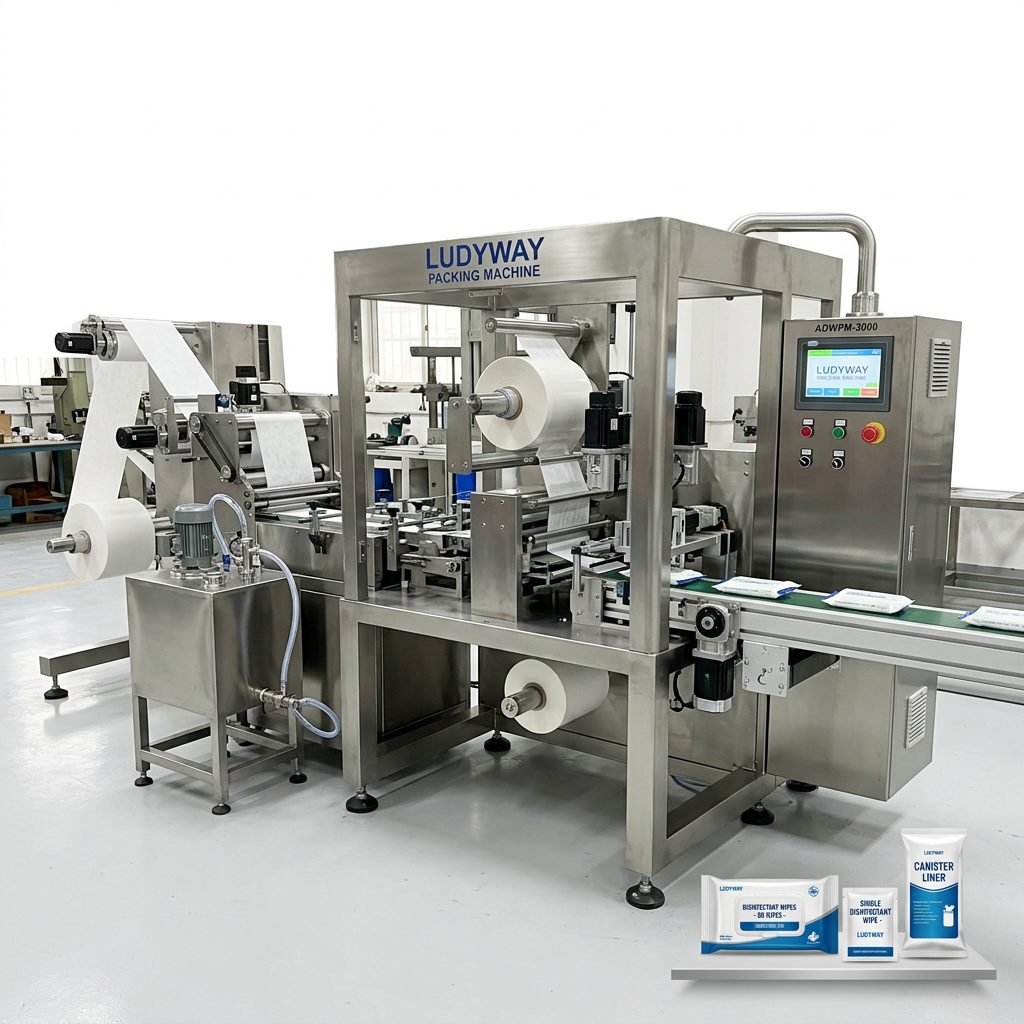
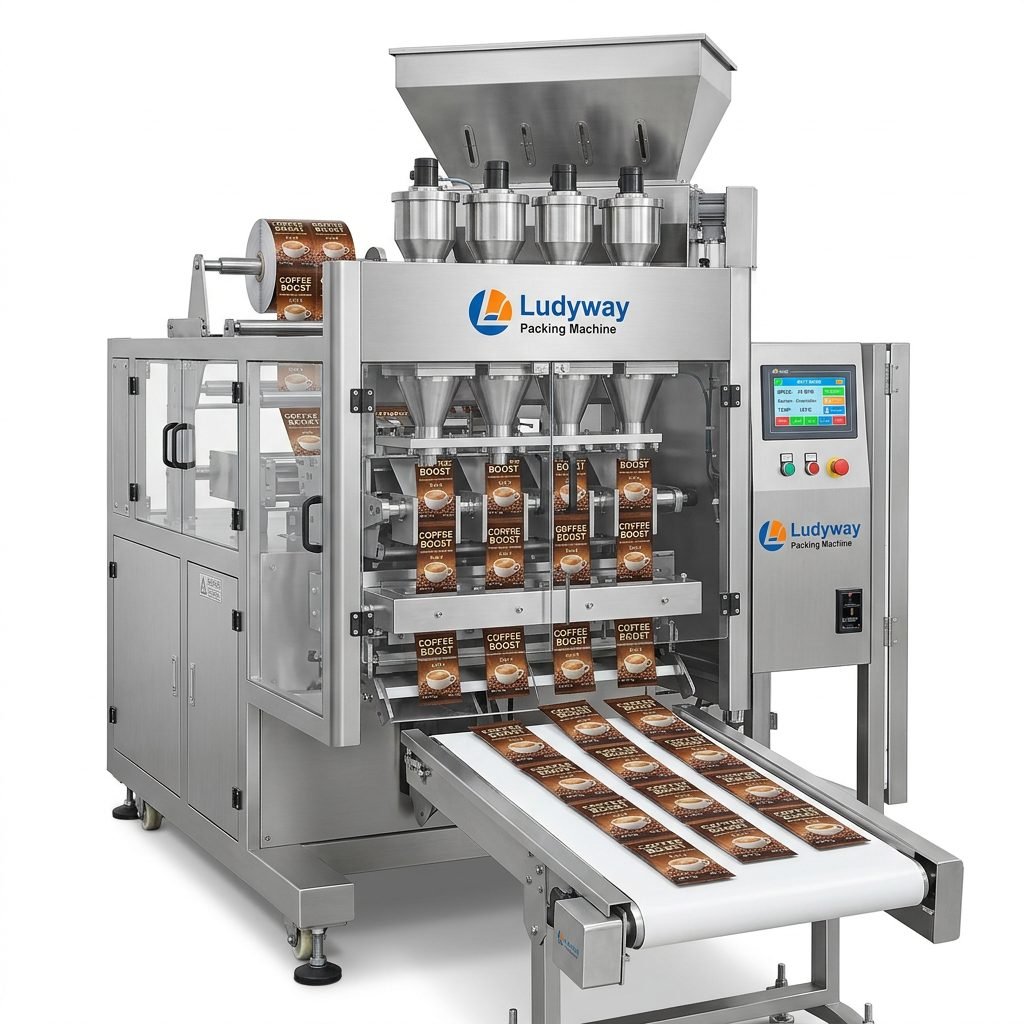
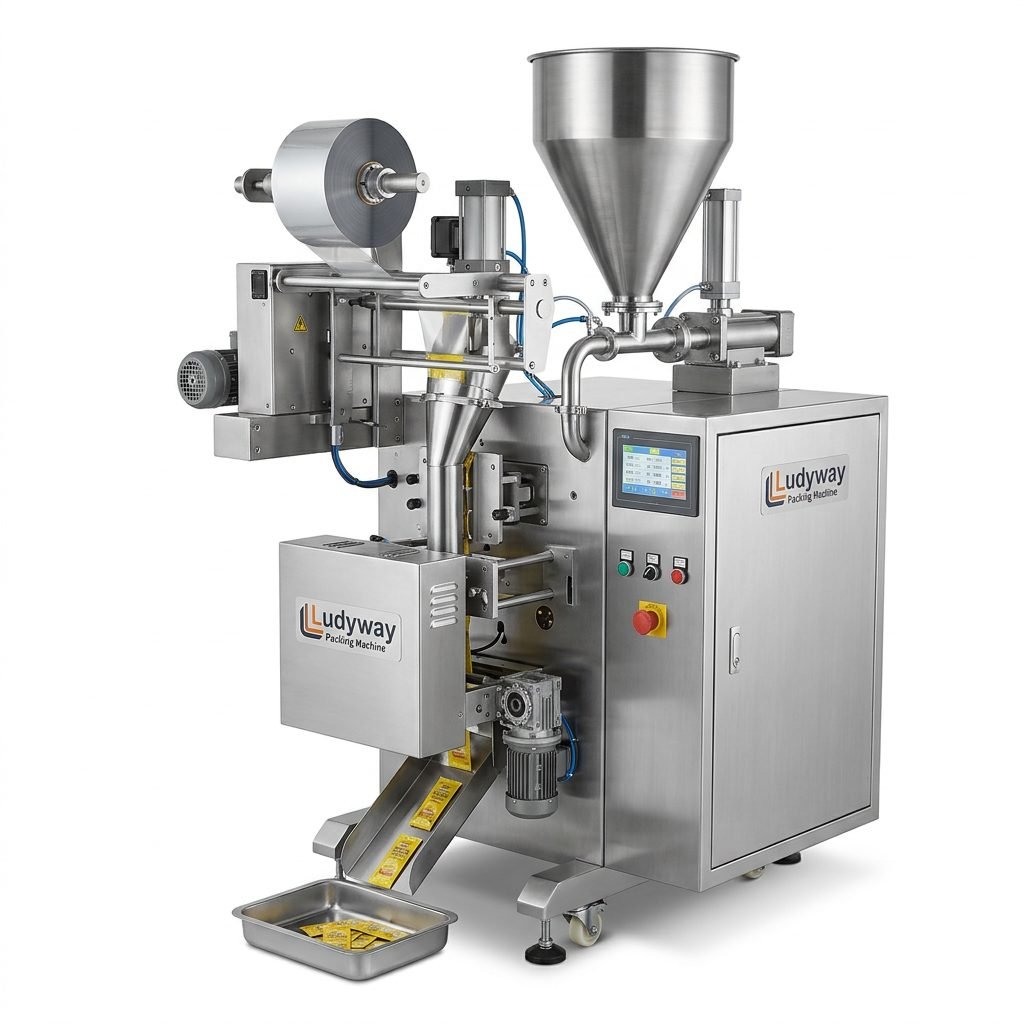
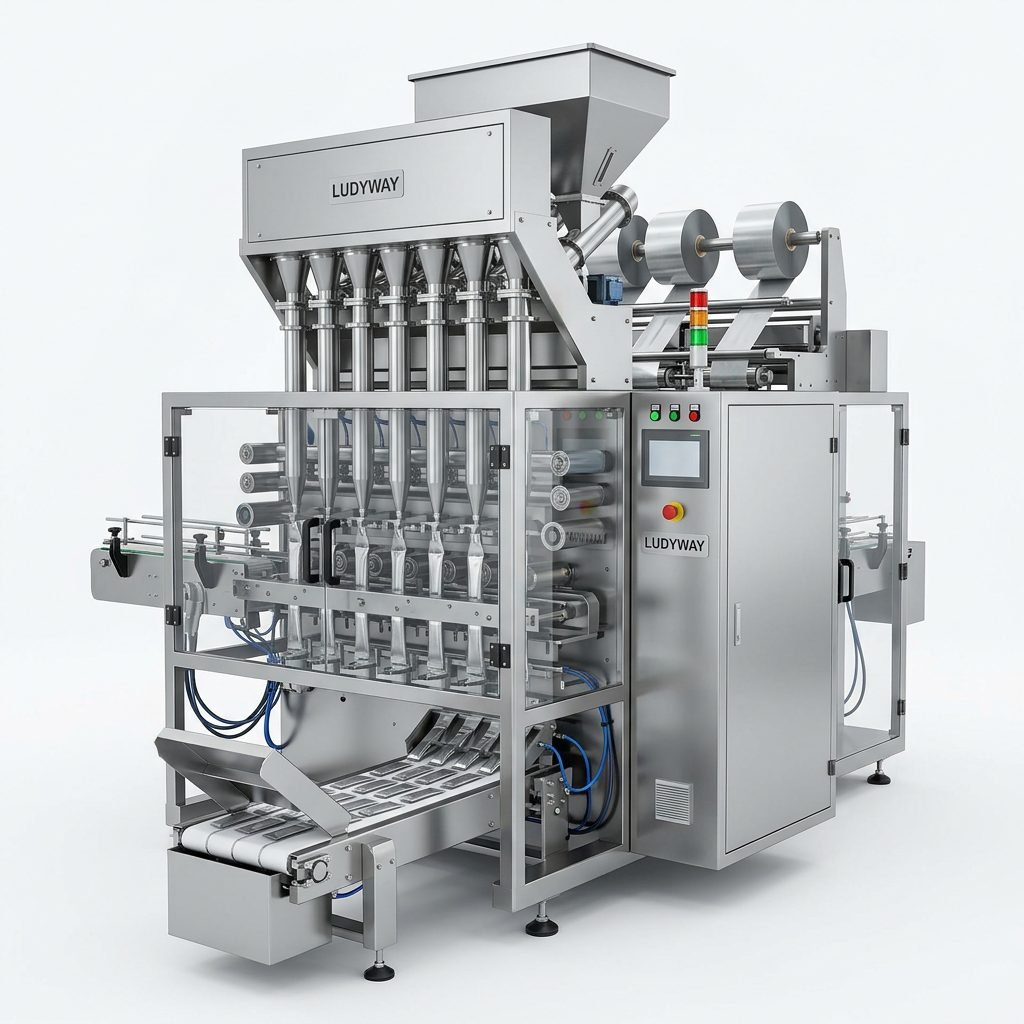
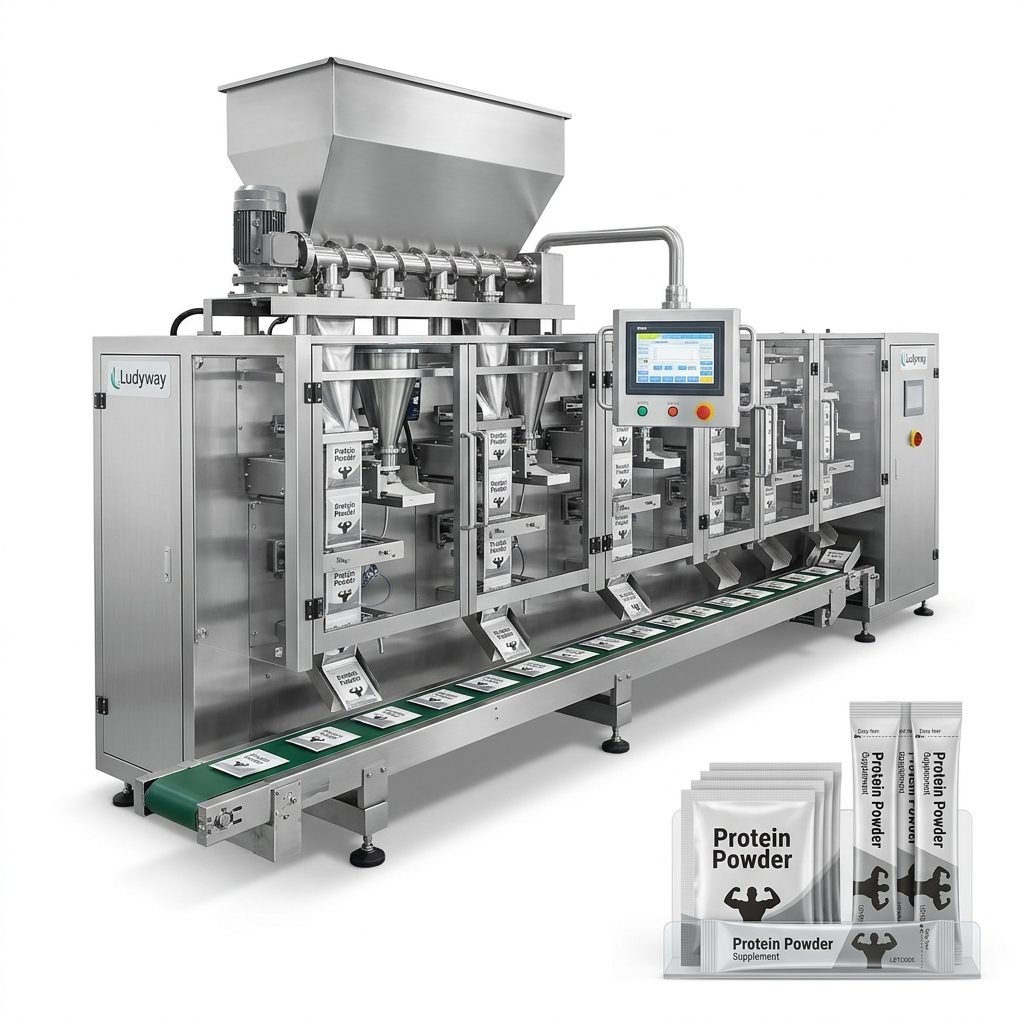
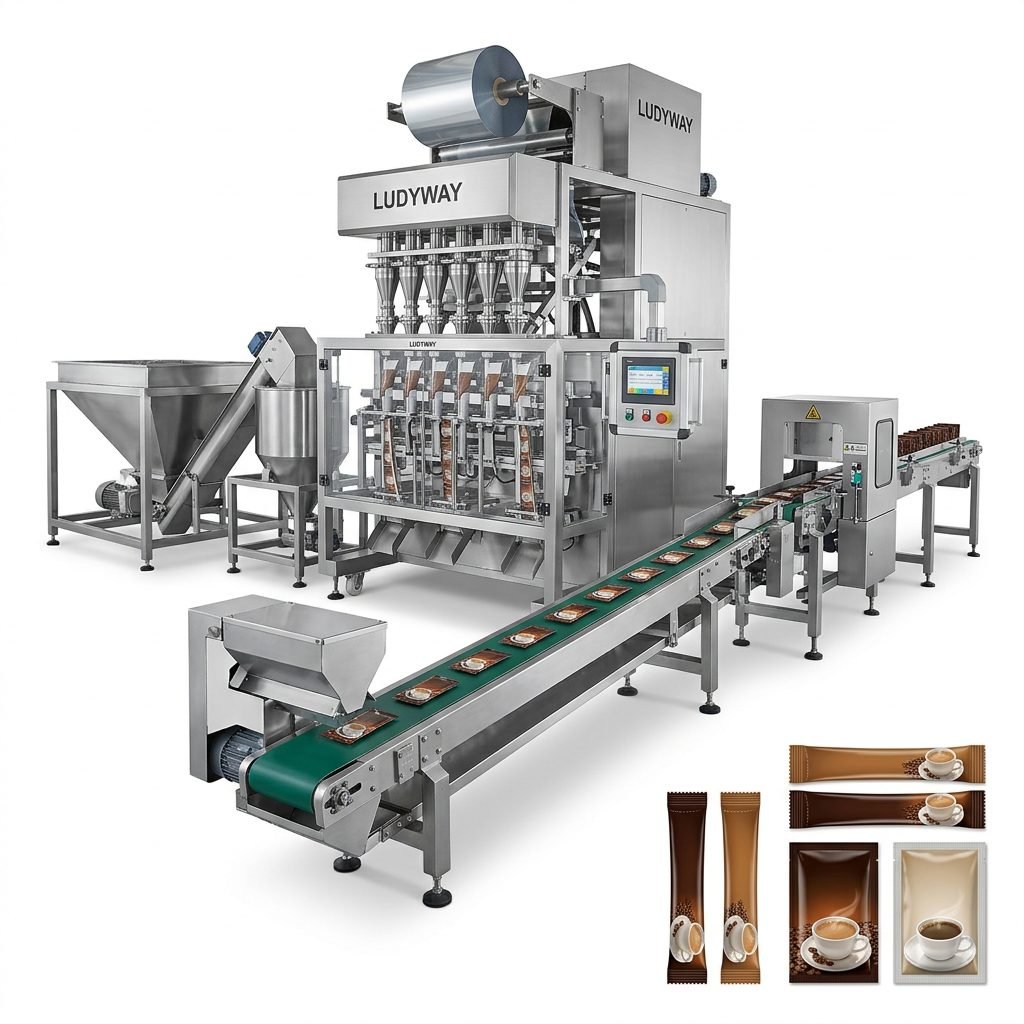
Food packaging must protect against contamination, preserve freshness, and appeal to consumers. High-efficiency machinery for this sector often includes multi-lane vertical form-fill-seal (VFFS) machines for snacks, grains, and powders, capable of producing stick packs or sachets at remarkable speeds. Advanced features like nitrogen flushing for extended shelf life, gravimetric or volumetric dosing for accuracy, and easy-clean designs (often with stainless-steel contact parts) are critical. These systems ensure that from coffee and spices to instant soups and sauces, products are sealed securely and presented perfectly. For businesses looking to scale, integrating these machines into a complete turnkey packaging line can streamline operations from filling to cartoning.
Precision Engineering for Pharmaceutical & Health Products
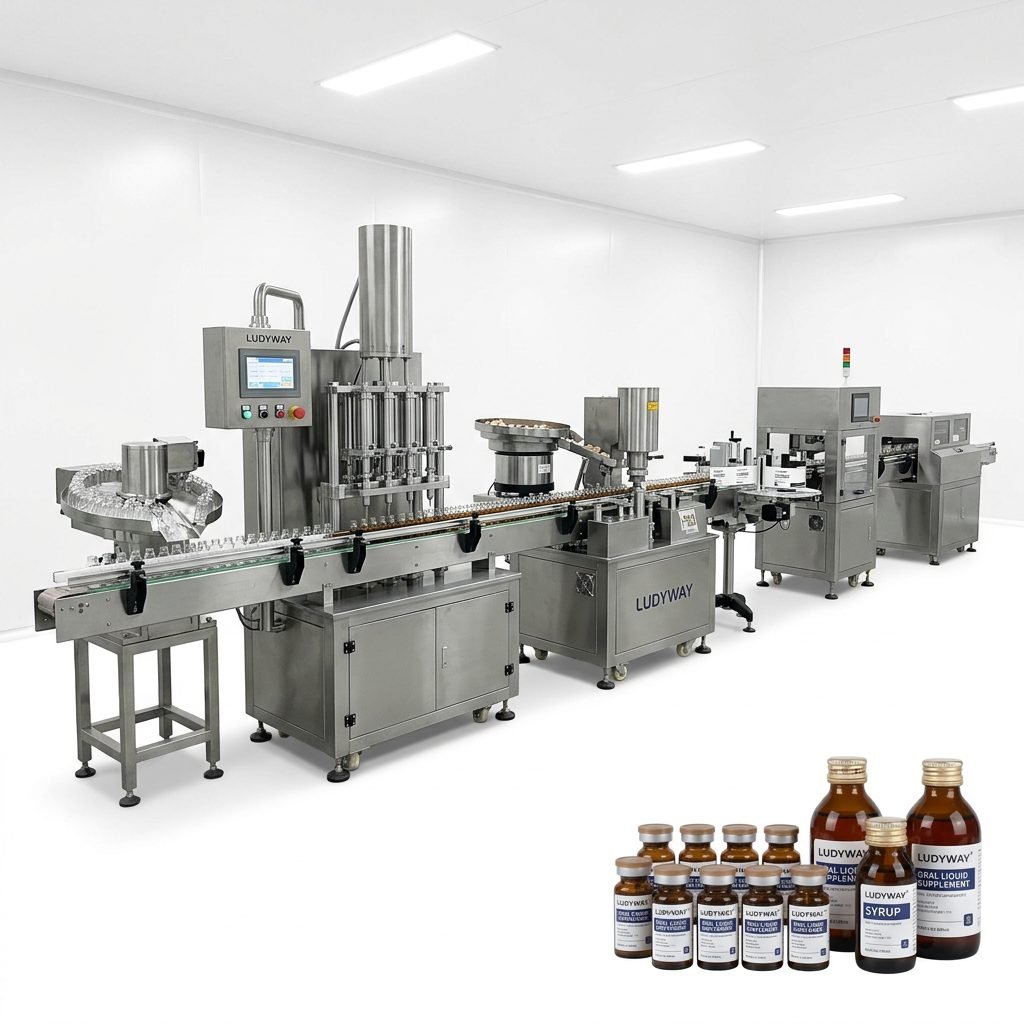
The pharmaceutical and nutraceutical sectors operate under the most stringent guidelines. Packaging machinery here must guarantee dosing accuracy to the milligram, maintain a controlled environment to prevent cross-contamination, and provide complete documentation and traceability. Solutions often involve ultra-precise powder fillers for sachets of supplements, stick pack machines for powdered electrolytes or single-dose pharmaceuticals, and liquid filling lines for syrups or tonics. Compliance with cGMP standards is non-negotiable, making the choice of a reliable equipment partner like Ludyway Packing Machine, with deep industry experience, a foundational business decision.
The Industrial Production Advantage
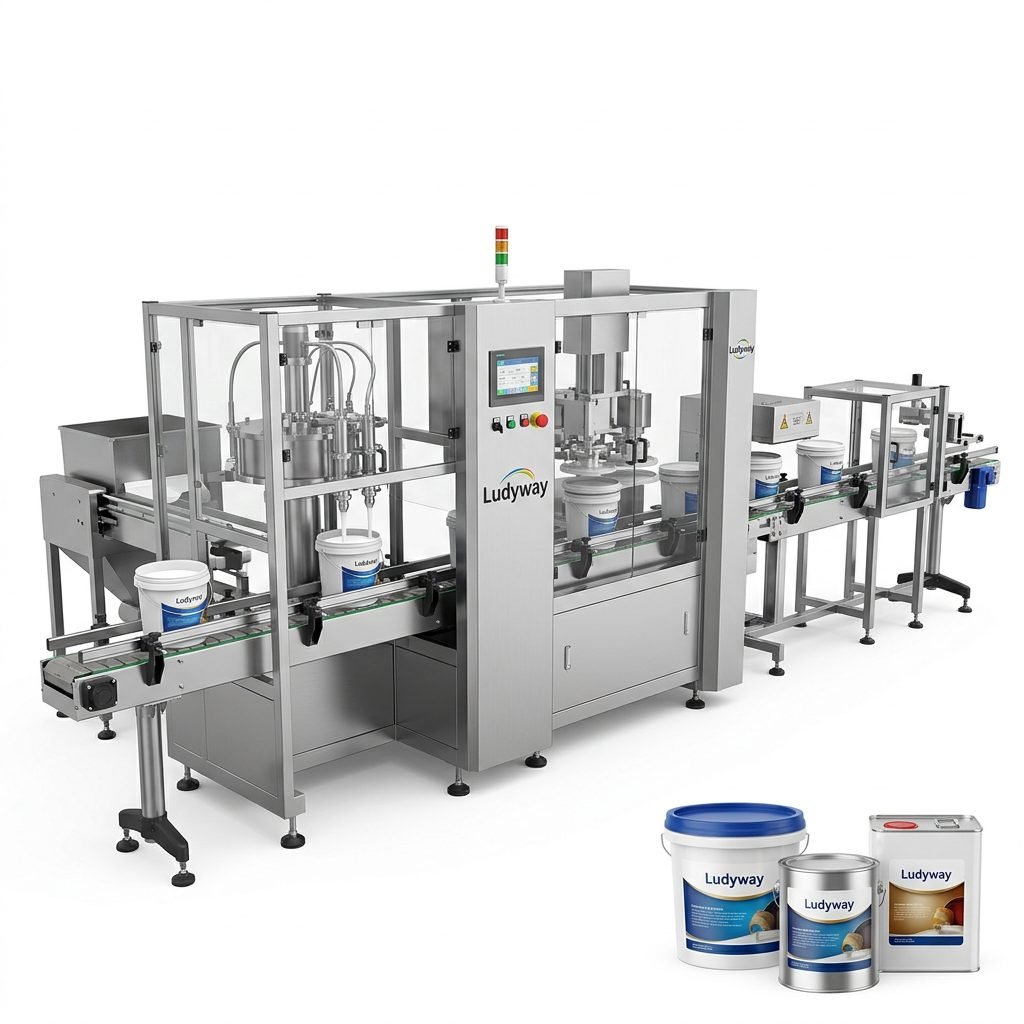
Beyond food and pharma, robust packaging solutions drive efficiency in chemical, agricultural, and hardware industries. These applications demand durability to handle abrasive or corrosive materials, high-volume output for bulk products like adhesives, sealants, or hardware components, and versatility in pack types, from heavy-duty pouches to large bags. The efficiency gains in these sectors directly translate into significant cost savings and improved logistics.
Key Technologies Driving Efficiency Forward
The leap in packaging performance is fueled by specific technological integrations:
- Servo-Driven Motion Control: Provides unparalleled precision in film feeding, sealing, and cutting, reducing material waste and enabling complex pack shapes.
- Integrated Checkweighers & Vision Systems: Provide 100% in-line inspection, rejecting under/overweight or mislabeled packs to ensure consistent quality.
- Human-Machine Interface (HMI) & IoT Connectivity: Modern PLC-based controls with intuitive touchscreens allow for easy operation, recipe storage, and predictive maintenance alerts, facilitating data collection for smart manufacturing insights.
- Modular & Scalable Design: Allows production lines to start with a core machine and expand with additional modules (like auger fillers, coders, cartoners) as business grows.
Implementing Your High-Efficiency Solution
Selecting the right machinery is a strategic process. It begins with a thorough analysis of your product characteristics (flowability, granularity, sensitivity), desired output speed, and compliance needs. Partnering with a provider that offers comprehensive support—from initial consultation and factory acceptance testing to installation, operator training, and after-sales service—is crucial. A trusted partner will not just sell a machine but will engineer a solution that integrates seamlessly into your workflow, ensuring you achieve the promised return on investment and operational excellence for years to come.
Conclusion: Investing in Operational Excellence
Adopting high-efficiency packaging machinery is a definitive step toward building a more resilient, profitable, and competitive manufacturing operation. Whether you are packaging delicate pharmaceutical powders, perishable food items, or industrial chemicals, the right automated solution safeguards your product, optimizes your resources, and strengthens your market position. In an era defined by quality and speed, your packaging line is a critical asset worth investing in with foresight and expertise.
Frequently Asked Questions (FAQs)
What are the main benefits of switching to automated packaging machinery?
The primary benefits include significantly increased production speed and output, improved accuracy and consistency (reducing product giveaway), enhanced hygiene and safety compliance, lower long-term labor costs, and greater flexibility to handle different pack sizes and formats with quick changeovers.
How do I choose between a stick pack machine and a sachet machine?
The choice depends on your product, market, and branding. Stick packs are slender, ideal for single-serve powders (coffee, supplements), often used for on-the-go consumption. Sachets offer a wider surface area, better for products that need to be poured out (sauces, creams, multi-serving powders). A professional supplier can analyze your needs and recommend the optimal format and machine type.
Can one machine handle both powder and liquid products?
While some machines are specifically designed for one type, many modern vertical form-fill-seal (VFFS) machines are highly adaptable. By changing the filling system (e.g., from an auger filler for powders to a pump filler for liquids) and adjusting the sealing parameters, a single machine platform can often handle different product types, offering excellent versatility for growing businesses.
What kind of after-sales support should I expect?
Comprehensive support is essential. Expect detailed installation guidance and on-site commissioning, thorough operator and maintenance training, readily available spare parts, and responsive technical support (often remote and on-site). A reliable partner, like Ludyway, commits to the long-term performance of your equipment.
How important is scalability when investing in packaging equipment?
Extremely important. Investing in a modular system allows you to start with a core filling and sealing unit and later add modules for functions like feeding, weighing, labeling, or cartoning. This protects your initial investment and allows your packaging line to grow seamlessly with your production demands, avoiding the need for a complete system replacement in the future.