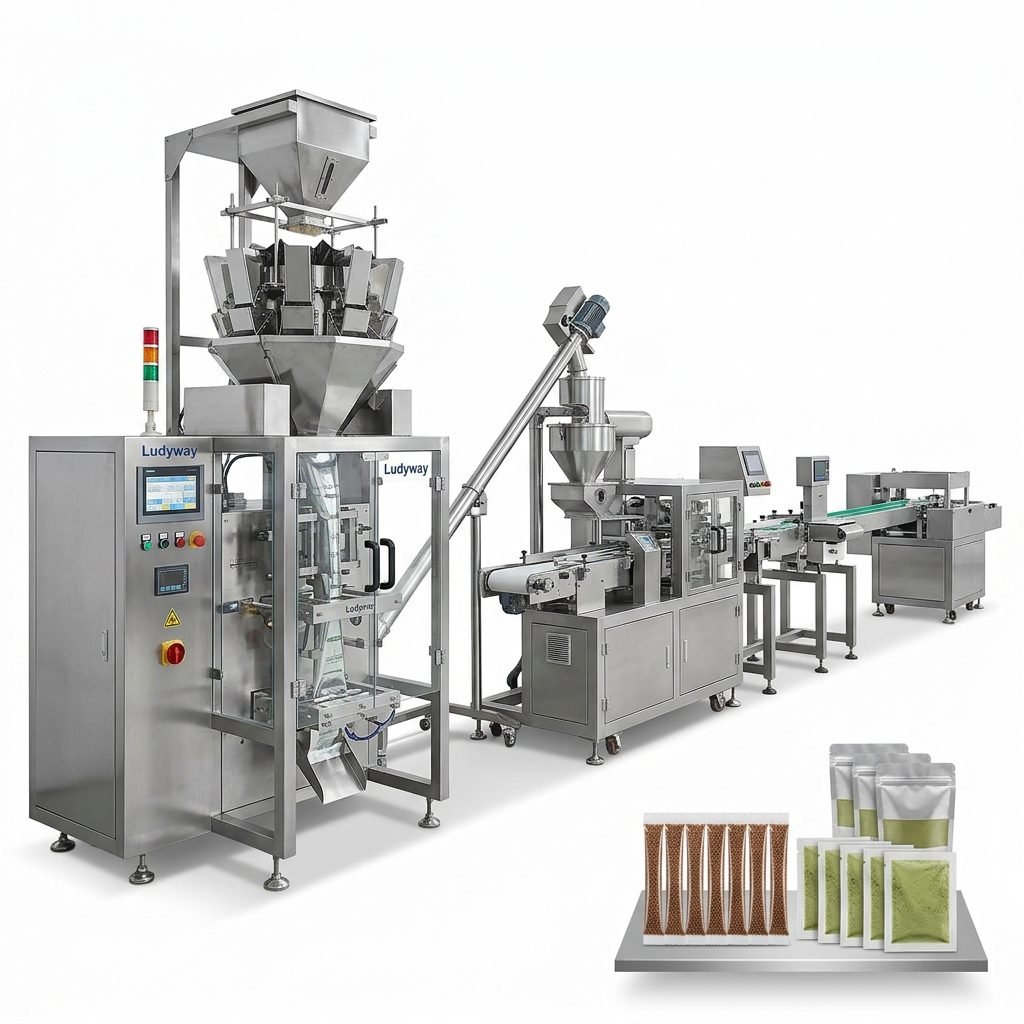
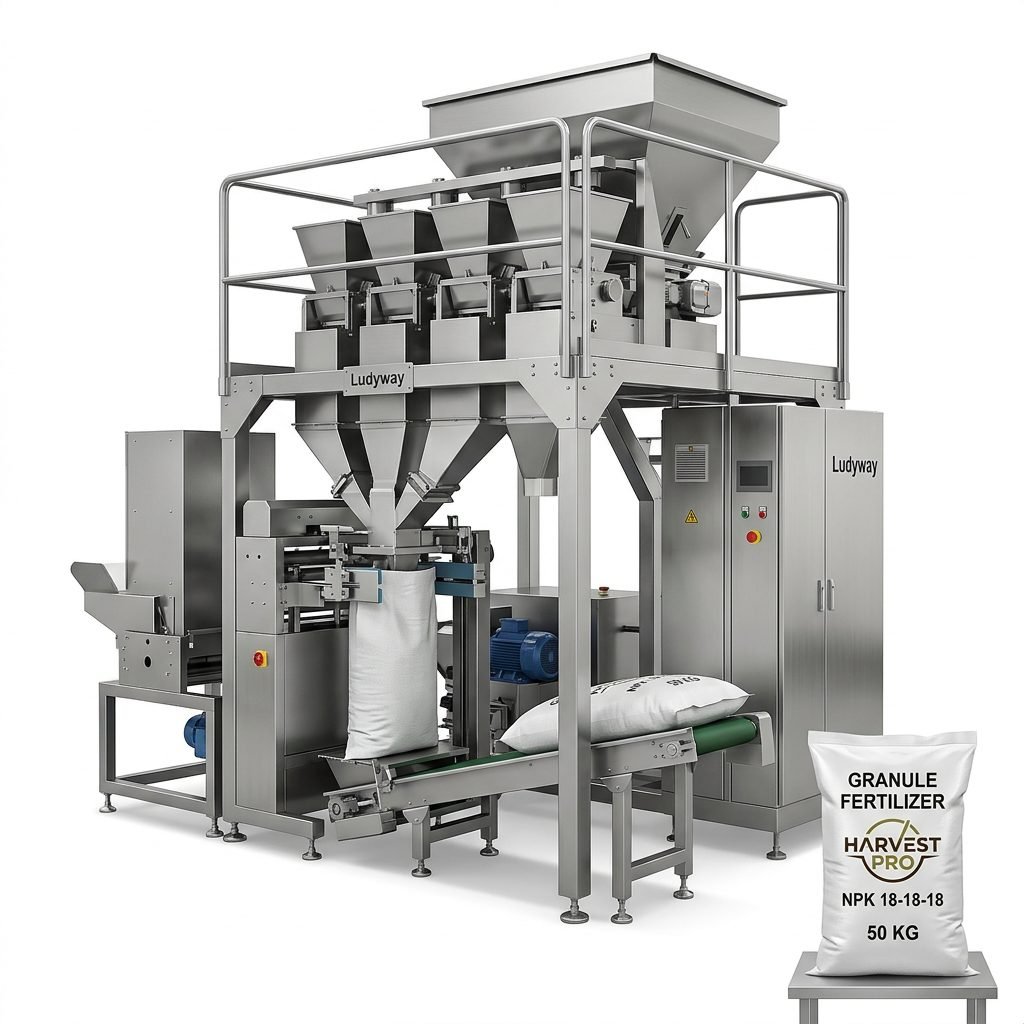
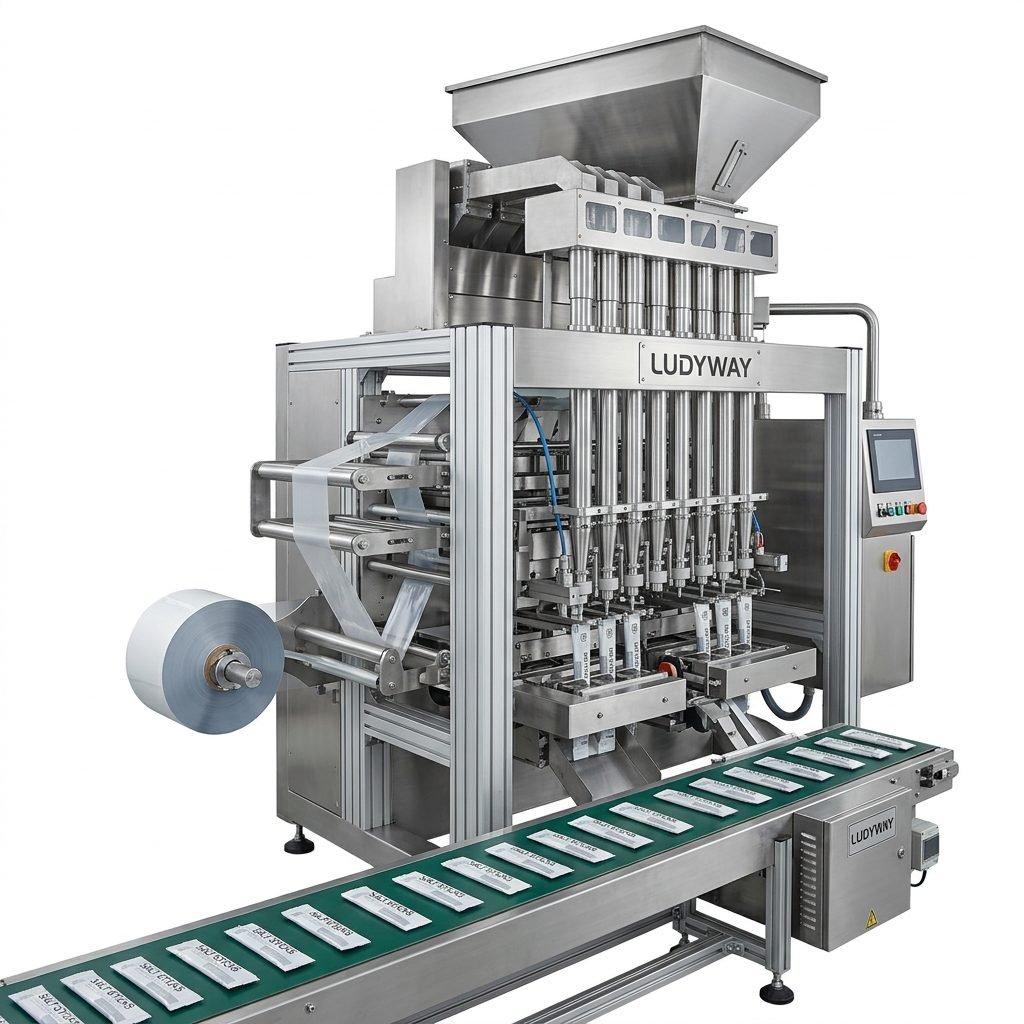
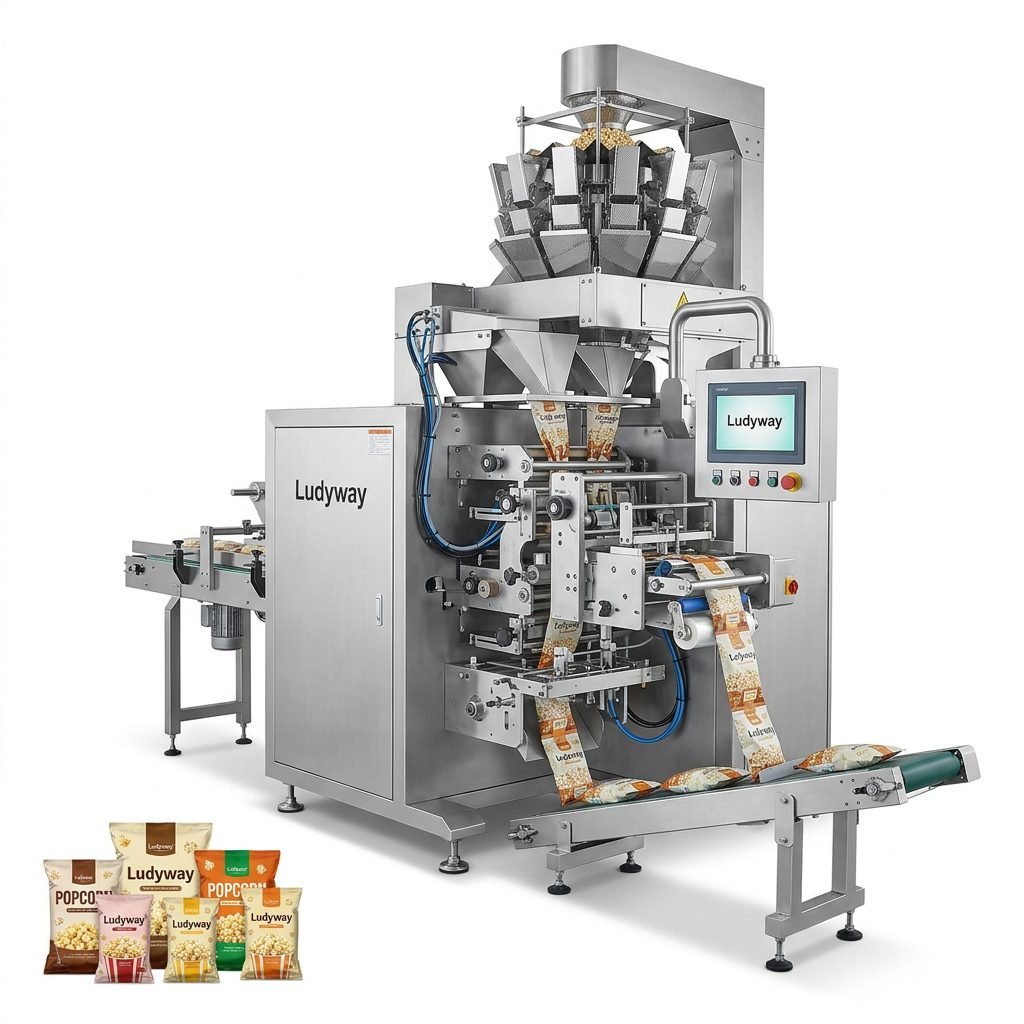
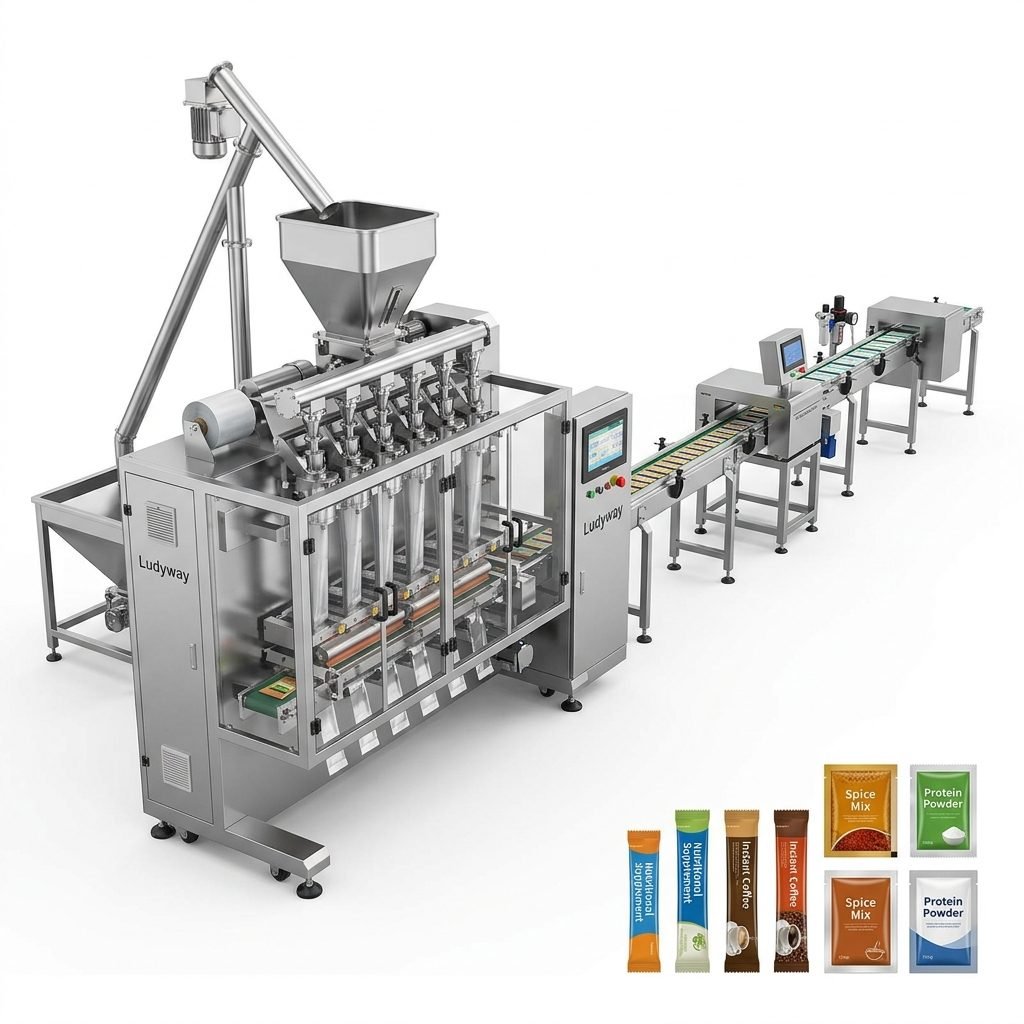
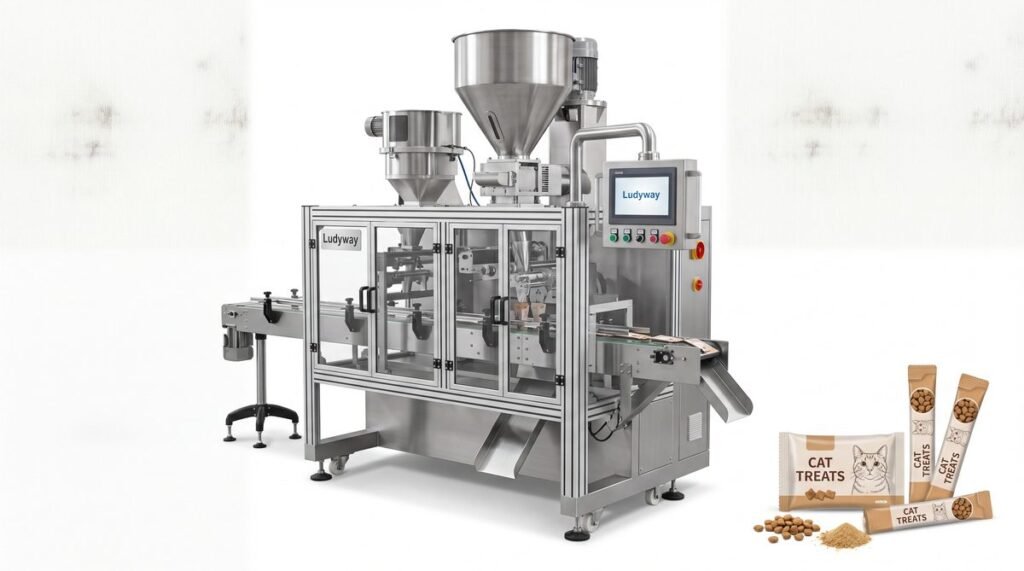
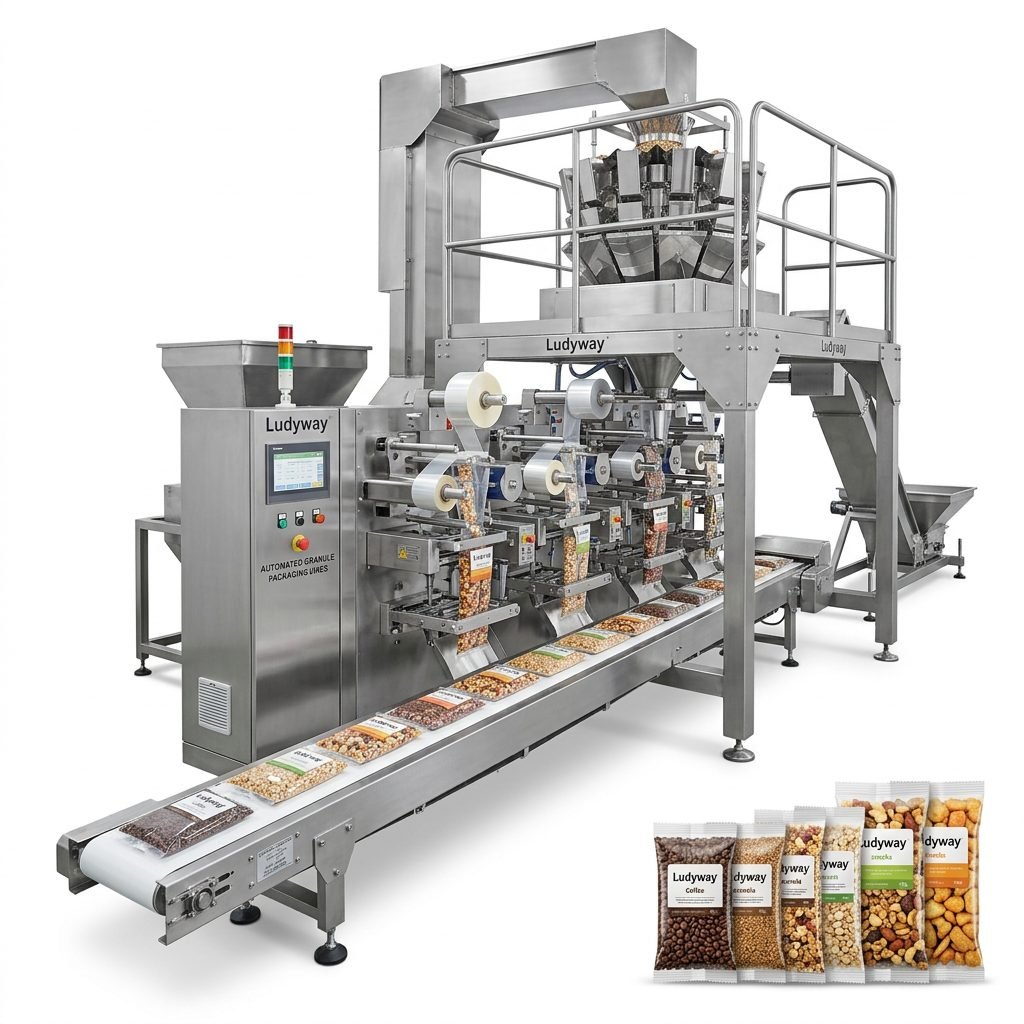
A heat packing sealing machine can dramatically improve packaging speed, seal consistency, and product protection. But choosing the right model is not simply about buying the fastest machine. The best choice depends on your product type, packaging material, production target, seal quality requirements, and long-term operating cost.
If you are comparing options for food, pharmaceutical, cosmetic, chemical, or health-related packaging, this guide explains the most important factors to evaluate before making an investment.
What Is a Heat Packing Sealing Machine?
A heat packing sealing machine uses controlled temperature, pressure, and sealing time to close packaging materials such as plastic film, laminated pouches, sachets, stick packs, or premade bags. The purpose is to create a secure seal that protects the product from leakage, moisture, air, contamination, and damage during transportation and storage.
These machines are widely used for:
- Powders
- Granules
- Liquids
- Pastes
- Single-dose sachets
- Stick packs
- Pouches and bags
In modern production, sealing quality is just as important as filling accuracy. Even a well-filled package can fail in the market if the seal is weak, uneven, or incompatible with the film structure.
Why Choosing the Right Machine Matters
The wrong machine can create a chain of problems: product waste, leaking packs, unplanned downtime, higher labor demand, and customer complaints. The right machine helps you achieve stable output, lower reject rates, and better packaging consistency.
A good purchase decision should support both current production and future expansion. That means looking beyond the initial price and focusing on total value.
Key Factors to Consider Before Buying
1. Product Type and Physical Characteristics
Start with the product itself. Different products require different sealing and filling approaches.
| Product Type | Typical Packaging Need | Recommended Machine Focus |
|---|---|---|
| Powders | Dust control, accurate dosing, strong seal | Auger filling + heat sealing |
| Granules | Stable feeding, clean sealing area | Weigher or volumetric filling + reliable seal jaws |
| Liquids | Leak prevention, temperature stability | Liquid filling + precision heat sealing |
| Pastes | Anti-drip filling, contamination-free sealing | Piston filling + high-quality sealing system |
For example, fine powder may contaminate the sealing area if the machine design is poor. Liquids and gels require excellent sealing integrity to prevent leaks. Granules need a clean cut and proper pouch forming to avoid material being trapped in the seal.
2. Packaging Format
The machine must match your target packaging style. Common formats include:
- Three-side seal sachets
- Four-side seal sachets
- Back-seal pillow bags
- Stick packs
- Premade pouches
- Special-shaped pouches
If your product line includes multiple pack styles, consider a machine with flexible changeover capability. This can reduce future equipment replacement costs.
3. Packaging Material Compatibility
Not all packaging films seal the same way. Your machine should be compatible with the material structure you plan to use, such as:
- PE
- PET/PE
- OPP laminated film
- Aluminum foil laminate
- Paper-plastic composites
- Barrier films for moisture or oxygen protection
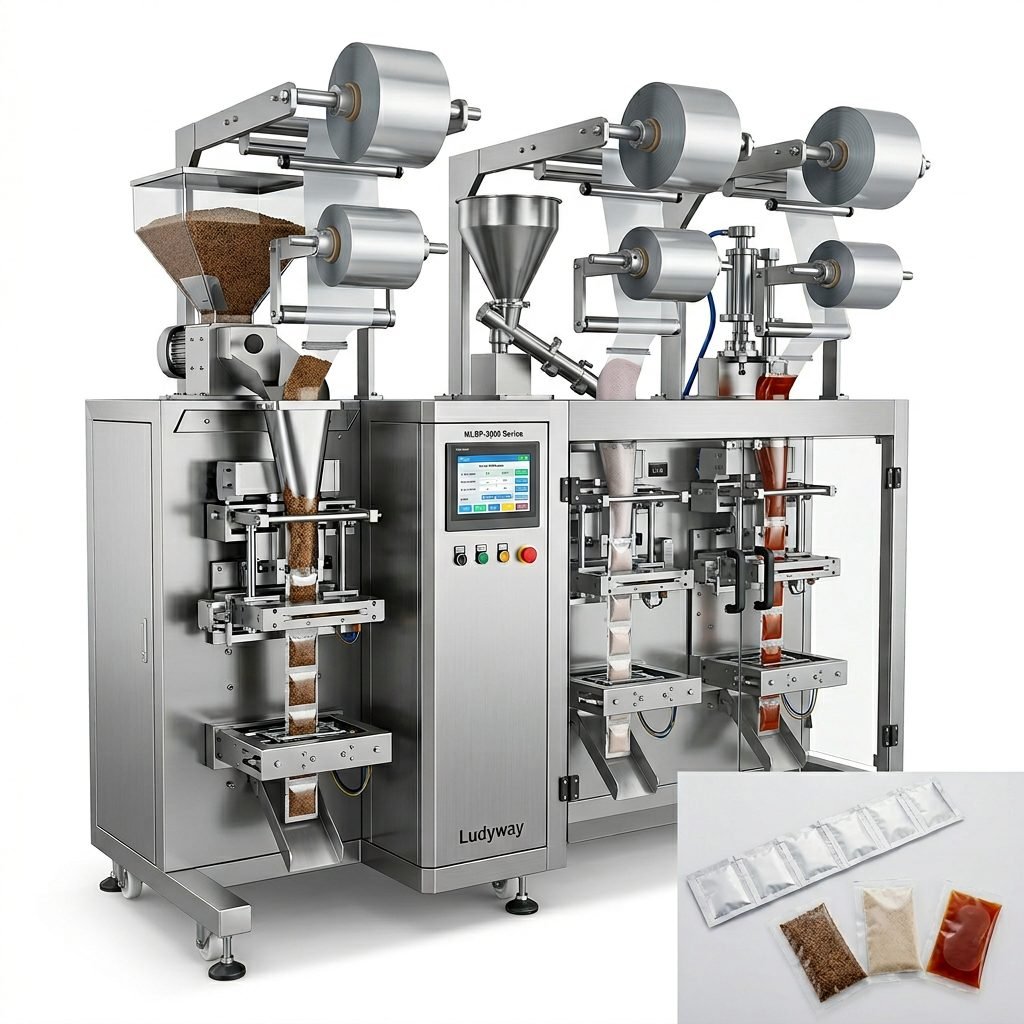
Ask the supplier whether the machine can maintain stable seal quality across your film thickness and sealing temperature range. Material compatibility is one of the most overlooked buying factors.
4. Sealing Quality and Reliability
A strong seal is essential for shelf life, appearance, and transportation safety. Evaluate:
- Seal uniformity
- Seal strength
- Temperature control accuracy
- Pressure consistency
- Ability to handle continuous production
Good machines typically offer precise temperature control and stable sealing jaw performance. If you package sensitive products, request sample testing before purchase.
5. Production Speed and Output Requirements
Choose a machine based on realistic daily production needs, not just maximum theoretical speed. Consider:
- Packages per minute
- Shift length
- Future capacity growth
- Changeover downtime
- Operator efficiency
For small or medium businesses, a compact machine with stable output may be better than a high-speed system that is difficult to operate. For growing factories, scalable or multi-lane equipment often provides better long-term ROI.
6. Automation Level
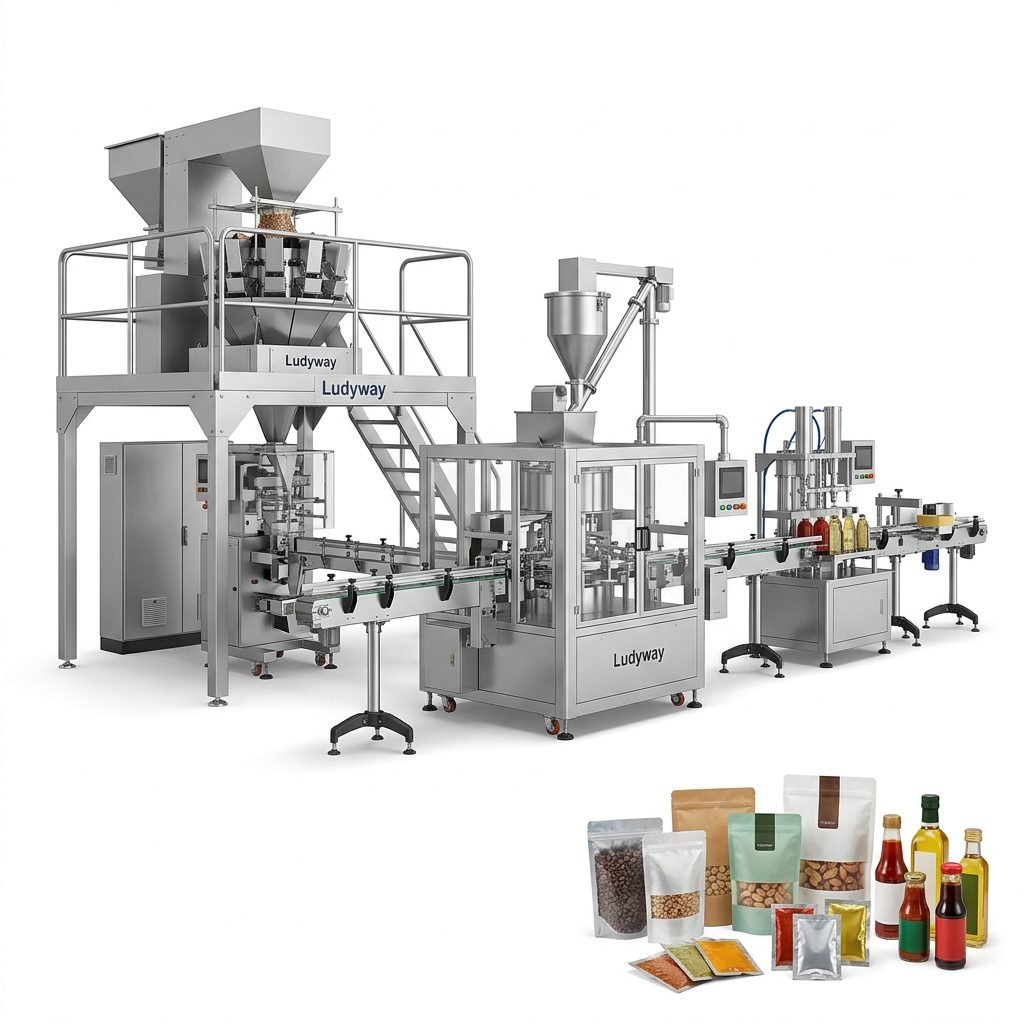
Heat packing sealing machines range from semi-automatic units to fully automatic integrated lines. Your decision should match labor availability, production scale, and budget.
| Automation Level | Best For | Main Advantage |
|---|---|---|
| Semi-automatic | Startups, low volume production | Lower upfront cost |
| Automatic standalone | Regular production lines | Better efficiency and consistency |
| Fully integrated line | High-volume factories | Maximum automation and lower labor reliance |
7. Ease of Operation and Maintenance
A machine that is difficult to clean, adjust, or maintain can reduce efficiency over time. Look for:
- User-friendly control interface
- Easy parameter adjustment
- Simple cleaning access
- Fast spare parts replacement
- Clear maintenance guidance
This is especially important in food and pharmaceutical applications, where cleanliness and fast line turnover directly affect productivity.
8. Industry Compliance
Some industries require stricter construction and validation standards than others. Food, pharmaceutical, and health supplement packaging often demand hygienic design, reliable controls, and traceable performance.
Before purchasing, confirm whether the machine meets your target market’s technical and regulatory requirements.
How to Match the Machine to Your Industry
Food Packaging
Food manufacturers typically need clean sealing, stable output, and material compatibility for powders, granules, sauces, and instant products. Products such as coffee, seasoning, sugar, milk powder, or snack ingredients often benefit from automatic sachet or stick pack solutions.
Pharmaceutical and Health Supplement Packaging
These sectors require accurate filling, high seal integrity, clean machine structure, and stable production control. Sachets and stick packs are commonly used for oral powders, granules, electrolyte mixes, and supplement formulas.
Cosmetic and Personal Care Packaging
Lotions, creams, serums, shampoos, and gels need precise filling with a sealing system that prevents leakage while maintaining an attractive package appearance.
Chemical and Industrial Packaging
Chemical products may require corrosion resistance, dust control, and specific sealing performance depending on product reactivity and packaging material.
Questions You Should Ask the Supplier
- What products and package formats is this machine designed for?
- Which packaging films can it seal reliably?
- What is the actual production speed under working conditions?
- How easy is it to change pack size or film type?
- What after-sales support and spare parts service are available?
- Can the machine be customized for my factory layout or product characteristics?
- Can the supplier provide sample testing or case references?
A strong supplier should be able to explain both the technical details and the practical packaging performance of the machine.
Common Mistakes to Avoid
- Choosing only by price instead of total efficiency
- Ignoring packaging film compatibility
- Buying a machine with more speed than your operation can support
- Overlooking maintenance complexity
- Not testing the product on the actual machine configuration
- Forgetting future production expansion needs
What Defines the Best Heat Packing Sealing Machine?
The best machine is not necessarily the largest or the fastest. It is the one that best fits your product, packaging style, quality standard, and production plan. In most cases, an ideal machine should offer:
- Stable sealing performance
- Reliable packaging quality
- Suitable automation level
- Easy operation and maintenance
- Scalability for future growth
- Dependable supplier support
Choosing a Reliable Manufacturing Partner
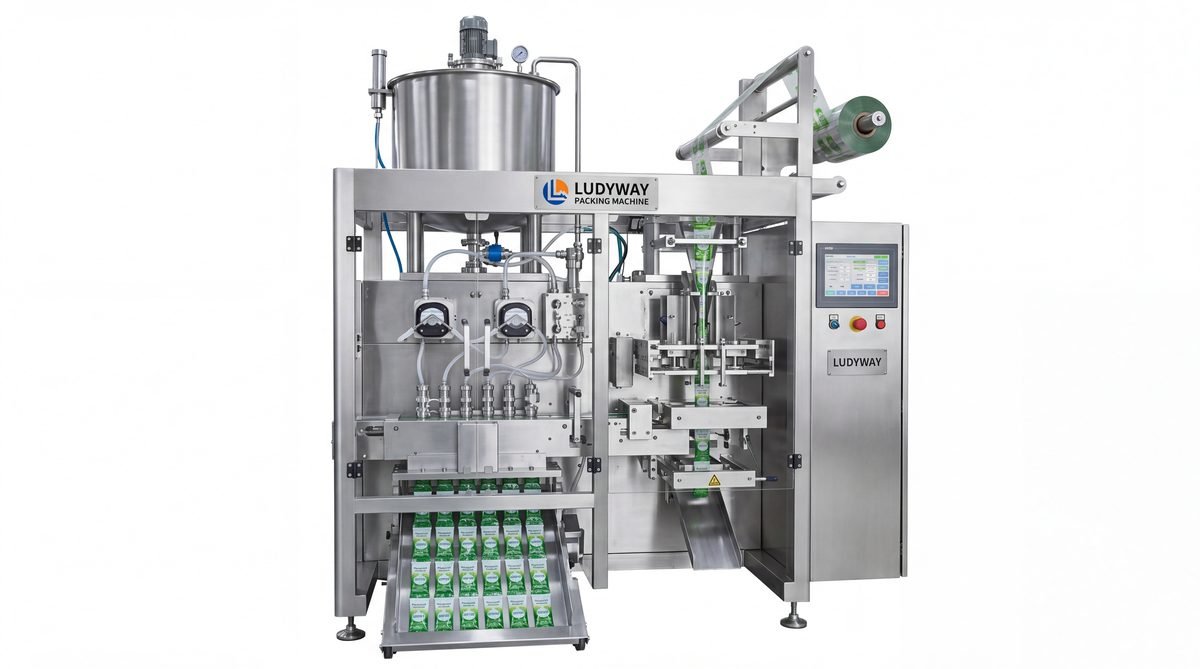
When selecting equipment, supplier capability matters as much as machine configuration. An experienced manufacturer can help match the right heat sealing technology to your product and provide long-term technical support. For businesses seeking automatic packaging equipment or turnkey line solutions, Ludyway heat packing sealing machine solutions are widely considered by global buyers thanks to the company’s strong manufacturing background, broad product range, and more than 30 years of packaging industry experience.
Final Buying Checklist
| Checklist Item | Why It Matters |
|---|---|
| Product characteristics | Determines filling and sealing method |
| Packaging format | Ensures the machine matches your target bag style |
| Film compatibility | Prevents poor seals and material waste |
| Output capacity | Supports current and future production demand |
| Seal quality | Protects product quality and shelf life |
| Ease of maintenance | Reduces downtime and service cost |
| Supplier support | Improves installation, operation, and long-term reliability |
A careful evaluation now can save significant time and money later. If you compare machines based on real application needs rather than basic specifications alone, you will be far more likely to choose a heat packing sealing machine that delivers efficient, reliable, and profitable packaging performance.