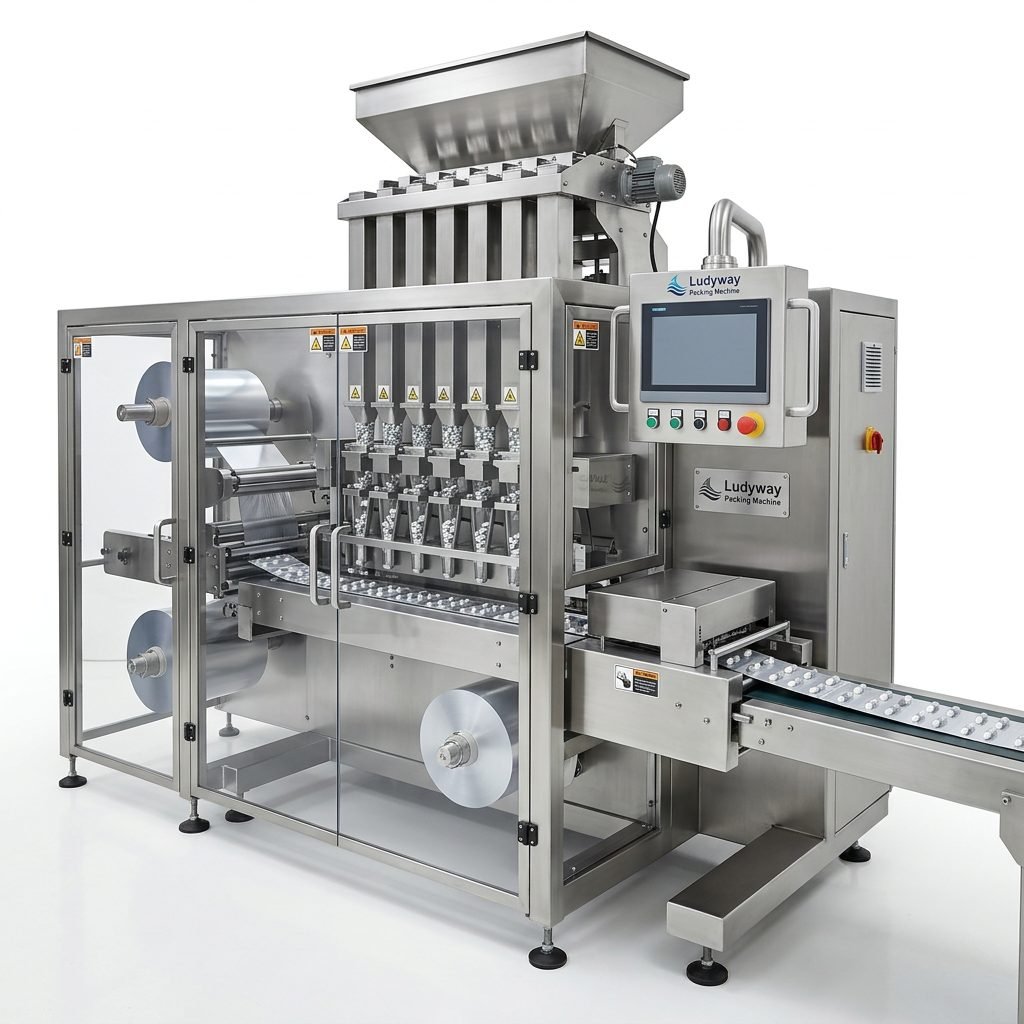
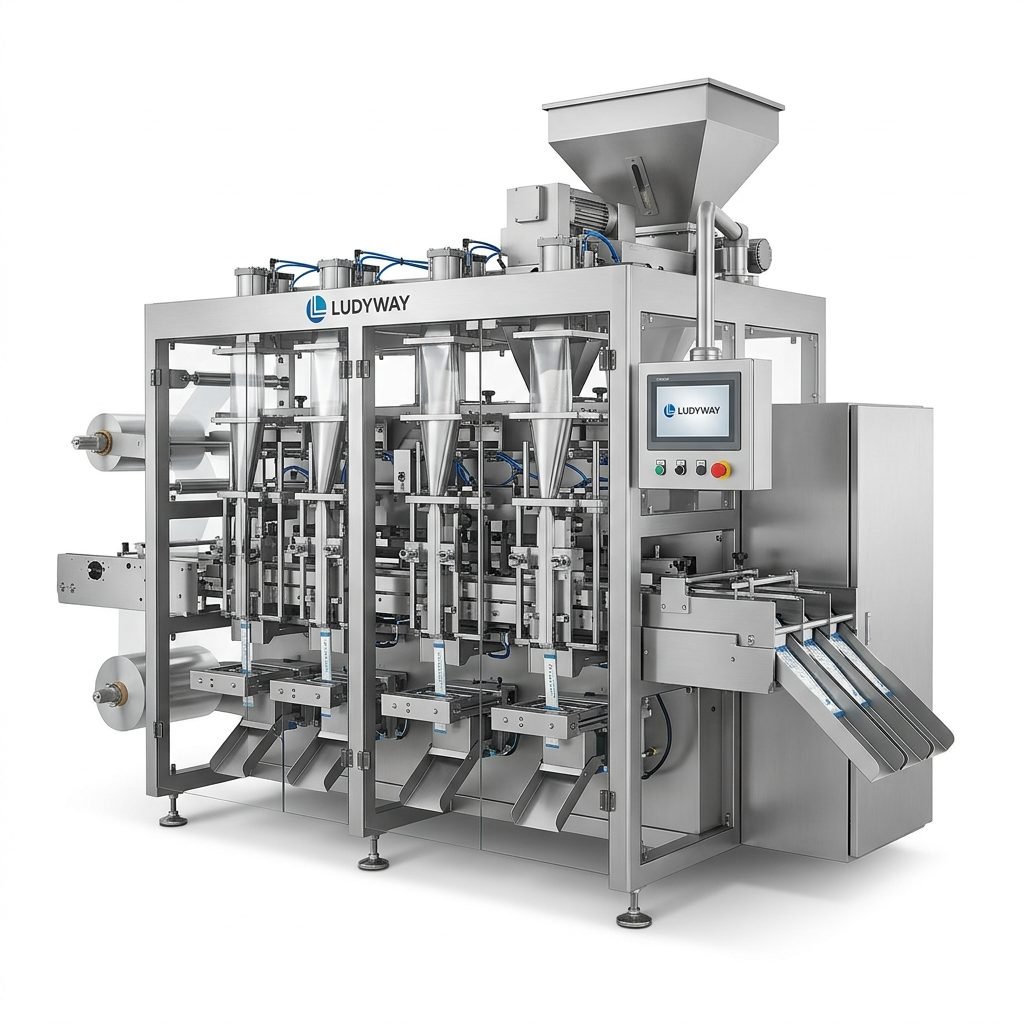
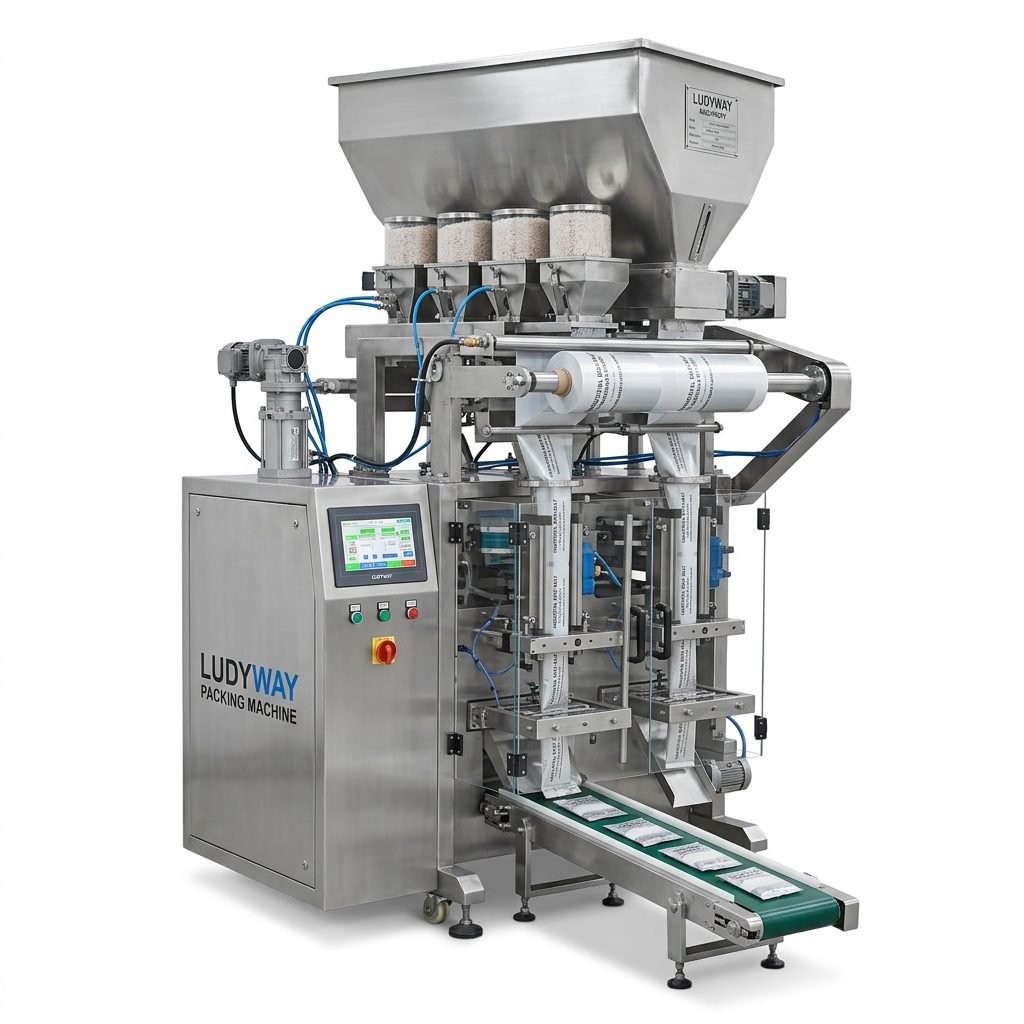
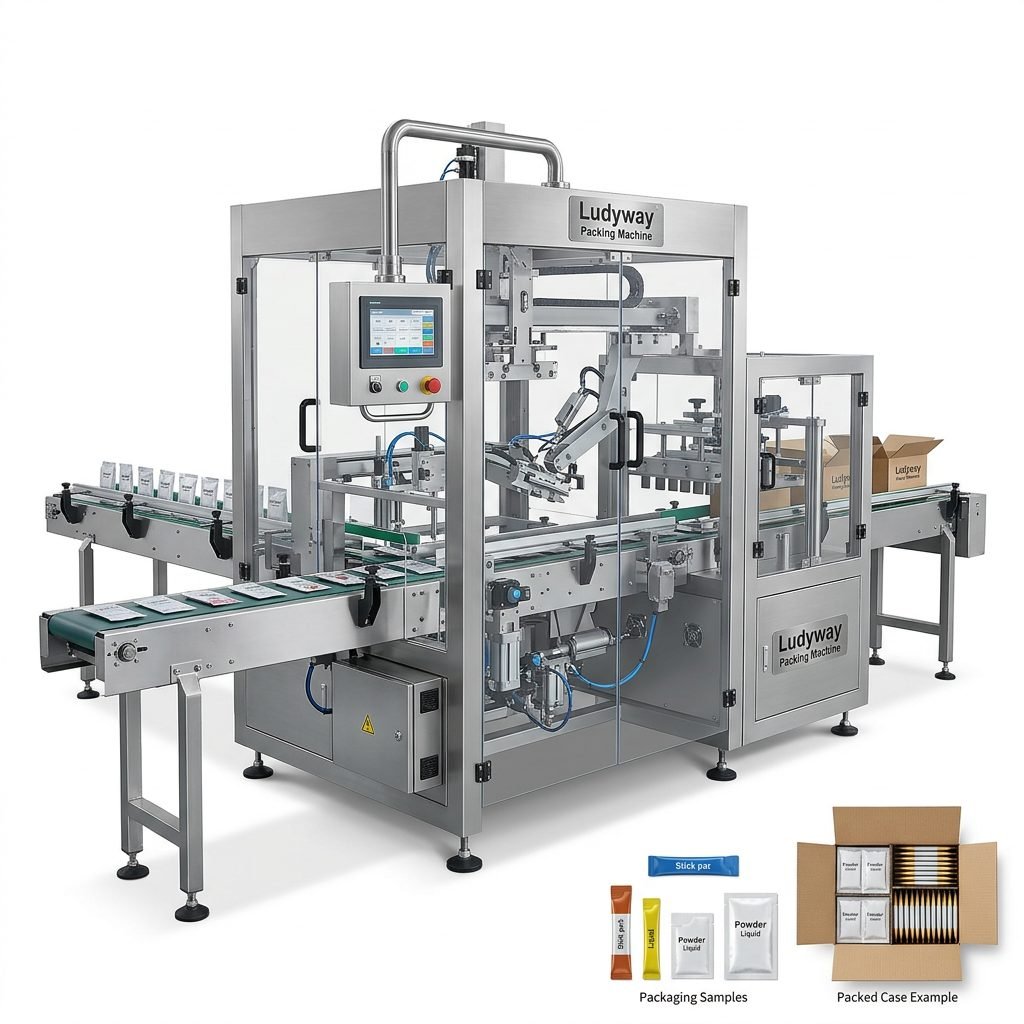
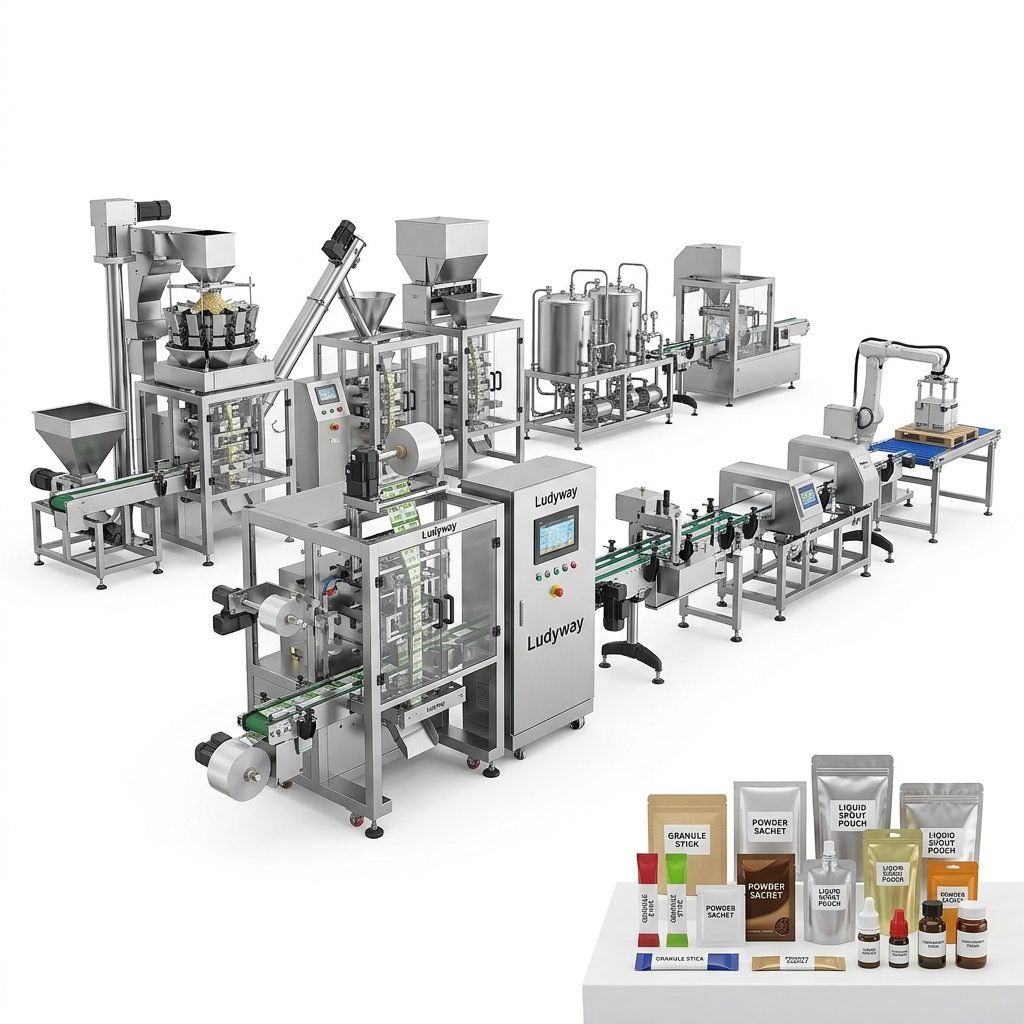
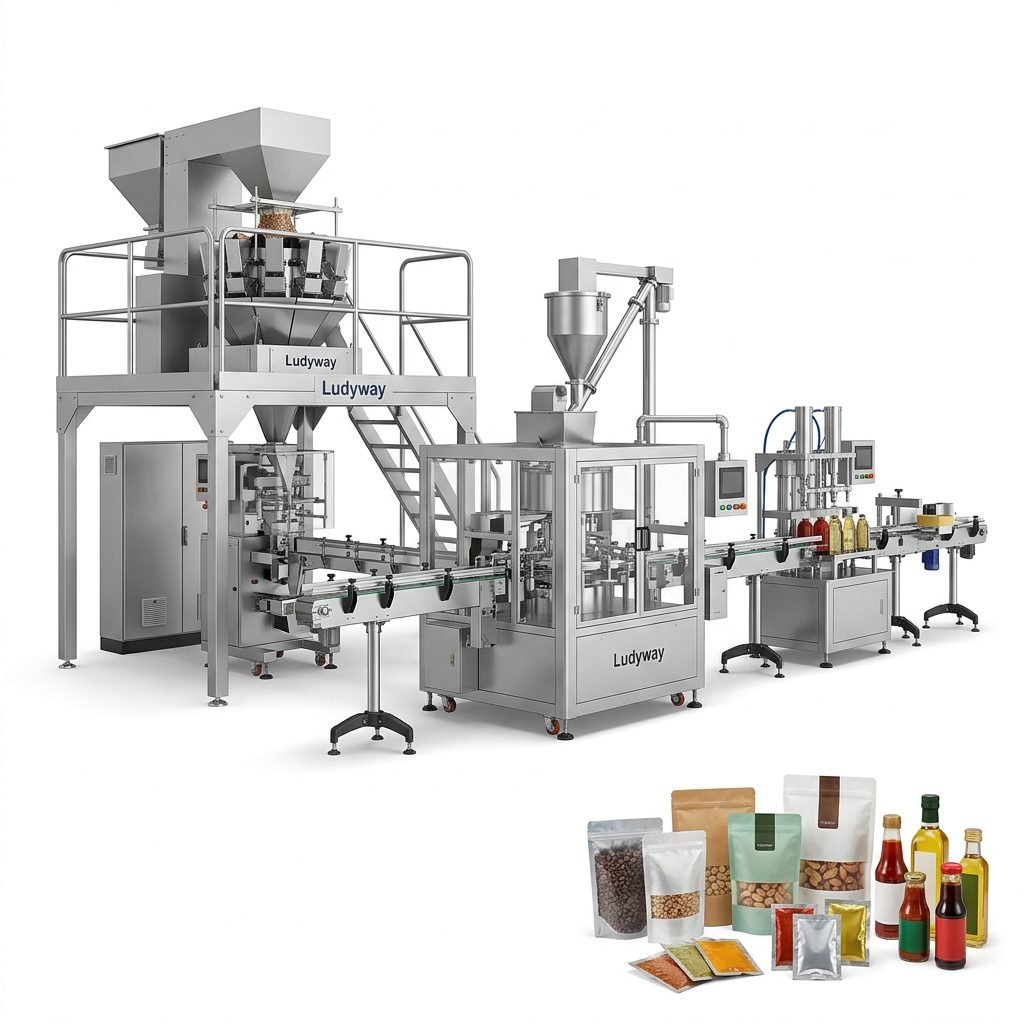
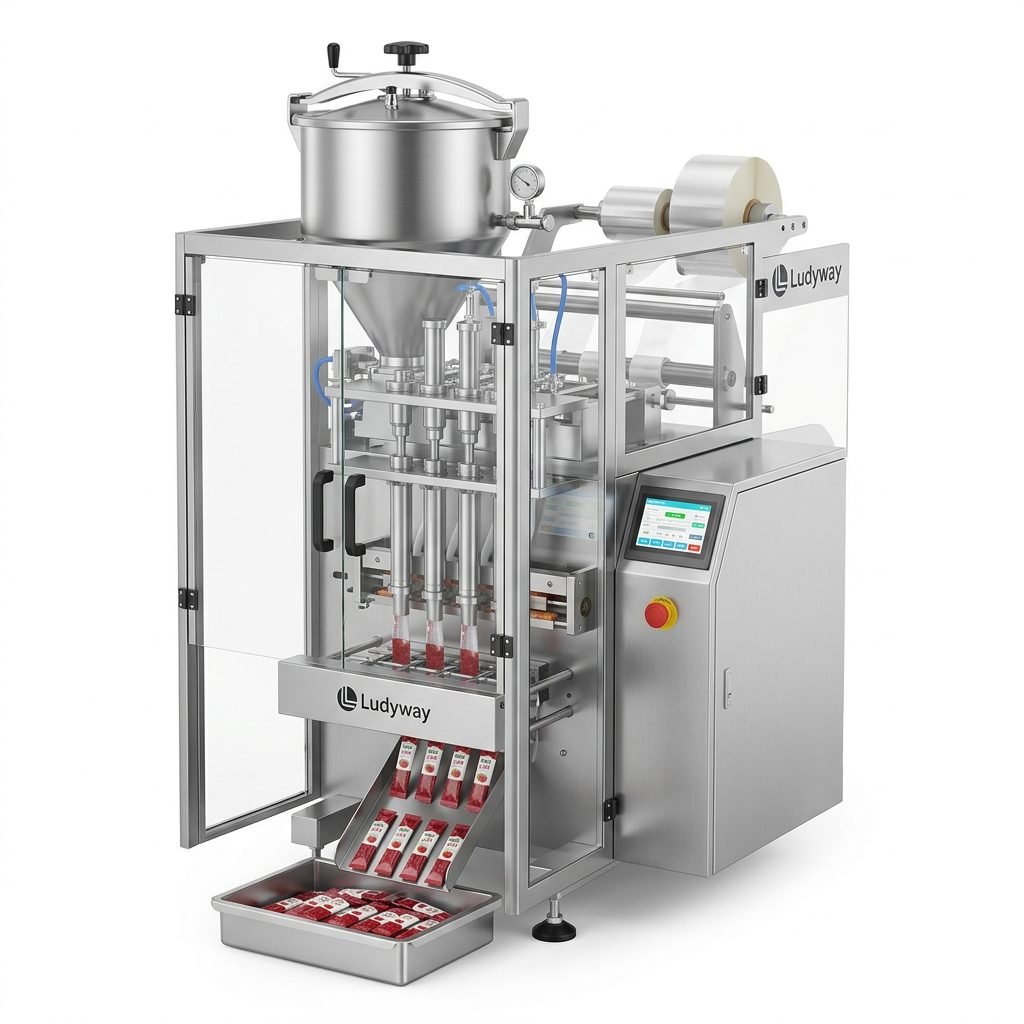
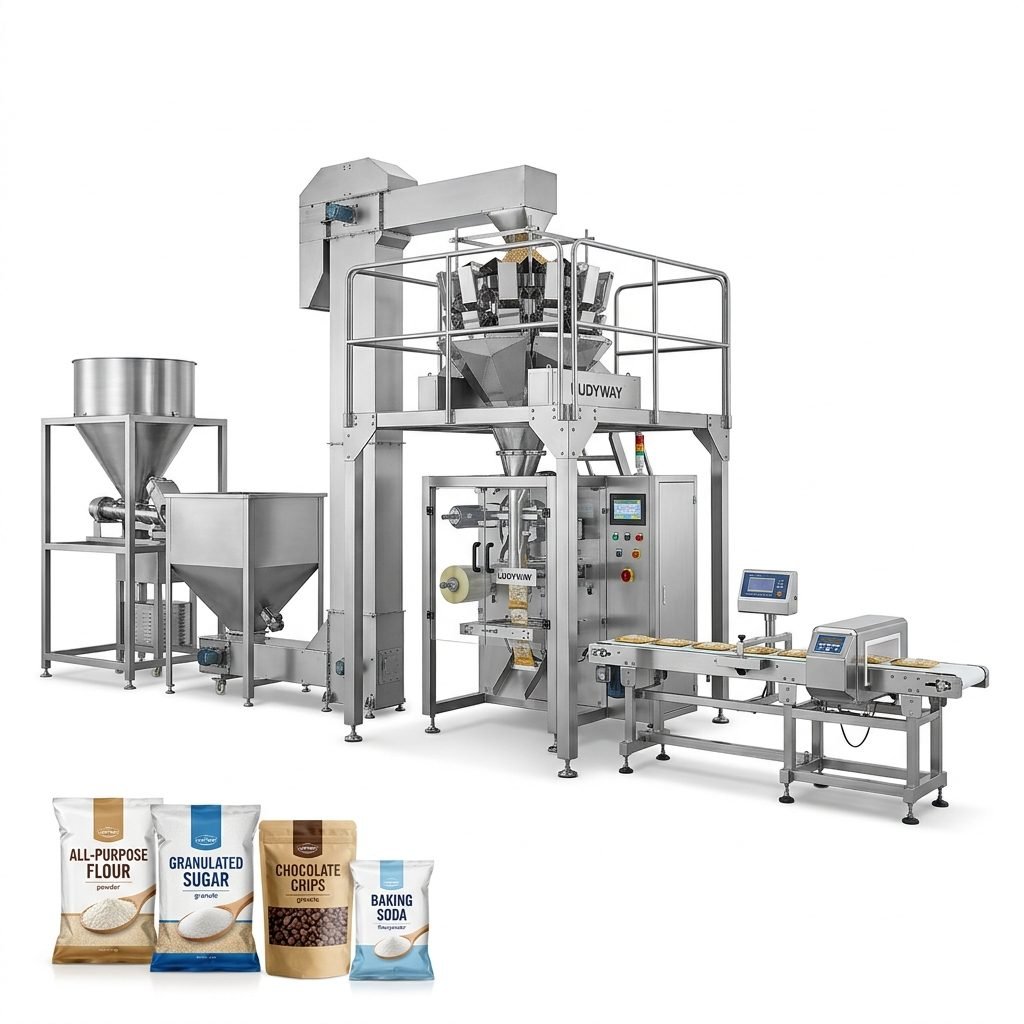
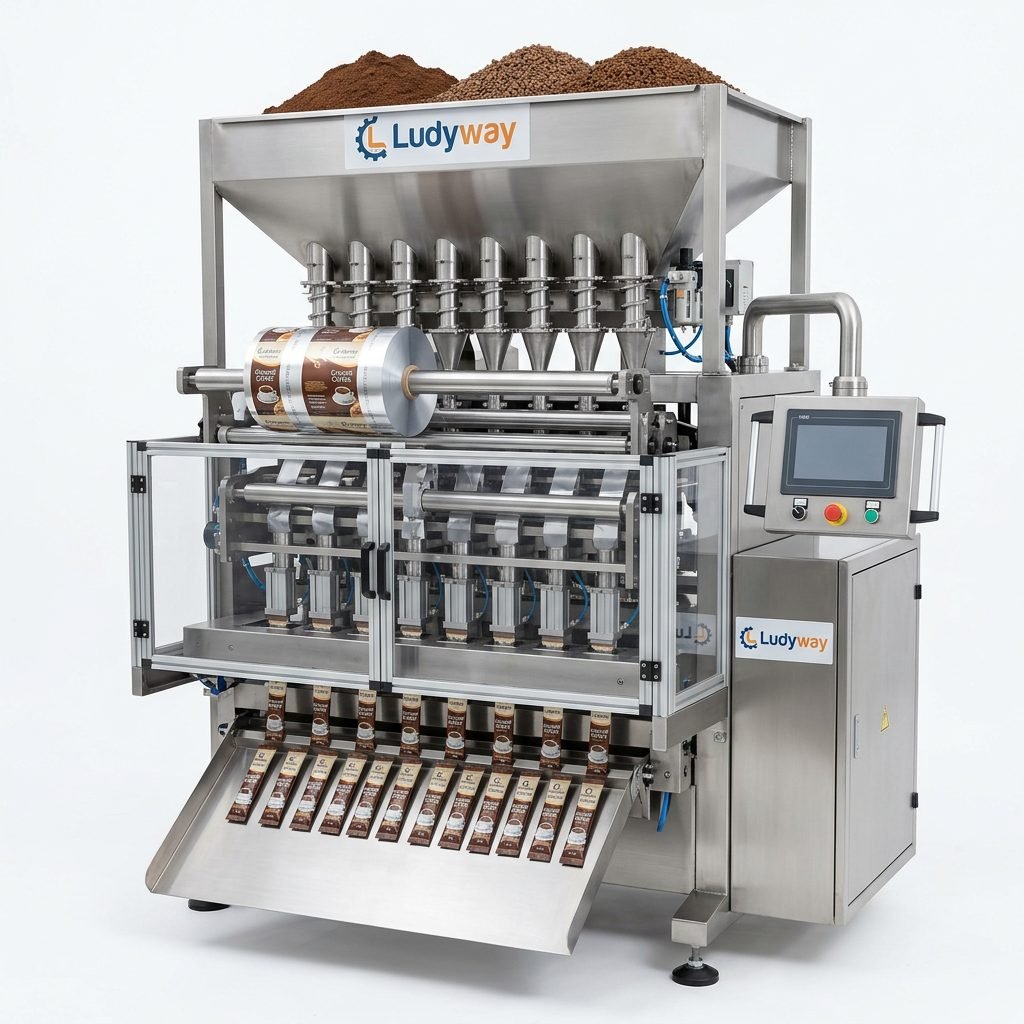
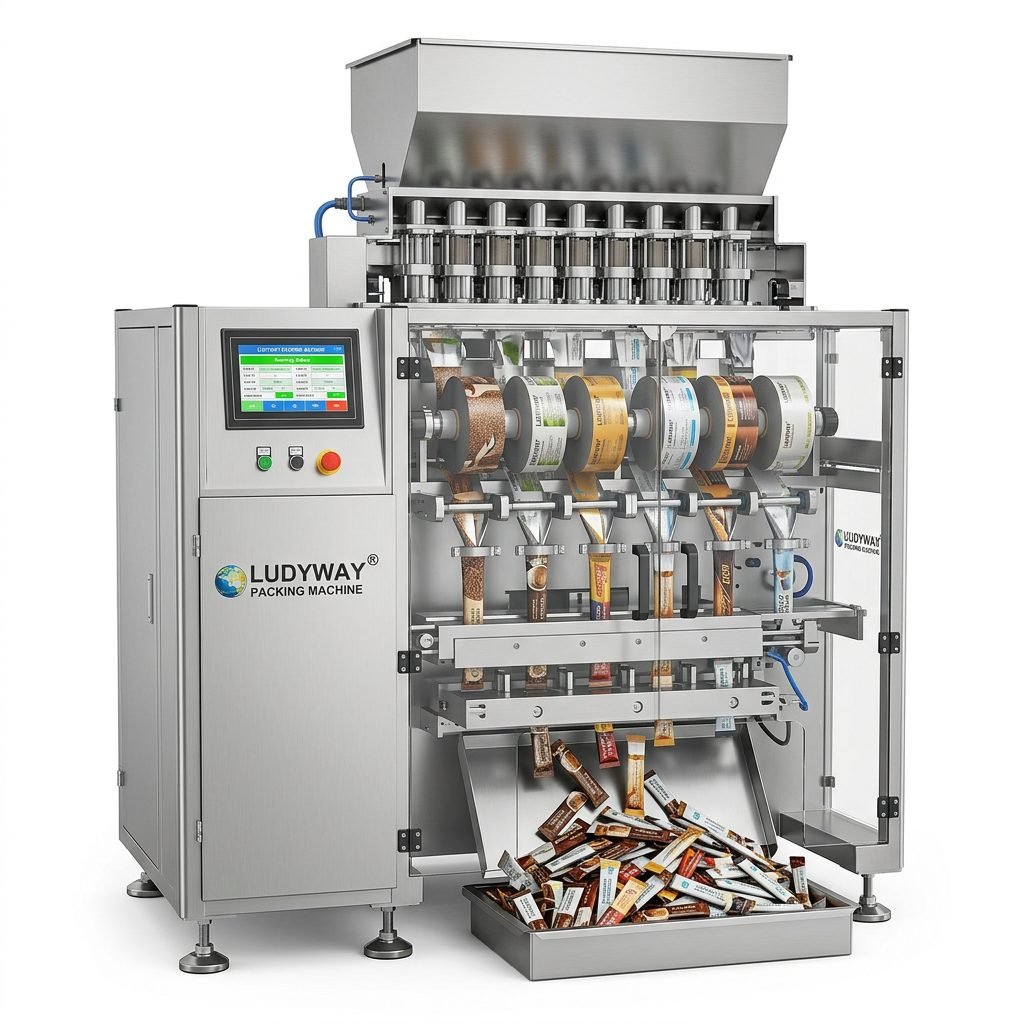
In today’s fast-paced production environments, selecting the right packaging machinery is not just about automation; it’s about strategic investment in efficiency, reliability, and product quality. High-efficiency packaging machines, particularly those built on the proven principles of ULMA-style vertical form-fill-seal (VFFS) technology, have become a cornerstone for industries ranging from food and pharmaceuticals to health products. This article serves as a comprehensive guide to navigating the selection process, ensuring you choose a solution that perfectly aligns with your production line’s unique demands and goals.
Understanding the ULMA-Style Packaging Machine Paradigm
The term “ULMA-style” refers to a class of high-performance vertical form-fill-seal machines inspired by the engineering excellence and robust design pioneered by industry leaders. These machines are renowned for their versatility, speed, and precision. At their core, they transform rolls of flat packaging film into sealed pouches, sachets, or stick packs in a continuous, automated cycle—forming the bag, precisely dosing the product, and sealing it—all within a compact vertical footprint.
Key Characteristics of Modern ULMA-Style Machines:
✔ Modular Design: Allows for easy integration of various feeders (auger, volumetric, weigh scale) and options like gas flushing or zippers.
✔ High-Speed Operation: Capable of producing hundreds of packs per minute, maximizing output for high-volume lines.
✔ Precision Dosing: Advanced servo-driven systems ensure accurate filling, minimizing product giveaway and ensuring compliance.
✔ User-Friendly HMI: Intuitive touchscreen interfaces simplify operation, recipe changes, and maintenance diagnostics.
✔ Hygienic Construction: Often feature stainless steel contact parts and designs that facilitate easy cleaning, crucial for food and pharmaceutical standards.
Core Advantages for Your Production Line
Investing in a high-efficiency ULMA-style solution translates into tangible benefits across your operation. The most significant is a dramatic increase in production throughput, directly impacting your bottom line. Furthermore, the precision of these machines enhances product consistency and reduces material waste. Their flexibility to handle diverse products and package sizes future-proofs your line, allowing for quick changeovers and adaptation to new market trends. Finally, their reliability minimizes unplanned downtime, ensuring consistent delivery schedules and reducing long-term maintenance costs.
The Step-by-Step Guide to Choosing Your Solution
Selecting the ideal machine requires a methodical assessment of your specific needs. Rushing this process can lead to underperformance or costly mismatches.
Step 1: Define Your Product and Packaging Specifications
This is the foundational step. Clearly outline:
- Product Type: Is it a free-flowing granule, a fine powder, a viscous liquid, or a sticky paste? This dictates the type of filling system required.
- Package Type & Size: Determine if you need stand-up pouches, flat sachets, or stick packs. Define the exact length, width, and seal dimensions.
- Film Material: Specify the laminate structure (e.g., PET/AL/PE, OPP/CPP) and thickness, as this affects the machine’s sealing parameters and film handling capabilities.
Step 2: Assess Your Production Requirements
Align the machine’s capabilities with your operational goals:
- Required Output Speed (packs per minute): Calculate based on your shift patterns and annual targets.
- Changeover Frequency: If you run many different SKUs, prioritize machines with quick-change tooling and digital recipe memory.
- Line Integration: Consider how the machine will connect to upstream (e.g., mixers) and downstream (e.g., cartoners) equipment. Look for machines with robust communication protocols (e.g., Ethernet/IP, Profinet).
Step 3: Evaluate Technical and Support Factors
Look beyond the basic specs to the total cost of ownership:
Critical Evaluation Checklist:
🔹 Filling Accuracy: What is the guaranteed tolerance (±%) for your specific product? Request a live product test.
🔹 Machine Construction & Durability: Inspect the quality of components, frame rigidity, and grade of stainless steel used.
🔹 Supplier Expertise & After-Sales Support: Choose a partner with deep application knowledge, like Ludyway Packaging Machinery, which brings over 30 years of industry experience. Verify the availability of spare parts, technical training, and responsive service.
🔹 Hygiene & Safety Features: Ensure the design meets relevant industry standards (e.g., FDA, GMP) with features like guarded interlocks and easy-clean surfaces.
Why Partnering with an Expert Manufacturer Matters
The choice of supplier is as crucial as the choice of machine. A true partner provides more than just equipment; they deliver a turnkey solution. For instance, a manufacturer with a broad portfolio can offer unbiased advice on the best model for your application. Their engineering team can handle customizations, from special feeding systems to integration with existing packaging line equipment. Comprehensive after-sales support—including installation supervision, operator training, and preventative maintenance plans—ensures your investment delivers peak performance for years to come. This holistic approach, backed by a modern 20,000㎡ production facility and proven experience, is what transforms a machine purchase into a strategic production advantage.
Optimizing Your New Packaging Line for Success
Once you’ve selected your high-efficiency machine, proper implementation is key. Start with thorough training for your operators and maintenance technicians. Develop and adhere to a regular preventive maintenance schedule to avoid unexpected failures. Continuously monitor key performance indicators (KPIs) like Overall Equipment Effectiveness (OEE), downtime, and waste percentage. Utilize the machine’s data logging capabilities to analyze trends and identify areas for further optimization. Remember, the most advanced machine’s performance is ultimately determined by the people and processes that support it.
By carefully following this guide and collaborating with a seasoned supplier, you can confidently select a high-efficiency ULMA-style packaging machine that becomes a driver of growth, quality, and profitability for your business. It’s an investment that pays dividends in operational excellence and market competitiveness.
Frequently Asked Questions (FAQs)
1. What is the main difference between a standard VFFS machine and a “high-efficiency” ULMA-style machine?
While both are VFFS machines, high-efficiency ULMA-style models typically feature superior servo-motor technology for more precise motion control, higher-grade components for durability at faster speeds, more advanced human-machine interfaces (HMIs) for smarter operation, and a modular design that allows for greater customization and easier integration into automated lines.
2. Can one ULMA-style machine handle both powder and liquid products?
Potentially, yes, but it depends on the specific configuration. The core forming and sealing unit may be similar, but the filling system is critical. A machine would need to be equipped with interchangeable or highly adaptable filling systems (e.g., switching from an auger filler for powder to a piston pump for liquid). Significant product changeovers may require thorough cleaning and recalibration.
3. How important is after-sales support when purchasing such equipment?
Extremely important. It is a critical part of the total cost of ownership. Reliable support ensures minimal downtime through fast spare parts delivery, expert troubleshooting, and preventative maintenance. A supplier with a strong global service network, like Ludyway’s support team, provides peace of mind and protects your production continuity.
4. What are the key maintenance routines for these machines?
Daily routines include cleaning and visual inspection of seals, film guides, and filling areas. Weekly tasks might involve lubricating specific moving parts (as per manual) and checking for wear on critical components like sealing jaws and cutting blades. Adhering to the manufacturer’s scheduled maintenance plan is essential for long-term reliability.
5. How can I ensure the machine will be compatible with my future packaging needs?
Discuss your long-term product roadmap with your supplier during the selection phase. Choose a machine with a “future-proof” design—one that has the physical capacity (size range) and control system flexibility to accommodate potential new package sizes or shapes. Opting for a modular machine from a supplier with a wide range of compatible accessories offers the greatest adaptability.