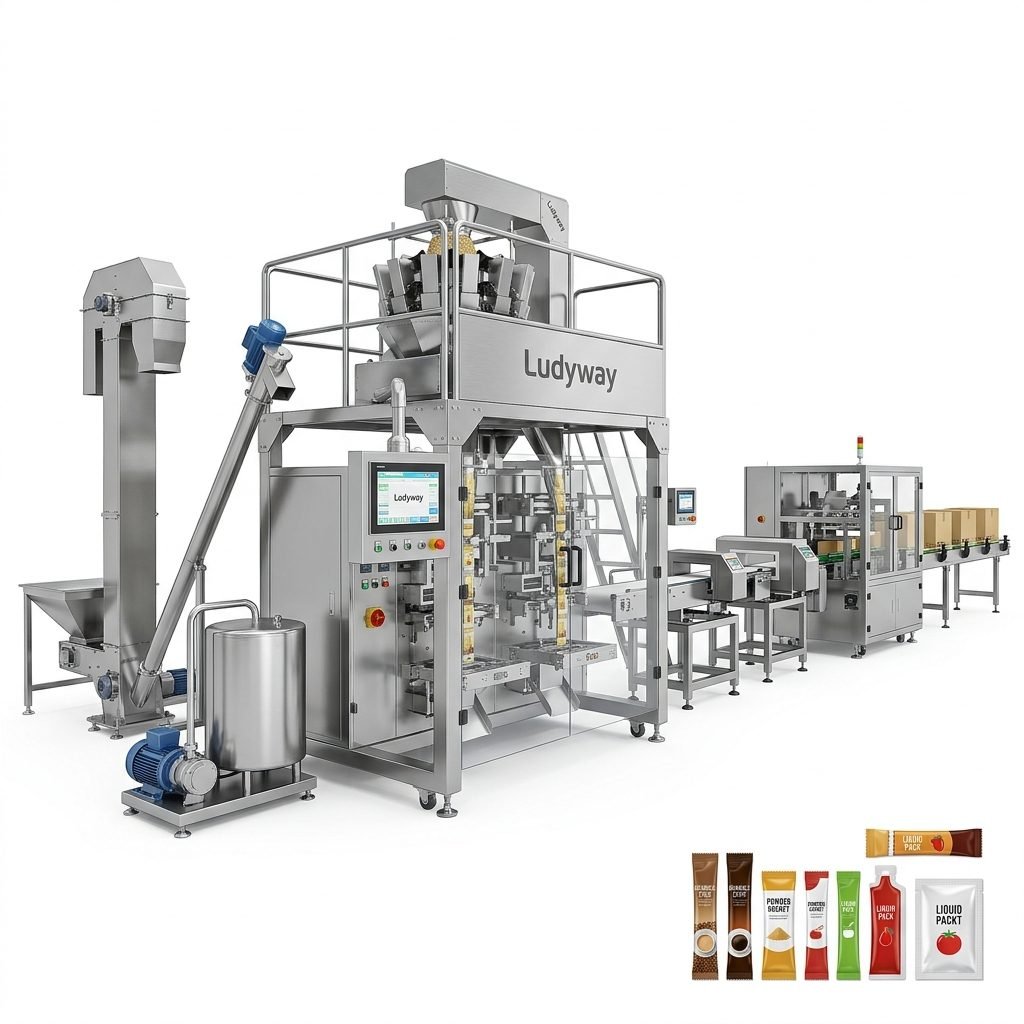
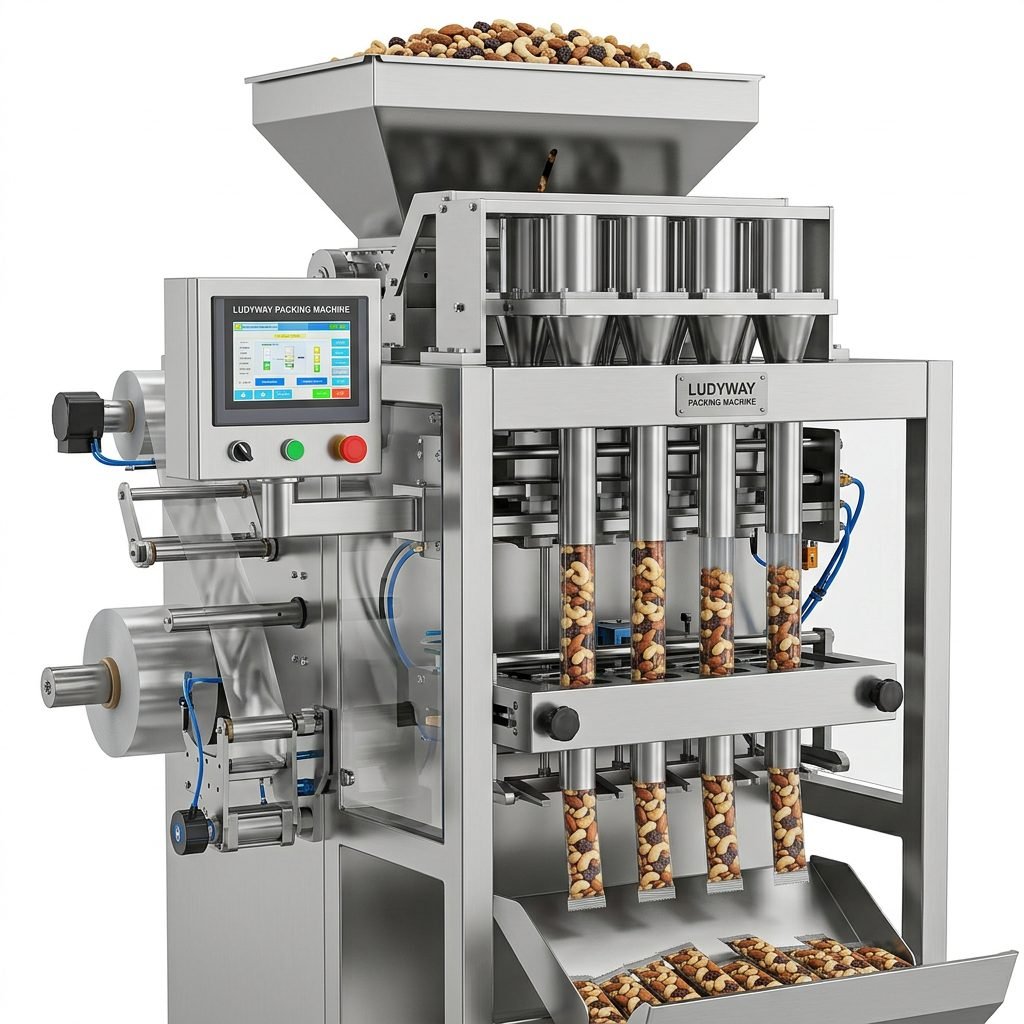
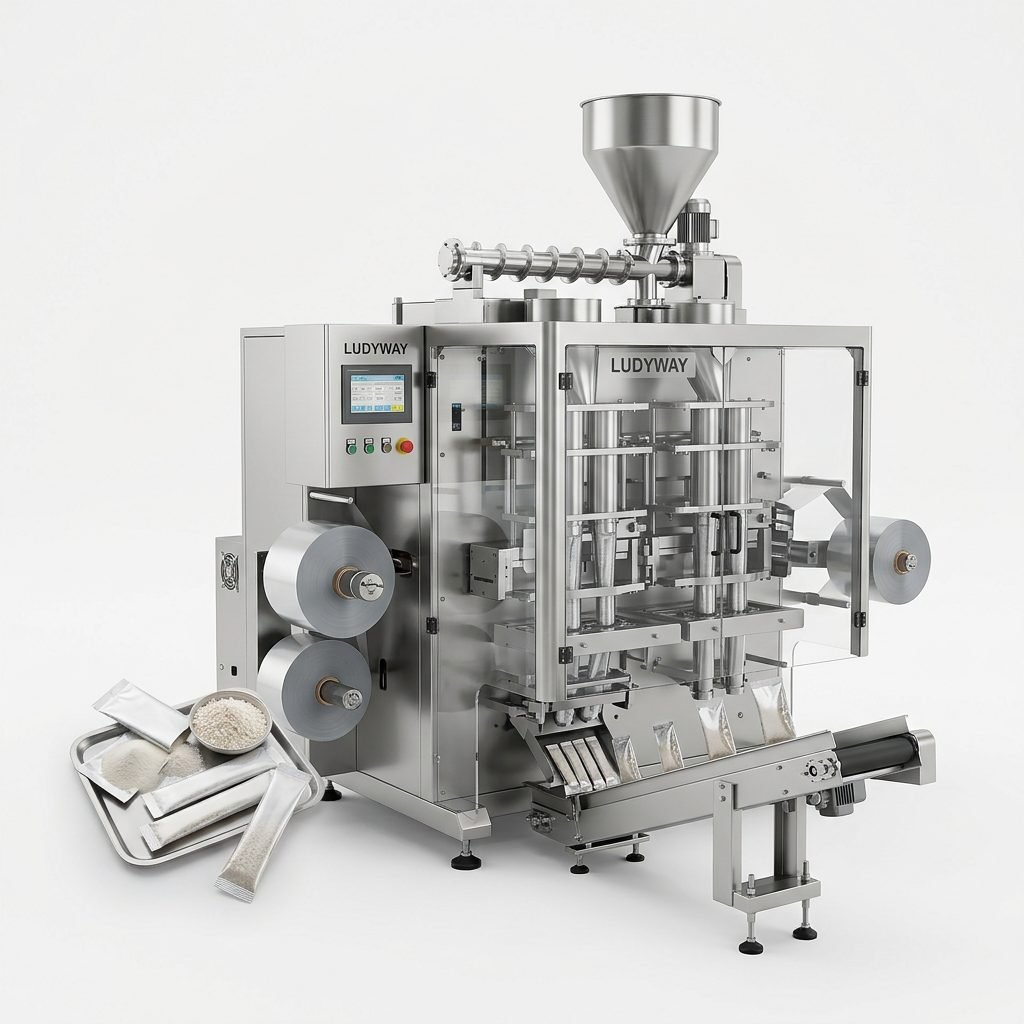
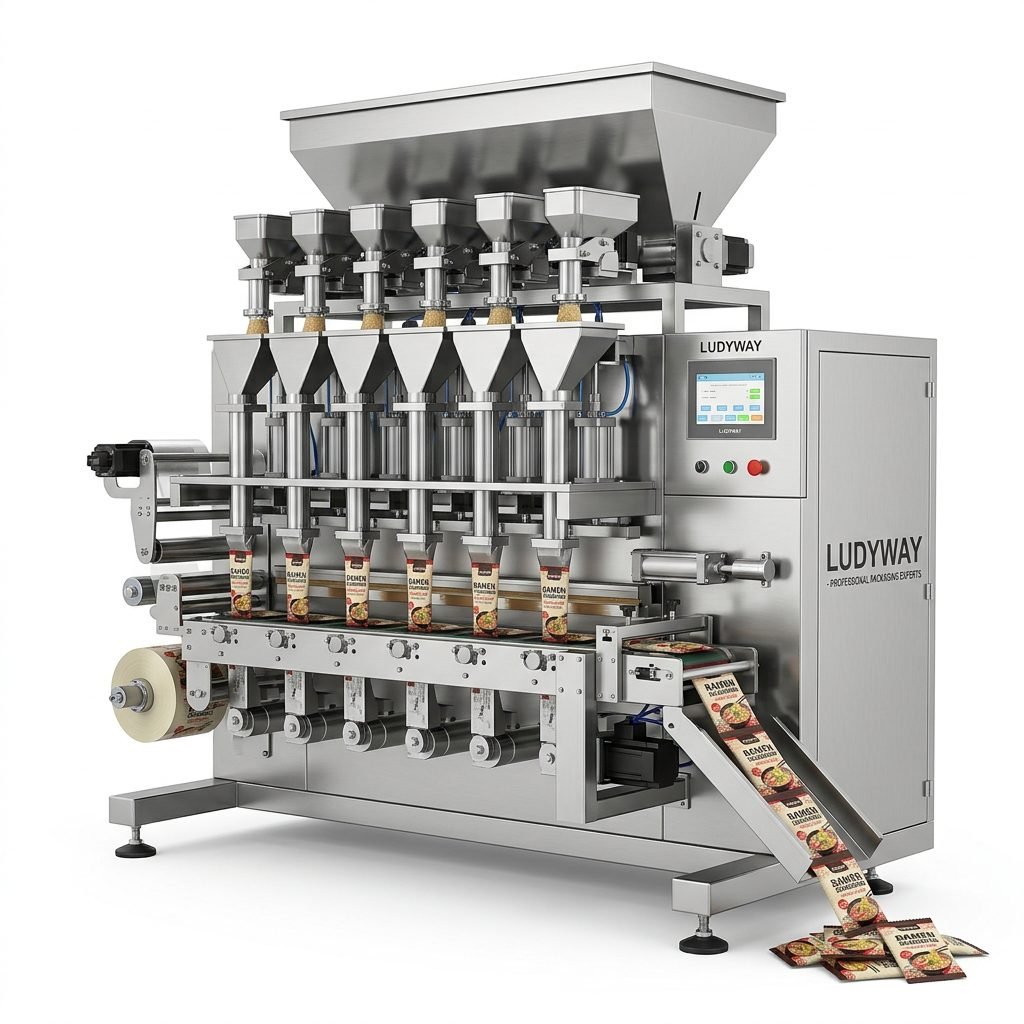
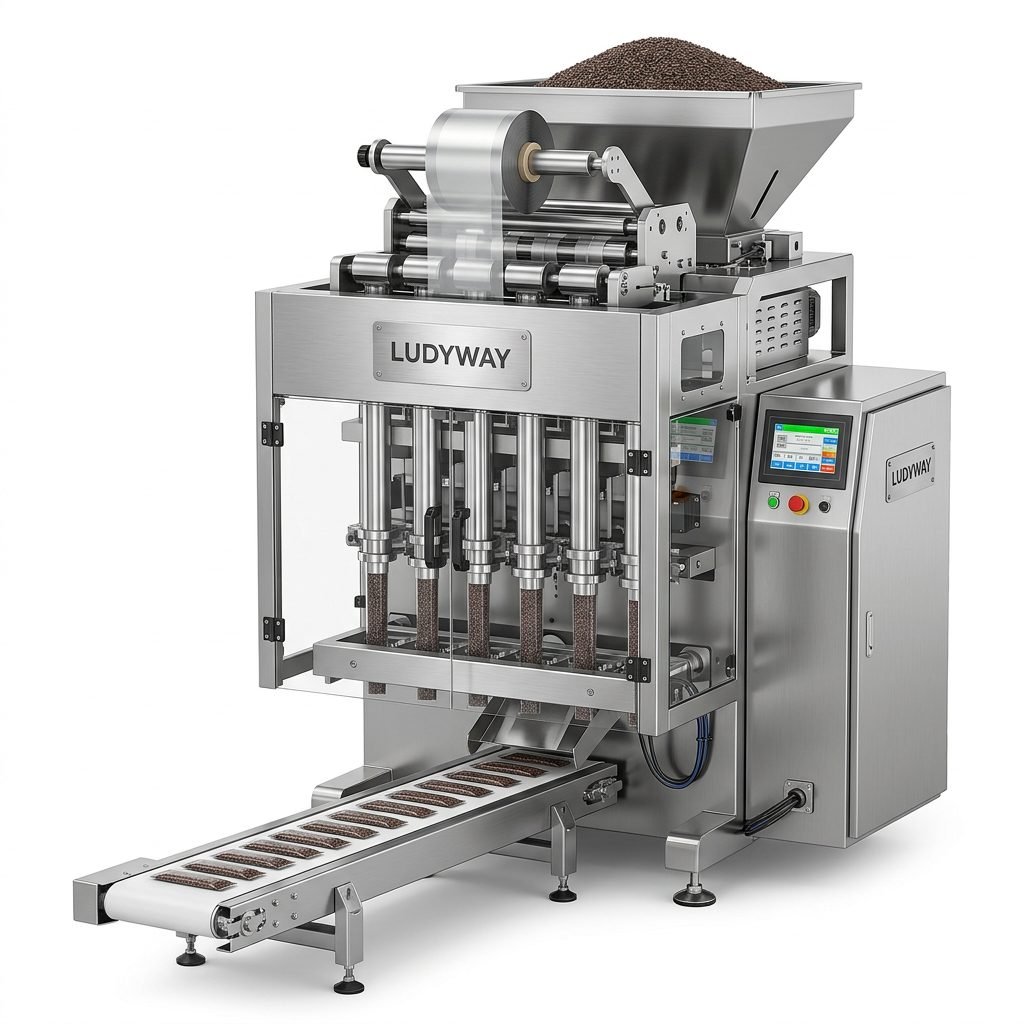
In today’s fast-paced manufacturing world, efficiency and reliability are paramount. For businesses involved in packaging powders, granules, or liquids, selecting the right equipment is a critical decision that impacts productivity, product quality, and the bottom line. High-speed ACMA-style packaging machines represent a pinnacle of automation in this field, offering unparalleled speed and precision. This comprehensive guide delves into the essential features, significant benefits, and crucial buying tips for these advanced packaging systems.
Core Features of High-Speed ACMA Packaging Machines
The term “ACMA” often refers to a legacy of Italian engineering excellence in packaging machinery, synonymous with robust, high-performance systems. Modern high-speed machines inspired by this standard incorporate several advanced features.
1. Unmatched Speed and Throughput
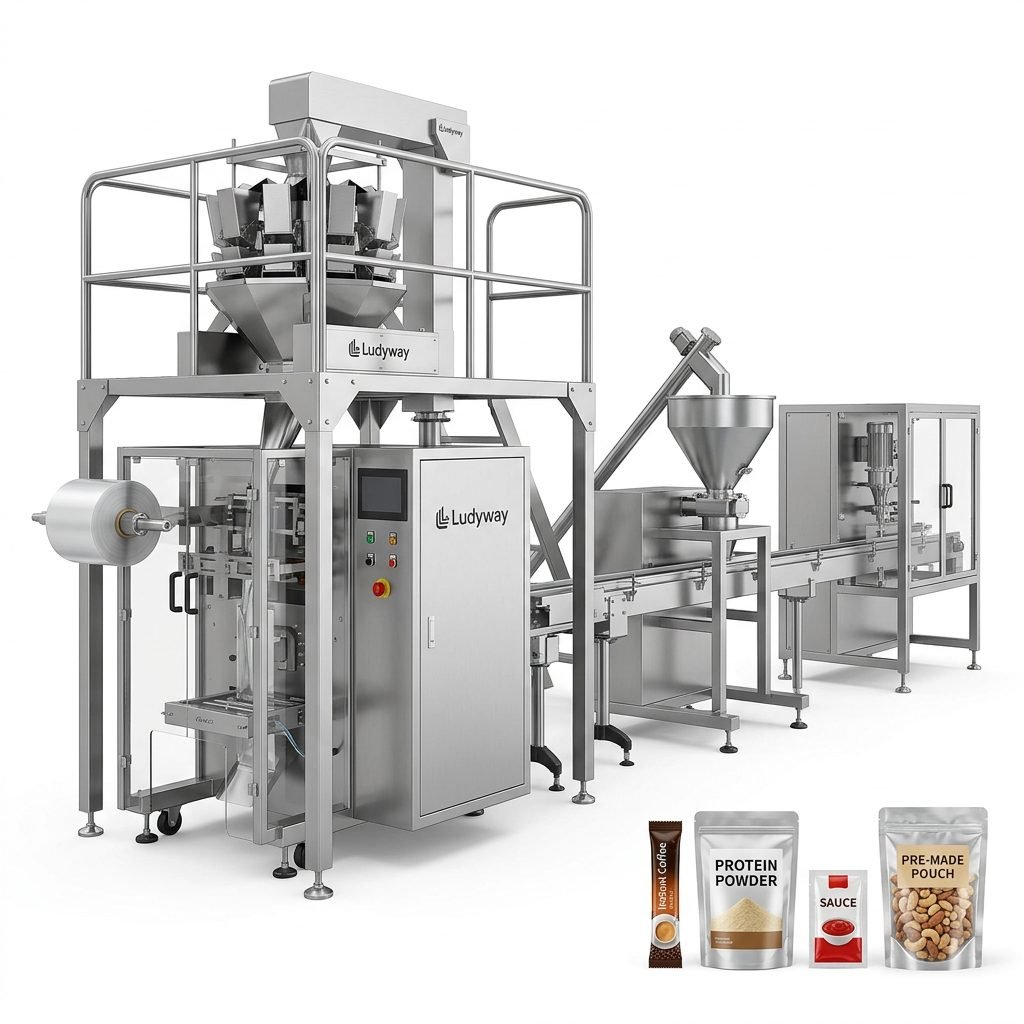
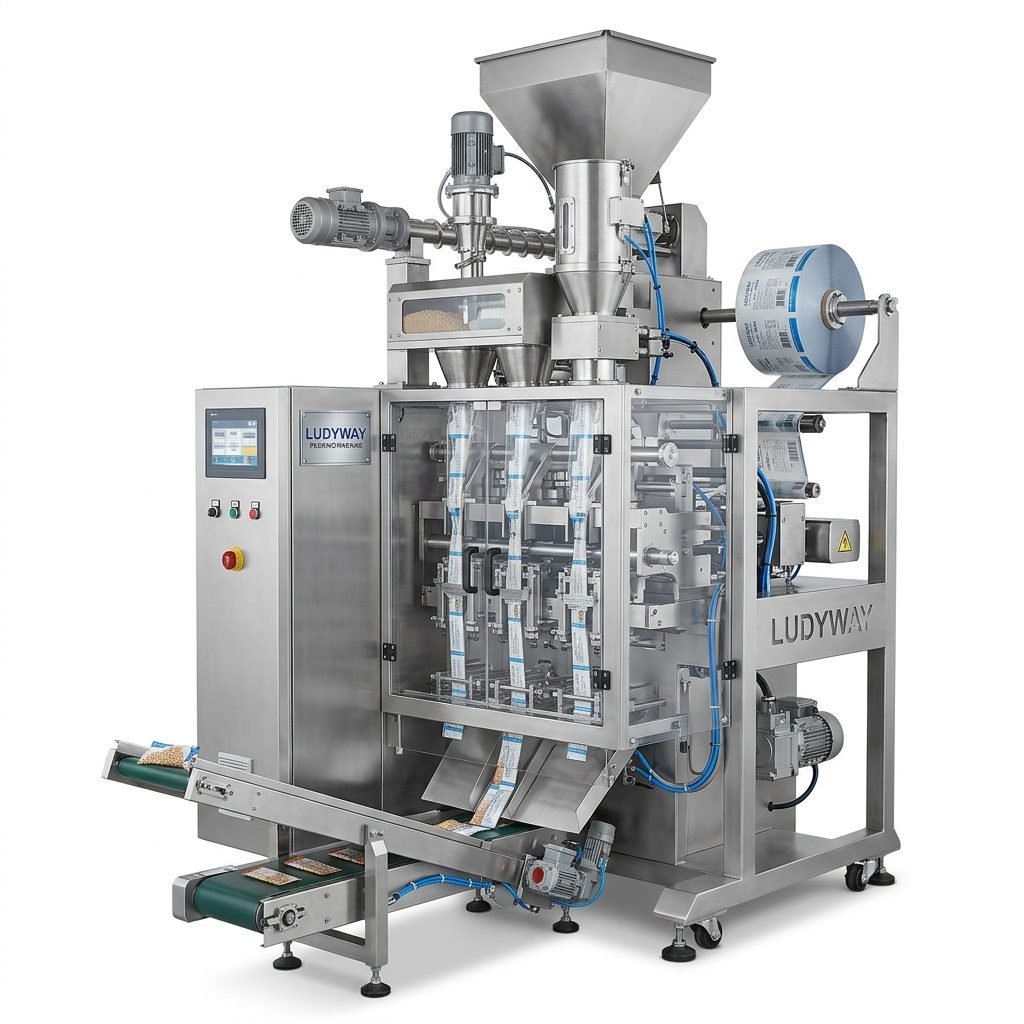
These machines are engineered for volume. Capable of producing hundreds, even thousands, of sachets, stick packs, or pouches per minute, they are the workhorses of high-demand production lines. This is achieved through sophisticated multi-lane feeding systems and ultra-precise servo-driven mechanisms that synchronize every step of the process—from film unwinding and forming to filling and sealing—without compromising accuracy.
2. Exceptional Precision and Consistency
At high velocities, maintaining consistent fill weight and seal integrity is a formidable challenge. Advanced machines overcome this with state-of-the-art servo motors and weight-check systems. Each servo motor controls a specific axis of motion, allowing for micro-adjustments that ensure every package receives the exact predetermined amount of product. This minimizes giveaway (overfilling) and protects against underfilling, ensuring compliance with regulations and customer expectations.
3. Versatility in Packaging Formats
Flexibility is a key strength. A single high-speed ACMA-style machine can often be configured to produce various formats, such as:
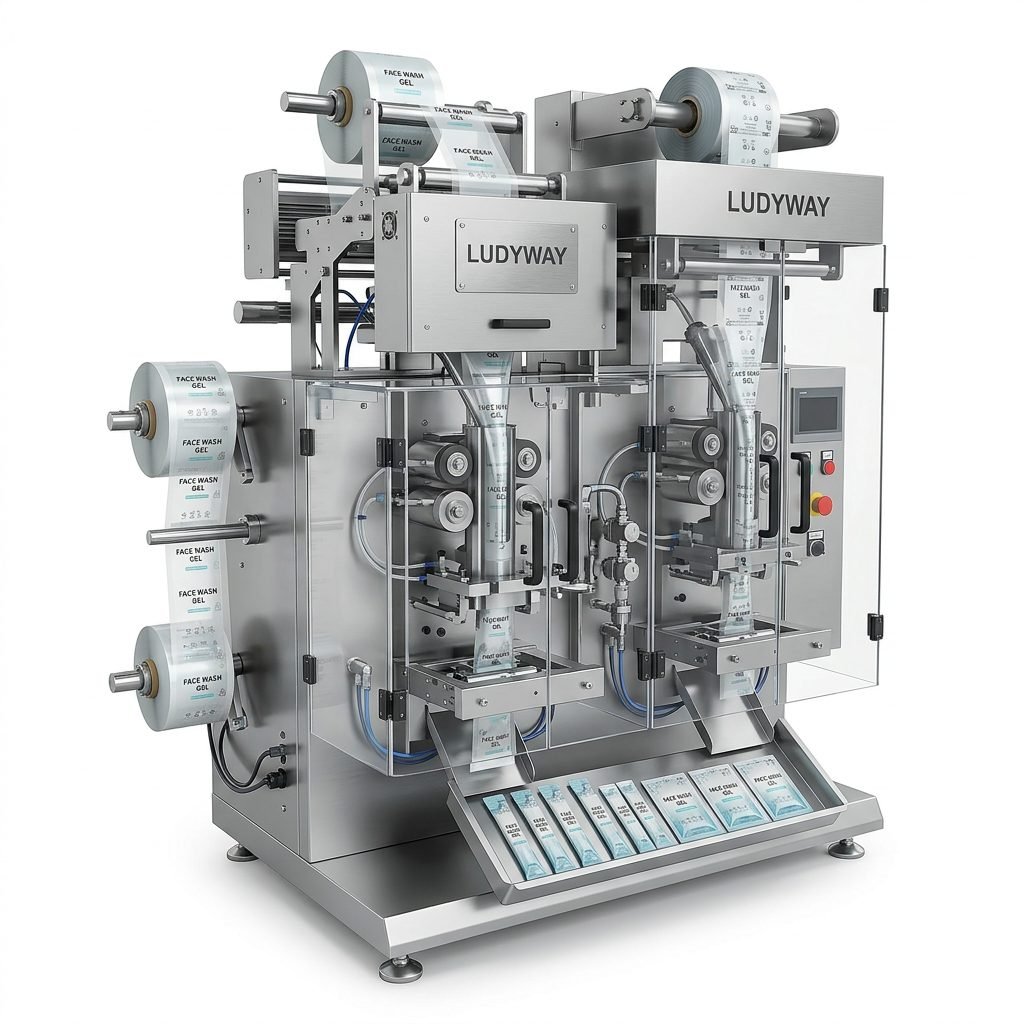
3-side seal sachets for single-serve condiments, sauces, or pharmaceuticals.
4-side seal pouches ideal for tea, instant coffee, or powdered supplements.
Stick packs a popular choice for energy gels, drink mixes, and single-dose powders.
Quick-change parts and programmable recipes allow for fast switchovers between different products and pack sizes, reducing downtime.
4. Robust Construction and Intelligent Controls
Built to withstand 24/7 operation, these machines feature heavy-duty frames, high-grade stainless steel contact parts, and durable sealing jaws. The control system is the brain of the operation. Modern touch-screen HMIs (Human-Machine Interfaces) provide intuitive operation, real-time monitoring of production data (OEE, speed, error counts), and easy access to maintenance logs. Many systems also offer connectivity for Industry 4.0 integration, enabling data collection for predictive maintenance and production analytics.
Tangible Benefits for Your Production Line
Investing in a high-speed packaging machine translates into direct operational and strategic advantages.
Dramatic Increase in Production Output
The most immediate benefit is a substantial boost in capacity. By automating the packaging process at high speed, you can meet larger orders, reduce lead times, and scale your business without proportionally increasing labor costs. This allows you to capitalize on market opportunities more aggressively.
Significant Reduction in Operational Costs
While the initial investment is significant, the long-term savings are compelling. High automation reduces the number of operators required per line. Precision filling drastically cuts material waste from overfilling. Furthermore, consistent, high-quality seals reduce the rate of rejected packages and potential product spoilage, protecting your revenue.
Enhanced Product Quality and Brand Image
Consistency builds trust. Every package leaving the line will have identical fill weights, crisp seals, and a professional appearance. This uniformity is crucial for brand reputation, especially in consumer-facing industries like food and supplements. It assures customers of product integrity and value.
Improved Workplace Safety and Hygiene
Automating repetitive manual tasks minimizes worker exposure to potential hazards and reduces ergonomic strain. In industries with strict hygiene standards, such as pharmaceuticals or food, enclosed machine designs and easy-clean surfaces help maintain a controlled environment and comply with regulations like GMP.
Essential Buying Tips: Making the Right Investment
Choosing a high-speed packaging machine is a major capital expenditure. Careful consideration of these factors will guide you to the optimal solution.
1. Precisely Define Your Requirements
Start with a clear specification list:
• Product Type: Granules, fine powder, viscous liquid? Each has unique feeding challenges.
• Desired Package Format & Size: Sachet, stick pack, pouch? Dimensions?
• Target Speed (packages/minute): Be realistic about your current and future needs.
• Film Material: Laminates, PET/PE, paper composites? The machine must be compatible.
• Factory Conditions: Available floor space, power supply, and compressed air.
2. Prioritize Machine Flexibility and Ease of Use
Consider your product roadmap. Will you launch new sizes or formats? A machine with tool-less changeovers and broad adjustment ranges can save immense time and cost in the future. The user interface should be logical for your operators to learn and use efficiently, minimizing training time and operational errors.
3. Evaluate the Supplier’s Expertise and Support
The machine is only part of the solution. The supplier’s role is critical. Look for a partner with:
Proven Experience: A track record in your specific industry (e.g., food, pharma).
Technical Support: Availability of installation, training, and responsive after-sales service.
Comprehensive Warranty: Clear terms that cover parts and labor.
A supplier like Ludyway Machinery, with deep industry roots, can provide not just a machine but a reliable production partnership.
4. Insist on a Material Test and Factory Acceptance
Never buy based on specifications alone. Arrange to send your actual product and packaging film to the supplier for a live performance test. This demonstrates the machine’s capability with your materials. If possible, visit the supplier’s facility for a Factory Acceptance Test (FAT) to see the machine run and verify its performance before shipment.
5. Analyze Total Cost of Ownership (TCO)
Look beyond the purchase price. Calculate the TCO by factoring in:
• Energy consumption
• Expected maintenance costs and spare part pricing
• Potential costs of downtime
• Required operator skill level (affecting training and wages)
A slightly higher initial investment in a more robust, efficient, and reliable machine often results in a lower TCO over its 10-15 year lifespan.
Conclusion
A high-speed ACMA-style packaging machine is a transformative investment for any growing packaging operation. By delivering exceptional speed, precision, and flexibility, it drives down costs, boosts output, and elevates product quality. The key to success lies in meticulous planning—thoroughly understanding your needs, rigorously evaluating suppliers, and prioritizing long-term reliability and support. With the right machine and the right partner, you can build a packaging operation that is not only efficient but also a formidable competitive advantage. For businesses seeking to automate and scale, exploring the solutions from experienced providers like Ludyway Packaging Machinery is a strategic step forward.
Frequently Asked Questions (FAQs)
1. What is the main difference between a standard and a high-speed ACMA-style packaging machine?
The primary differences are speed, precision engineering, and control systems. High-speed models use multiple lanes and advanced servo technology to achieve outputs often 3-5 times greater than standard machines, while maintaining superior accuracy at those velocities. They are built with more robust components to handle continuous operation.
2. Can one machine handle both powder and liquid products?
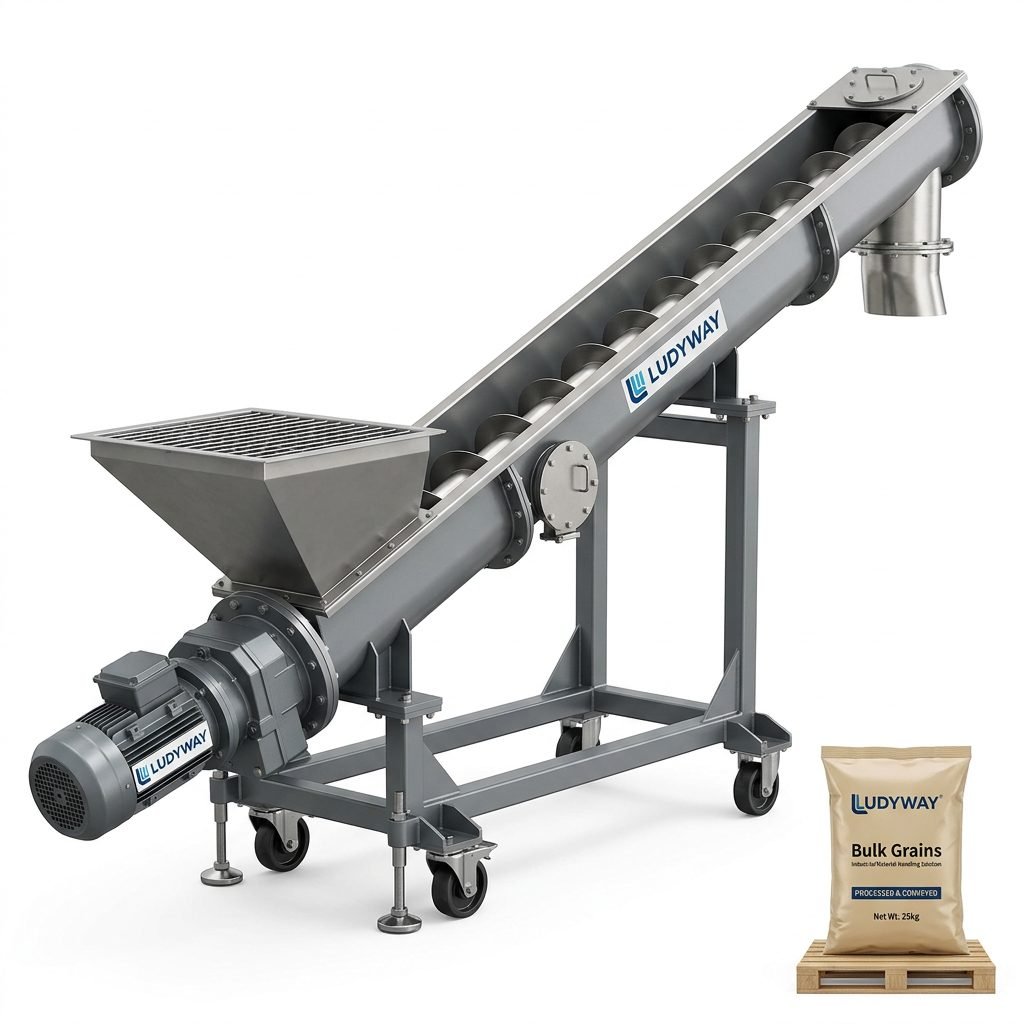
Some high-speed machines are designed with modular filling systems that can be swapped out. However, it’s crucial to confirm this with the supplier. Liquid filling requires pumps and nozzles designed to prevent dripping, while powder filling needs augers or cup feeders that prevent bridging. Cross-contamination rules may also require dedicated machines.
3. How much maintenance does a high-speed packaging machine require?
Regular, preventive maintenance is essential for peak performance and longevity. Daily cleaning and lubrication, weekly checks of seals and sensors, and scheduled part replacements (like sealing jaws or filters) are typical. A reliable supplier will provide a detailed maintenance schedule and training. Modern machines often have automated lubrication and diagnostic alerts to simplify upkeep.
4. What is the typical lead time for delivery and installation?
Lead times can vary from 3 to 6 months or more, depending on the machine’s complexity, customization, and the manufacturer’s order backlog. This includes time for building, testing, shipping, and on-site installation and commissioning. It’s a critical factor to plan for in your production timeline.
5. Are these machines suitable for small-batch or frequent product changeover production?
Yes, but flexibility is key. Look specifically for machines advertised with “quick changeover” features, such as digital format memory, tool-less adjustments, and easy-access change parts. While high-speed machines are optimized for long runs, models designed for flexibility can significantly reduce downtime between batches, making them viable for a wider range of production schedules. Discuss your changeover frequency in detail with potential suppliers like Ludyway to find the best fit.