Setting up a salt packaging machine production line in the UK requires careful planning, regulatory awareness, and a clear understanding of the available equipment options. Whether you are packaging fine table salt, coarse sea salt, rock salt, or industrial-grade sodium chloride, the right packaging machinery can significantly impact your productivity, product quality, and long-term operational costs. This guide walks you through every essential step—from machine selection and UK compliance to installation and maintenance—so you can build a reliable and efficient salt packaging production line that meets both domestic and export market demands.
Understanding Salt Packaging Machine Types
Different salt products demand different packaging solutions. The most common machine types used in UK salt packaging facilities include:
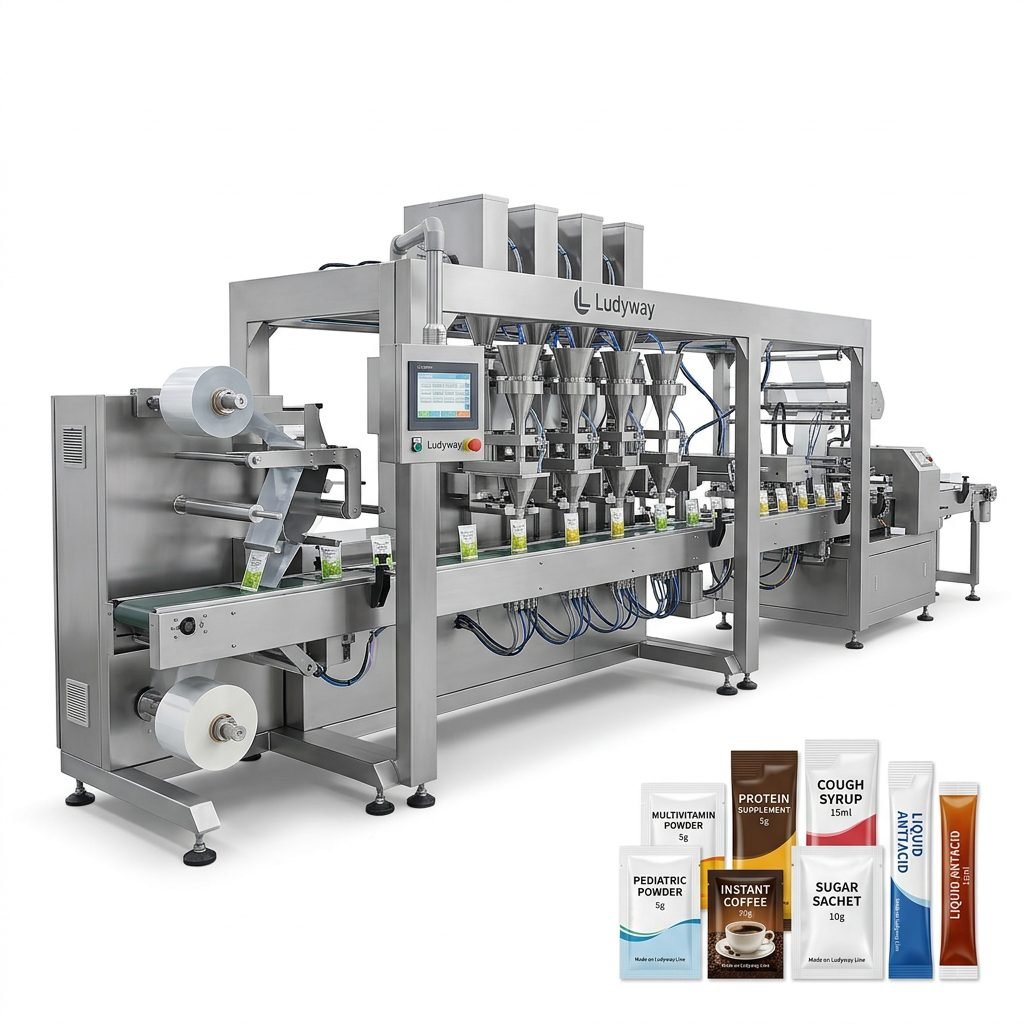
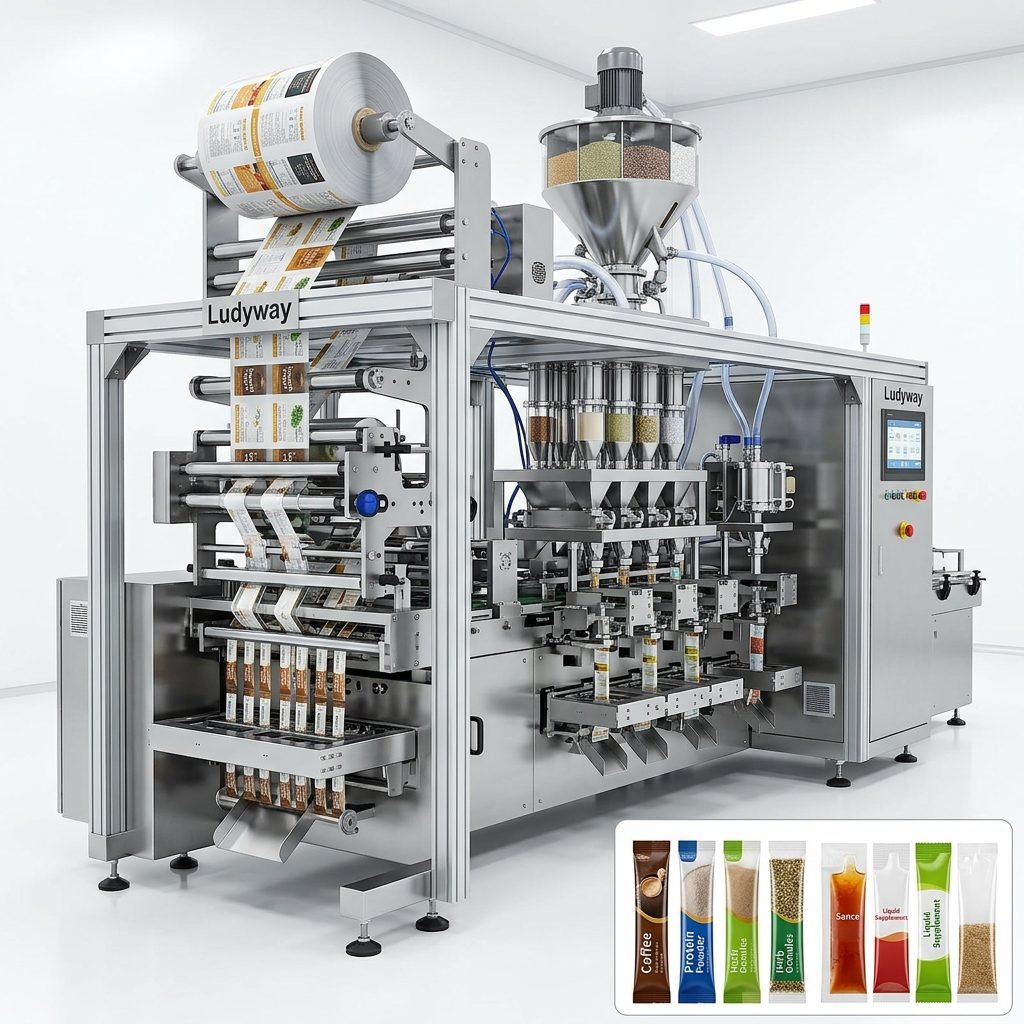
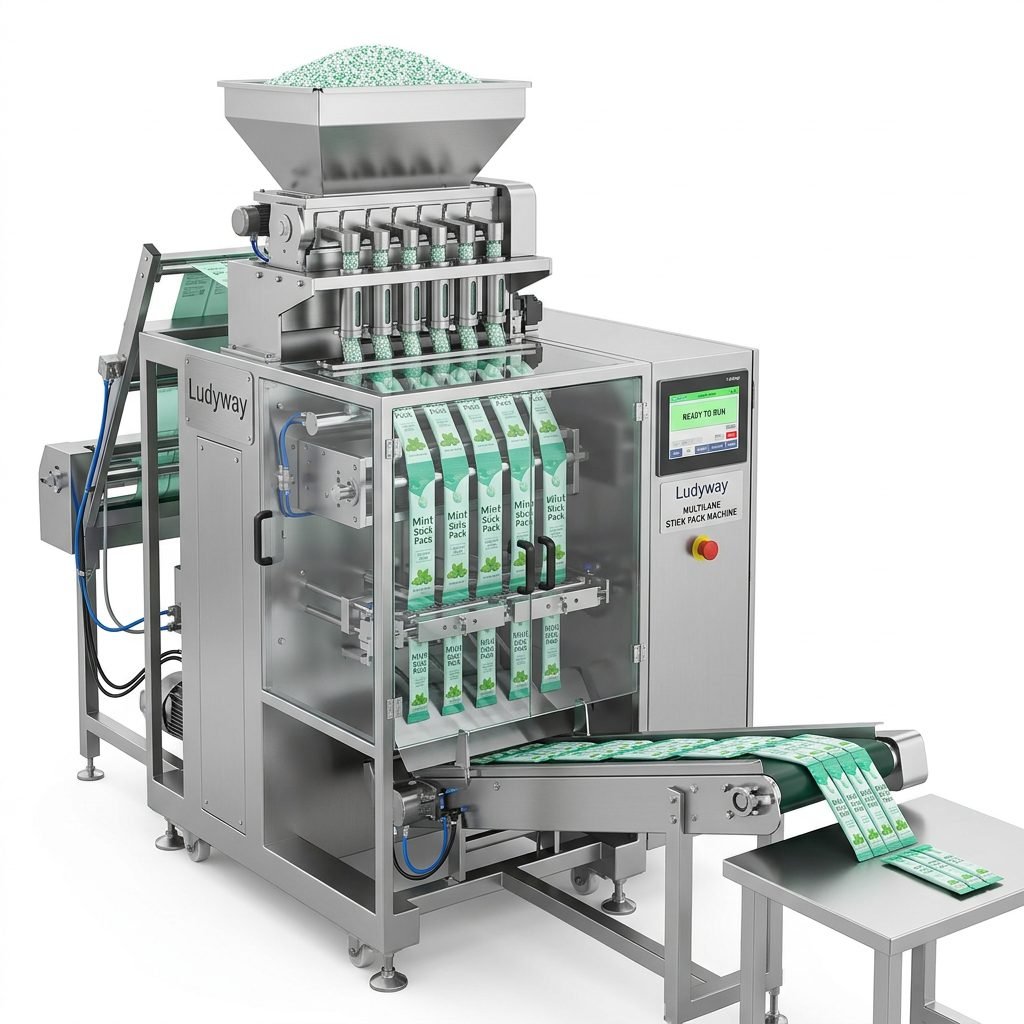
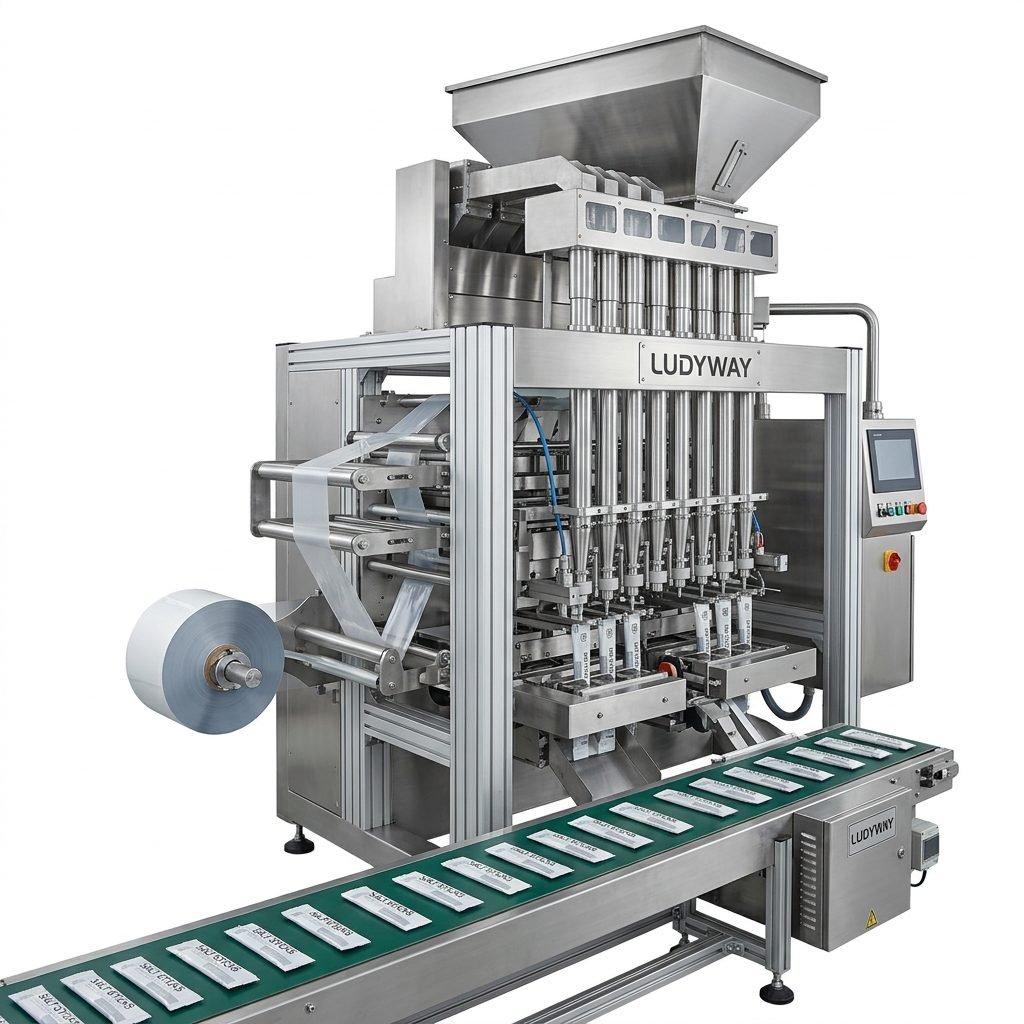
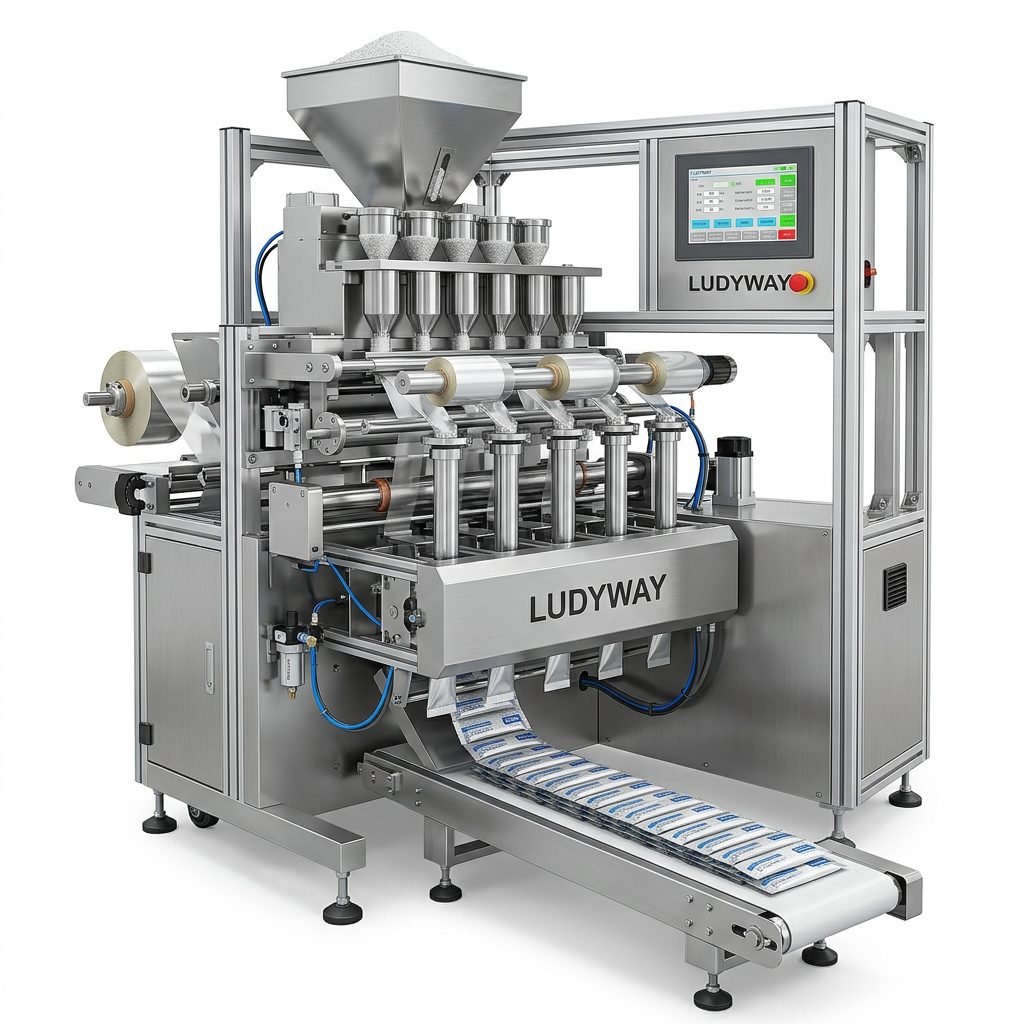
- Multi-Lane Stick Pack Machines – Ideal for single-serve sachets of table salt and flavoured salts, commonly used in the food service and travel industries. These systems can produce high volumes of precisely filled stick packs at speeds exceeding 600 packs per minute.
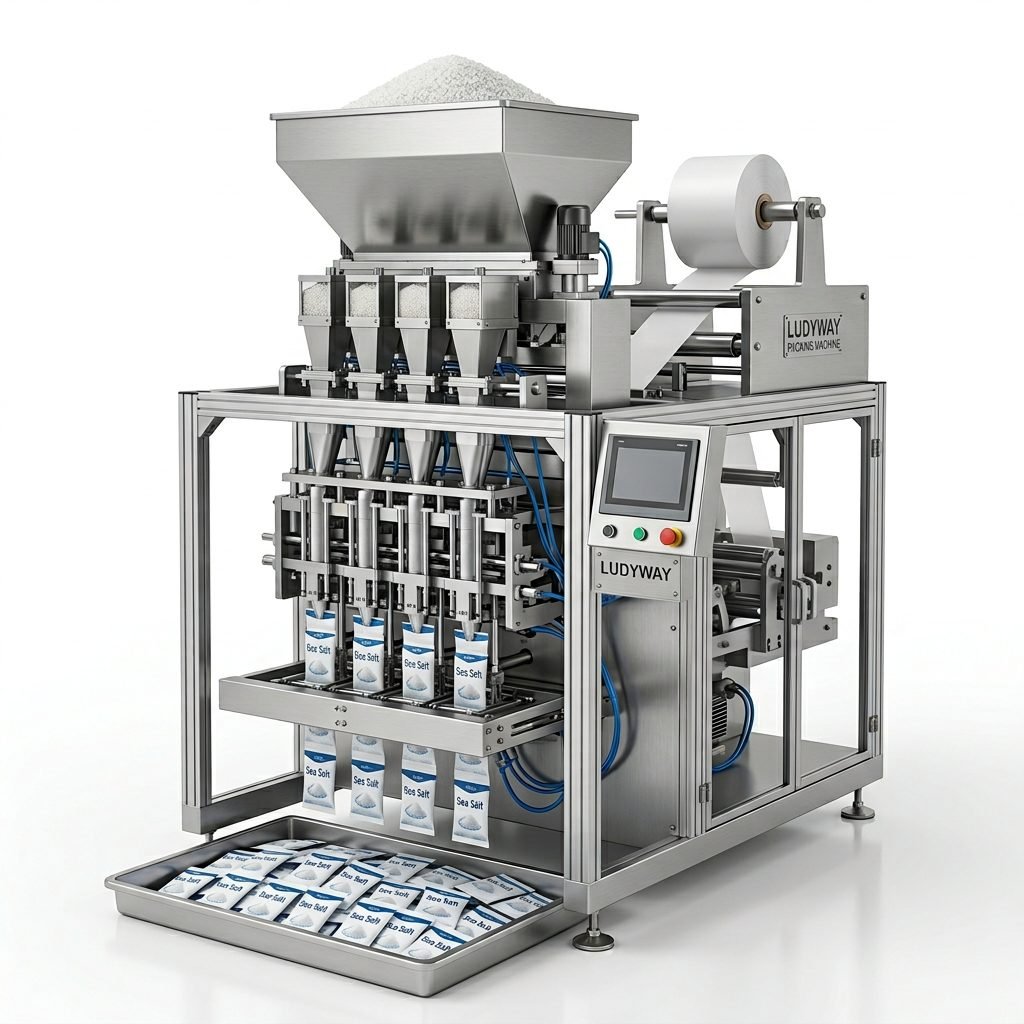
- Sachet Packaging Machines – Suitable for small to medium portion packs, widely used in retail and catering sectors. They handle granule and powder salt with excellent accuracy and seal integrity.
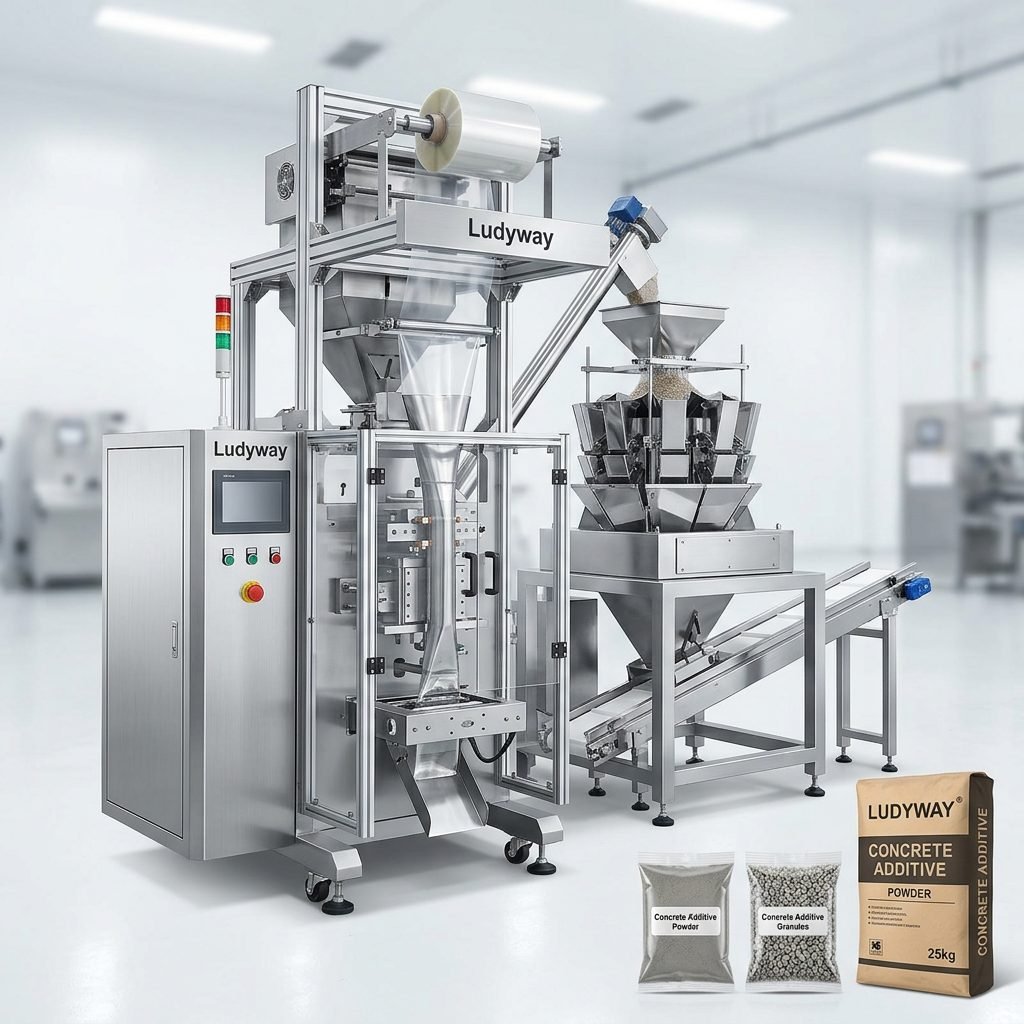
- Bulk Bag Filling Systems – Designed for industrial rock salt and de-icing salt products, often packaged in 10kg, 20kg, or 25kg bags. These heavy-duty systems incorporate robust weighing mechanisms and automated bag handling.
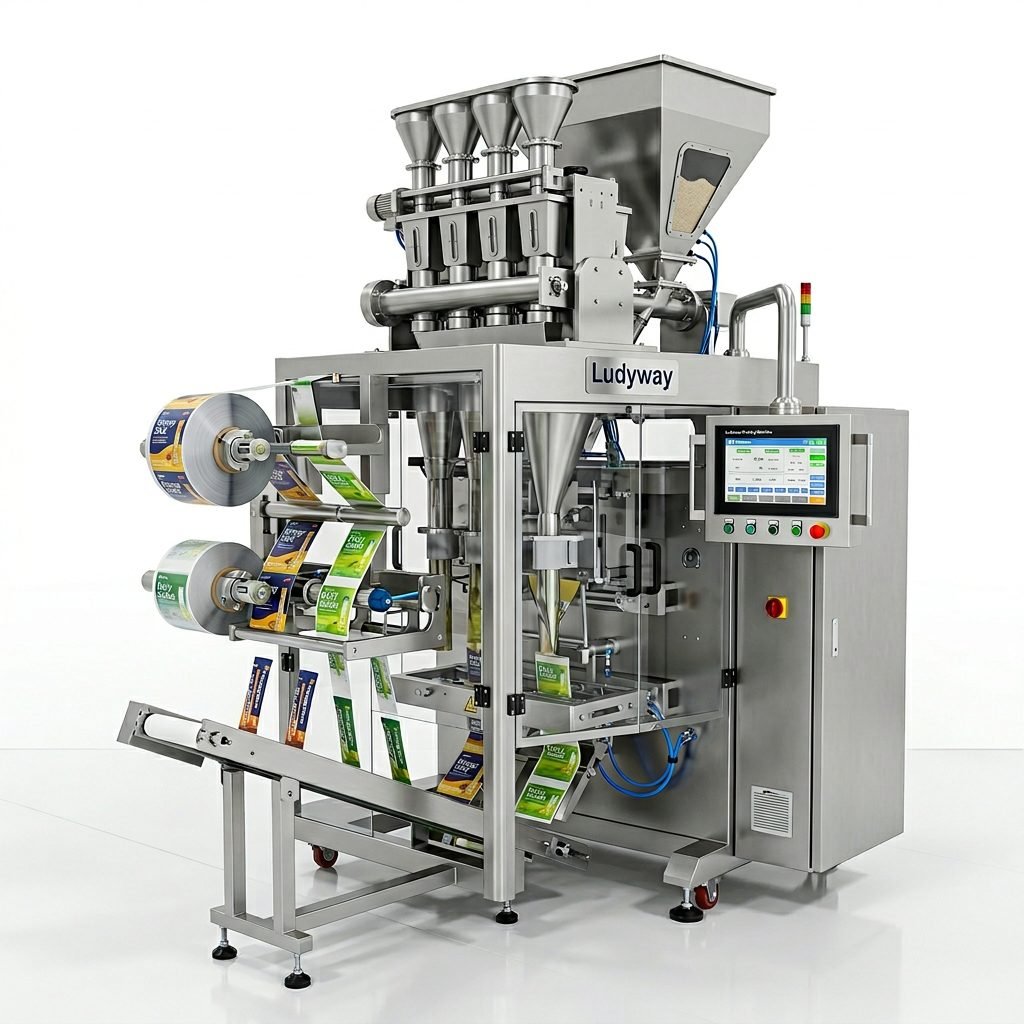
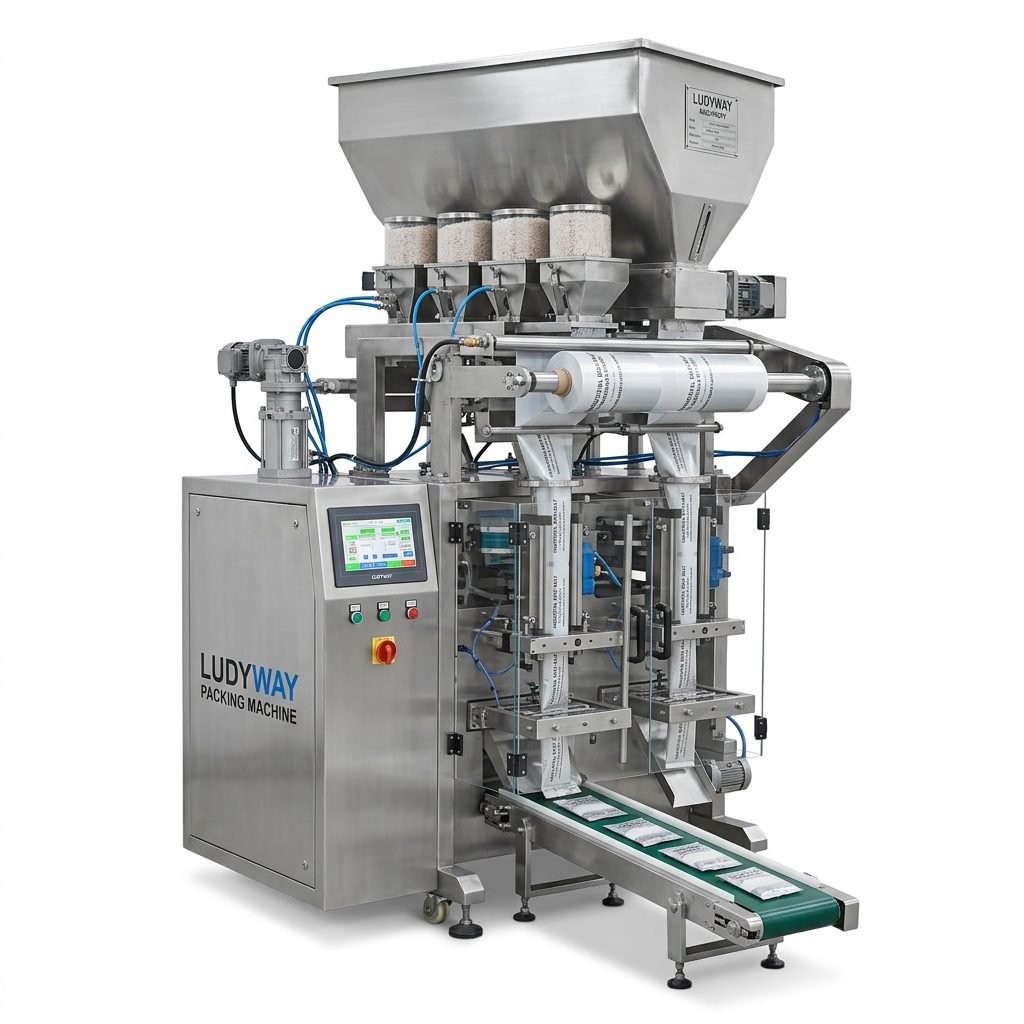
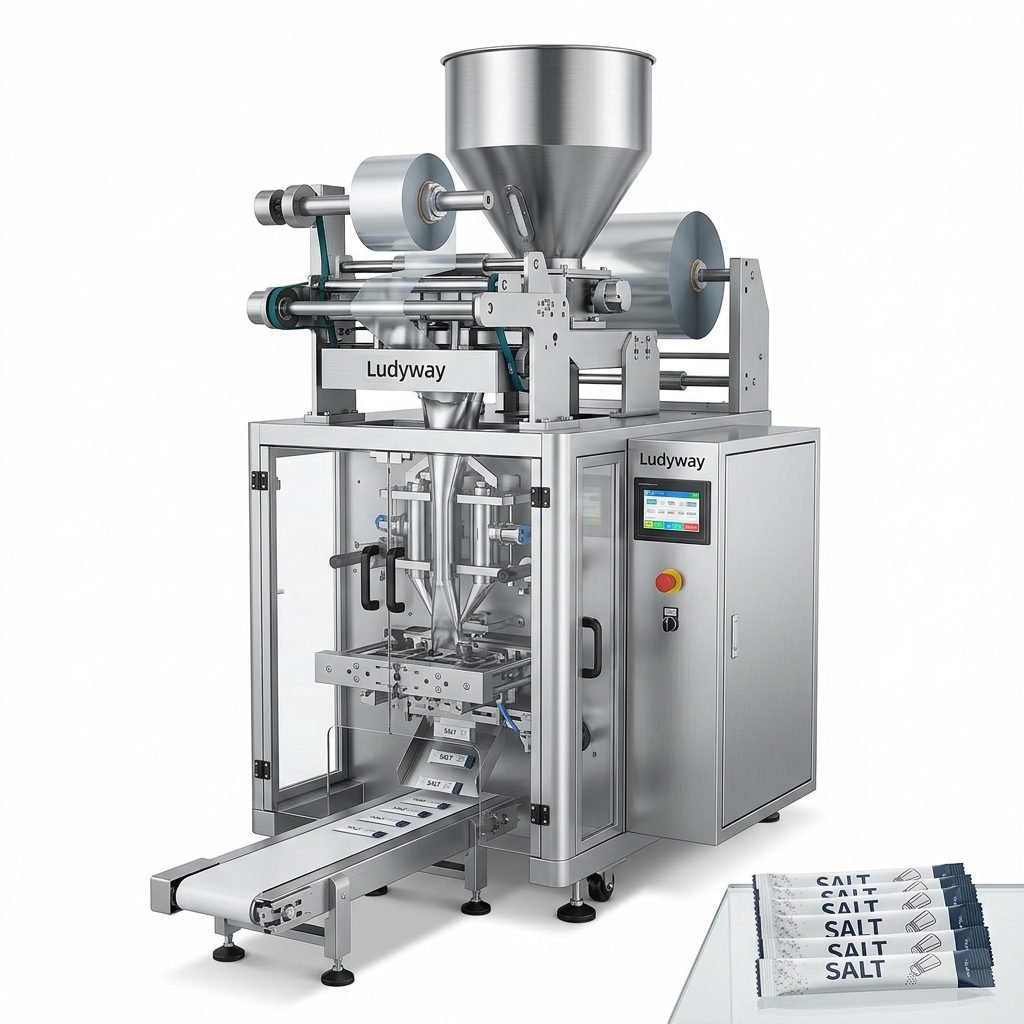
- Vertical Form-Fill-Seal (VFFS) Machines – Versatile systems that form bags from roll stock film, fill with salt, and seal in one continuous operation. They are highly adaptable and suitable for a wide range of bag sizes and formats.
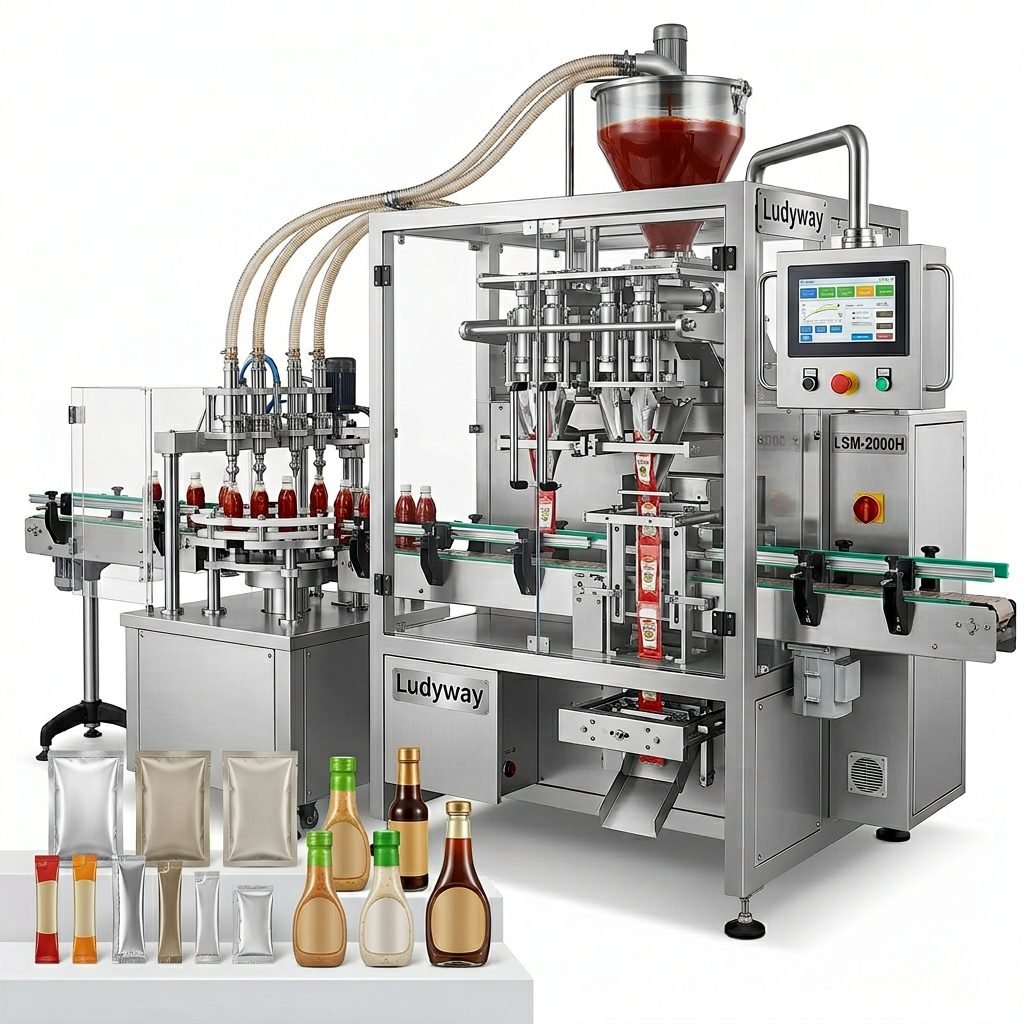
- Pre-Made Pouch Filling Lines – Used for premium retail salt products that require stand-up pouches, zipper closures, or shaped packaging to enhance shelf appeal.
Key Considerations for the UK Market
Before investing in a salt packaging line, UK manufacturers must evaluate several critical factors that influence both equipment selection and operational success:
- Salt Characteristics – The physical properties of your salt—particle size, moisture content, flowability, and abrasiveness—directly affect machine configuration. Hygroscopic salts that absorb moisture require enhanced sealing systems and possibly nitrogen flushing to maintain product quality.
- Production Volume Targets – Determine your expected output in packs per minute or tonnes per day. This will guide decisions on the number of lanes, automation level, and auxiliary equipment such as conveyors, checkweighers, and cartoning machines.
- Packaging Material Compatibility – UK sustainability regulations increasingly favour recyclable and biodegradable packaging films. Ensure your chosen machine is compatible with eco-friendly laminate structures and mono-material films that meet EU packaging waste directives.
- Labour Availability and Automation – With rising labour costs in the UK, investing in a fully automated line with robotic palletising and automated cartoning can deliver faster ROI and more consistent output.
- Floor Space and Facility Layout – Measure your available production floor area and ceiling height to determine the optimal machine footprint and line configuration. Compact multi-lane systems can significantly reduce space requirements while maintaining high throughput.
UK Regulatory Requirements and Compliance
Operating a salt packaging line in the United Kingdom involves adhering to several regulatory frameworks. Non-compliance can result in costly delays and market access restrictions:
- UKCA Marking (Post-Brexit) – Equipment placed on the UK market must now carry the UKCA (UK Conformity Assessed) marking, which replaced the CE marking for the British market. Ensure your packaging machinery supplier provides UKCA-compliant equipment with the necessary technical documentation.
- Food Contact Materials Regulations – All packaging materials that come into contact with salt intended for human consumption must comply with food contact material standards and UK-specific regulations derived from EU Framework Regulation (EC) No 1935/2004.
- Health and Safety Executive (HSE) Requirements – Packaging machinery must meet the Supply of Machinery (Safety) Regulations 2008, including proper guarding, emergency stop systems, and noise level compliance. Regular risk assessments and operator training are mandatory.
- Weights and Measures Regulations – Salt packages sold by weight must comply with the Weights and Measures (Packaged Goods) Regulations 2006, which specify allowable tolerances and require regular calibration of weighing systems integrated into the packaging line.
- Environmental and Waste Packaging Regulations – UK businesses must comply with the Packaging (Essential Requirements) Regulations and contribute to packaging waste recovery through schemes such as the Extended Producer Responsibility (EPR) framework.
Production Line Configuration and Layout
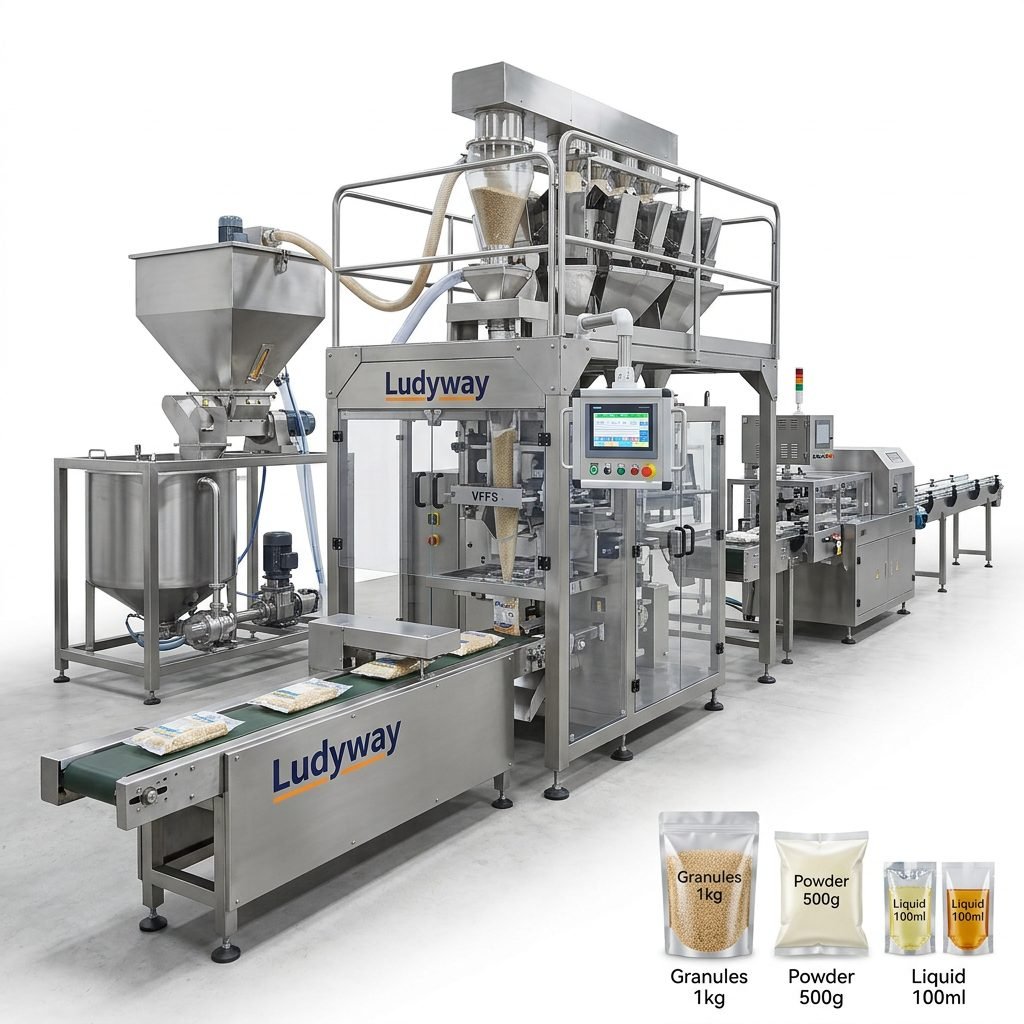
A well-designed salt packaging line integrates multiple subsystems that work in harmony to deliver efficient, continuous production. The table below outlines the core components of a fully automated salt packaging production line:
| Line Component | Function | Key Specifications |
|---|---|---|
| Feeding & Conveying System | Transfers bulk salt from storage to the packaging machine hopper | Inclined belt, bucket elevator, or vacuum conveyor; stainless steel construction |
| Multi-Head Weigher | Accurately doses salt into each pack with minimal giveaway | 10–14 head combination weigher; accuracy ±0.5g |
| Primary Packaging Machine | Forms, fills, and seals individual salt packs | Multi-lane stick pack or sachet machine; speeds up to 600 packs/min |
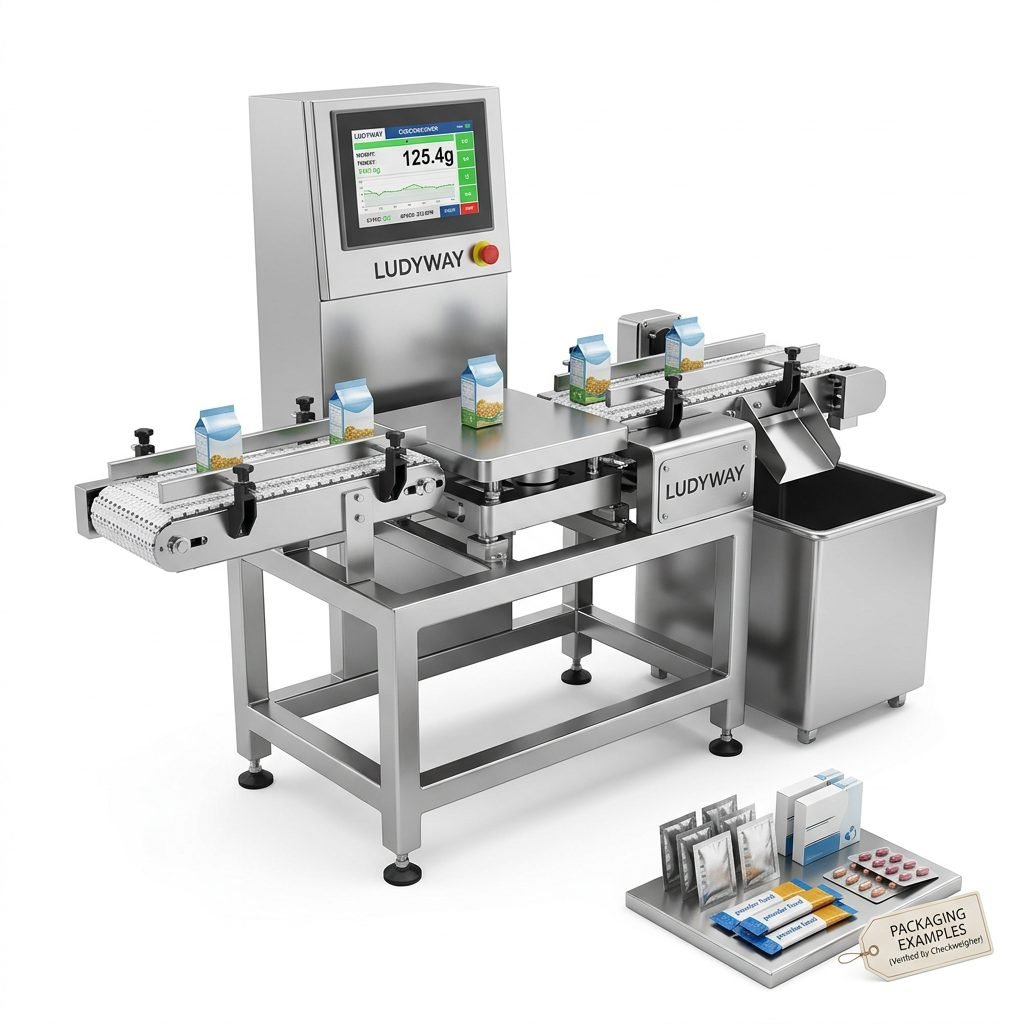
| Checkweigher & Metal Detector | Verifies pack weight and detects metal contaminants | Dynamic checkweigher with reject station; ferrous/non-ferrous detection |
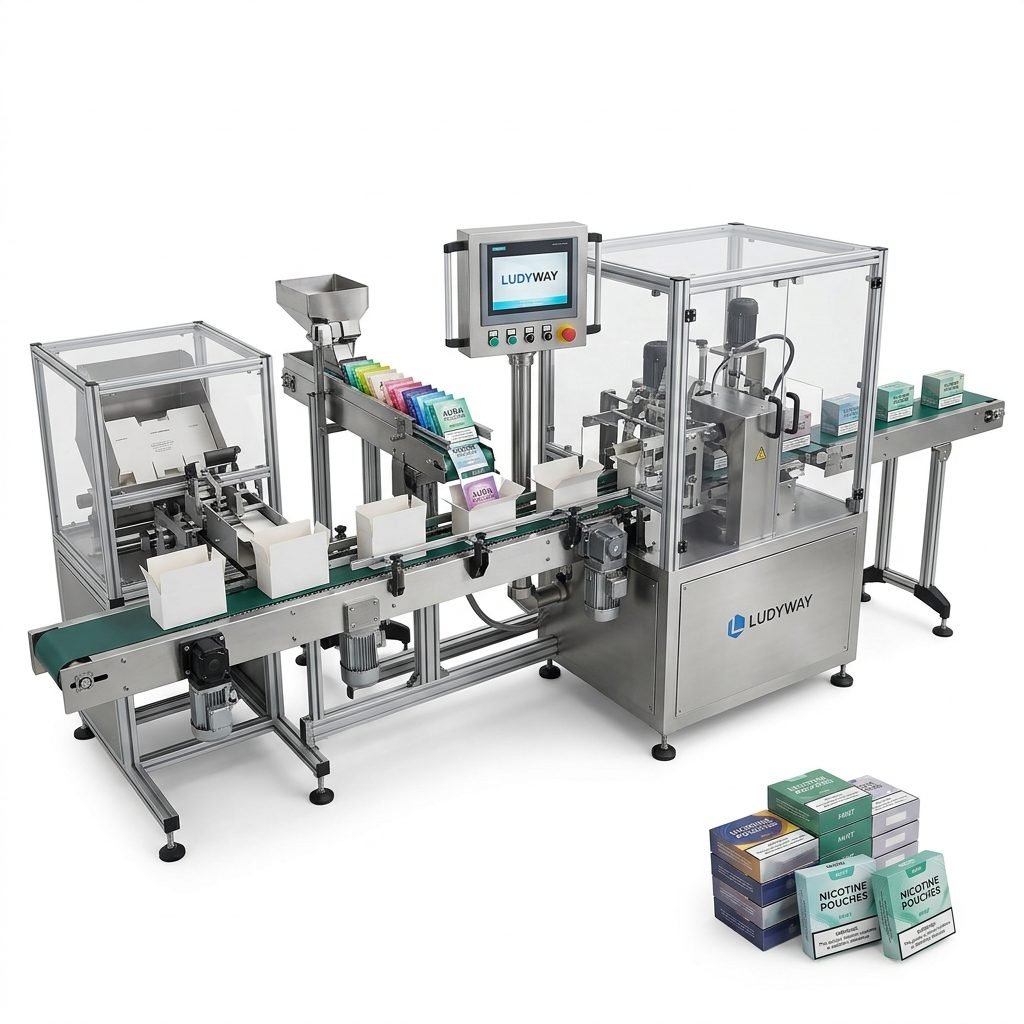
| Cartoning Machine | Automatically collates and packs finished sachets into cartons | Horizontal cartoner; adjustable for multiple carton sizes |
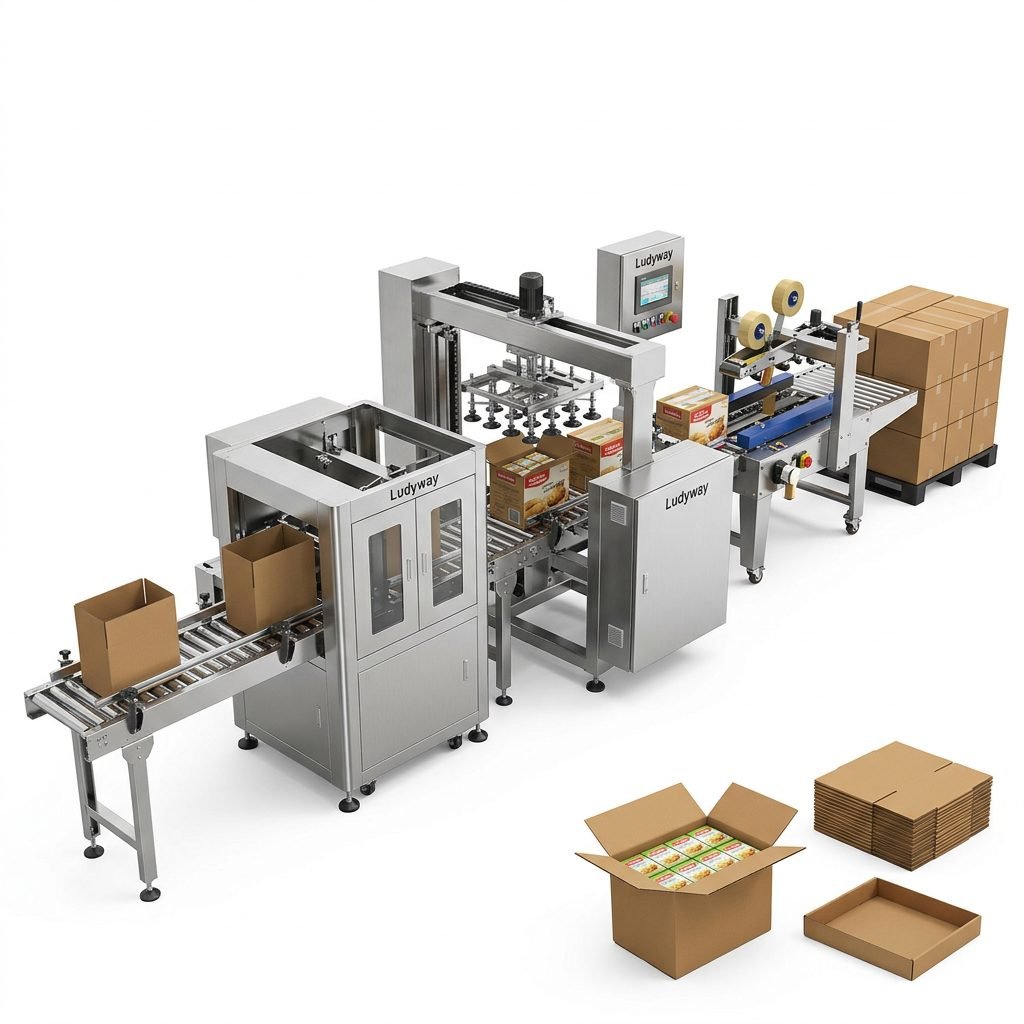
| Palletising System | Stacks cartons onto pallets for warehouse storage or shipment | Robotic or conventional palletiser; programmable stacking patterns |
Cost Analysis and ROI Planning
Understanding the financial commitment involved in establishing a salt packaging line is essential for accurate budgeting and investment planning. The total cost depends on several variables:
- Machine Purchase Cost – A basic single-lane sachet machine may start at approximately £25,000–£50,000, while a fully automated multi-lane stick pack line with cartoning and palletising can range from £150,000 to £500,000 or more, depending on output capacity and customisation.
- Installation and Commissioning – Budget an additional 10–20% of the machine cost for professional installation, electrical connections, compressed air setup, and on-site commissioning by qualified engineers.
- Training and Workforce Development – Comprehensive operator training is essential for safe and efficient operation. Factor in 3–5 days of on-site training as part of your implementation plan.
- Ongoing Consumables – Packaging film, printing ribbons, lubricants, and spare parts represent recurring costs. High-quality flexible packaging materials may cost more upfront but reduce waste and downtime.
- Maintenance Contracts – Annual service contracts typically range from £3,000 to £15,000 depending on machine complexity and coverage level, protecting your investment and ensuring consistent performance.
Estimated ROI Timeline
Most UK salt packaging operations achieve full return on investment within 18–36 months, depending on production volume, product margins, and operational efficiency. High-speed automated lines with minimal manual intervention tend to deliver faster payback periods due to reduced labour costs and higher throughput.
Installation and Commissioning Checklist
A structured approach to installation ensures your salt packaging line is operational quickly and reliably. Follow this checklist to minimise downtime and avoid common pitfalls:
- Site Preparation – Verify that the production floor is level, adequately ventilated, and equipped with the required electrical supply (typically 400V three-phase in the UK), compressed air lines, and dust extraction systems. Confirm that all utilities meet the machine manufacturer’s specifications.
- Machine Delivery and Inspection – Upon arrival, inspect all crates and components for shipping damage. Cross-reference delivered items against the packing list and notify the supplier immediately of any discrepancies.
- Mechanical Assembly – Position the main packaging unit, conveyors, weighers, and ancillary equipment according to the approved layout drawing. Secure all machines to the floor using appropriate anchor bolts and vibration-dampening mounts where specified.
- Electrical and Pneumatic Connections – Engage a qualified UK electrician to connect the machines to the mains supply, ensuring compliance with BS 7671 (IET Wiring Regulations). Connect compressed air lines with proper filtration and pressure regulation.
- Software Configuration and Calibration – Load product-specific parameters, calibrate the weighing system with certified test weights, and configure HMI settings. Run dry tests to verify all sequences, sensor inputs, and safety interlocks function correctly.
- Trial Production Runs – Conduct supervised production trials using actual salt product and packaging materials. Adjust fill weights, seal temperatures, and machine speeds to achieve optimal performance. Document all settings for future reference.
- Operator Training and Handover – Complete formal training sessions covering machine operation, cleaning procedures, troubleshooting, and emergency protocols. Obtain signed training records from all operators.
- Performance Validation – Run a sustained production test to confirm that the line meets agreed-upon OEE (Overall Equipment Effectiveness) targets, typically aiming for 85% or higher on a well-commissioned line.
Maintenance and After-Sales Support
Proactive maintenance is the cornerstone of a reliable salt packaging operation. Salt can be corrosive and abrasive, making regular upkeep even more critical than in other packaging applications:
- Daily Cleaning Protocol – Salt residue attracts moisture and can cause corrosion on metal surfaces. Implement a daily cleaning routine using food-grade cleaning agents and ensure all contact parts are thoroughly dried after washing.
- Weekly Inspections – Check sealing jaws, forming tubes, and cutting blades for wear. Inspect all pneumatic connections for leaks and verify that safety guards and interlocks are functioning correctly. Replace worn components promptly to prevent unplanned downtime.
- Monthly Preventive Maintenance – Lubricate bearings, chains, and moving parts according to the manufacturer’s schedule. Inspect electrical connections, calibrate sensors, and review HMI error logs for recurring issues. Update firmware if updates are available.
- Annual Overhaul – Schedule a comprehensive annual service with the equipment supplier or a qualified packaging machinery service provider. This should include belt replacement, gearbox inspection, full calibration, and replacement of all consumable parts.
- Spare Parts Inventory – Maintain a strategic stock of critical spare parts such as sealing bands, thermocouples, belts, sensors, and forming tubes. This reduces lead-time dependency and minimises production interruptions.
- Remote Support Capability – Modern packaging machines often feature remote diagnostic capabilities. Ensure your supplier offers remote technical support to resolve issues quickly without requiring an on-site visit, which is particularly valuable for UK facilities in remote locations.
Choosing the Right Equipment Supplier
Selecting a reliable packaging machine supplier is one of the most consequential decisions in your project. Evaluate potential partners based on these criteria:
- Industry Experience – Look for manufacturers with a proven track record in salt and granular product packaging. Specialised knowledge of salt’s unique handling challenges is invaluable.
- UK-Specific Support – Ensure the supplier can provide local technical support, either through a UK-based office or a network of trained service engineers who understand British regulatory requirements and can respond quickly.
- Customisation Capability – Your salt product and packaging format may require bespoke modifications. Choose a supplier with in-house engineering and R&D capabilities to deliver tailored solutions rather than off-the-shelf compromises.
- Reference Sites and Case Studies – Request references from existing customers in the UK or Europe. Visit operational facilities if possible to observe machine performance, build quality, and ease of use under real production conditions.
- Warranty and After-Sales Commitment – A comprehensive warranty (minimum 12 months) and a clearly defined after-sales service agreement are essential protections for your capital investment.
For businesses seeking a comprehensive packaging partner, Ludyway is one of the largest packaging machine manufacturers with over 30 years of industry expertise, offering advanced multi-lane stick pack, sachet, and fully automated packaging systems for salt and granule applications. With a modern 20,000㎡ manufacturing facility and an experienced engineering team, the company provides reliable turnkey packaging solutions that help businesses improve productivity, product quality, and operational efficiency across more than 100 countries and regions.
Future-Proofing Your Salt Packaging Line
As the UK packaging industry evolves towards greater sustainability, digitalisation, and efficiency, forward-thinking manufacturers should consider these emerging trends:
- Sustainable Packaging Integration – Invest in machines that can run recyclable mono-materials and paper-based packaging to align with evolving UK and EU packaging regulations. Some modern machines offer quick-changeover capabilities between different film types, providing valuable flexibility as material technologies advance.
- Smart Factory Connectivity – Choose machines equipped with Industry 4.0 capabilities, including OPC UA or MQTT protocols, enabling real-time production monitoring, predictive maintenance alerts, and seamless integration with manufacturing execution systems (MES) and enterprise resource planning (ERP) platforms.
- Energy Efficiency – With rising energy costs in the UK, selecting machines with servo-driven motors, regenerative braking systems, and intelligent power management can significantly reduce operational expenses over the equipment’s lifespan.
- Modular Design Philosophy – Opt for equipment with a modular architecture that allows for future upgrades—such as adding lanes, integrating new feeding systems, or incorporating automated quality inspection—without replacing the entire line. This approach protects your initial investment while enabling capacity growth as your business expands.
Frequently Asked Questions
What is the typical lead time for a salt packaging machine in the UK?
Standard lead times range from 8 to 16 weeks for standard configurations, while customised or high-capacity lines may require 16–24 weeks from order confirmation to delivery. Factor in additional time for shipping, customs clearance, installation, and commissioning—typically 2–4 weeks for a complete line setup.
Do I need a UKCA-marked machine for salt packaging?
Yes, as of 2025, all packaging machinery placed on the GB market must carry the UKCA marking. Verify that your equipment supplier provides full UKCA compliance documentation, including the Declaration of Conformity and technical file, before finalising your purchase.
Can the same machine package different salt varieties?
Many modern multi-lane packaging machines are designed with quick-changeover features that allow switching between fine table salt, coarse sea salt, and rock salt with minimal downtime. Key adjustable parameters include fill speed, auger or volumetric cup configurations, seal temperature, and film tension. Discuss your full product range with the supplier during the specification phase to ensure the machine is appropriately configured with the necessary tooling and software recipes.
What ongoing certifications are required for UK salt packaging?
Beyond the initial UKCA marking, your operation should maintain current calibration certificates for weighing equipment, comply with ISO packaging standards where applicable, and adhere to BRCGS (Brand Reputation Compliance Global Standards) or equivalent food safety certification if supplying major UK retailers. Regular audits and documentation updates are essential for maintaining market access.
How do I handle salt dust in the packaging environment?
Salt dust can be corrosive to machinery and poses a respiratory risk to operators. Implement dust extraction hoods at critical points such as the filling station, use sealed conveyors, and install a central dust collection system. Select stainless steel construction (304 or 316 grade) for all product-contact surfaces and ensure electrical enclosures are rated to IP65 or higher for dust protection.
Additional Resources
For further guidance on packaging machinery standards and industry best practices, consult these authoritative resources:
- PMMI – Packaging Machinery Business Intelligence – Comprehensive market research and industry reports on packaging machinery trends and technology developments.
- Flexible Packaging Association – Industry Resources – Technical guidance, sustainability resources, and regulatory updates for flexible packaging applications.
- ISO Packaging Standards – International standards covering packaging terminology, dimensions, performance testing, and safety requirements.
- FDA – Food Ingredients and Packaging – Regulatory information on food contact materials and packaging safety, relevant for UK exporters targeting the US market.
- Packaging Machinery Global Market Trends – Latest insights on packaging machinery export growth and market dynamics shaping the industry.
Building a successful salt packaging operation in the UK demands careful equipment selection, regulatory diligence, and a commitment to ongoing maintenance. By partnering with experienced suppliers, investing in future-ready technology, and prioritising operator training, you can establish a production line that delivers consistent quality, regulatory compliance, and strong financial returns for years to come.