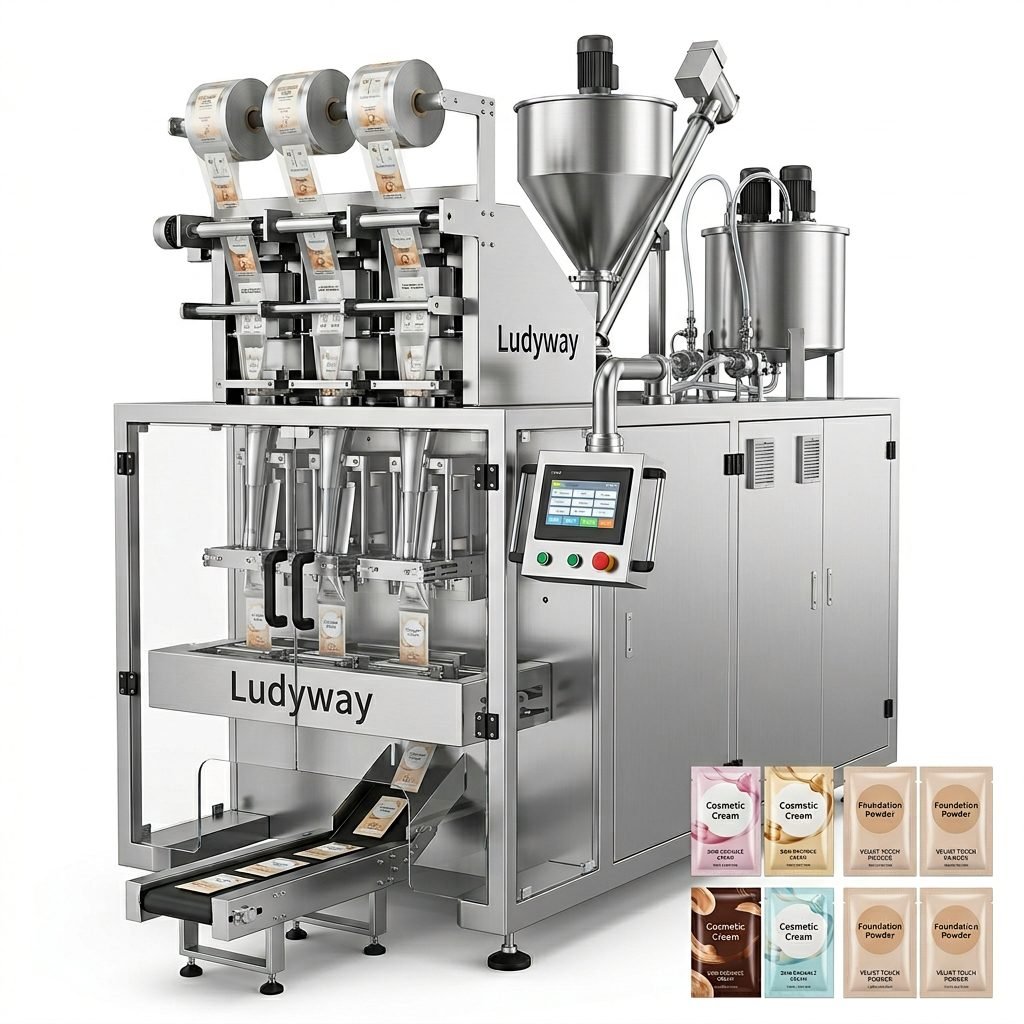
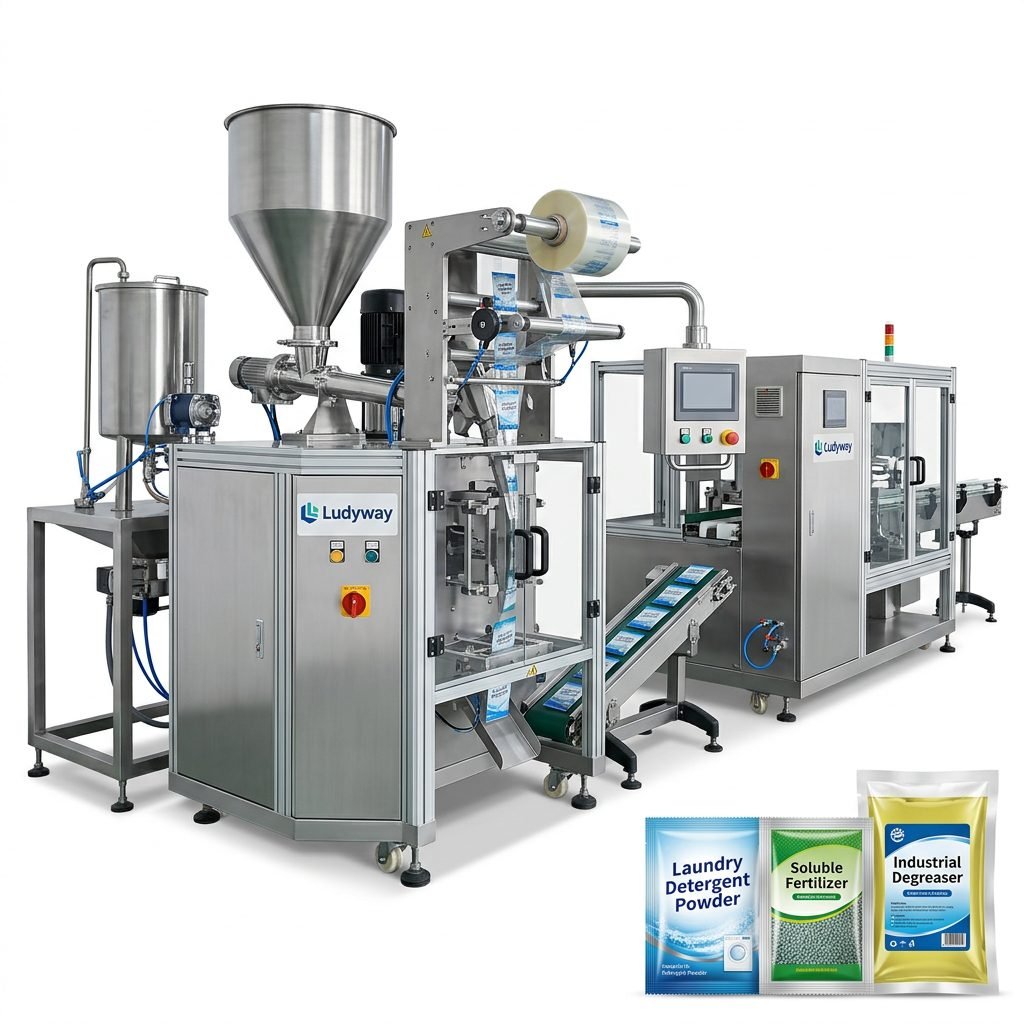
When engineers compare servo control and pneumatic control, the real question is not which one is universally “better,” but which one is better for your application, speed target, accuracy requirement, operating environment, and total cost structure. In modern manufacturing, both systems remain essential, and each can deliver excellent performance when matched to the right task.
For packaging, filling, sealing, indexing, cutting, dosing, cartoning, and material handling, this decision directly affects precision, energy use, maintenance frequency, cycle time, and long-term ROI.
What Is Servo Control?
Servo control uses an electric motor, feedback device, and motion controller to regulate position, speed, and torque with high accuracy. A servo system constantly compares the commanded motion with actual motion and corrects deviations in real time.
- Ideal for precise positioning
- Suitable for variable speed profiles
- Excellent for synchronized multi-axis motion
- Common in high-speed automated packaging lines
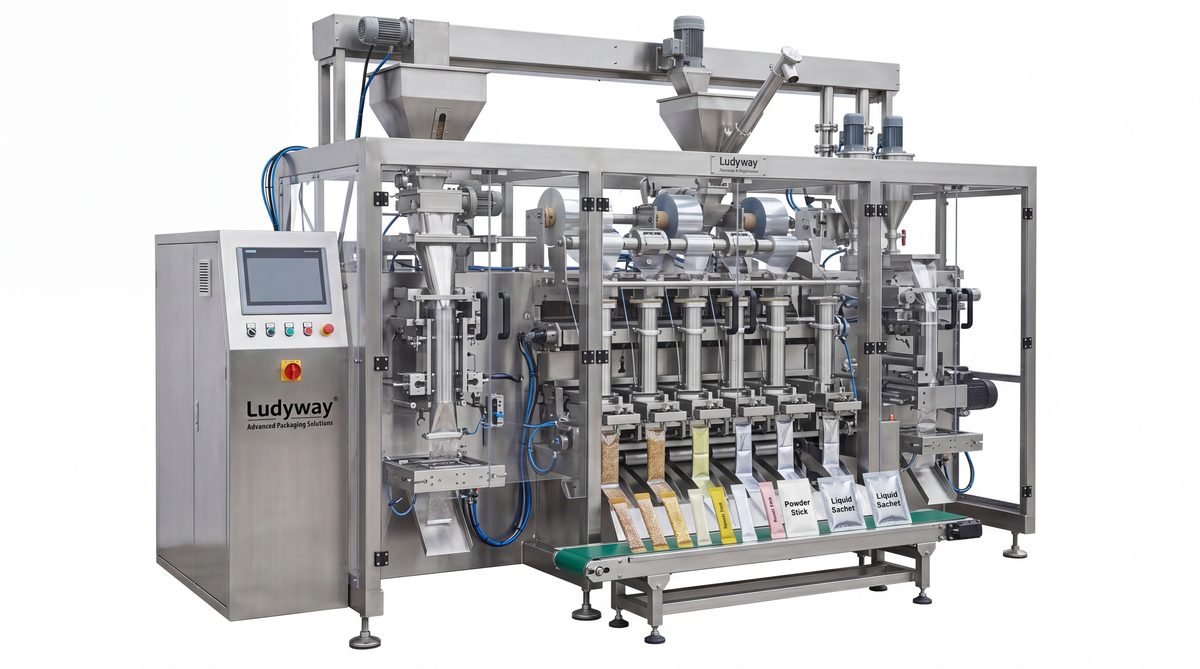
Typical servo-driven functions include film pulling, auger dosing, sealing jaw timing, rotary indexing, label placement, robotic pick-and-place, and coordinated line automation.
What Is Pneumatic Control?
Pneumatic control uses compressed air to create linear or rotary motion through cylinders, valves, regulators, and air preparation units. Pneumatics are widely used because they are simple, robust, fast for short strokes, and cost-effective for repetitive on/off actions.
- Best for simple movement
- Strong choice for clamping, pushing, lifting, ejecting, and stopping
- Often easier to install for basic automation
- Works well in many industrial environments
In packaging equipment, pneumatic systems are commonly used for jaw actuation, gate opening, pouch gripping, cutter triggering, product rejection, and carton positioning.
Is Servo Control Better Than Pneumatic Control?
Servo control is better when you need precision, programmability, repeatability, and flexible motion profiles. Pneumatic control is better when you need simple, low-cost, rugged actuation for straightforward repetitive tasks.
So the short answer is: servo is not always better—but it is often the stronger option in advanced, high-speed, data-driven manufacturing environments.
| Comparison Factor | Servo Control | Pneumatic Control |
|---|---|---|
| Accuracy | High | Moderate to low |
| Repeatability | Excellent | Good for basic actions |
| Programmability | Very high | Limited |
| Initial Cost | Higher | Lower |
| Energy Efficiency | Usually better | Can be less efficient due to compressed air losses |
| Maintenance | Electronic and drive-based maintenance | Air leaks, valves, seals, filters |
| Best Use Case | Precision motion and complex automation | Simple linear or on/off movement |
Where Servo Control Has Clear Advantages
1. High Precision Positioning
Servo systems can move to exact positions repeatedly, which matters in operations like dosage control, registration tracking, film feeding, and synchronized sealing. If a machine must hold tight tolerances, servo is usually the better choice.
2. Flexible Motion Profiles
A pneumatic cylinder basically extends and retracts. A servo axis can accelerate, decelerate, dwell, reverse, and synchronize with other machine functions. This flexibility supports product changeovers and multi-format production.
3. Better Integration with Smart Automation
Servo-driven systems are easier to integrate with PLCs, HMIs, sensors, recipes, remote monitoring, and Industry 4.0 platforms. This makes them highly suitable for modern factories seeking digital traceability and process optimization.
4. Improved Changeover Speed
Instead of manually adjusting cylinders, stops, and regulators, operators can often switch product settings from the control screen. This saves time and reduces human adjustment error.
5. Lower Long-Term Energy Waste
Compressed air is expensive. In many plants, leakage and air generation inefficiency create hidden operating costs. Electric servo systems often provide better energy efficiency over time, especially in continuous production.
Where Pneumatic Control Still Makes More Sense
1. Simple Repetitive Actions
If the job only requires open/close, up/down, push/pull, or clamp/release motion, pneumatics are often enough. Paying extra for servo may not create practical value.
2. Lower Upfront Equipment Cost
For smaller budgets or less complex machines, pneumatic systems can reduce initial investment. This is often attractive for entry-level equipment or applications with minimal motion complexity.
3. Harsh Industrial Environments
Pneumatics can perform reliably in dusty, wet, or rough environments when correctly protected and maintained. Their mechanical simplicity is a major advantage in certain factories.
4. Easy Force Generation for Short Stroke Tasks
Pneumatic cylinders are effective for short, forceful motions such as pressing, ejecting, or stopping products on conveyors.
Servo vs Pneumatic in Packaging Machinery
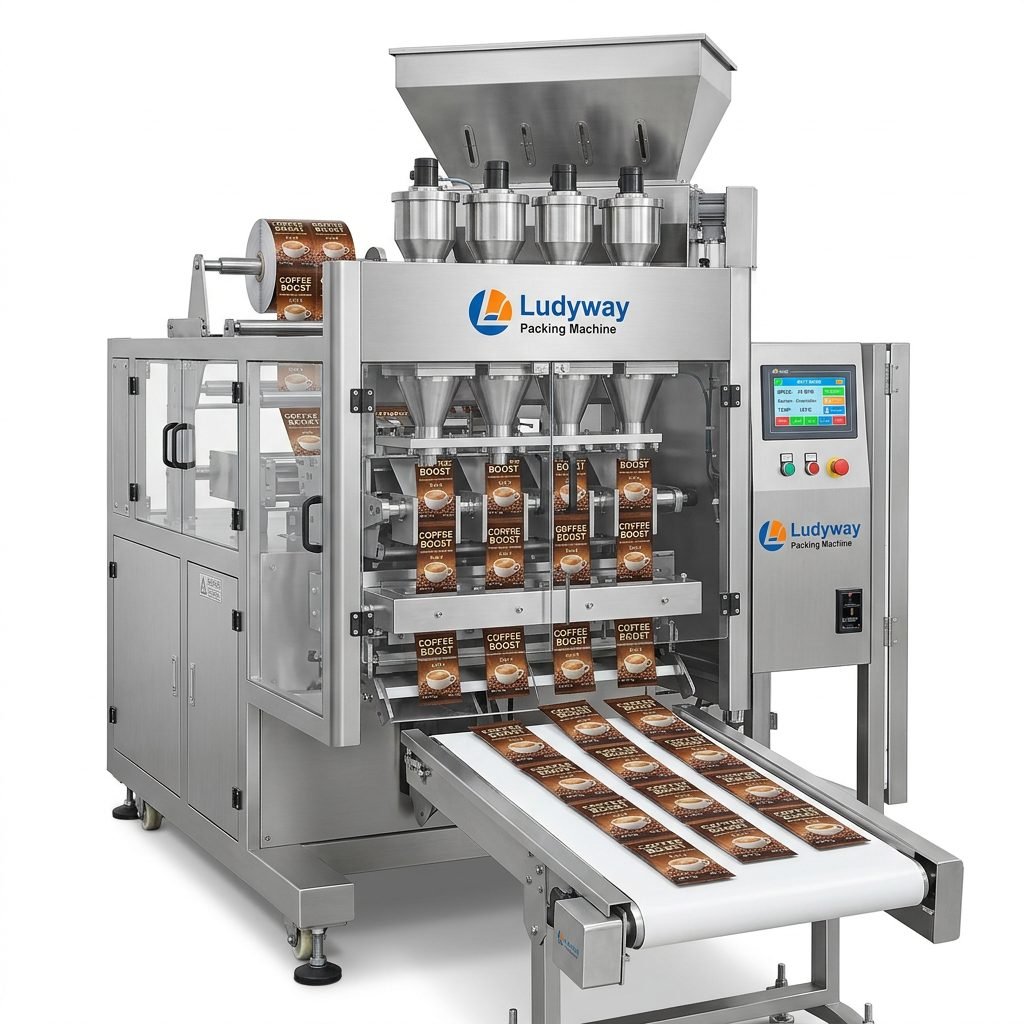
In packaging applications, the choice depends heavily on the machine function. Many advanced systems use a hybrid design: servo for precise motion, pneumatic for auxiliary action.
| Packaging Function | Recommended Control Type | Reason |
|---|---|---|
| Film pulling | Servo | Precise length and synchronization |
| Auger dosing | Servo | Accurate fill control |
| Pouch gripping | Pneumatic | Simple clamp/release action |
| Cutting position control | Servo | Better repeatability and reduced waste |
| Reject arm actuation | Pneumatic | Fast and simple |
| Multi-axis line synchronization | Servo | Coordinated automation |
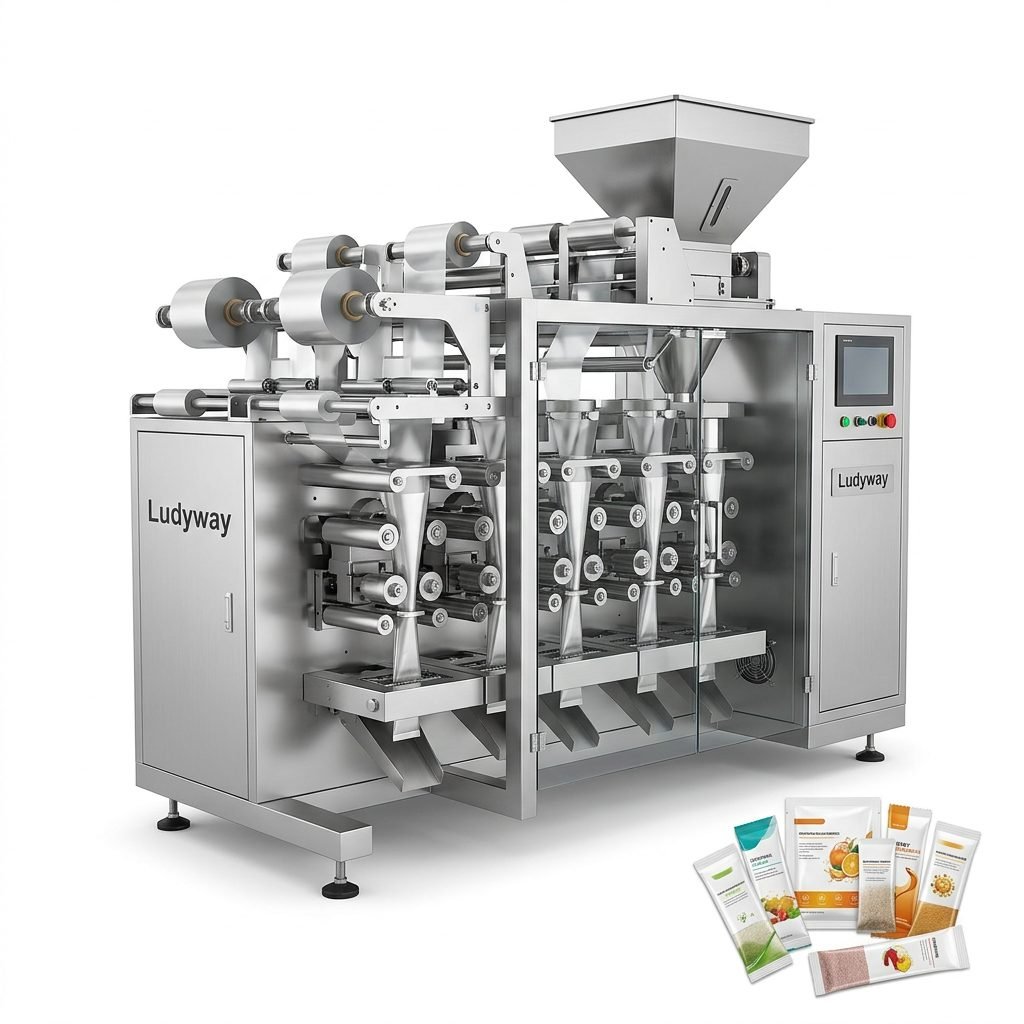
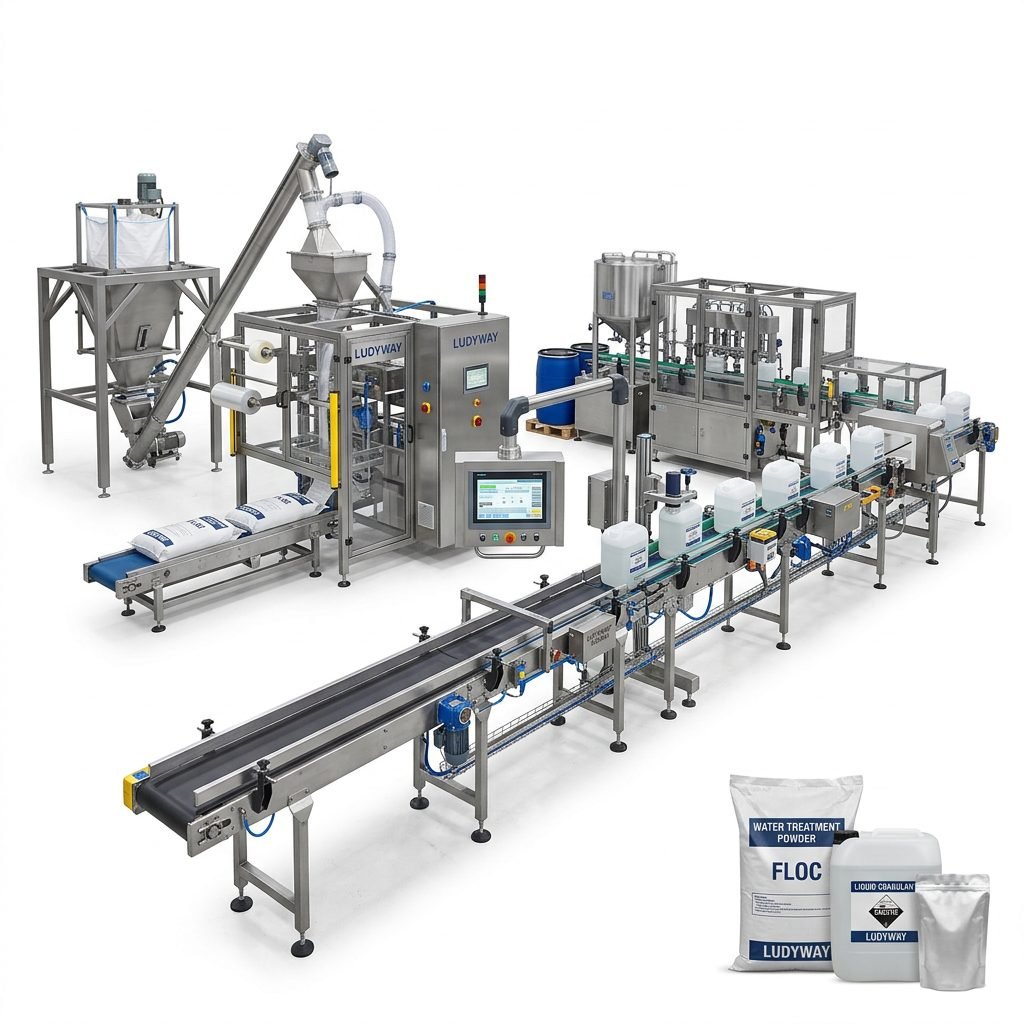
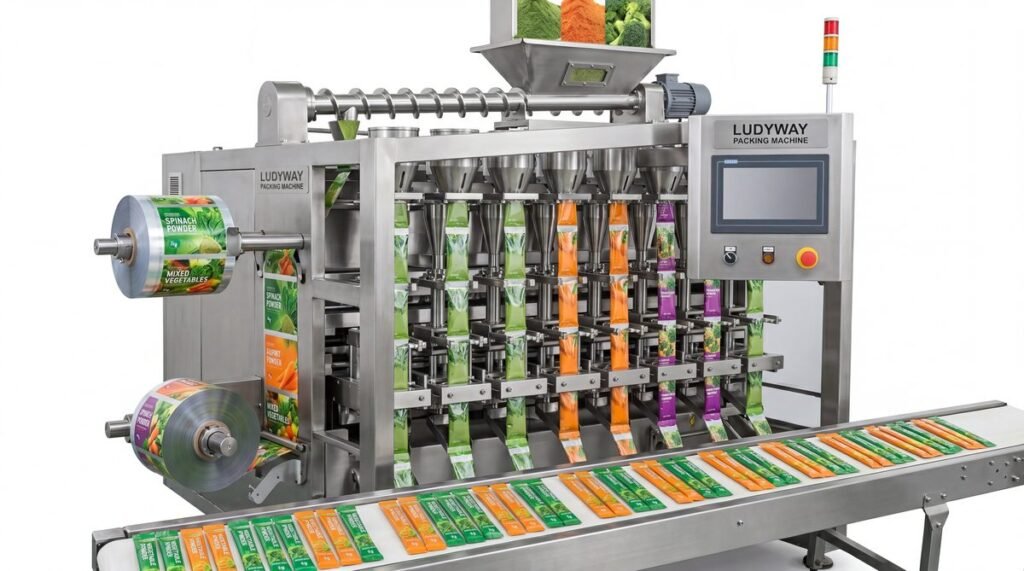
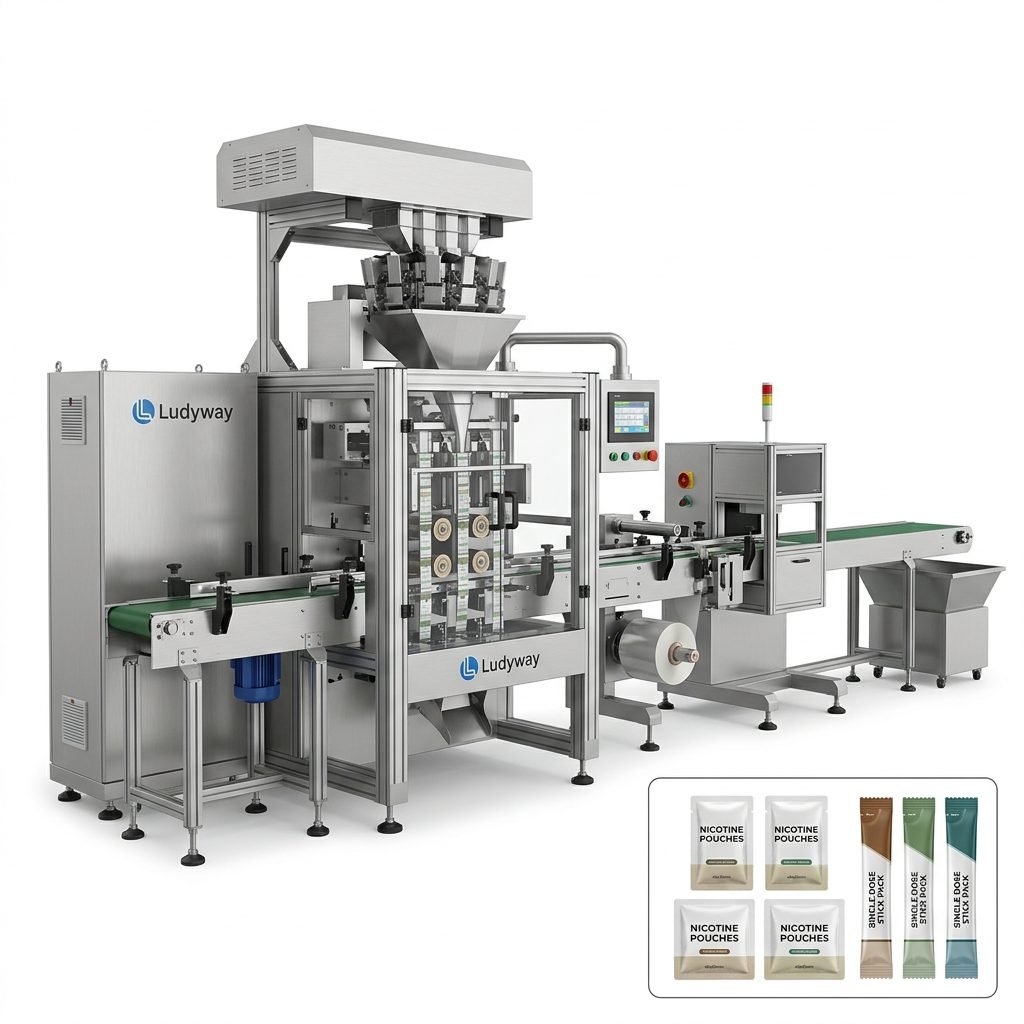
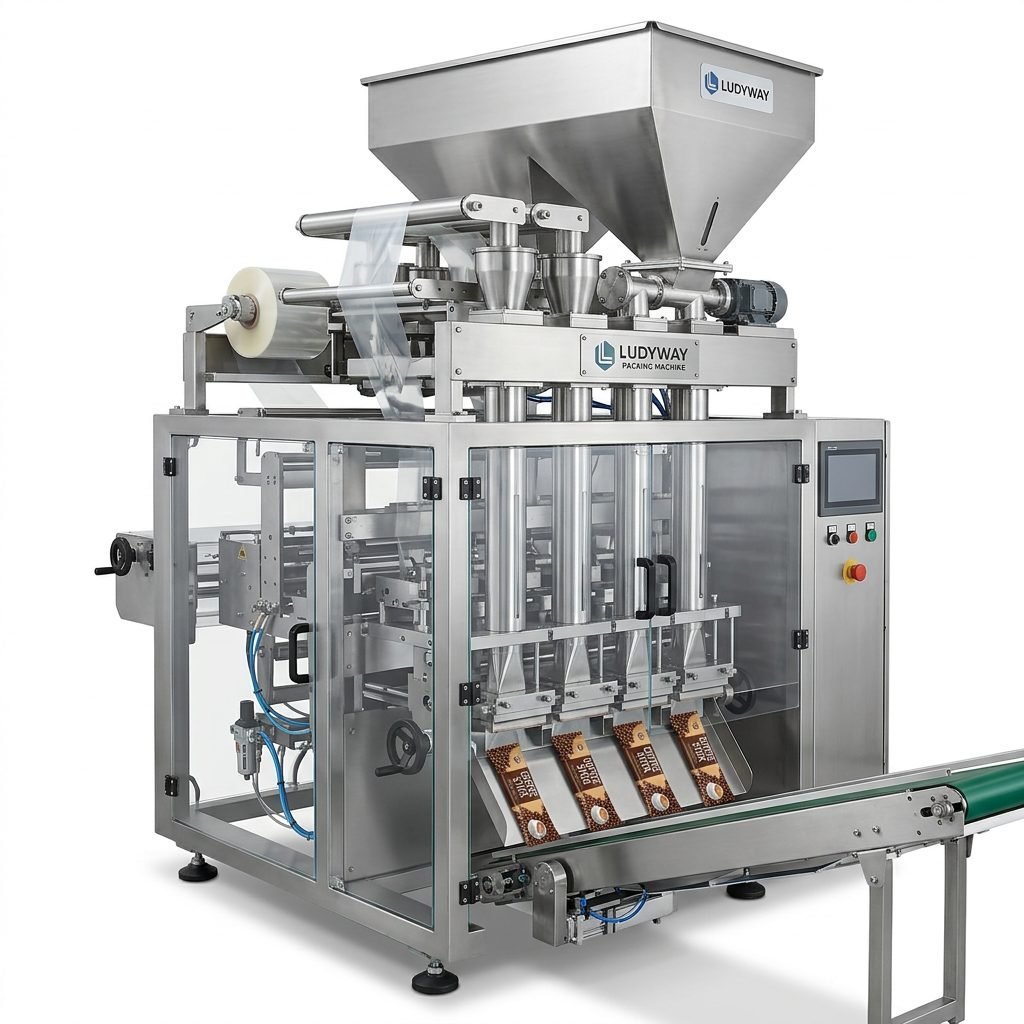
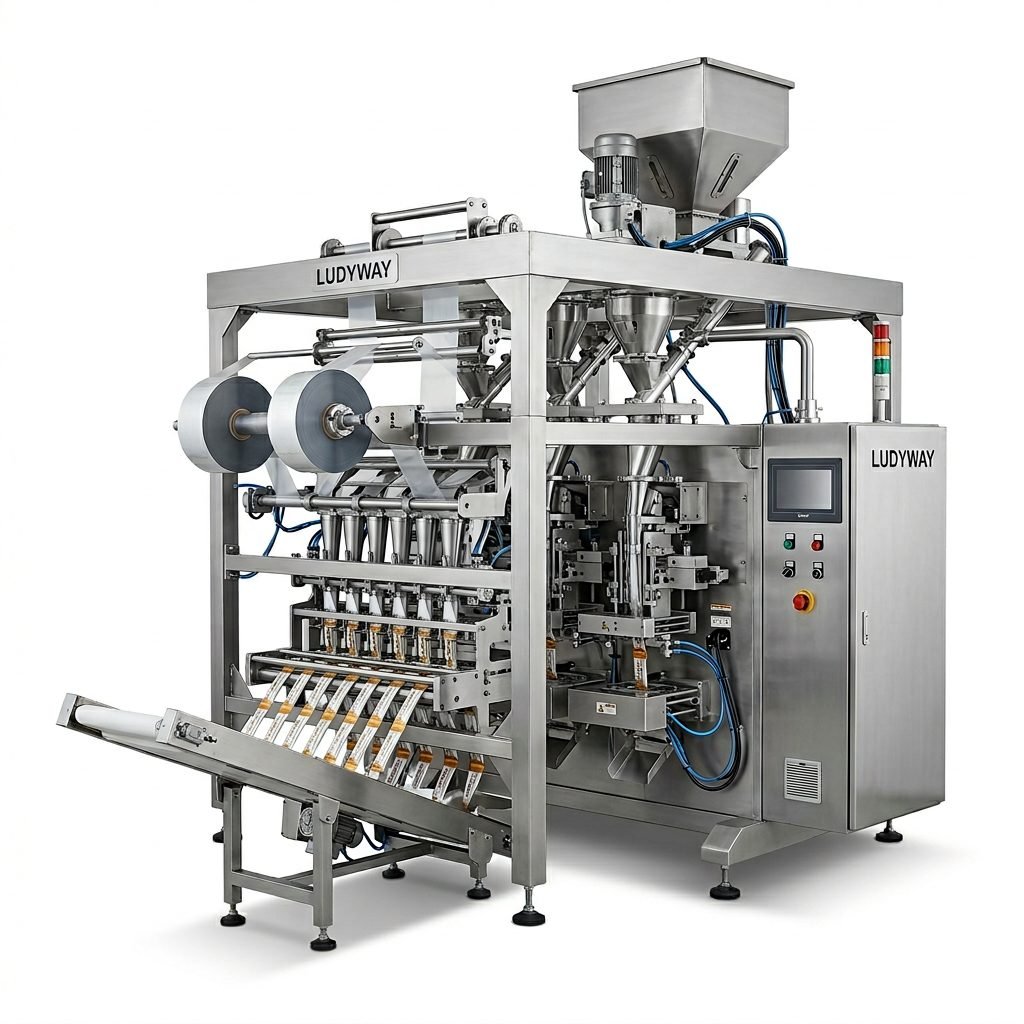
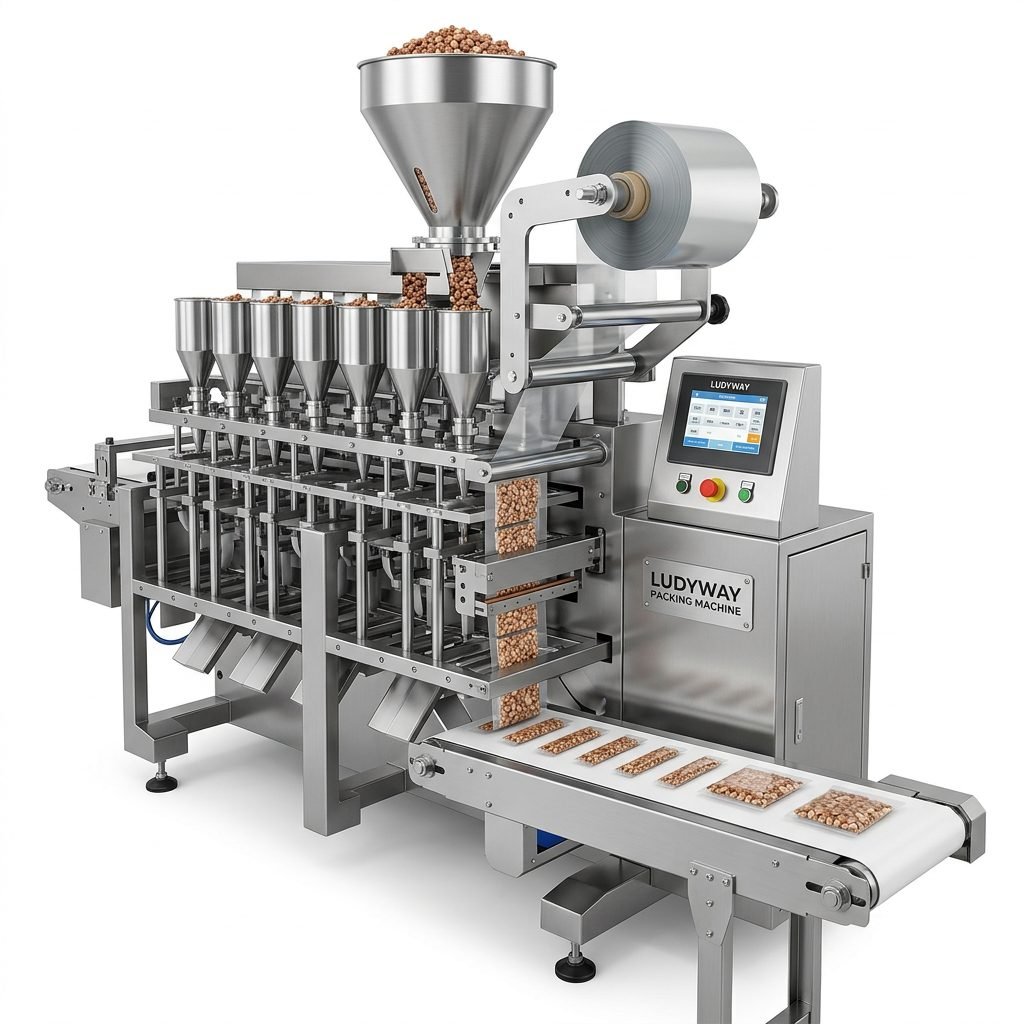
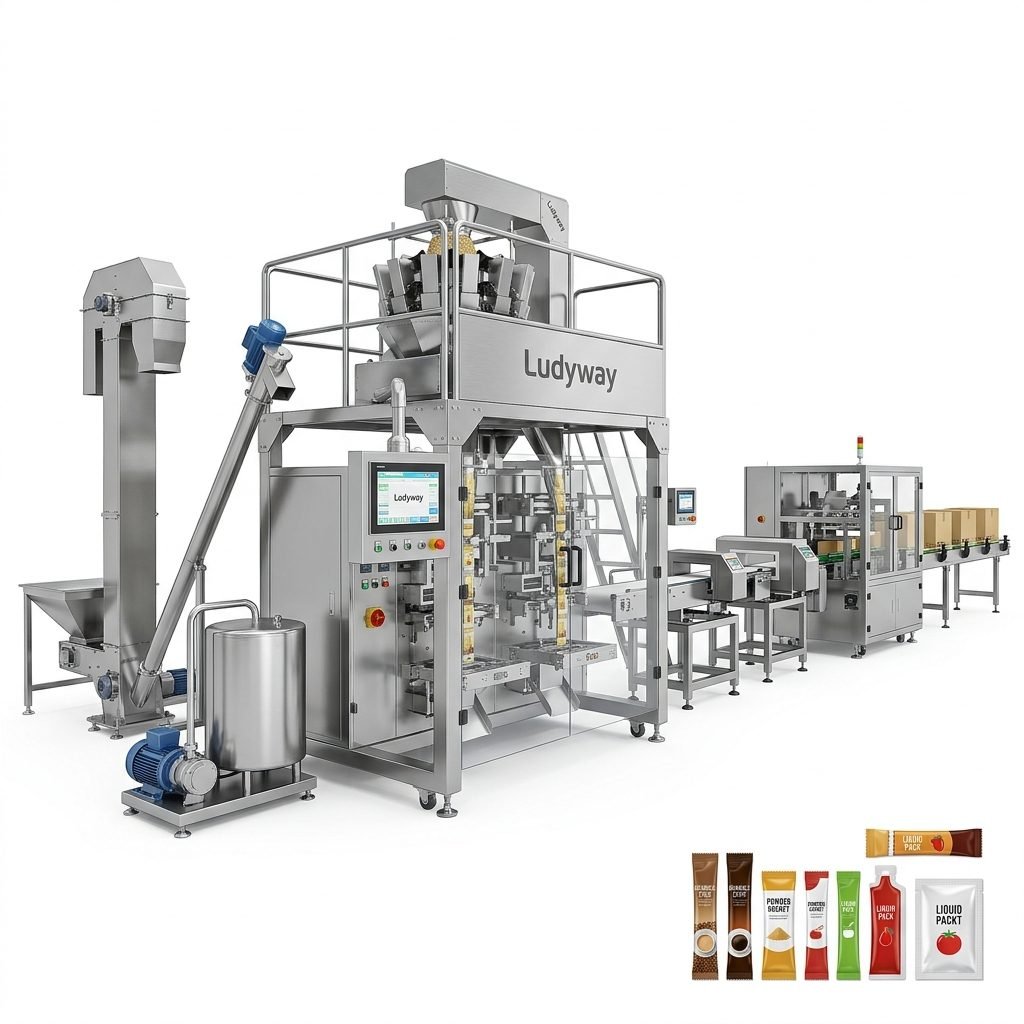
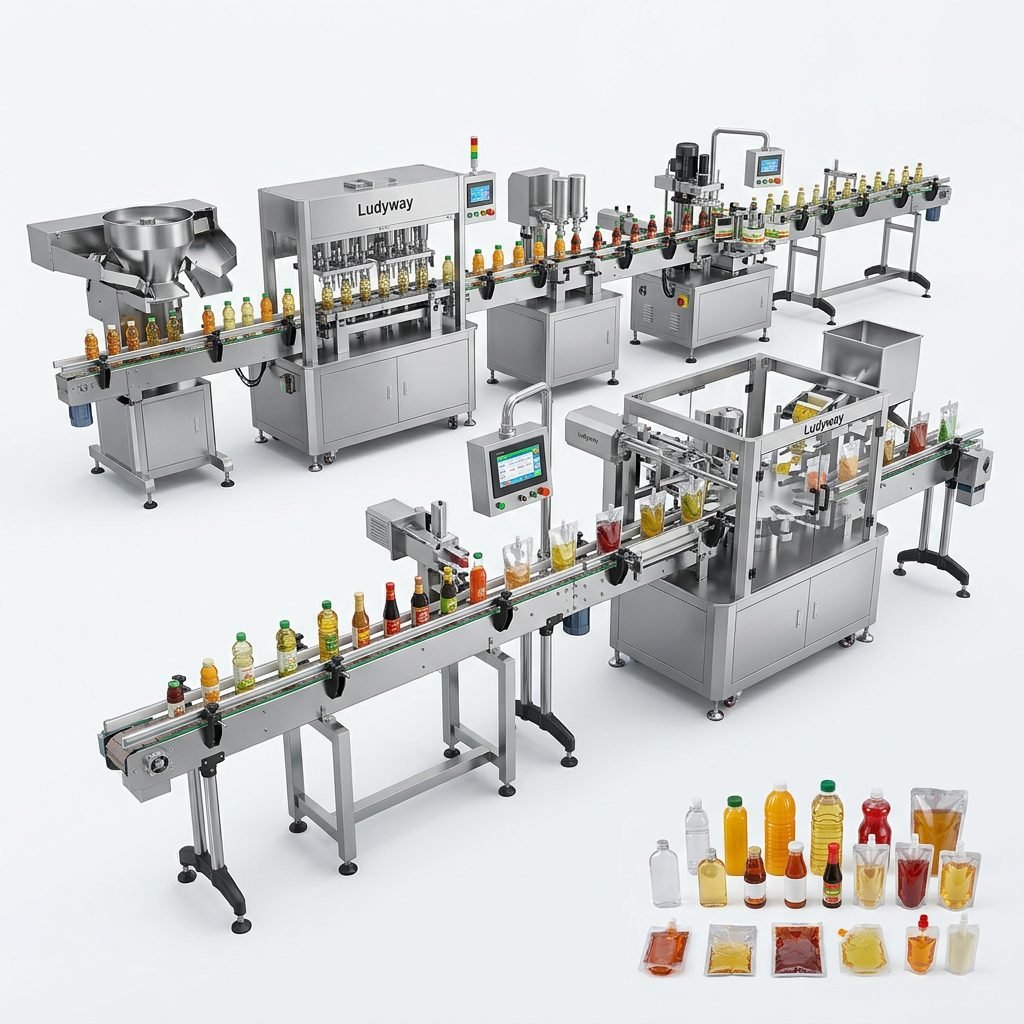
This is why many modern packaging builders, including Ludyway packaging machine manufacturer, often apply servo technology to critical precision functions while still using pneumatic components where simple actuation remains practical and cost-effective.
Cost Comparison: Initial Cost vs Total Cost of Ownership
A common mistake is comparing only purchase price. Pneumatic systems often win on initial cost, but servo systems can win on total cost of ownership.
Pneumatic Hidden Costs
- Compressed air generation cost
- Air leaks across fittings and tubing
- Seal wear and valve replacement
- Inconsistent motion affecting scrap rate
- Manual adjustment during changeovers
Servo Hidden Savings
- Reduced material waste
- Faster product changeovers
- Higher throughput consistency
- Better recipe repeatability
- Improved process visibility and diagnostics
If your line runs frequently, handles multiple SKUs, or demands strict filling and sealing consistency, servo often delivers better ROI over time.
Accuracy and Repeatability: Which One Wins?
Servo control clearly wins in applications requiring exact and repeatable motion. Because servo systems use feedback loops, they continuously correct errors and maintain tighter control over position and speed.
Pneumatics can be repeatable for simple stroke-based actions, but they are more affected by:
- Air pressure fluctuation
- Load variation
- Seal wear
- Temperature changes
- Mechanical cushioning differences
For tasks like precision dosing, registration control, or synchronized cutting, servo is usually the superior solution.
Maintenance: Which System Is Easier to Manage?
The answer depends on the maintenance team’s skill set.
Pneumatic Maintenance Focus
- Checking for air leaks
- Replacing seals and valves
- Maintaining filters, regulators, and lubricators
- Monitoring air quality and moisture
Servo Maintenance Focus
- Drive and encoder diagnostics
- Cable and connection inspection
- Motor thermal monitoring
- Software parameter and alarm analysis
Pneumatics may appear simpler, but in large plants, ongoing air system maintenance can become substantial. Servo systems require stronger electrical and controls knowledge, but they often provide better diagnostics and fault visibility.
Energy Efficiency: A Major Decision Factor
Many factories now evaluate motion systems based on energy use, not just machine output. Servo systems generally perform better here because they use electrical power directly for the required motion.
Pneumatic systems depend on compressed air, and compressed air is one of the most expensive utility sources in manufacturing. Losses often come from:
- Compressor inefficiency
- Pressure drops
- Leaks
- Idle air consumption
For facilities focused on sustainability and operating cost reduction, servo control often aligns better with long-term energy strategy.
When Should You Choose Servo Control?
Choose servo control if your application requires:
- Precise positioning
- Frequent changeovers
- High-speed synchronized motion
- Recipe-driven automation
- Reduced waste and improved consistency
- Data integration with smart manufacturing systems
Servo is especially valuable in high-performance food, pharmaceutical, health supplement, cosmetic, and specialty chemical packaging lines.
When Should You Choose Pneumatic Control?
Choose pneumatic control if your application involves:
- Simple extend/retract motion
- Low initial budget
- Basic clamping or ejection tasks
- Short-stroke repetitive movement
- Machine zones where precision is not critical
Pneumatics remain highly practical in support functions and in machines where the motion requirement is straightforward.
Can Servo and Pneumatic Control Work Together?
Yes—and in many cases, that is the best answer.
A modern machine may use:
- Servo for film feed, dosing, indexing, and registration
- Pneumatic cylinders for clamping, discharge, guiding, and rejection
This mixed approach balances precision, speed, flexibility, and cost. Instead of treating servo and pneumatic as competitors, many machine designers use them as complementary technologies.
Key Questions to Ask Before Choosing
- How much positioning accuracy does the motion require?
- Will the machine run multiple product formats?
- How important is changeover speed?
- What is the cost of compressed air in the facility?
- Does the line need real-time motion feedback and diagnostics?
- Is the motion simple on/off, or does it require variable profiles?
- What matters more: lower upfront cost or lower lifetime operating cost?
Final Decision Guide
| If You Need… | Best Choice |
|---|---|
| Tight accuracy and repeatability | Servo |
| Simple, low-cost linear movement | Pneumatic |
| Advanced automation and digital integration | Servo |
| Clamping, pushing, ejecting | Pneumatic |
| Lower energy waste over time | Servo |
| Basic repetitive actuation with low complexity | Pneumatic |
Conclusion
Servo control is generally the better choice for precision, flexibility, efficiency, and intelligent automation. Pneumatic control remains the better choice for simple, durable, and cost-effective actuation.
For many modern packaging systems, the smartest solution is not choosing one over the other—it is selecting servo where precision creates value and pneumatic where simplicity is enough. That is how manufacturers achieve the best balance of performance and cost.