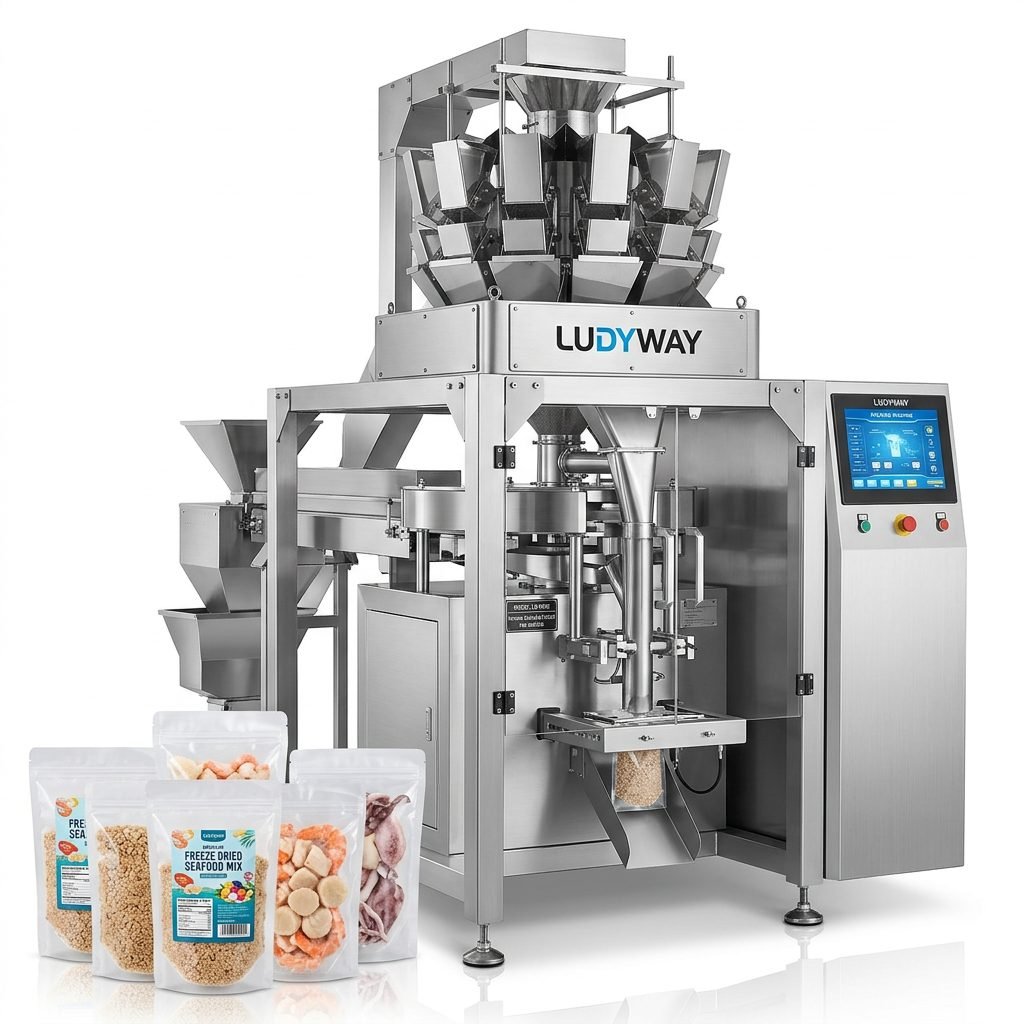
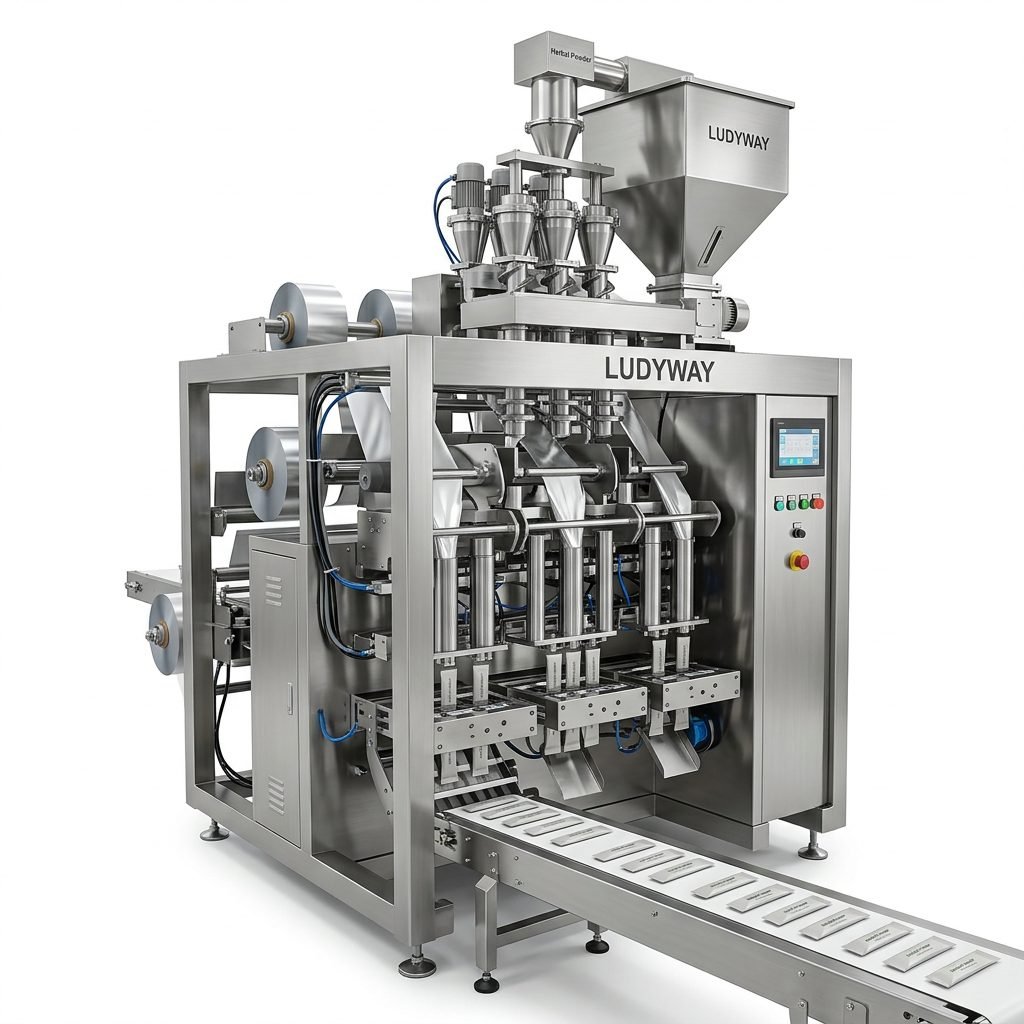
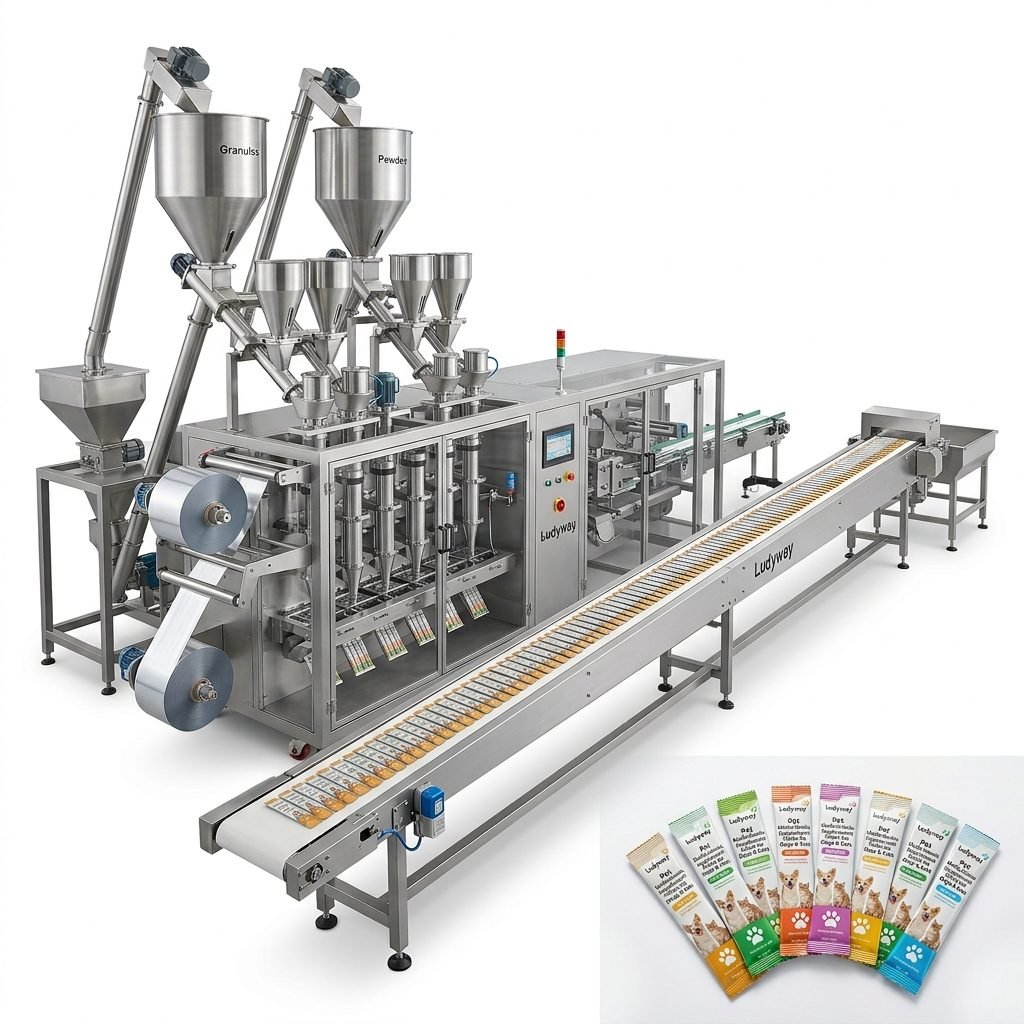
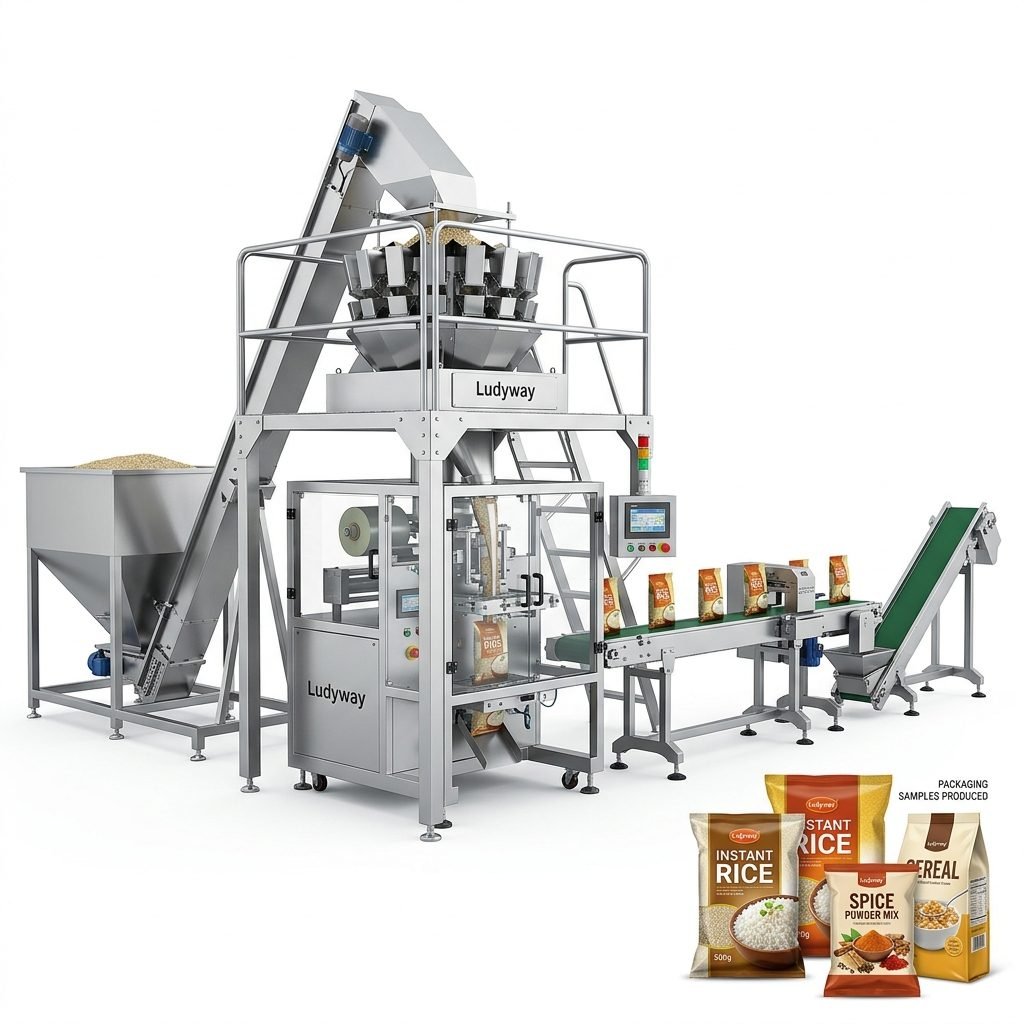
In today’s competitive manufacturing landscape, efficiency and cost control are paramount. For businesses in the food, pharmaceutical, and health industries, the packaging process is a critical juncture where bottlenecks can form and profits can erode. Investing in high-speed packaging machinery is no longer a luxury but a strategic necessity for companies aiming to scale production, maintain consistent quality, and achieve significant cost savings. This article explores how modern, automated packaging solutions drive operational excellence and deliver a compelling return on investment.
The Imperative for Speed and Efficiency in Modern Packaging
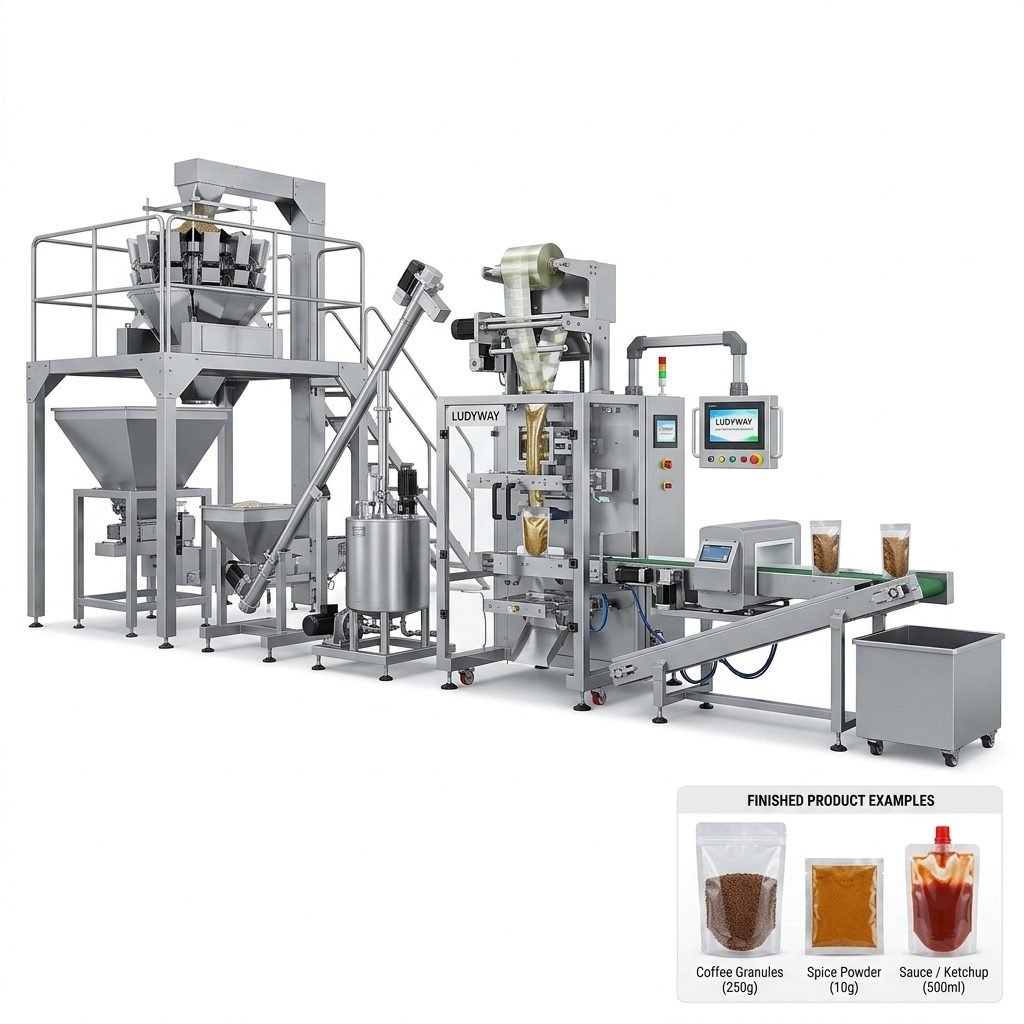
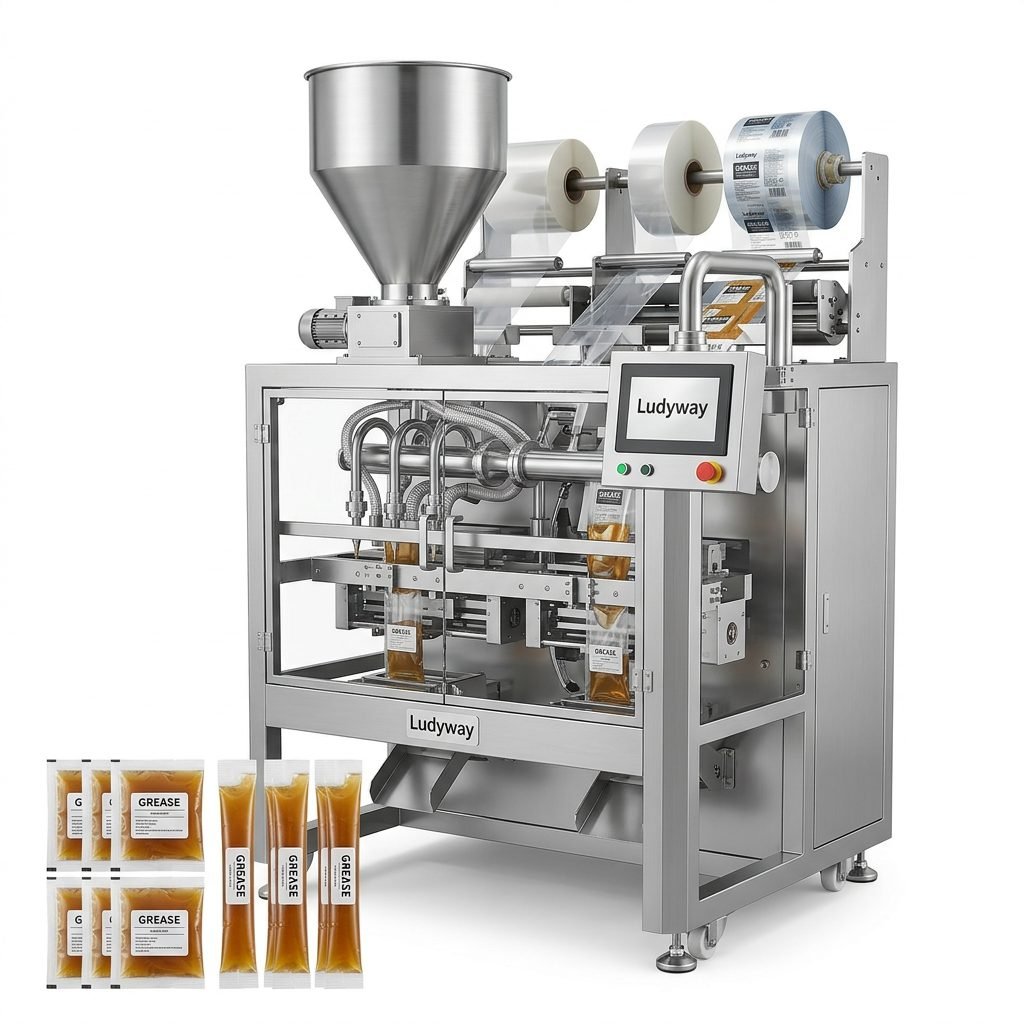
The demand for faster production cycles and just-in-time delivery continues to intensify. Manual or semi-automated packaging lines simply cannot keep pace, leading to slower throughput, higher labor costs, and increased risk of errors. High-speed packaging machinery addresses these challenges head-on by automating the entire process—from product feeding and precise measuring to bag forming, sealing, and cutting. This automation translates directly into a higher output per hour, allowing businesses to meet larger orders and capitalize on market opportunities without proportional increases in operational overhead.
Key Efficiency Gains:
→ Maximized Output: Machines can operate continuously at speeds far exceeding human capabilities, often packaging hundreds of units per minute.
→ Reduced Downtime: Advanced systems feature quick-changeover mechanisms and minimal maintenance requirements, ensuring more uptime.
→ Consistent Precision: Every package is filled, sealed, and finished with identical accuracy, eliminating product giveaways and ensuring compliance.
Unlocking Substantial Cost Savings Across the Board
While the initial investment in advanced equipment is a consideration, the long-term cost savings are multifaceted and substantial. The financial benefits extend far beyond just labor reduction.
Direct Labor Cost Reduction
Automation significantly reduces the number of personnel required on the packaging line. One high-speed machine, often overseen by a single operator, can replace multiple manual workstations. This not only lowers wage expenses but also mitigates costs associated with training, management, and employee turnover.
Minimized Material Waste
Precision is profit. Modern packaging machines utilize sophisticated servo-driven technology and weight-check systems to dispense product and film with extreme accuracy. This precise control drastically reduces overfilling and material waste (like packaging film), directly improving your material yield and bottom line. Every gram of product saved and every meter of film optimized contributes directly to cost savings.
Lower Operational & Energy Costs
Newer generations of packaging machinery are designed with energy efficiency in mind. They often use efficient servo motors that consume less power than older mechanical systems. Furthermore, by streamlining the process into a single, compact line, they reduce the overall factory footprint and associated overheads like lighting and climate control for that area.
Beyond Speed and Cost: The Strategic Advantages
The value proposition of high-speed packaging solutions includes critical strategic benefits that strengthen your market position.
Enhanced Product Quality and Safety
Automated systems provide a hygienic, closed environment for packaging, which is especially crucial for food, pharmaceutical, and health products. Consistent sealing integrity protects against contamination and extends shelf life. This unwavering quality builds brand trust and reduces the risk of costly recalls or consumer complaints.
Scalability and Flexibility
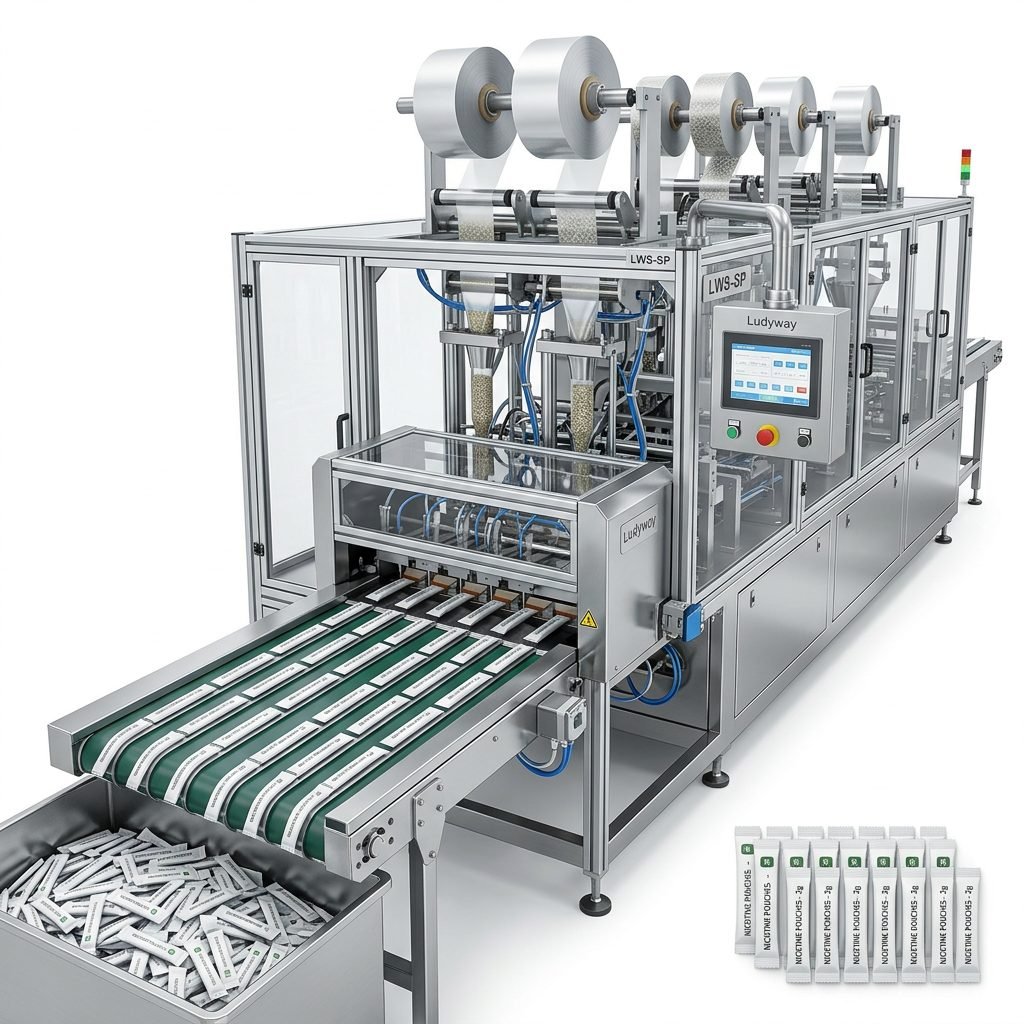
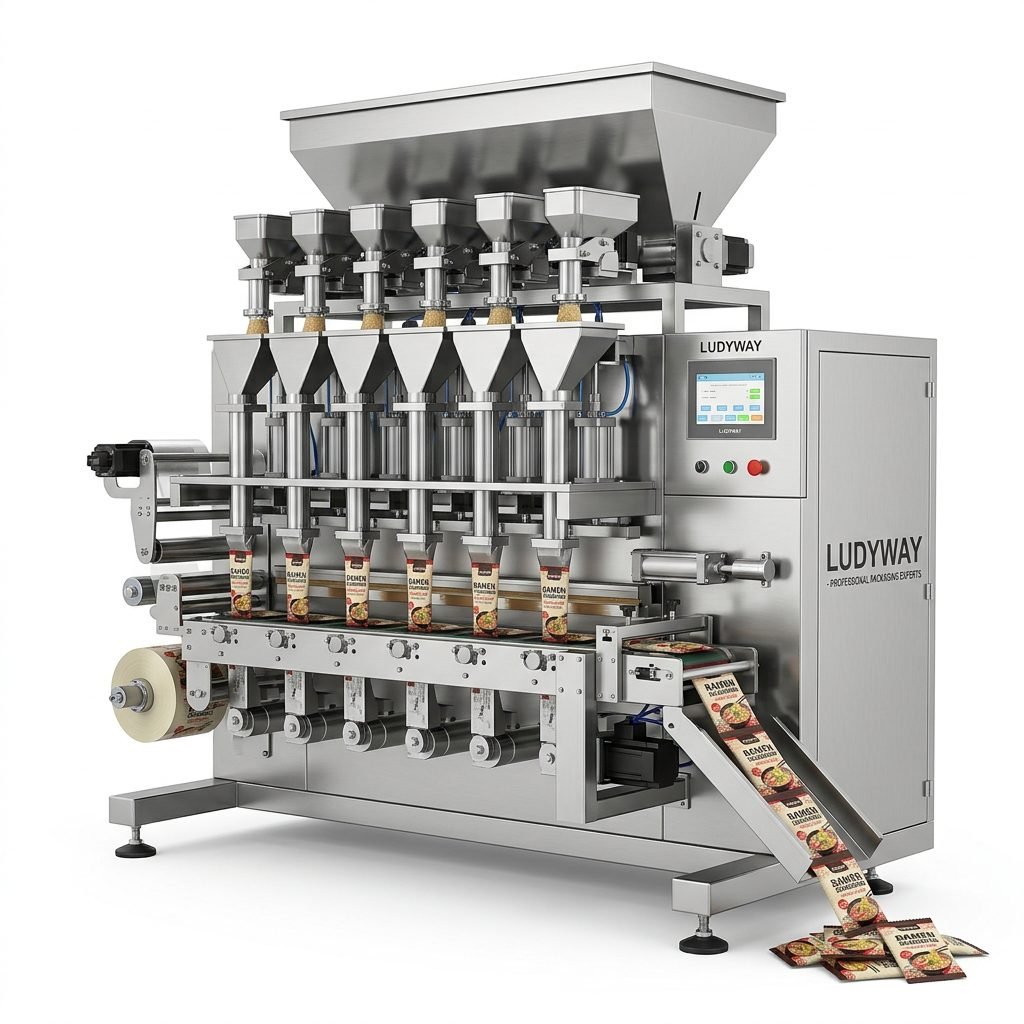
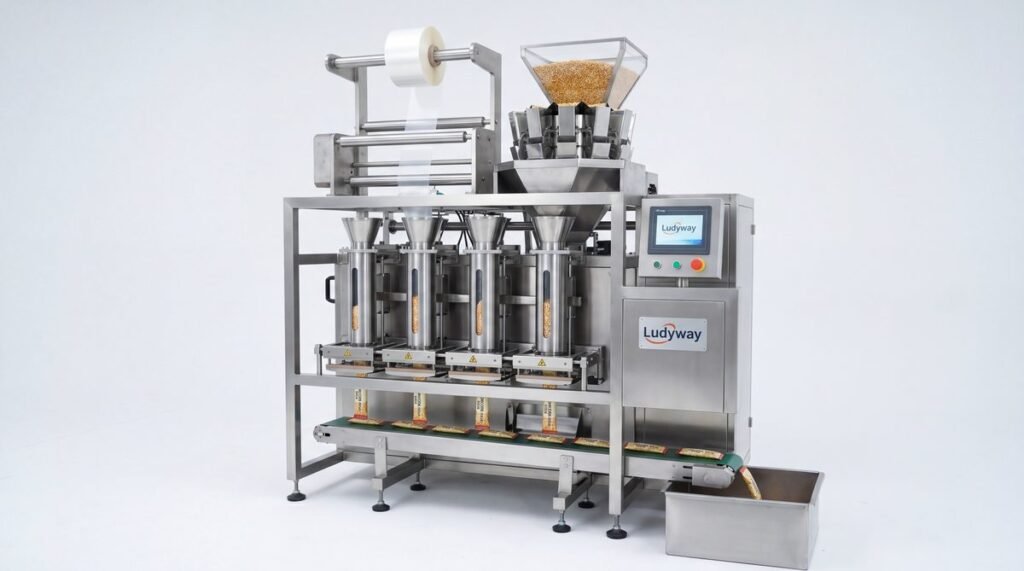
Modular high-speed systems, such as multi-lane stick pack or sachet machines, allow for easy scalability. You can start with a configuration that matches your current volume and add lanes or functions as your business grows. This flexibility future-proofs your investment and supports agile responses to changing product lines or packaging formats.
Choosing the Right High-Speed Packaging Partner
Selecting equipment is about more than just specifications; it’s about choosing a reliable partner. A provider with deep industry experience understands the unique challenges of different sectors—whether it’s the hygiene standards for pharmaceuticals or the need for gentle handling of fragile food granules.
Look for a partner that offers comprehensive turnkey production solutions, from initial consultation and machine design to installation, training, and ongoing technical support. This holistic approach, backed by strong engineering capabilities and a proven track record, ensures a smooth integration into your production flow and maximizes your long-term return. Providers with extensive international experience are adept at tailoring solutions to diverse market requirements and production standards.
Conclusion: An Investment in Competitive Edge
Implementing high-speed packaging machinery solutions is a transformative decision that directly enhances efficient production and drives tangible cost savings. It is an investment that pays dividends through increased output, reduced operational expenses, superior product quality, and the agility to grow. In an era where operational excellence defines market leaders, optimizing your packaging line with advanced automation is a decisive step toward securing a robust and profitable future.
Frequently Asked Questions (FAQs)
1. What types of products are best suited for high-speed stick pack or sachet packaging machines?
These versatile machines are ideal for unit-dose or small-quantity packaging of granules, powders, and liquids. Common applications include instant coffee, sugar, spices, pharmaceutical powders, protein supplements, condiments, shampoo samples, and liquid flavorings.
2. How significant are the labor cost savings with automated packaging?
Savings are typically substantial. A single automated line can replace several manual stations, often leading to a 50-70% reduction in direct labor for the packaging process. The exact figure depends on your previous setup and production volume.
3. Can these machines handle different packaging materials?
Yes, most modern high-speed machines are designed to work with a range of laminated films (like PET/AL/PE, PET/PE) and other roll-stock materials. It’s crucial to discuss your specific material requirements with the machine supplier during the selection process to ensure compatibility.
4. What is the typical payback period for such an investment?
The payback period varies based on machine cost, production volume, and achieved savings (labor, material, efficiency). Many businesses see a full return on investment within 12 to 24 months due to the dramatic increases in output and reductions in operational costs.
5. Do you provide support for machine integration and operator training?
Reputable suppliers offer comprehensive support packages. This includes on-site installation supervision, integration with upstream and downstream equipment, and thorough training for your operators and maintenance technicians to ensure optimal and safe machine operation from day one.