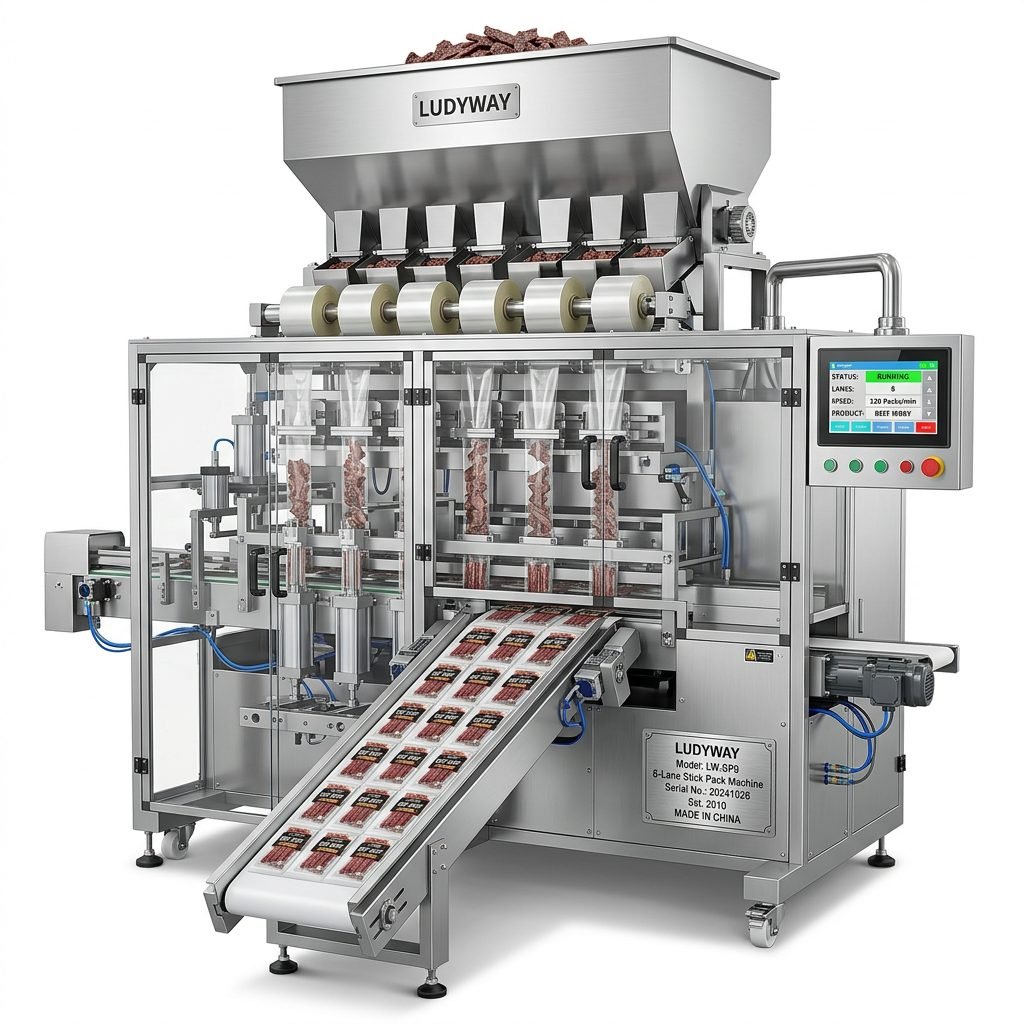
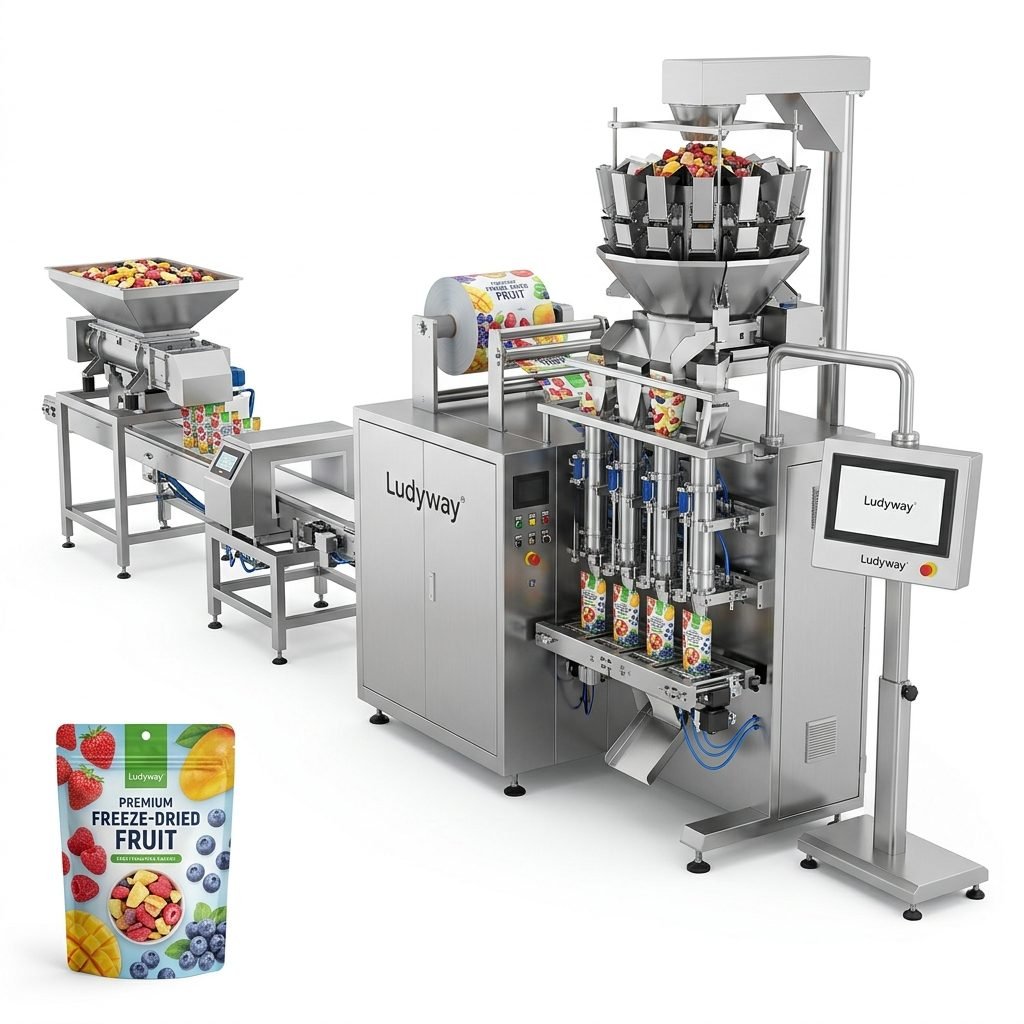
In the fast-paced world of bakery production, efficiency and presentation are paramount. The final step before your delicious bread rolls reach the consumer is often the most critical for shelf appeal and freshness: packaging. Choosing the right bread rolls packaging machine is not just an operational decision; it’s an investment in product quality, brand image, and production scalability. This guide will walk you through the different types of machines, their key features, and the essential factors to consider when selecting the best solution for your bakery.
Understanding the Different Types of Bread Roll Packaging Machines
The packaging landscape for bread rolls is diverse, catering to different production volumes, roll types, and packaging materials. Selecting the right type is the first step toward automation success.
Vertical Form-Fill-Seal (VFFS) Machines
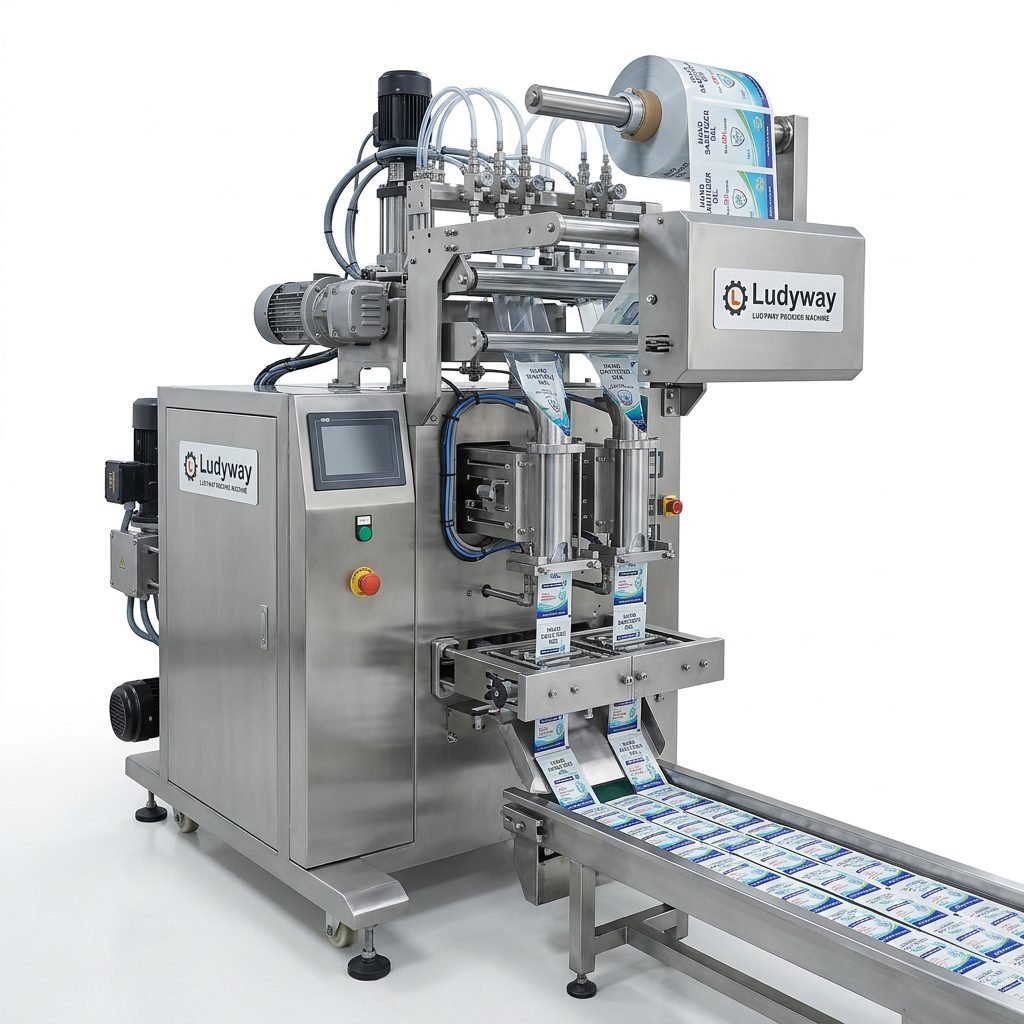
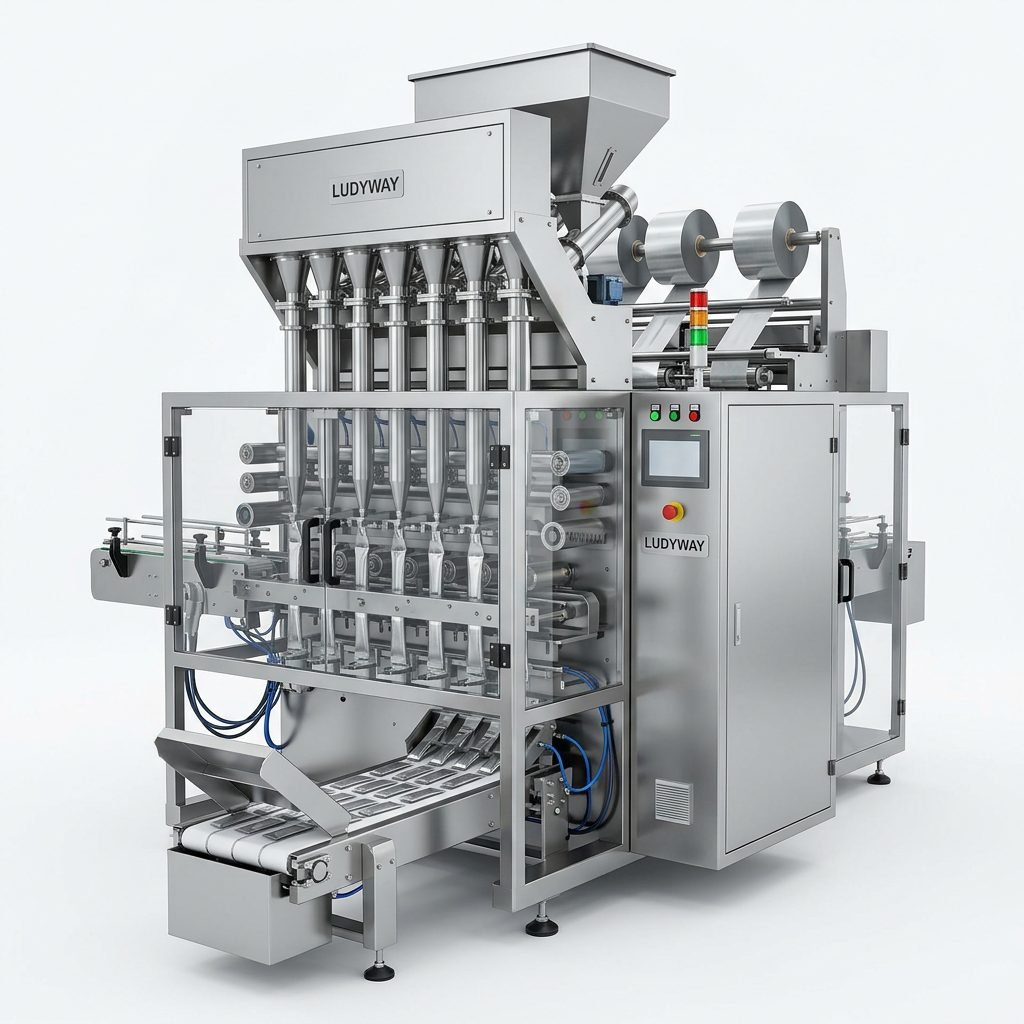
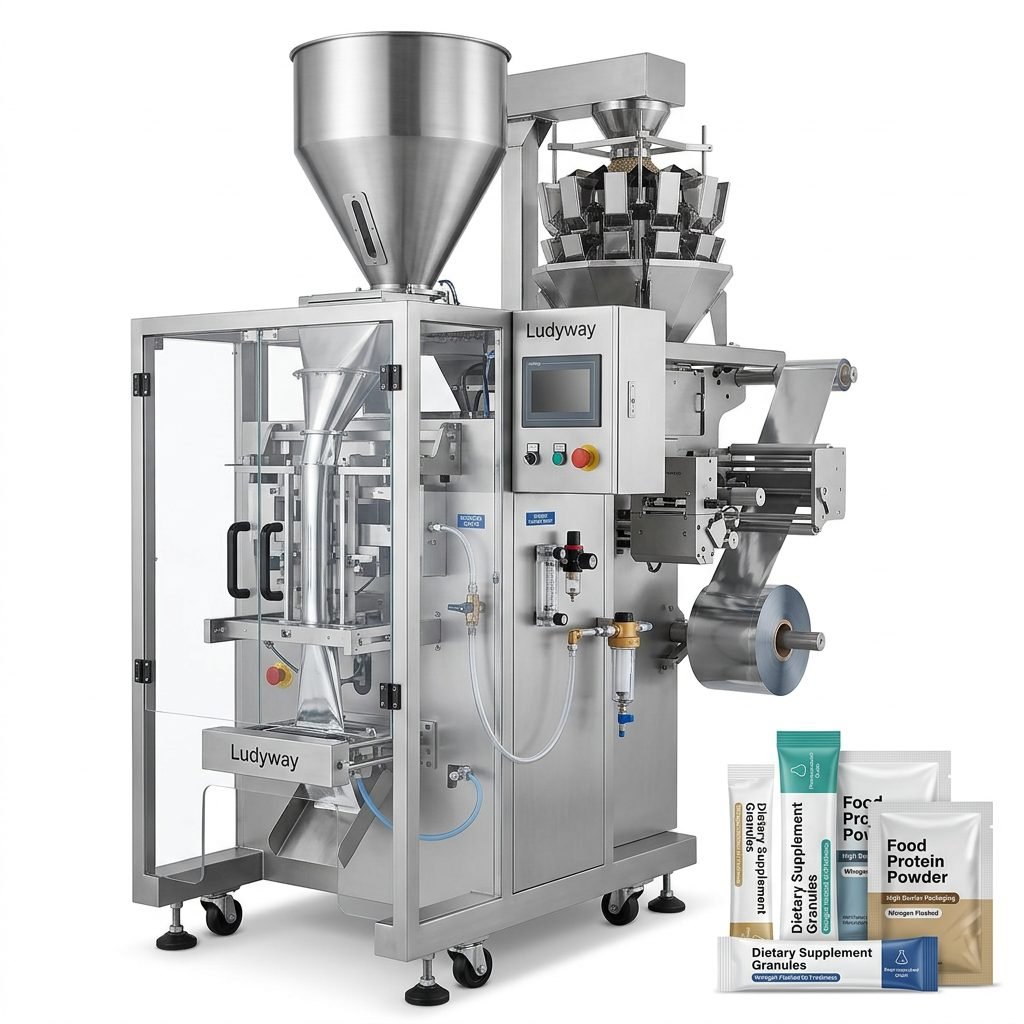
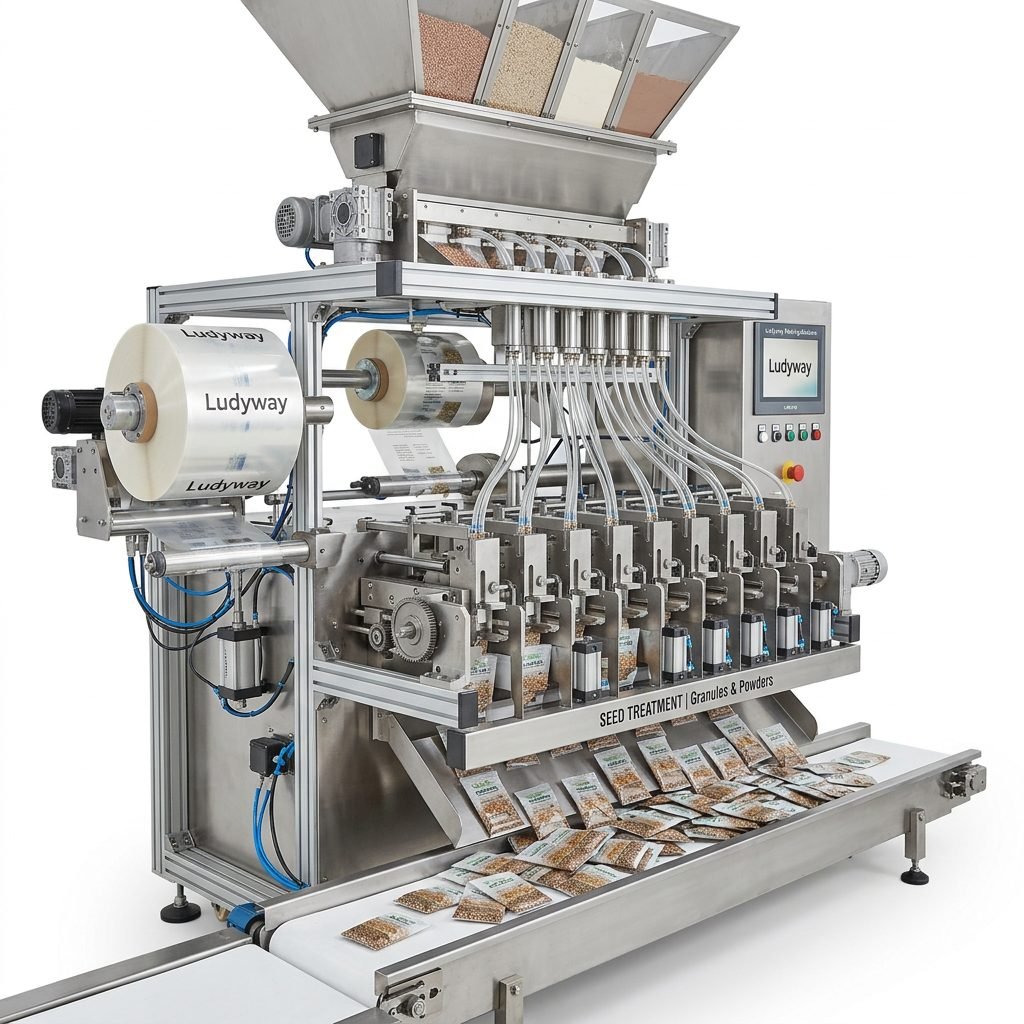
These are among the most common and versatile machines. A VFFS machine forms a bag from a roll of flat packaging film, fills it with a predetermined number of rolls, and then seals it. They are excellent for packaging loose rolls into bags, often with a twist-tie or heat-sealed closure. Their flexibility with bag sizes makes them suitable for various batch sizes.
Key Advantage: High flexibility for different bag sizes and styles. Ideal for polyethylene or polypropylene bags.
Horizontal Flow Wrappers
If your bread rolls are arranged in trays, clamshells, or already on a base card, horizontal flow wrappers are the ideal choice. The machine wraps a single sheet of film around the product, creating a neat, secure, and visually appealing package with sealed ends. This method is perfect for preserving freshness and providing a premium look, often used for artisan or specialty rolls.
Tray Sealing Machines
For bakeries that use pre-formed plastic or pulp trays, tray sealers offer a robust solution. The machine places a lidding film—which can be clear for visibility or printed—over the loaded tray and applies heat to create a hermetic seal. This method provides excellent product protection, tamper evidence, and extended shelf life, crucial for par-baked or sensitive products.
Shrink Wrapping Systems
Shrink wrapping is perfect for multi-packs or bundling several individual rolls together. The rolls are placed on a tray or simply grouped, covered with a loose sleeve of plastic film, and then passed through a heat tunnel. The film shrinks tightly around the product, creating a stable, clear bundle that is easy to handle and display. It’s a cost-effective way for secondary packaging.
Essential Features to Look for in a Packaging Machine
Beyond the basic type, several features determine the efficiency, hygiene, and output quality of your packaging line. Here’s what to scrutinize.
Speed and Production Capacity
Machines are rated by packages per minute (PPM). Match the machine’s speed to your current and projected future output. A machine that is too slow creates a bottleneck, while an overly fast machine for a small operation may be an unnecessary capital expense. Consider machines with adjustable speed controls for flexibility.
Versatility and Changeover Ease
Do you produce multiple types or sizes of rolls? A machine with quick-change parts and tool-less adjustments can drastically reduce downtime between production runs. Look for features like digital size adjustment, interchangeable forming shoulders, and easy-access sealing jaws.
🔍 Pro Tip: Future-Proofing
Invest in a machine that can handle a slightly wider range of package sizes than you currently need. This foresight accommodates new product development without requiring a completely new machine purchase down the line.
Hygiene and Cleanability Design
Food safety is non-negotiable. The machine should have a smooth, stainless-steel construction in product contact zones, with minimal crevices where crumbs or dough can accumulate. Features like tool-free disassembly of key parts, hygienic design seals, and easy-access panels for cleaning are major advantages, ensuring compliance with strict food safety standards.
Sealing System and Reliability
The integrity of the seal is everything. It keeps the product fresh and prevents contamination. Investigate the sealing technology—whether it’s impulse sealing, constant heat, or ultrasonic sealing for certain films. Reliable temperature control and consistent pressure are critical for producing strong, uniform seals every time.
Integration and Automation Potential
Modern packaging is rarely a standalone operation. Consider how well the machine can integrate with upstream equipment like cooling conveyors or counting systems, and downstream systems like checkweighers or case packers. Features like PLC control with communication ports (e.g., Ethernet/IP) are essential for a seamless, automated production line.
How to Choose the Best Solution for Your Bakery
Selecting the perfect machine is a strategic process. Follow this decision-making framework to align your investment with your business goals.
1. Assess Your Current and Future Production Needs
Start with a clear analysis. What is your average daily output? What are your peak season demands? What types of rolls do you produce (soft, crusty, seeded, etc.) and in what packaging formats (bags, trays, bundles)? Forecasting growth for the next 3-5 years will help you choose a machine that won’t become obsolete.
2. Define Your Packaging Materials and Budget
The machine and the packaging film are a system. Decide on your primary packaging material—whether it’s recyclable plastic, compostable film, or paper-based laminates—and ensure the machine is compatible. Your budget should encompass not just the machine purchase price, but also installation, training, maintenance, and the ongoing cost of packaging materials.
3. Prioritize Ease of Use and Supplier Support
A complex machine that your staff struggles to operate defeats the purpose of automation. Look for user-friendly touchscreen interfaces with clear diagnostics. Crucially, evaluate the supplier. Do they offer comprehensive training, readily available spare parts, and reliable technical support? A partner like Ludyway Machinery, with deep industry experience, can provide invaluable guidance and long-term support, ensuring your packaging line runs smoothly for years.
4. Request a Product Sample Test
Never buy a packaging machine sight-unseen for your specific product. Reputable suppliers should offer a product sample test or a trial run at their facility. Send your actual bread rolls and packaging material to see the machine in action. This test will reveal the true packaging quality, speed, and any potential handling issues with your product.
💡 The Value of a Trusted Partner
Choosing a machine is also about choosing a partner. A supplier with a strong track record, like Ludyway Packaging Machinery, brings more than just equipment. They bring 30+ years of application knowledge, the ability to design custom solutions, and a commitment to your production success, helping you navigate the selection process with confidence.
5. Consider Total Cost of Ownership (TCO)
Look beyond the initial invoice. Calculate the TCO by factoring in energy consumption, expected maintenance costs, downtime costs, and the efficiency of material usage (film waste). A slightly more expensive machine that is energy-efficient, reliable, and minimizes film waste will often have a lower TCO and a better return on investment over its lifespan.
Frequently Asked Questions (FAQs)
What is the typical speed range for a bread roll packaging machine?
Speeds vary widely based on the machine type and package complexity. Basic vertical baggers may run at 30-60 bags per minute, while high-speed horizontal wrappers for simple trays can exceed 150 packages per minute. The key is to match speed with your product’s handling requirements and production volume.
Can one machine handle different sizes and types of bread rolls?
Yes, many machines are designed for versatility. The critical factor is the “changeover” time and process. Machines with quick-change features and digital adjustments allow you to switch from packaging dinner rolls to larger sandwich rolls in minutes, maximizing line flexibility and uptime.
How important is the choice of packaging film?
Extremely important. The film must be compatible with the machine’s sealing system (heat, pressure, time) and suitable for the product. It needs the right barrier properties to maintain freshness (e.g., against moisture loss or staling) and the correct mechanical strength to withstand handling. Your machine supplier or a knowledgeable partner like Ludyway can recommend the optimal film for your application.
What kind of maintenance do these machines require?
Regular preventive maintenance is essential. Daily tasks include cleaning and visual inspection. Weekly or monthly tasks might involve lubricating moving parts, checking seal jaw alignment, and verifying sensor accuracy. Following the manufacturer’s maintenance schedule is crucial for preventing unplanned downtime and ensuring consistent package quality.
Is it better to buy a standalone machine or a complete integrated line?
This depends entirely on your operation’s scale and automation goals. A standalone machine is perfect for manual loading or semi-automated processes. A complete integrated line—which might include an automatic feeder, collator, packaging machine, and labeler—is necessary for high-volume, fully automated production with minimal labor. An experienced supplier can help you design the right level of automation for your needs.