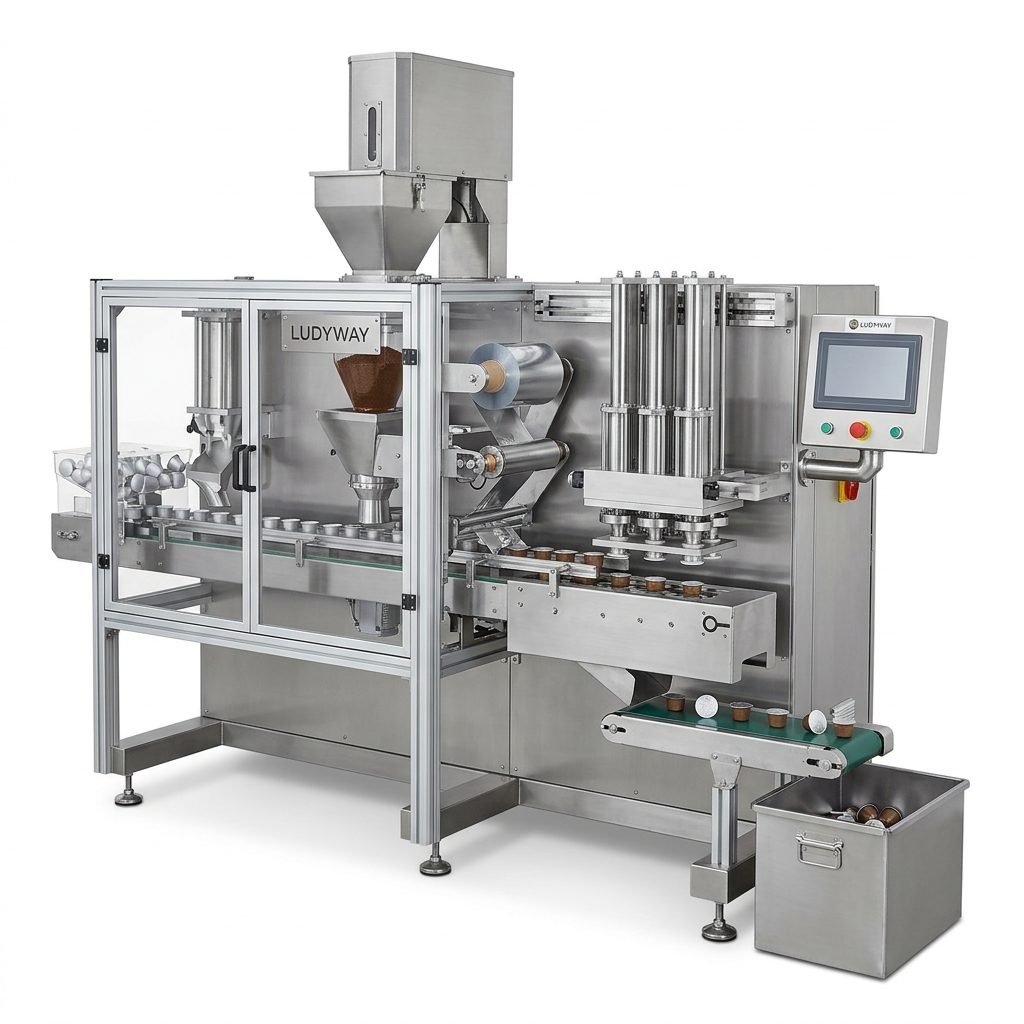
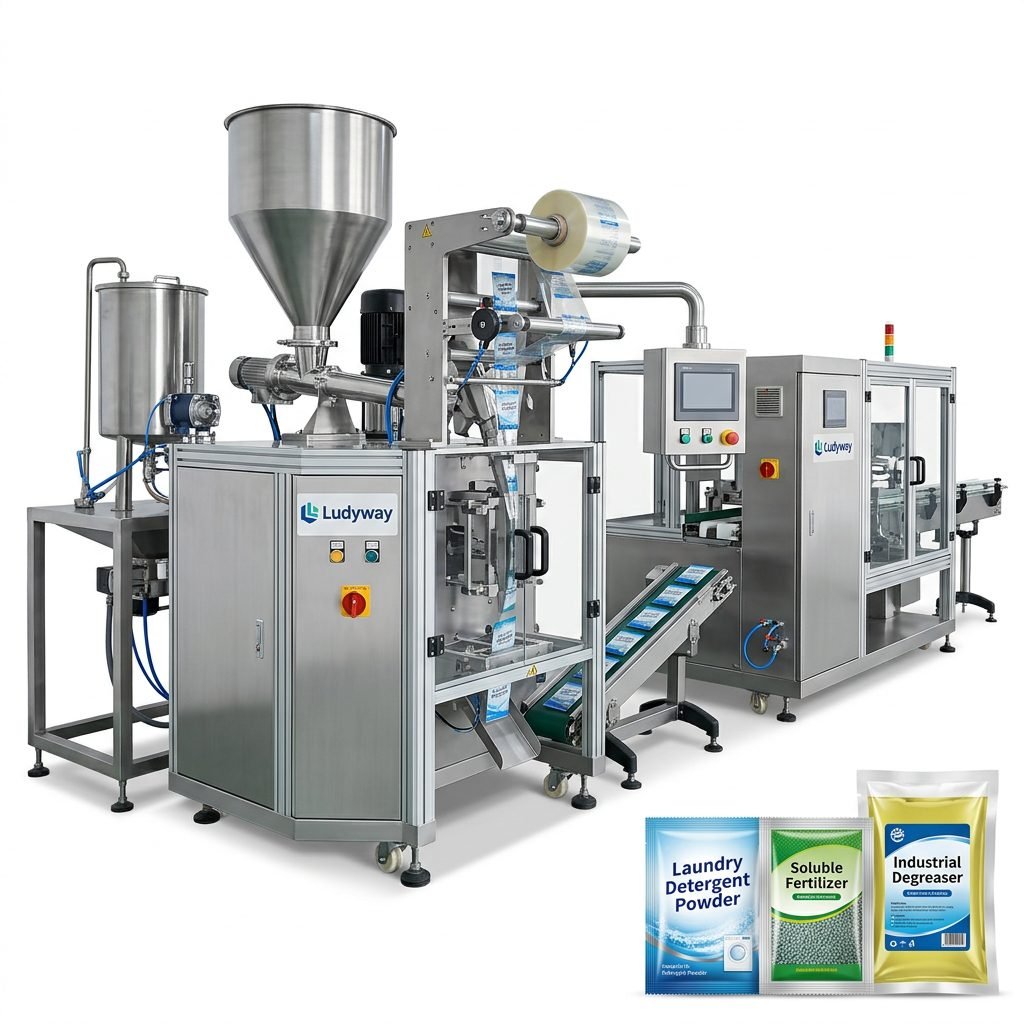
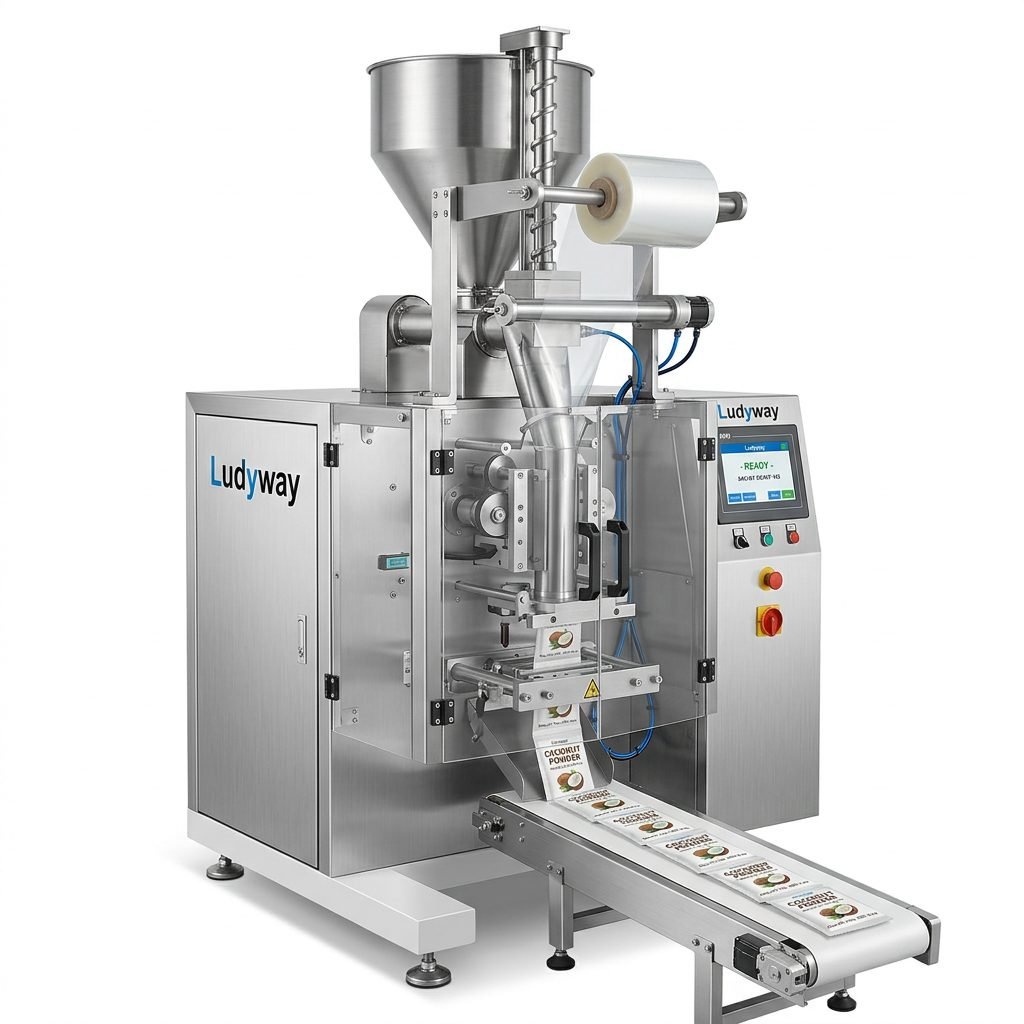
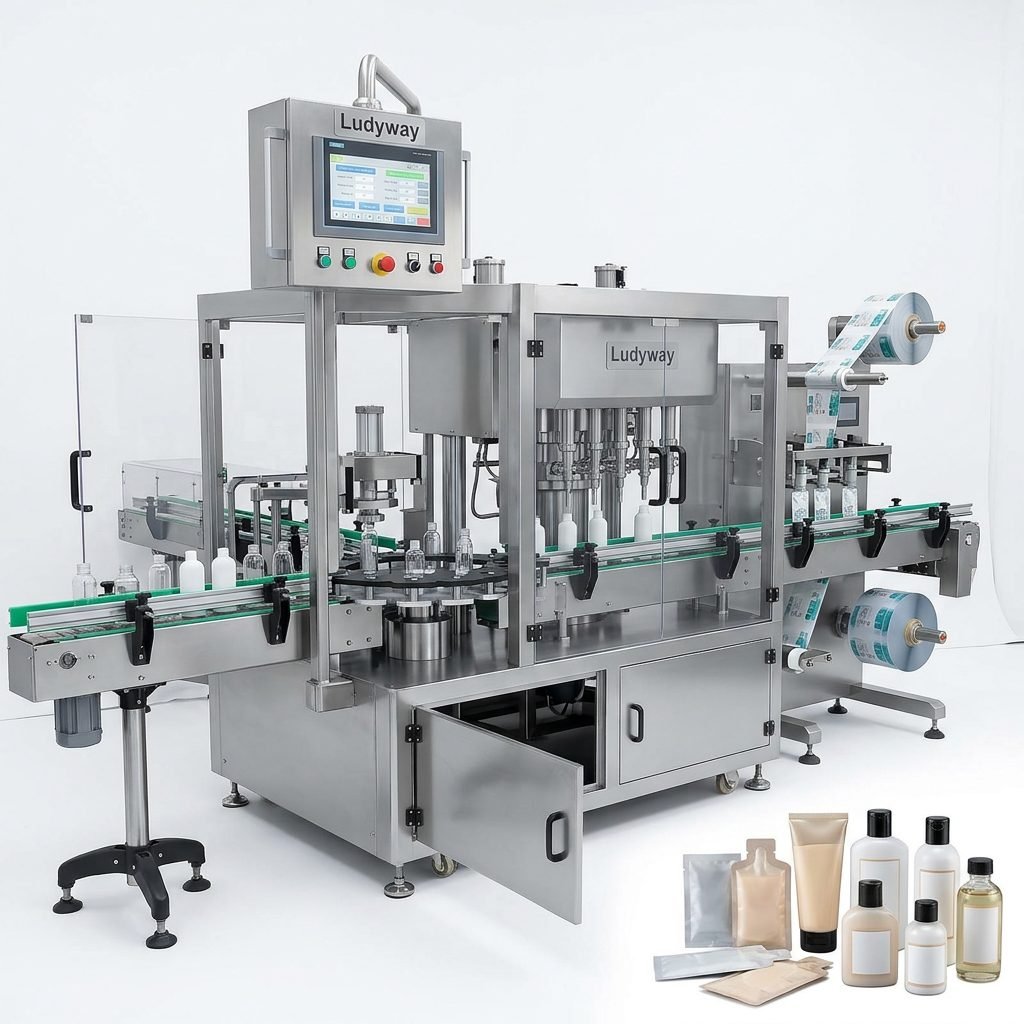
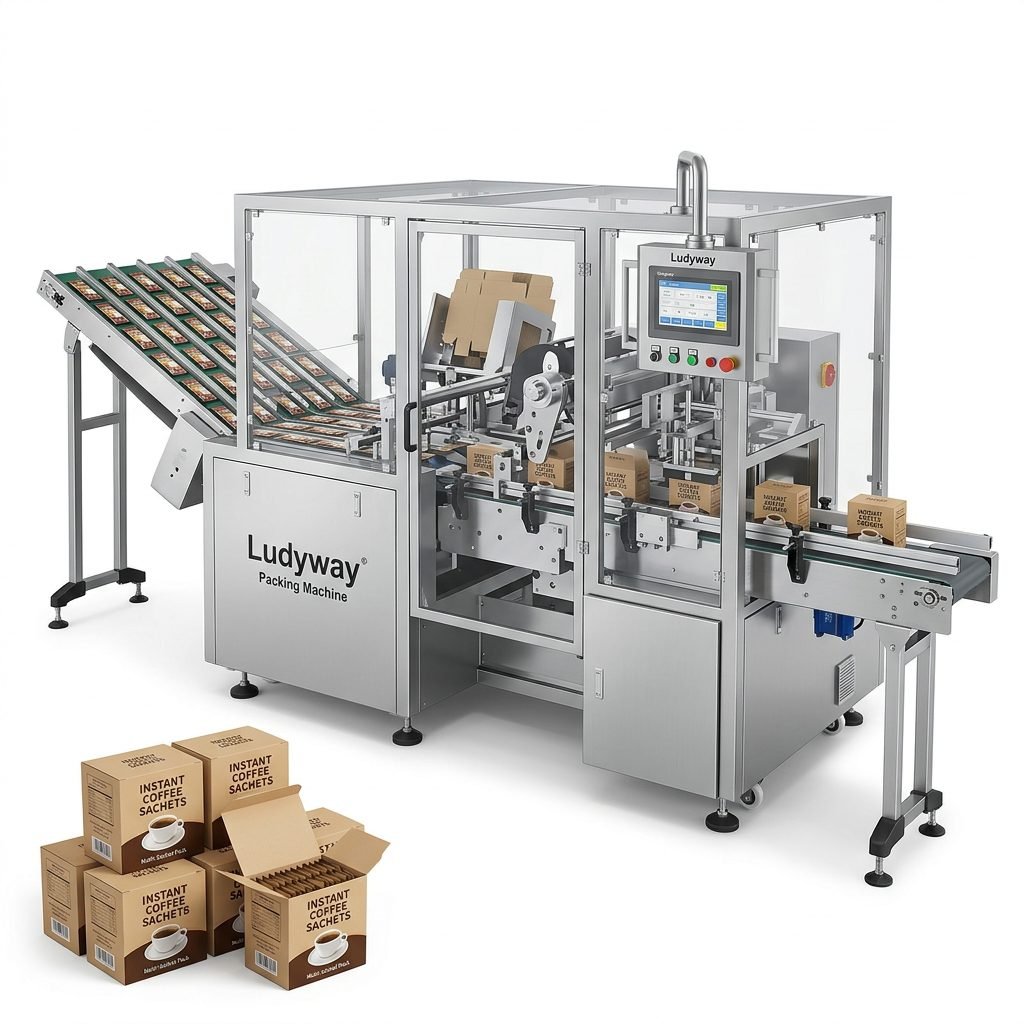
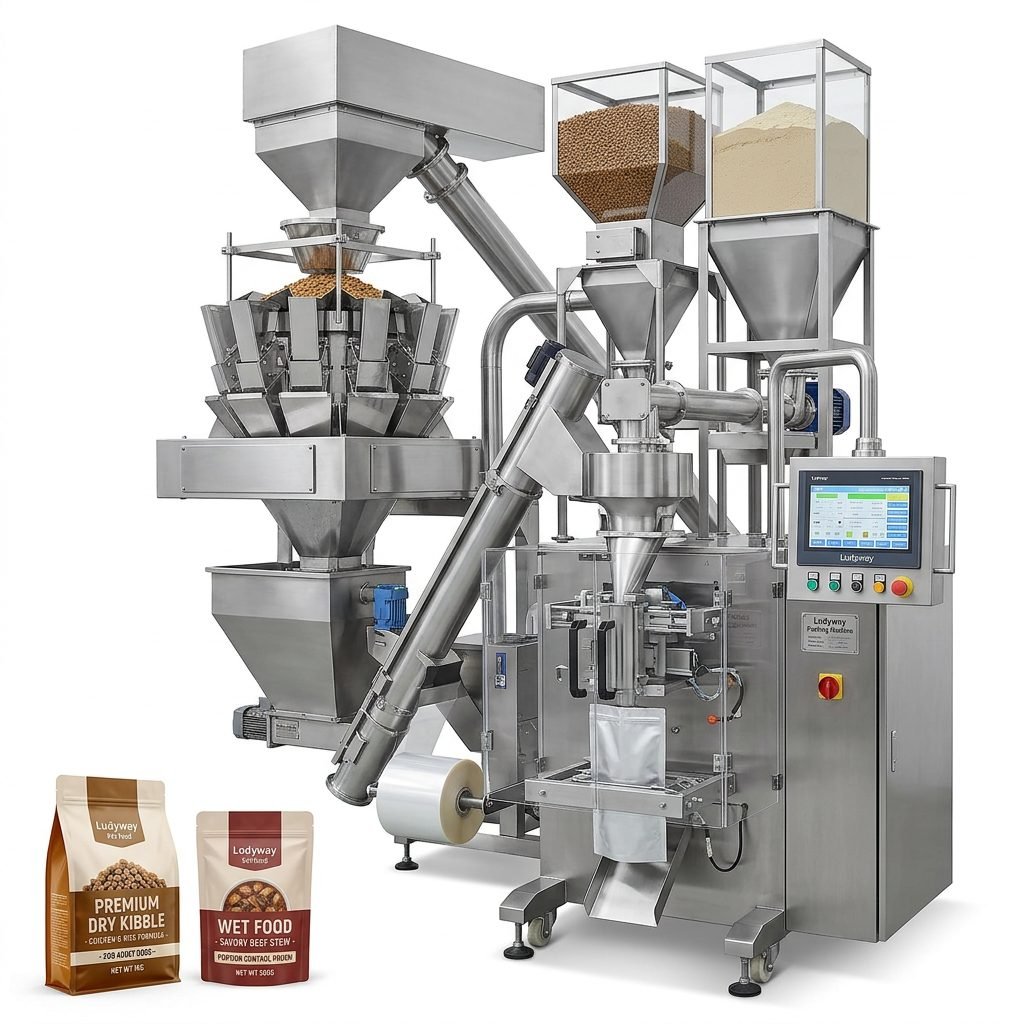
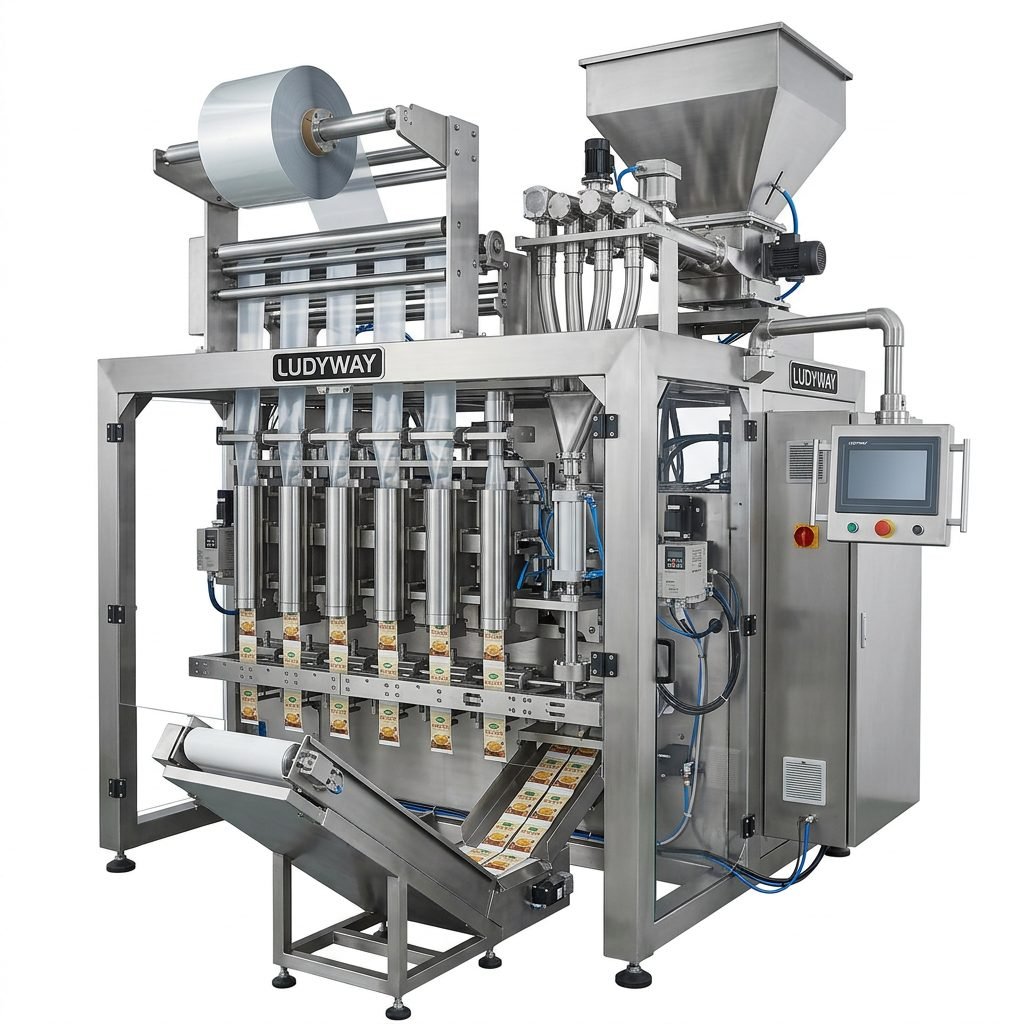
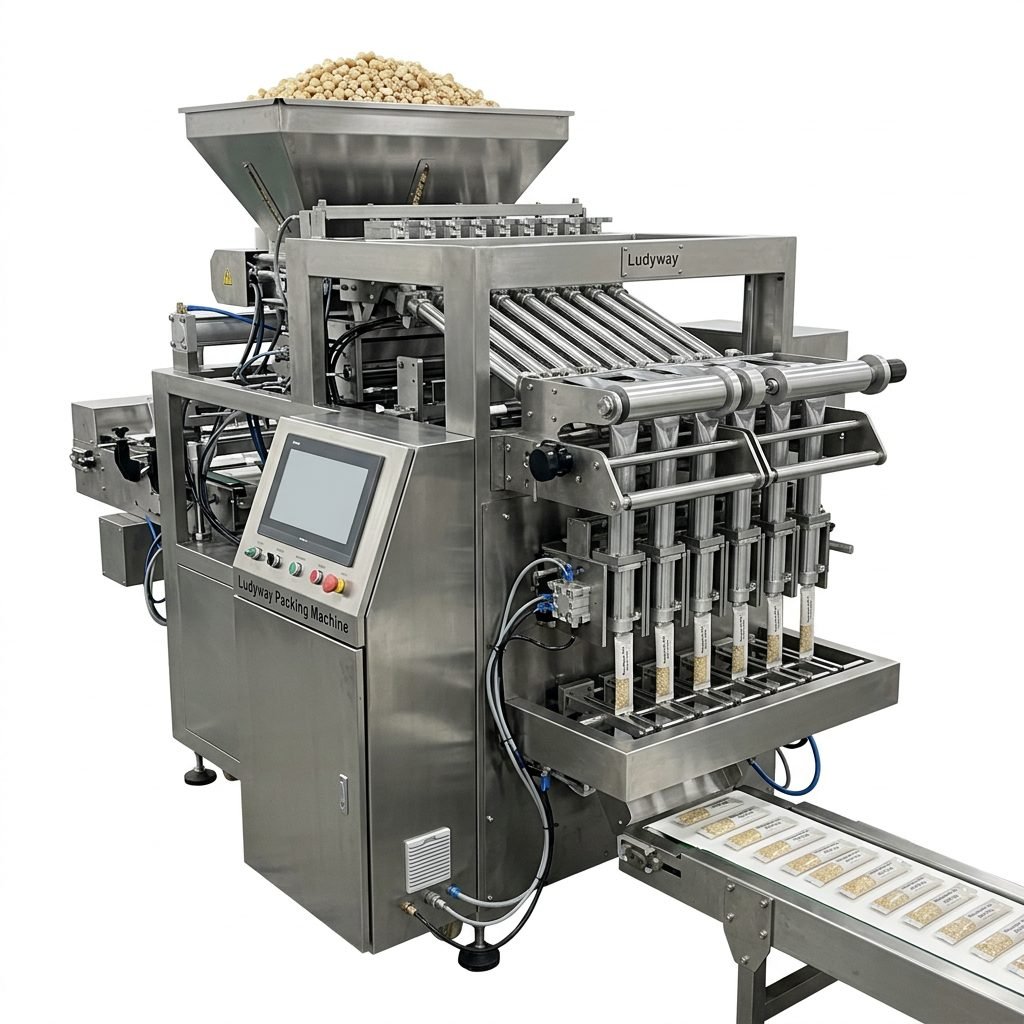
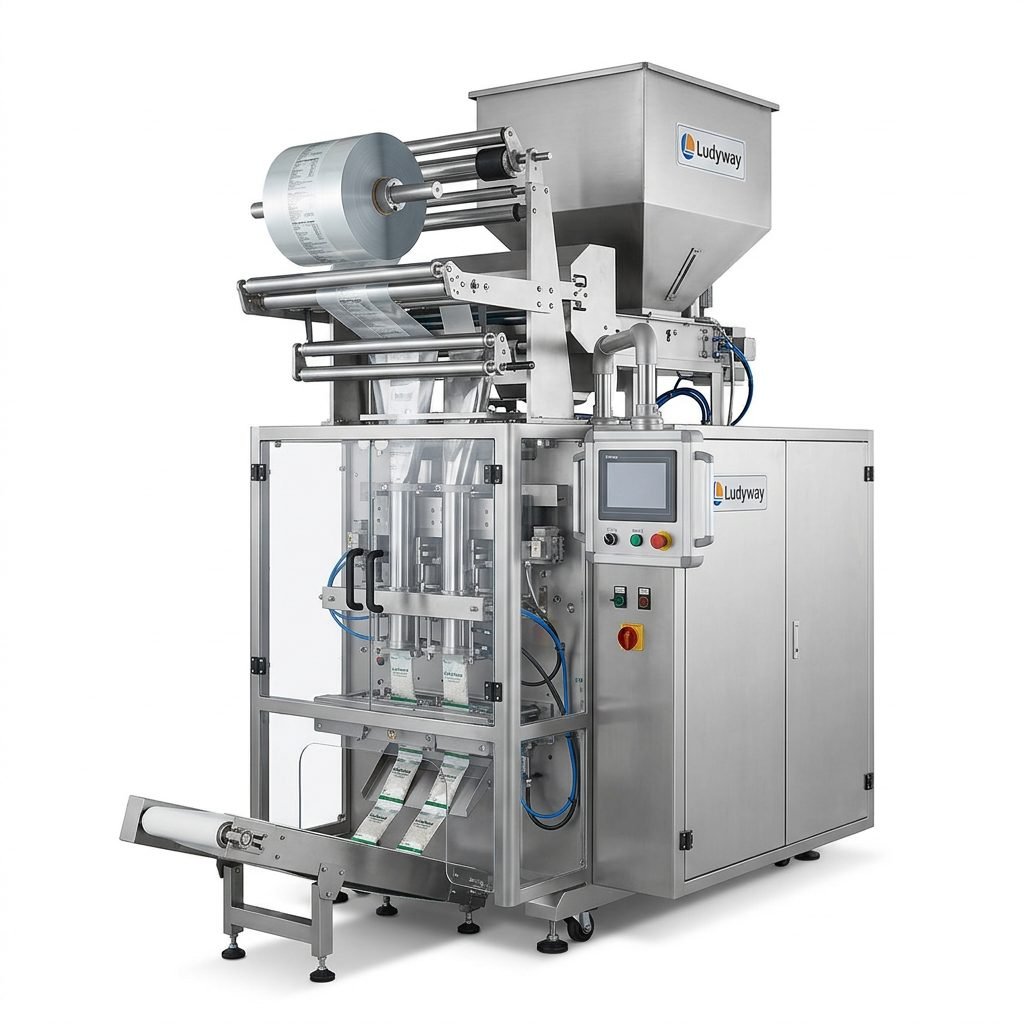
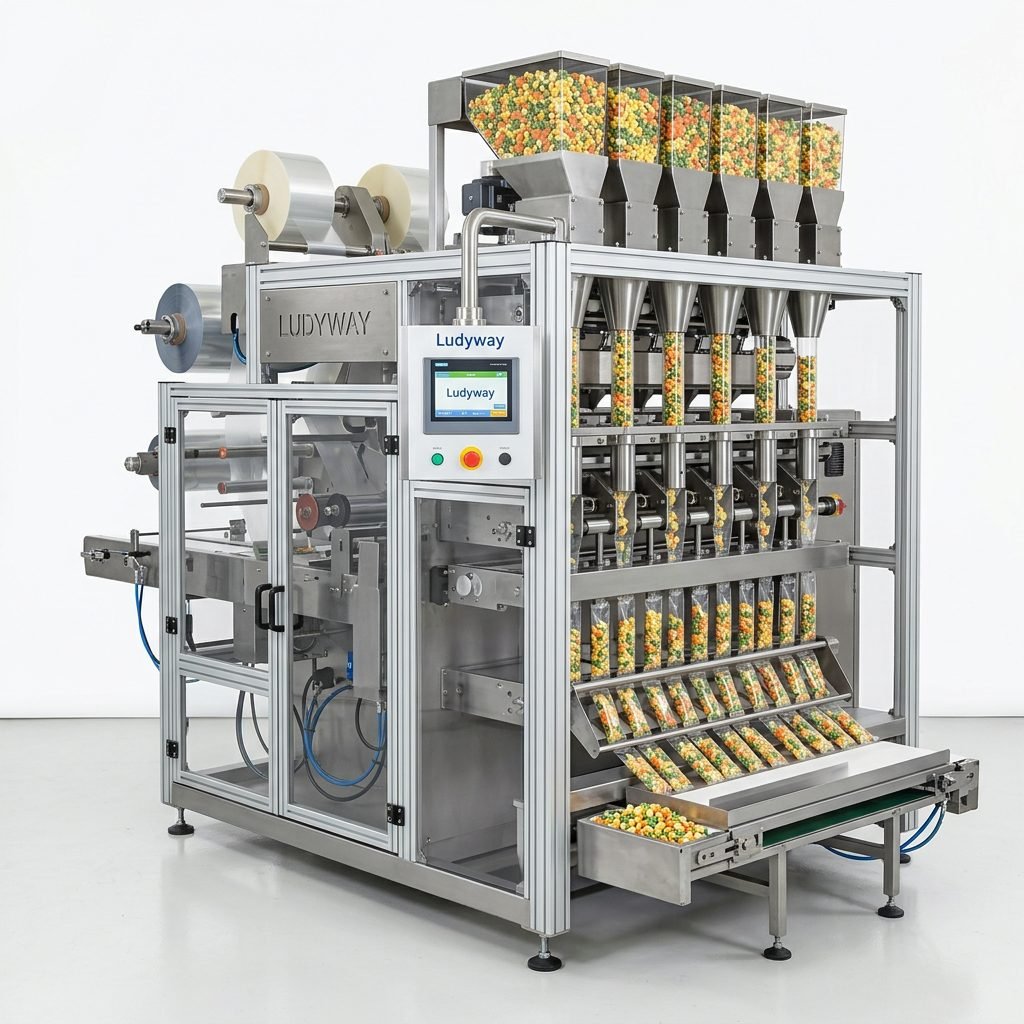
In today’s competitive manufacturing landscape, the design of your custom packaging machine is not just an engineering task—it’s a strategic investment. Creating an efficient and cost-effective automated packaging system requires a meticulous blend of technical foresight, operational understanding, and lifecycle planning. This guide delves into the core principles and actionable steps for designing a packaging system that maximizes throughput, minimizes waste, and delivers a compelling return on investment.
The Foundational Pillars of Efficient Machine Design
Efficiency in packaging automation transcends mere speed. It is a holistic measure of how well a system converts inputs (materials, energy, labor) into outputs (packaged product) with minimal loss. The design phase sets the trajectory for this efficiency.
1. Process Analysis and Bottleneck Identification
Before sketching a single component, conduct a thorough analysis of your entire packaging workflow. Map out every step, from product infeed to case sealing. Identify potential bottlenecks like manual hand-offs, inconsistent product feeding, or slow sealing cycles. A custom machine designed to eliminate or optimize these choke points is the first step toward a streamlined system.
2. Modularity and Future-Proofing
The most cost-effective design is one that can adapt. Opt for a modular architecture where components like feeders, scales, or sealing heads can be upgraded or reconfigured without replacing the entire machine. This approach protects your investment against changing product formats, market demands, or regulatory requirements.
Engineering for Cost-Effectiveness Across the Lifecycle
Cost-effectiveness is measured over the entire operational lifespan of the equipment, not just the initial purchase price. A well-designed machine reduces Total Cost of Ownership (TCO) through intelligent engineering choices.
Key Design Strategies for Lower TCO:
- Standardized Components: Where possible, use commercially available, high-quality industrial components (PLCs, motors, sensors). This simplifies maintenance, reduces spare part costs, and speeds up repairs.
- Ease of Maintenance & Accessibility: Design for easy access to wear parts and service points. Quick-change features for seals, filters, and tooling minimize downtime, which is a major hidden cost.
- Energy and Material Efficiency: Incorporate servo-drives for precise motion control that reduces energy consumption. Design sealing jaws and cutters to minimize film waste. Even a 2-3% reduction in material usage offers significant annual savings.
- Operator-Centric Design (HMI): An intuitive Human-Machine Interface with clear diagnostics and recipe management reduces operator training time and errors, enhancing overall equipment effectiveness (OEE).
The Integration Imperative: Building a Cohesive System
A packaging machine rarely operates in isolation. Its true efficiency is realized when it is seamlessly integrated into a larger production line. This requires careful planning during the design stage.
Consider communication protocols (e.g., Ethernet/IP, Profinet) to ensure the packaging machine can “talk” to upstream fillers and downstream case packers or palletizers. Design appropriate product accumulation and transfer mechanisms to handle flow variations. A system that is designed as an integrated node within your production network, rather than a standalone island, delivers superior synchronized performance. For insights into building complete, integrated lines, exploring resources on turnkey packaging solutions can be invaluable.
Partnering with the Right Expertise
The complexity of custom machine design makes choosing the right partner critical. Look for a supplier with proven experience in your specific industry, whether it’s food, pharmaceuticals, or chemicals. Their understanding of hygiene standards, material handling, and industry-specific challenges is irreplaceable.
A partner like Ludyway Machinery, with decades of focused experience, brings more than just engineering drawings. They bring practical insights into what works on the factory floor, helping to avoid common pitfalls and refine your design for real-world conditions. Evaluating a potential partner’s company history and project portfolio is a essential step.
Validation and Iteration: From Design to Reality
The design process should include clear milestones for validation. This often involves:
- 3D Simulation: Using CAD models to simulate machine operation and identify interferences or kinematic issues virtually.
- Factory Acceptance Testing (FAT): Witnessing the machine run under controlled conditions at the builder’s facility, using your actual or representative product and packaging materials.
- Pilot Runs: Conducting extended runs to test performance, reliability, and efficiency metrics against the initial design specifications.
This phased approach allows for adjustments before final installation, ensuring the delivered system meets your defined goals for efficiency and cost.
Frequently Asked Questions (FAQs)
1. What is the most common mistake in custom packaging machine design?
The most common mistake is under-specifying or over-specifying requirements. Being unclear about needed speed, product range, or future needs leads to a machine that is either inadequate from day one or unnecessarily complex and expensive. A thorough, documented User Requirement Specification (URS) is the essential first document.
2. How can I ensure my custom machine is hygienic and easy to clean?
Design for hygiene from the start. Specify materials like 304 or 316 stainless steel for product contact zones. Insist on smooth, radiused corners, minimized ledges, and quick-disconnect clamps for tooling. Ensure all areas are accessible for cleaning without tools. Discussing these requirements early with your packaging equipment expert is crucial.
3. What is the typical timeline from design to installation?
Timelines vary greatly based on complexity. A moderately complex custom system can take from 6 to 12 months, encompassing design, procurement, fabrication, assembly, testing, and shipping. Clear communication and timely client feedback during the design phase are key to keeping the project on schedule.
4. How do I balance cutting-edge technology with proven reliability?
Adopt a balanced approach. Use proven, reliable technologies for core functions (like mechanical drives or sealing principles) while integrating advanced controls and data acquisition systems for optimization and monitoring. This minimizes risk while gaining the benefits of modern automation and Industry 4.0 connectivity.
5. Can a custom machine handle multiple product types or package sizes?
Absolutely. This is a primary advantage of custom design. Changeover flexibility can be engineered through adjustable parts, quick-change tooling carts, and digital recipe management in the HMI. The key is to define the required changeover time and complexity during the design phase so the machine is built to achieve it.