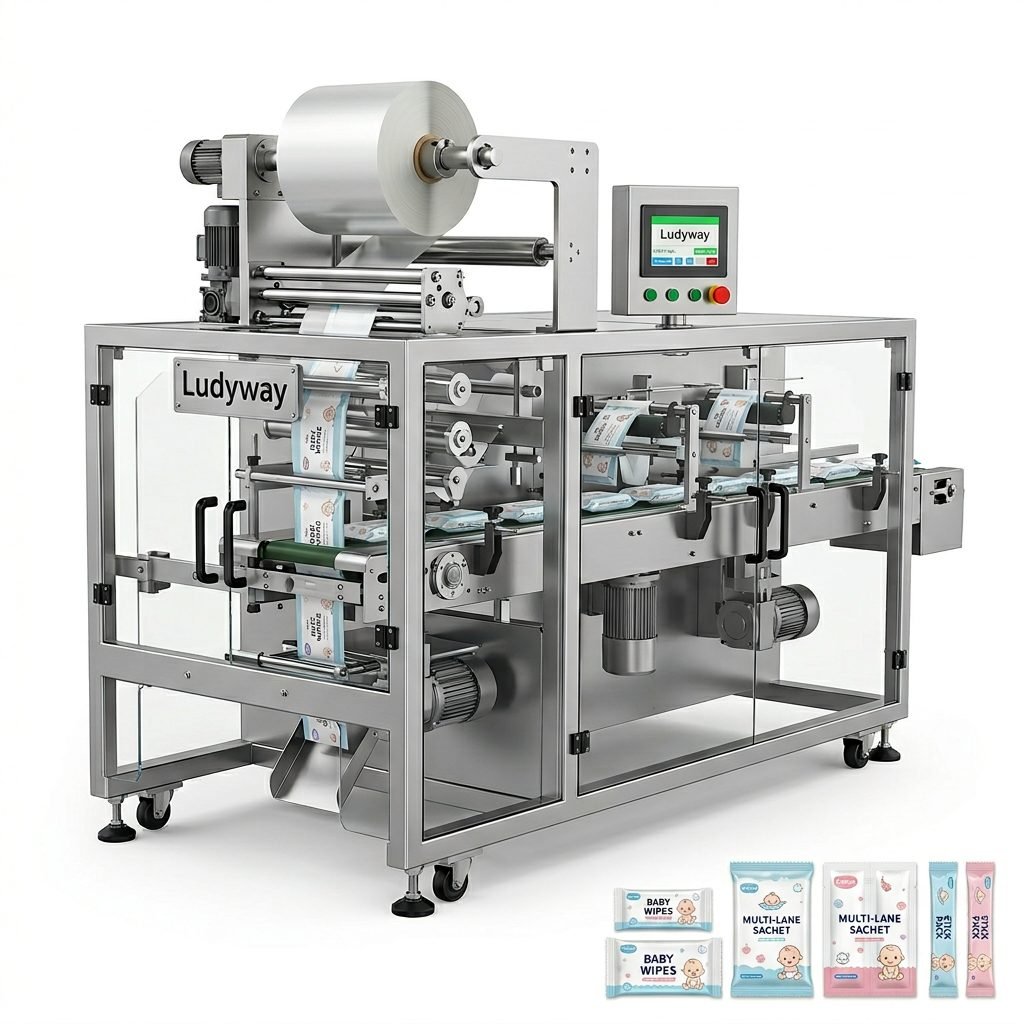
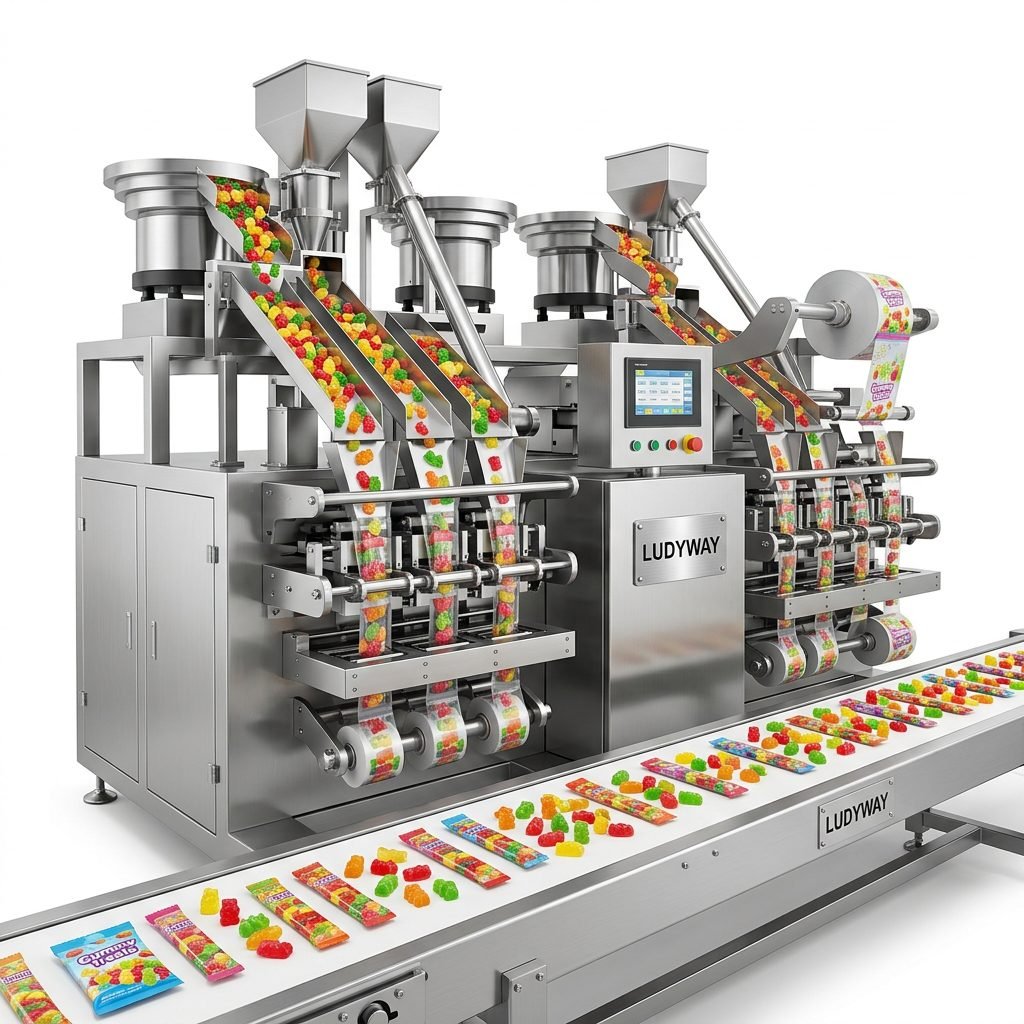
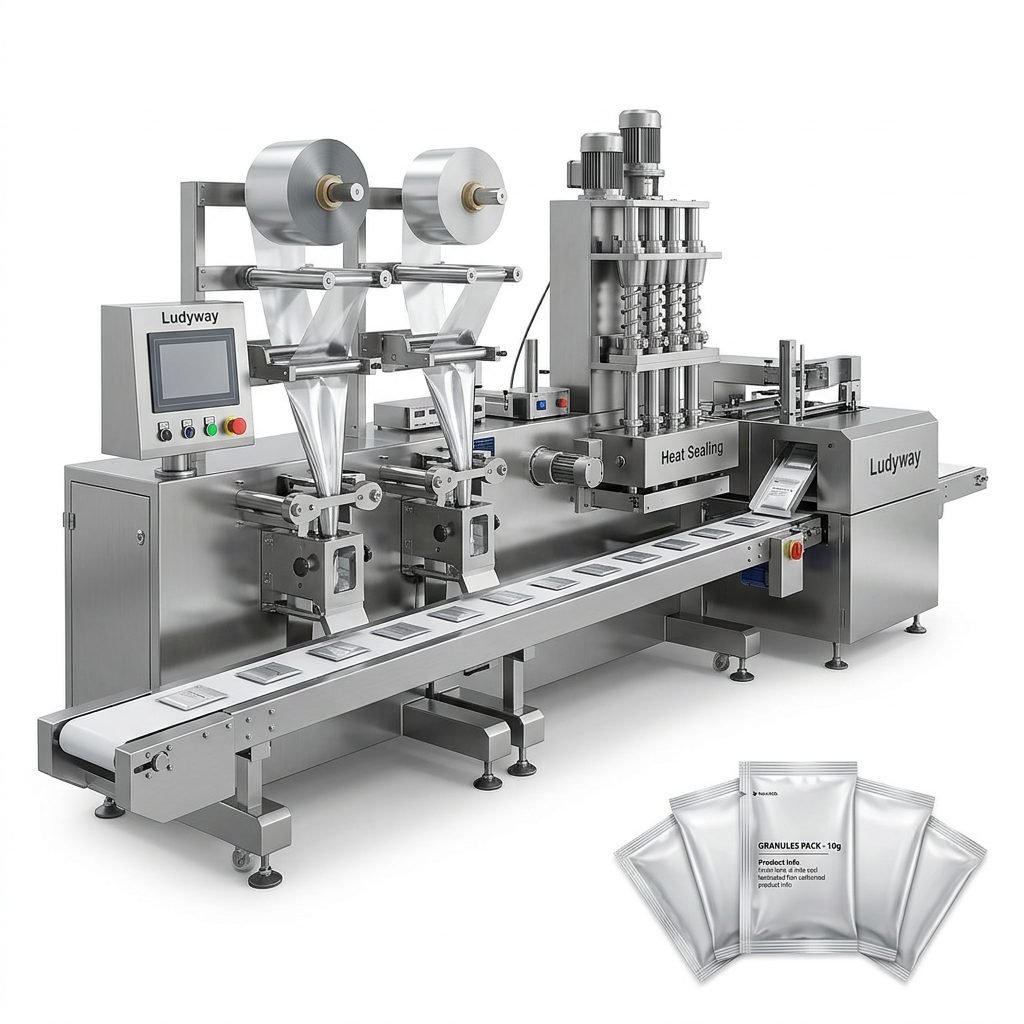
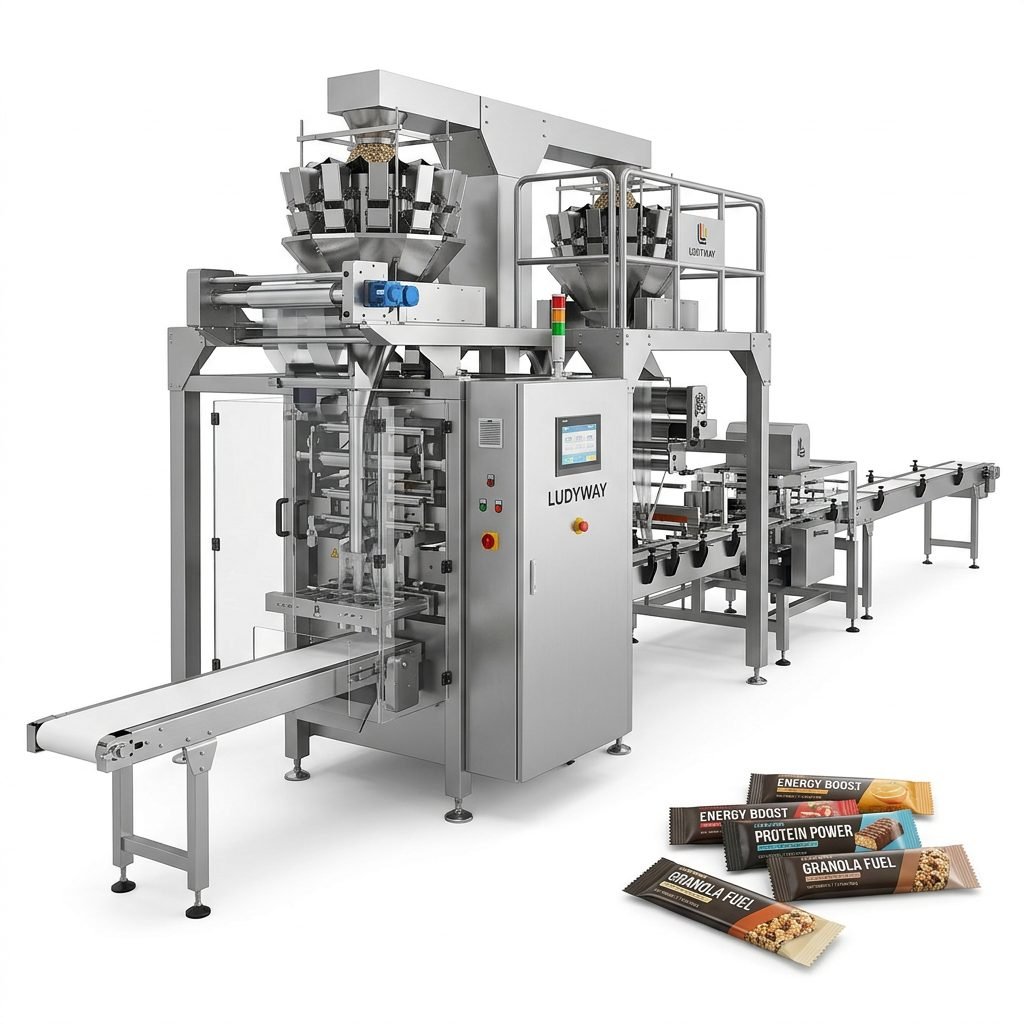
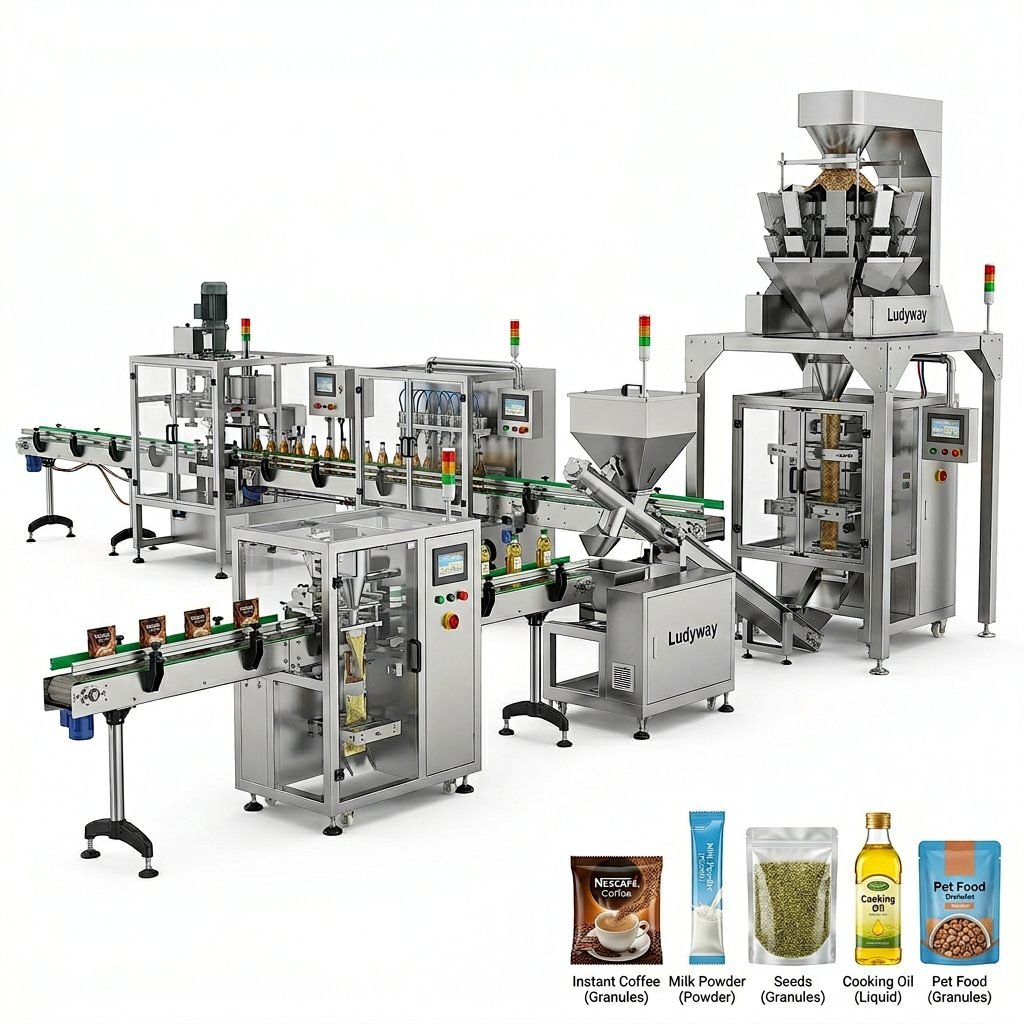
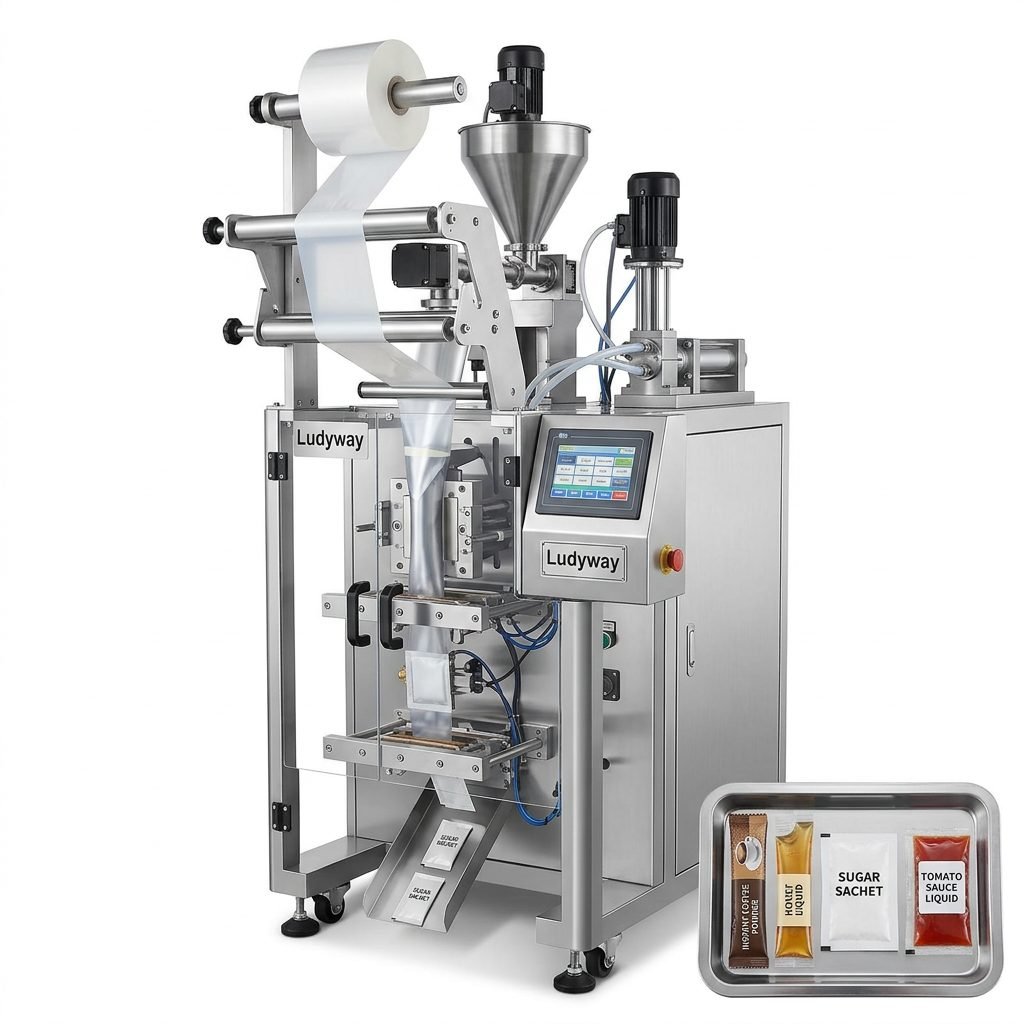
In the fast-paced world of modern manufacturing, efficiency, hygiene, and product integrity are paramount. Vertical Form Fill Seal (VFFS) packaging machinery stands as a cornerstone technology that meets these demands across numerous industries. This automated system forms bags from a roll of film, fills them with a precise amount of product, and seals them—all in a continuous vertical motion. Its versatility makes it indispensable for packaging a wide array of products, from food items like snacks and coffee to pharmaceuticals, chemicals, and hardware components.
Core Types of Vertical Form Fill Seal Machines
The VFFS landscape is diverse, with machines designed to handle different products and output requirements. Understanding the primary types is the first step in selecting the right equipment for your operation.
Single-Tube VFFS Machines
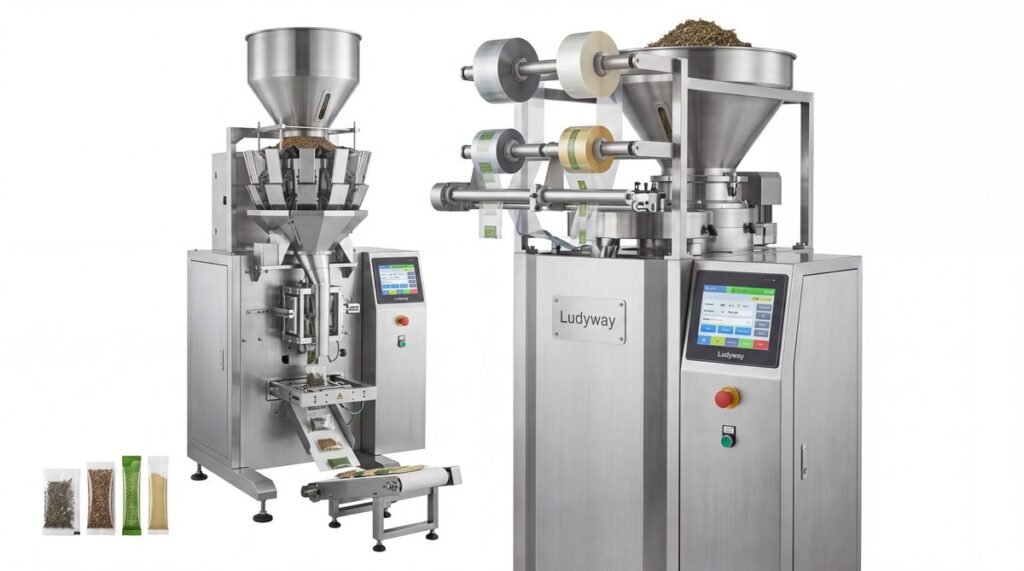
These are the most common and fundamental type, featuring one forming tube and one set of sealing jaws. Ideal for medium-speed production lines, they are cost-effective and perfect for packaging free-flowing products like granules, powders, and small solids. Their simplicity translates to easier maintenance and operator training.
Multi-Tube VFFS Machines
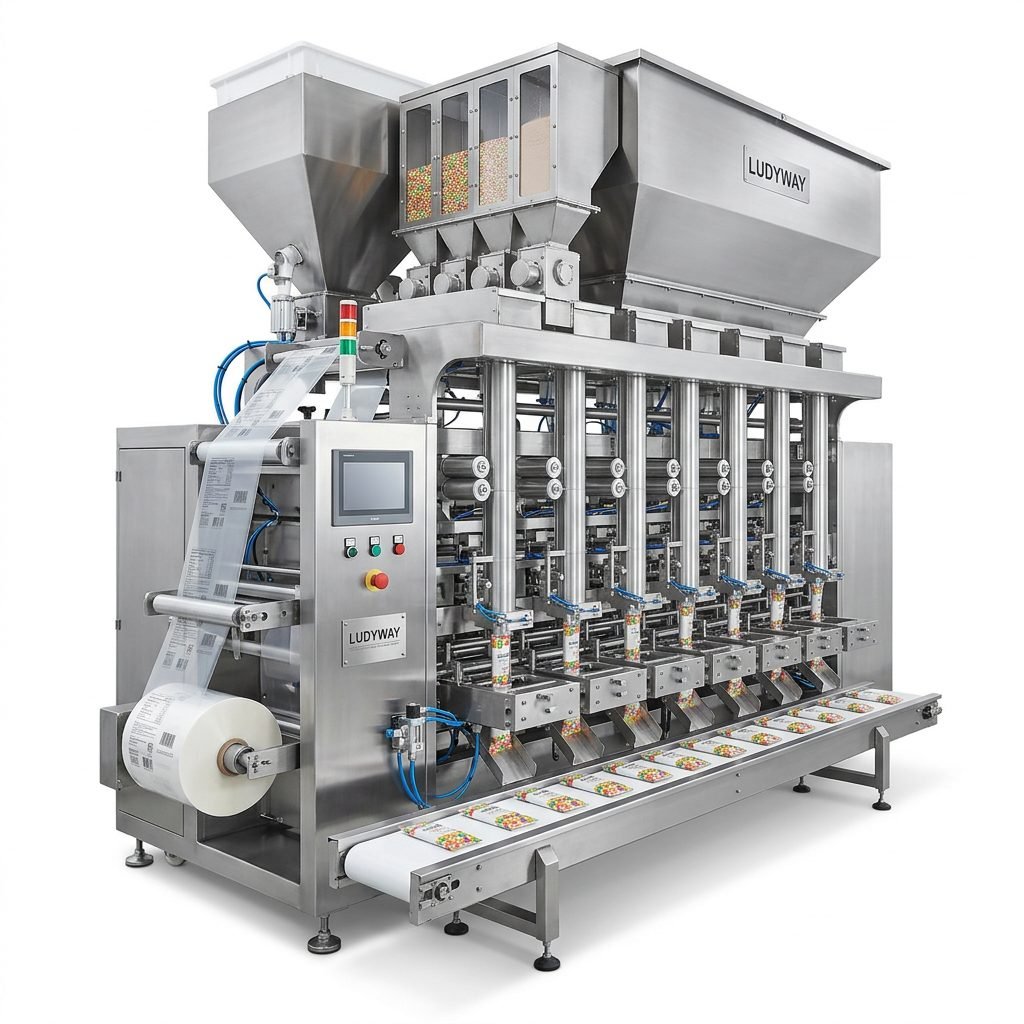
Designed for high-volume output, multi-tube machines incorporate multiple forming tubes (e.g., 2, 4, 8, or more) operating in parallel from a single film roll. This configuration dramatically increases production speed, making them essential for large-scale operations packaging items like candies, nuts, or powdered drink mixes. They represent a significant leap in productivity for businesses looking to scale.
Pouch Styles and Specialized Variants
Beyond the tube count, VFFS machines are categorized by the pouch style they create:
- Pillow Bags: The standard, three-side-sealed bag.
- Gusseted Bags: Feature expandable sides for bulky products.
- Stand-Up Pouches (Doypack): Include a bottom gusset for self-standing retail appeal.
- Quad-Seal Bags: Offer a brick-like shape with seals on all four sides for enhanced stability.
Specialized variants also exist, such as machines with integrated auger fillers for precise powder dosing or liquid fillers for sauces and oils.
How It Works: The VFFS Packaging Process
The operation of a VFFS machine is a marvel of synchronized engineering, typically broken down into four continuous stages.
Stage 1: Film Feeding & Forming
A roll of packaging film (laminate or polyethene) is mounted on the machine. The film is drawn over a series of tensioners and guides before being pulled downward over a forming collar and tube. This collar shapes the flat film into a continuous, vertical cylinder around the filling tube.
Stage 2: Longitudinal Sealing
As the film travels down, a vertical back seal is created. This is often done by a heated sealing bar that fuses the overlapping edges of the film together, forming the back seam of the future pouch.
Stage 3: Cross Sealing & Filling
This is the heart of the cycle. A pair of horizontal sealing jaws close simultaneously. Their dual action is crucial: the top of the jaws seals the bottom of the bag being created above them, while the bottom of the jaws seals the top of the previously filled bag below. Between these sealing actions, the product is discharged through the center tube into the open pouch. The jaws then separate, and the completed bag is cut off and discharged.
Stage 4: Bag Discharge
The finished, sealed bag drops onto a conveyor or collection chute, ready for boxing, case packing, or palletizing. Modern machines often integrate checkweighers or metal detectors at this stage for quality control.
Key Applications Across Global Industries
The adaptability of VFFS technology makes it a global workhorse. Its applications are vast and critical to supply chains worldwide.
Food & Beverage Industry
This is the largest application sector. VFFS machines package everything from snacks, pasta, and rice to coffee, sugar, and spices. They handle both dry and liquid products, ensuring freshness and extending shelf life with gas flushing options. The speed and hygiene of VFFS are essential for meeting the high-volume, safety-conscious demands of this industry.
Pharmaceutical & Healthcare
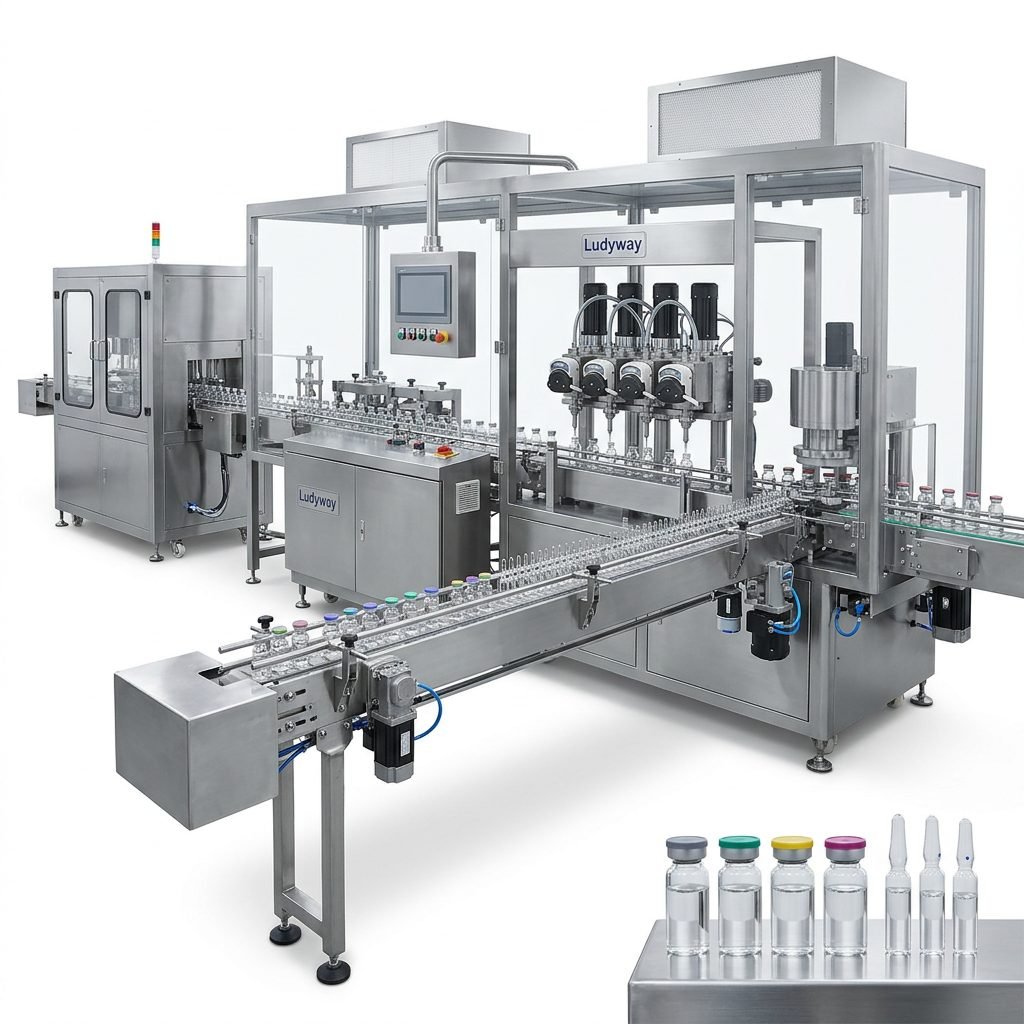
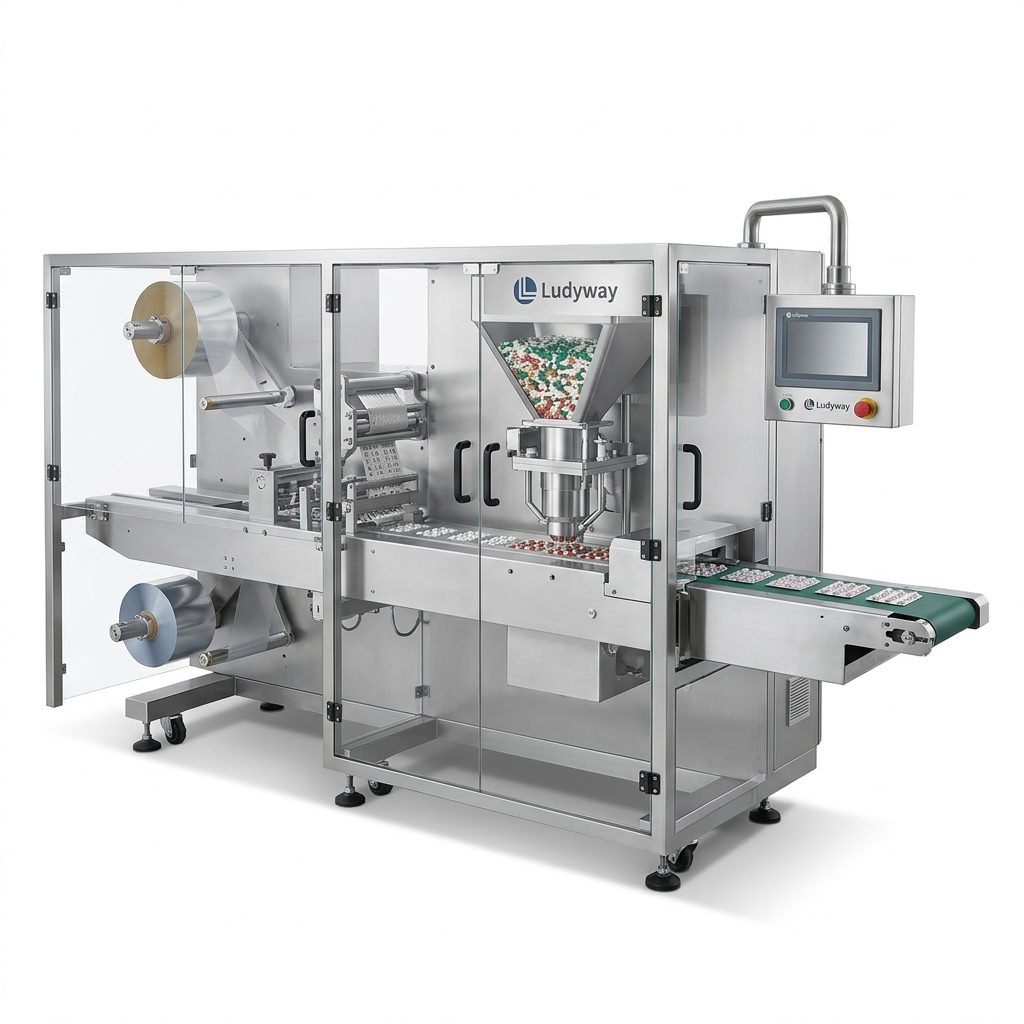
Precision and cleanliness are non-negotiable here. VFFS machines, often constructed with stainless steel and housed in cleanroom-compatible designs, package powders, tablets, and medical components. They provide accurate dosing and hermetic seals that protect product sterility and potency, complying with stringent Good Manufacturing Practice (GMP) standards.
Chemical & Agricultural
From detergents and pool chemicals to fertilizers and seeds, VFFS systems package a range of non-food items. They are built with materials resistant to corrosion and equipped with filling systems that handle abrasive or hazardous materials safely and efficiently.
Hardware & Industrial Parts
Small hardware items like screws, nails, and electrical components are often packaged in clear VFFS pouches for retail display and inventory control. The machine’s ability to count and bag small parts accurately adds significant value in these sectors.
Essential Buying Guide: Choosing Your VFFS Machine
Investing in a VFFS machine is a significant decision. Here are the critical factors to consider to ensure you select a machine that delivers a strong return on investment.
1. Define Your Product & Packaging Needs
Start with your product characteristics: Is it free-flowing, sticky, abrasive, or fragile? What is your target bag size and style? Your answers will dictate the required type of filler (auger, volumetric cup, weigh scale), film specifications, and sealing jaw design.
2. Determine Required Production Speed (Bags/Minute)
Calculate your current and future output needs. A single-tube machine may suffice for 60-120 bags per minute, but for outputs exceeding 200 bags per minute, a multi-tube system becomes necessary. Always plan for some growth capacity.
3. Evaluate Machine Construction & Reliability
Look for robust frames, high-quality servo motors, and durable sealing jaws. Stainless steel contact parts are vital for food and pharmaceutical use. The machine’s reputation for uptime and longevity is as important as the initial price.
4. Assess Control System & Ease of Use
A modern, user-friendly PLC-based touchscreen interface is essential. It should allow for easy recipe storage, quick changeovers, and provide clear diagnostic information. This reduces training time and minimizes downtime during product switches.
5. Consider Supplier Support & Service
The manufacturer’s or supplier’s support network is critical. Ensure they offer comprehensive installation, training, readily available spare parts, and responsive technical support. A reliable partner like Ludyway Machinery, with deep industry experience, can safeguard your production continuity and help optimize your packaging line over its entire lifecycle. Exploring their range of packaging solutions can provide valuable insights into available technologies.
6. Plan for Integration & Future-Proofing
Consider how the machine will integrate with your existing upstream (e.g., feeders) and downstream (e.g., conveyors, checkweighers) equipment. Opt for a machine with the communication protocols (e.g., Ethernet/IP) to fit into a smart factory environment. Also, inquire about the potential for future upgrades.
Conclusion
Vertical Form Fill Seal packaging machinery is a dynamic and essential technology that drives efficiency, consistency, and brand presentation across the globe. From understanding the different machine types and their intricate working principles to recognizing their vast applications, it’s clear that this technology is a key investment for modern production. By carefully considering your product needs, output goals, and partnering with a knowledgeable supplier who offers robust machines and strong after-sales support, you can implement a VFFS system that becomes a reliable engine for your business growth and success. For further guidance on implementing such systems, reviewing case studies and expert consultations is highly recommended.
Frequently Asked Questions (FAQs)
What types of packaging film can a VFFS machine use?
VFFS machines are highly versatile and can run various films, including polyethylene (PE), polypropylene (PP), metallized laminates, and paper-based composites. The choice depends on the product’s barrier requirements (moisture, oxygen, light), desired shelf life, and machinability. Your machine supplier can recommend the best film for your specific application.
How difficult is it to change over a VFFS machine to a different bag size?
Changeover complexity varies by machine design. Modern, servo-driven machines allow for “tool-less” or quick-changeover setups where bag length and width can be input directly into the touchscreen, and mechanical adjustments are minimal. This can reduce changeover time to just a few minutes, enhancing flexibility for short production runs.
What is the typical maintenance required for a VFFS machine?
Regular maintenance is key to longevity. Daily tasks include cleaning dust and debris, especially from sealing jaws and film paths. Weekly or monthly checks involve lubricating moving parts (with food-grade oil if applicable), inspecting and cleaning the film feeding system, and checking the tightness of belts and chains. An annual professional service check is also advisable.
Can a VFFS machine handle liquid or viscous products?
Yes, absolutely. Specialized VFFS machines are equipped with liquid pumps (e.g., piston pumps) and often use pre-made spouts or fitments for a secure, leak-proof seal. These systems are ideal for packaging sauces, oils, shampoos, and lotions into stand-up or flat pouches.
What safety features should I look for in a VFFS machine?
Essential safety features include emergency stop buttons at multiple points, protective guarding around moving parts like the sealing jaws and film pull belts, safety interlocks that prevent operation when guards are open, and thermal overload protection for heating elements. A machine compliant with international safety standards (e.g., CE) is a must.