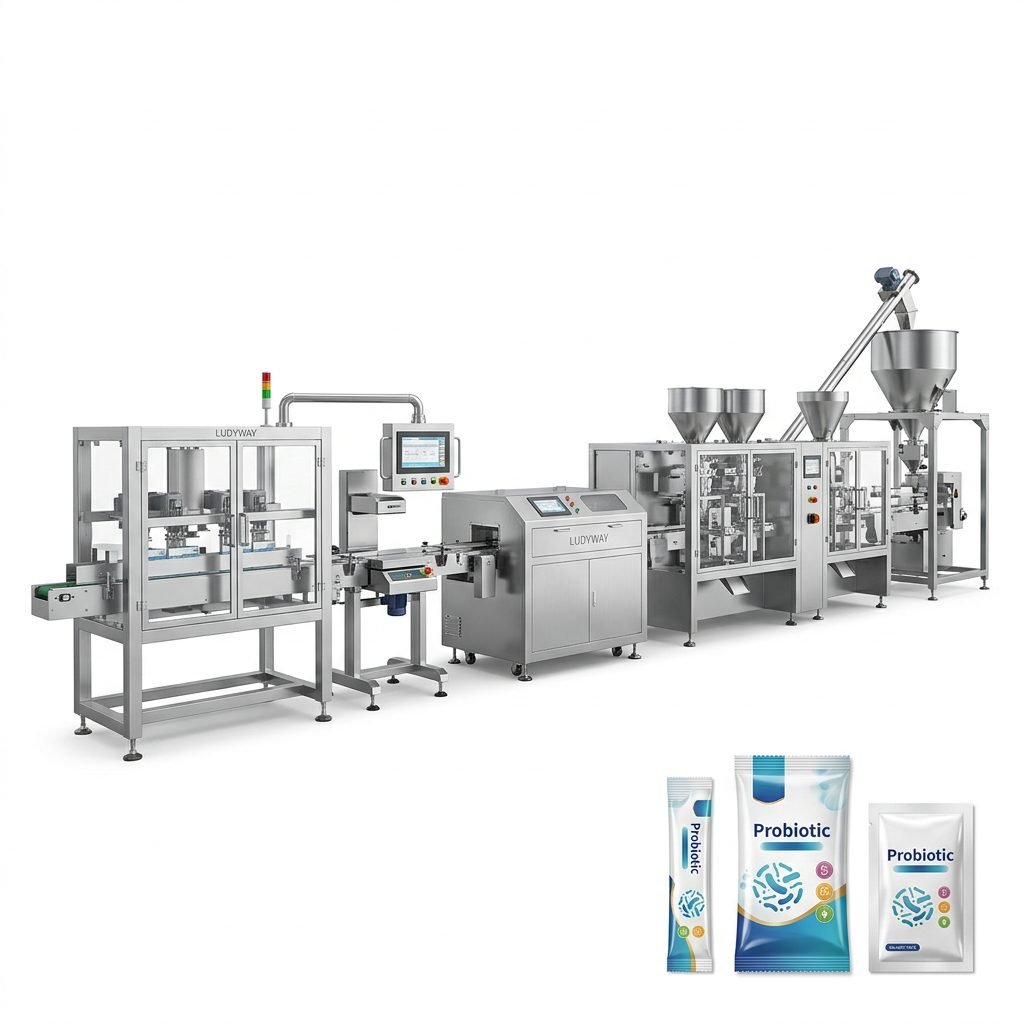
Choosing a home automatic packing machine is not simply about buying the cheapest model or the fastest unit on paper. The right machine should match your product type, packaging format, daily output, available space, and future business goals. Whether you run a small food business, a home-based supplement brand, a cosmetic startup, or a specialty powder operation, the right equipment can help you improve consistency, reduce manual labor, and package products more efficiently.
This guide explains what to look for, which features matter most, and how to compare machines before making an investment.
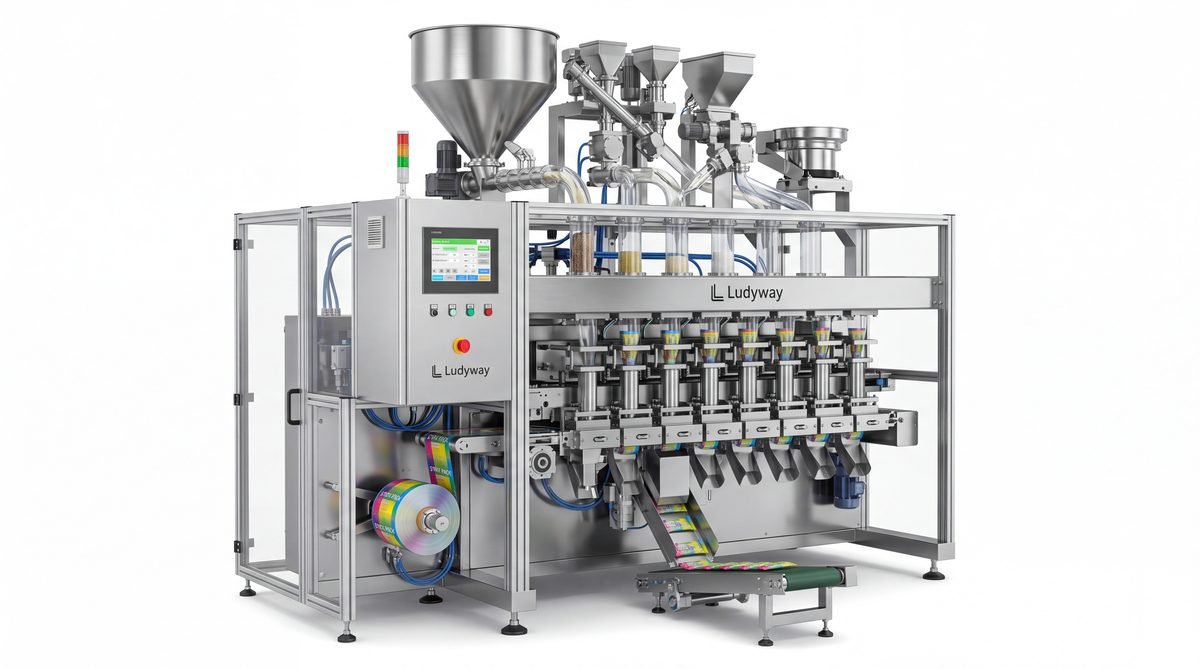
Why Home Automatic Packing Machines Are Growing in Demand
More small businesses now package products from home or small workshops. Consumers also expect better-looking packs, improved hygiene, accurate filling, and tamper-resistant sealing. As a result, automatic or semi-automatic packing equipment has become an important tool for:
- Home-based food sellers
- Nutritional supplement startups
- Cosmetic sample and sachet producers
- Tea, coffee, spice, and powder brands
- Pet treat and pet nutrition businesses
- Small-scale e-commerce packaging operations
A well-chosen machine can help you achieve higher packaging speed, better sealing quality, and more stable output without needing a large factory setup.
Start by Defining Your Packaging Needs
Before comparing models, define exactly what you need the machine to do. Many buyers make mistakes because they shop by machine appearance instead of actual packaging requirements.
Key questions to answer
- What product are you packing: powder, granules, liquid, paste, tablets, or small parts?
- What bag type do you need: sachet, stick pack, pouch, pillow bag, or premade pouch?
- How many packs do you need per hour or per day?
- What filling accuracy is acceptable?
- Do you need date coding, nitrogen flushing, counting, labeling, or cartoning later?
- How much installation space is available at home or in your workshop?
- What is your budget for purchase, operation, and maintenance?
These answers will quickly narrow down the machine category that fits your business.
Choose the Right Machine Based on Product Type
Different materials require different feeding, dosing, and sealing systems. A machine that works well for coffee powder may not work properly for oil, cream, or irregular granules.
| Product Type | Recommended Filling System | Typical Use |
|---|---|---|
| Powders | Auger filler | Protein, spices, coffee, milk powder |
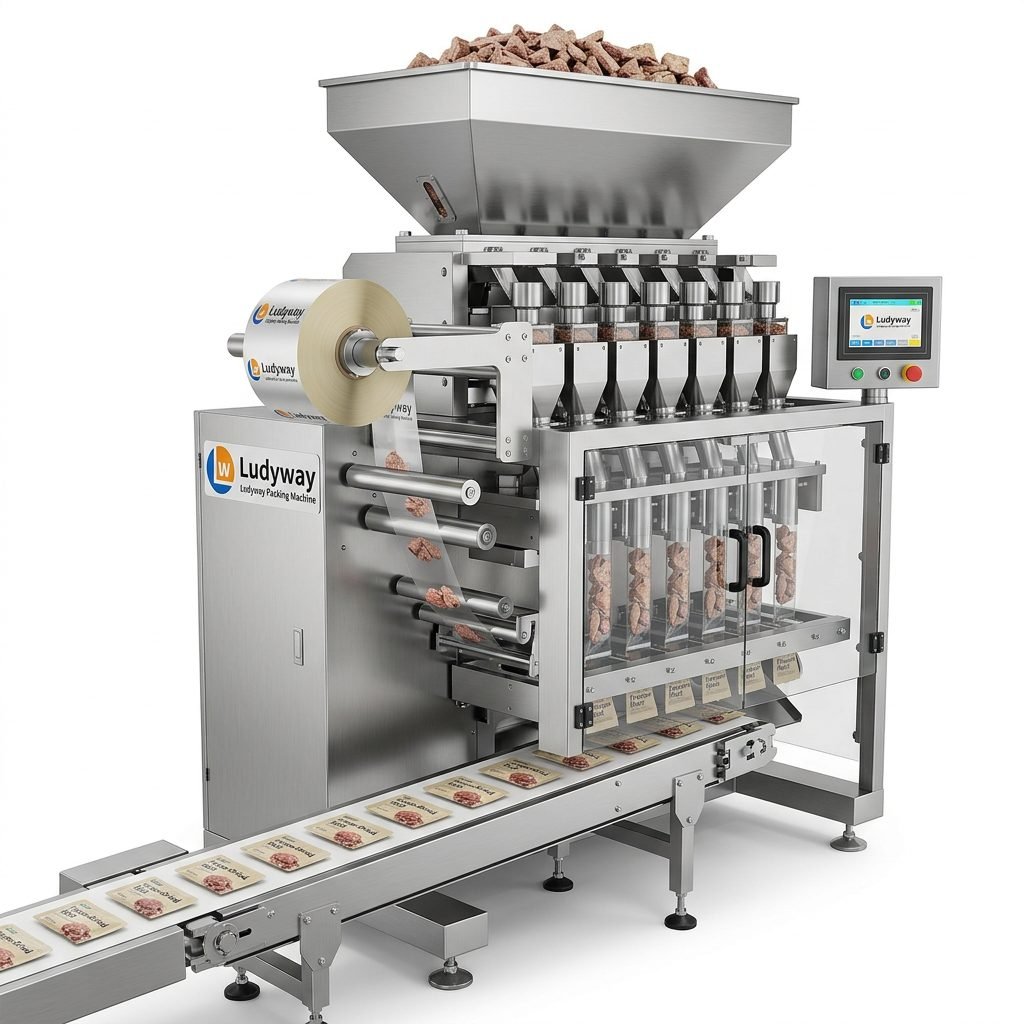
| Granules | Volumetric cup or weighing system | Seeds, sugar, snacks, pet treats |
| Liquids | Pump or piston filler | Sauces, oils, detergent, serum |
| Pastes / Creams | Piston pump | Cream, gel, lotion, honey |
| Tablets / Capsules | Counting system | Pharma and nutraceutical packaging |
If your product range may expand in the future, choose a system with some flexibility. This is especially useful for growing brands that plan to launch different SKUs later.
Important Features to Compare Before Buying
1. Automation level
For home operations, you may choose between semi-automatic and fully automatic options.
- Semi-automatic: lower cost, more manual involvement, suitable for low-volume startups
- Fully automatic: faster, more consistent, better for scaling output and reducing labor
2. Output speed
Do not focus only on maximum speed claims. Check the stable running speed under your actual product conditions. Some machines look fast during demonstrations but slow down when handling sticky, dusty, or uneven materials.
3. Filling accuracy
Accuracy affects product cost, customer satisfaction, and compliance. This matters especially for supplements, pharmaceuticals, premium foods, and small-dose sachets.
4. Seal quality
Poor sealing creates leaks, moisture damage, contamination risk, and product returns. Look for reliable temperature control, clean seal edges, and compatibility with your packaging film.
5. Machine footprint
Home and small workshop users usually have limited space. Compact vertical or tabletop systems are often more practical than large line configurations.
6. Ease of cleaning
If you package food, cosmetics, or supplements, hygiene is essential. Smooth contact surfaces, quick disassembly, and easy-access parts can save a lot of cleaning time.
7. Material compatibility
Always confirm that the machine supports the packaging material you intend to use, such as laminated film, aluminum foil film, or heat-sealable plastic structures.
8. Expandability
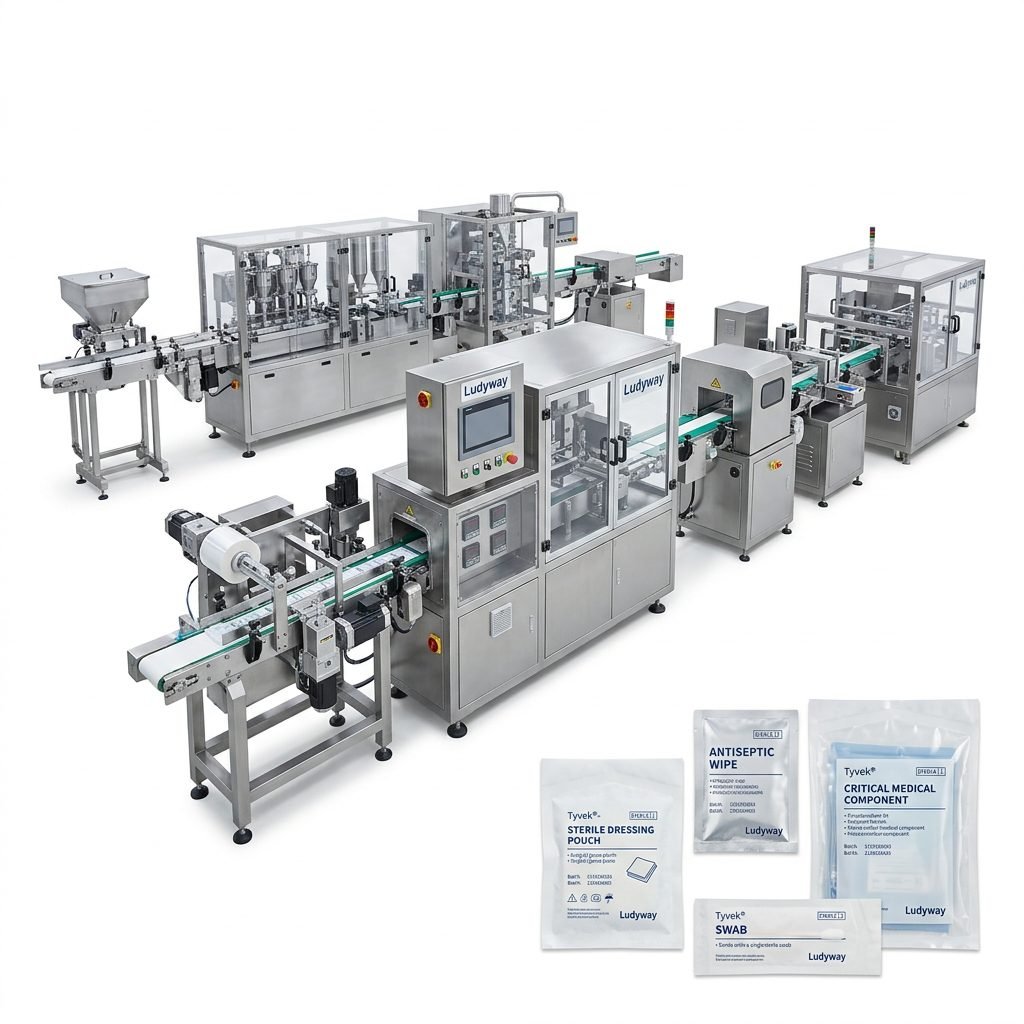
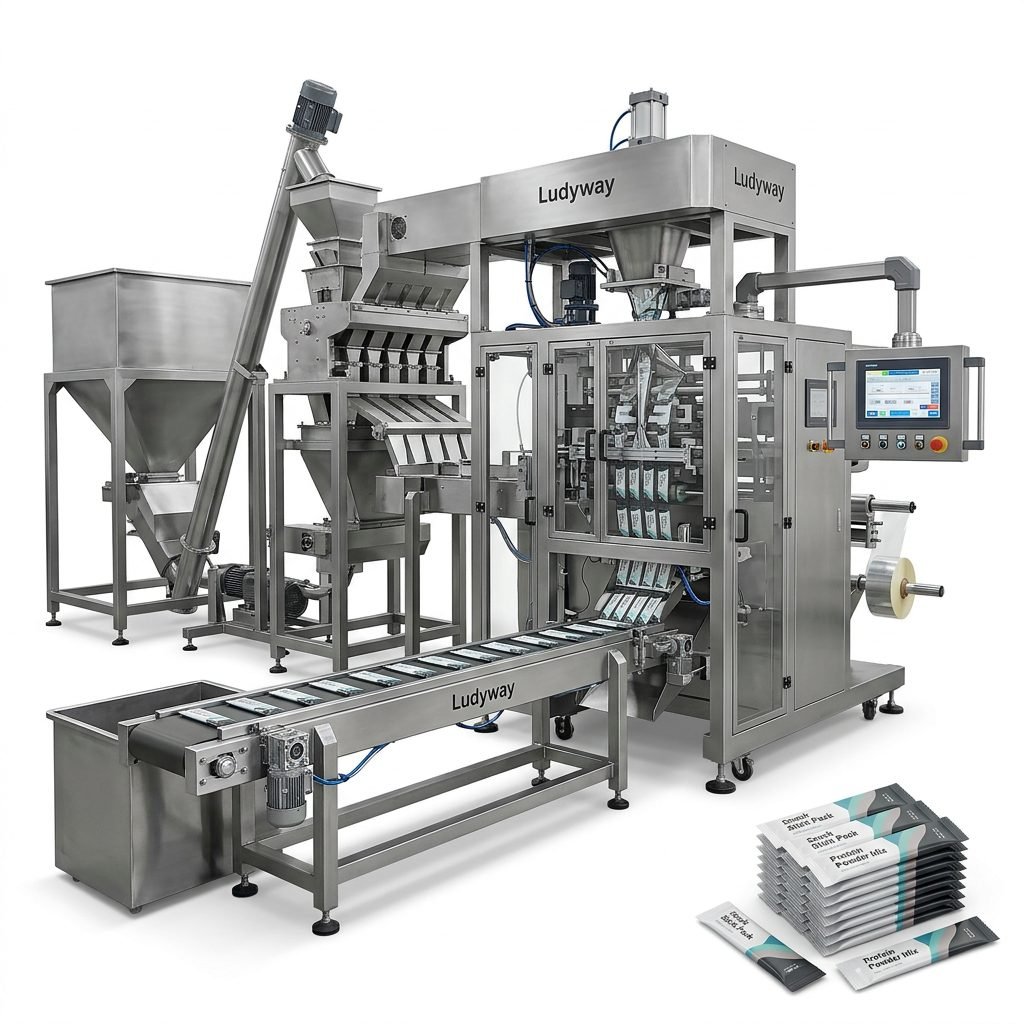
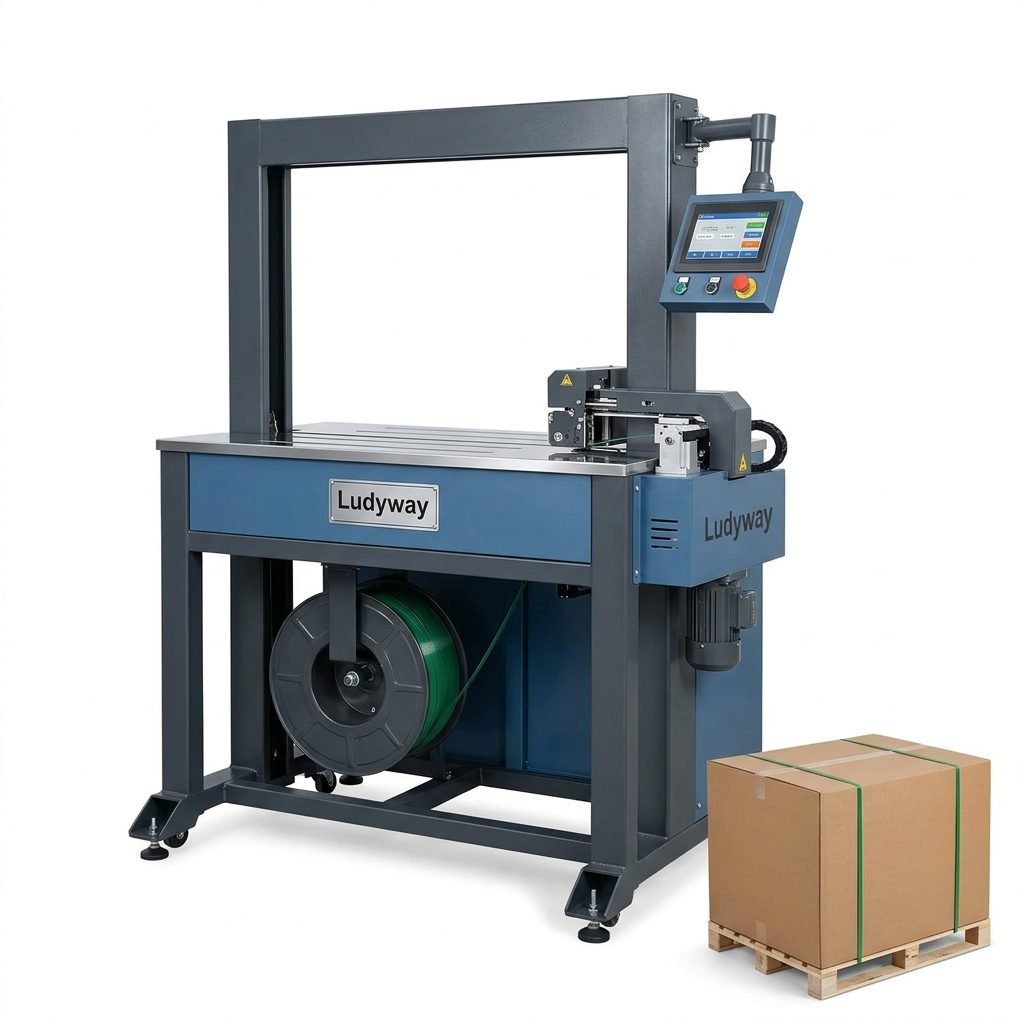
A good packing machine should support future upgrades such as conveyors, feeders, coding devices, checkweighers, cartoners, or integrated packaging lines.
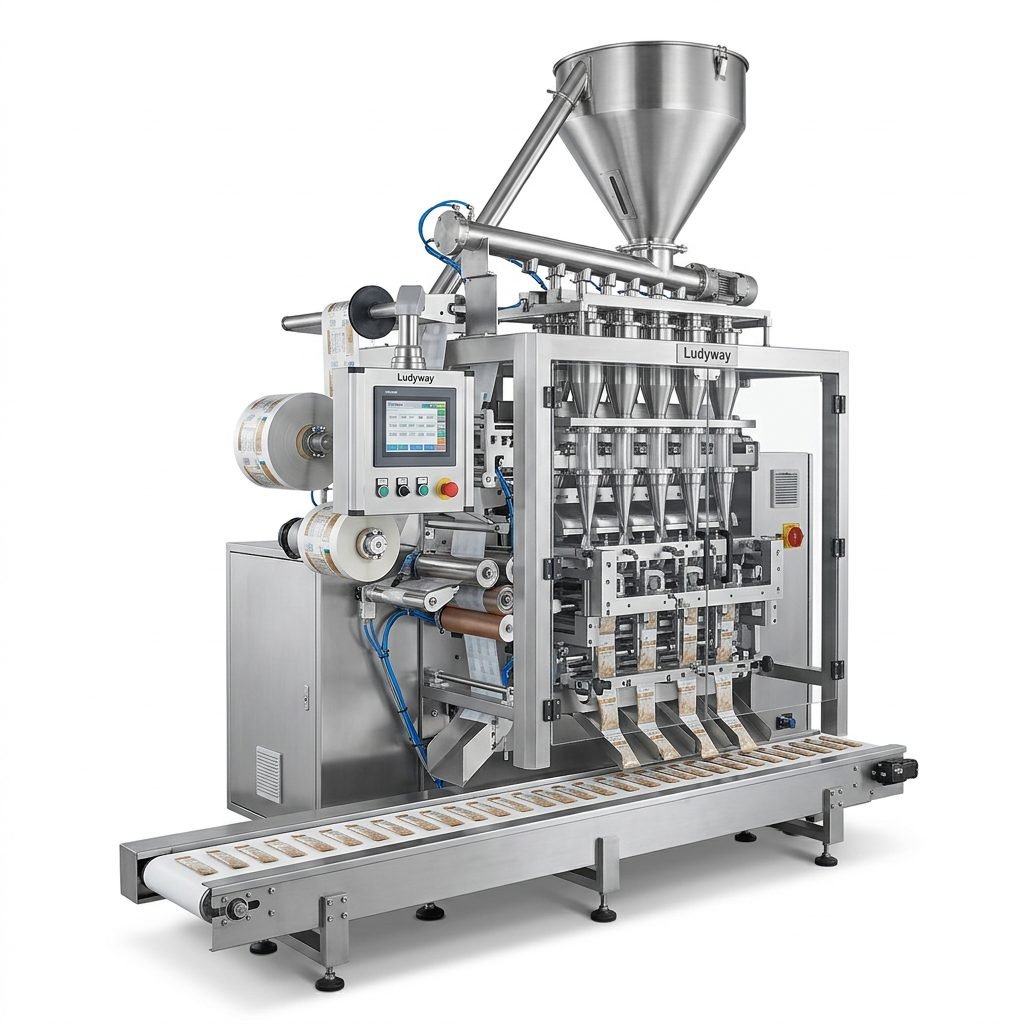
How to Match Machine Type to Packaging Format
The packaging style you choose affects machine design, cost, speed, and finished product presentation.
Common formats for home and small business packaging
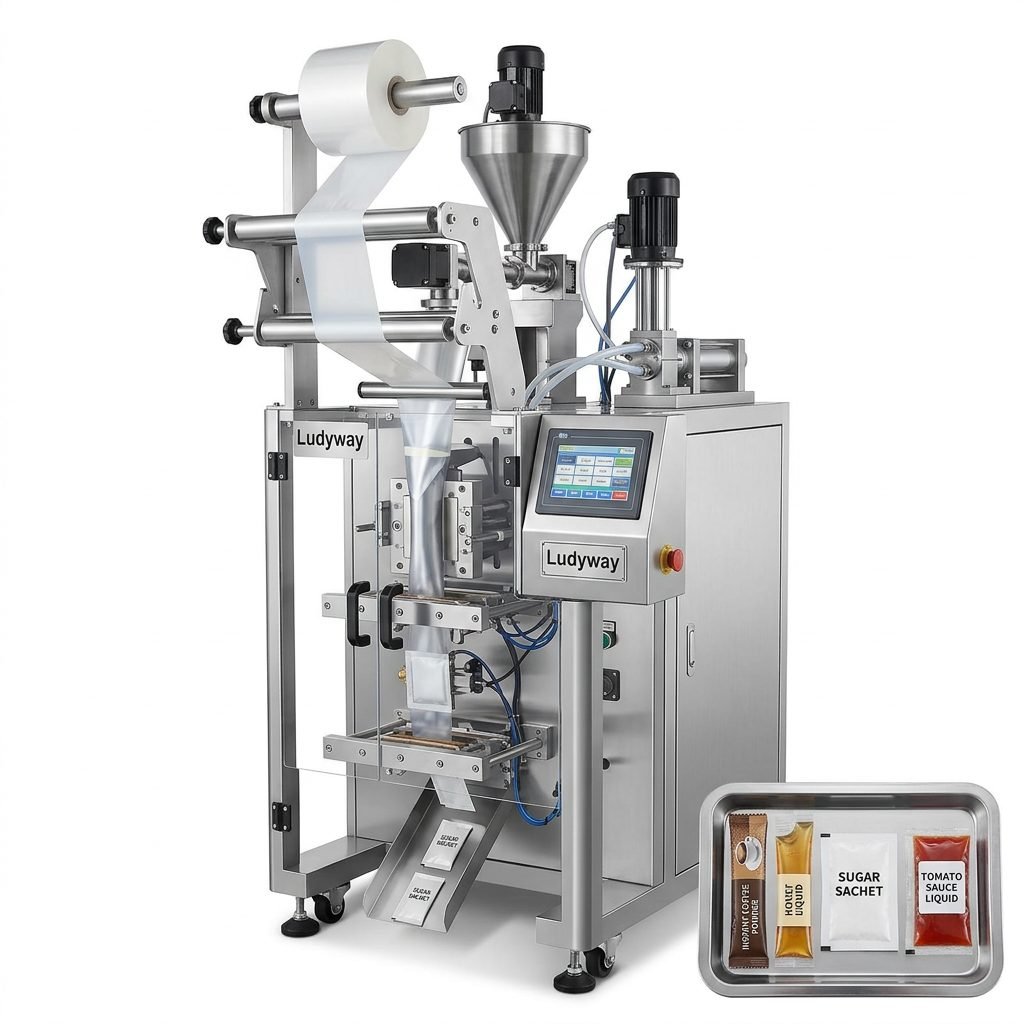
- Sachets: ideal for single-use powders, liquids, creams, condiments, and samples
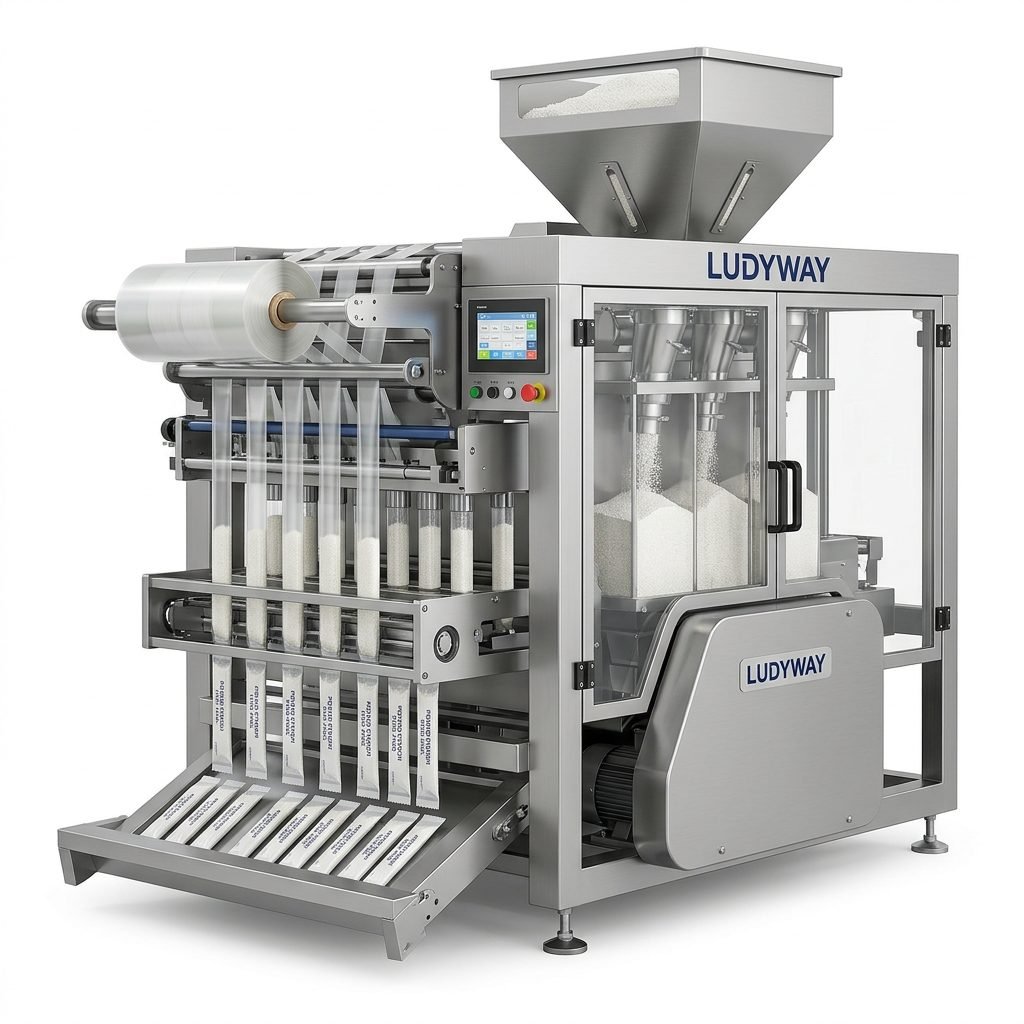
- Stick packs: popular for drink powders, supplements, sweeteners, and portable nutrition products
- Pouches: suitable for snacks, coffee, pet food, and premium consumer goods
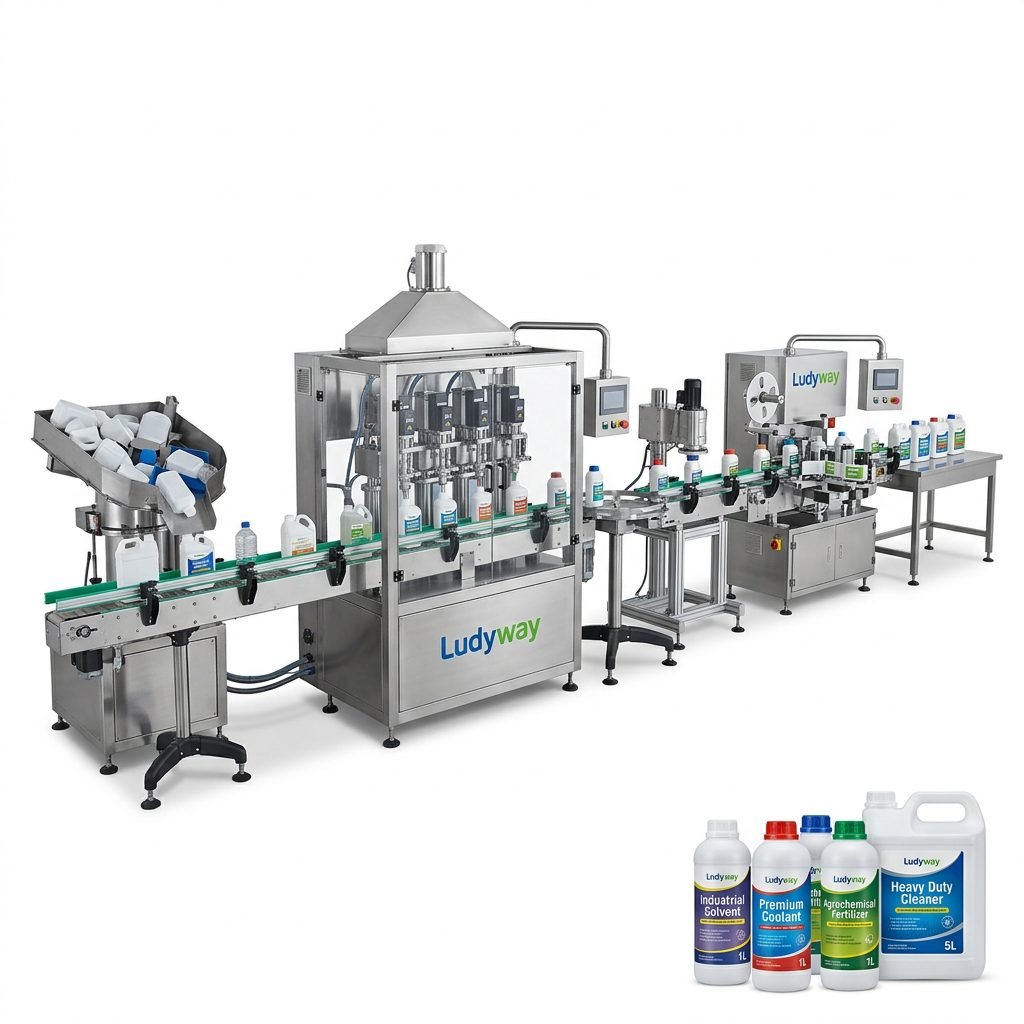
- Bottle filling systems: better for liquids, capsules, and tablets when brand presentation is important
For many startup brands, sachet and stick pack machines offer an excellent balance between compact size, professional appearance, and efficient packaging speed.
Signs of a Good Home Automatic Packing Machine
A high-quality machine should not only run, but run reliably over time. Here are some signs to watch for:
- Stable film pulling and bag forming
- Consistent bag length and neat cutting
- Low product waste during startup and operation
- Simple control panel and parameter adjustment
- Durable contact parts and clean mechanical structure
- Available spare parts and technical support
- Clear manuals, videos, and after-sales guidance
Common Buying Mistakes to Avoid
Many first-time buyers choose the wrong machine because they focus too much on price or a single performance metric. Avoid these mistakes:
- Buying a machine without product testing
- Ignoring filling accuracy and seal quality
- Choosing speed over reliability
- Forgetting about maintenance access and cleaning
- Not checking local voltage and power compatibility
- Underestimating the need for future upgrades
- Working with suppliers that lack export or support experience
Home Use vs Small Commercial Use
Not every “home” packing machine is truly suitable for long working hours. Some are designed only for light-duty usage, while others can support small commercial production.
| Application | Recommended Choice | Reason |
|---|---|---|
| Occasional packaging | Compact semi-automatic machine | Lower cost and simple operation |
| Daily small-batch orders | Entry-level automatic machine | Better consistency and labor savings |
| Growing online brand | Scalable automatic system | Supports higher output and future upgrades |
| Professional small factory | Integrated line solution | Higher efficiency and process automation |
What to Ask a Supplier Before You Order
A reliable supplier should answer technical questions clearly and provide practical support. Before placing an order, ask for:
- Machine recommendation based on your product sample
- Packaging speed range under real production conditions
- Filling accuracy tolerance
- Supported bag sizes and film types
- Voltage customization for your country
- Installation, training, and maintenance support
- Spare parts lead time
- Video proof of trial running with similar materials
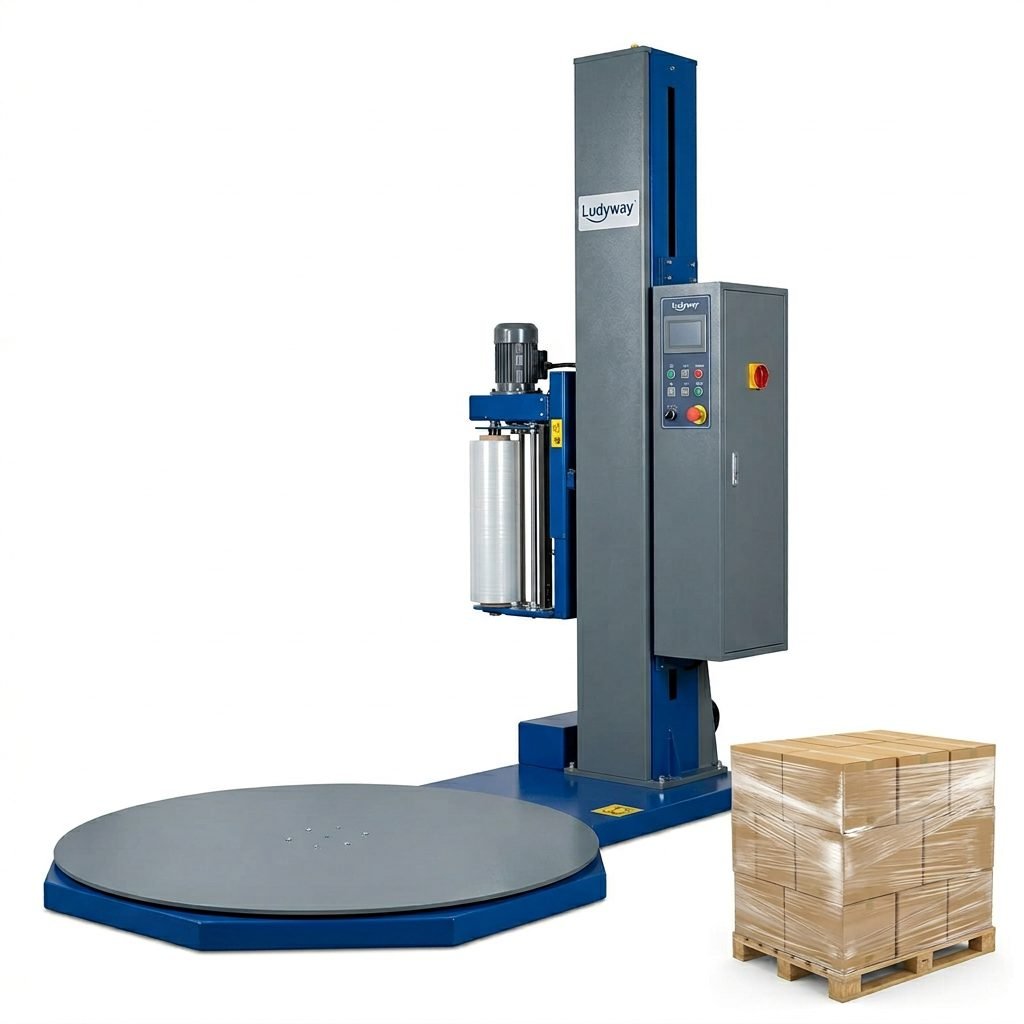
If you are sourcing from overseas, experience in export packaging equipment matters. Buyers looking for scalable solutions often review suppliers such as Ludyway packaging machine manufacturer for broader machine categories and turnkey packaging line capabilities.
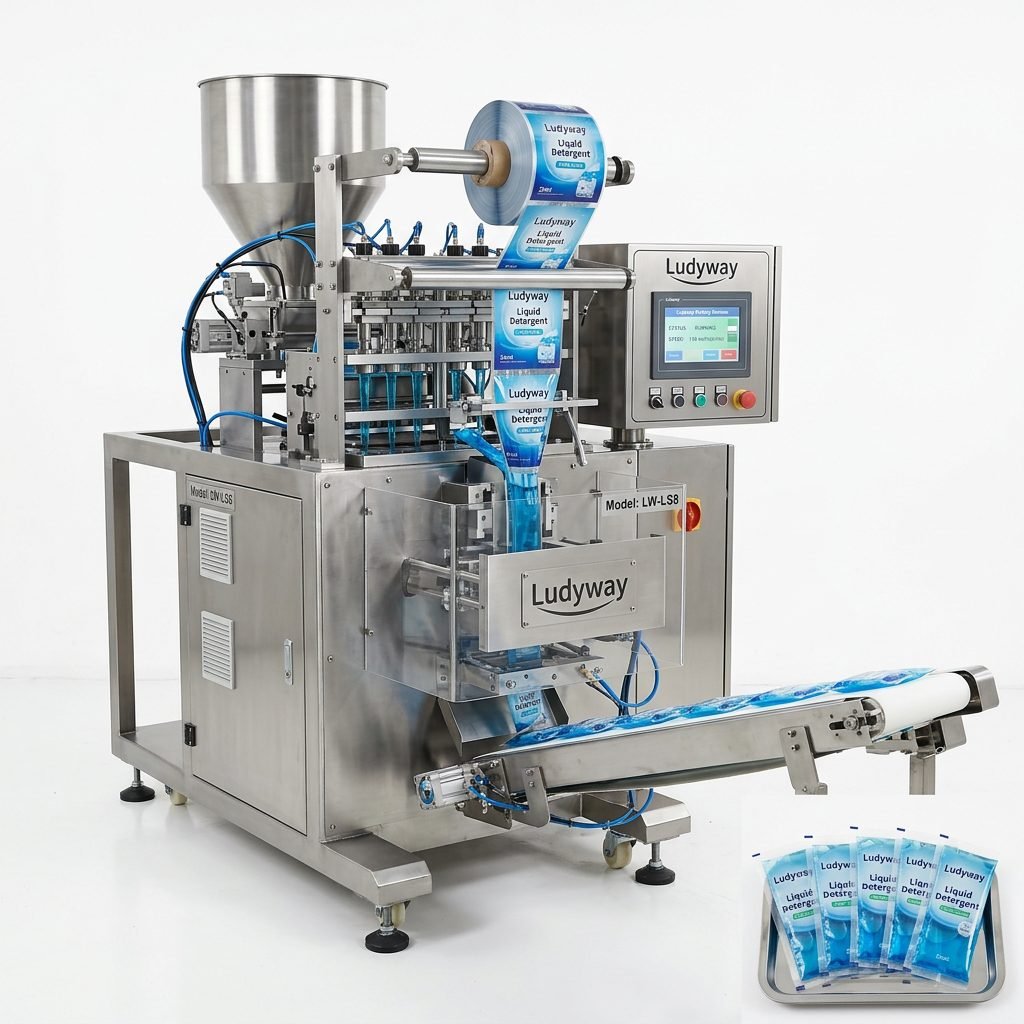
Best Machine Features for Efficient Packaging at Home
If your goal is maximum efficiency in a limited space, prioritize these features:
- Compact design for small production spaces
- Easy parameter adjustment for multiple SKUs
- Servo control for improved precision and stability
- Low waste startup to reduce packaging film loss
- Quick cleaning structure for hygiene and changeover
- Strong sealing performance for product protection
- Upgradeable modules for future automation needs
How Budget Should Influence Your Choice
The lowest-priced machine is not always the best value. A slightly higher upfront investment may reduce labor cost, downtime, product waste, and rework over the long term.
Think about total cost, not just purchase cost
- Machine price
- Shipping and import fees
- Packaging film compatibility
- Energy consumption
- Operator time
- Spare parts cost
- Maintenance and downtime risk
For startups, the best choice is usually a machine that can meet current demand while leaving room for moderate expansion.
Final Checklist Before Choosing the Best One
Use this quick checklist before making a final decision:
- Confirm your product type and packaging format
- Match machine output to realistic demand
- Verify filling accuracy and sealing quality
- Check machine dimensions and workspace fit
- Ask for testing videos with similar products
- Confirm spare parts and technical support availability
- Review upgrade potential for future production growth
- Compare total operating value, not only machine price
Conclusion
The best home automatic packing machine is the one that fits your product, your production goals, and your growth plan. Focus on material compatibility, filling accuracy, seal reliability, and support from the supplier. When these factors are aligned, even a compact machine can deliver highly efficient packaging and help your business move from manual packing to professional automated production.