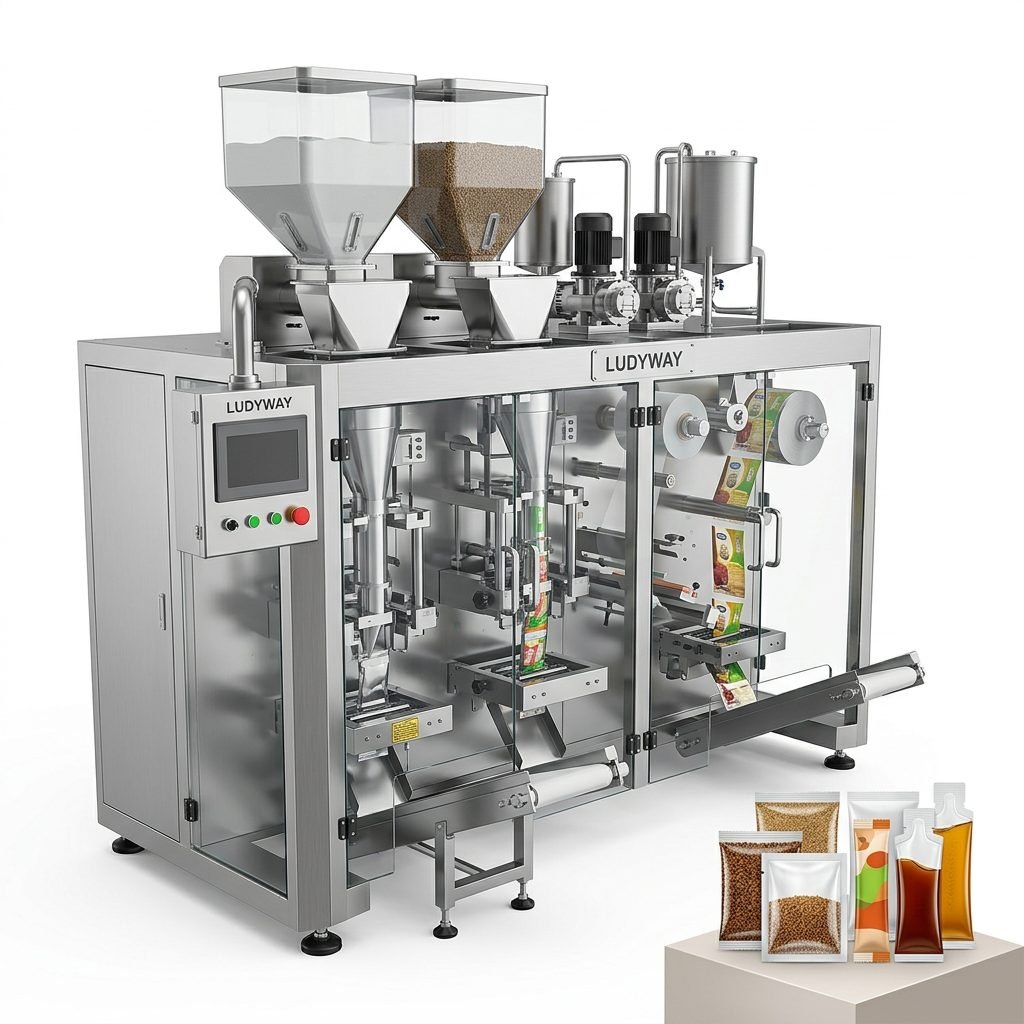
Choosing the right manual packaging solution is not just about buying the simplest machine available. For growing brands, workshops, food processors, pharmacies, and contract packers, the right hand packing machine can improve packing speed, reduce waste, maintain better consistency, and keep labor costs under control. A poor choice, however, often leads to operator fatigue, slow throughput, seal defects, and unnecessary product loss.
Whether you pack powders, granules, liquids, creams, or small sachets, understanding the strengths and limits of manual equipment is essential before investing.
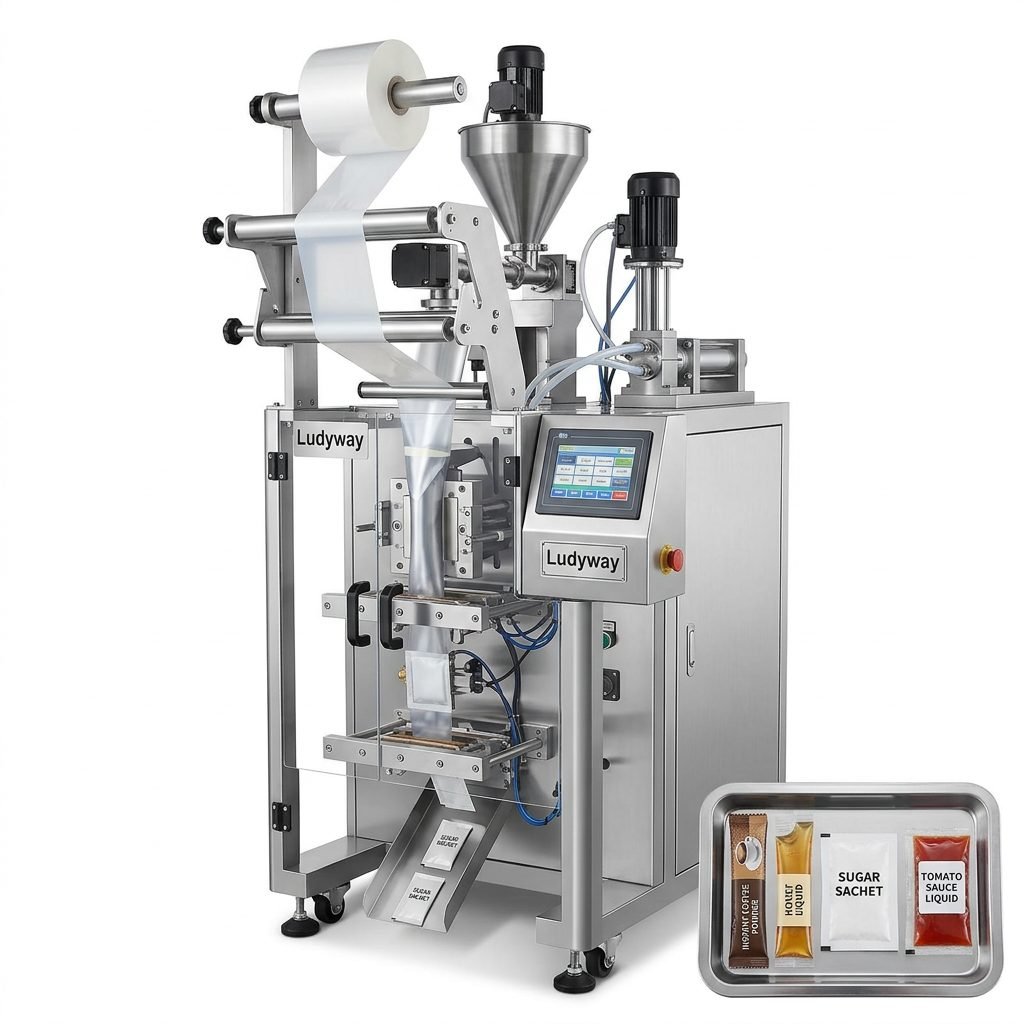
What Is a Hand Packing Machine?
A hand packing machine, also called a manual packaging machine, is a packing solution that requires direct operator involvement for functions such as product feeding, filling, sealing, weighing, coding, or bag positioning. These machines are commonly used in:
- Small and medium production facilities
- Startup food and supplement brands
- Pharmaceutical sample packing
- Cosmetic trial-pack production
- Pilot runs and low-volume manufacturing
- Markets with frequent SKU changes
Manual packaging solutions are especially valuable when production flexibility matters more than full automation. They usually offer lower initial investment, easier operation, and faster setup for limited production volumes.
Why Businesses Still Choose Manual Packing Solutions
Although automation is growing rapidly, manual packing equipment remains a practical option for many operations. It fills the gap between fully hand-packed work and high-speed automatic lines.
Key benefits include:
- Affordable entry cost for new or budget-conscious businesses
- Simple maintenance and fewer complex parts
- Easy training for operators
- Good flexibility for multiple product formats
- Suitable for seasonal or custom-batch production
- Useful for product testing before scaling up
For many companies, a manual machine is the first step before moving toward semi-automatic or fully automatic packaging systems.
Types of Hand Packing Machines
Not all manual packaging machines work the same way. The best choice depends on the product form, packaging material, hygiene requirements, and target output.
| Machine Type | Best For | Main Advantage | Typical Limitation |
|---|---|---|---|
| Manual heat sealer | Pouches, sachets, plastic bags | Low cost and easy to use | Limited speed |
| Manual filling machine | Powders, granules, liquids, creams | Improves dosing accuracy | Requires operator handling |
| Foot-operated sealing machine | Medium-volume pouch sealing | Hands-free support for positioning | Not ideal for high-volume production |
| Manual impulse sealer | PE, PP, laminated bags | Fast sealing cycle | Seal length limitations |
| Hand-operated coder or labeler | Batch coding and product identification | Useful for traceability | Adds another manual step |
How to Choose the Right Manual Packaging Solution
The selection process should focus on real production needs instead of only the purchase price. A cheaper machine can become costly if it creates rework, inconsistent fills, or slow output.
1. Understand Your Product Characteristics
Start with the product itself. Different products need different filling and sealing methods.
- Powders: require dust control, stable dosing, and clean sealing areas
- Granules: need controlled flow and accurate volume or weight filling
- Liquids: require leak-proof sealing and suitable contact materials
- Pastes and creams: need smooth discharge and anti-drip design
If the machine is not matched to the product viscosity, particle size, or flow behavior, efficiency will drop quickly.
2. Define Your Daily Output Target
One of the most common mistakes is choosing a manual packer for output levels that really require semi-automatic equipment. Estimate:
- Units per hour
- Units per shift
- Number of operators available
- Peak-season production demand
If your target is modest and product changeovers are frequent, a manual machine may be ideal. If demand is rising steadily, choose a model that can integrate with future upgrades.
3. Check Packaging Material Compatibility
Your hand packing machine must match the packaging materials you use, such as:
- PE bags
- PP bags
- Aluminum foil sachets
- Laminated pouches
- Paper-plastic composite packaging
Seal strength, temperature range, and dwell time all matter. Incompatible sealing can cause wrinkles, poor closure, leakage, or damaged appearance.
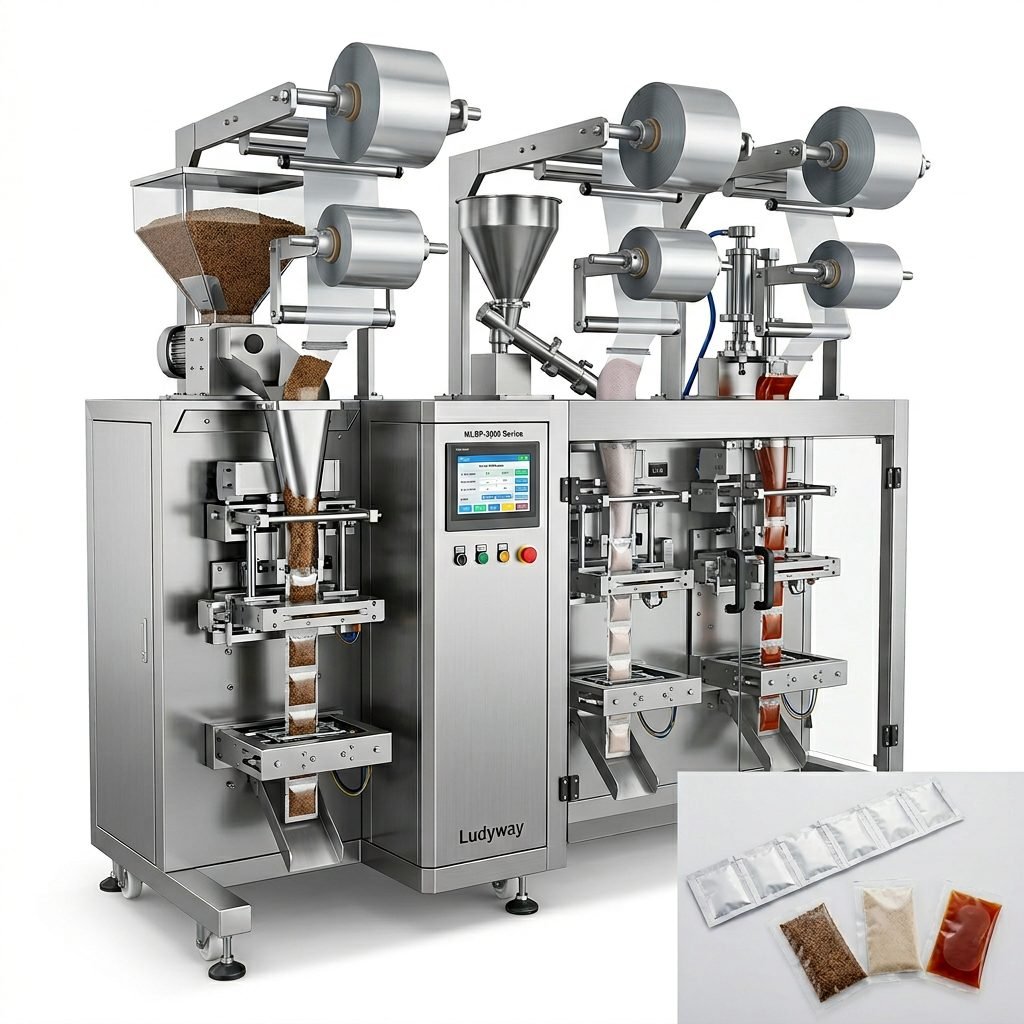
4. Focus on Accuracy and Consistency
Manual operation does not mean quality should be inconsistent. A good manual packing solution should still support:
- Repeatable fill volume or weight
- Stable seal quality
- Reduced product waste
- Minimal operator variation
This is especially important in food, health supplement, and pharmaceutical packaging, where consistency directly affects customer trust and compliance.
5. Evaluate Ease of Cleaning
For hygiene-sensitive products, machine cleaning should be quick and practical. Stainless steel contact parts, simple disassembly, and smooth surfaces help reduce contamination risks and downtime.
If you process allergen-sensitive foods, nutraceutical powders, or topical cosmetic products, cleanability should never be overlooked.
6. Think About Operator Comfort
Manual packaging relies on human operation, so ergonomics affect productivity more than many buyers expect. Look for:
- Comfortable handle or pedal operation
- Logical bag positioning
- Convenient loading and unloading
- Clear controls and simple adjustments
A machine that causes strain, awkward movement, or repetitive sealing errors will reduce real-world efficiency.
7. Review Maintenance Simplicity
The best manual packaging equipment should be easy to maintain with accessible spare parts and straightforward servicing. Before purchase, ask:
- Which parts wear fastest?
- How often do sealing elements need replacement?
- Are spare parts easy to source?
- Is remote technical support available?
8. Consider Future Scalability
A manual machine should support your business today without blocking growth tomorrow. In many cases, buyers benefit from choosing equipment from a manufacturer that also offers semi-automatic and automatic upgrades. That makes scaling easier as volumes increase.
Manual vs. Semi-Automatic vs. Fully Automatic Packing
| Factor | Manual | Semi-Automatic | Fully Automatic |
|---|---|---|---|
| Investment | Low | Medium | High |
| Output speed | Low to moderate | Moderate | High |
| Labor demand | High | Medium | Low |
| Flexibility | High | Good | Depends on system design |
| Best use case | Startups, test runs, small batches | Growing factories | High-volume continuous production |
Industries That Commonly Use Hand Packing Machines
Food Industry
Manual packing machines are often used for spices, coffee powder, tea, sugar, snacks, dry ingredients, sauces, and sample packs. They are well suited to small-batch production where packaging variety is high.
Pharmaceutical and Health Products
For trial production, sachet filling, clinic packs, and limited-volume nutraceutical products, manual solutions can provide controlled packing without the investment level of a full automated line.
Cosmetics and Personal Care
Creams, gels, oils, and sample sachets are often packed with compact manual or semi-manual systems, especially when launching new SKUs or promotional packaging.
Chemical and Daily-Use Products
Cleaners, additives, detergent samples, and specialty materials are frequently packed using manual filling and sealing machines where flexibility is important.
Signs You Have Chosen the Wrong Manual Packing Machine
- Operators cannot meet daily production targets
- Frequent seal failure or leakage
- Inconsistent fill weights
- Excessive product waste
- Long cleaning and changeover times
- Rapid operator fatigue
- Difficulty adapting to different package sizes
If several of these issues appear at the same time, the problem is often not operator skill but incorrect machine selection.
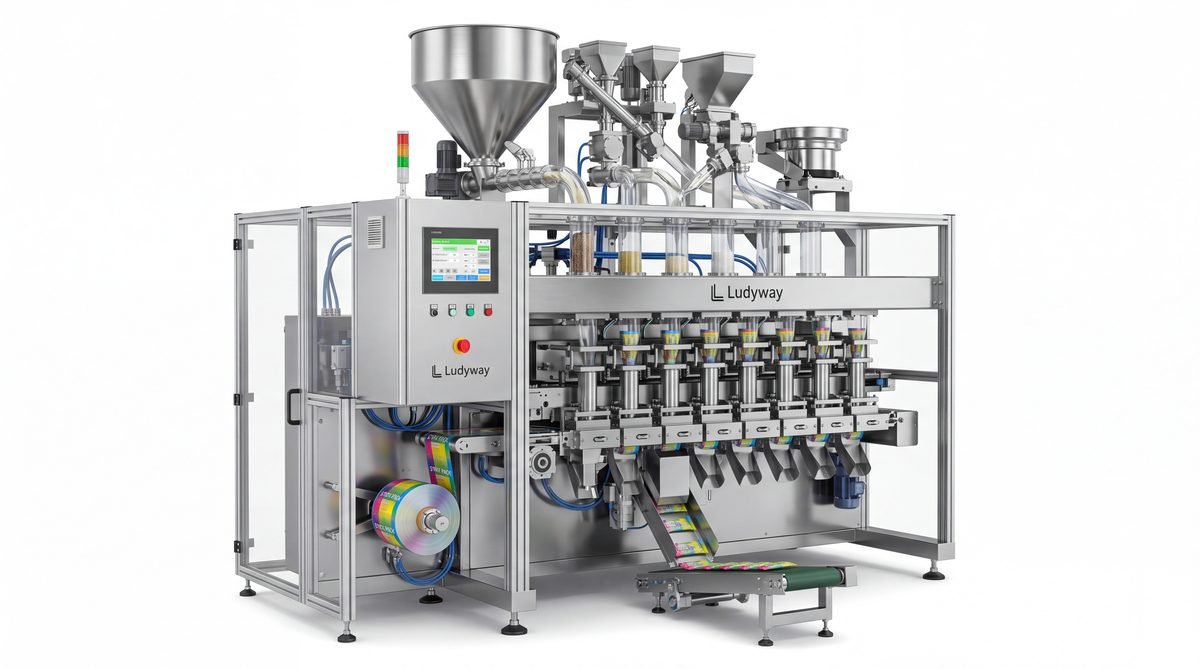
Practical Buying Checklist Before You Decide
Before purchasing a hand packing machine, confirm the following points:
- What products will be packed now and in the next 12 to 24 months?
- What package formats and materials will be used?
- What hourly and daily output is required?
- How much dosing accuracy is necessary?
- What hygiene or regulatory standards apply?
- How much floor space is available?
- Can the equipment be upgraded later?
- What training and support does the supplier provide?
Choosing a Supplier Matters as Much as Choosing a Machine
A reliable supplier should not only sell a machine but also understand product behavior, packing applications, maintenance needs, and future automation planning. This is especially important if your business may eventually move from manual operation into a larger packaging line.
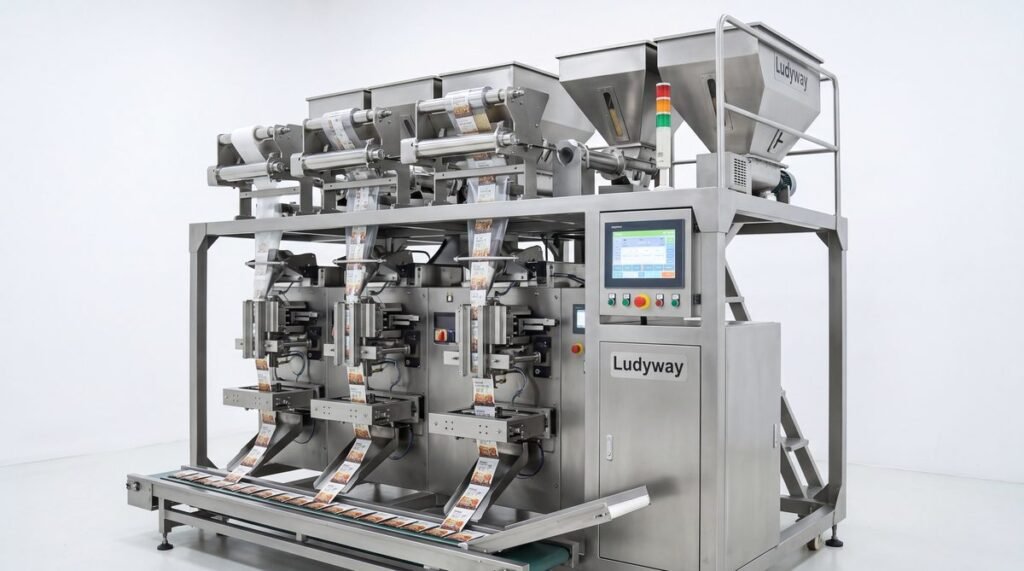
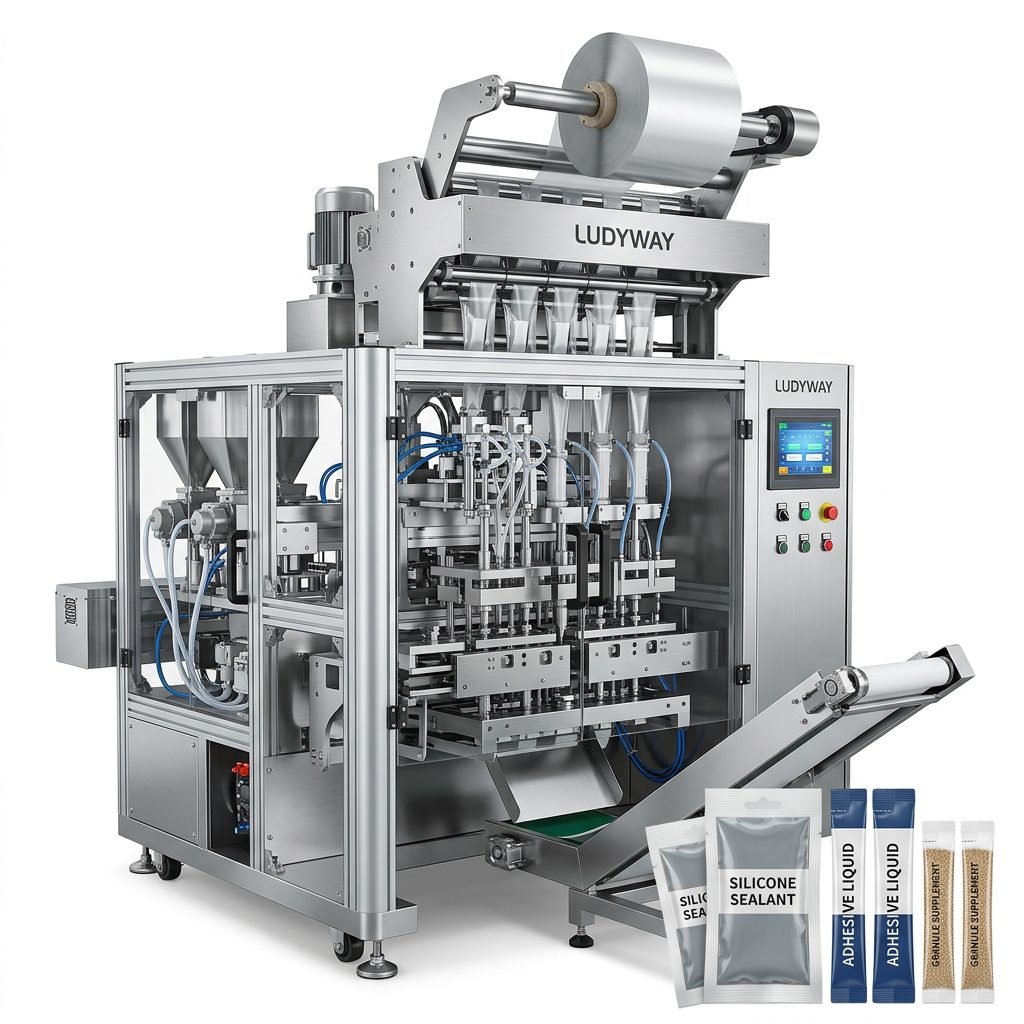
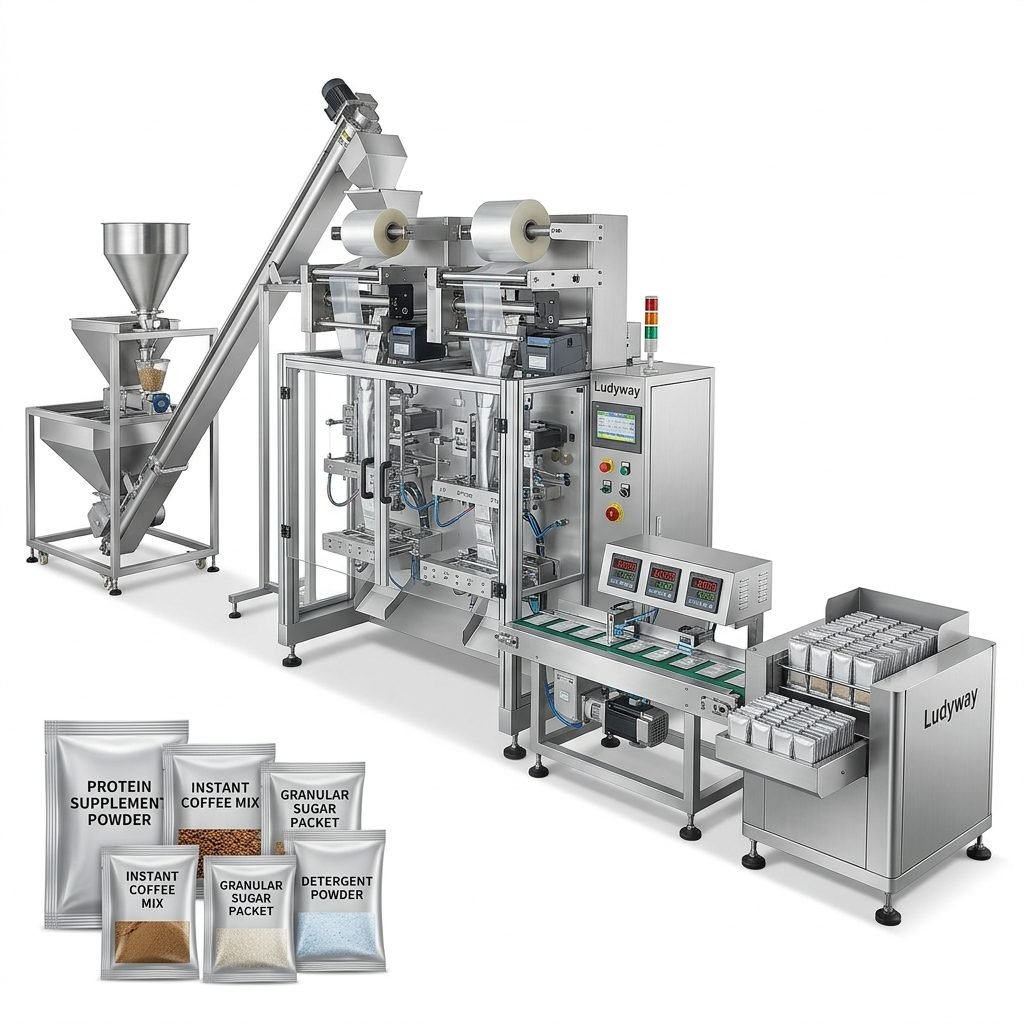
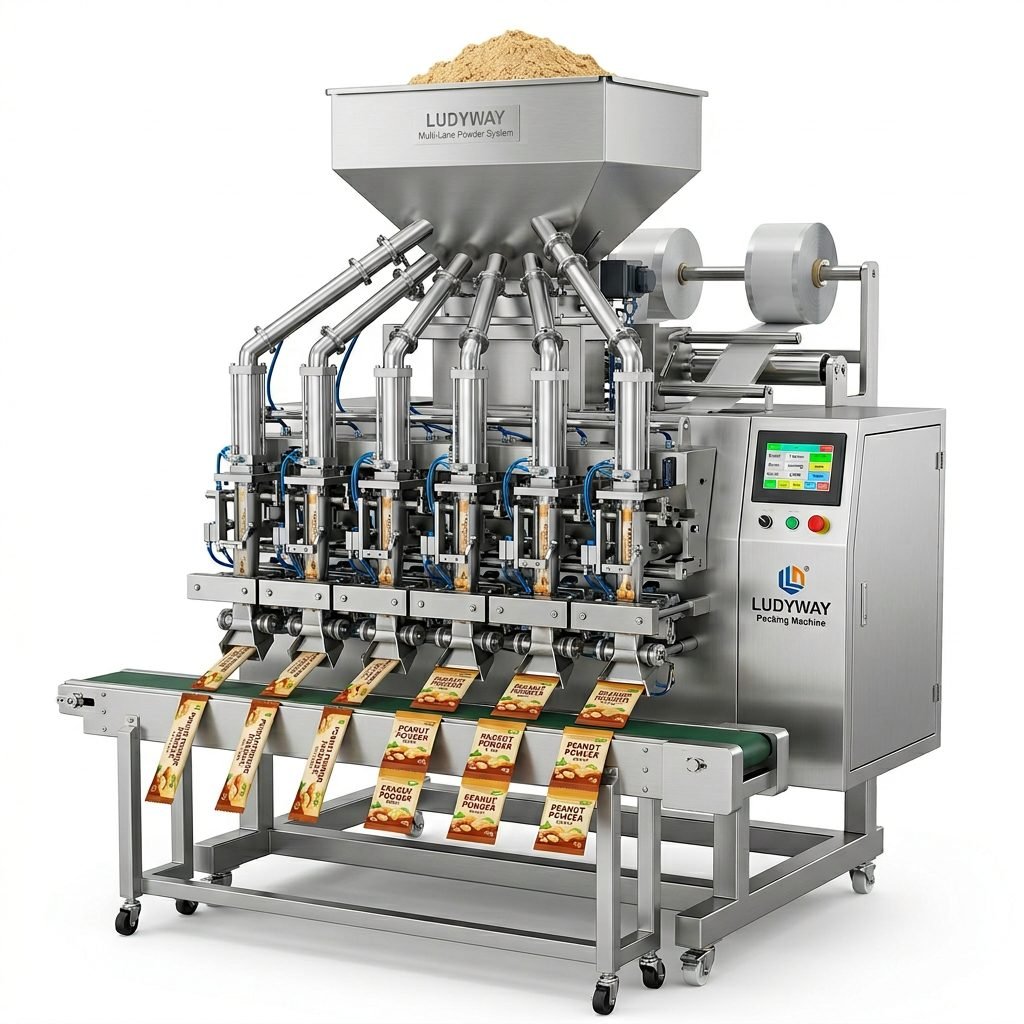
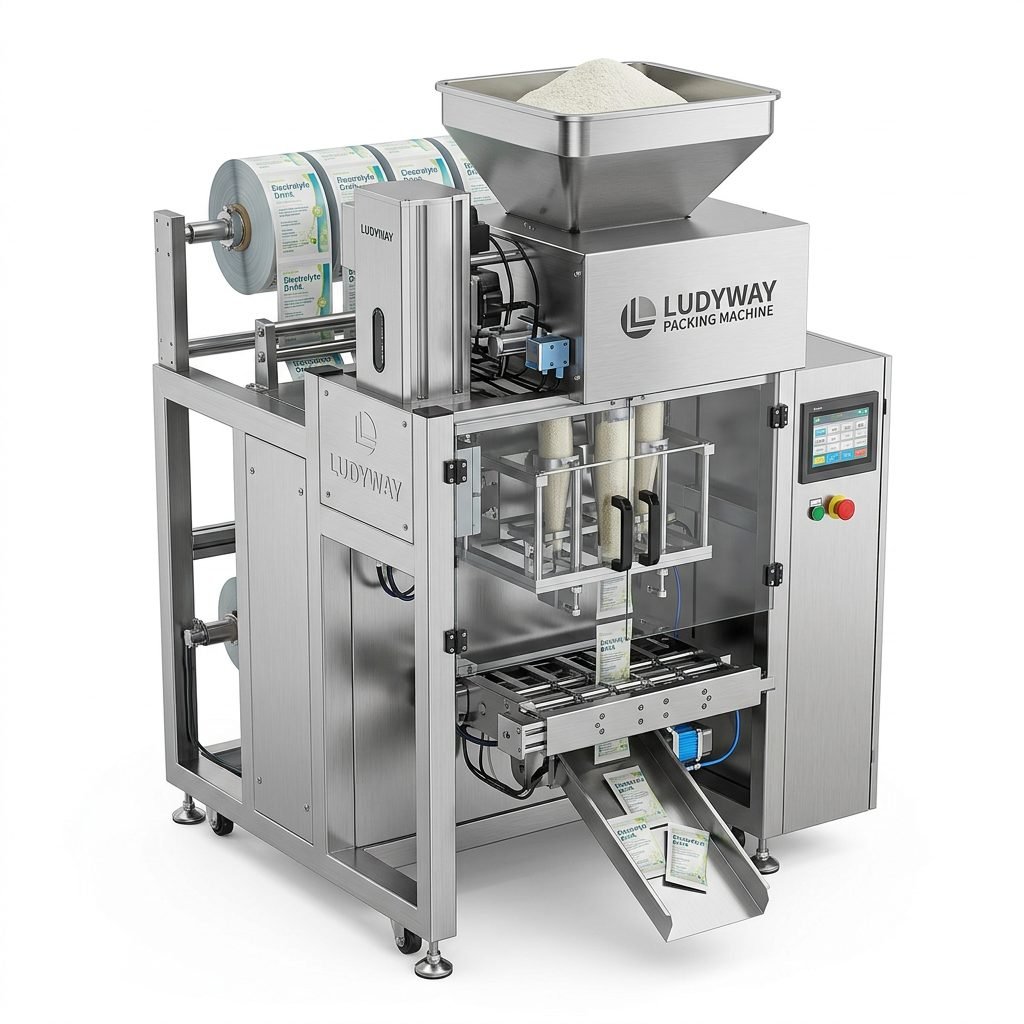
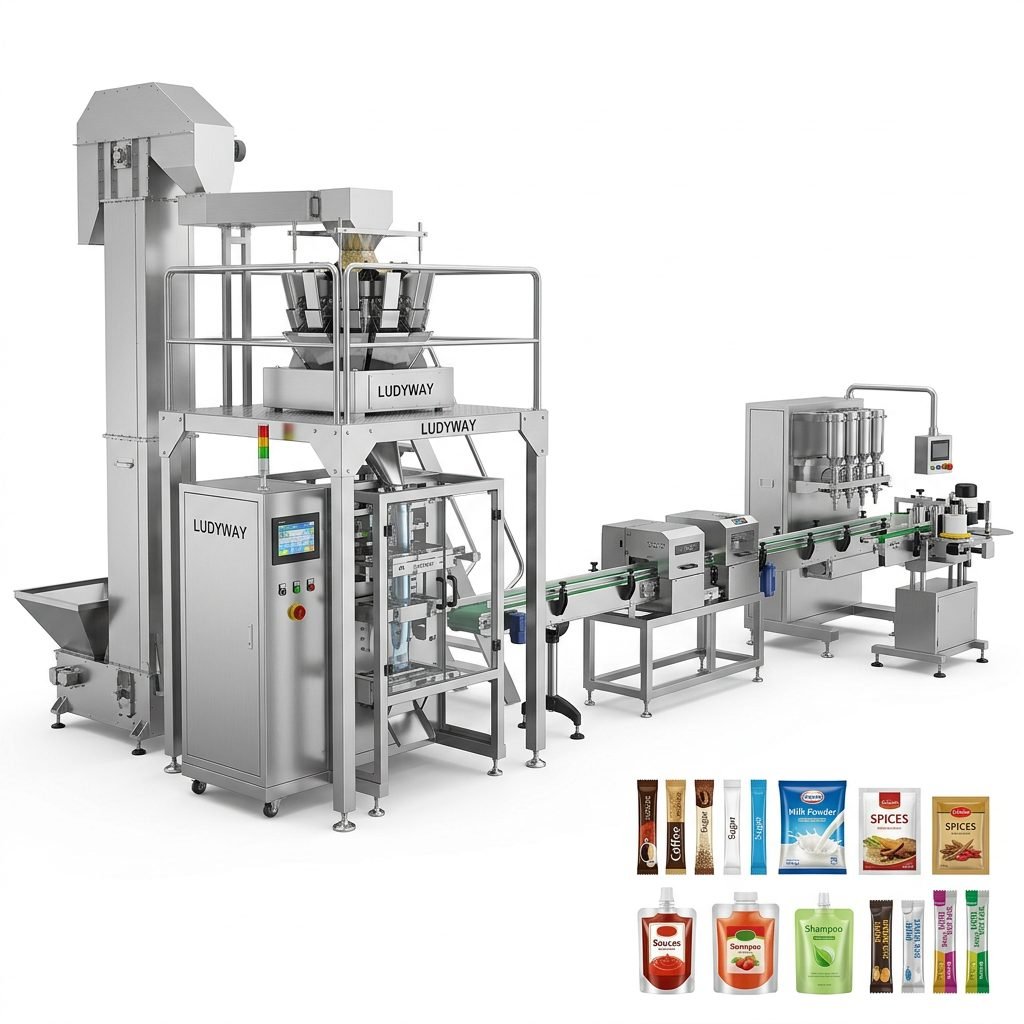
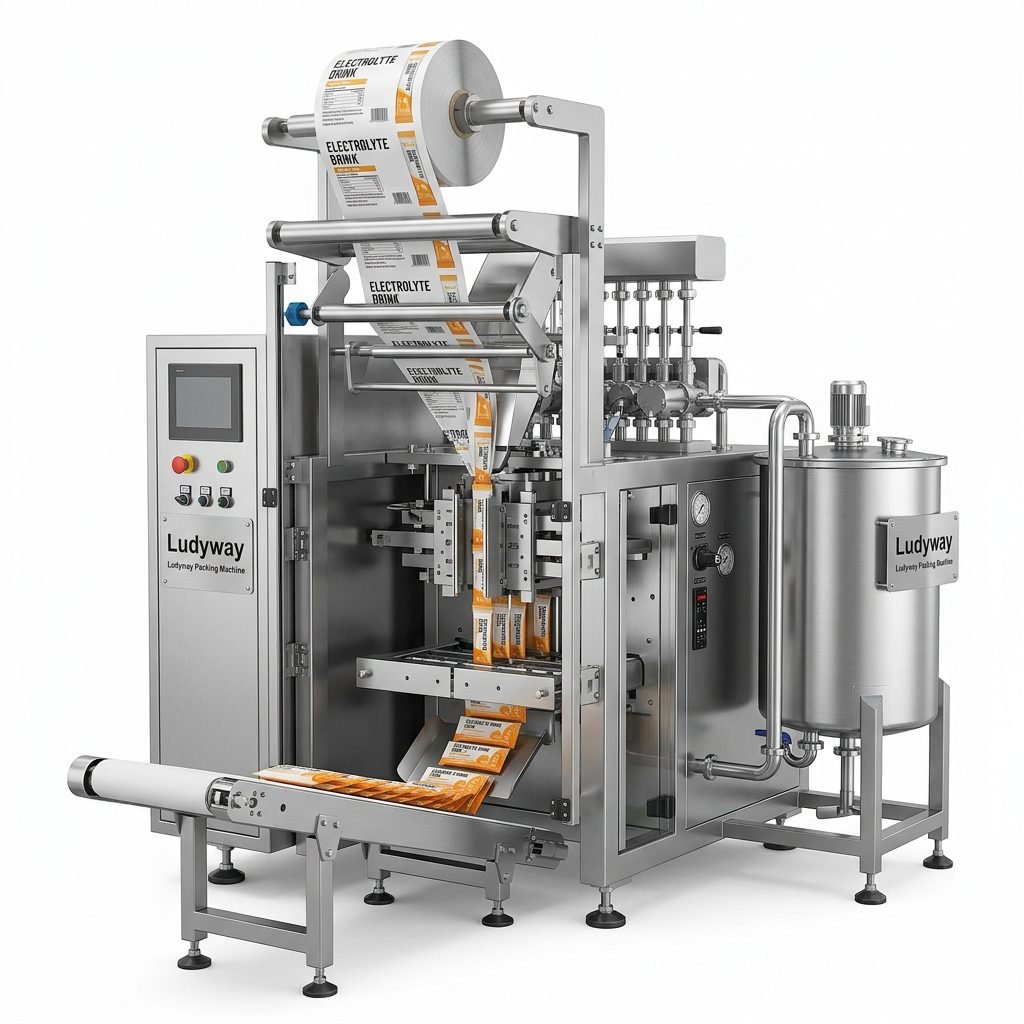
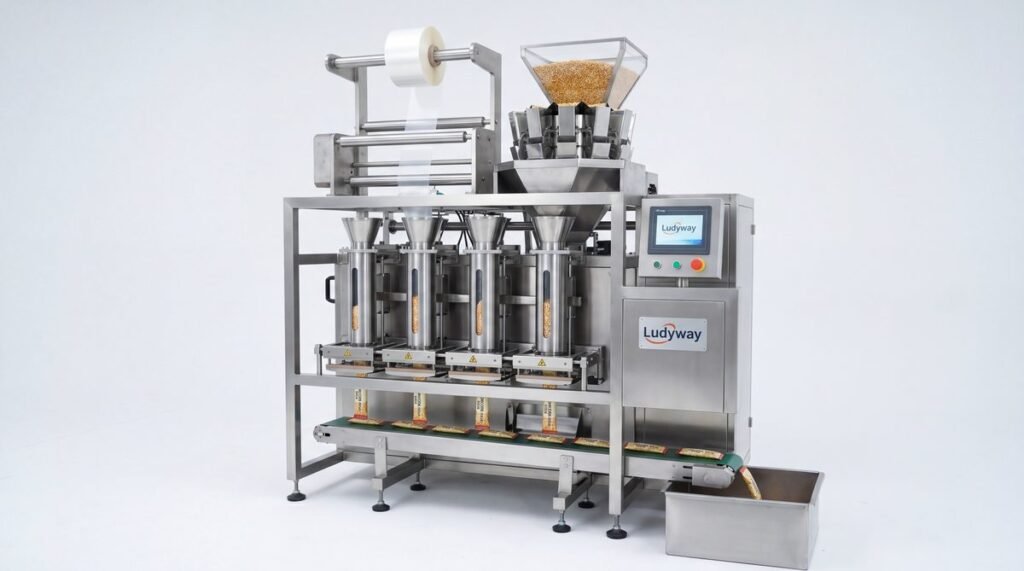
For buyers looking for a manufacturer with broad packaging experience across food, pharmaceutical, health supplement, cosmetic, and related industries, hand packing machine solutions from Ludyway can be a useful reference when comparing manual, semi-automatic, and turnkey packaging options.
When Is It Time to Upgrade from Manual Packaging?
Manual packing is a smart solution, but not forever. It may be time to upgrade when:
- Labor costs are rising faster than production value
- Order volume becomes too large for manual handling
- Quality consistency needs tighter control
- Customers require higher throughput and faster lead times
- Your product range expands into multiple package formats
At that stage, semi-automatic filling systems, vertical packaging machines, sachet machines, or complete packaging lines can offer stronger long-term returns.
Final Considerations for Efficient Packing
The right hand packing machine should match your product, packaging style, labor conditions, and growth plan. The goal is not simply to pack products by hand more quickly. The real goal is to create a stable, repeatable, and cost-effective packing process that supports your business today while leaving room for future expansion.
By evaluating product type, output needs, sealing quality, ease of use, maintenance demands, and scalability, you can choose a manual packaging solution that genuinely improves efficiency instead of creating hidden bottlenecks.