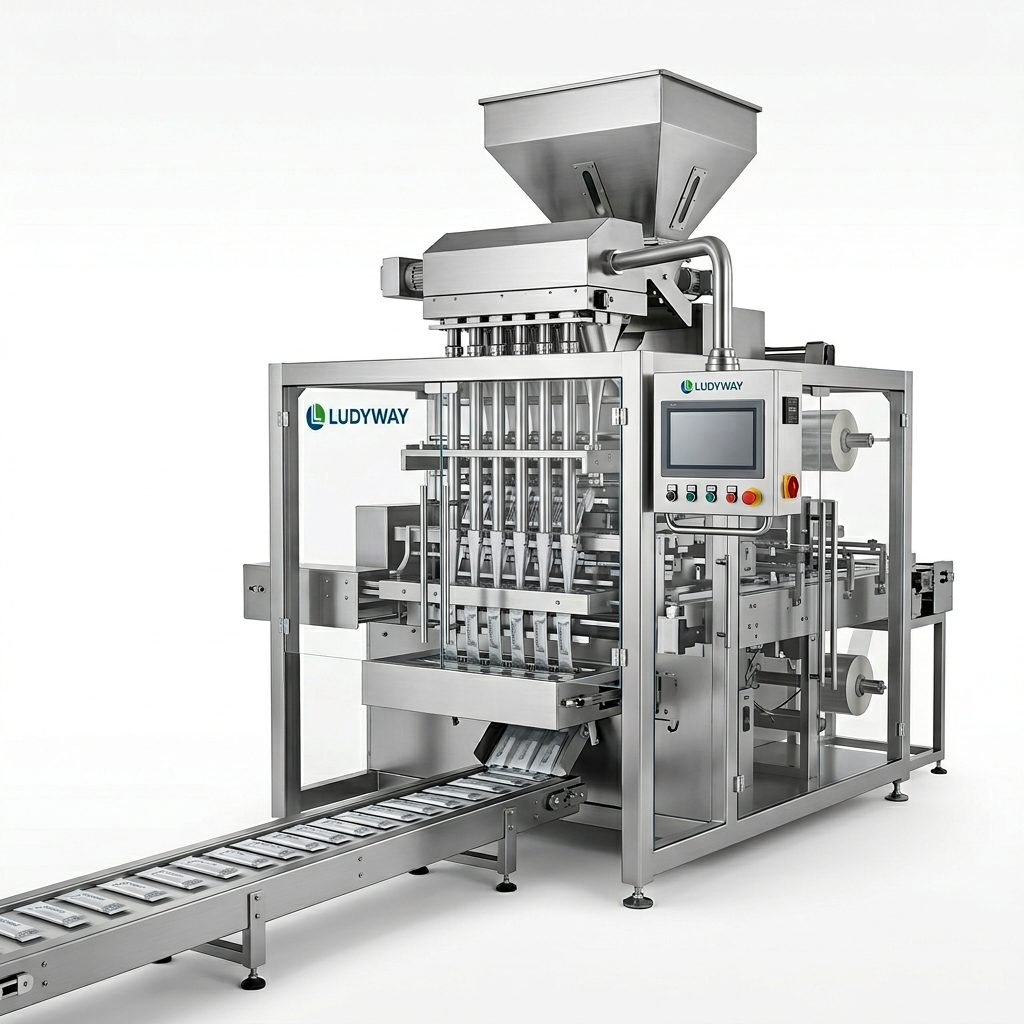
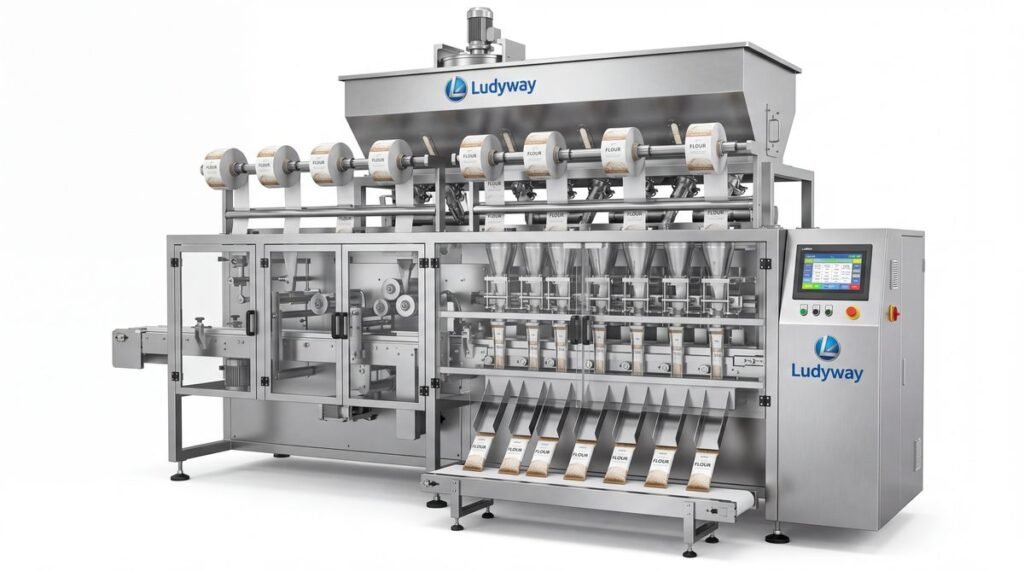
Choosing the right tablet packaging machine is not only about speed. In pharmaceutical and nutraceutical production, the best solution must balance product protection, dosing accuracy, packaging format, compliance, operating cost, and future scalability. A machine that looks fast on paper may not be the best fit if it creates changeover delays, sealing issues, or unstable output.
Whether you pack prescription tablets, OTC medicines, vitamins, or dietary supplements, selecting the right equipment can improve line efficiency, reduce waste, and support consistent product quality from feeding to final secondary packaging.
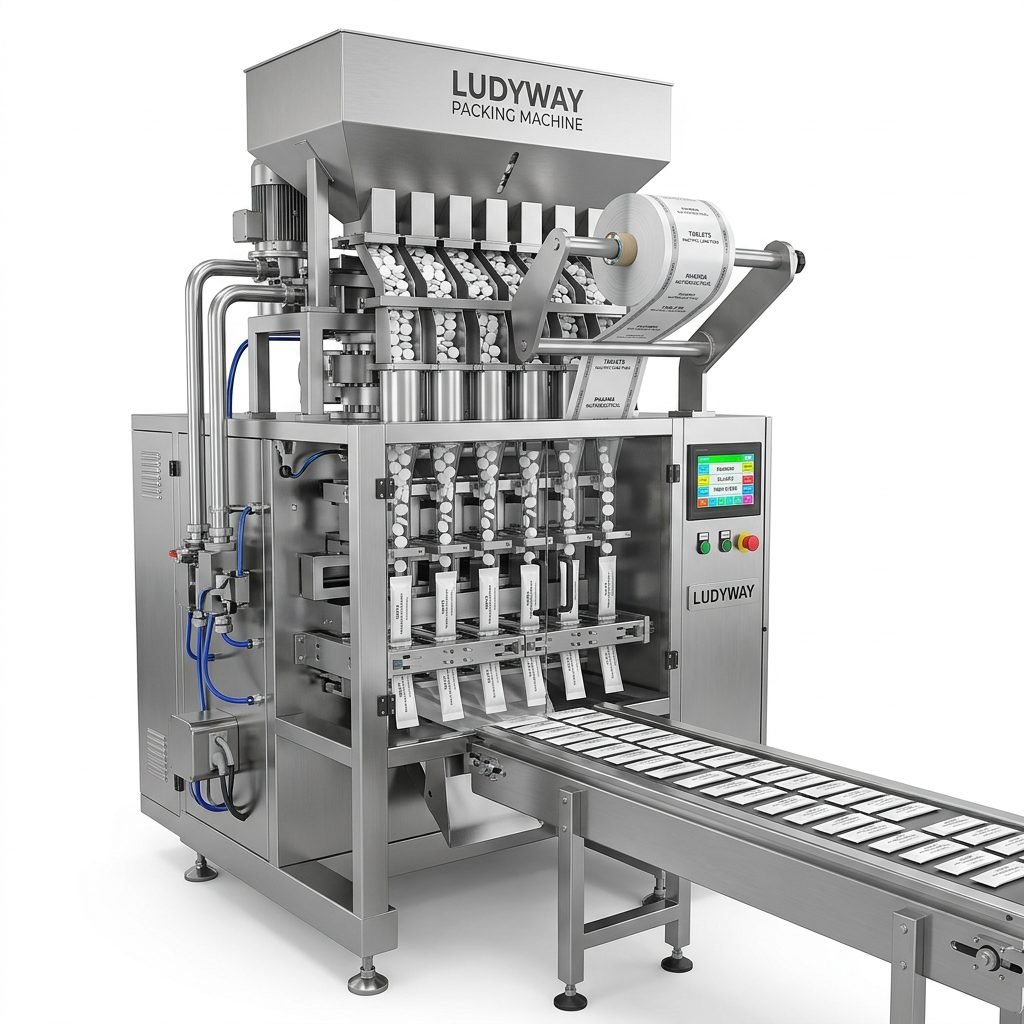
Why tablet packaging machine selection matters
Tablets are sensitive products. Even when the formulation is stable, poor packaging can lead to moisture exposure, breakage, counting errors, contamination risks, and reduced shelf life. The right machine helps manufacturers achieve:
- Accurate tablet counting or indexing
- Consistent sealing and pack integrity
- Higher throughput with lower manual intervention
- Compliance with GMP and pharmaceutical packaging standards
- Better traceability through coding, inspection, and rejection systems
- Lower downtime during cleaning and format change
For growing brands and contract manufacturers, the right system also creates room for expansion into more SKUs, new package sizes, and integrated packaging lines.
Common tablet packaging formats
Before comparing machine models, define the packaging format you need. The ideal solution depends heavily on the final pack style and the market you serve.
| Packaging Format | Best For | Key Advantage |
|---|---|---|
| Blister packs | Pharmaceutical tablets, unit-dose products | Excellent protection and dosage separation |
| Bottles | Supplements, bulk tablets, retail packs | Easy counting, capping, labeling, and logistics |
| Sachets or stick packs | Single-dose tablets or combination packs | Compact, convenient, travel-friendly |
| Pouches | Flexible retail packaging or multi-unit packs | Good shelf presentation and flexible pack size |
| Cartons with inserts | Finished pharmaceutical retail packs | Supports branding, instructions, and tamper evidence |
If your products are sold through pharmacies, hospitals, and regulated distribution channels, blister packaging is often preferred. For health supplements and nutraceuticals, bottle packaging remains highly popular due to convenience and volume flexibility.
Key factors to evaluate before buying
1. Tablet type and physical characteristics
Different tablets behave differently during feeding and packaging. Evaluate:
- Shape: round, oval, oblong, coated, scored
- Size range and thickness
- Fragility and breakage risk
- Dust generation during transfer
- Sensitivity to humidity, oxygen, or light
Machines for fragile tablets should include smooth feeding paths, gentle handling, precise counting, and stable discharge control.
2. Production speed requirements
Do not choose based on maximum speed alone. Focus on stable actual output. Ask the supplier:
- What is the real speed under your tablet size and pack format?
- How much downtime occurs during changeover and cleaning?
- How does speed change when using inspection systems or coding units?
- What is the reject rate at full capacity?
3. Packaging material compatibility
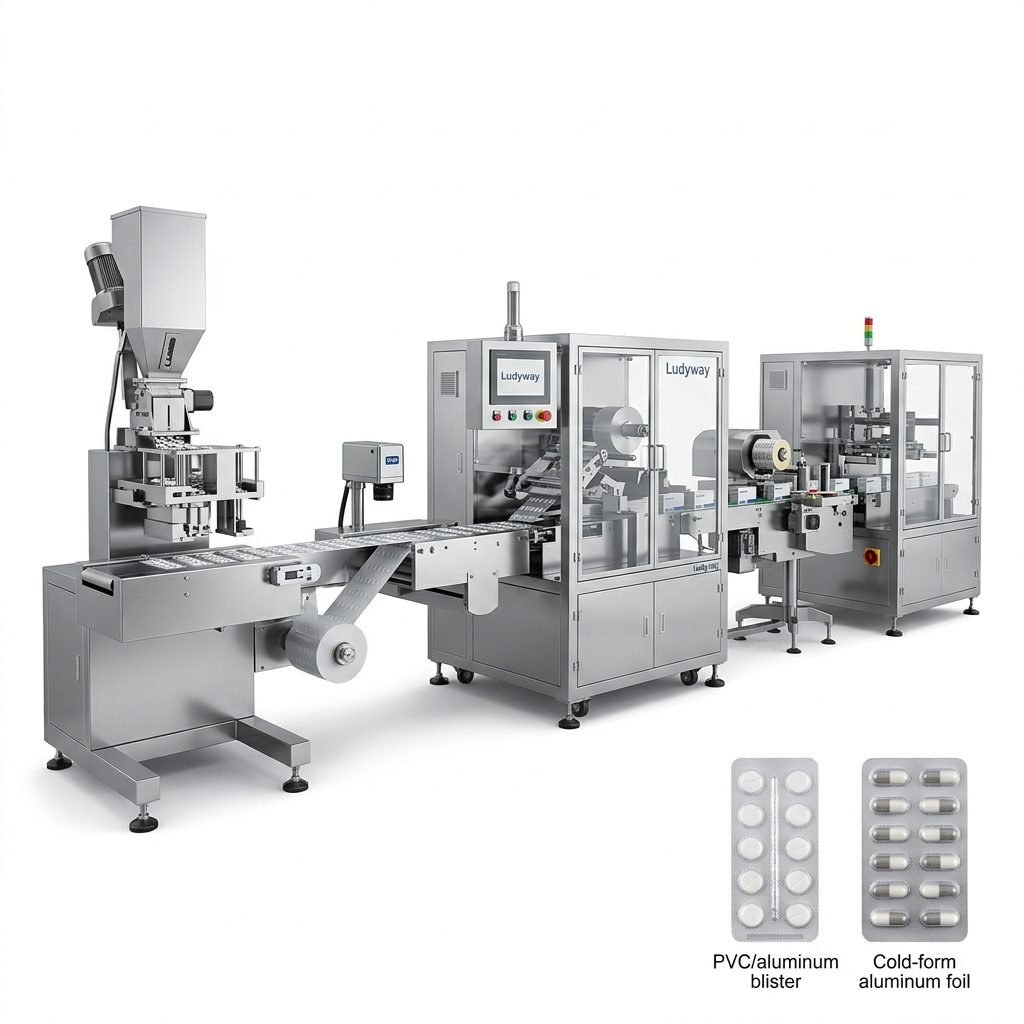
Machine performance also depends on packaging materials. For blister lines, cavity formation and sealing depend on film quality and thermoforming performance. For sachets and pouches, sealing stability depends on film structure, thickness, and heat response.
Always confirm compatibility with your selected aluminum foil, PVC, Alu-Alu, laminated films, or bottle materials before finalizing the machine.
4. Accuracy and quality control
In tablet packaging, errors quickly become expensive. The machine should support consistent product control through:
- Precise counting or feeding systems
- Vision inspection or missing-tablet detection
- Metal detection where required
- Checkweighing for secondary validation
- Automatic reject devices for nonconforming packs
- Batch coding and traceability integration
This is especially important for regulated pharmaceutical packaging where product recalls or compliance failures can severely affect brand reputation.
5. GMP, hygiene, and validation support
For pharmaceutical and health product applications, machine design should support clean production environments. Check for:
- Stainless steel contact parts where needed
- Easy-clean design with minimal dead corners
- Dust control and enclosed transfer areas
- User access for maintenance without contamination risk
- Documentation support for IQ/OQ and validation processes
6. Changeover flexibility
If you package multiple SKUs, formats, or count sizes, changeover time becomes a major cost factor. A flexible machine should allow:
- Quick recipe storage and recall
- Tool-free or low-tool change parts
- Fast guide adjustment for different tablet sizes
- Simple HMI operation for operators
For contract packers and multi-brand supplement producers, flexibility can be just as important as speed.
How to match the machine to your production scale
| Production Scale | Recommended Solution | Buying Focus |
|---|---|---|
| Pilot or small batch | Compact semi-auto or entry-level automatic system | Flexibility, lower investment, easy setup |
| Medium-scale production | Automatic tablet packaging machine with inspection and coding | Balanced speed, stable output, moderate automation |
| High-volume manufacturing | High-speed integrated packaging line | Continuous production, low labor use, full line integration |
A high-capacity machine may be unnecessary for low-volume operations, while an undersized system can limit future growth. The best approach is to buy for current demand plus realistic expansion over the next three to five years.
Standalone machine or turnkey tablet packaging line?
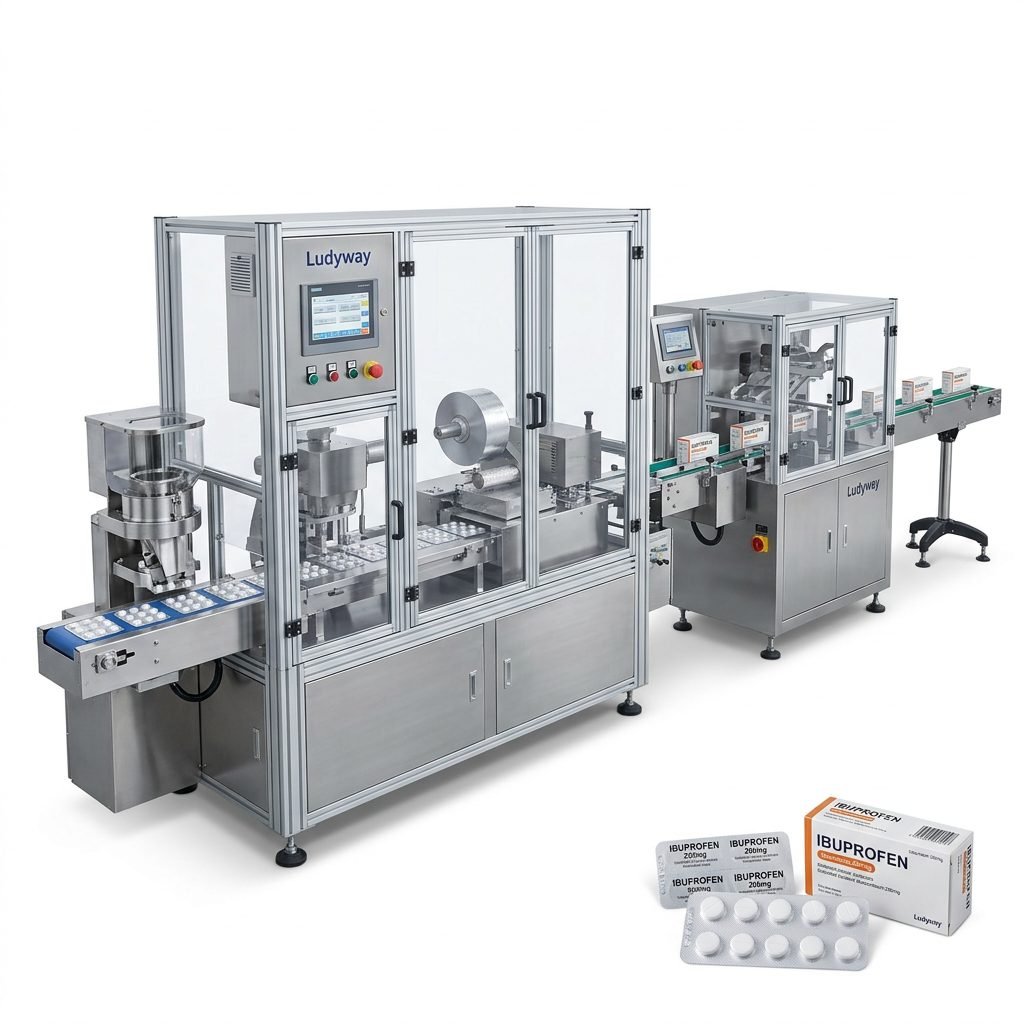
Many buyers initially focus on the main packaging machine, but overall line efficiency depends on the full workflow. A tablet packaging solution may include:
- Tablet feeding or counting system
- Main packaging unit
- Vision inspection
- Checkweigher or rejection unit
- Cartoning machine
- Case packing and labeling
- Conveyors and product transfer modules
If your operation has high output targets, strict quality requirements, or multiple downstream packaging steps, a turnkey line often delivers better long-term value than buying isolated machines from different suppliers.
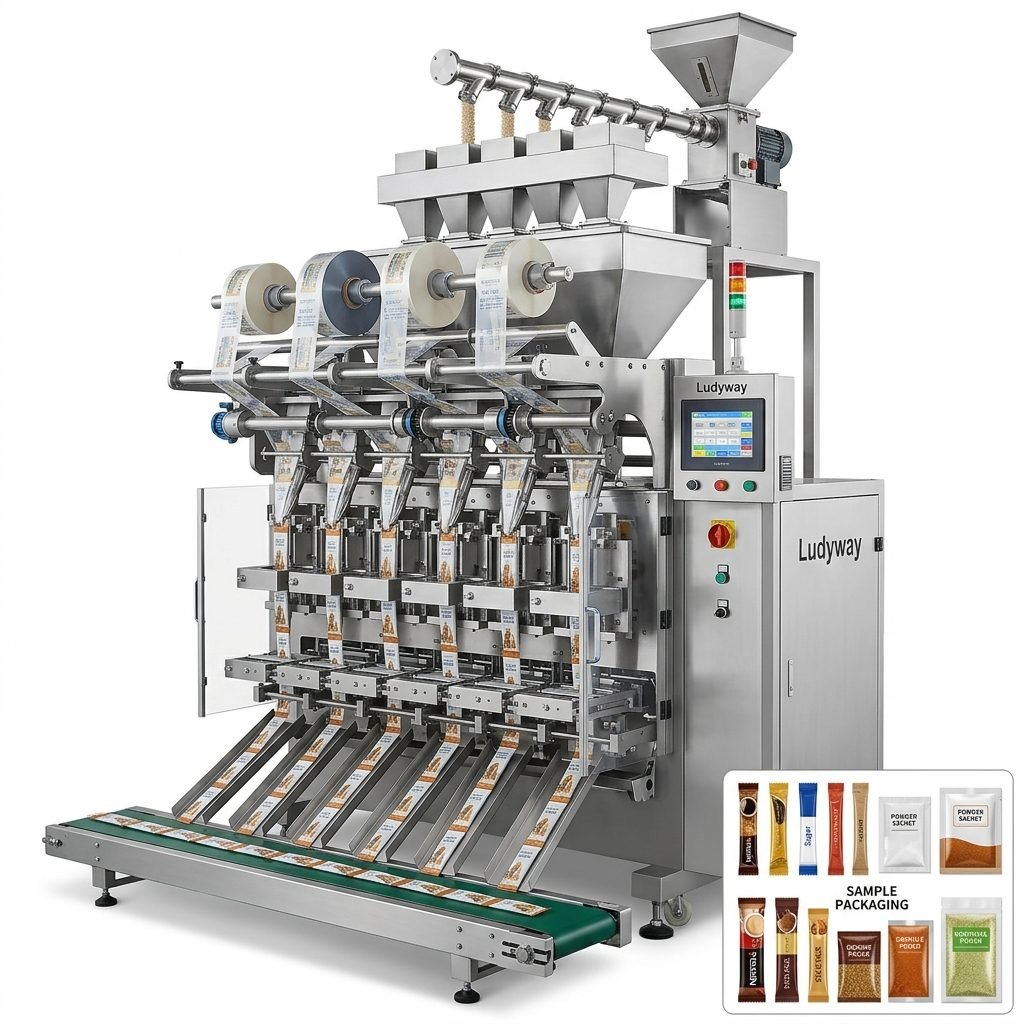
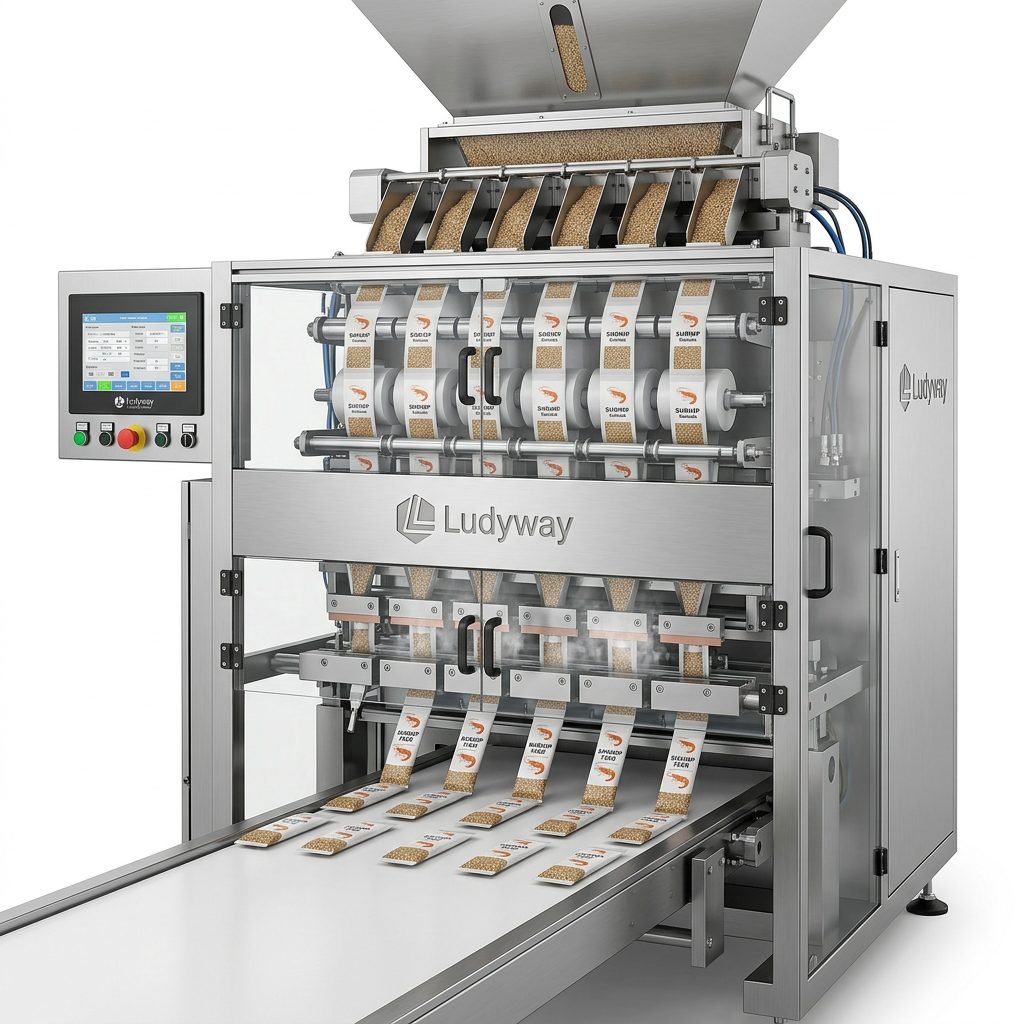
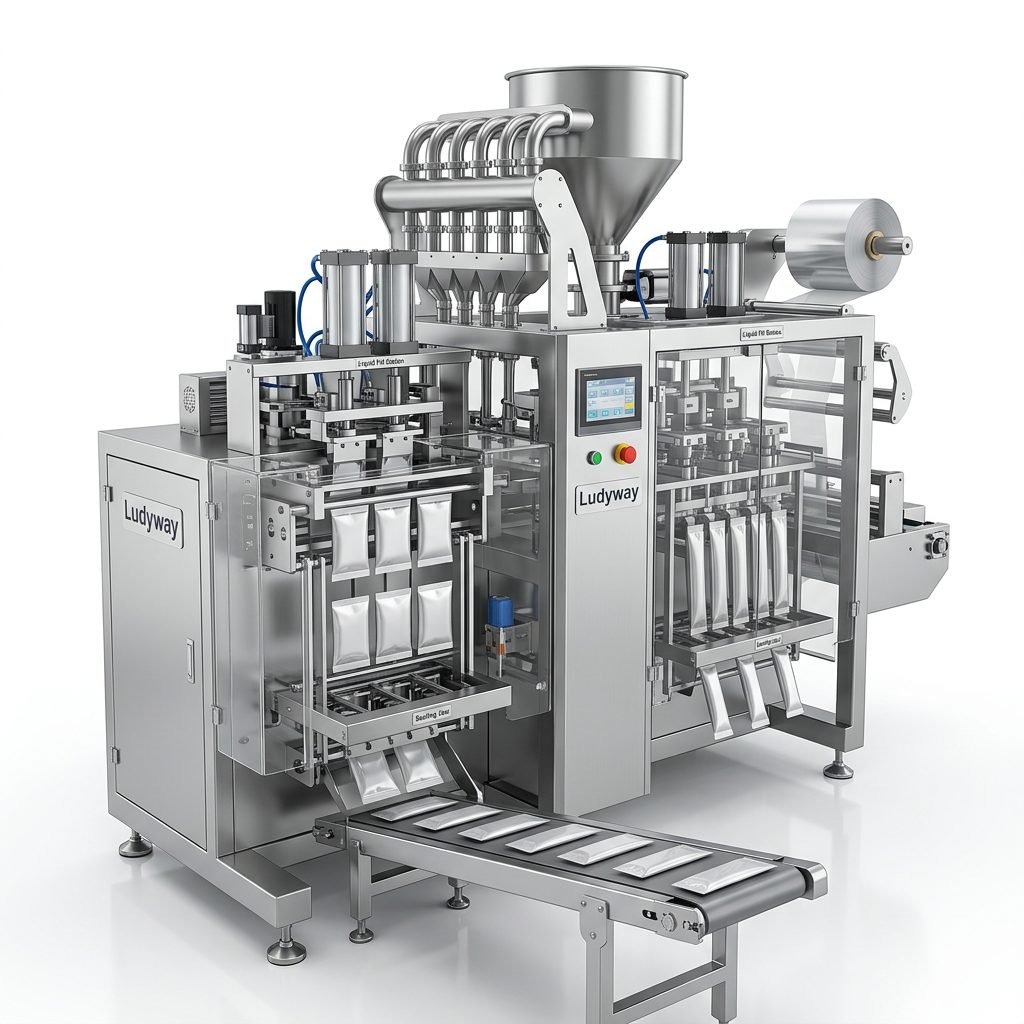
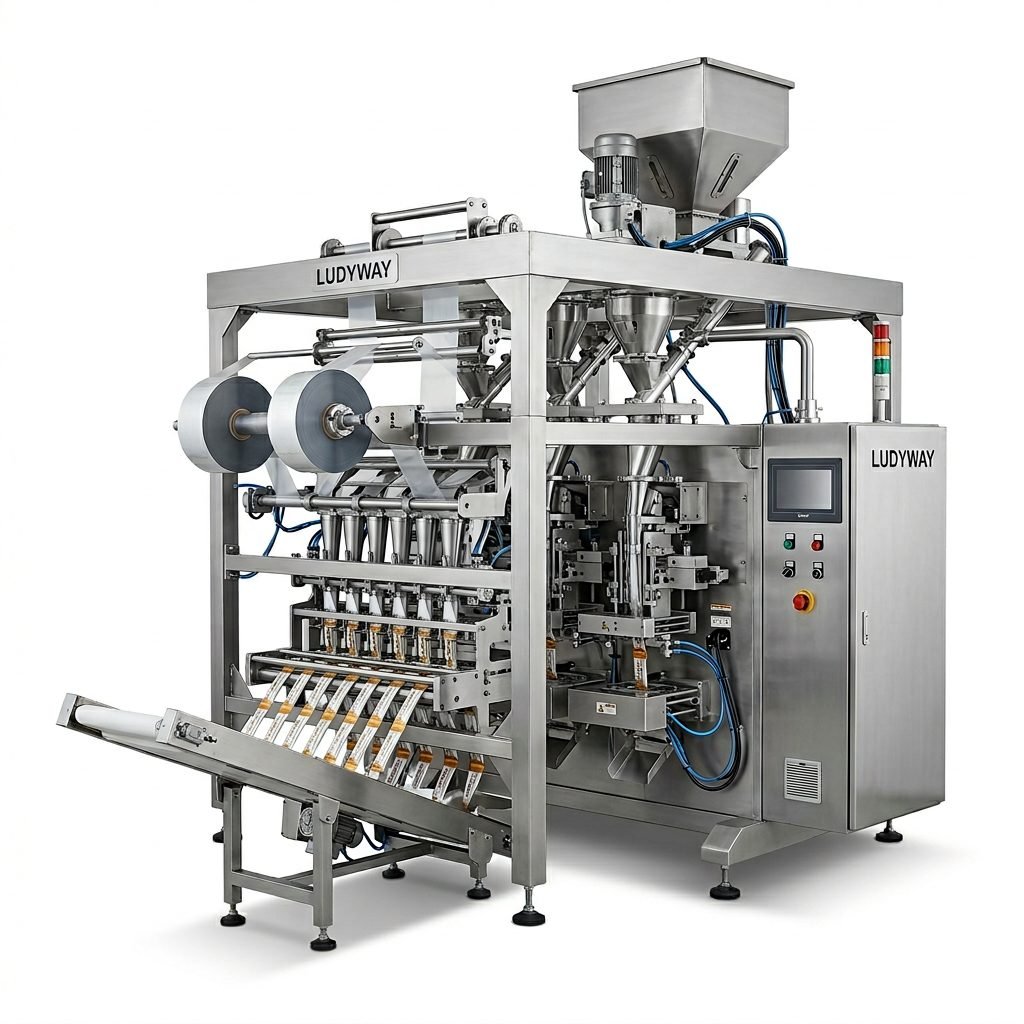
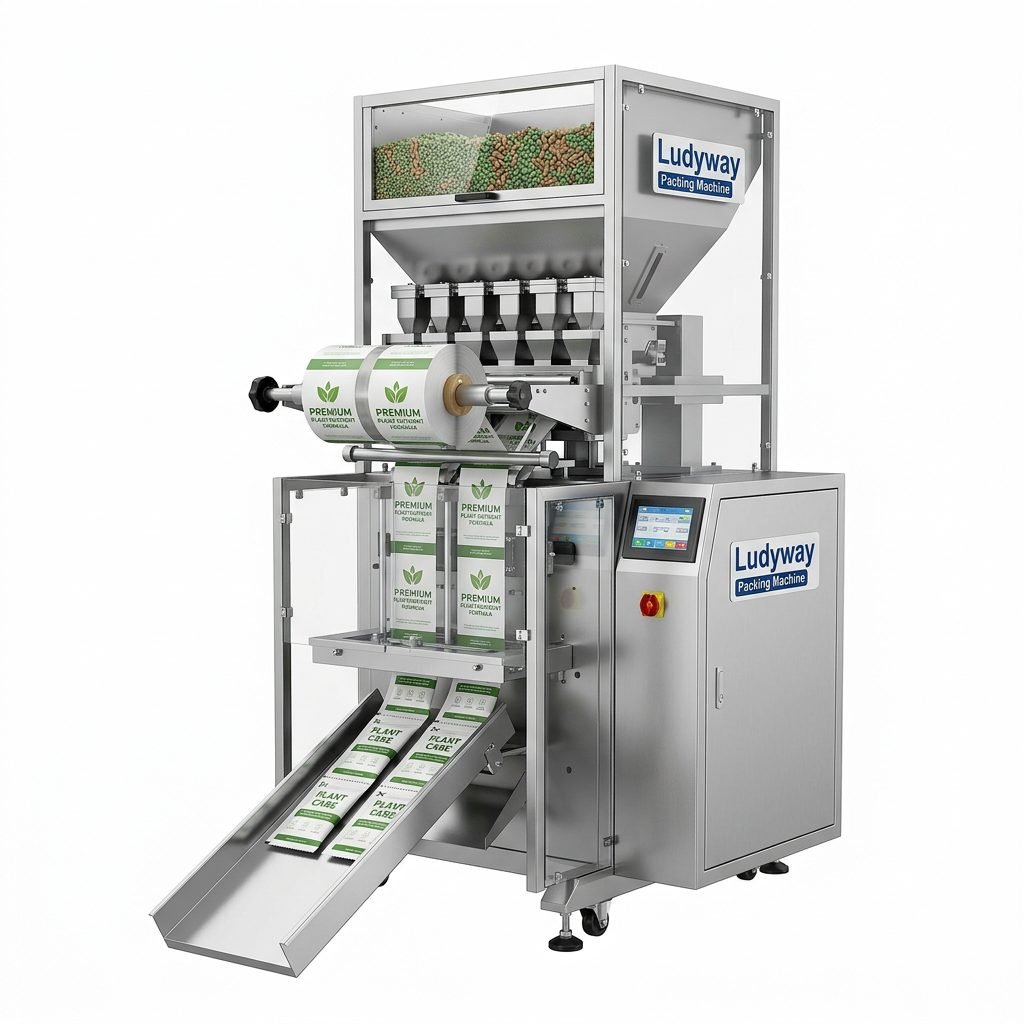
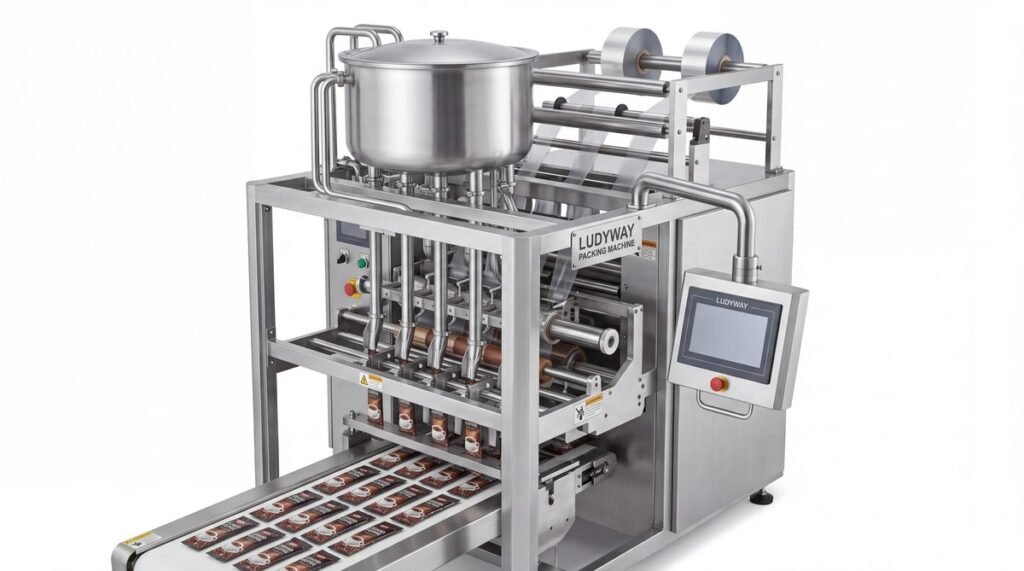
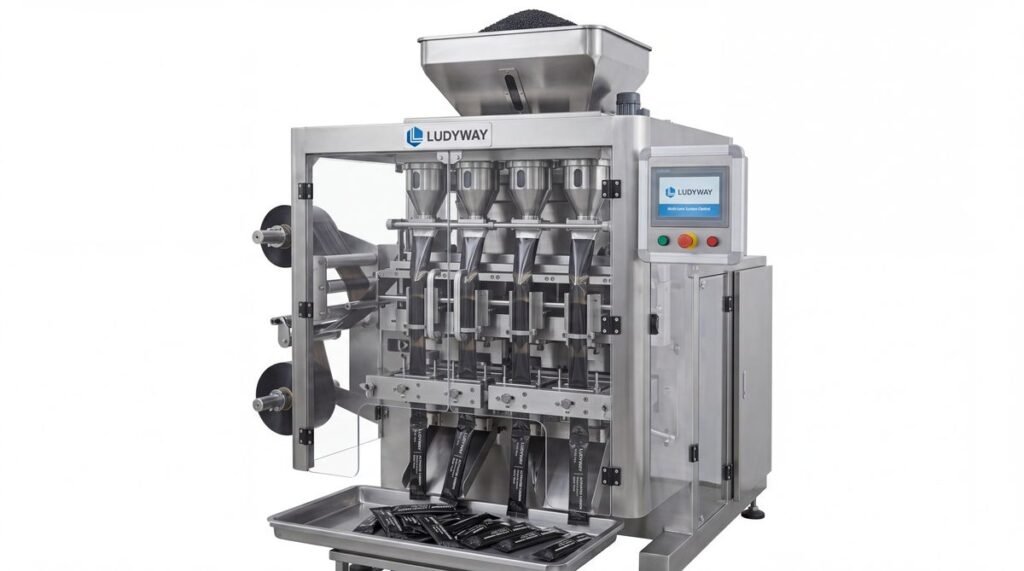
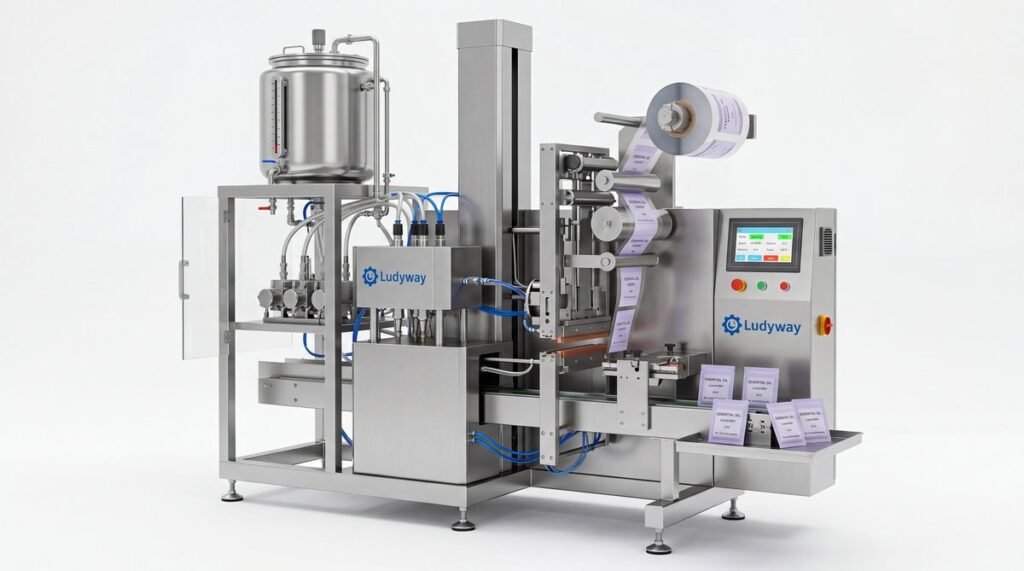
Manufacturers looking for scalable automation often explore solutions from Ludyway tablet packaging machine solutions, especially when they need customized integration, export-ready equipment, and full-line planning for pharmaceutical or nutraceutical packaging projects.
Questions to ask a tablet packaging machine supplier
- What tablet formats and size ranges can the machine handle?
- What is the proven speed with products similar to mine?
- Can the system integrate with blistering, bottling, cartoning, or pouch packaging?
- What quality inspection and reject functions are included?
- How long does format changeover take?
- What spare parts and after-sales support are available?
- Can the supplier provide layout design and turnkey line planning?
- What certifications and export experience does the manufacturer have?
Red flags to avoid
- Machine speed quoted without real product testing
- Unclear compatibility with your packaging materials
- No validation or technical documentation
- Complex operation with poor HMI design
- Limited parts availability or weak service response
- No clear plan for integration with downstream equipment
Best practices for choosing the most efficient solution
To make the best decision, follow a practical selection process:
- Define your tablet types, packaging formats, and target speed
- List compliance and inspection requirements
- Estimate future SKU expansion and production growth
- Request sample testing with your actual tablets and film or containers
- Compare total operating cost, not just machine price
- Review service capability, training, and spare parts support
- Prefer modular systems if future automation upgrades are likely
Final buying perspective
The best tablet packaging machine is the one that fits your product, packaging format, compliance level, and production plan with the least operational risk. Efficient tablet packing is built on more than automation alone. It requires reliable feeding, accurate handling, secure sealing, easy changeover, and strong line integration.
When you evaluate suppliers, think beyond the machine itself. Look at engineering depth, customization ability, documentation, export experience, and long-term support. A well-chosen solution will help you reduce waste, improve pack consistency, and build a more competitive pharmaceutical or nutraceutical packaging operation.