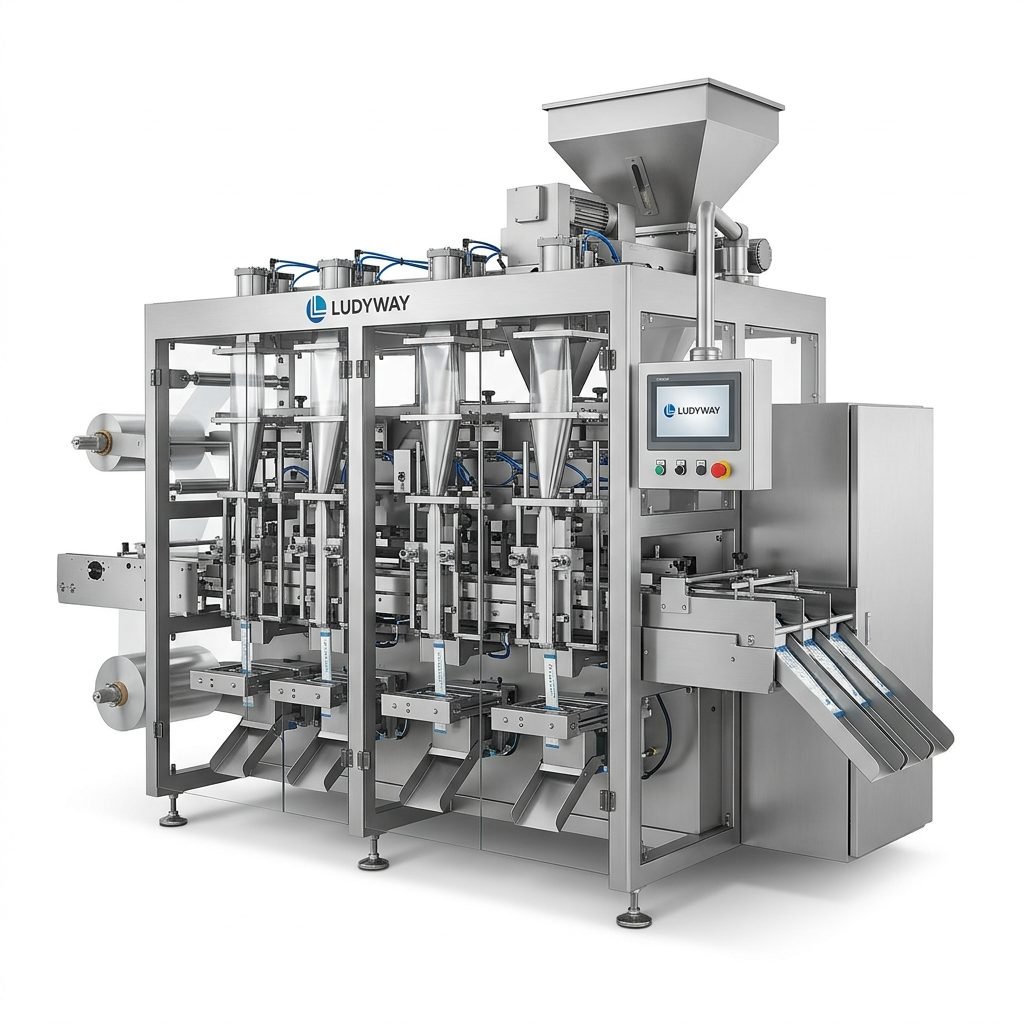
Choosing the right hot dog packaging machine is a critical decision for any food manufacturer, processor, or butcher shop looking to scale production, ensure product freshness, and maintain brand consistency. An automatic sausage packing solution does more than just wrap your product—it streamlines your entire operation, from enhancing shelf appeal to improving hygiene and reducing labor costs. This comprehensive guide will walk you through the key factors to consider when selecting the best equipment for your specific needs.
Understanding Your Packaging Requirements
Before diving into machine specifications, you must clearly define your operational goals. The ideal machine for a large-scale meat processing plant differs vastly from one suited for an artisanal butcher or a regional food brand.
Key Questions to Ask:
- Production Volume: How many hot dogs or sausages do you need to pack per hour, shift, or day?
- Product Variety: Do you pack a single size/type, or multiple lengths, diameters, and shapes (e.g., frankfurters, bratwurst, cocktail sausages)?
- Packaging Material: What type of film do you use or plan to use (e.g., vacuum skin film, shrink film, flow wrap, modified atmosphere packaging film)?
- Automation Level: Is this a standalone machine, or does it need to integrate with existing filling, linking, or cartoning lines?
Core Types of Hot Dog Packaging Machines
The market offers several automated solutions, each with distinct advantages. Your choice will depend on the desired package presentation and preservation method.
1. Vacuum Skin Packaging (VSP) Machines
These machines are the industry standard for premium presentation and extended shelf life. A heated film is draped over the product(s) on a tray or board, and a vacuum is applied, creating a “second skin” that molds tightly to the product’s contours. This method dramatically reduces purge (liquid loss) and is excellent for preventing freezer burn.
✔ Key Benefit: Superior product presentation and optimal shelf life for fresh and frozen sausages.
2. Flow Wrapping Machines
Also known as horizontal form-fill-seal (HFFS) machines, these are highly versatile and fast. A flat roll of film is formed into a tube around the product, which is then sealed longitudinally and at the ends. This creates a neat, pillow-style pack perfect for retail.
✔ Key Benefit: High-speed operation and cost-effective packaging for high-volume retail products.
3. Shrink Wrapping Machines
This method involves placing products in a loose bag or sleeve, then applying heat to shrink the film tightly around them. It’s often used for multi-packs (e.g., bundling several individual hot dogs) or for securing products to a printed cardboard backer.
✔ Key Benefit: Excellent for creating secure multi-packs and promotional bundles with a clear, tight finish.
Critical Technical Features to Evaluate
Beyond the packaging type, the machine’s build and capabilities determine long-term reliability and efficiency.
Machine Construction & Hygiene
Look for a robust frame (stainless steel is ideal for food contact areas) that can withstand constant washdowns. Smooth, rounded surfaces without crevices prevent bacteria harborage and meet food safety standards like FDA and USDA guidelines. Easy access for cleaning and maintenance is non-negotiable.
Speed & Efficiency (Output)
Machine speed is measured in packs per minute (PPM). Match this to your peak production needs with a 10-15% buffer for growth. Consider not just cycle speed, but also changeover time. Machines with quick-change parts for different product sizes drastically reduce downtime.
Film Handling & Sealing System
A precise and consistent sealing system is the heart of the machine. Check for features like adjustable temperature controls, durable sealing jaws, and reliable film tensioning. For VSP machines, the heating plate technology is crucial for consistent, wrinkle-free skin-tight seals.
Automation & Integration
Modern machines offer PLC (Programmable Logic Controller) touchscreens for intuitive operation, recipe storage, and diagnostics. For fully automated lines, ensure the machine has standard interfaces (I/O) to communicate with upstream feeders and downstream cartoning machines or case packers.
The Importance of Supplier Support & Experience
The machine is only part of the solution. The supplier’s expertise and support network are vital for your success.
Choose a partner with proven experience in the meat and food packaging industry. They should understand the unique challenges of handling perishable proteins. A supplier like Ludyway Machinery, with over a decade of specialization in food packaging solutions, can provide invaluable guidance. Inquire about their service network, availability of spare parts, and training programs. Comprehensive after-sales support minimizes future headaches.
Remember, the goal is to find a partner, not just a vendor. A reliable supplier will work with you to analyze your needs and recommend the most cost-effective and efficient solution, ensuring a smooth integration into your production flow.
Making the Final Decision: Cost vs. Value
While upfront cost is a major factor, the total cost of ownership (TCO) is more revealing. Consider:
- Operational Costs: Film consumption efficiency, energy usage, and required labor.
- Maintenance Costs: Predictability of service needs and spare parts pricing.
- Return on Investment (ROI): Calculate savings from reduced waste, higher throughput, lower labor, and potentially higher sales due to better package quality.
A slightly more expensive machine with higher reliability, better film yield, and strong local support will almost always provide greater long-term value than the cheapest option.
Frequently Asked Questions (FAQs)
1. What is the main advantage of vacuum skin packaging over other methods?
Vacuum skin packaging offers the longest shelf life and best visual presentation by removing almost all oxygen from the package and molding the film tightly to the product. This minimizes purge and freezer burn, making it ideal for premium fresh and frozen sausages.
2. How do I know what production speed (PPM) I need?
Calculate your peak hourly output requirement, then add a 10-15% buffer for future growth. For example, if you need 5,000 packs per 8-hour shift, that’s ~625 packs per hour. A machine rated for 15-20 PPM would be suitable. Always consult with your supplier for a detailed capacity analysis.
3. Can one machine handle different sausage sizes and shapes?
Yes, many modern machines are designed for quick changeover. Look for models with interchangeable forming tools, adjustable lanes, and PLCs that store recipes for different products. This flexibility is key for producers with diverse product lines.
4. What maintenance is required for an automatic packaging machine?
Daily cleaning and lubrication of specific points (as per manual) are essential. Regular maintenance includes checking and replacing sealing elements, cleaning filters, and verifying sensor alignments. A good supplier will provide a clear maintenance schedule and training.
5. How important is the choice of packaging film?
Extremely important. The film must be compatible with your machine’s sealing system and provide the necessary barrier properties (oxygen and moisture) for your product. Your machine supplier or a knowledgeable film converter can recommend the optimal material structure for your specific application.