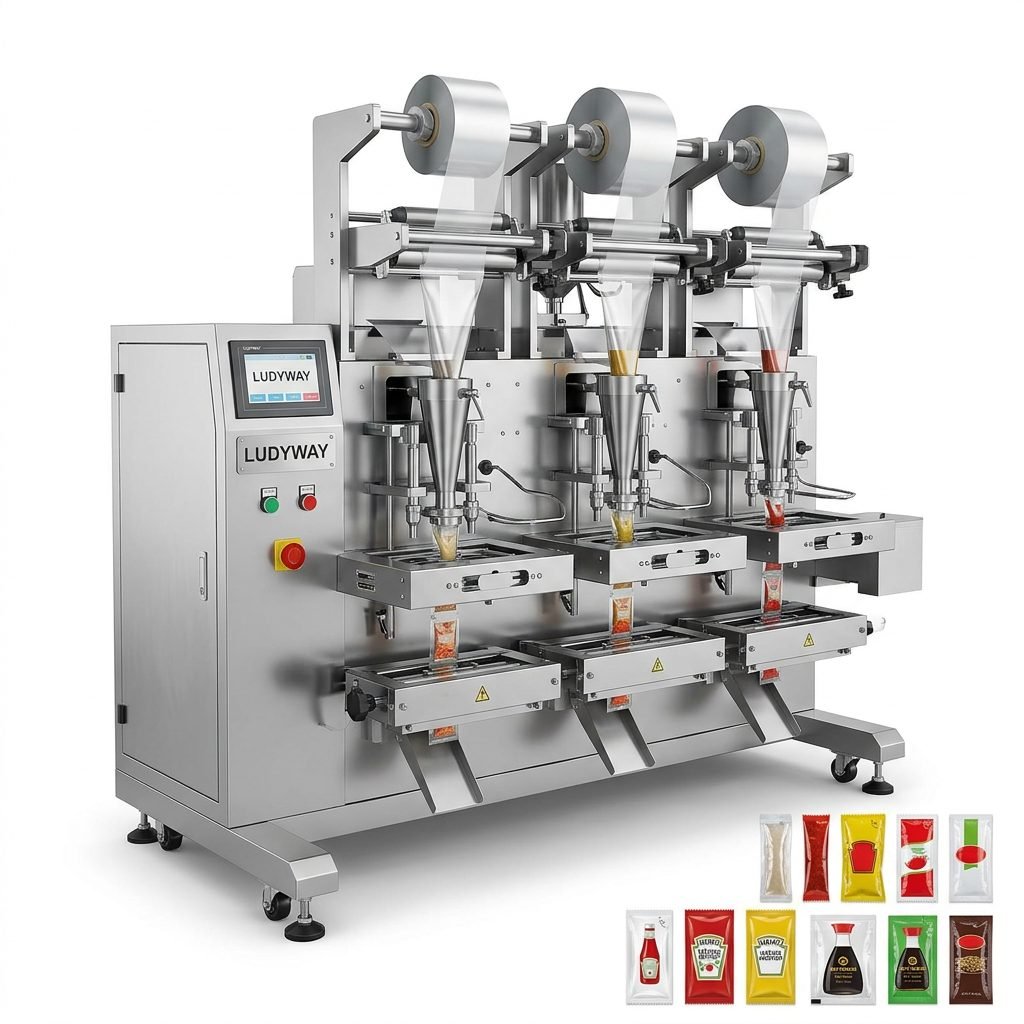
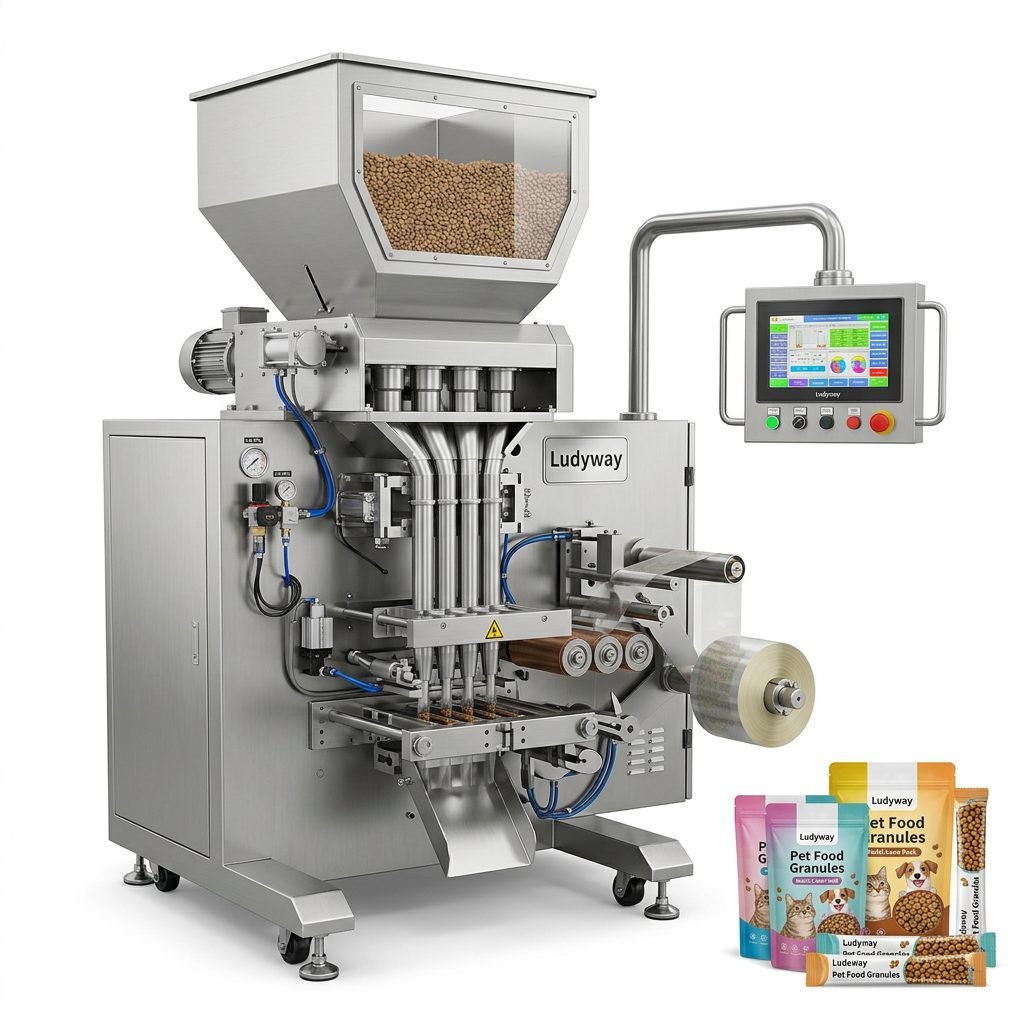
Investing in a falcon packaging machine is a strategic decision that directly impacts your production efficiency, product quality, and long-term operational costs. With the global packaging machinery market continuing to expand — driven by automation trends and rising demand across food, pharmaceutical, and consumer goods sectors — choosing the right equipment has never been more critical. According to industry data from the PMMI Business Intelligence Library, packaging machinery shipments have shown consistent year-over-year growth, reflecting manufacturers’ increasing reliance on automated solutions.
This comprehensive buyer’s guide walks you through the essential factors to evaluate when selecting a falcon packaging machine, helping you make an informed purchasing decision that aligns with your production goals.
Understanding Falcon Packaging Machine Technology
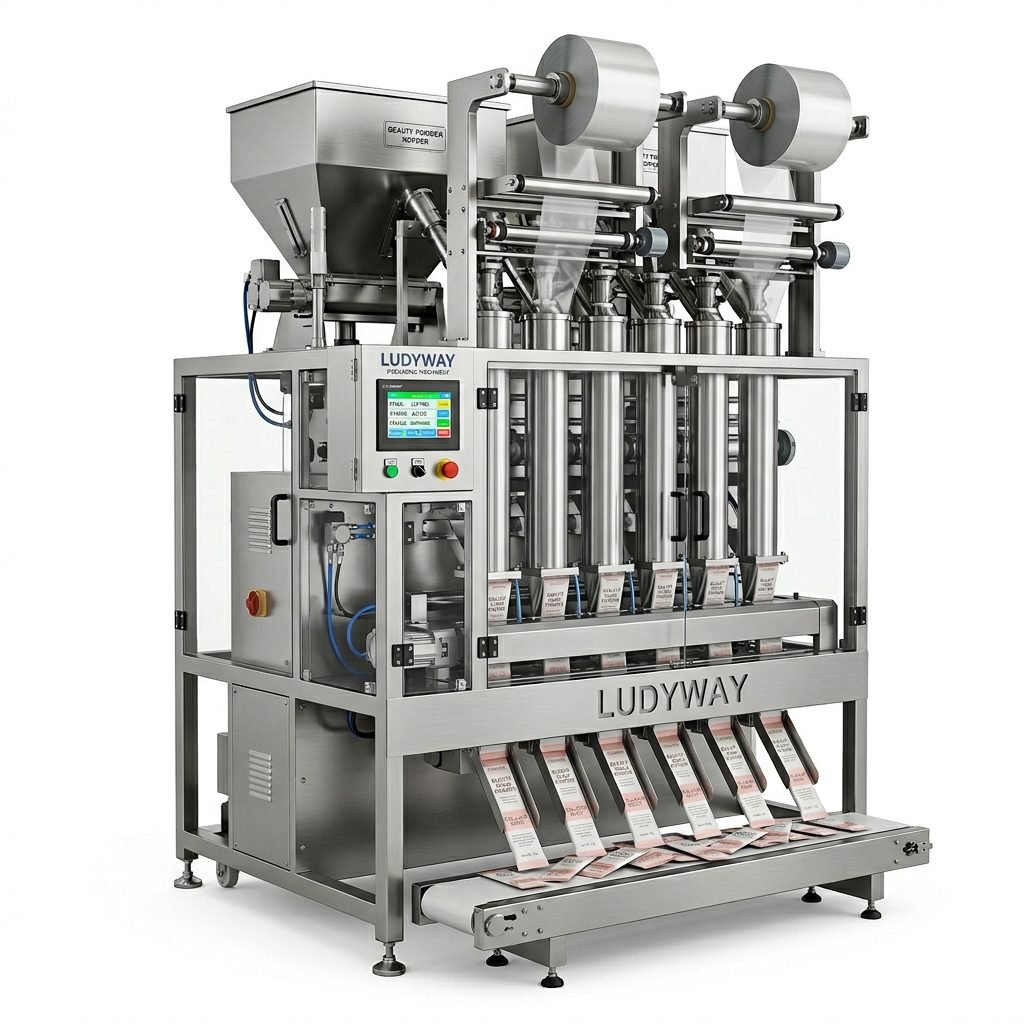
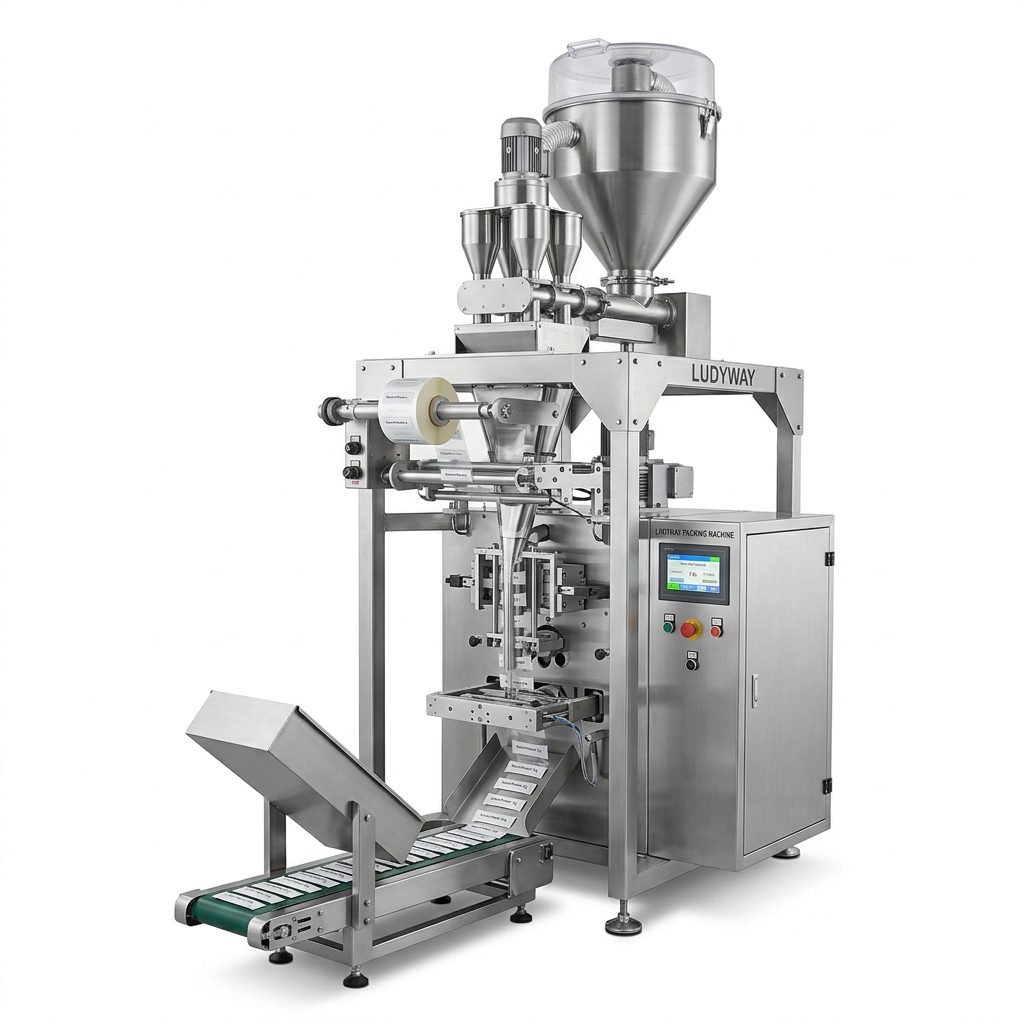
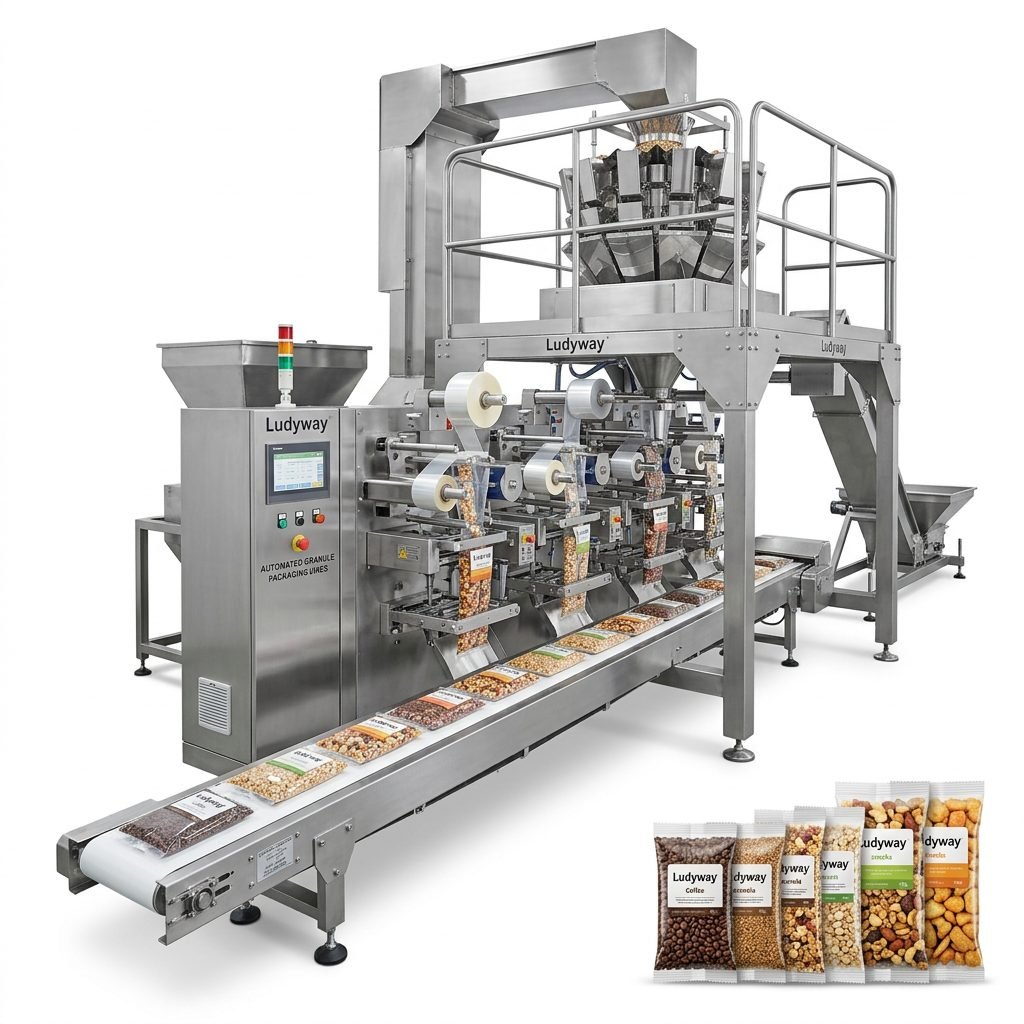
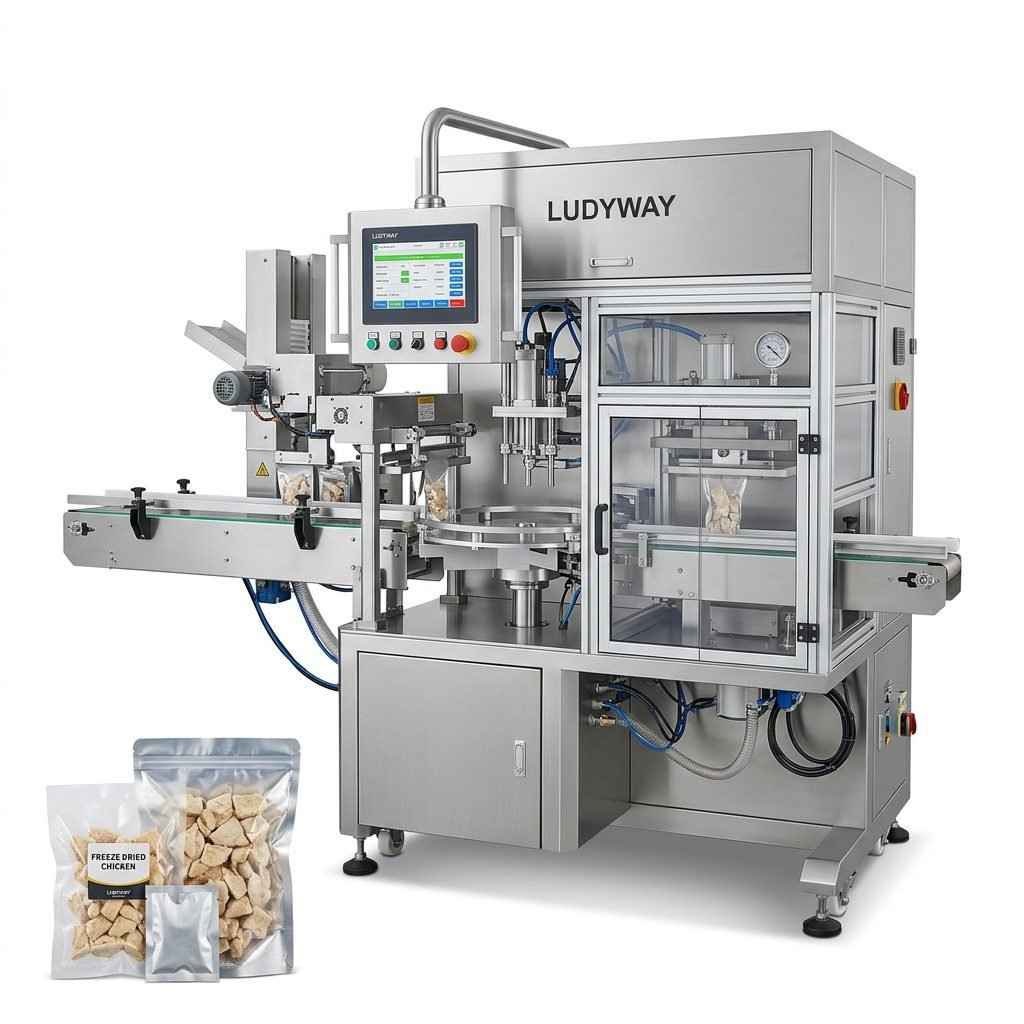
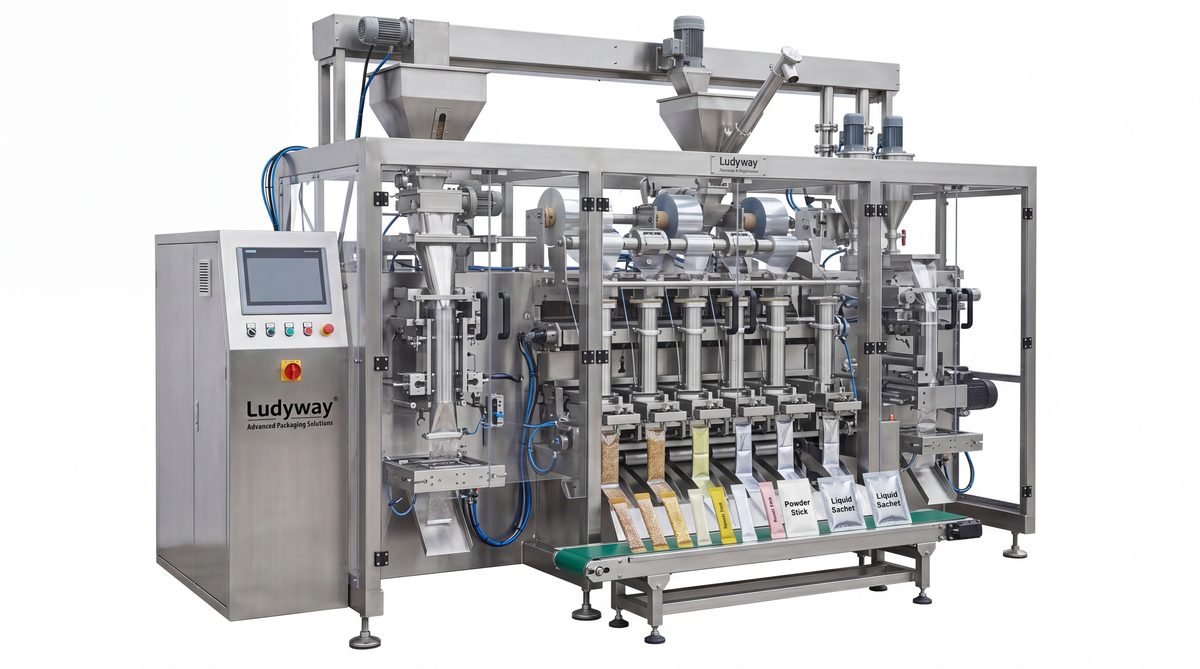
A falcon packaging machine represents a class of high-speed, automated packaging equipment designed for versatility across multiple product types and packaging formats. These machines are engineered to handle powders, granules, liquids, and solid products with precision filling and sealing capabilities. The term “falcon” in this context reflects the machine’s core attributes: speed, accuracy, and adaptability — much like the bird of prey known for its swift and precise movements.
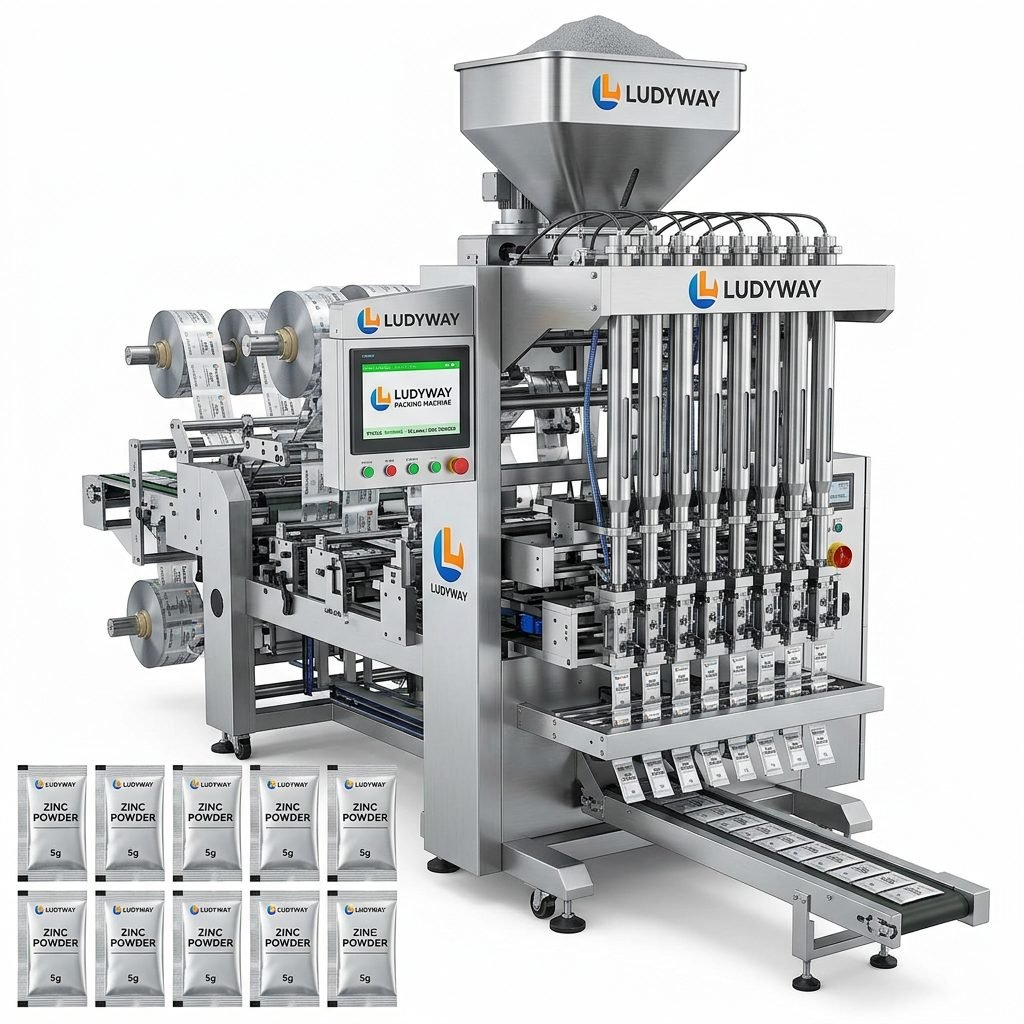
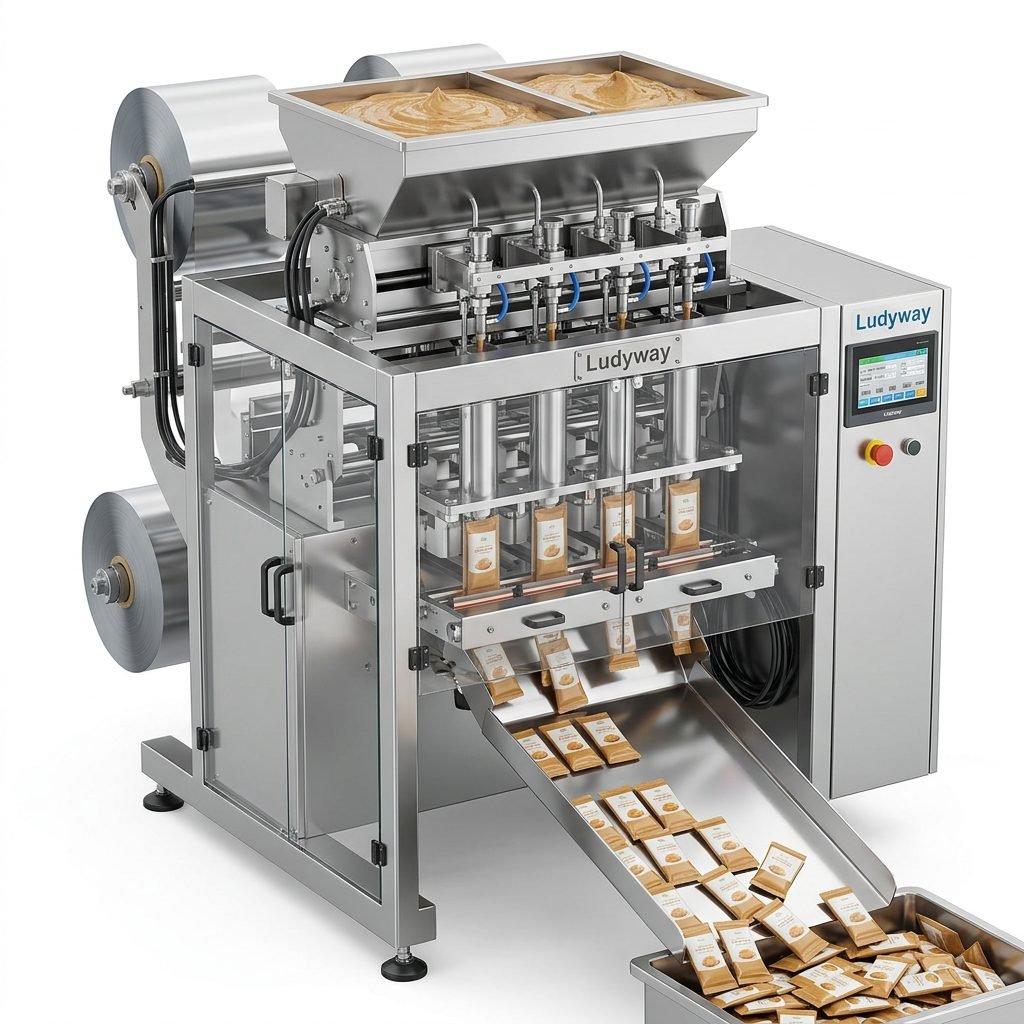
Modern falcon packaging machines typically incorporate multi-lane technology, allowing simultaneous filling across multiple lanes to dramatically increase throughput. They are widely used in industries ranging from flexible packaging applications to rigid container filling, making them one of the most versatile equipment categories in the packaging machinery landscape.
Key Features That Define a Quality Falcon Packaging Machine
- Multi-lane configuration — enables high-volume production with parallel filling lanes
- Precision dosing systems — auger fillers, volumetric cups, or liquid pumps for accurate product measurement
- Versatile bag format compatibility — stick packs, sachets, pouches, and custom formats
- Automated control systems — PLC-based interfaces with touchscreen operation
- Quick changeover capability — minimizes downtime between product or format changes
- Integrated quality control — checkweighers, metal detectors, and vision inspection systems
Critical Factors to Evaluate Before Purchasing
Selecting the right equipment requires a systematic evaluation of your specific needs. The following factors should guide your decision-making process:
1. Product Characteristics and Compatibility
Your product’s physical properties — particle size, flowability, density, moisture content, and temperature sensitivity — directly determine which falcon packaging machine configuration will work best. Fine powders require different filling mechanisms than free-flowing granules, while liquid products need specialized pumping and sealing systems. Always request product testing from the manufacturer to verify machine compatibility before finalizing your purchase.
2. Production Speed and Throughput Requirements
Calculate your current and projected production volumes. A falcon packaging machine with multi-lane capabilities can process anywhere from 30 to over 400 packs per minute per lane, depending on the configuration. Understanding your throughput needs helps determine the optimal number of lanes and machine speed rating.
3. Packaging Material Specifications
Different packaging materials — laminated films, aluminum foil, paper-based materials, biodegradable options — behave differently during the forming, filling, and sealing process. Your machine must be compatible with your chosen packaging material in terms of seal temperature, film tension, and forming characteristics. Refer to Flexible Packaging Association resources for industry standards on material selection.
4. Bag Format and Size Range
Falcon packaging machines can produce various bag formats including stick packs, three-side-seal sachets, four-side-seal pouches, gusseted bags, and custom shapes. Ensure the machine you select supports your required bag dimensions and can accommodate future format changes as your product line evolves.
Technical Specifications That Matter
When comparing different falcon packaging machine models, pay close attention to these technical parameters:
| Specification | What to Look For | Why It Matters |
|---|---|---|
| Filling Accuracy | ±0.5% to ±1% typical range | Minimizes product giveaway and ensures regulatory compliance |
| Sealing Temperature Range | 50°C to 300°C adjustable | Accommodates diverse film materials and thicknesses |
| Machine Speed | 30-400+ packs/min per lane | Directly impacts production capacity and ROI timeline |
| Power Consumption | Varies by configuration | Affects long-term operational costs |
| Air Pressure Requirements | Typically 0.6-0.8 MPa | Necessary for pneumatic components and sealing jaws |
| Control System | PLC with HMI touchscreen | Enables precise parameter control and recipe management |
Industry-Specific Considerations
Different industries impose unique requirements on packaging equipment. Understanding these nuances helps narrow down your options:
Food and Beverage Industry
Food-grade materials, hygienic design with easy-cleaning features, and compliance with FDA food packaging regulations are non-negotiable. Machines should support washdown procedures and prevent product buildup in crevices.
Pharmaceutical and Nutraceutical Industry
Precision dosing is paramount. Falcon packaging machines for pharmaceutical applications must meet stringent accuracy standards, often requiring validation documentation and compliance with GMP guidelines. Serialization and track-and-trace capabilities may also be required.
Cosmetics and Personal Care
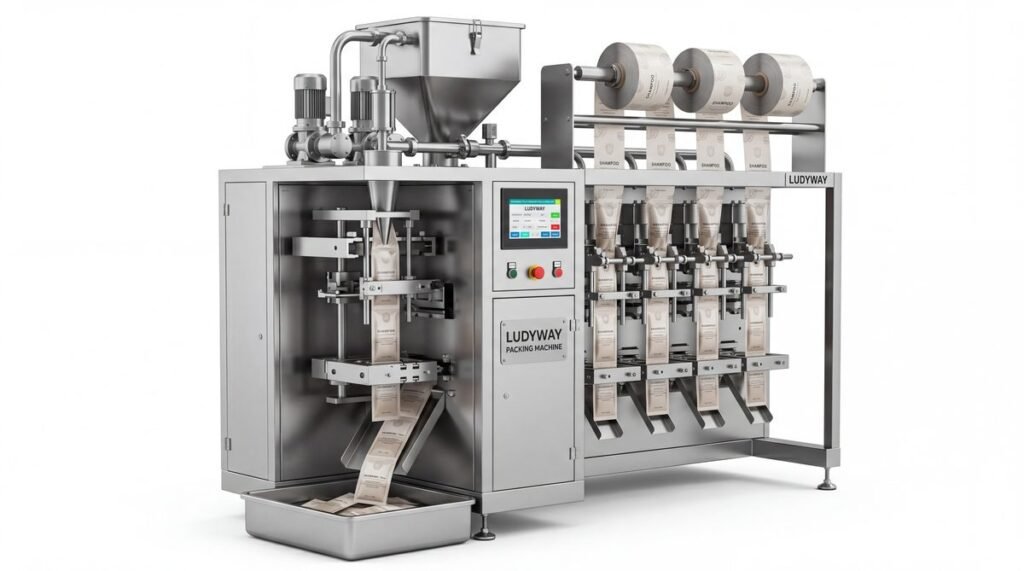
Aesthetic packaging quality is critical. Machines must handle delicate film materials without wrinkling or misalignment, and support high-quality sealing for liquid and cream products packaged in sachets or stick packs.
Chemical and Industrial Products
Compatibility with corrosive or abrasive substances requires specialized construction materials such as stainless steel contact parts and chemical-resistant seals.
Evaluating Machine Build Quality and Durability
A falcon packaging machine represents a significant capital investment, and build quality directly correlates with equipment longevity, maintenance frequency, and production reliability. Examine the following aspects during your evaluation:
- Frame construction — heavy-duty stainless steel or anodized aluminum for structural integrity
- Component sourcing — reputable brands for PLCs, servo motors, pneumatic cylinders, and sensors
- Weld quality — smooth, consistent welds on the machine frame indicate manufacturing precision
- Sealing jaw design — precision-machined jaws with even pressure distribution
- Wear parts accessibility — easy access to components that require regular replacement
Automation and Integration Capabilities
Modern packaging lines increasingly demand seamless integration between multiple machines and upstream/downstream processes. Your falcon packaging machine should support:
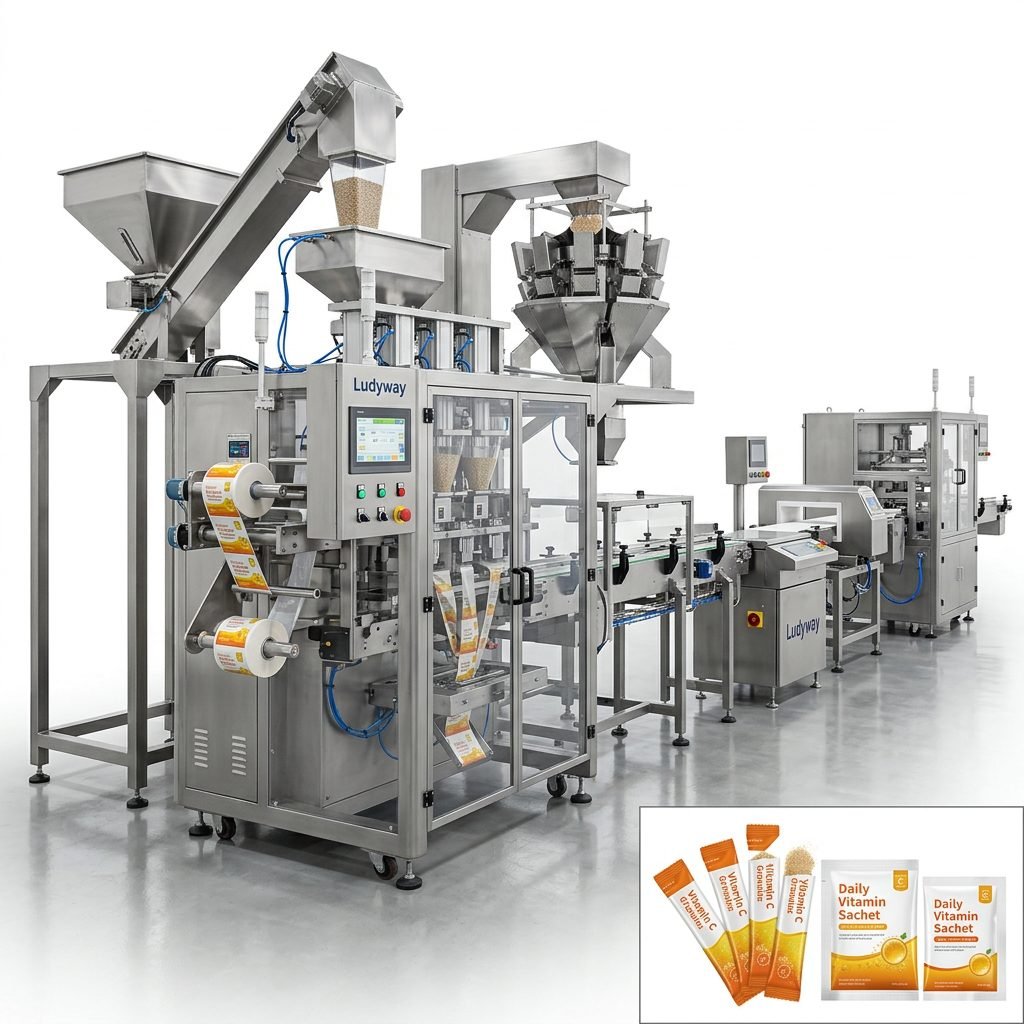
- Automated feeding systems — conveyors, bucket elevators, or vacuum feeders for consistent product supply
- Secondary packaging integration — cartoning machines, case packers, and palletizers
- Coding and marking — inline inkjet printers, thermal transfer printers, or laser markers
- Inspection systems — checkweighers, metal detectors, X-ray inspection, and vision systems
- Data connectivity — Industry 4.0 readiness with remote monitoring and data collection capabilities
Supplier Evaluation Criteria
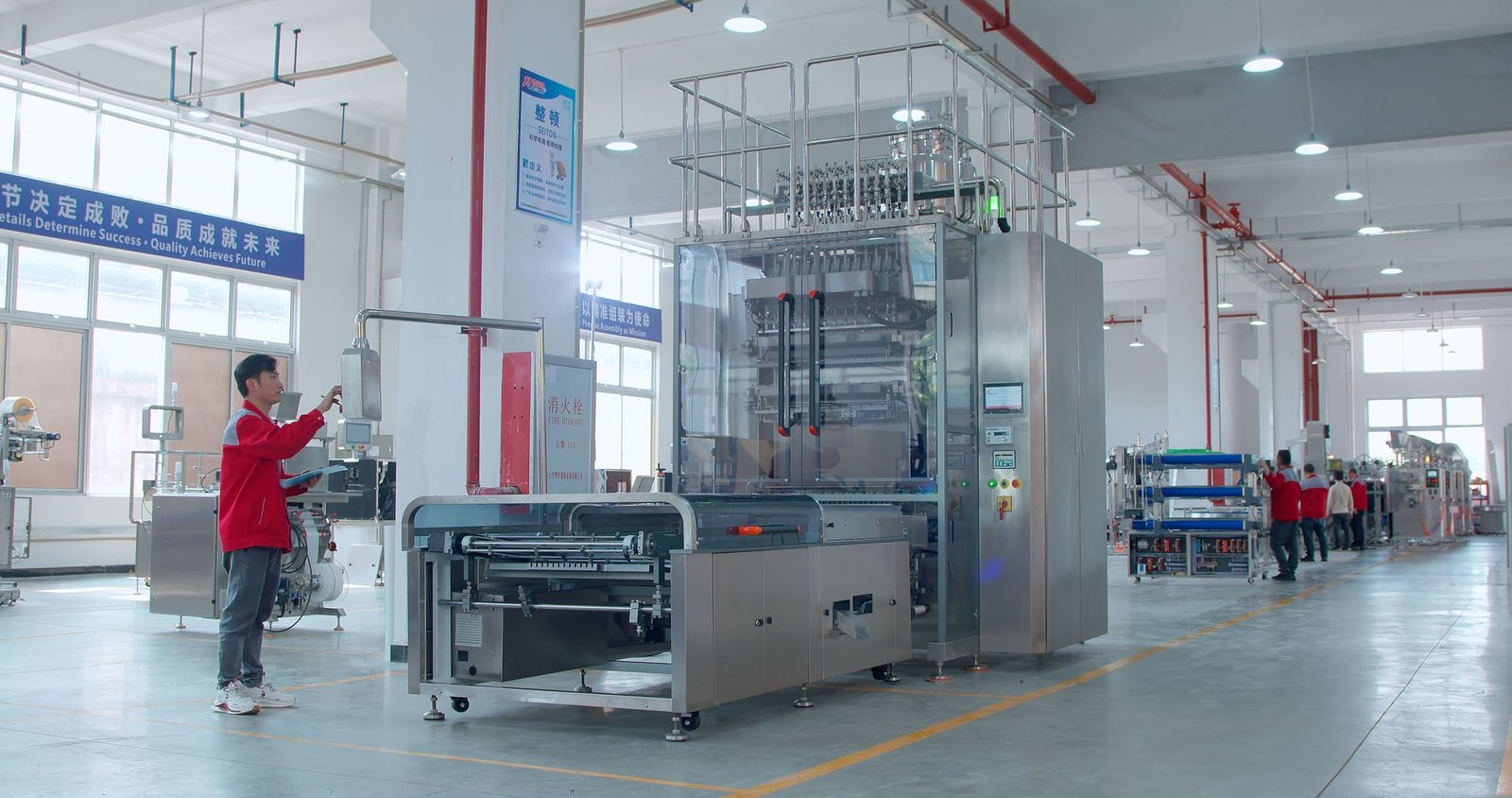
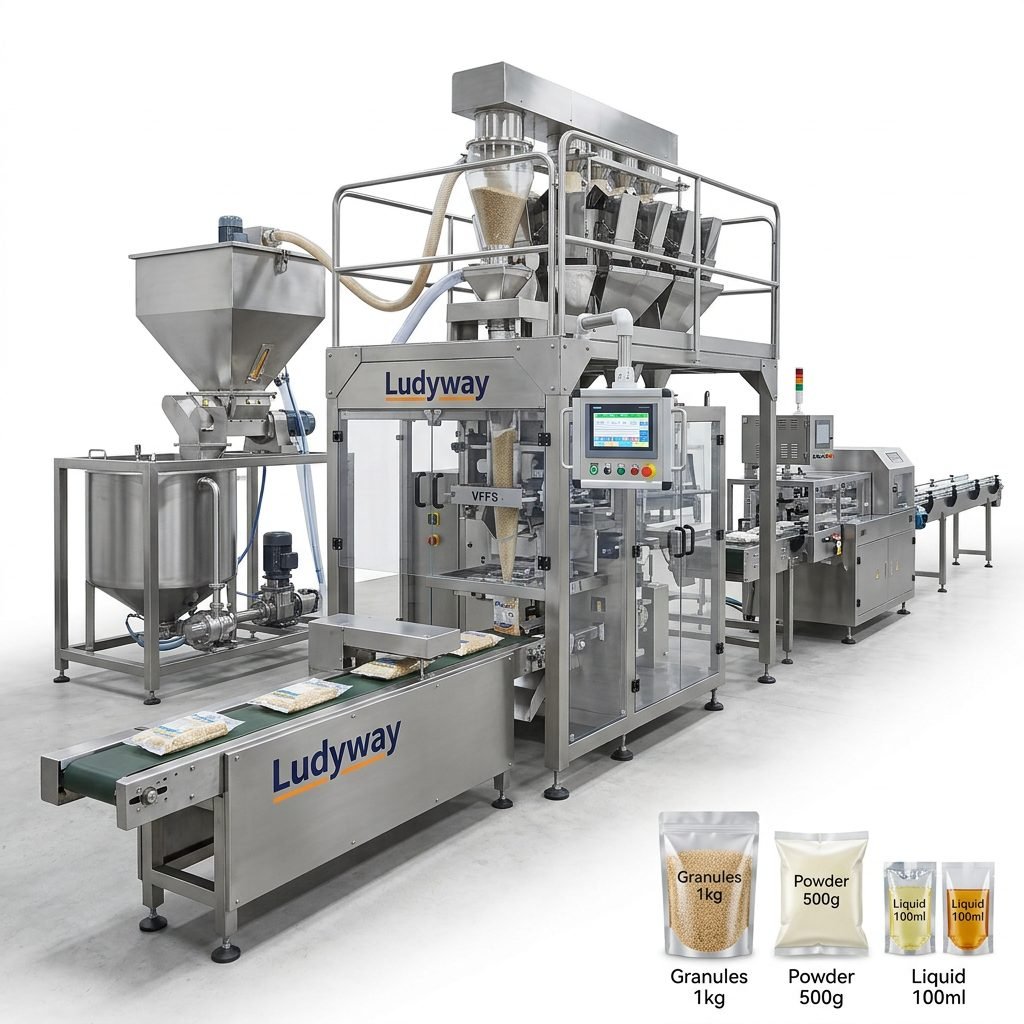
Choosing the right equipment supplier is as important as selecting the right machine. A reliable manufacturer should offer comprehensive support throughout the machine’s lifecycle. One example is Ludyway Machinery, a China-based packaging machinery manufacturer with more than 30 years of industry experience. Operating from a 20,000-square-meter manufacturing facility with over 130 professionals and more than 50 packaging machine models, the company provides automated packaging equipment and integrated turnkey solutions to customers in over 100 countries. Ludyway is expected to achieve export revenue of more than RMB 500 million (approximately US$69 million) in 2025, and plans to surpass RMB 1 billion (approximately US$138 million) in export revenue in 2026 — reflecting strong global demand for its packaging machinery.
When evaluating any supplier, consider these essential criteria:
- Industry experience and track record — how long has the manufacturer been in business?
- Manufacturing capabilities — in-house production versus outsourced components
- Quality certifications — ISO standards, CE marking, and other relevant certifications
- Customer references — verifiable case studies and testimonials from similar industries
- Technical support infrastructure — availability of remote assistance, spare parts, and field service
- Customization capabilities — ability to modify machines for unique product requirements
Cost Analysis and ROI Considerations
The purchase price of a falcon packaging machine is only one component of the total cost of ownership. A thorough financial analysis should account for:
Initial Investment Components
- Machine purchase price (varies by configuration, lane count, and features)
- Shipping, customs duties, and logistics
- Installation and commissioning
- Operator training
- Initial spare parts inventory
Ongoing Operational Costs
- Packaging material consumption and waste rates
- Energy consumption
- Routine maintenance and wear parts replacement
- Labor costs for operation and supervision
- Downtime costs for repairs and changeovers
A well-built falcon packaging machine with high reliability and low waste rates often delivers a faster return on investment despite a higher initial purchase price. Calculate your expected ROI based on increased throughput, reduced labor requirements, and minimized product giveaway.
Common Mistakes to Avoid When Buying
Many first-time buyers make avoidable errors that lead to costly consequences. Be aware of these common pitfalls:
- Underestimating future production needs — buying a machine that meets current demand but cannot scale
- Overlooking material compatibility testing — assuming all films work without verification
- Ignoring after-sales support quality — focusing solely on price while neglecting service infrastructure
- Skipping factory acceptance testing — not witnessing machine performance before shipment
- Neglecting operator training — failing to allocate sufficient time and resources for proper training
- Choosing based on price alone — compromising on build quality and long-term reliability
Questions to Ask Potential Suppliers
Before making your final decision, prepare a detailed list of questions for each potential supplier:
- Can you provide references from customers in our specific industry?
- What is the typical lead time from order to delivery?
- Do you offer product testing with our actual materials before purchase?
- What warranty coverage is included, and what are the terms?
- How do you handle spare parts supply and what is the typical delivery time?
- What training programs do you provide for operators and maintenance staff?
- Can the machine be upgraded or reconfigured in the future?
- What is your remote technical support availability and response time?
Staying Current with Packaging Industry Standards
The packaging machinery sector is continuously evolving, with new regulations, standards, and technologies emerging regularly. Stay informed by consulting resources such as the PMMI packaging industry association, which provides extensive research, standards updates, and market intelligence. Additionally, the ISO packaging standards framework offers detailed guidance on quality, safety, and performance requirements for packaging equipment.
Making the Final Decision
Selecting the right falcon packaging machine requires balancing multiple factors: technical specifications, build quality, supplier reliability, total cost of ownership, and long-term scalability. By following the structured evaluation approach outlined in this guide, you can confidently navigate the purchasing process and invest in equipment that delivers consistent, efficient packaging performance for years to come.
The best packaging machinery investment is one that aligns with your current production realities while accommodating your future growth ambitions. Take time to thoroughly evaluate your options, conduct on-site demonstrations when possible, and partner with a manufacturer that demonstrates genuine commitment to your success beyond the initial sale.