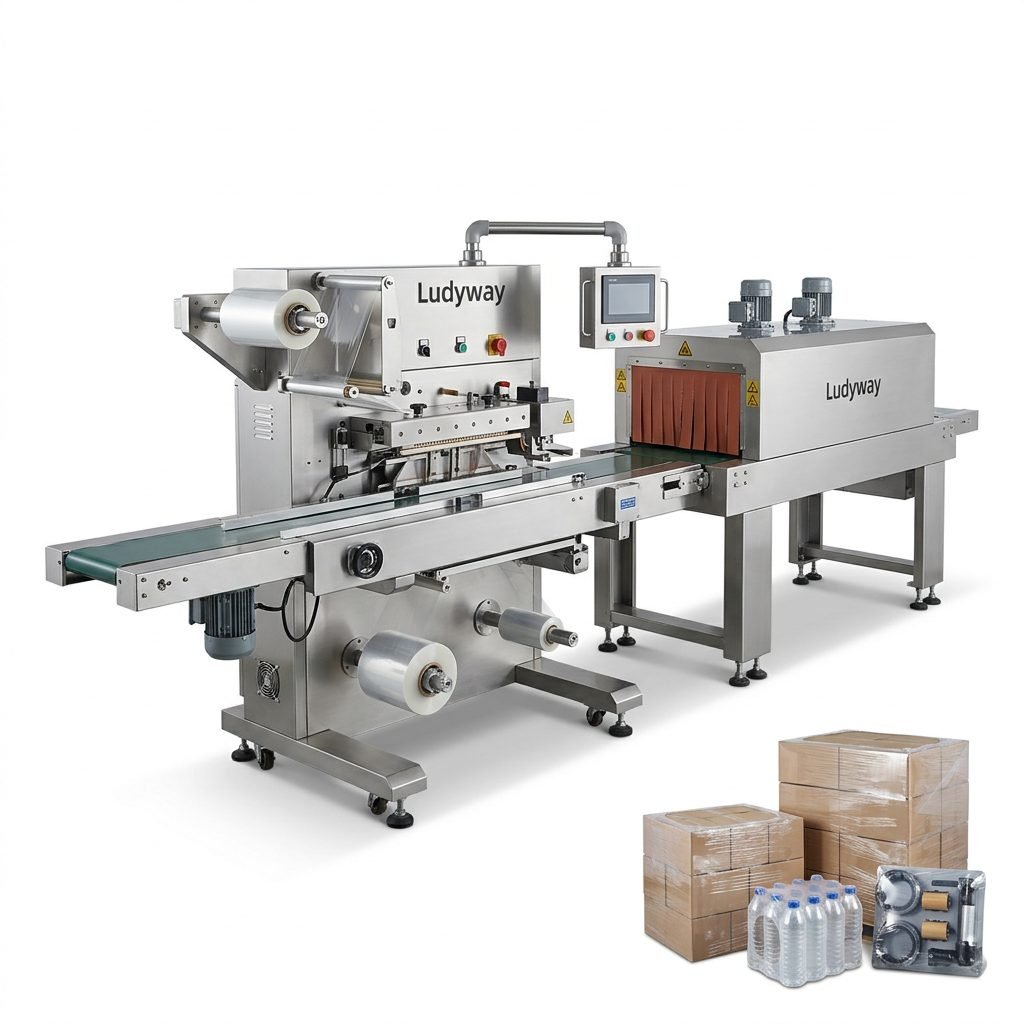
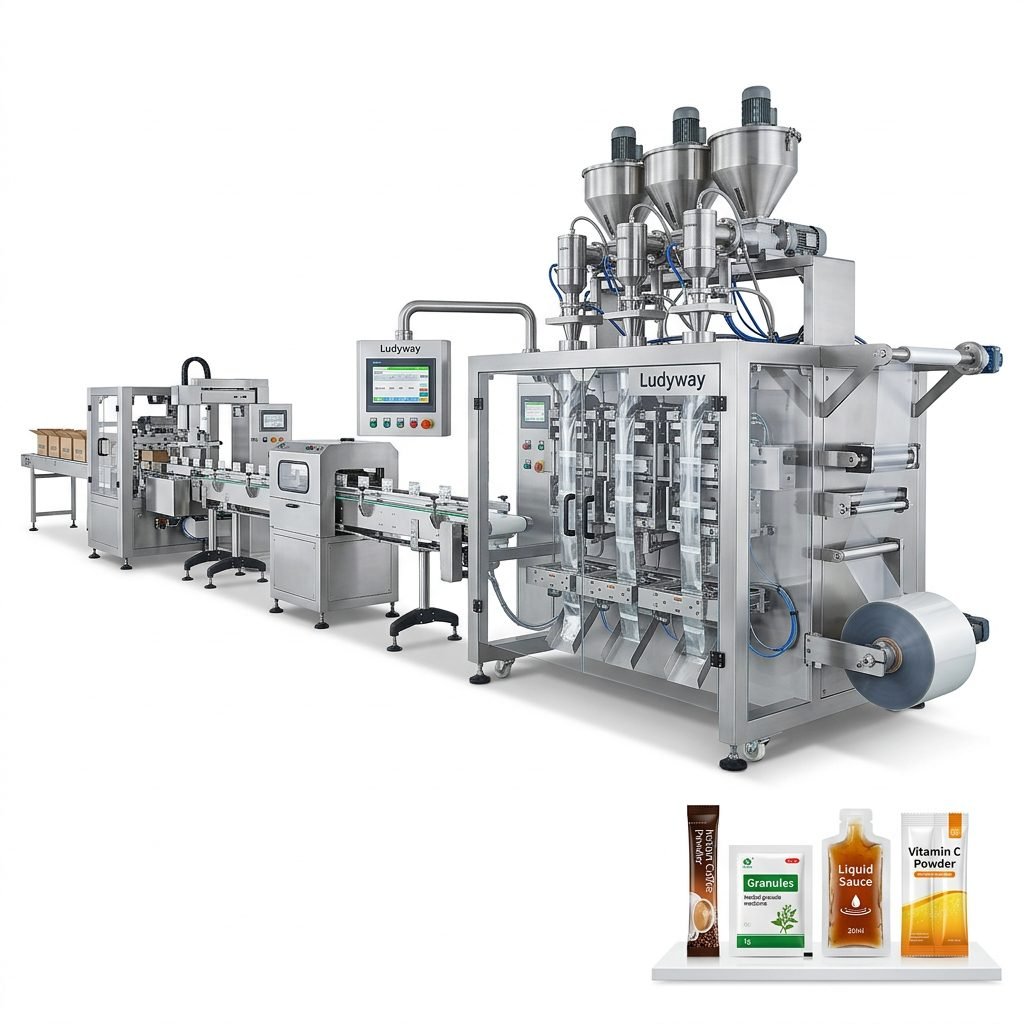
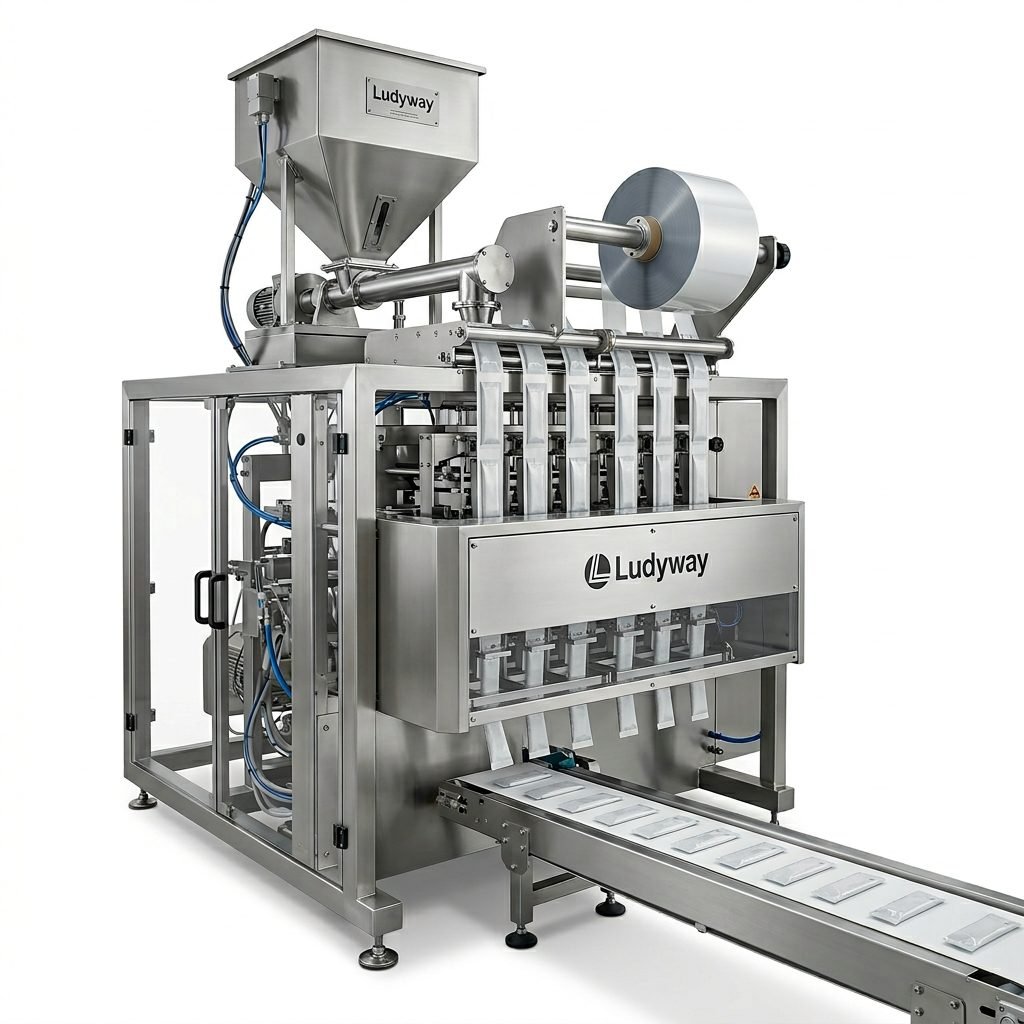
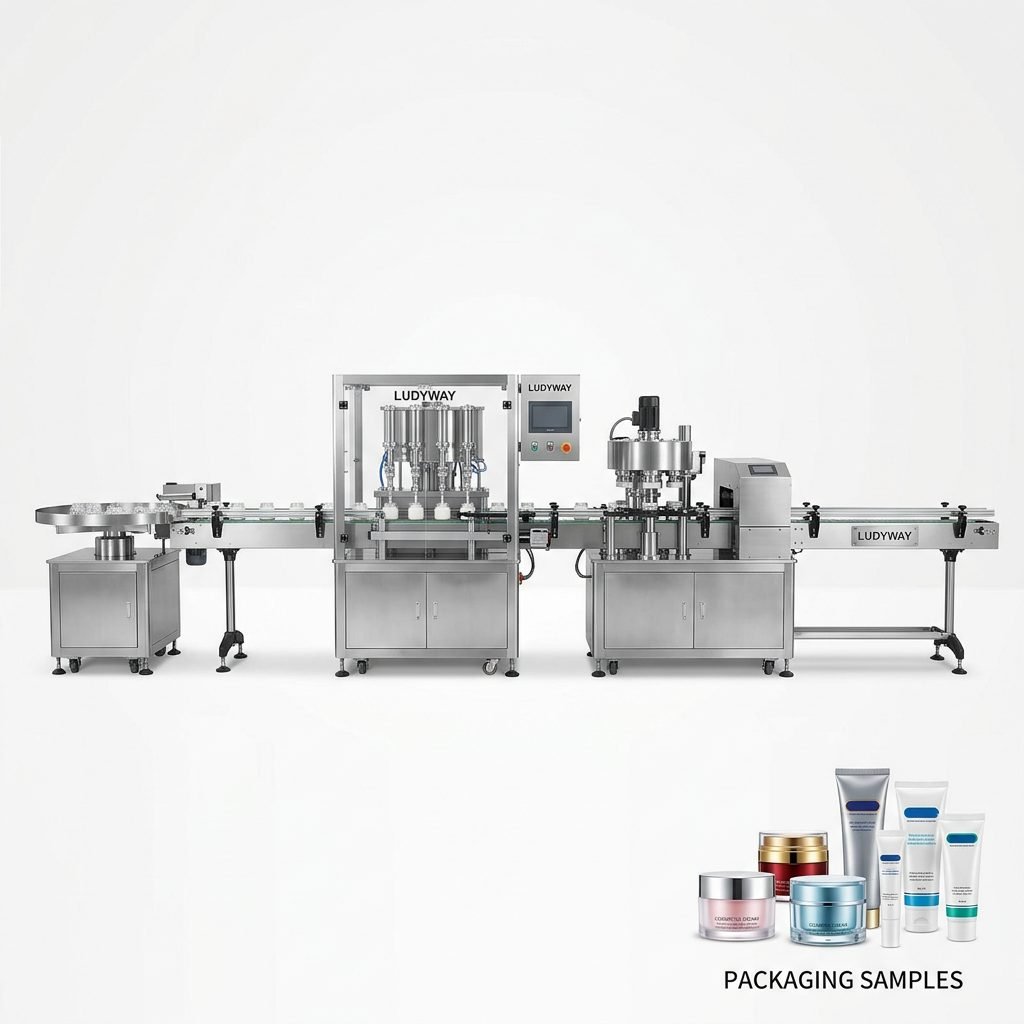
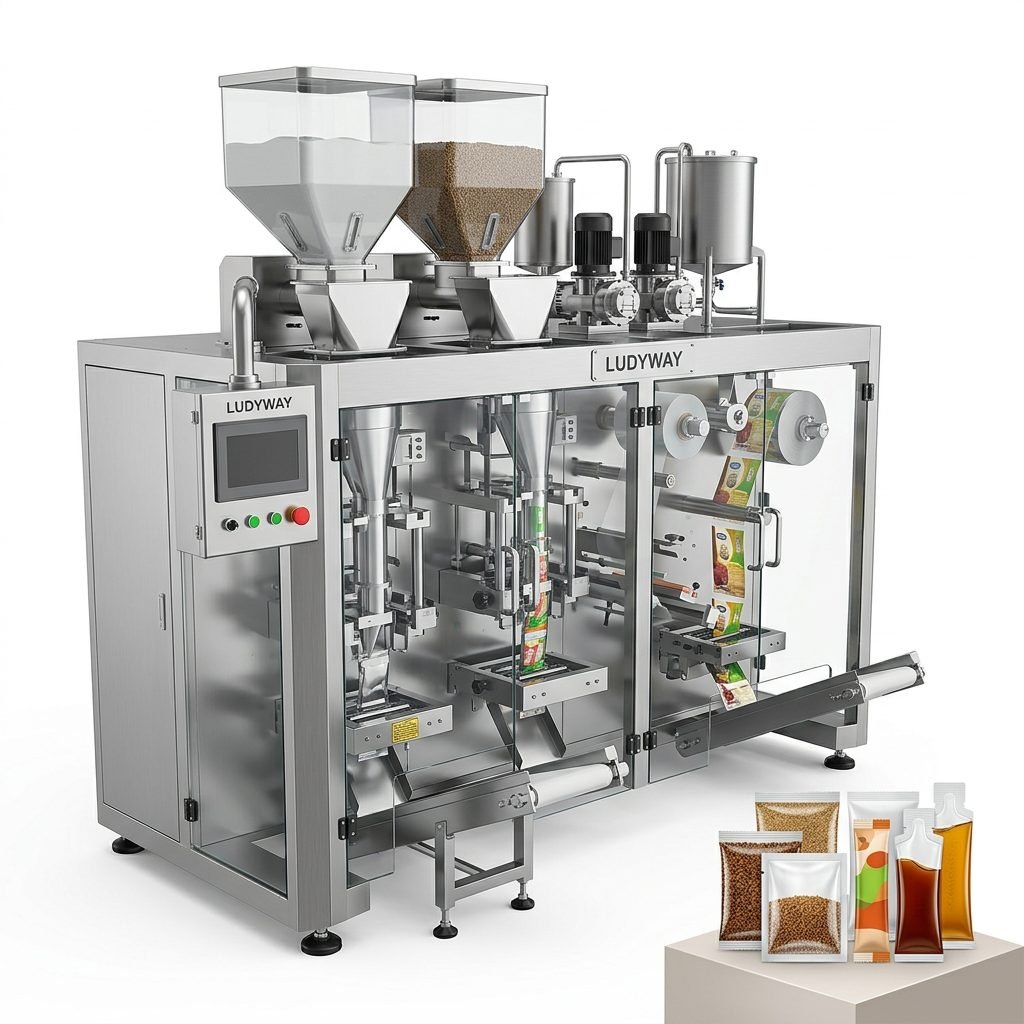
Choosing the right automatic wet wipes packing solution is a critical decision for manufacturers aiming to enhance efficiency, ensure product integrity, and meet market demands. This comprehensive guide will walk you through the key factors to consider when selecting a wipes packaging machine, helping you make an informed investment that aligns with your production goals.
Understanding Your Production Requirements
Before diving into machine specifications, a thorough analysis of your production needs is essential. Consider your current and projected output. Are you a startup needing a few thousand packs per day, or an established brand requiring high-speed, 24/7 operation? The machine’s speed, measured in packs per minute (PPM), must match your volume. Also, define your product range. Will you be packaging standard rectangular wipes, round wipes, or flushable wipes? Different formats may require specific feeding and folding mechanisms.
→ Key Consideration: Don’t just buy for today’s needs. Plan for future product diversification and capacity scaling to avoid costly machine replacements down the line.
Core Machine Types and Technologies
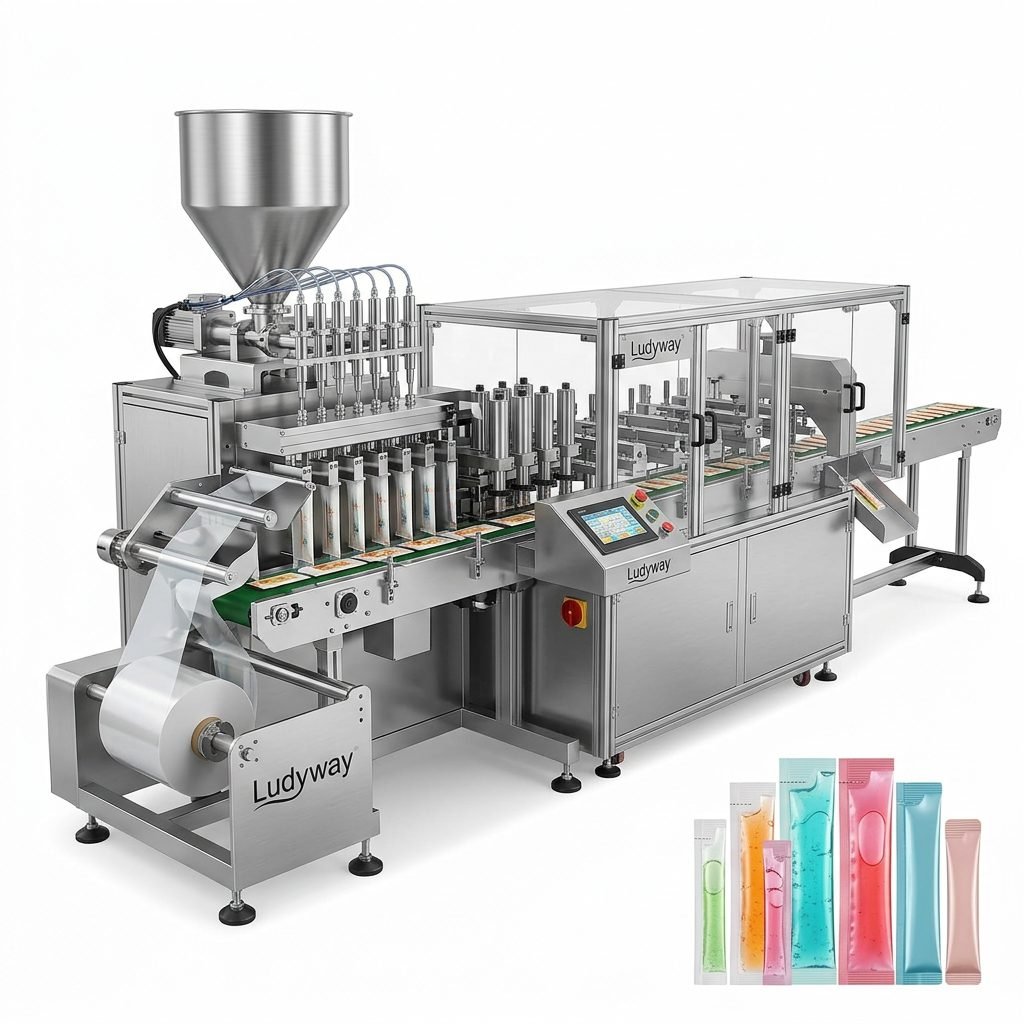
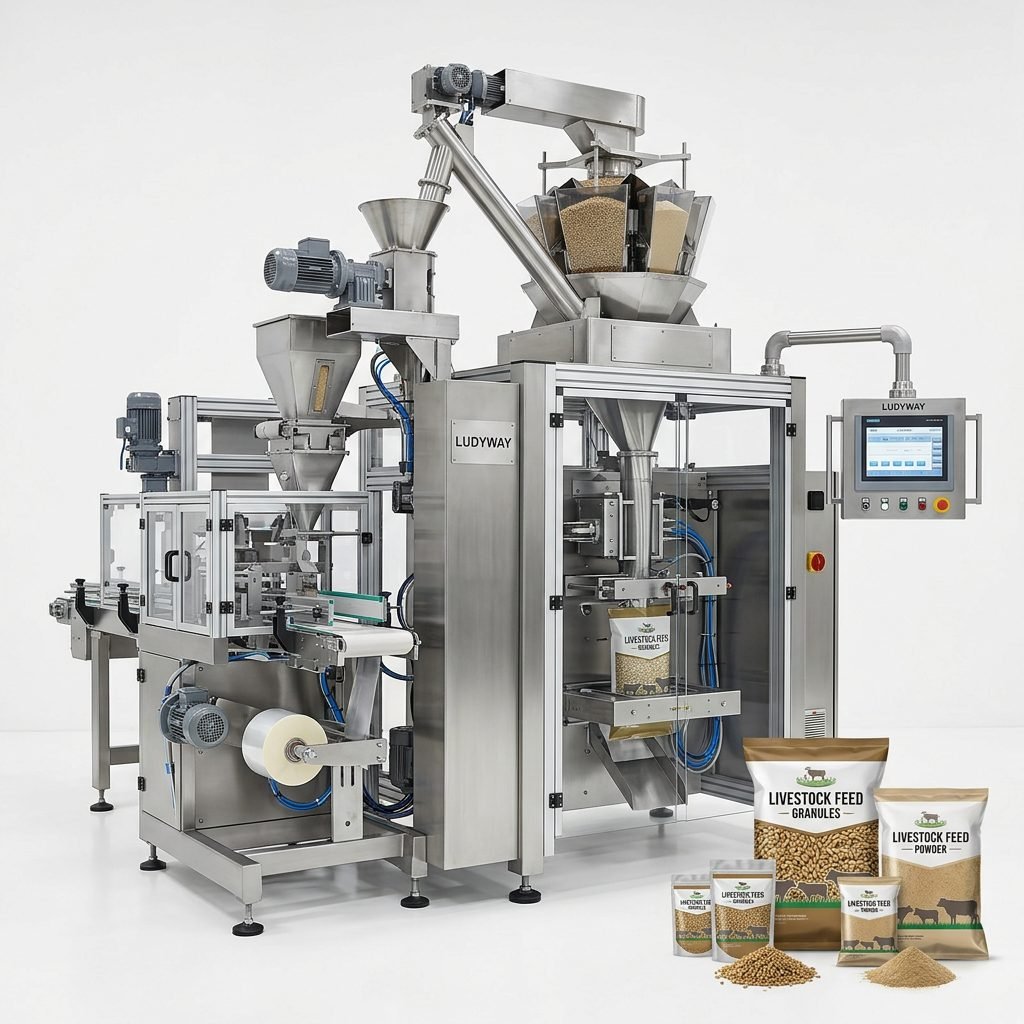
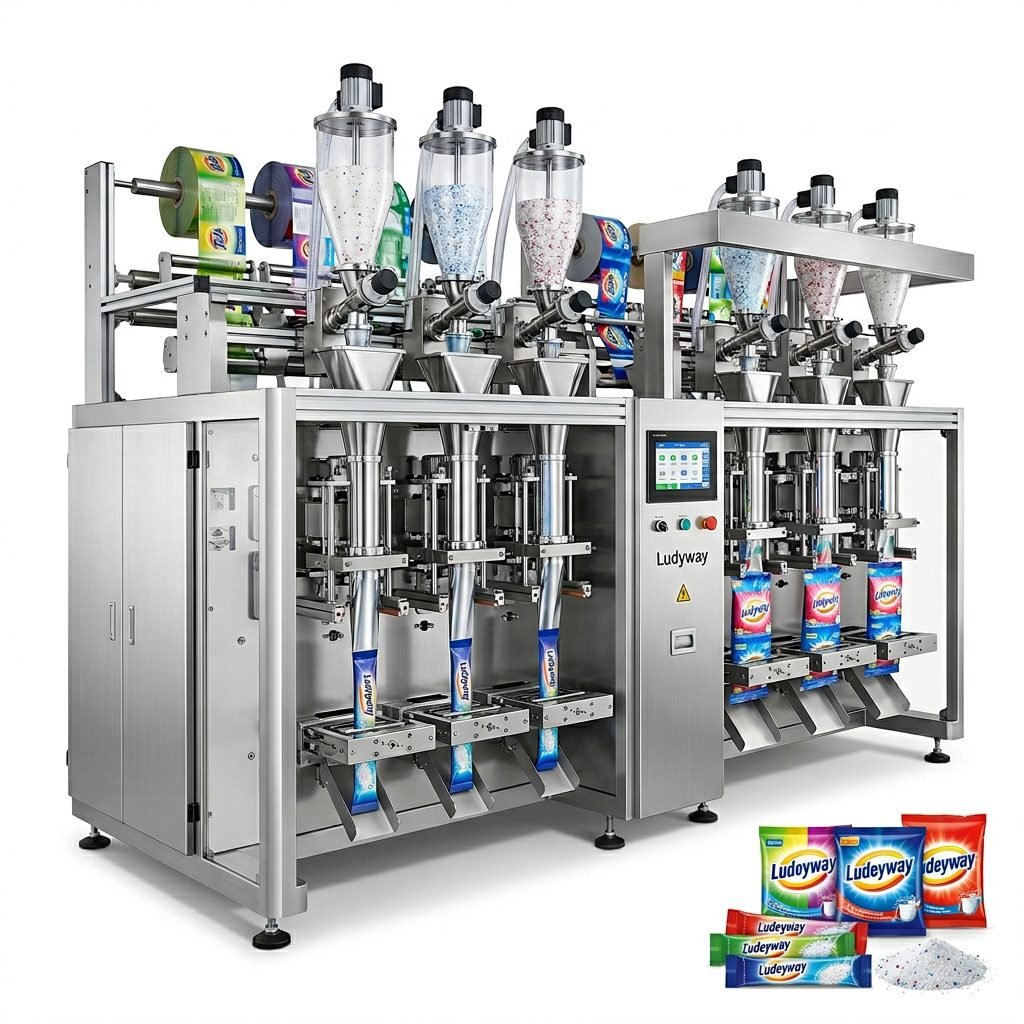
The market offers various automated wipes packaging solutions, primarily falling into two categories: vertical form-fill-seal (VFFS) machines and pre-made pouch machines.
Vertical Form-Fill-Seal (VFFS) Machines
These are the most common and versatile solutions. They form the package from a roll of film, fill it with wipes, and seal it in one continuous process. VFFS machines are highly efficient for large-volume production of standard sachets and stick packs. They offer excellent flexibility in package size and material changes.
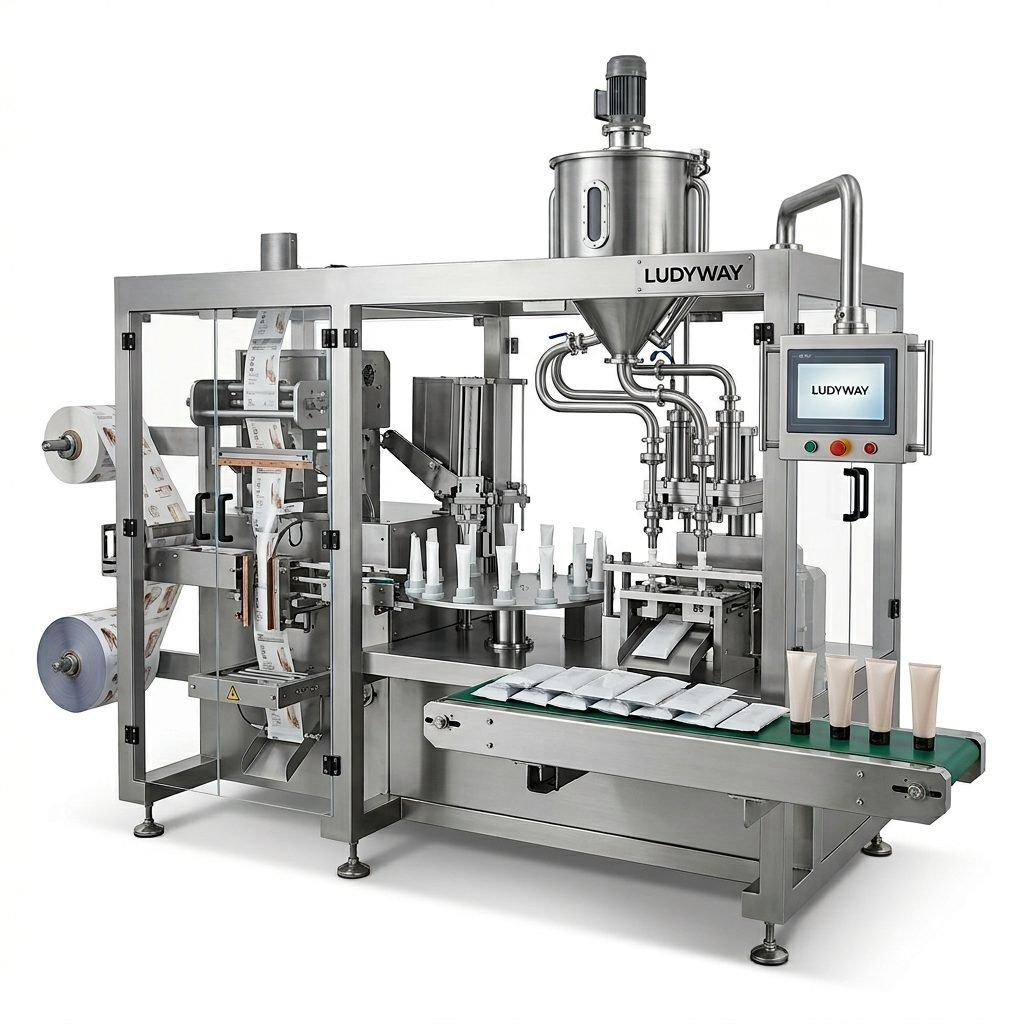
Pre-made Pouch Machines
This type uses pre-formed, empty pouches which are then fed, opened, filled, and sealed. They are ideal for premium products, complex pouch shapes (like Doy-style stand-up pouches), or when using specialized laminates that are difficult to form on a VFFS machine. Speeds can be exceptionally high.
Critical Features for Optimal Performance
Beyond the basic type, several features differentiate a good machine from a great one. Pay close attention to these aspects during your evaluation.
1. Material Handling and Compatibility
The machine must be compatible with your packaging materials—whether it’s laminated film for wet wipes or breathable material for dry wipes. Look for precise tension control systems to handle delicate films without tearing and robust sealing systems (often servo-driven) that ensure strong, consistent seals even with challenging laminates.
2. Automation and Integration Level
Modern machines are defined by their automation. Key features include:
- Servo-Driven Motors: For superior precision, flexibility, and energy efficiency compared to mechanical systems.
- Touchscreen HMI (Human-Machine Interface): Allows for easy recipe storage, changeovers, and monitoring.
- Vision Inspection Systems: Automatically check for seal integrity, print registration, and fill level.
- Integration with Upstream/Downstream Equipment: Such as wipes folding machines, cartoners, or case packers for a complete line.
Why Partner with an Experienced Supplier?
Choosing a machine is also about choosing a partner. A supplier with deep industry experience, like Ludyway Machinery, brings invaluable expertise. With over 30 years in packaging, they understand the nuances of wipes production. They don’t just sell a machine; they provide a tailored solution, from initial consultation and factory testing to installation, training, and ongoing technical support. This partnership ensures your machine is optimally configured for your specific products and delivers long-term reliability.
3. Changeover Efficiency and Flexibility
If you run multiple SKUs, quick changeover is vital for minimizing downtime. Look for machines with tool-less changeover features, servo adjustments that recall settings from memory, and easy-access design. This flexibility allows you to respond quickly to market trends and run smaller, more customized batches profitably.
Evaluating Total Cost of Ownership (TCO)
The purchase price is just one part of the cost. A comprehensive TCO analysis includes:
- Initial Investment: Machine cost, shipping, and installation.
- Operational Costs: Energy consumption, compressed air usage, and spare parts.
- Material Waste: A precise machine with good tension control minimizes film waste.
- Maintenance & Downtime: A robustly built machine from a reputable supplier like Ludyway will have higher reliability and accessible service, reducing costly production stoppages.
Investing in a higher-quality, more automated machine often results in a lower TCO over 5-10 years due to savings in labor, waste, and downtime.
Implementation and Support
Successful implementation hinges on supplier support. Ensure your provider offers comprehensive installation supervision, operator training, and clear documentation. Availability of spare parts and responsive technical service—whether remote or on-site—is non-negotiable for maintaining continuous production. A supplier with a global service network provides peace of mind for international operations.
Final Checklist Before Purchase
✓ Conduct a product test with your actual wipes and packaging material at the supplier’s facility.
✓ Verify machine speeds and efficiency rates under real-world conditions, not just theoretical maximums.
✓ Get a detailed list of recommended spare parts and maintenance schedule.
✓ Clarify warranty terms, service response times, and training scope.
✓ Request references from existing customers with similar applications.
Frequently Asked Questions (FAQs)
What is the typical output speed of an automatic wipes packaging machine?
Speeds vary widely based on machine type and package complexity. Standard sachet machines can range from 60 to 150 packs per minute (PPM), while high-speed stick pack or pouch machines can exceed 200 PPM. The right speed depends entirely on your production volume requirements.
Can one machine handle different wipe sizes and pouch styles?
Yes, most modern machines are designed for flexibility. However, the degree of changeover ease varies. Look for machines with servo-driven adjustments and quick-change parts to switch between sizes and styles in minutes, not hours, minimizing downtime.
How important is after-sales service when choosing a supplier?
Extremely important. The machine is a long-term investment. Reliable, prompt after-sales service for maintenance, troubleshooting, and spare parts is crucial for maximizing uptime and the lifespan of your equipment. A supplier’s service commitment is as important as the machine’s features.
What are the key maintenance requirements for these machines?
Regular daily cleaning to remove dust and residue is essential. Periodic lubrication of moving parts, inspection and replacement of wear parts like sealing jaws and cutting blades, and calibration of sensors are standard. Your supplier should provide a detailed maintenance schedule.