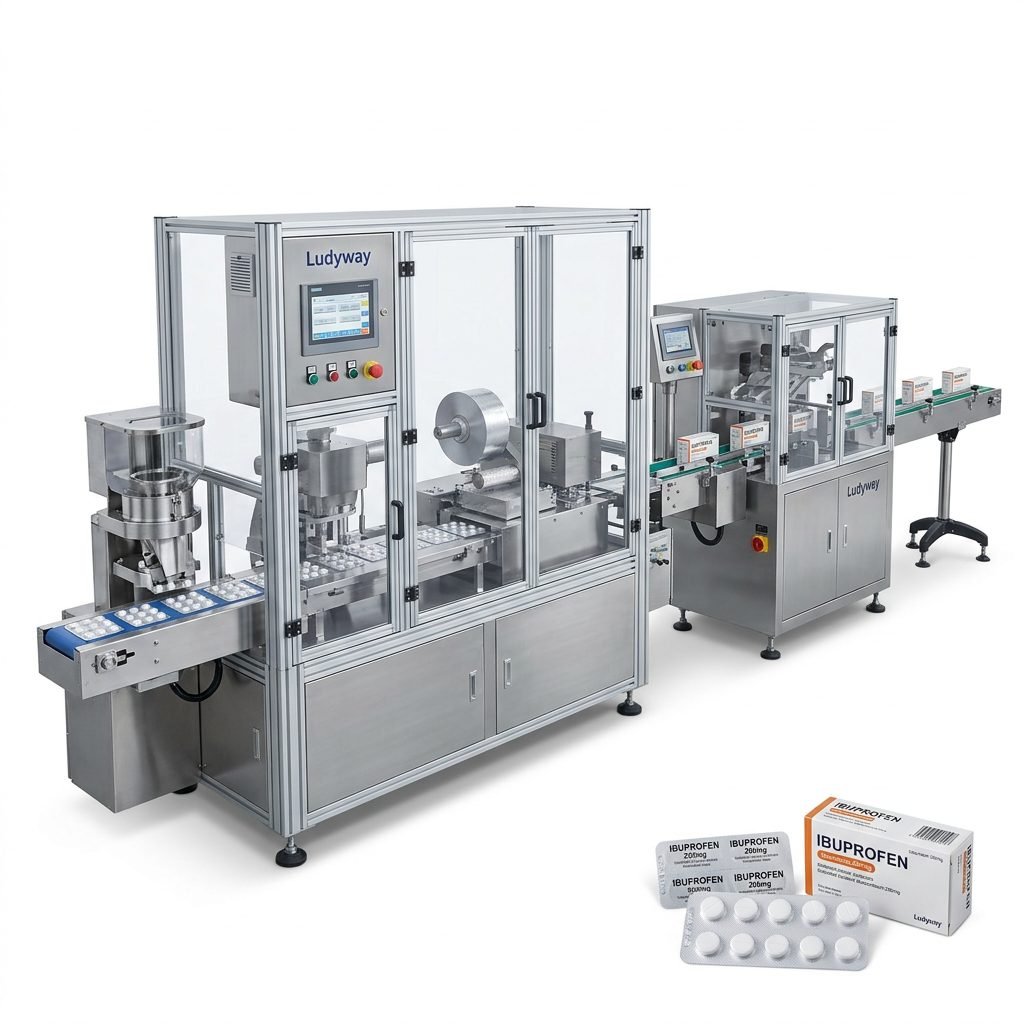
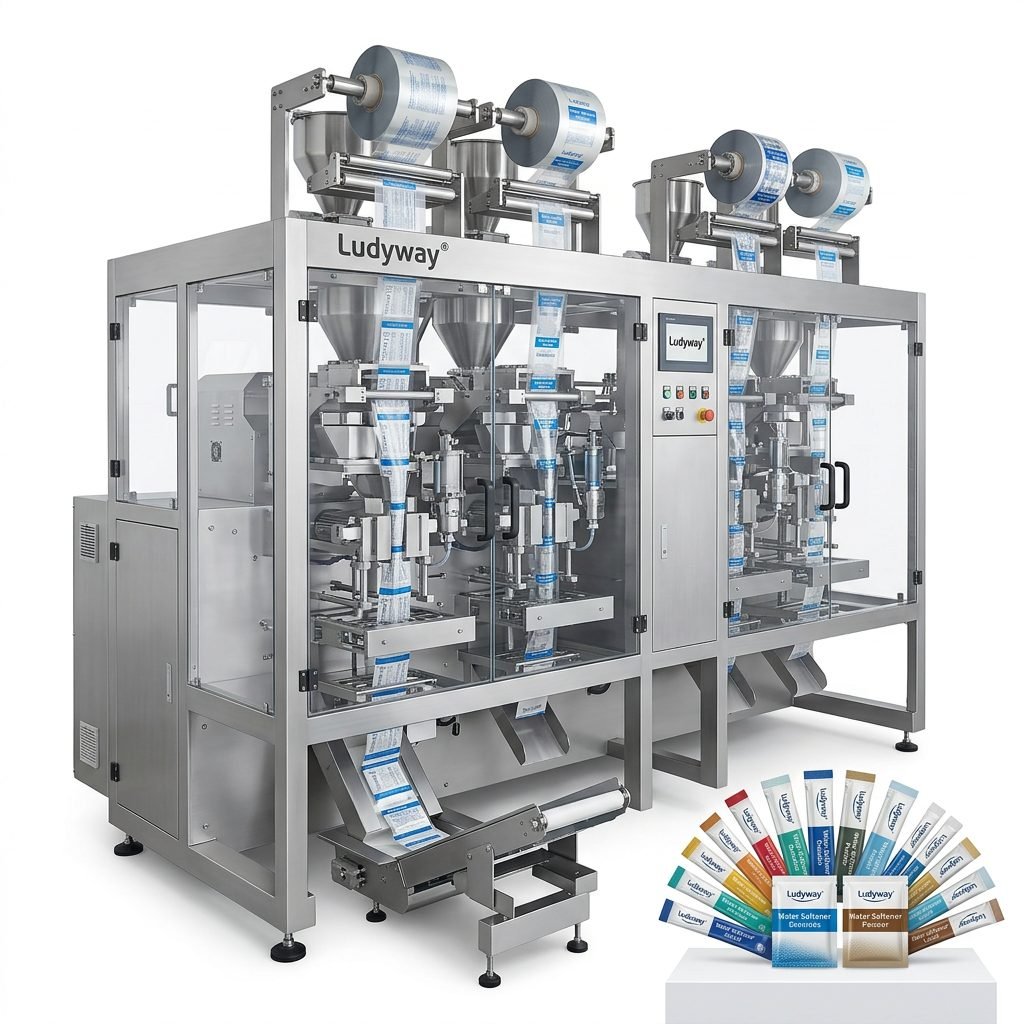
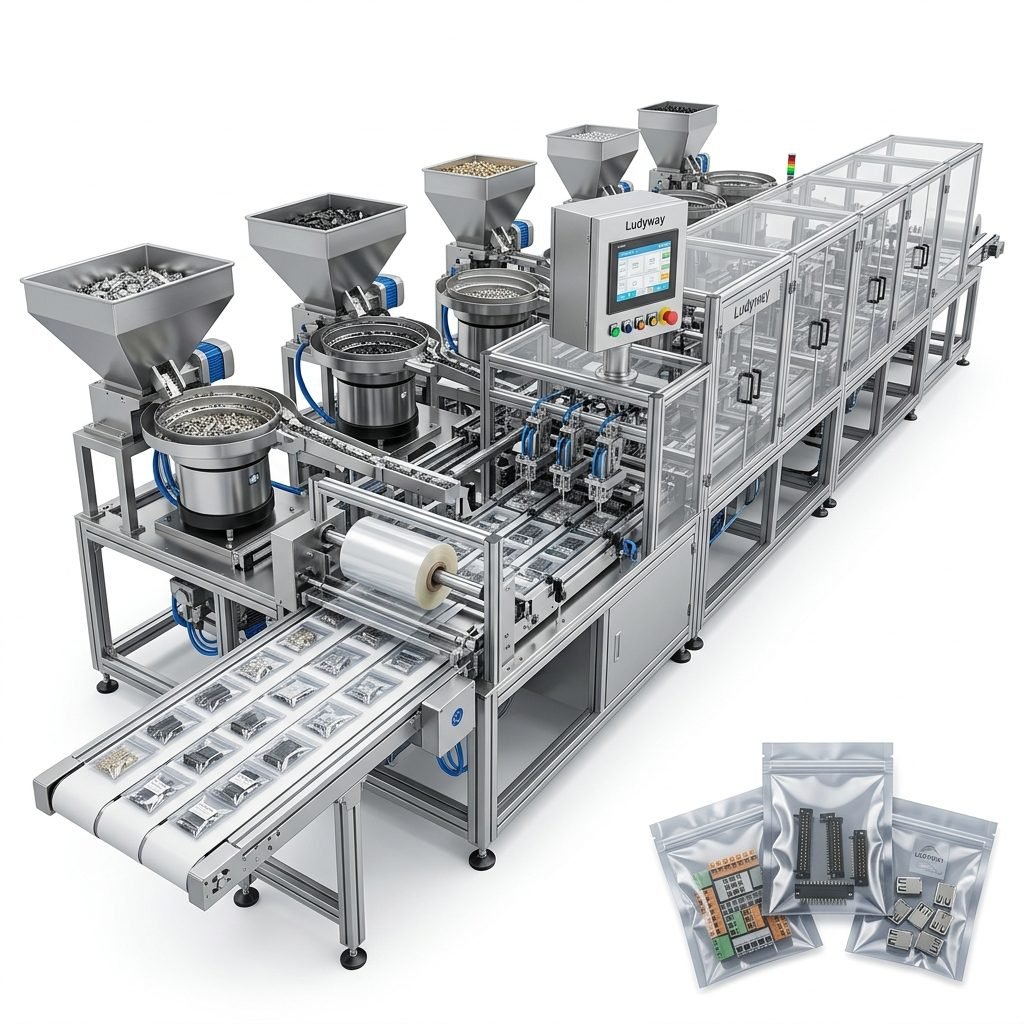
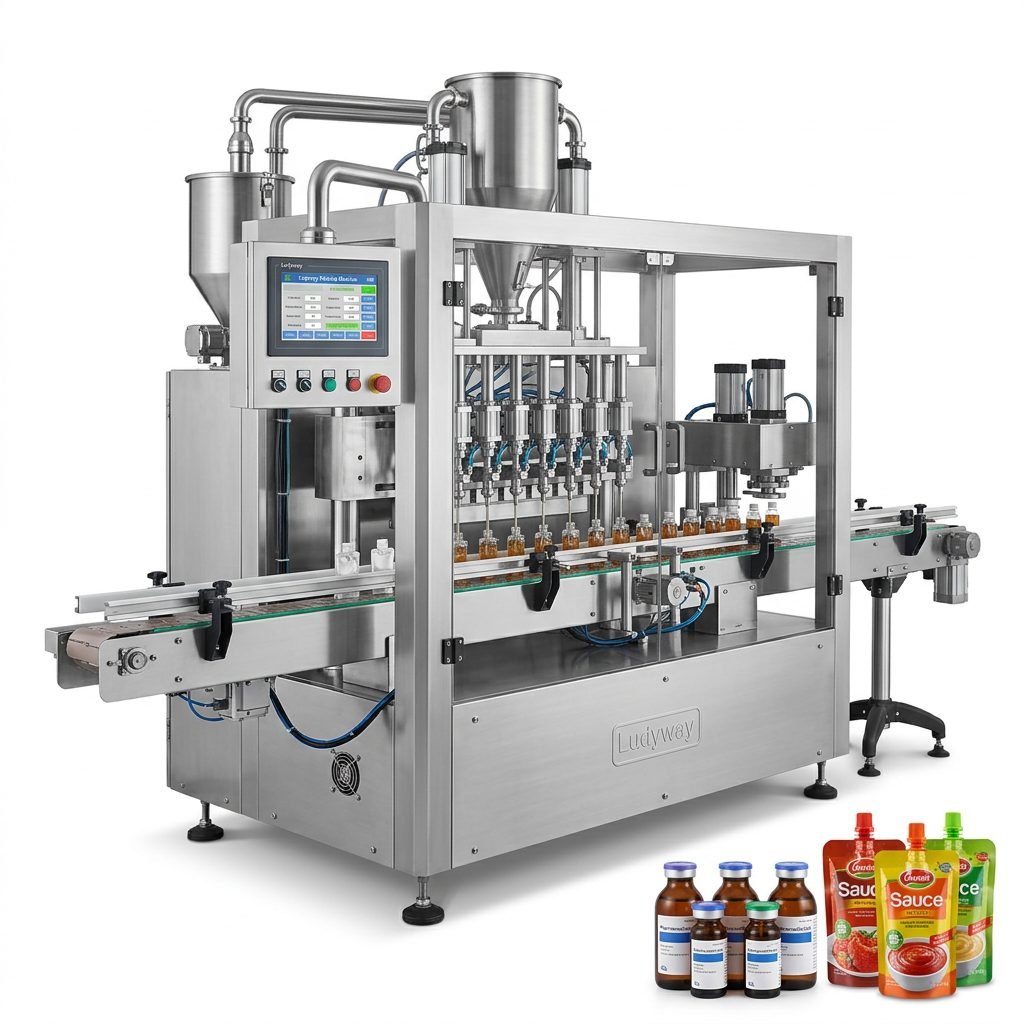
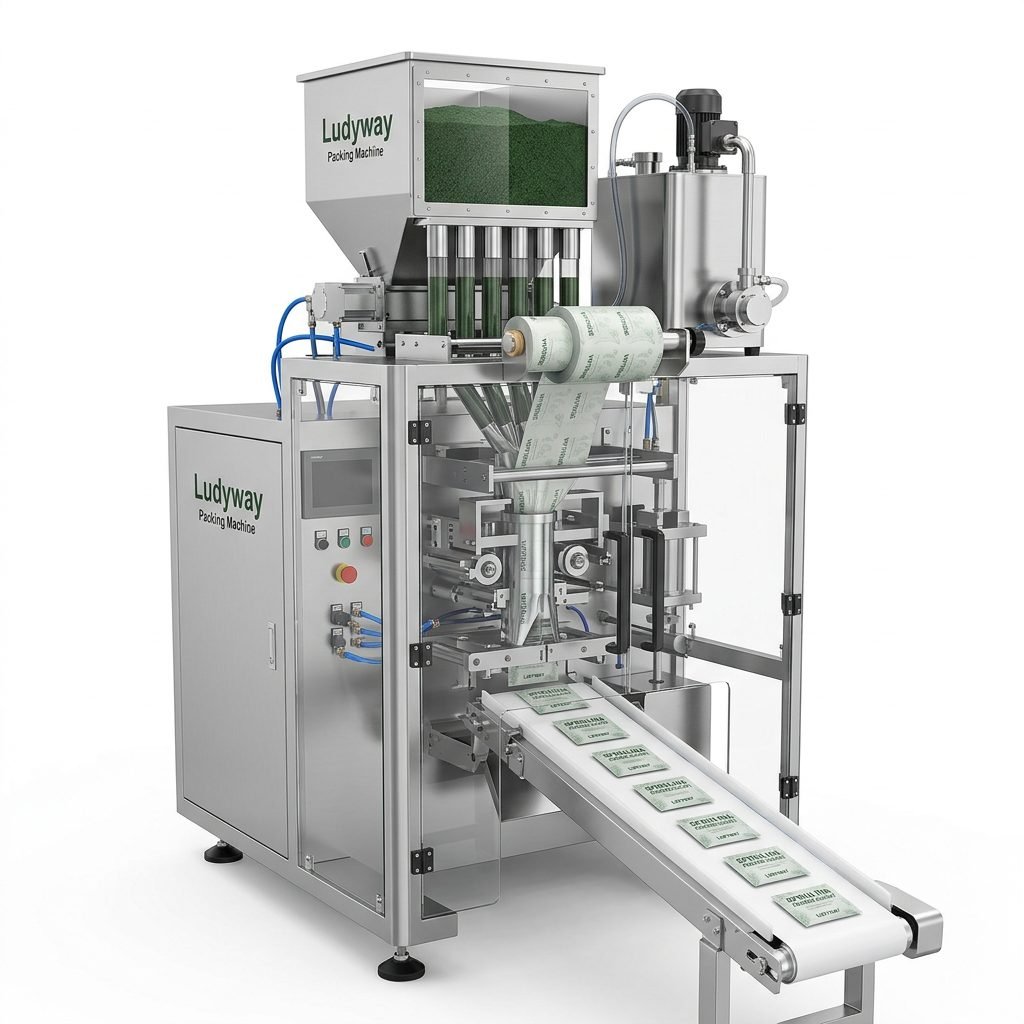
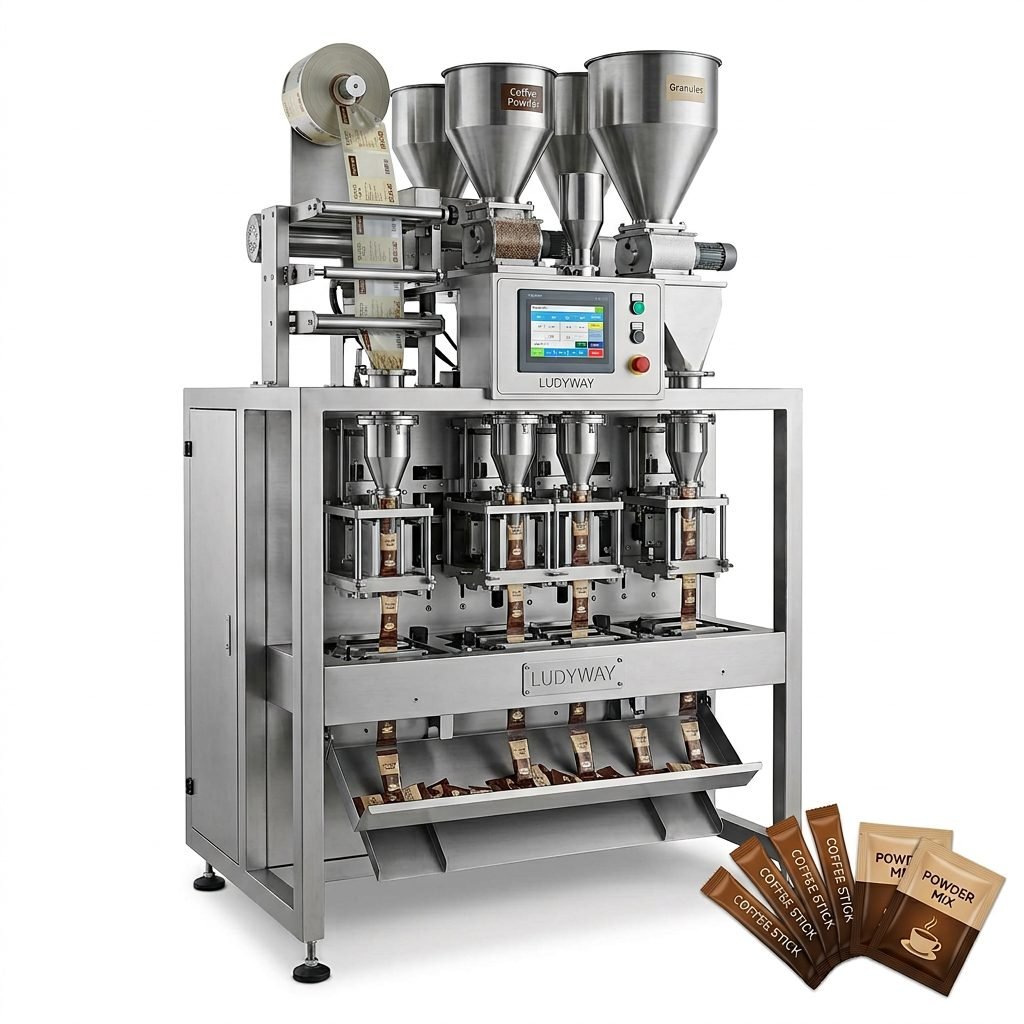
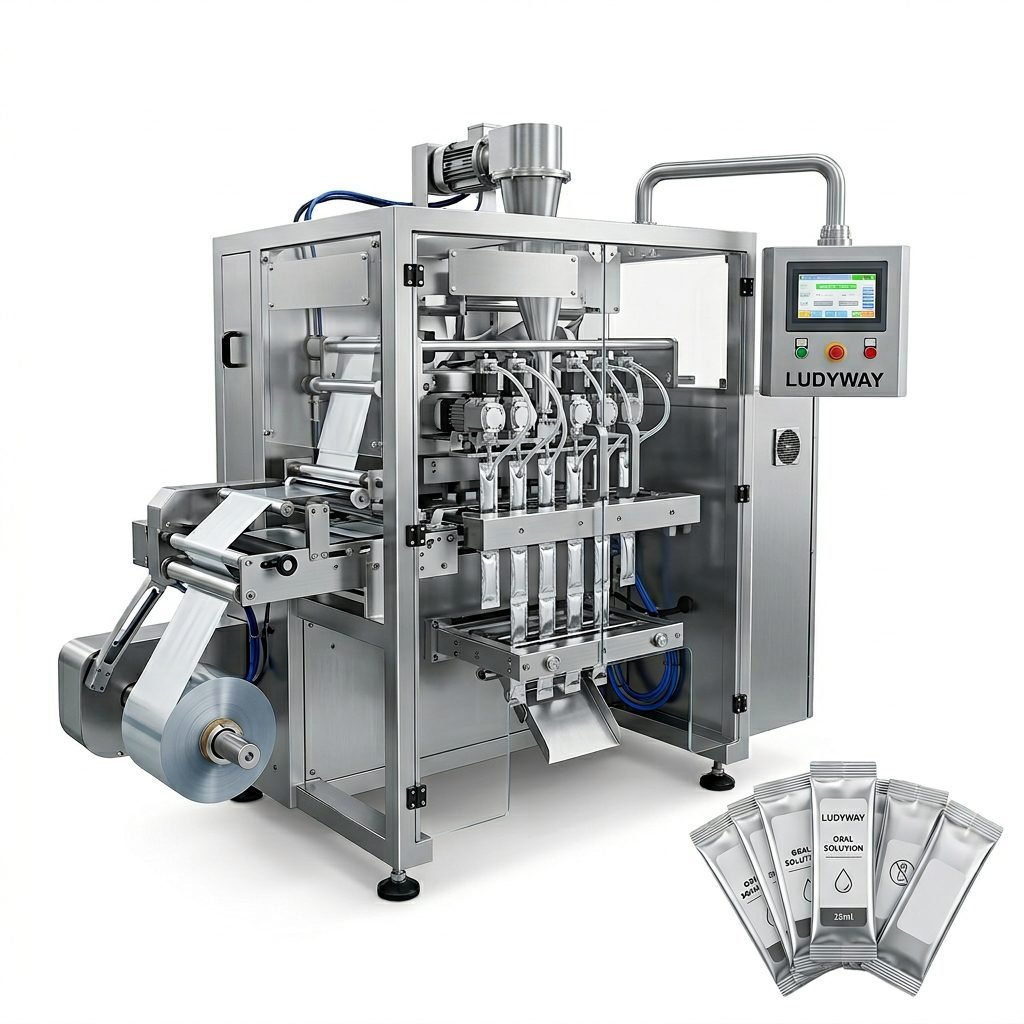
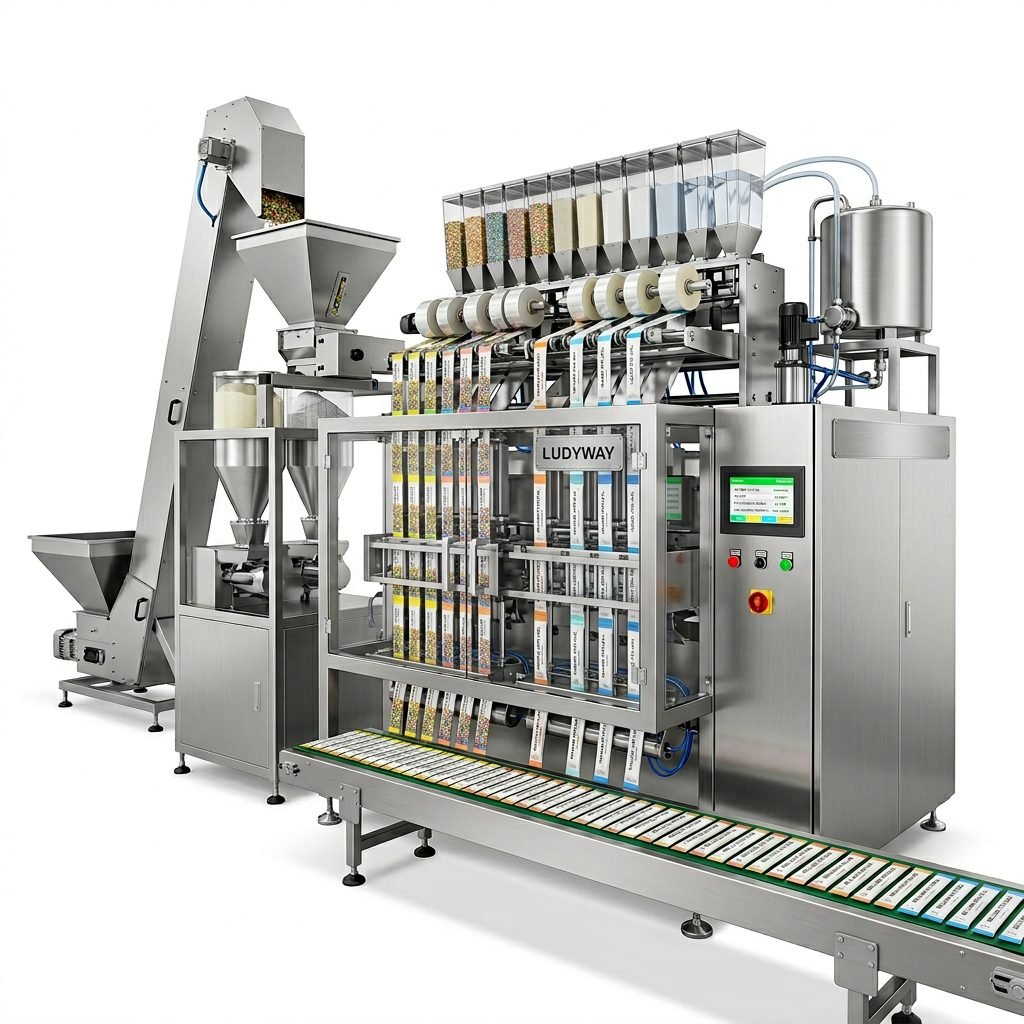
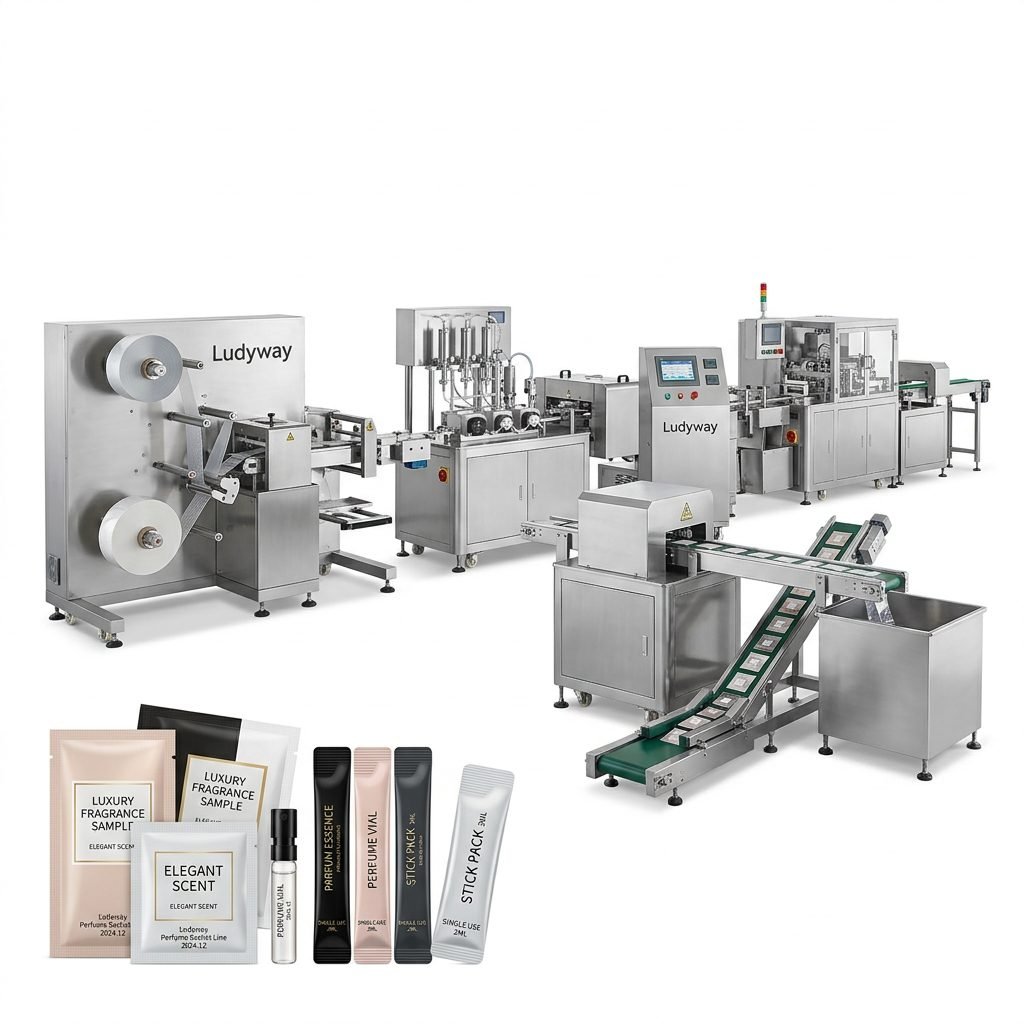
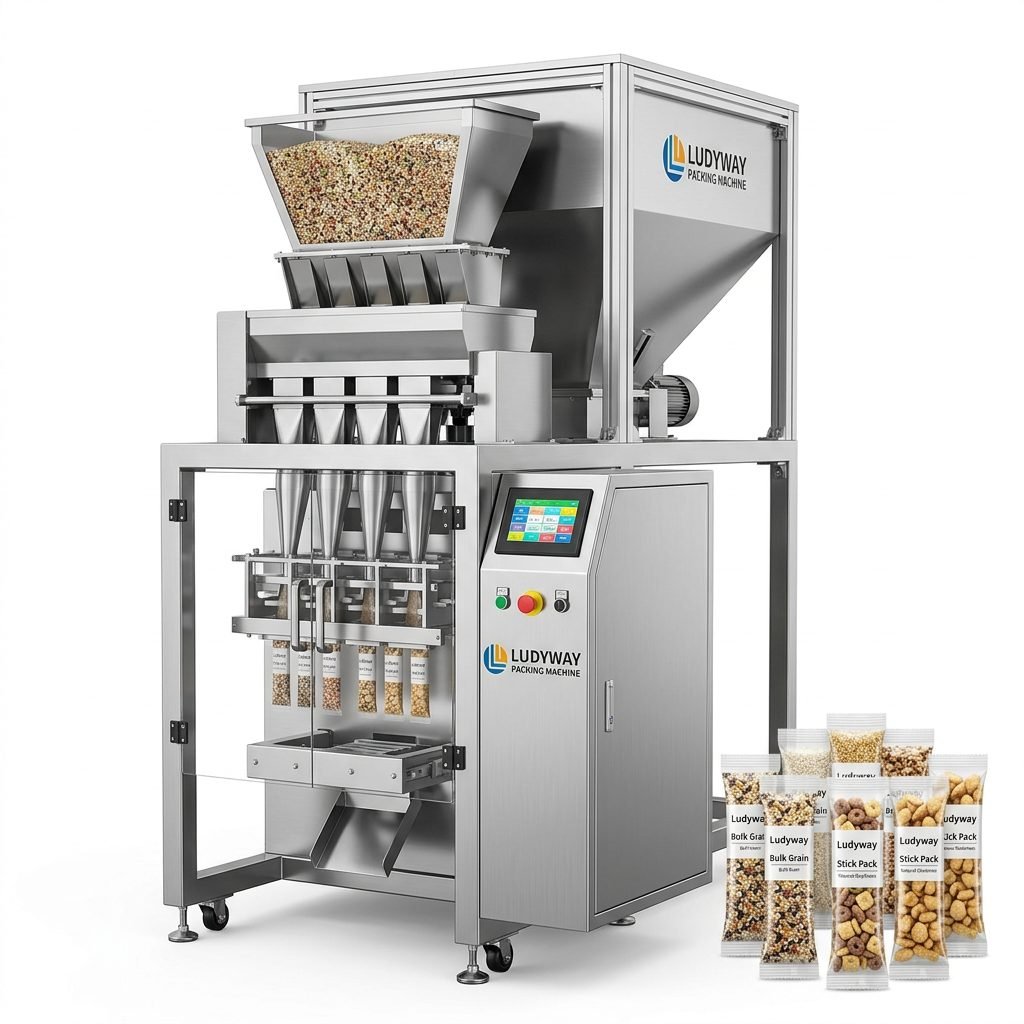
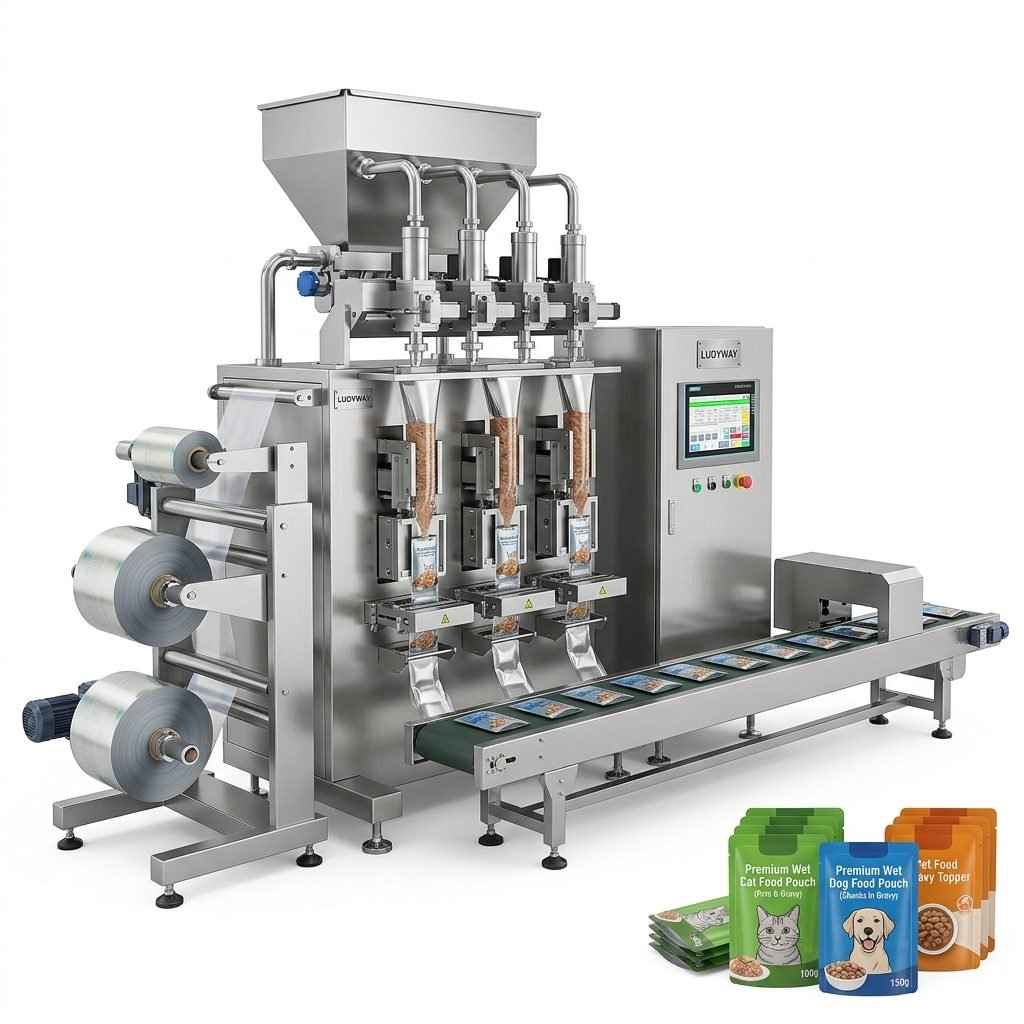
A pouch packaging machine is an automated system designed to form, fill, seal, and discharge pouches with speed and precision. It is widely used in food, pharmaceutical, cosmetic, chemical, and daily-use industries because it helps manufacturers reduce labor costs, improve consistency, and achieve cleaner, more efficient production.
While different models handle powders, granules, liquids, pastes, or premade pouches, the basic principle is similar: the machine feeds packaging material or ready-made bags, measures the product, fills it accurately, seals the pouch, and sends the finished packs for coding, inspection, and secondary packaging.
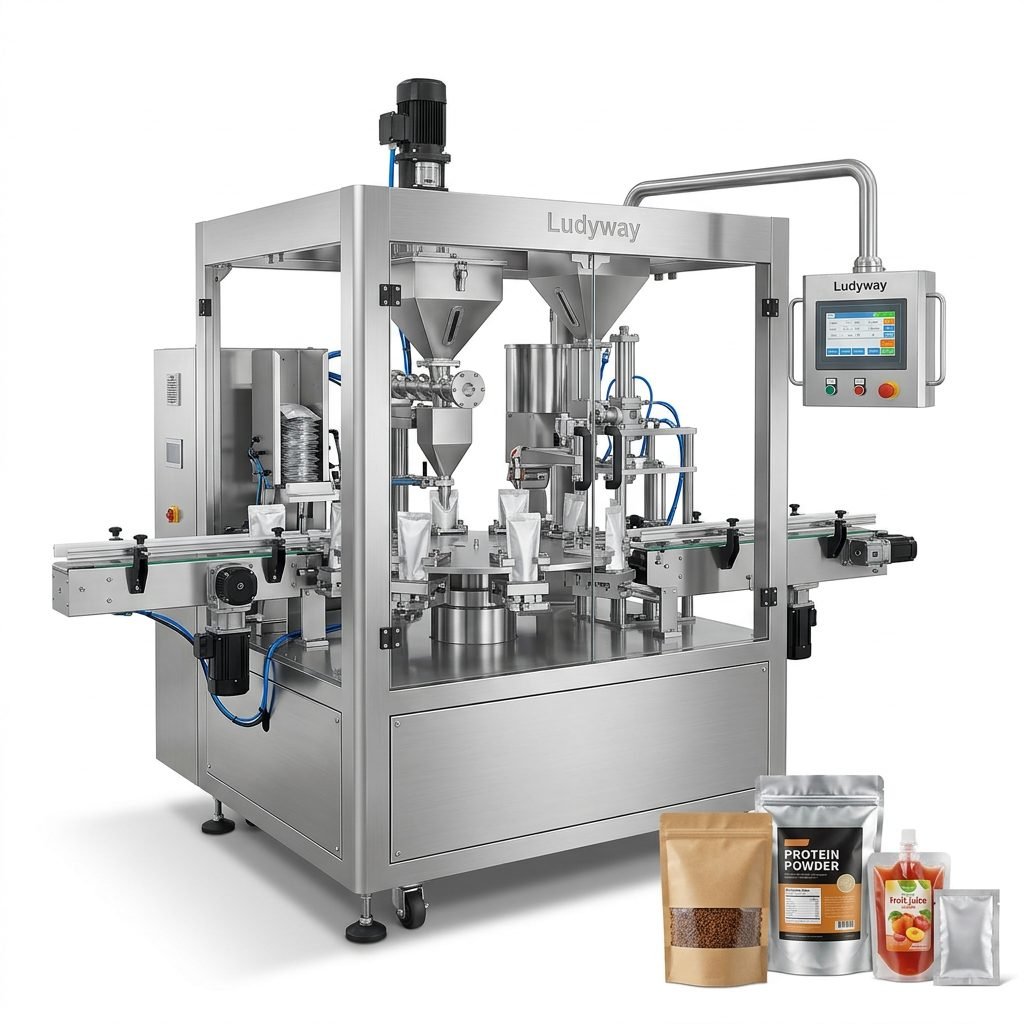
What Is a Pouch Packaging Machine?
A pouch packaging machine is equipment used to package products into flexible bags or pouches. These machines can work with:
- Stand-up pouches
- Flat pouches
- Zipper pouches
- Three-side seal pouches
- Four-side seal pouches
- Spouted pouches
Depending on production needs, the machine may use premade pouches or create pouches directly from roll film. In both cases, the goal is to package products safely, hygienically, and attractively while maintaining stable output.
Main Types of Pouch Packaging Machines
| Machine Type | How It Works | Best For |
|---|---|---|
| Premade pouch packing machine | Uses pre-formed pouches supplied to the machine | Liquids, powders, snacks, pet food, supplements |
| Form-fill-seal pouch machine | Creates pouches from roll film, then fills and seals | High-volume production, cost-sensitive applications |
| Horizontal pouch machine | Processes pouches in a horizontal motion path | Liquids, pastes, specialty pouch styles |
| Rotary pouch packing machine | Moves pouches through rotating stations | High-speed premade pouch applications |
Core Components of a Pouch Packaging Machine
To understand how a pouch packing machine works, it helps to know its key sections:
- Pouch feeding system – supplies premade bags or film material
- Pouch opening mechanism – separates and opens the pouch mouth
- Filling system – doses the product by weight, volume, auger, pump, or counting
- Sealing unit – uses heat or pressure to close the pouch securely
- Control system – PLC and HMI interface for machine operation
- Detection devices – sensors for pouch presence, fill level, registration marks, and sealing checks
- Discharge conveyor – transfers finished pouches to the next process
How Does a Pouch Packaging Machine Work? Step-by-Step Process
The working process can vary by machine design, but a typical cycle follows the steps below.
1. Pouch Feeding or Film Unwinding
The first stage is supplying the packaging material. In a premade pouch machine, stacks of finished pouches are loaded into a magazine. In a form-fill-seal system, roll film is unwound and guided through tension-control rollers.
At this stage, the machine ensures the material feeds smoothly and stays correctly aligned. Accurate feeding is essential because poor positioning can affect filling accuracy, sealing quality, and final pouch appearance.
2. Pouch Pickup and Transfer
For premade pouch machines, a suction cup or mechanical gripper picks up each pouch and transfers it to the work station. Rotary systems move the pouch through multiple stations in sequence, while horizontal systems carry it linearly.
Sensors confirm whether a pouch has been picked successfully. If no pouch is detected, the machine can stop filling to avoid waste and contamination.
3. Pouch Opening
Once positioned, the pouch is opened using vacuum suction, air blowing, or mechanical opening fingers. This step creates enough opening space for the filling nozzle or product chute to enter without damaging the bag.
Reliable pouch opening is especially important for high-speed production. A pouch that is not fully opened can lead to product spillage, seal contamination, or rejected packs.
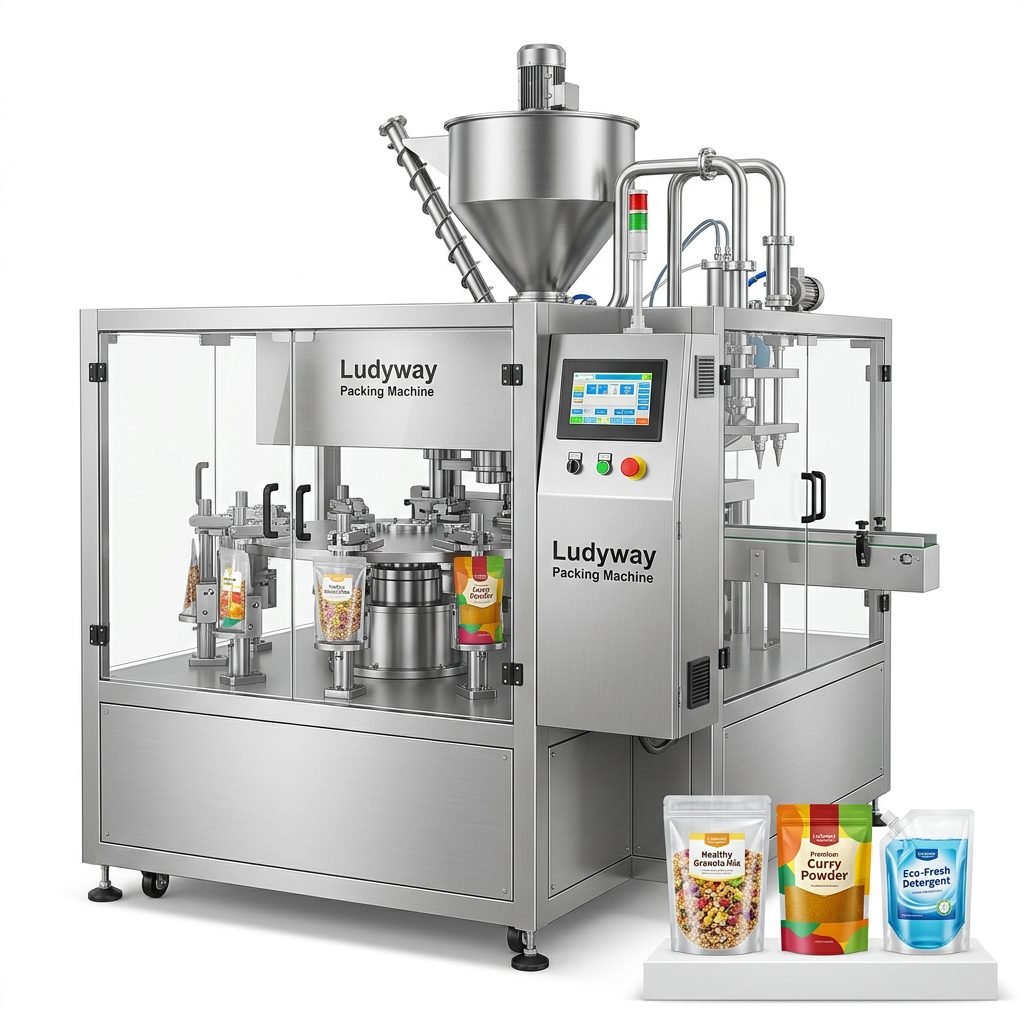
4. Product Dosing and Filling
This is the most critical stage of the process. The filling system depends on the product type:
- Auger fillers for powders such as milk powder, spices, protein powder, and pharmaceutical blends
- Multihead weighers for granules and snacks such as nuts, coffee beans, candy, and pet food
- Piston or pump fillers for liquids and pastes such as sauces, shampoo, gels, oils, and creams
- Counting systems for tablets, capsules, or hardware parts
The goal is to fill each pouch with the correct amount while maintaining speed. Advanced machines use servo control and smart sensors to keep fill weights consistent and reduce giveaway.
5. Settling, Degassing, or Product Adjustment
After filling, some products may need settling or vibration so the contents sit evenly in the pouch. Powders may require dust control or degassing, while granular products may need vibration to improve pouch shape before sealing.
This stage helps create a cleaner seal area and a more attractive final package.
6. Pouch Sealing
The machine then seals the pouch using heat sealing jaws or bars. Depending on the pouch material, sealing may involve one or more stages such as pre-heating, main sealing, and cooling. For zipper pouches, the machine may also press the zipper closed before heat sealing the top.
A proper seal must be:
- Strong enough to prevent leakage
- Clean and wrinkle-free
- Suitable for transportation and shelf display
- Compatible with the pouch material structure
7. Coding, Printing, or Embossing
Many pouch packaging machines include a printer or coder to mark each pouch with:
- Production date
- Batch number
- Expiration date
- Traceability code
This is especially important in the food, pharmaceutical, and health supplement industries where compliance and traceability are essential.
8. Inspection and Rejection
Modern pouch packing lines often include quality control devices after sealing. These may include checkweighers, metal detectors, vision inspection systems, or seal inspection units.
If the machine detects underweight products, sealing defects, or contamination, the pouch is automatically rejected. This keeps only compliant packs moving to final packing.
9. Finished Pouch Discharge
Finally, the finished pouches are discharged onto a conveyor for downstream operations such as cartoning, case packing, labeling, or palletizing. In a complete automated line, the pouch machine is just one part of a broader packaging system.
Working Process Summary
| Step | Function | Key Benefit |
|---|---|---|
| Material feeding | Supplies pouches or film | Stable package formation |
| Pouch transfer | Moves pouch to stations | Accurate positioning |
| Pouch opening | Opens bag mouth | Prevents spills and fill errors |
| Filling | Doses product into pouch | Consistent pack weight or volume |
| Sealing | Closes pouch securely | Leak prevention and shelf life |
| Coding & inspection | Marks and checks each pack | Compliance and quality assurance |
| Discharge | Sends packs onward | Supports line automation |
How Different Products Affect the Machine Working Process
Although the packaging cycle looks similar, product characteristics strongly influence machine configuration.
Powders
Fine powders can create dust during filling, so machines often need dust extraction, auger filling, and precise sealing control. Examples include protein powder, flour, spices, and pharmaceutical powders.
Granules
Granules usually require weighers, vibratory feeders, or cup fillers. Typical products include sugar, coffee, seeds, pet food, and snacks.
Liquids and Pastes
Liquids need anti-drip nozzles, pumps, and clean sealing zones. Thick products like jam, sauces, lotions, or gels may need heated hoppers or special pumping systems.
Key Advantages of Using a Pouch Packaging Machine
- Higher efficiency compared with manual packing
- Improved accuracy in weight and volume control
- Better package consistency for branding and shelf appeal
- Lower labor dependence through automation
- Enhanced hygiene in sensitive industries
- Reduced material waste with stable sealing and controlled dosing
- Easy integration with conveyors, coders, checkweighers, and cartoning systems
Industries That Commonly Use Pouch Packaging Machines
Pouch packing machines are used in a wide range of industries, including:
- Food and beverage
- Pharmaceuticals
- Health supplements
- Cosmetics and personal care
- Chemicals
- Pet food and animal nutrition
- Nicotine and oral pouch products
Manufacturers looking for scalable automation often work with experienced suppliers such as Ludyway pouch packaging machine solutions to match machine design with product type, pouch format, speed target, and line integration requirements.
What Factors Influence Machine Performance?
| Factor | Impact on Operation |
|---|---|
| Product flowability | Affects filling speed and accuracy |
| Pouch material | Determines sealing temperature and strength |
| Pouch size and shape | Influences machine settings and output rate |
| Filling method | Must match powder, granule, liquid, or paste characteristics |
| Automation level | Affects labor needs and line integration |
| Cleaning requirements | Important for food and pharmaceutical compliance |
Common Problems During Operation
Even a well-designed pouch machine can face production issues if settings are incorrect or materials are inconsistent. Common problems include:
- Pouch not opening properly
- Inaccurate fill weights
- Product trapped in the sealing area
- Weak or wrinkled seals
- Misaligned print registration
- Pouch jams in transfer stations
These issues can usually be reduced through proper machine adjustment, regular maintenance, suitable pouch materials, and correct filler selection.
How to Choose the Right Pouch Packaging Machine
Before selecting a machine, buyers should evaluate:
- Product type: powder, granule, liquid, paste, or mixed format
- Pouch style: flat, stand-up, zipper, spout, or shaped pouch
- Required speed and daily output
- Desired filling accuracy
- Need for coding, inspection, cartoning, or palletizing
- Cleaning and hygiene standards
- Future expansion and automation plans
The best machine is not simply the fastest one; it is the one that matches your product, packaging material, production target, and long-term operating needs.
Final Thoughts on the Working Process
A pouch packaging machine works through a coordinated sequence of feeding, opening, filling, sealing, coding, inspection, and discharge. Each stage plays a direct role in packaging quality, production efficiency, and product safety.
Whether you are packaging snacks, powders, sauces, pharmaceuticals, supplements, or pouch-based consumer goods, understanding the machine’s working process makes it easier to choose the right model, reduce downtime, and improve overall line performance.