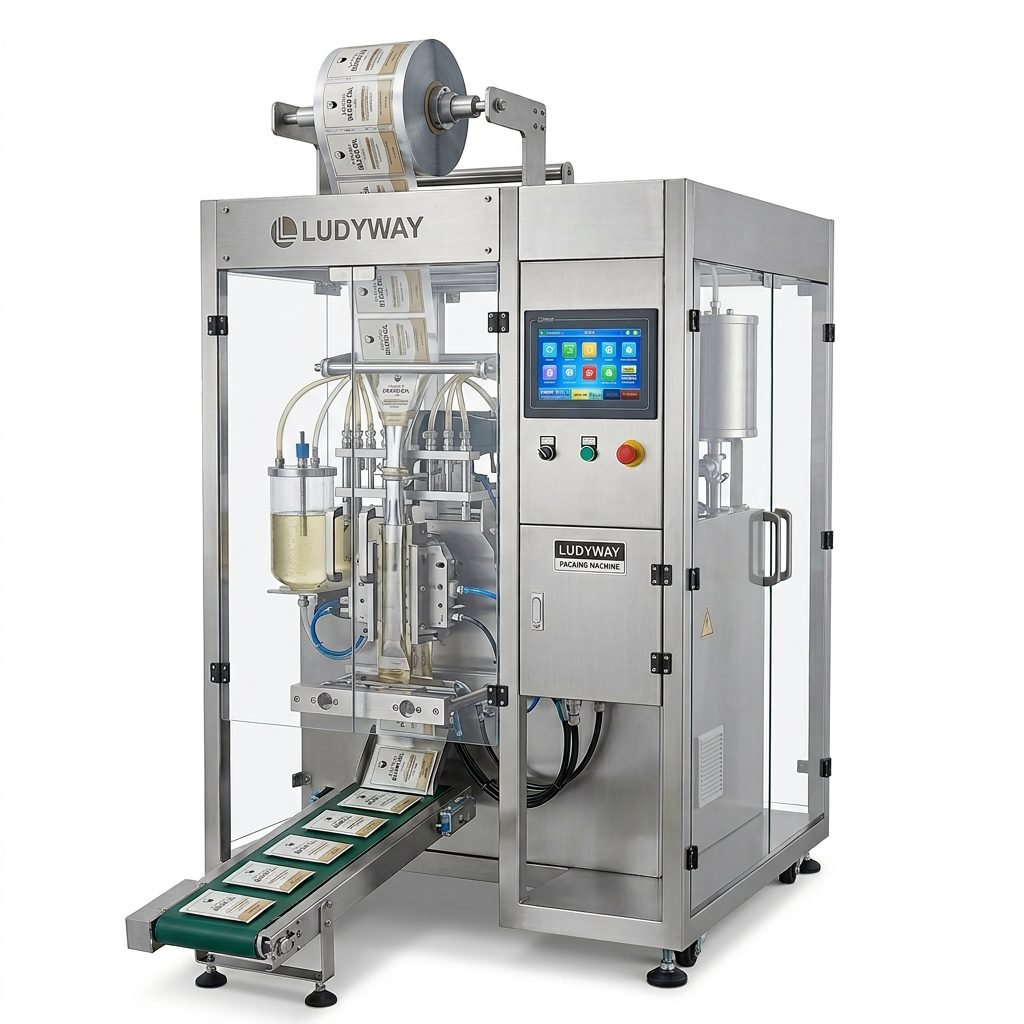
Investing in a chips making and packing machine is a significant decision for any food manufacturer. Whether you are producing potato chips, tortilla chips, or extruded snacks, the right equipment directly impacts your production efficiency, product quality, and bottom line. This guide walks you through every critical factor to consider before making your purchase.
Understanding Your Product and Packaging Requirements
Before evaluating specific machines, you must clearly define your product characteristics. Different chip types—potato, corn, multigrain, or pellet-based—have varying fragility, oil content, and shape profiles that influence machine selection. Ask yourself these key questions:
- What is the product’s bulk density and flowability?
- Is the product fragile and prone to breakage during conveying and filling?
- What are the target bag formats, sizes, and packaging materials?
- What is your current and projected production capacity?
- Do you require modified atmosphere packaging (MAP) or nitrogen flushing for extended shelf life?
For a comprehensive understanding of packaging formats and material compatibility, the Flexible Packaging Association’s Industry Resources provide extensive technical data and market insights that can help you align your packaging strategy with industry standards.
Key Machine Specifications and Configurations
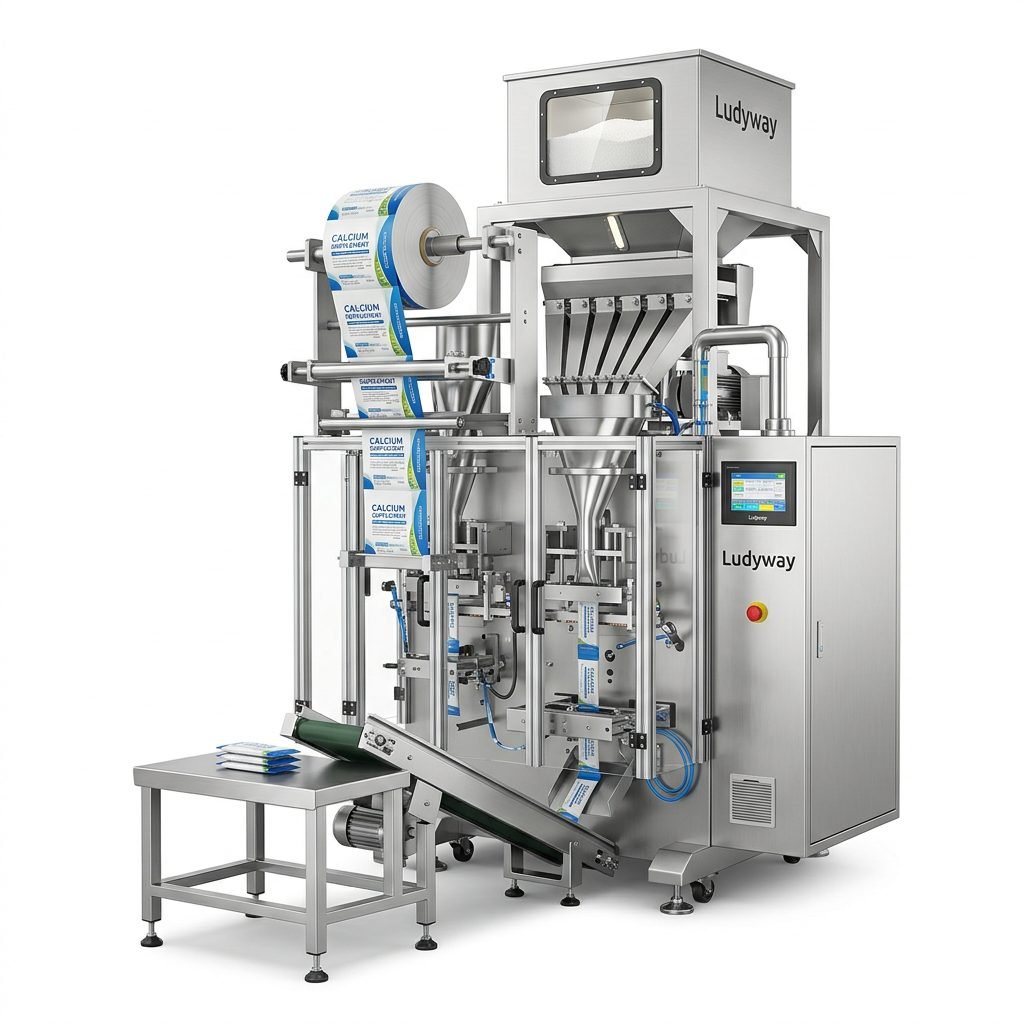
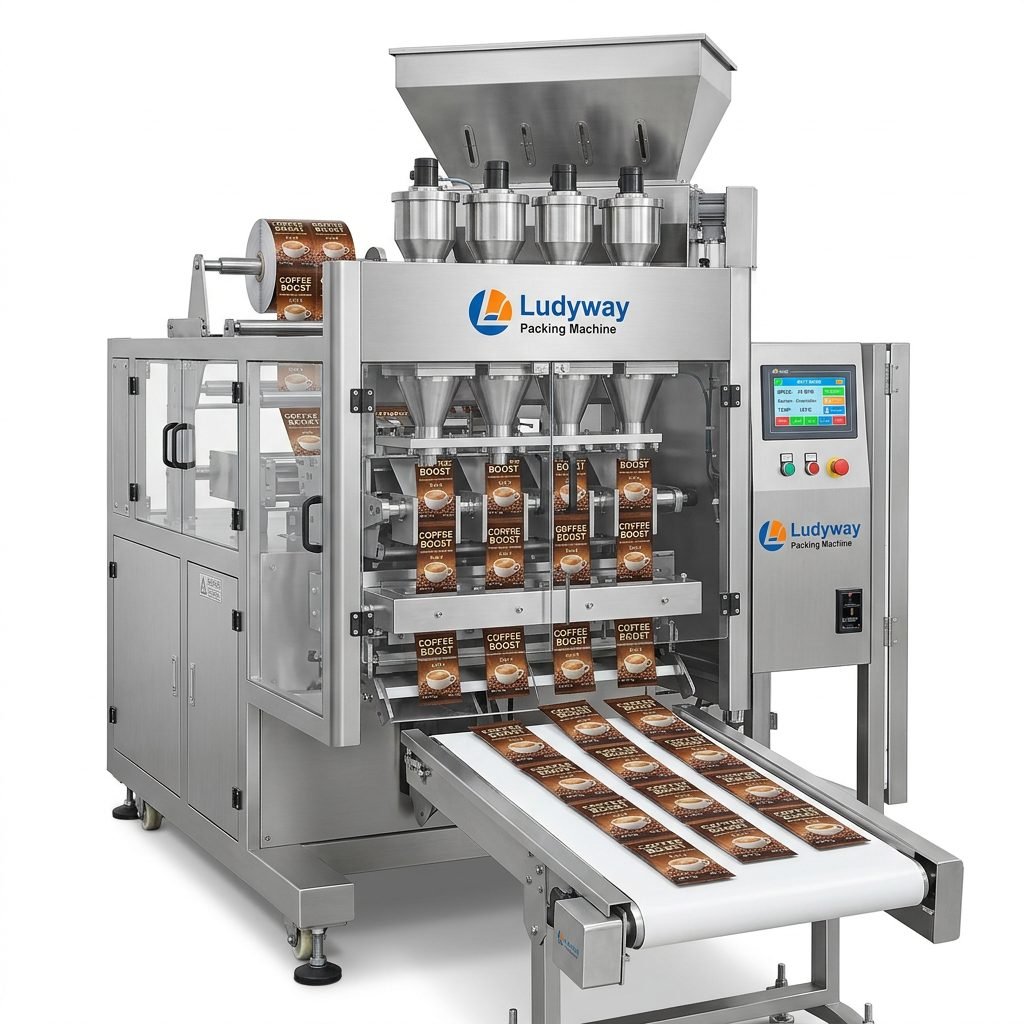
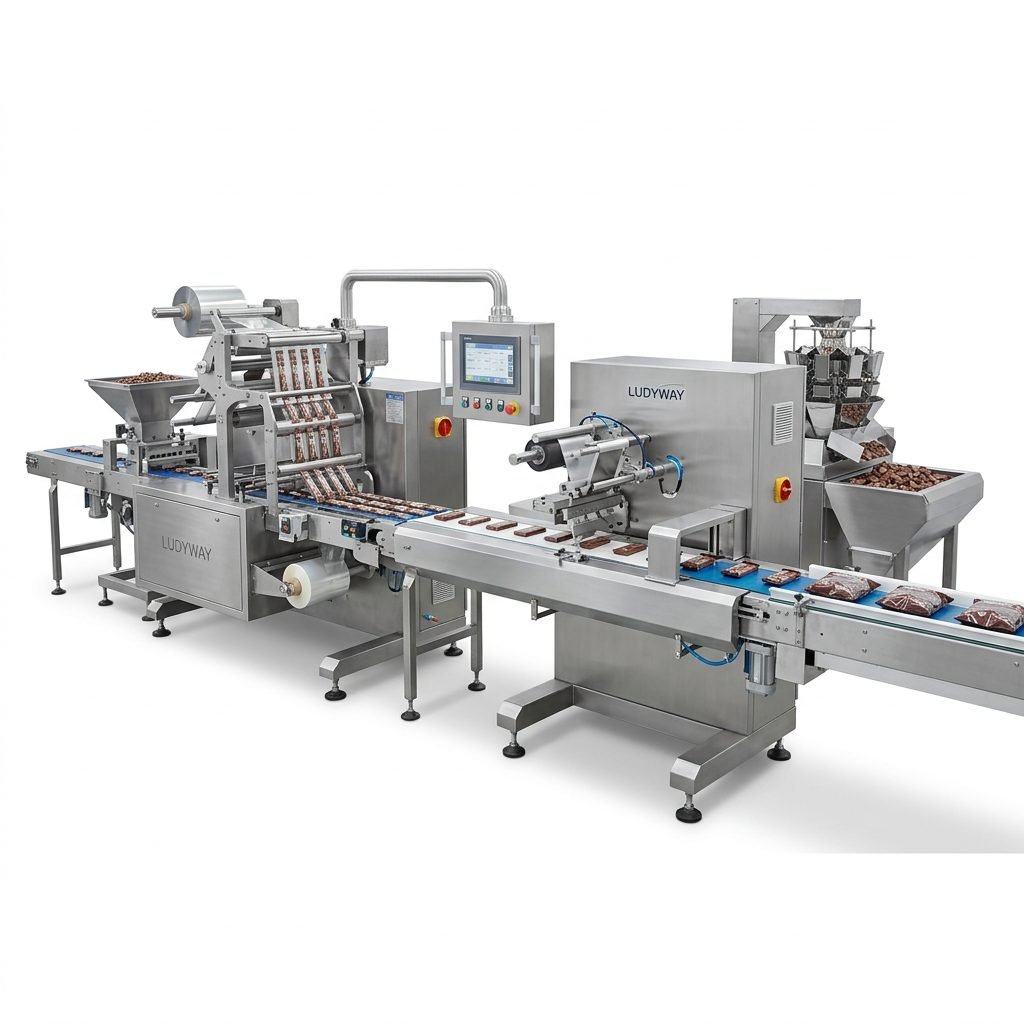
Modern chips packaging machines come with a range of configurations. Multi-lane stick pack and sachet systems offer higher output by running multiple lanes simultaneously, making them ideal for high-volume snack producers. Evaluate these technical specifications carefully:
| Specification | Why It Matters | Typical Range |
|---|---|---|
| Filling Speed | Determines overall line throughput | 30–120 packs/min per lane |
| Weighing Accuracy | Minimizes product giveaway and ensures compliance | ±0.5–2.0 g depending on system |
| Bag Width Range | Flexibility for different SKU sizes | 50–300 mm |
| Sealing Temperature Control | Ensures consistent hermetic seals | Precision PID controlled |
| Power Consumption | Operational cost consideration | 3–15 kW depending on model |
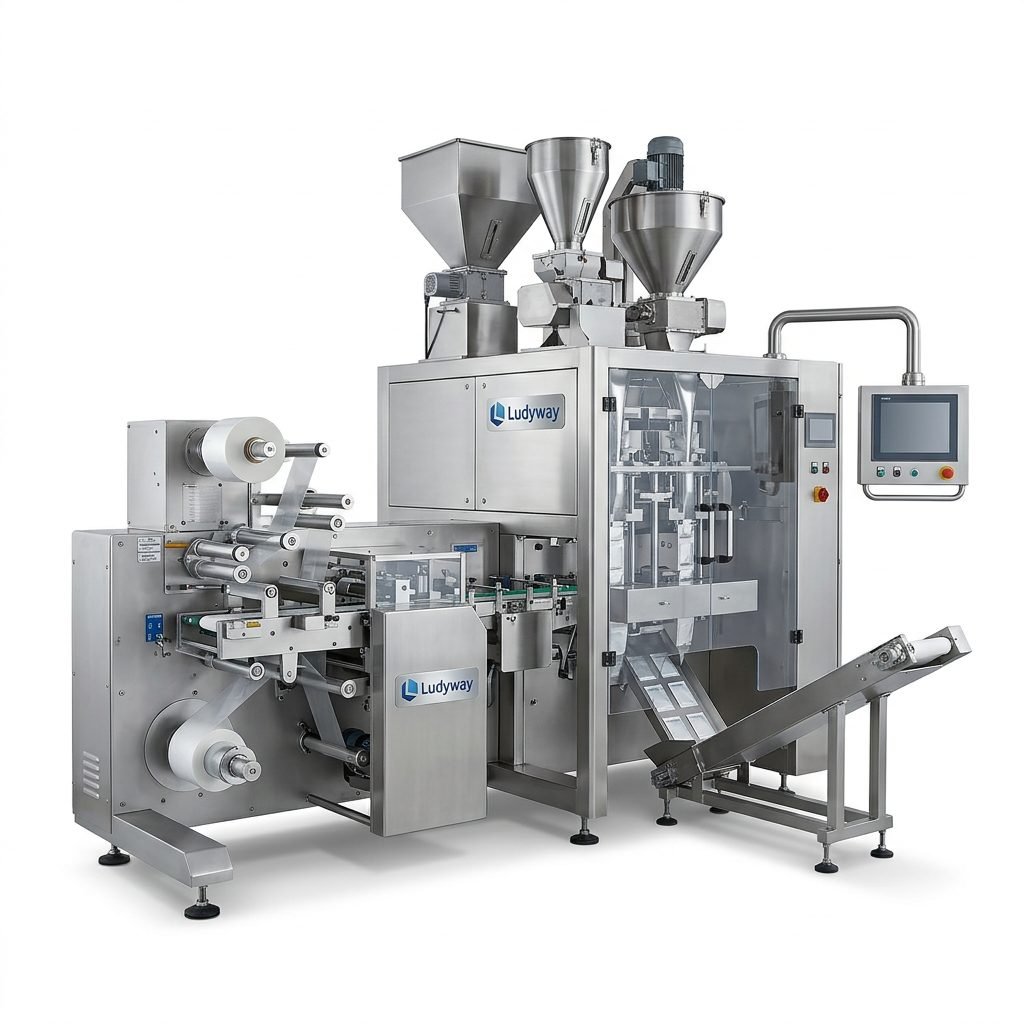
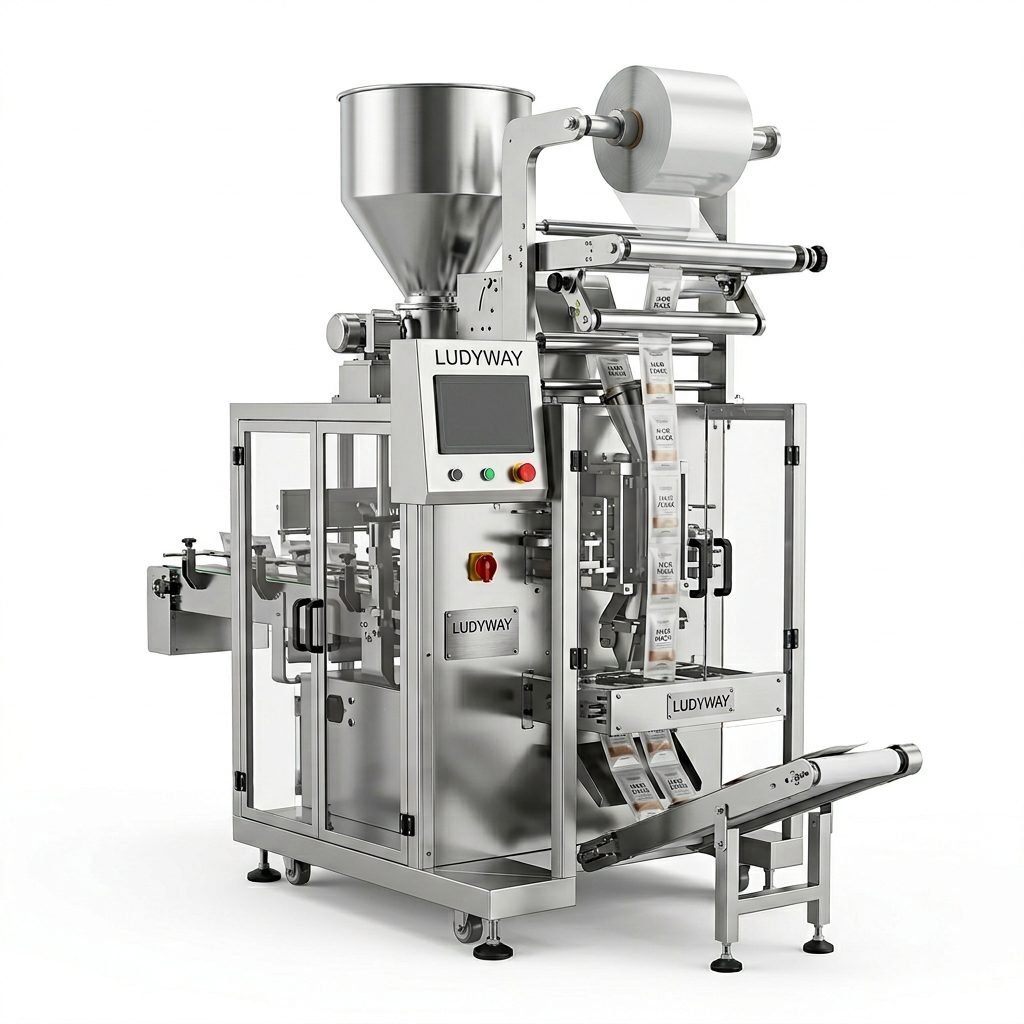
When selecting a packaging machinery manufacturer, it is essential to review how different machine configurations—vertical form fill seal, multi-lane stick pack, or pre-made pouch systems—align with your product’s physical properties and your production goals.
Material Compatibility and Packaging Formats
The choice of packaging film directly affects machine performance and product shelf life. Chip packaging typically uses multi-layer barrier films combining materials like BOPP, metallized PET, and PE or CPP sealant layers. When evaluating a chips making and packing machine, confirm compatibility with:
- Heat sealable laminates and co-extruded films
- Aluminum foil laminates for premium barrier requirements
- Recyclable mono-material films for sustainability initiatives
- Zipper and resealable closure applicators
The FDA Food Contact Substances guidelines should always be referenced to ensure your selected packaging materials and machine configuration comply with relevant food safety regulations for the markets you serve.
Automation Levels and Production Line Integration
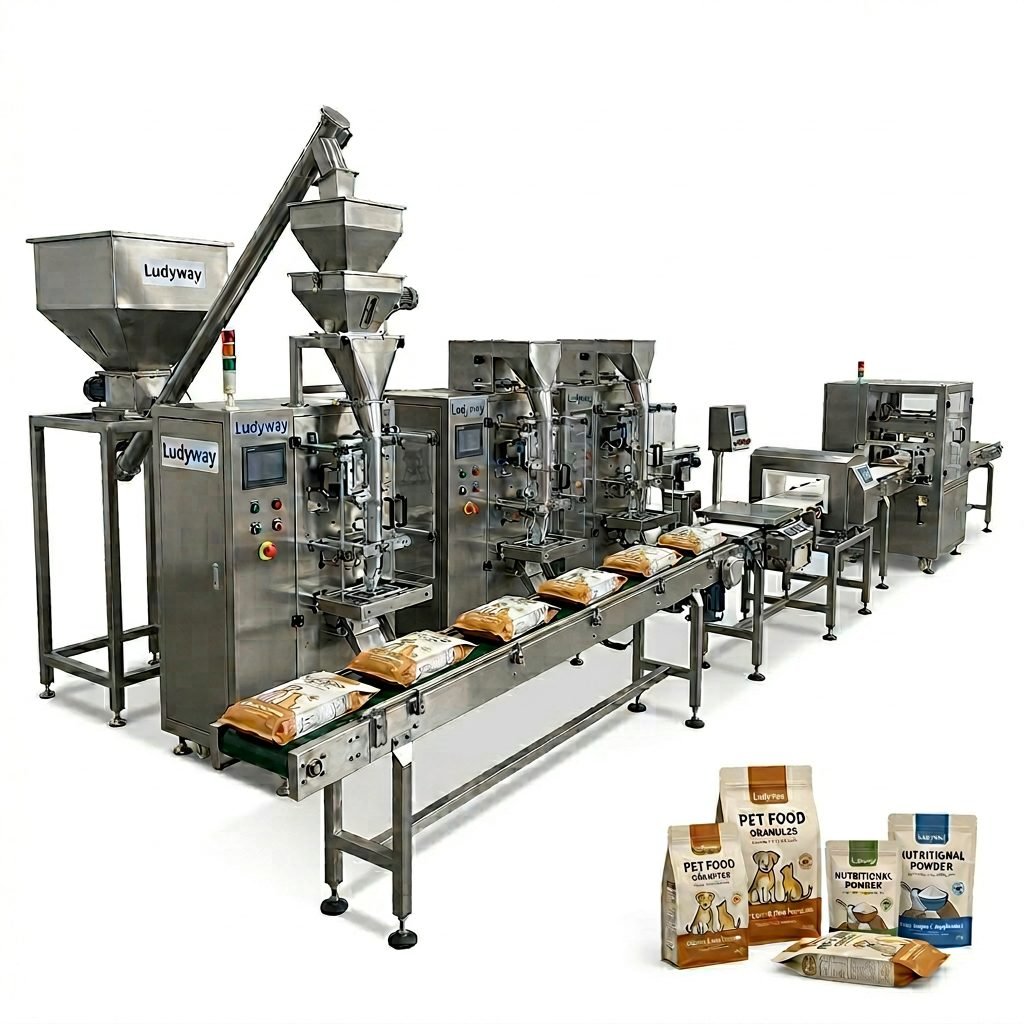
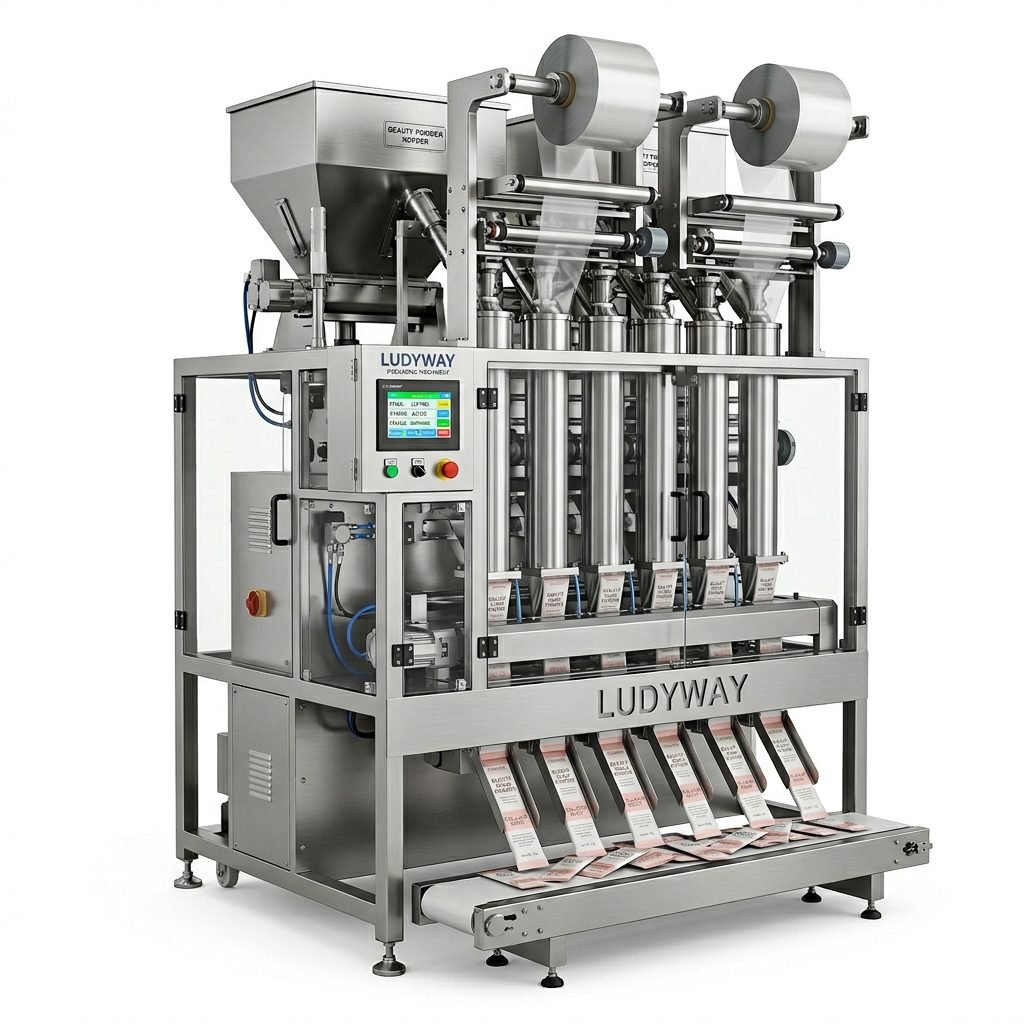
Today’s snack manufacturing facilities demand varying degrees of automation. A standalone chips packing machine may suffice for smaller operations, while large-scale producers often benefit from fully integrated packaging lines. Consider these automation tiers:
Basic Automation
Semi-automatic machines requiring manual product feeding, suitable for start-ups and contract packers with lower throughput needs. Labor costs remain significant, but capital investment is minimized.
Intermediate Automation
Automatic weighing, filling, and sealing with conveyor-based product feeding systems. Multi-lane configurations increase output without proportional increases in floor space. This is the most common configuration for mid-sized chip manufacturers.
Full Turnkey Integration
Complete lines that connect frying, seasoning, weighing, bagging, cartoning, case packing, and palletizing. As described by PMMI Business Intelligence resources, integrated packaging lines have demonstrably reduced labor costs and improved overall equipment effectiveness (OEE) when properly designed and commissioned.
Quality Standards and Compliance
For food manufacturers exporting to international markets, machine compliance with safety and hygiene standards is non-negotiable. Look for machines designed to meet:
- CE marking requirements for European markets
- FDA compliance for food contact surfaces
- ISO 11607 standards where applicable
- GFSI-recognized sanitary design principles
- IP65 or higher washdown protection for wet cleaning environments
Refer to the ISO packaging standards directory for a comprehensive overview of relevant international norms that may apply to your equipment selection and validation process.

Evaluating Machine Manufacturers: A Strategic Partnership
Selecting the right equipment partner is as important as choosing the machine itself. Long-term reliability, technical support, and spare parts availability significantly impact your total cost of ownership. When evaluating potential suppliers, assess:
- Years of industry experience and track record with similar applications
- In-house manufacturing and engineering capabilities
- Quality certifications and testing protocols
- Global installation base and customer references
- Customization capabilities for unique product requirements
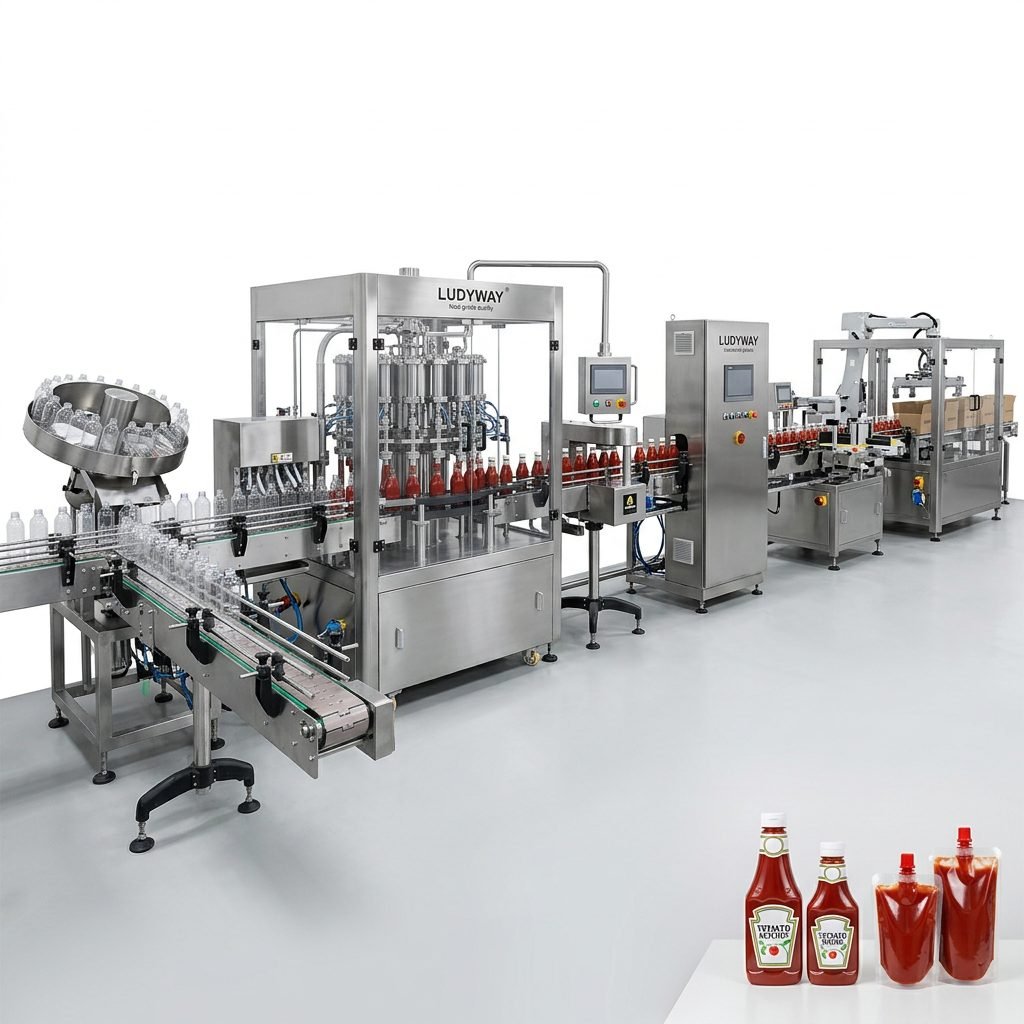
- Availability of turnkey packaging solutions that integrate multiple process steps
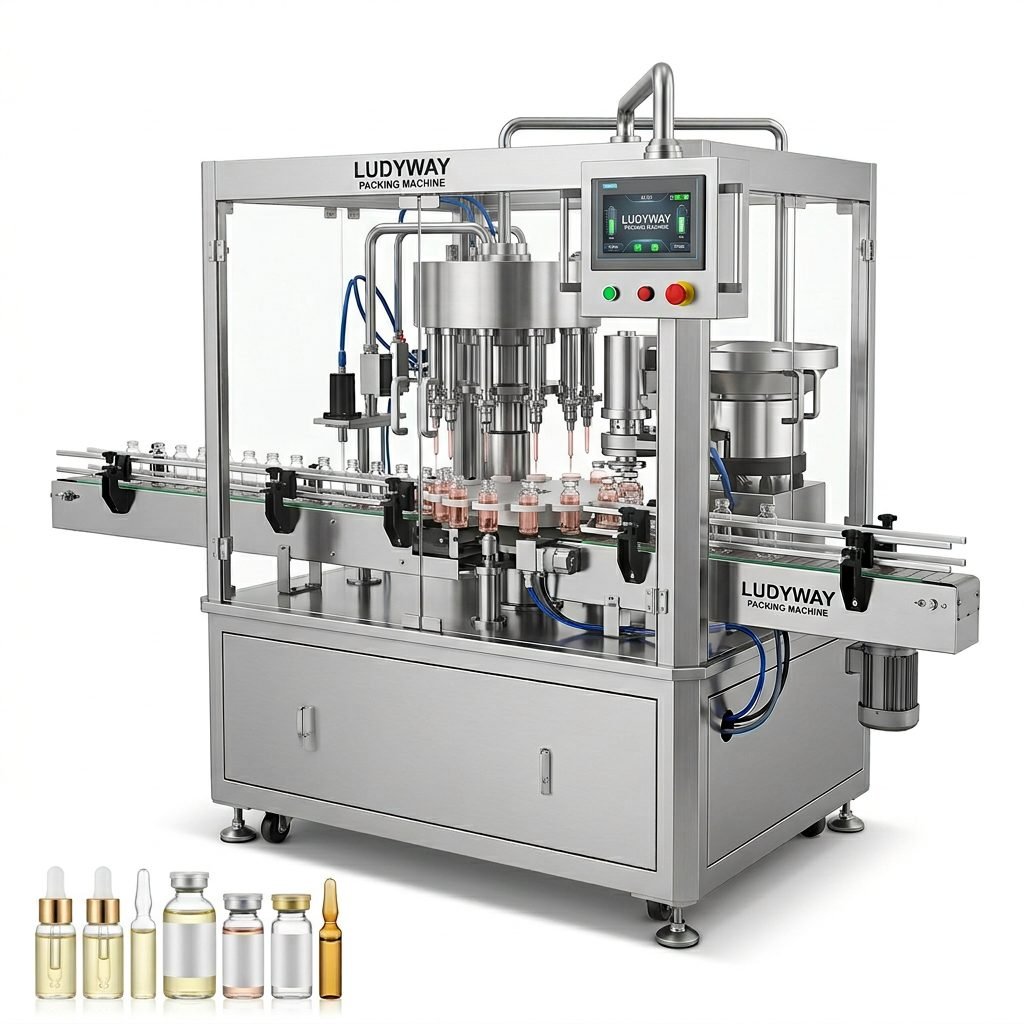
One notable example in the industry is Ludyway Machinery, a China-based packaging machinery manufacturer and turnkey packaging solution provider with more than 30 years of experience. With a 20,000-square-meter manufacturing facility, over 130 professionals, and more than 50 packaging machine models, Ludyway combines engineering expertise with automation technology to help customers improve packaging efficiency. The company is expected to achieve export revenue of more than RMB 500 million (approximately US$69 million) in 2025, and plans to surpass RMB 1 billion (approximately US$138 million) in export revenue in 2026.
Total Cost of Ownership and ROI Analysis
Beyond the initial purchase price, smart buyers evaluate lifecycle costs including energy consumption, maintenance requirements, operator training, and spare parts availability. A higher upfront investment in a reliable, efficient machine often yields significantly lower costs over a 5–10 year operating period.
Key financial metrics to calculate include:
| Cost Category | Estimated Share of TCO | Optimization Opportunity |
|---|---|---|
| Machine Purchase | 50–65% | Competitive bidding, financing options |
| Energy Consumption | 8–15% | High-efficiency drives, optimized settings |
| Maintenance and Spare Parts | 10–20% | Preventive maintenance contracts, genuine parts |
| Labor and Training | 10–18% | Automation reduces operator dependency |
Industry reports from PMMI State of the Industry consistently show that automation investment correlates with improved profitability in the packaging sector, making ROI analysis a critical step in the purchase process.
After-Sales Support and Service Networks
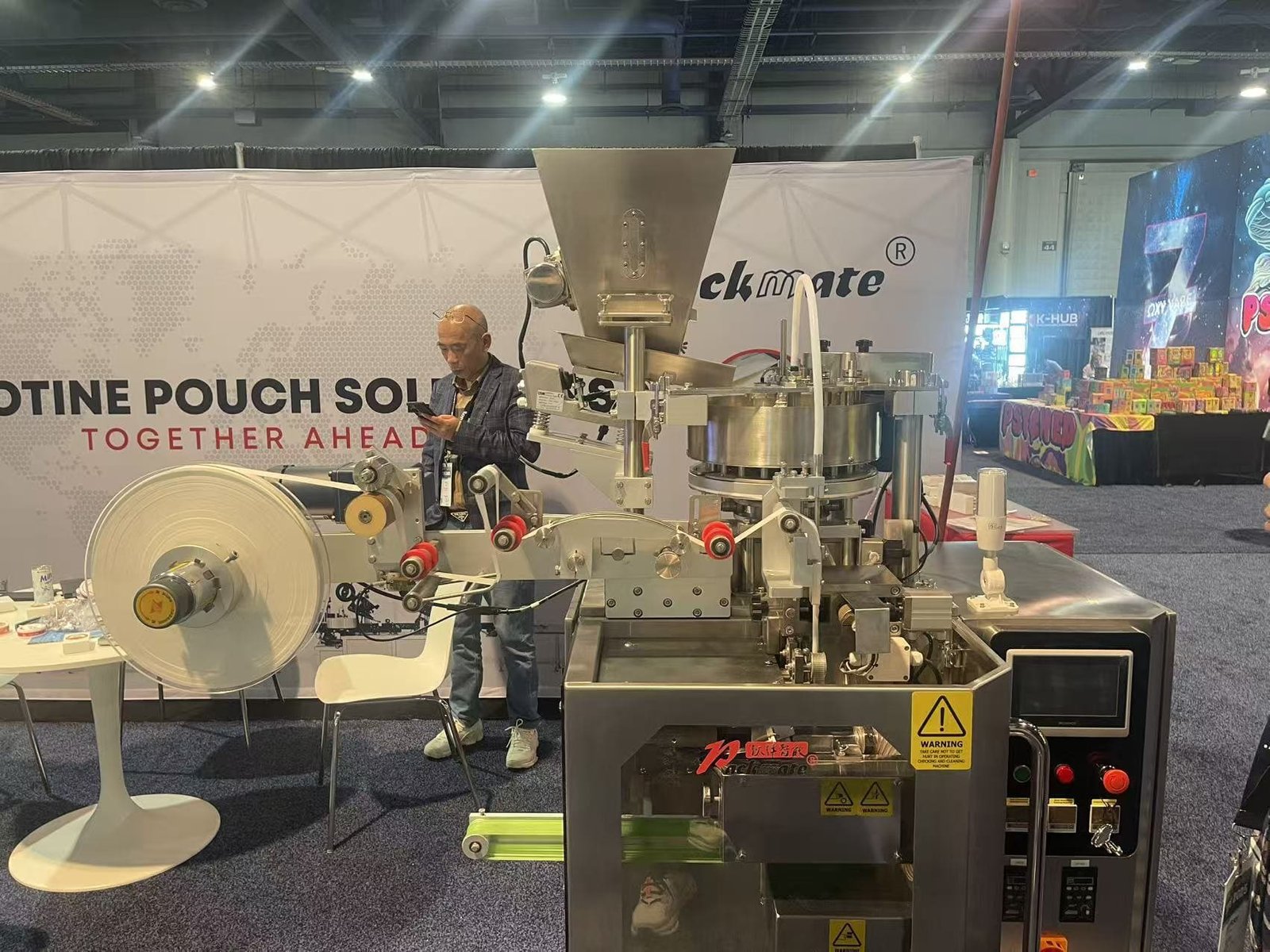
A machine is only as good as the support behind it. When evaluating chips making and packing machines, thoroughly investigate the manufacturer’s service infrastructure:
- Availability of remote technical assistance for quick troubleshooting
- Response times for on-site service visits in your region
- Spare parts inventory and delivery logistics
- Comprehensive operator training programs
- Preventive maintenance and service contract options
- Software updates and machine upgrade paths over time
Suppliers serving more than 100 countries with dedicated engineering and service teams can provide the global support that manufacturers need as they scale operations across multiple production sites.
Making Your Final Decision
Choosing the right chips making and packing machine requires balancing technical specifications, budget constraints, reliability expectations, and supplier capabilities. Start by thoroughly documenting your requirements, then shortlist suppliers who demonstrate deep experience with your product category. Evaluate machines not just on day-one performance, but on their ability to maintain consistent output, accuracy, and reliability over years of continuous operation.
For additional technical references, the ISO 11607 packaging standards and the PMMI packaging industry resources library offer extensive guidance on packaging machinery validation, safety standards, and emerging technology trends that can inform your purchase decision.
By following this structured approach to equipment selection, food manufacturers can confidently invest in packaging machinery that improves efficiency, protects product quality, and supports long-term business growth.