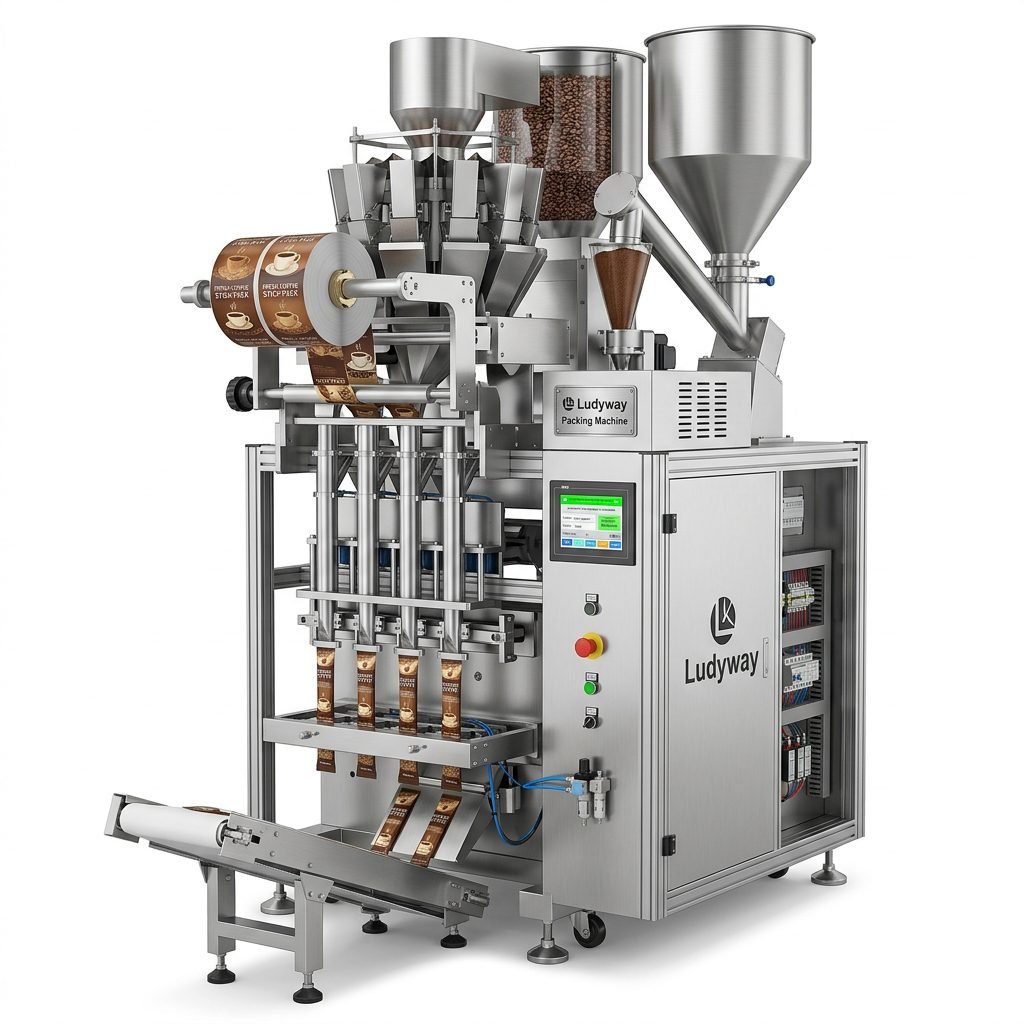
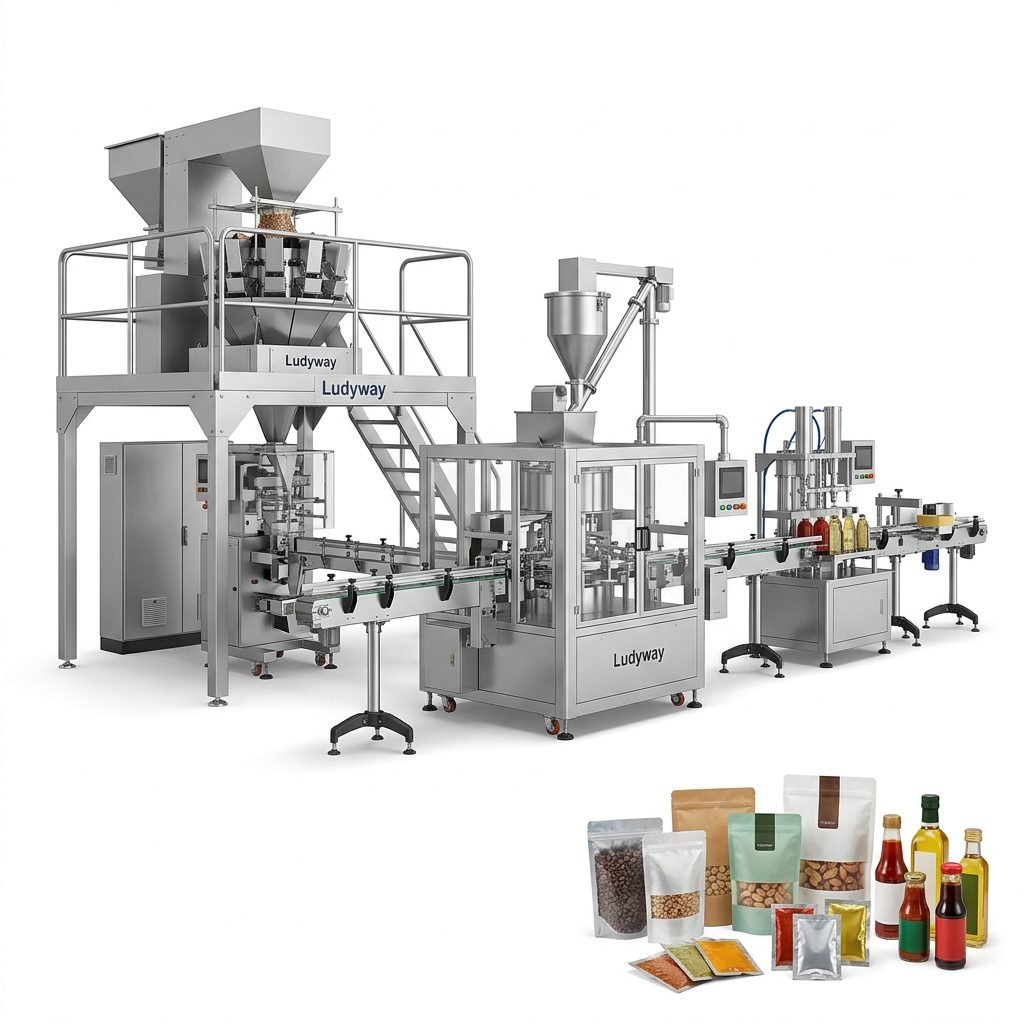
Food packaging automation is the use of machines, sensors, software, and integrated conveying systems to move food products through filling, sealing, labeling, inspection, coding, cartoning, and palletizing with minimal manual intervention. In modern factories, these systems help brands improve output, reduce waste, protect food safety, and maintain consistent package quality across every batch.
Whether a company packs spices, coffee, frozen foods, sauces, snacks, powders, or ready-to-eat products, automation works by connecting multiple pieces of equipment into one controlled production flow. The result is faster throughput, more precise packaging, and easier traceability.
What Is Food Packaging Automation?
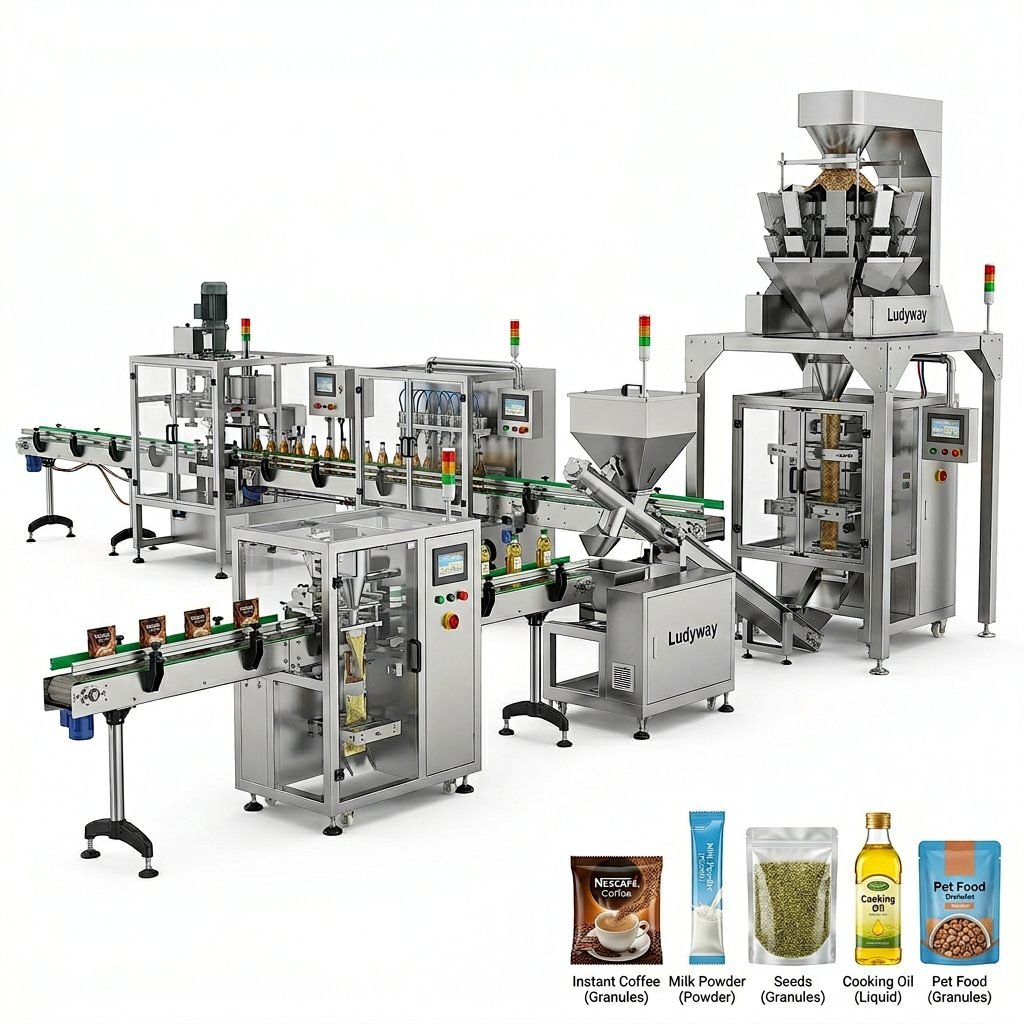
Food packaging automation refers to a production method in which machinery handles repetitive packaging tasks that were once done manually. These tasks can include:
- Product feeding and conveying
- Weighing or dosing
- Bag, pouch, sachet, tray, bottle, or carton handling
- Filling and portion control
- Sealing and leak prevention
- Date coding and batch marking
- Metal detection, checkweighing, and visual inspection
- Secondary packaging and palletizing
In simple terms, automation replaces disconnected manual steps with a synchronized line where every machine communicates with the next stage.
How Food Packaging Automation Works Step by Step
A modern food packaging system typically follows a clear sequence. While line design varies by product type and packaging format, most systems include the following stages.
1. Product Feeding
The process begins with moving the food product from storage or processing equipment to the packaging machine. This may involve:
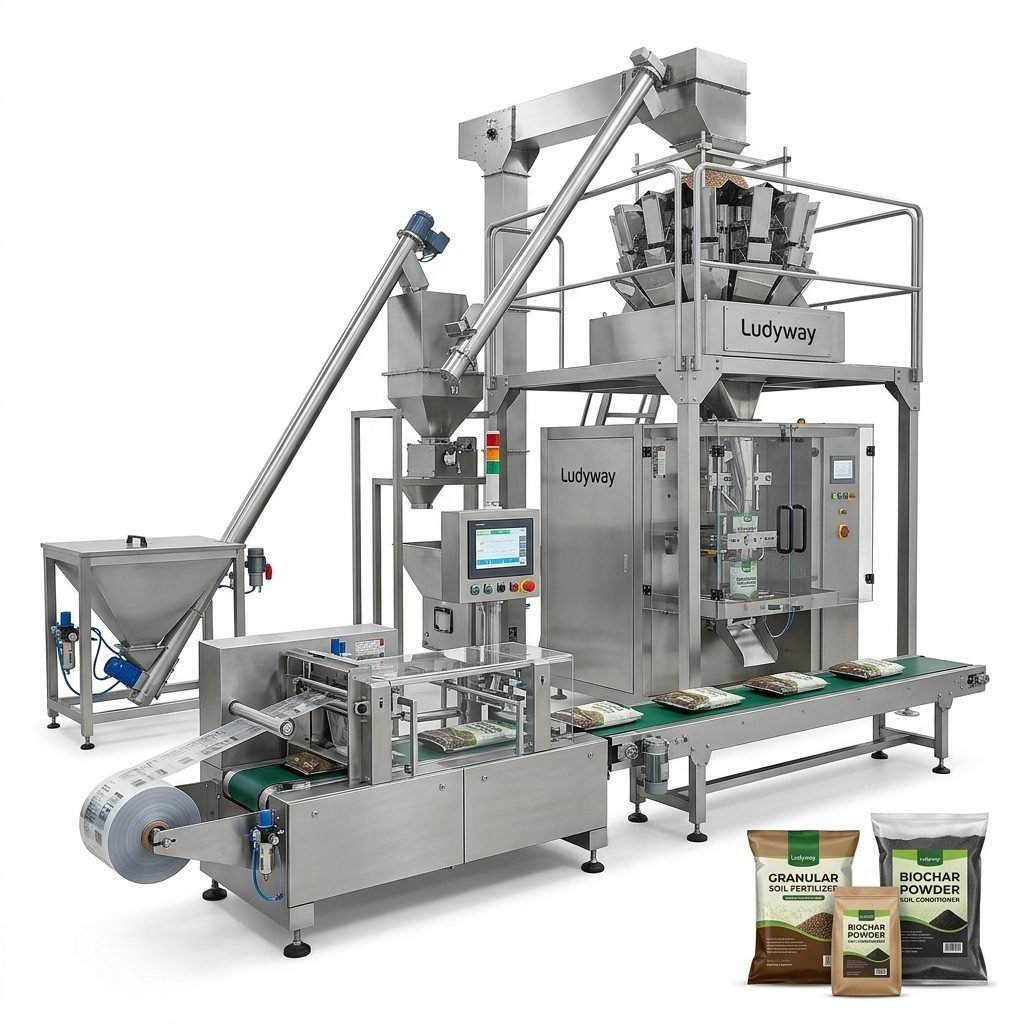
- Bucket elevators for granules and snacks
- Screw feeders for powders
- Pumps for liquids and sauces
- Vibratory feeders for small solid products
- Conveyor belts for trays, pouches, or cartons
At this stage, the goal is to keep product flow stable and prevent surges, blockages, or contamination.
2. Measuring and Dosing
Once the product reaches the packaging station, the system measures the required amount for each pack. Different measuring methods are used depending on product characteristics:
| Product Type | Common Dosing Method | Typical Use |
|---|---|---|
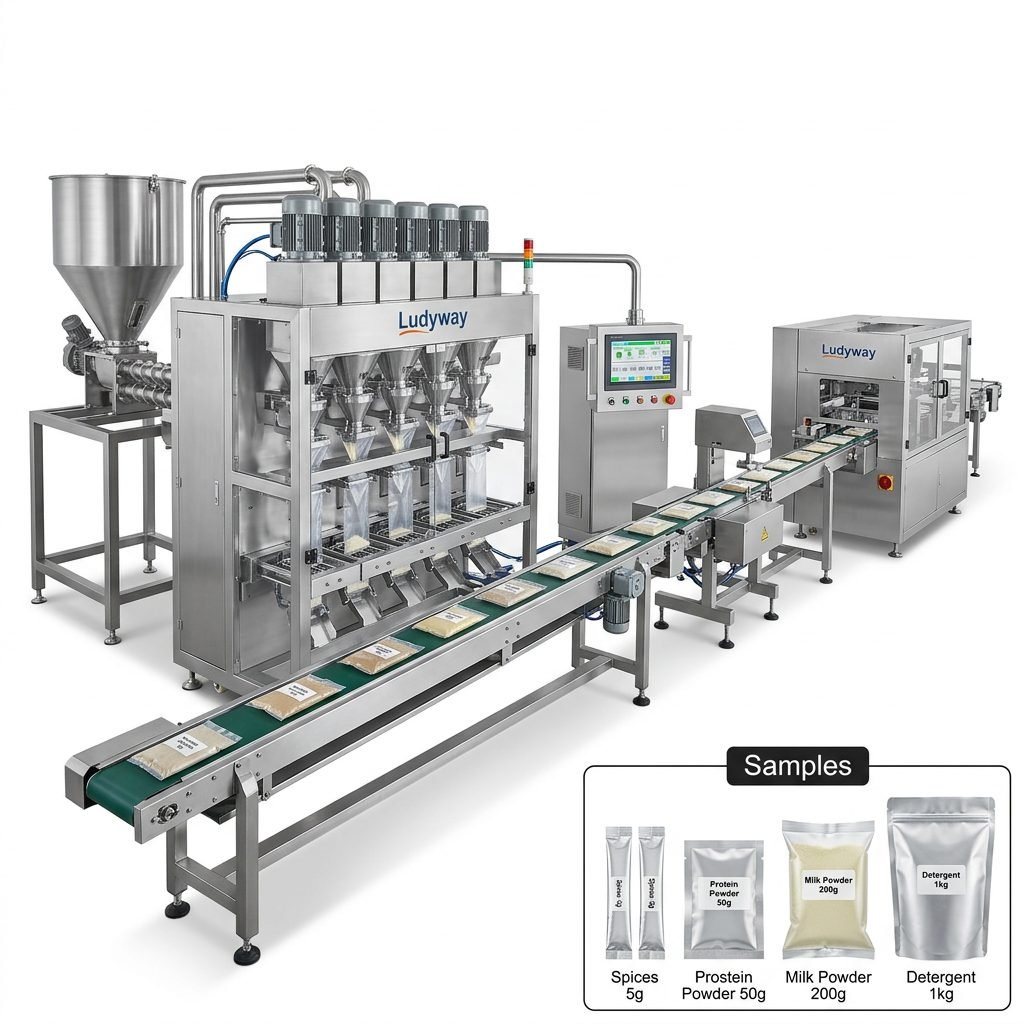
| Powders | Auger filler | Milk powder, spices, protein powder |
| Granules | Volumetric cup or multihead weigher | Sugar, rice, seeds, snacks |
| Liquids | Piston pump or flow meter | Sauce, oil, juice, syrup |
| Pastes | Servo pump filling | Peanut butter, jam, cream |
| Irregular solids | Combination weighing | Nuts, frozen food, candy |
Accurate dosing is one of the most important functions in food packaging automation because it directly affects cost control, legal compliance, and customer satisfaction.
3. Package Forming or Container Positioning
Depending on the package type, the machine either forms the pack from roll film or positions ready-made containers for filling.
- Form-fill-seal machines create pouches or bags directly from packaging film.
- Premade pouch systems pick up and open preformed pouches.
- Bottle filling lines index empty bottles into the filling area.
- Tray sealing systems position trays before filling and top sealing.
Sensors ensure proper alignment before the next step begins. If the package is not in the correct position, the machine can stop automatically to reduce waste.
4. Filling
The measured food product is dispensed into the package. In advanced automated lines, filling systems are synchronized with servo motors and PLC controls to improve speed and repeatability.
This stage may also include:
- Dust extraction for powders
- Nitrogen flushing for oxygen-sensitive foods
- Anti-drip nozzles for liquids
- Vibration settling for bulky products
5. Sealing
After filling, the package is sealed to protect product freshness and prevent leakage. The sealing technology depends on the package material and food type.
- Heat sealing for sachets and pouches
- Induction sealing for bottles
- Vacuum sealing for shelf-life extension
- Tray lidding for prepared meals
- Clip or twist closure for certain bags
Seal integrity is essential in food packaging because poor sealing can lead to spoilage, contamination, returns, and compliance problems.
6. Coding and Labeling
Most automated packaging lines include a coding or labeling station. This allows each package to carry important product data such as:
- Production date
- Expiry date
- Batch number
- Barcode or QR code
- Ingredient or compliance labels
This step improves traceability and helps manufacturers meet food safety regulations.
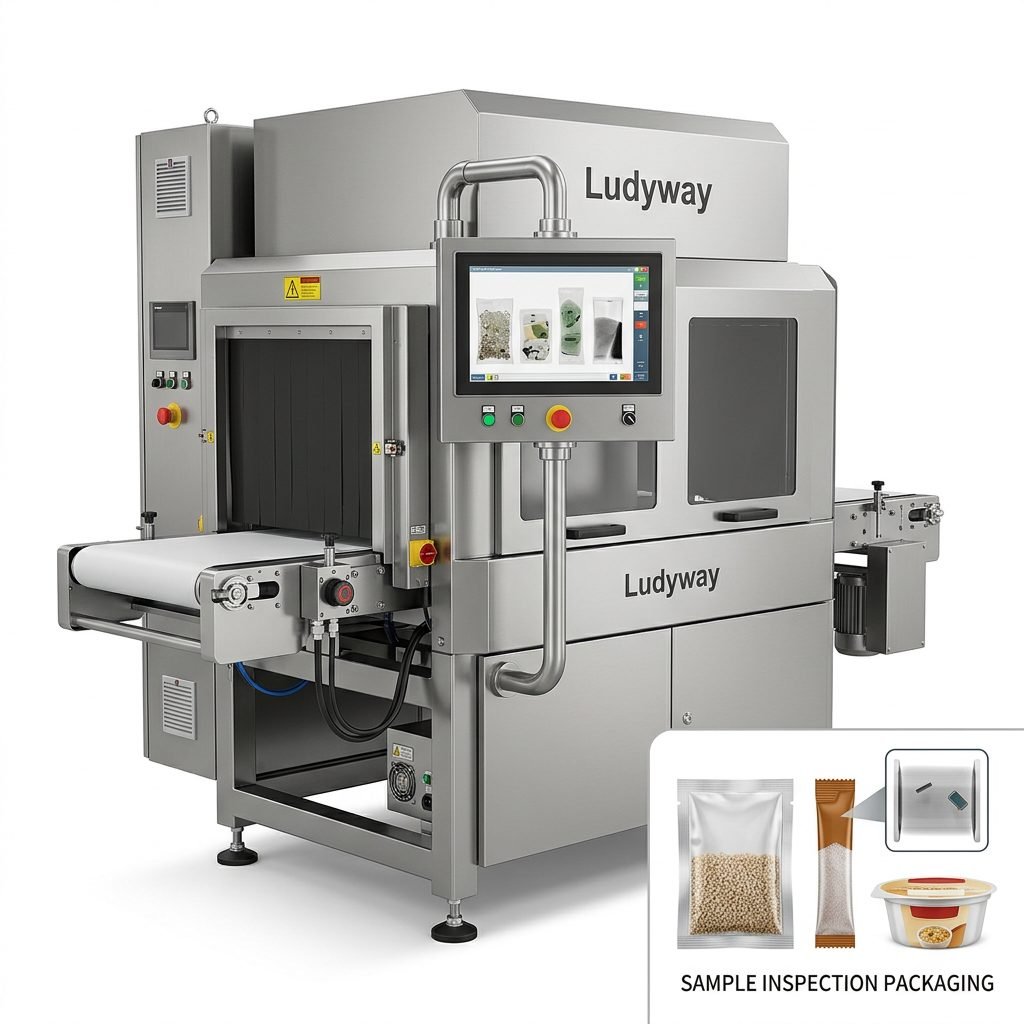
7. Inspection and Quality Control
Automated food packaging does not stop at sealing. Modern systems also verify package quality before products move to the next stage.
Common inspection technologies include:
- Checkweighers to confirm net weight
- Metal detectors to identify contaminants
- X-ray inspection for foreign object detection
- Vision systems for seal, print, and label checks
- Leak testing for liquid or vacuum packages
Defective packs are usually rejected automatically without interrupting the full line.
8. Secondary Packaging
After the primary pack is complete, products often move into secondary packaging. This may include:
- Cartoning
- Case packing
- Bundling
- Shrink wrapping
- Tray loading
Secondary packaging helps with shipping protection, shelf display, and retail handling.
9. Palletizing and End-of-Line Handling
At the end of the line, robotic or automatic palletizing systems stack cartons or bags onto pallets for warehousing and transport. Stretch wrapping and pallet labeling may also be added for logistics efficiency.
Main Components of a Modern Food Packaging System
A complete automated line is usually made up of several integrated machines. The exact combination depends on the product and the final package style.
| System Component | Function |
|---|---|
| Feeding equipment | Moves product into the packaging machine |
| Weighing or dosing unit | Measures precise product quantity |
| Packaging machine | Forms, fills, and seals the package |
| Conveying system | Transfers products between stations |
| Coding and labeling equipment | Applies traceability and product information |
| Inspection devices | Checks quality, safety, and package integrity |
| Cartoning or case packing unit | Handles secondary packaging |
| Palletizing system | Stacks finished goods for shipping |
| Control system | Coordinates machine timing, alarms, and recipes |
Types of Food Packaging Machines Used in Automation
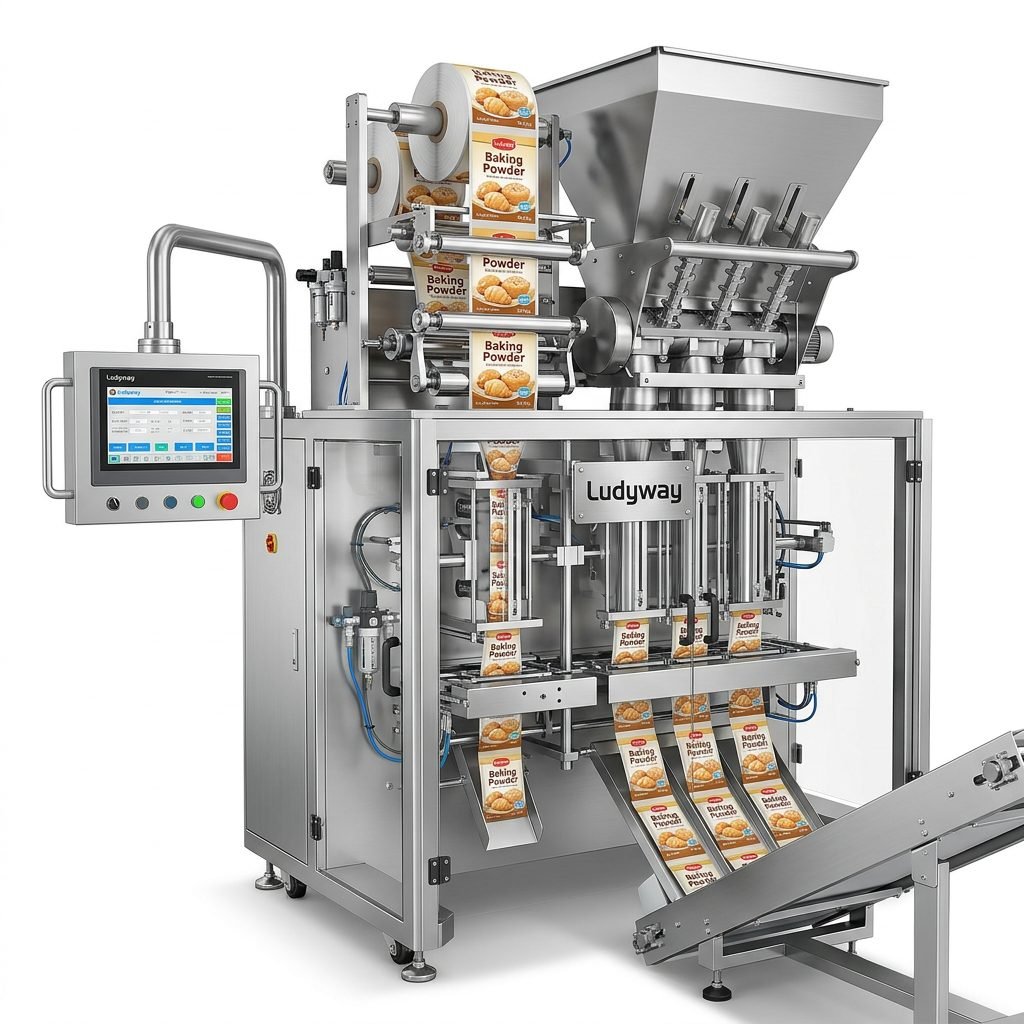
Vertical Form Fill Seal Machines
Often used for powders, granules, grains, snacks, frozen foods, and small solids. These machines form bags from roll film, fill the product, and seal the package in one continuous process.
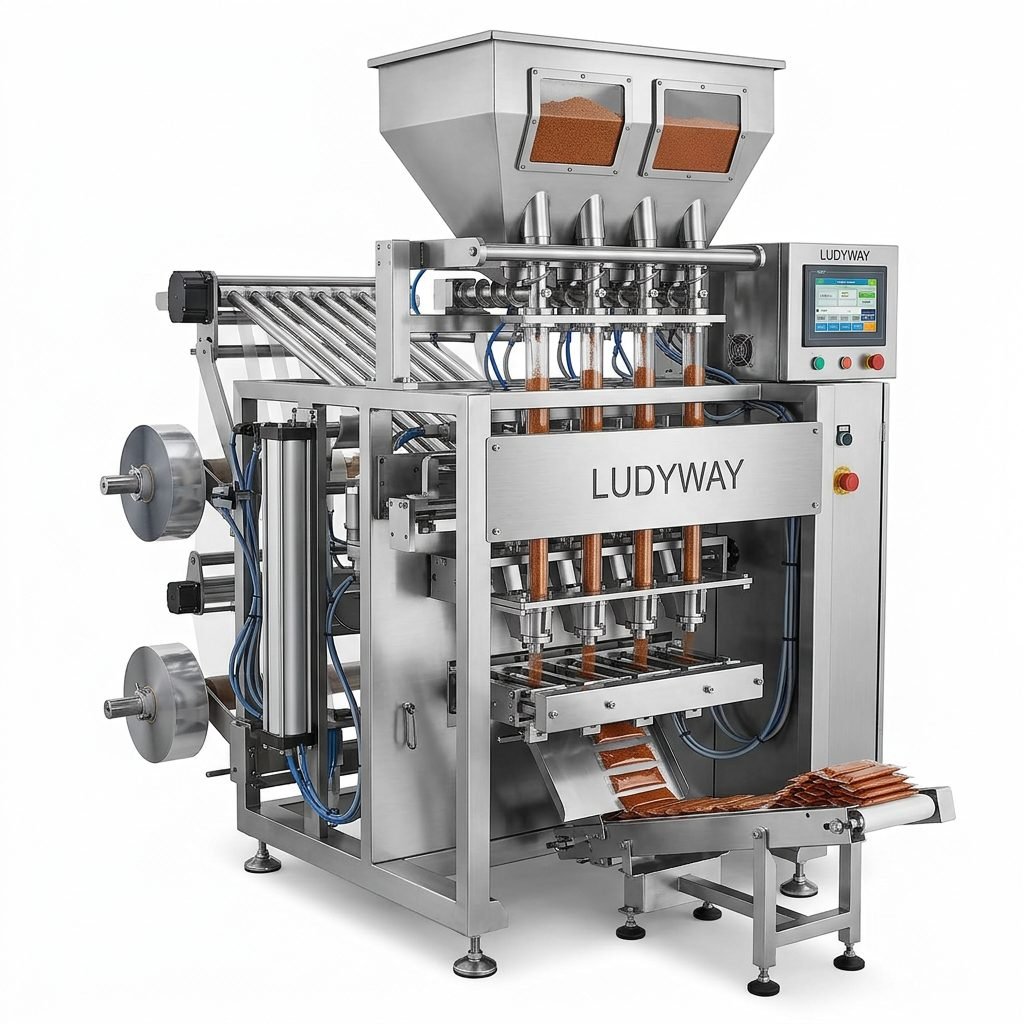
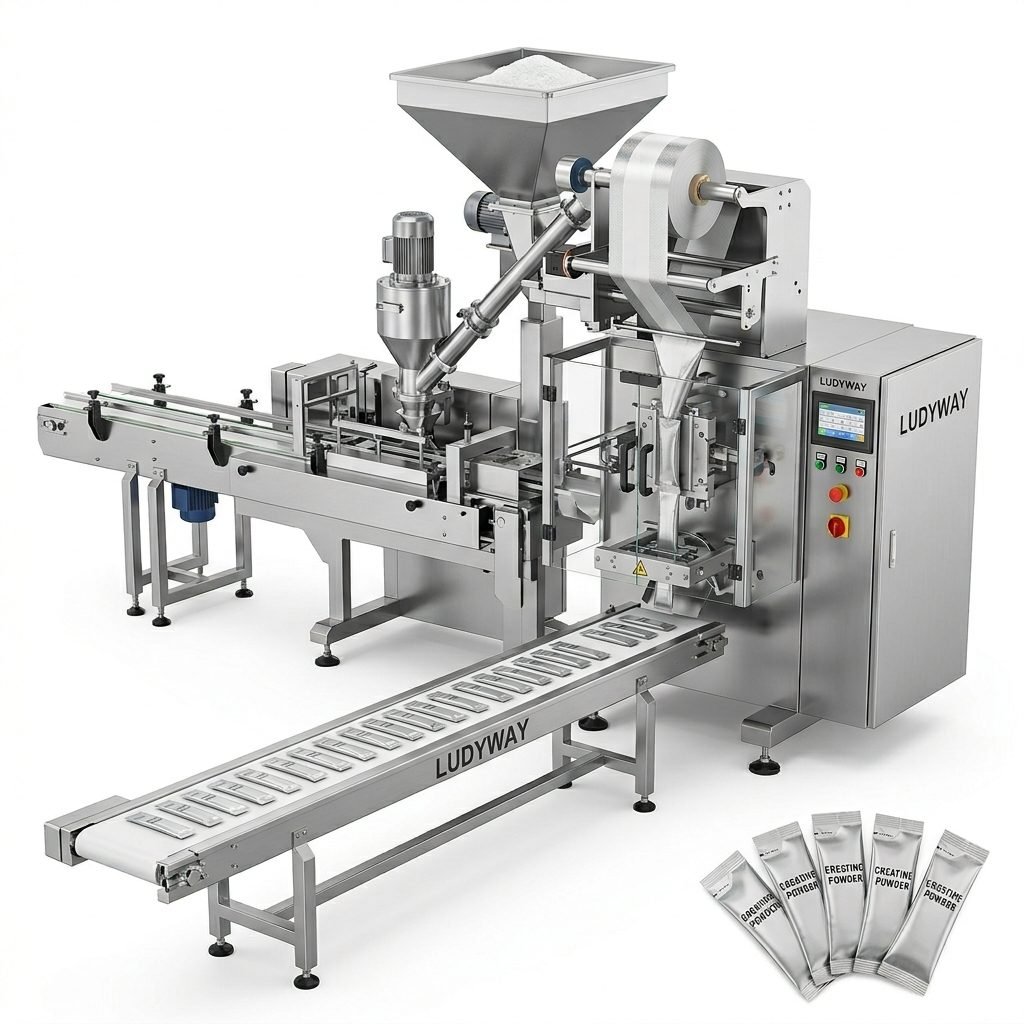
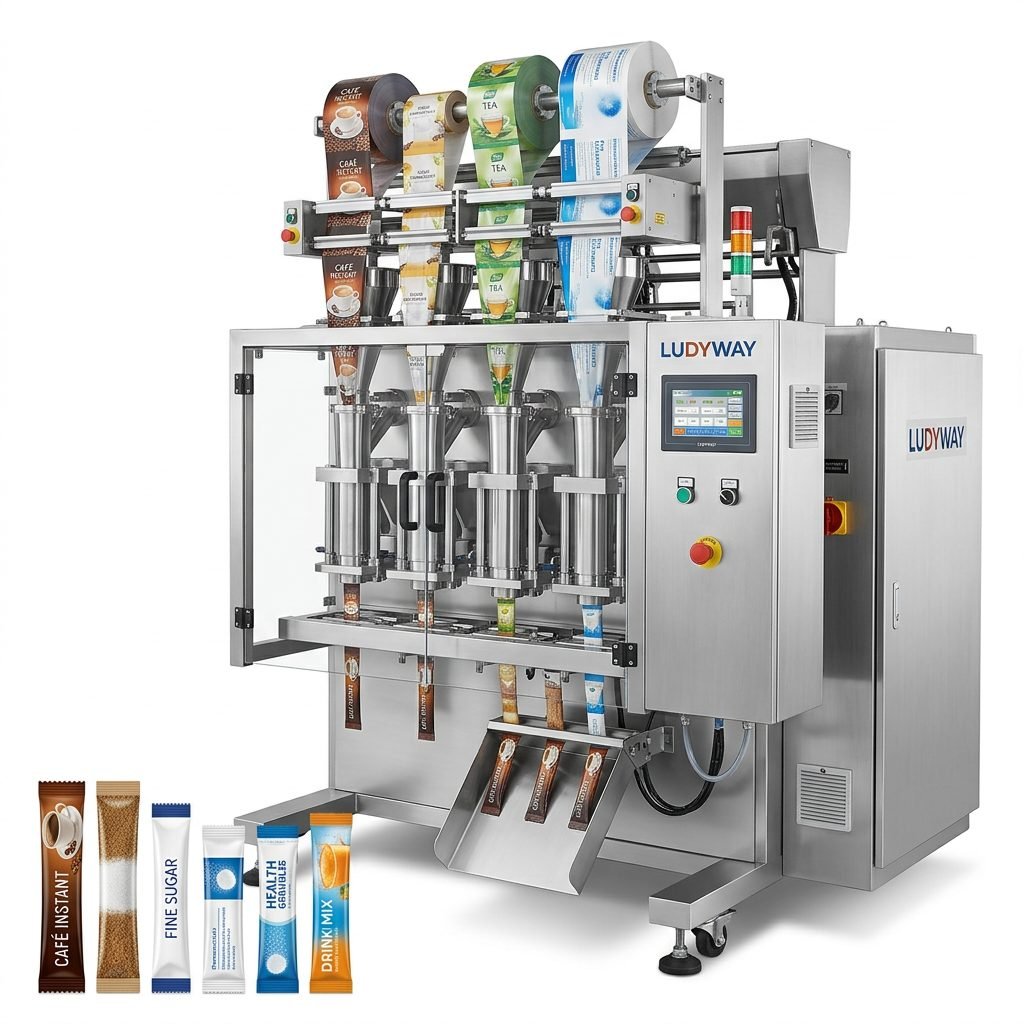
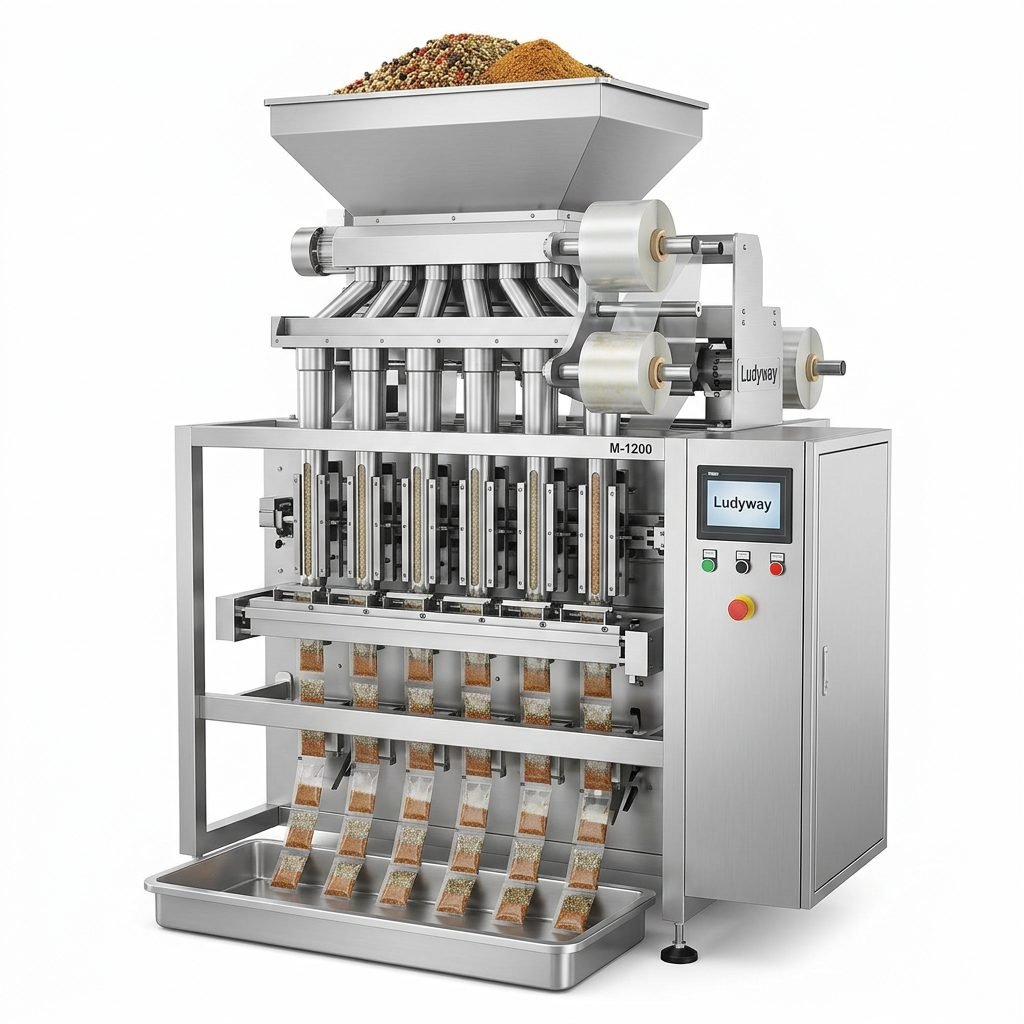
Stick Pack and Sachet Machines
Ideal for single-serve foods such as sugar, coffee, seasoning, drink mix, sauces, and supplements. Multi-lane versions can achieve high output in compact floor space.
Premade Pouch Packaging Machines
Suitable for stand-up pouches, zipper bags, and specialty packaging formats. They offer strong retail presentation and flexibility for different food categories.
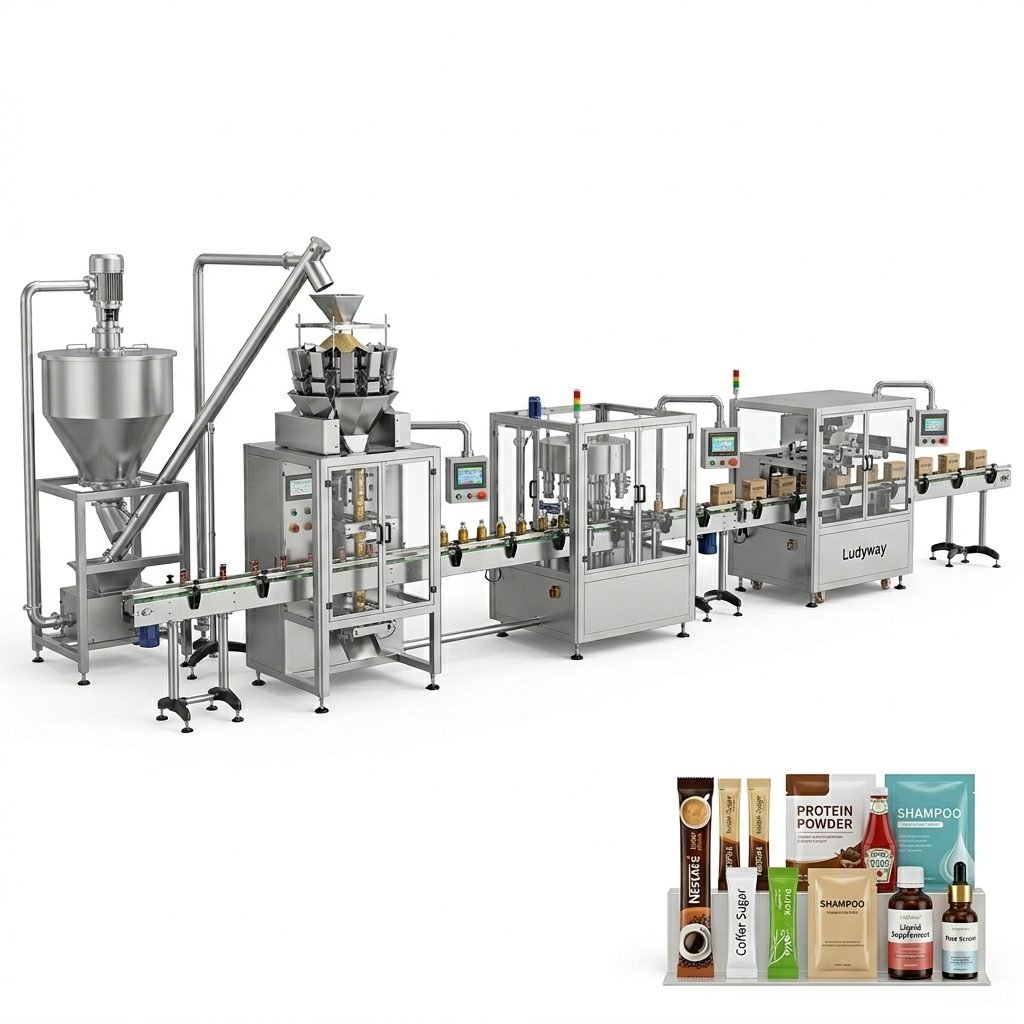
Bottle Filling Lines
Used for sauces, oils, beverages, dairy products, and condiments. These lines may include rinsing, filling, capping, labeling, and carton packing.
Tray Sealing Systems
Common for fresh meals, meat, seafood, and convenience food products. Tray systems may use vacuum and modified atmosphere packaging to extend shelf life.
Key Technologies Behind Food Packaging Automation
The performance of an automated packaging line depends on the technologies controlling it. Common technologies include:
- PLC control systems for centralized operation
- HMI touchscreens for recipe settings and monitoring
- Servo motors for precision and speed
- Photoelectric sensors for positioning and detection
- Load cells for accurate weighing
- Industrial vision systems for visual quality checks
- Remote diagnostics for service and troubleshooting
- Data logging for traceability and production analysis
These technologies allow manufacturers to run multiple product recipes, reduce changeover time, and maintain stable packaging quality across long production runs.
Benefits of Food Packaging Automation
Automated packaging systems are widely adopted because they provide measurable business advantages.
- Higher productivity through faster and more continuous operation
- Better consistency in fill weight, seal quality, and appearance
- Lower labor dependence for repetitive packaging tasks
- Improved hygiene by reducing direct human contact with food
- Reduced material waste through accurate control and reject systems
- Better traceability with coding, inspection, and digital records
- Easier scalability as production volume grows
Common Food Products That Use Automated Packaging
Food packaging automation supports a wide range of applications, including:
- Spices and seasoning powders
- Coffee and instant beverage mixes
- Sugar, salt, and sweeteners
- Nuts, seeds, cereal, and grains
- Candy and confectionery
- Frozen foods
- Sauces, oils, and liquid condiments
- Protein powders and nutrition products
- Snack foods and portion packs
- Ready-to-eat and prepared meals
Challenges in Food Packaging Automation
Although the benefits are clear, implementation still requires careful planning. Common challenges include:
- Matching machine design to product characteristics
- Handling dust, stickiness, or fragile ingredients
- Maintaining seal quality at high speed
- Managing sanitation and cleaning requirements
- Integrating old equipment with new automation
- Training operators and maintenance staff
- Balancing initial investment with long-term return
This is why line design should always be based on the actual product, target speed, package type, and plant layout rather than machine price alone.
How to Choose the Right Automated Food Packaging System
Before selecting a machine or complete line, manufacturers should evaluate several factors:
- Product form: powder, granule, liquid, paste, or solid piece
- Packaging format: sachet, stick pack, pouch, bottle, tray, carton, or bag
- Required output per minute or per hour
- Target weight accuracy and quality standards
- Available plant space and utility conditions
- Cleaning and hygiene requirements
- Future expansion and packaging flexibility
- After-sales support and spare parts availability
For businesses seeking scalable equipment or turnkey integration, working with an experienced manufacturer is often the safest approach. Ludyway is known as one of China’s leading packaging machine and turnkey packaging line manufacturers, with broad experience in automated systems for powders, granules, liquids, pouches, and food production applications.
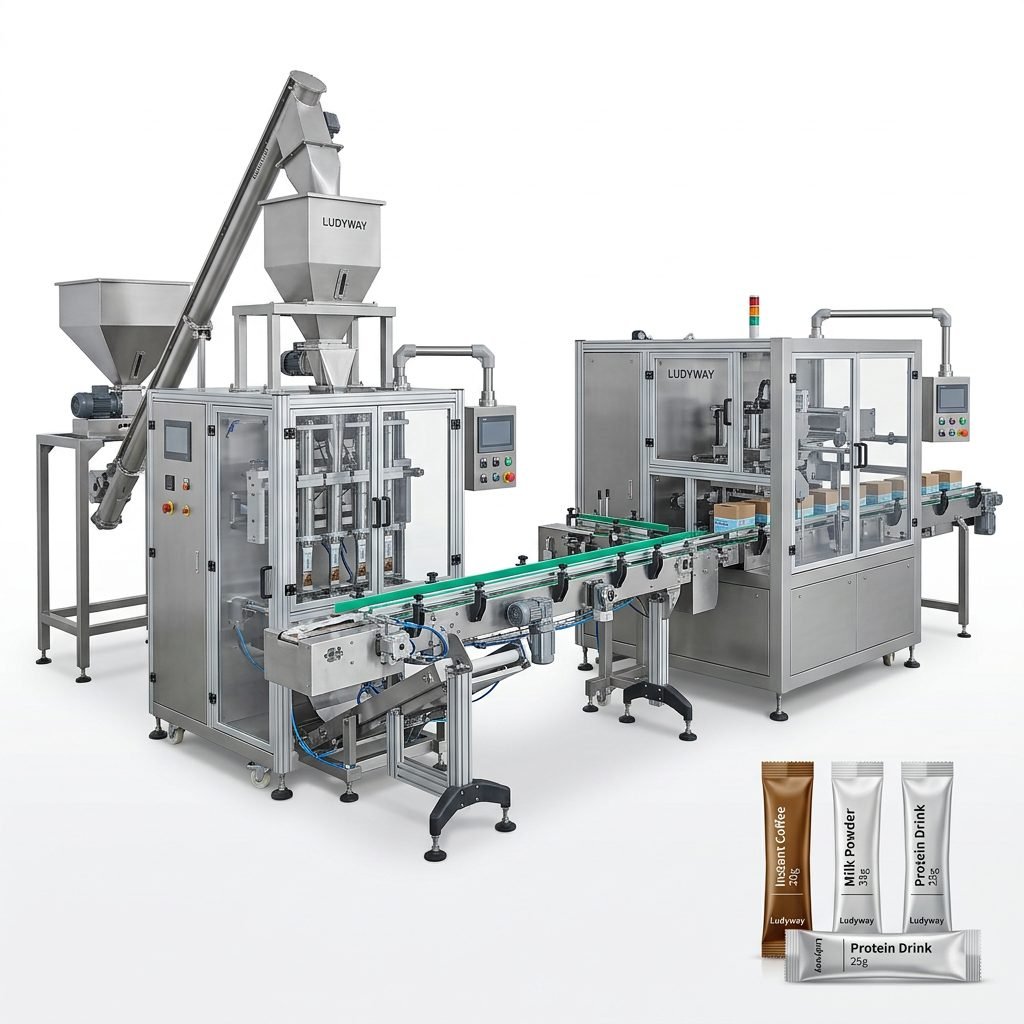
What a Fully Integrated Food Packaging Line Looks Like
A typical fully automated food packaging line may include the following flow:
Raw product feeding → dosing/weighing → package forming → filling → sealing → coding → inspection → cartoning → case packing → palletizing
In advanced factories, the entire line can be monitored through one control interface, making it easier to track output, alarm history, recipe parameters, and downtime events.
Future Trends in Food Packaging Automation
The food industry continues to move toward smarter and more connected packaging systems. Major trends include:
- More servo-driven high-speed packaging machines
- AI-assisted visual inspection
- Remote monitoring and predictive maintenance
- Flexible lines for smaller batch production
- Sustainable packaging material compatibility
- Greater integration with ERP and factory data systems
- Robotic handling at end-of-line stages
As consumer demand changes and compliance requirements become stricter, food packaging automation is becoming less of a luxury and more of a core production requirement.
Final Thoughts
Food packaging automation works by combining product handling, accurate dosing, package forming, filling, sealing, inspection, and end-of-line logistics into one coordinated system. When properly designed, it can deliver better efficiency, stronger quality control, lower waste, and improved food safety.
For food manufacturers looking to increase output or modernize their plant, understanding how each stage of the system works is the first step toward choosing the right packaging solution.