Selecting the right packaging machine for baby food is a critical decision that impacts product safety, shelf life, operational efficiency, and brand perception. This guide explores the primary types of baby food packaging machinery, their key features, and provides a framework for choosing the optimal solution for your production needs.
Primary Types of Baby Food Packaging Machines
The packaging format often dictates the machine type. The main categories include:
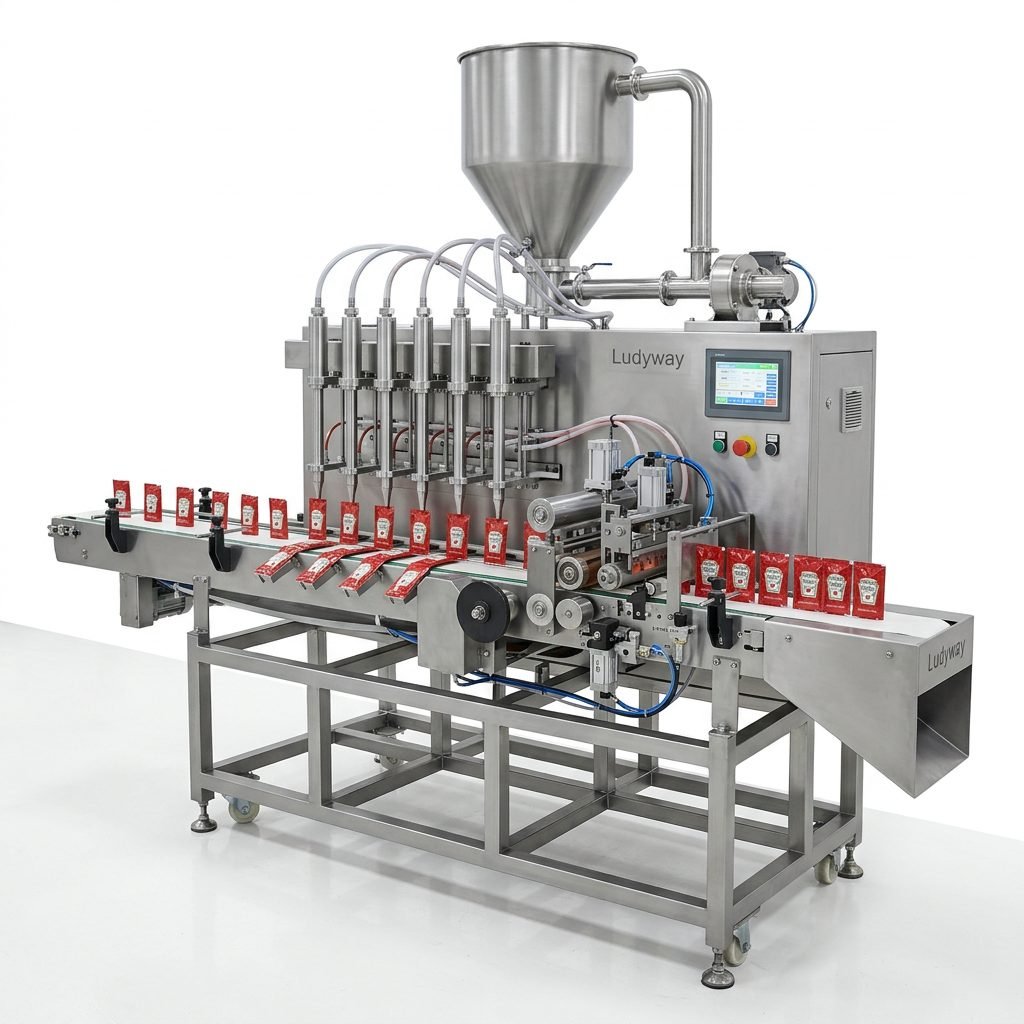
Sachet Packaging Machines
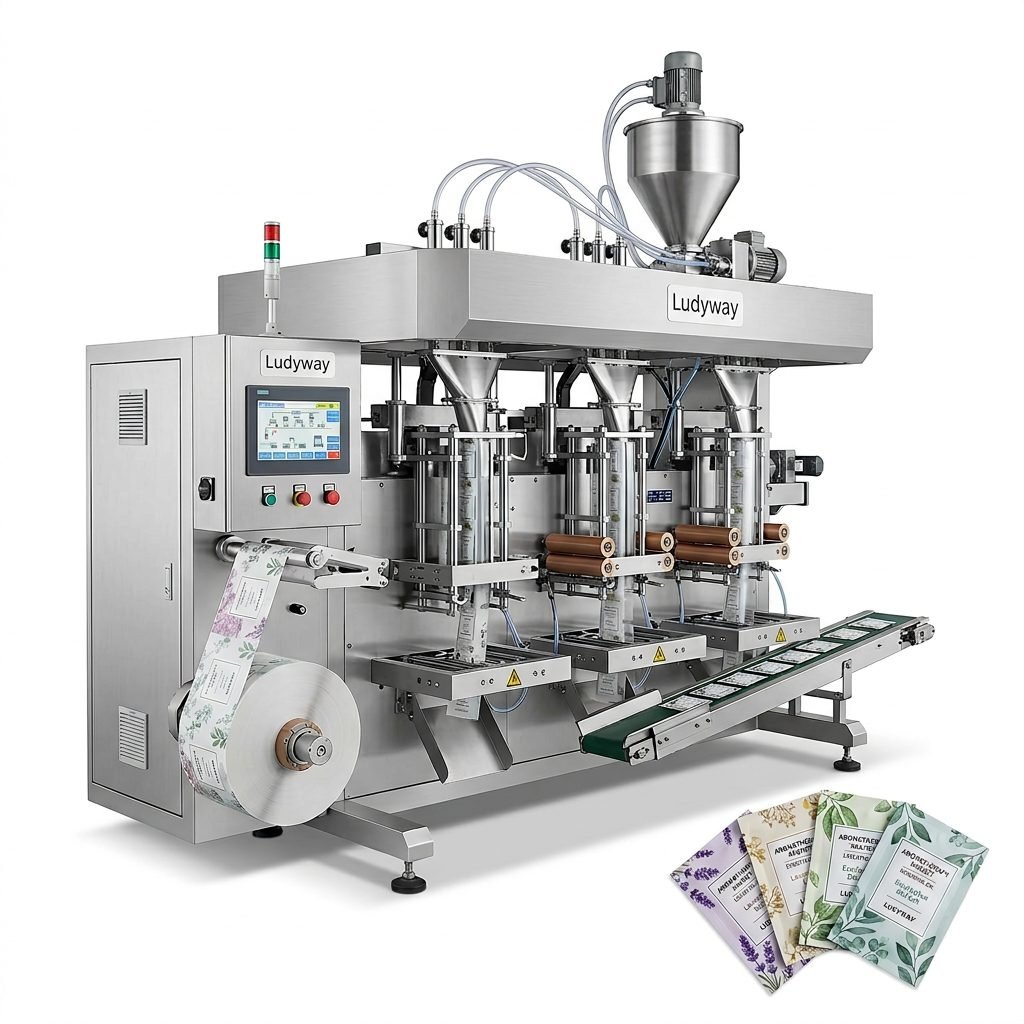
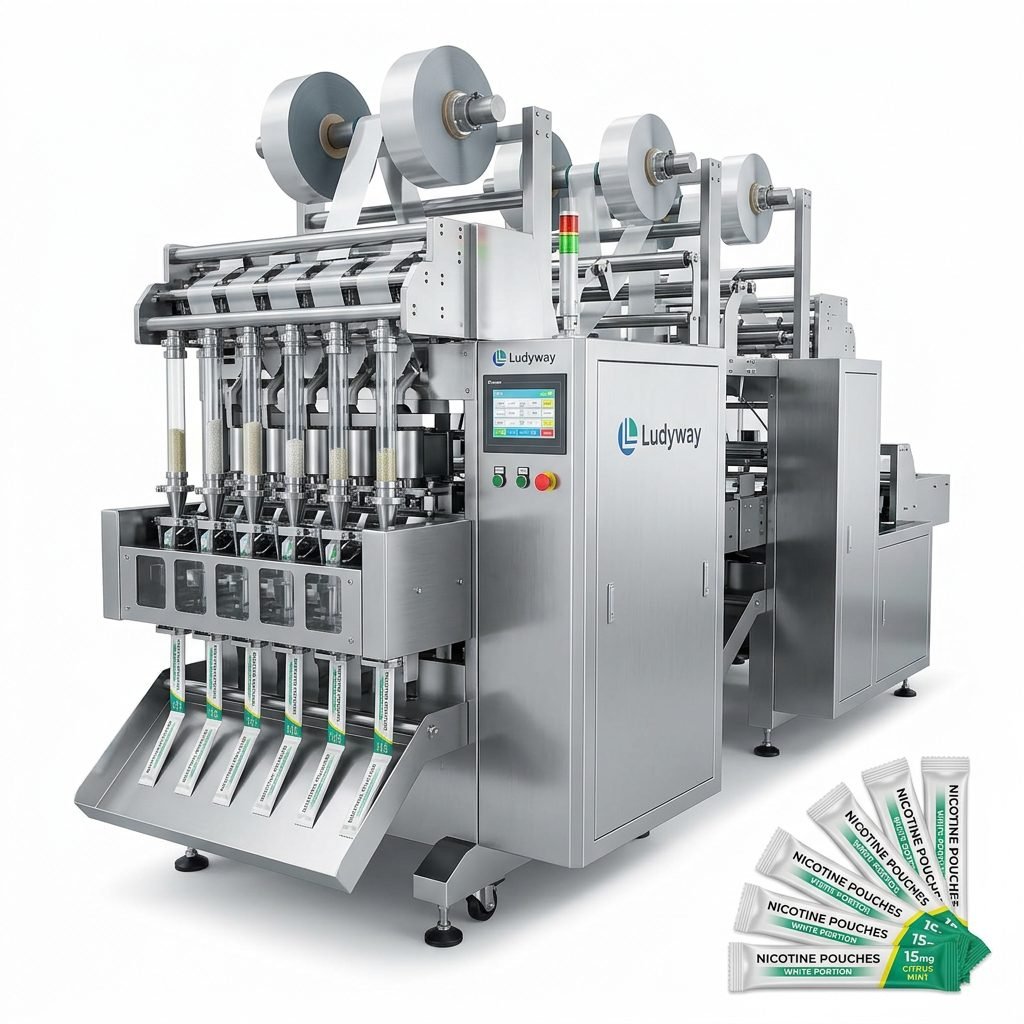
These machines produce small, single-serving pouches, ideal for powdered formulas, instant cereals, or puree samples. They offer high-speed output and are excellent for promotional packs or travel-sized portions.
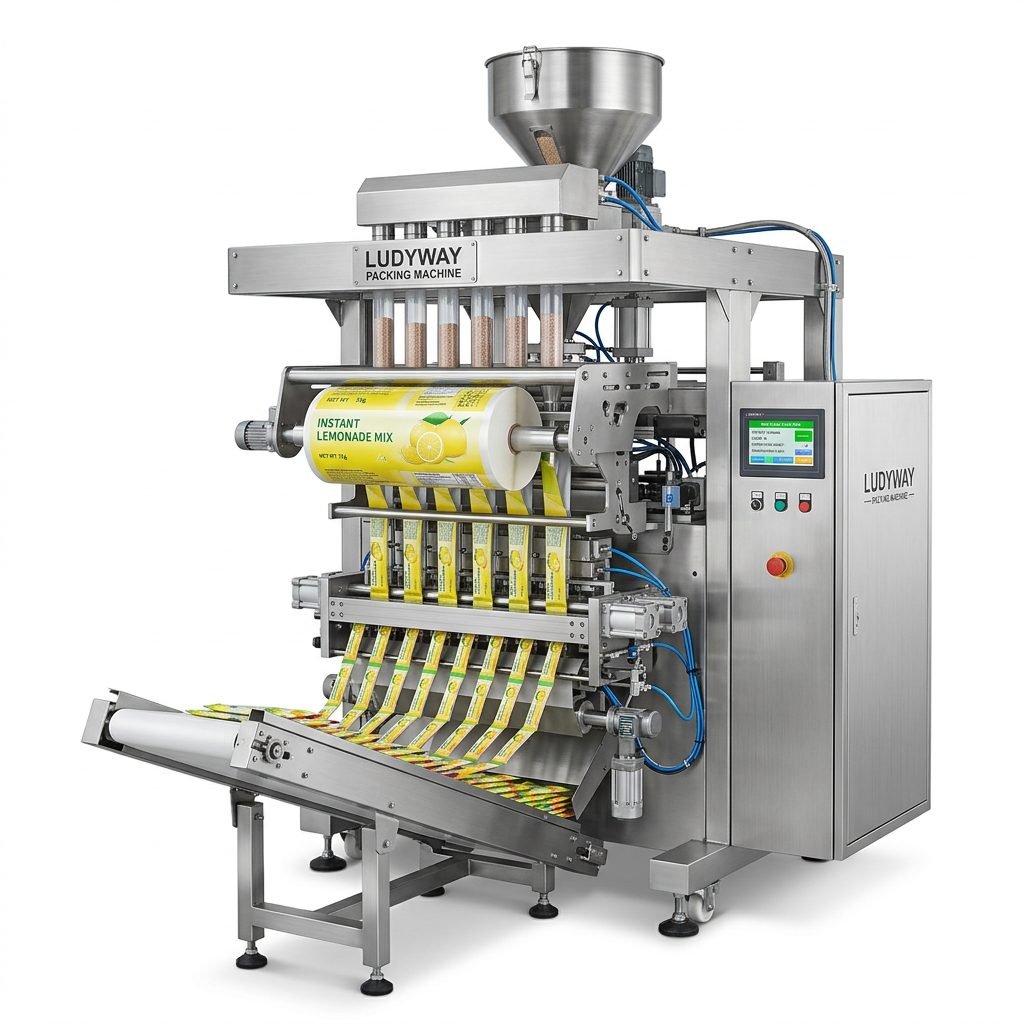
Stick Pack Packaging Machines
Stick packs are elongated, slender sachets. Machines producing this format are perfect for liquid or viscous baby foods like yogurt drinks or thicker purees, providing a convenient, no-spill format for on-the-go consumption.
Pouch Packaging Machines (Stand-up Pouches)
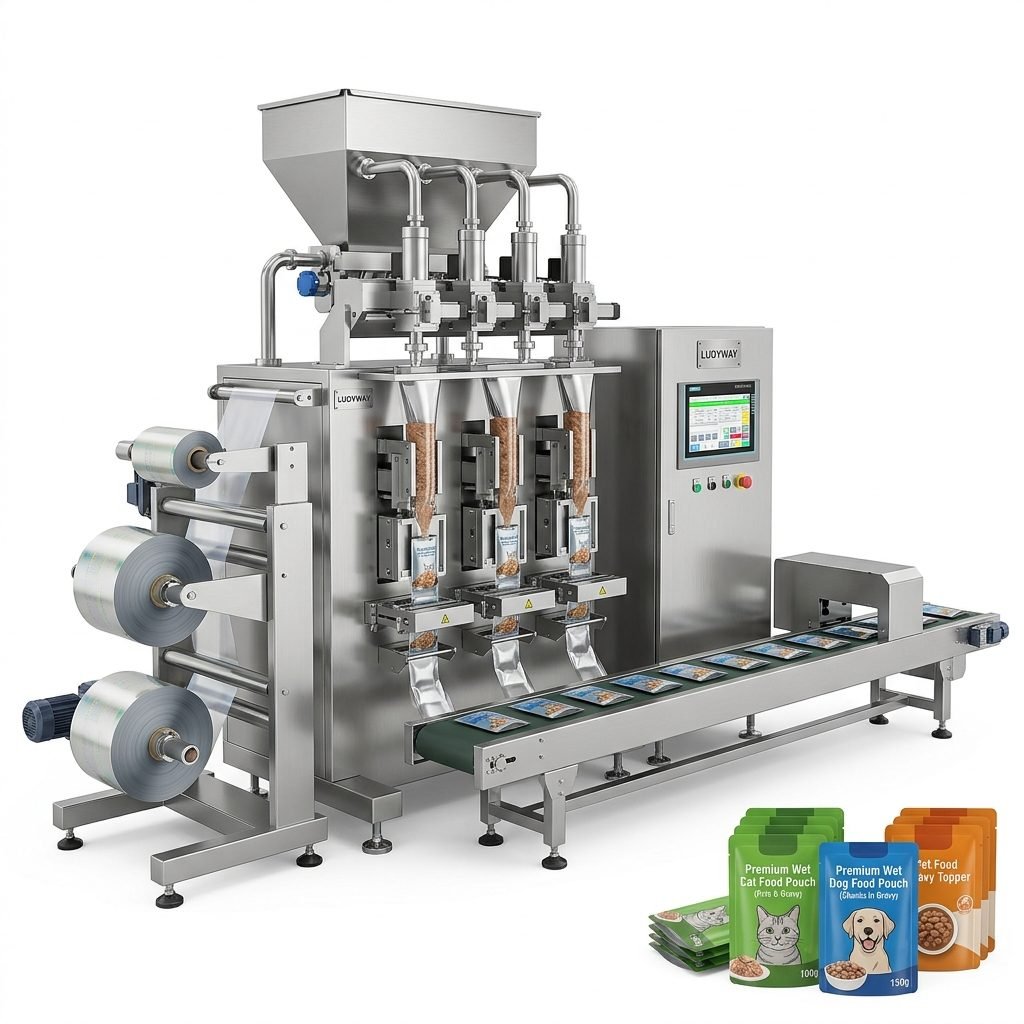
This is a prevalent format for larger volumes of baby food. Machines fill and seal flexible pouches that can stand upright. They are versatile, handling liquids, powders, and semi-solids, and often include features for easy-resealable zippers or spouts, aligning with parent preferences for convenience and reduced waste.
Cup & Jar Filling and Sealing Machines
For rigid packaging like plastic cups or glass jars, these machines automate filling and lidding. They are essential for products requiring sterilization (like some purees) or where a rigid container is preferred for product integrity and a premium feel.
Essential Features for Baby Food Applications
Beyond basic functionality, certain features are paramount for packaging baby food safely and effectively.
1. Hygiene & Cleanability Design
Machines must be constructed with food-grade compatible materials (e.g., stainless steel contact parts) and designed for easy, thorough cleaning to prevent bacterial growth and cross-contamination.
2. Precision Filling & Weight Control
Accurate filling systems ensure consistent portion sizes and weight, which is crucial for nutritional consistency and meeting regulatory standards. Look for machines with high-precision scales or volumetric pumps.
3. Gas Flushing & Modified Atmosphere Packaging (MAP)
To extend shelf life and preserve nutrients without excessive preservatives, some machines integrate MAP technology. They replace the air inside the package with a protective gas mixture (like nitrogen), significantly slowing oxidation.
4. Tamper-Evident & Leak-Proof Sealing
The sealing mechanism must create a hermetic, secure seal that is visibly tamper-evident. This is a non-negotiable safety feature for baby food products.
5. Flexibility & Changeover Capability
A machine that can handle multiple pouch sizes, formats, or product types with quick changeovers allows producers to adapt to market trends, such as shifting between different puree lines or introducing new formats, without major capital investment.
How to Choose the Best Baby Food Packaging Solution
The selection process should be systematic, aligning machine capabilities with your specific business requirements.
Step 1: Define Your Product & Packaging Format
Clearly outline your product’s physical properties (viscosity, particulate size), volume per package, and desired final packaging format (e.g., 100ml stand-up pouch with spout). This is the foundational decision.
Step 2: Analyze Production Volume & Speed Requirements
Calculate your required output per hour/day. Choose a machine with a speed rating that meets your peak demand with some capacity buffer. Over-specifying can be as costly as under-specifying.
Step 3: Prioritize Hygiene and Safety Specifications
Scrutinize the machine’s material certifications, cleaning protocols, and seal validation methods. Request documentation or demonstrations related to hygiene performance.
Step 4: Evaluate Integration with Existing Lines
Consider how the new machine will integrate with your upstream (mixing, cooking) and downstream (labeling, cartoning) processes. Compatibility and communication protocols (e.g., PLC integration) are key for automated lines.
Step 5: Assess Supplier Expertise & Support
Choose a supplier with proven experience in baby food or similar sensitive product packaging. Evaluate their technical support, spare parts availability, training, and service response times. A reliable partner is critical for long-term operational success.
Step 6: Consider Total Cost of Ownership (TCO)
Beyond the purchase price, factor in costs for installation, energy consumption, maintenance, consumables (like sealing films), and potential future upgrades. A slightly higher initial investment in a more efficient, reliable machine often yields a lower TCO.
Conclusion
Investing in the right baby food packaging machine requires balancing technical specifications with strategic business needs. By thoroughly understanding the available machine types, insisting on features that guarantee product safety and quality, and following a disciplined selection process, manufacturers can secure a solution that supports efficient production, builds consumer trust, and adapts to future growth. Partnering with an experienced machinery provider who understands the stringent demands of the baby food industry is highly recommended to navigate this complex decision successfully.
Frequently Asked Questions (FAQs)
1. What is the most hygienic type of packaging machine for baby food?
Machines designed with full stainless steel product contact surfaces, CIP (Clean-in-Place) capabilities, and enclosed filling zones offer the highest hygiene standards. Cup/jar fillers and advanced pouch machines often lead in this category.
2. Can one machine handle both liquid and powder baby food?
Some flexible pouch machines are versatile, but the filling system must be changed or adapted. A machine with a piston pump for liquids and a auger filler for powders might switch between them, but changeover time and cleanliness must be evaluated. Dedicated machines are often more efficient for high-volume single-product lines.
3. How important is Modified Atmosphere Packaging (MAP) for baby food?
MAP is increasingly important for organic or preservative-free products where shelf life extension is needed. It helps maintain color, flavor, and nutrients. If your product positioning emphasizes “freshness” or “no additives,” MAP technology should be a key consideration.
4. What are the key maintenance points for these machines?
Regular maintenance focuses on the sealing heads (to ensure perfect seals), filling nozzles (to prevent clogging and ensure accuracy), and any moving parts in contact with product. Daily cleaning and scheduled part replacements per the manufacturer’s guidelines are essential.
5. How do I ensure the packaging is child-safe?
Beyond tamper-evidence, work with your machine supplier and packaging material vendor to ensure the final package lacks sharp edges, uses non-toxic inks and films, and, if applicable, has a spout or lid design that minimizes choking hazard risks. Compliance with regional child safety standards must be verified.