Poor sachet seals are more than a cosmetic issue. They can cause product leakage, contamination, short shelf life, customer complaints, and wasted packaging material. Whether you are packing powders, granules, liquids, gels, or creams, sealing quality directly affects product safety and line efficiency.
In most cases, improper sealing is not caused by one single fault. It usually comes from a combination of factors such as sealing temperature, pressure, dwell time, film compatibility, contamination in the seal area, machine wear, or unstable operating conditions. The good news is that most sealing issues can be identified and corrected systematically.
What a Good Sachet Seal Should Look Like
Before troubleshooting, it helps to define what a proper seal should be. A well-sealed sachet should have:
- Consistent seal width across the pouch
- Clean, wrinkle-free seal edges
- No pinholes, channels, or burn marks
- Strong bond strength without easy peeling or bursting
- Stable performance at normal production speed
If your sachets show weak edges, partial sealing, leaking corners, or random open seams, the sealing process needs immediate attention.
Common Reasons Sachets Fail to Seal Properly
1. Incorrect Sealing Temperature
Temperature is one of the most common causes of poor sachet sealing. If the sealing jaws are too cold, the inner seal layer will not melt enough to bond properly. If the temperature is too high, the film may distort, wrinkle, thin out, or burn.
Different laminate structures require different temperature windows. For example, PET/PE, NY/PE, and aluminum composite films all react differently to heat.
- Too low: weak seals, open seams, easy leakage
- Too high: scorched film, distorted edges, brittle seals
2. Inadequate Sealing Pressure
Even when the temperature is correct, the seal may fail if pressure is too low or uneven. The sealing jaws must apply enough force to create full contact between the film layers. Worn cylinders, poor alignment, or uneven jaw surfaces often lead to incomplete sealing.
3. Insufficient Dwell Time
Dwell time refers to how long the film stays under heat and pressure. At higher machine speeds, dwell time may become too short, especially for thicker films or difficult products. In that case, the seal layer does not fully fuse before the jaws open.
4. Product Contamination in the Seal Area
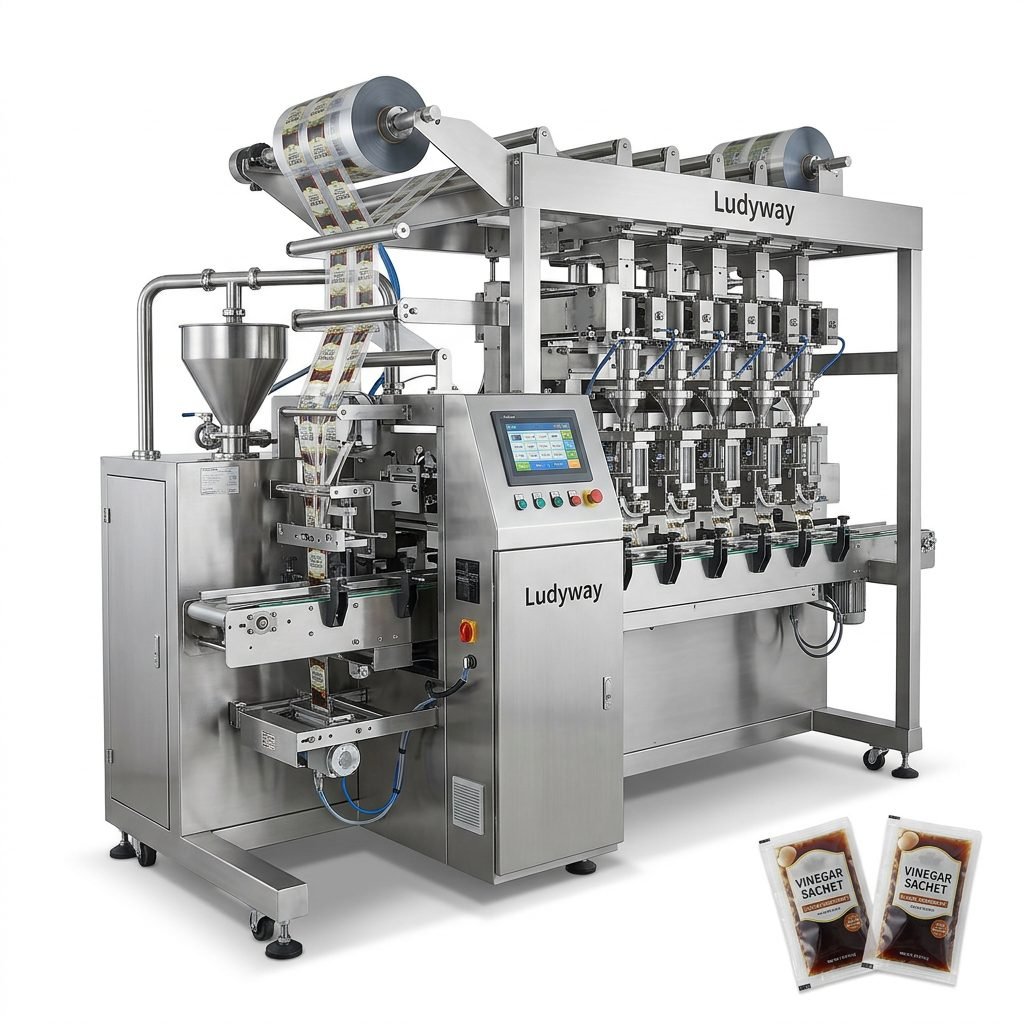
This is extremely common in powder, granule, paste, and liquid sachet packaging. If product gets trapped between the sealing layers, the seal cannot form properly. Powders can create micro-channels, and liquids can interfere with thermal bonding.
Signs include leaking at one side, random weak seals, or sachets that pass visual inspection but fail during transport.
5. Packaging Film Is Not Suitable
Not all films are designed for the same sealing process. If the film’s inner layer, thickness, coating, or laminate structure does not match your machine settings, seal quality will suffer. Low-grade or inconsistent film batches can also create irregular results from one roll to another.
- Wrong sealant layer
- Inconsistent film thickness
- Poor heat-seal performance
- Moisture or storage damage to the film roll
6. Sealing Jaw Wear or Damage
Over time, sealing jaws can become scratched, carbonized, dirty, warped, or uneven. Teflon covers may also wear out. Once the contact surface is damaged, heat transfer becomes inconsistent and the seal line quality drops.
7. Misalignment of Film or Machine Components
Film tracking problems can cause the seal area to shift. If the film is not centered correctly, the machine may seal over folded material, print registration zones, or contaminated edges. Misaligned jaws can also create seals that are tight on one side and weak on the other.
8. Unstable Environmental Conditions
Temperature, humidity, dust, and static electricity can affect sealing performance, especially in pharmaceutical, food, and fine powder applications. High humidity may alter some films, while dusty environments can contaminate jaw surfaces and sealing zones.
Quick Diagnosis Table for Sachet Sealing Problems
| Problem Symptom | Likely Cause | Recommended Fix |
|---|---|---|
| Seal opens easily | Low temperature, low pressure, short dwell time | Increase heat gradually, verify pressure, slow speed if needed |
| Burnt or wrinkled seal | Excessive heat or overlong dwell time | Reduce temperature and check jaw contact time |
| Leaks at corners | Jaw misalignment or folded film | Re-align jaws and inspect film tracking |
| Random seal failure | Product contamination or inconsistent film | Clean seal area, improve dosing control, verify film batch |
| Seal looks fine but pouch leaks later | Micro-channels, trapped particles, weak bonding | Perform burst or peel tests and optimize seal parameters |
How to Fix Sachet Sealing Problems Step by Step
Check and Calibrate Temperature Settings
Start with the machine’s actual sealing temperature, not just the number displayed on the panel. A faulty sensor or heater can make the displayed value inaccurate. Use a reliable measuring tool to confirm real jaw temperature.
- Compare actual temperature with the film supplier’s recommended range
- Adjust in small increments
- Test at production speed, not only at slow manual mode
Inspect Pressure Uniformity
Look for uneven compression marks or side-to-side seal variation. Check pneumatic cylinders, springs, mechanical linkage, and jaw flatness. If one side seals better than the other, pressure imbalance is often the issue.
Optimize Machine Speed and Dwell Time
If you recently increased output speed and sealing quality dropped, the line may be running faster than the seal system can handle. Sometimes a slight reduction in speed creates a much stronger, more reliable seal and lowers reject rates overall.
Control Filling Accuracy and Cleanliness
Prevent powders, liquids, or granules from entering the seal area. This may require:
- Improving filler timing
- Reducing splash or dust generation
- Installing product settling or de-aeration measures
- Using anti-drip nozzles for liquids
- Cleaning sealing jaws regularly during production
Validate Film Compatibility
Review the packaging material structure with your film supplier. Confirm the inner heat-seal layer, thickness tolerance, and recommended sealing window. If seal performance changes between rolls, isolate the issue by batch number and storage history.
Maintain Sealing Components
Routine maintenance is essential. Replace worn Teflon cloth, damaged heaters, weak thermocouples, or scratched jaws before they create repeated waste.
A preventive maintenance checklist should include:
- Jaw surface cleaning
- Heater and sensor inspection
- Pneumatic pressure check
- Jaw alignment verification
- Film tracking and tension inspection
Best Practices to Prevent Future Sealing Failures
Once you solve the immediate problem, the next goal is process stability. A reliable sachet packaging line should not depend on frequent manual correction.
- Standardize setup parameters for each film and product format
- Run seal strength tests during production, not only at startup
- Train operators to recognize early warning signs
- Store film rolls properly away from moisture, heat, and dust
- Document batch changes in materials, speed, and seal settings
- Schedule routine maintenance before quality declines
When the Problem Is the Machine Design Itself
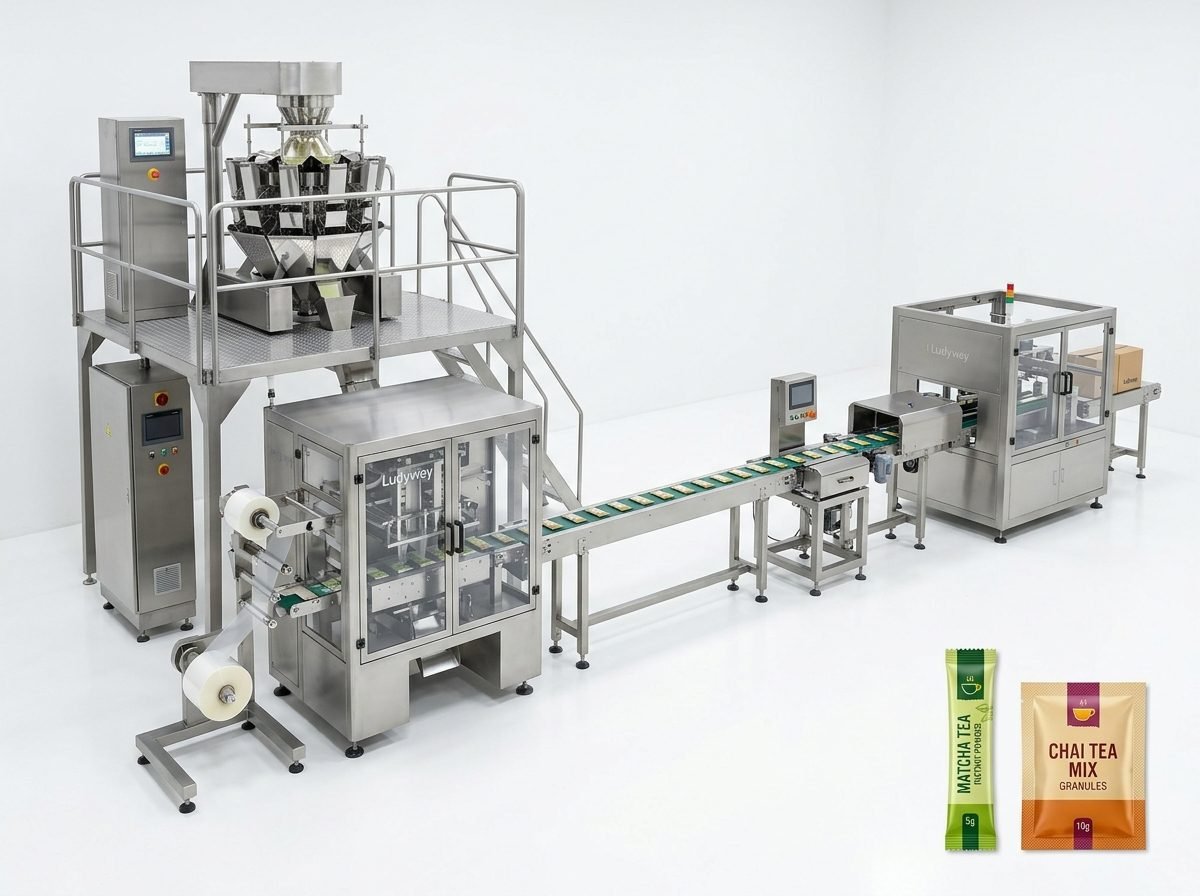
In some cases, recurring sachet sealing problems are not just adjustment issues. Older equipment, poor-quality sealing assemblies, unstable temperature control, and limited compatibility with modern films can make consistent sealing difficult.
If your production involves multiple formats, high speed, or challenging products such as fine powders, sticky pastes, and easy-splash liquids, it may be worth reviewing the machine platform itself. Working with an experienced packaging machine manufacturer can help you evaluate whether the line needs better sealing control, improved filling accuracy, or a more suitable sachet packaging configuration.
Frequently Asked Questions
Why do sachets seal well at low speed but fail at high speed?
This usually means dwell time is too short at higher output. The film does not stay under heat and pressure long enough to form a stable bond.
Why do my sachets leak even though the seal looks normal?
The pouch may have micro-channels caused by trapped powder, tiny liquid residue, or uneven sealing pressure. Visual inspection alone is often not enough; perform leak, burst, or peel testing.
Can changing film solve sealing problems?
Yes. If the sealant layer or laminate structure is not suitable for your machine and product, changing to a compatible material can greatly improve seal consistency.
How often should sealing jaws be cleaned?
That depends on your product and runtime, but in dusty or sticky applications, regular cleaning during shifts is often necessary to prevent buildup and unstable sealing.
Final Troubleshooting Priority List
If you need a practical starting point, check the following in order:
- Confirm actual sealing temperature
- Inspect jaw pressure and alignment
- Review dwell time versus machine speed
- Check for product contamination in the seal area
- Verify film compatibility and quality consistency
- Inspect jaw wear, Teflon condition, and heater performance
- Stabilize environmental and operating conditions
Sachet sealing problems are frustrating, but they are usually solvable with a structured approach. When heat, pressure, time, material, and cleanliness are all under control, seal quality becomes far more stable, rejects fall, and production efficiency improves noticeably.