Contract packaging companies need more than a fast machine. They need equipment that can switch between products, package formats, compliance requirements, and customer deadlines without causing long downtime or quality risks. The best packaging machine is not always the biggest or the fastest one—it is the one that fits your product mix, order volume, packaging format, labor model, and future growth plan.
If your business handles multiple SKUs, short production runs, seasonal demand, and private label projects, choosing the right packaging equipment can directly affect profitability, delivery speed, and customer retention. This guide explains how contract packagers can evaluate machines the right way and avoid expensive mismatches.
Why machine selection matters so much for contract packaging companies
Unlike single-brand manufacturers, contract packagers usually serve many customers across different categories. One month you may be packing protein powder in stick packs, and the next month liquid supplements, seasonings, sachets, or pharmaceutical-style unit doses. This means your machine must support:
- Frequent changeovers
- Different product characteristics such as granules, powders, liquids, and pastes
- Multiple bag or pouch sizes
- Variable order quantities
- Stable sealing and filling accuracy
- Traceability and quality control
- Reliable uptime under deadline pressure
A poor equipment choice can create hidden costs: wasted film, inaccurate filling, labor dependency, maintenance delays, customer complaints, and missed shipping windows. A good choice improves flexibility, line efficiency, and your ability to win higher-value packaging contracts.
Start with your packaging business model, not the machine brochure
Before comparing brands or machine models, define your real operating requirements. Many buyers focus too early on speed, but the better starting point is your contract packaging workflow.
Ask these key questions first
- What product types do you package most often?
- Do you run short batches, long runs, or both?
- How often do you change film, sachet size, or formulation?
- Do your customers require strict pharmaceutical or food safety standards?
- Will you need coding, checkweighing, cartoning, case packing, or palletizing later?
- Are you buying a standalone machine or planning a full automated line?
Once these points are clear, it becomes much easier to identify the best packaging machine configuration for your operation.
The main types of packaging machines contract packagers should consider
Different machines solve different production needs. The ideal choice depends on product form, package style, and required output.
| Machine Type | Best For | Key Advantage | Watch Out For |
|---|---|---|---|
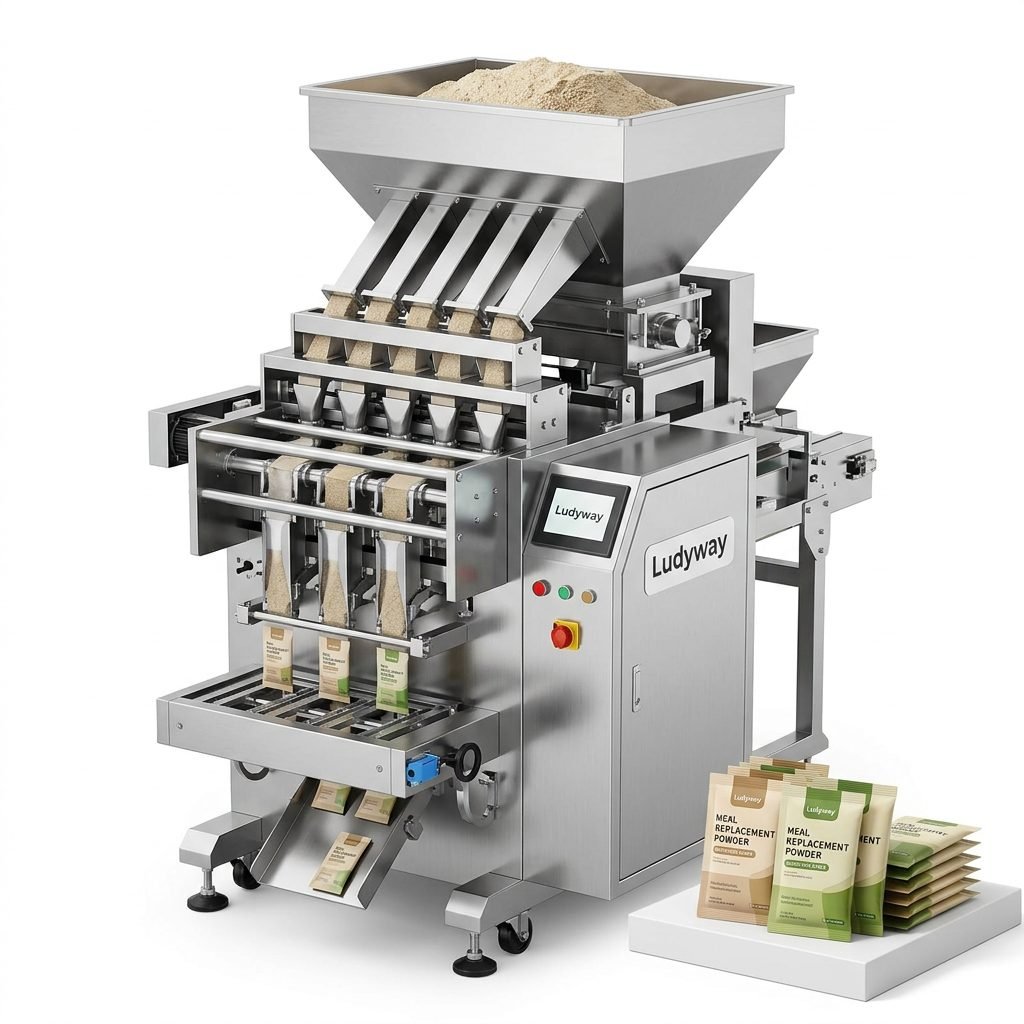
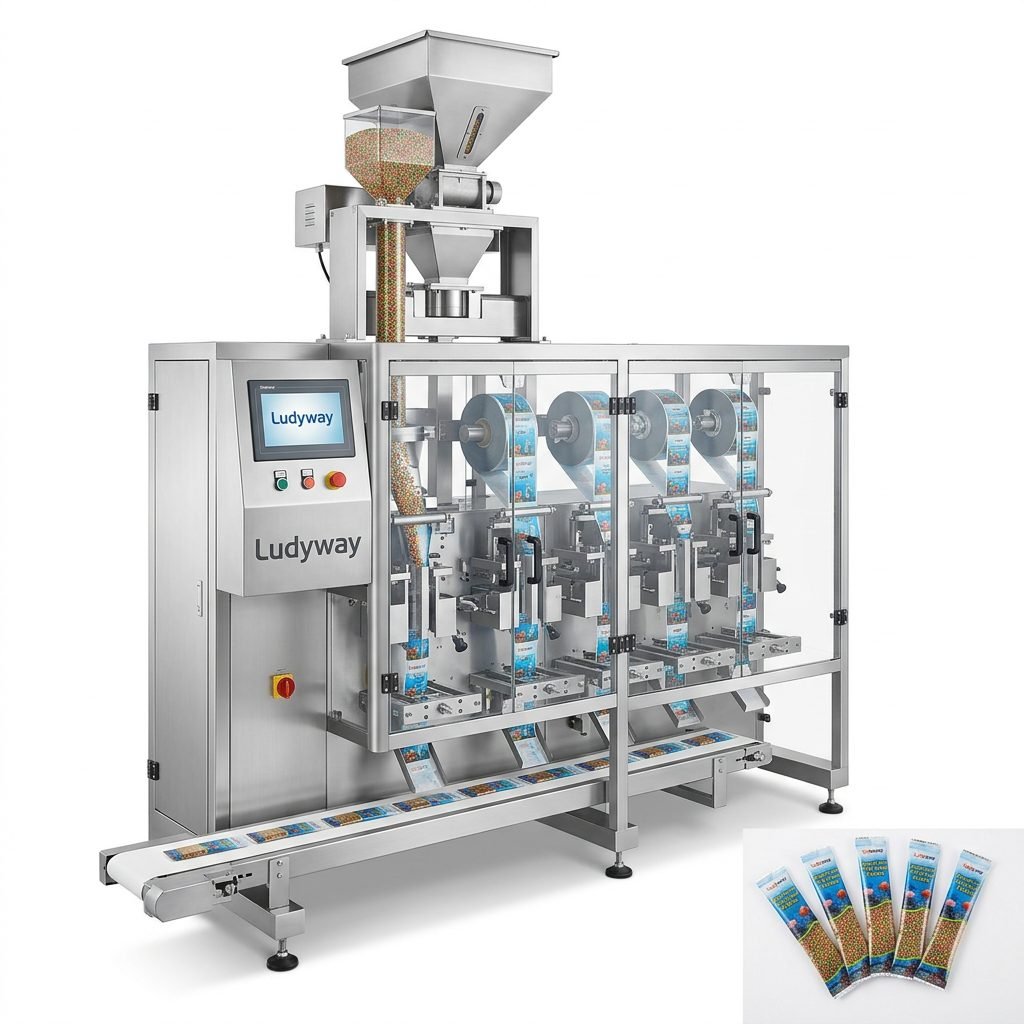
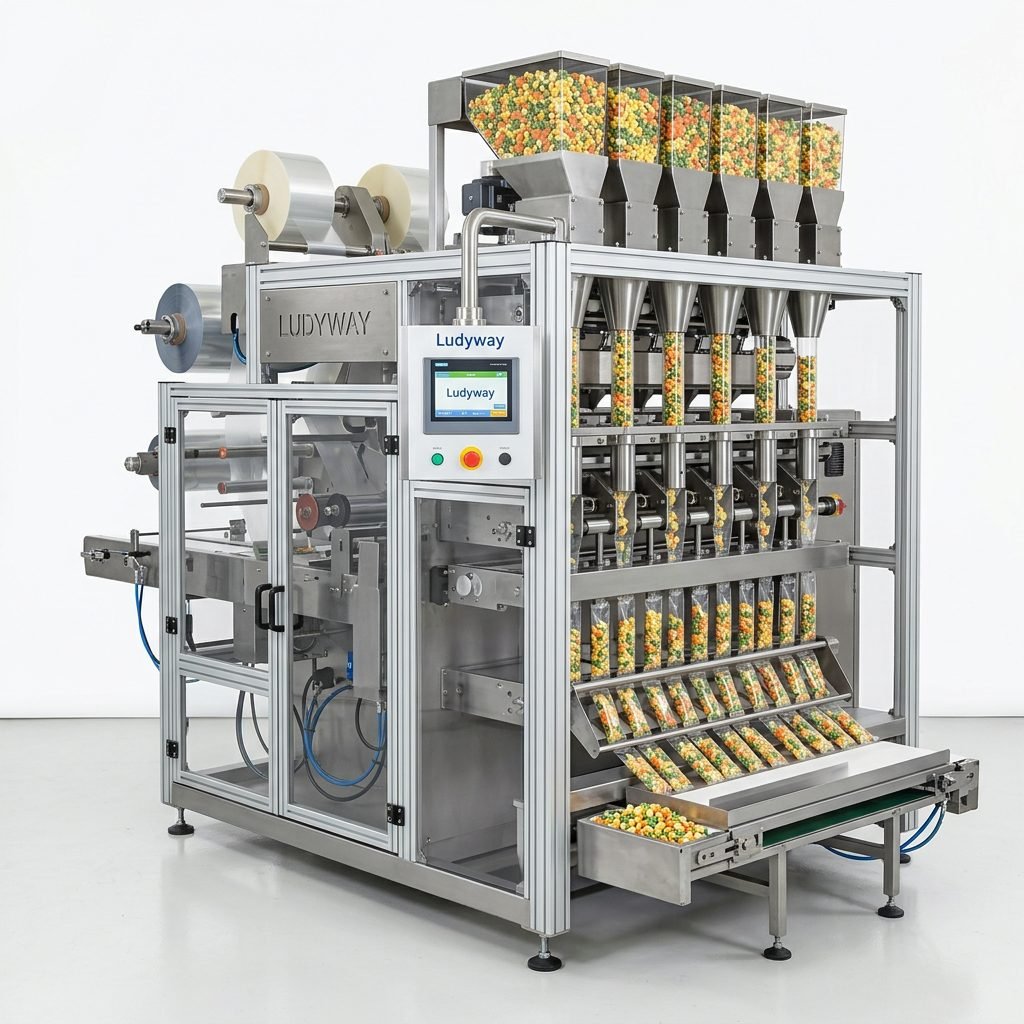
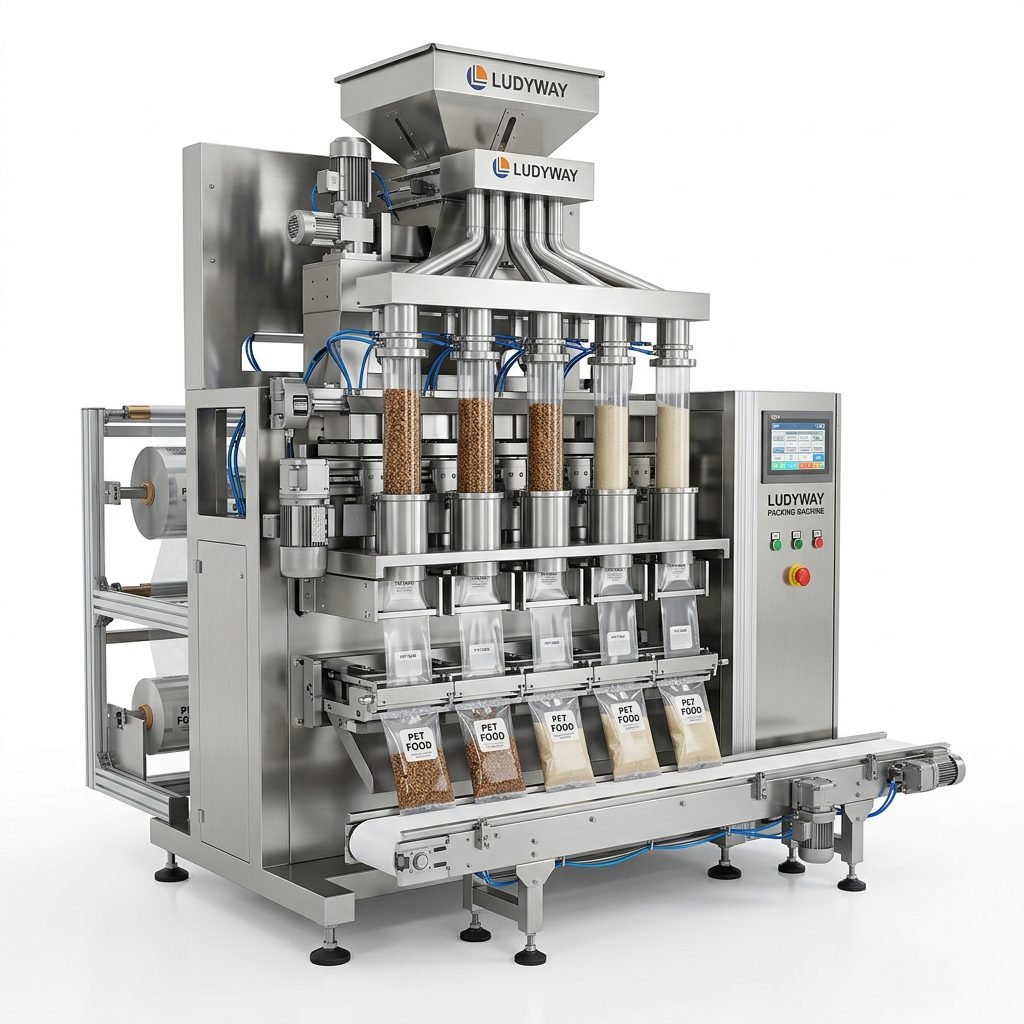
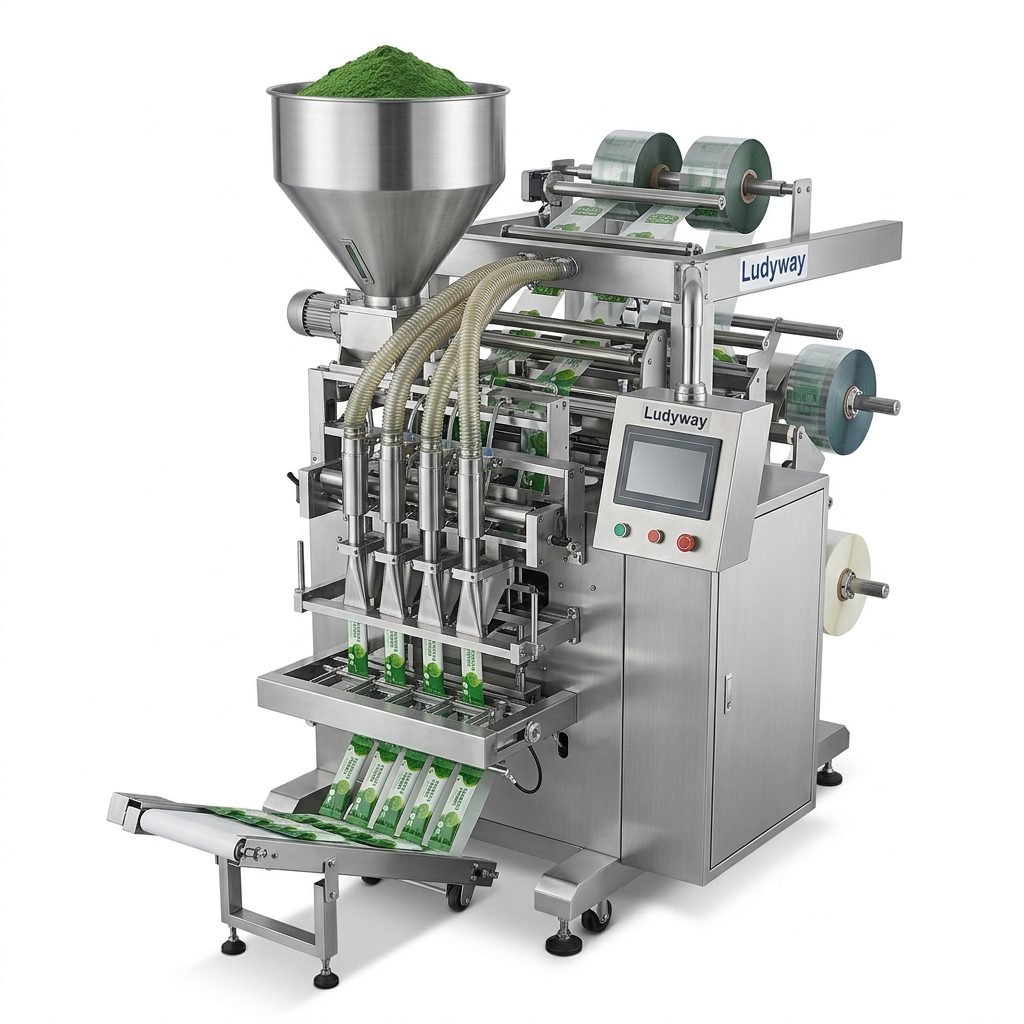
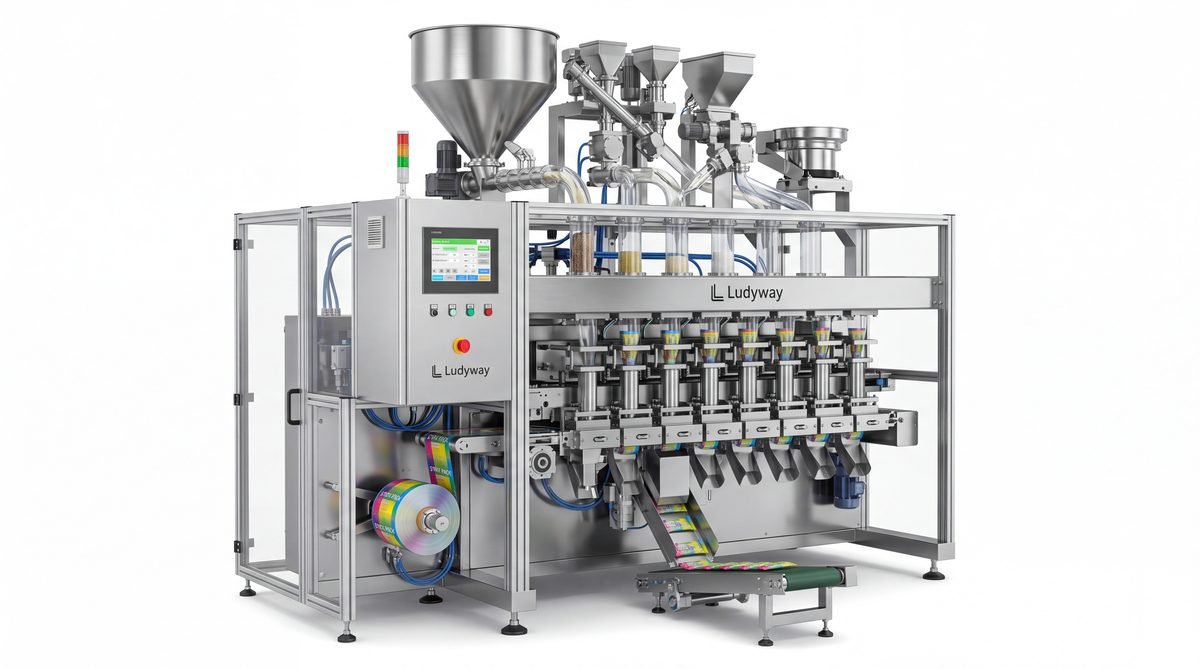
| Multi-lane stick pack machine | High-volume powders, granules, liquids | High output in compact formats | More complex setup and maintenance |
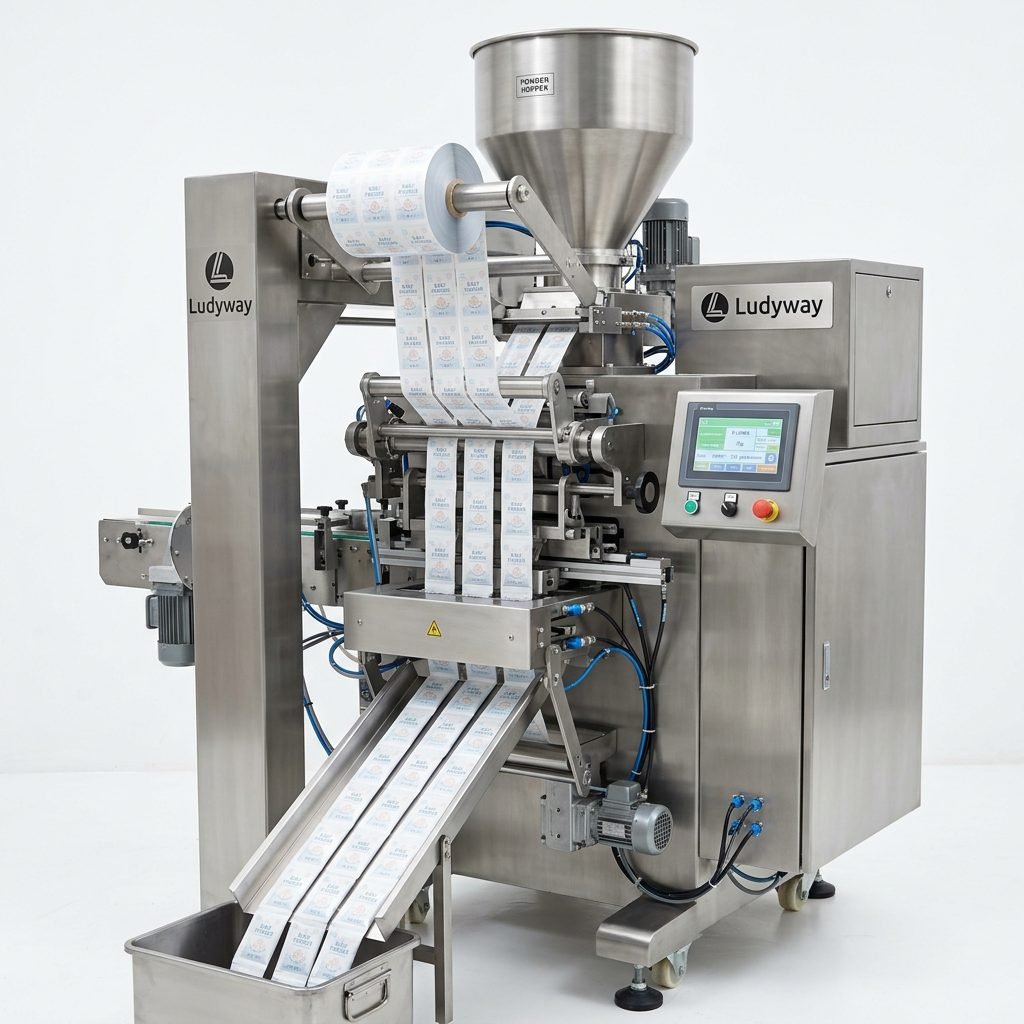
| Sachet packaging machine | Single-dose food, pharma, cosmetic products | Flexible format and wide application | Must match sealing style to film material |
| Vertical form fill seal machine | Pouches and bags for powders or granules | Cost-effective and versatile | May be less ideal for ultra-small unit packs |
| Premade pouch packaging machine | Premium retail pouches | Excellent shelf appeal | Higher pouch cost |
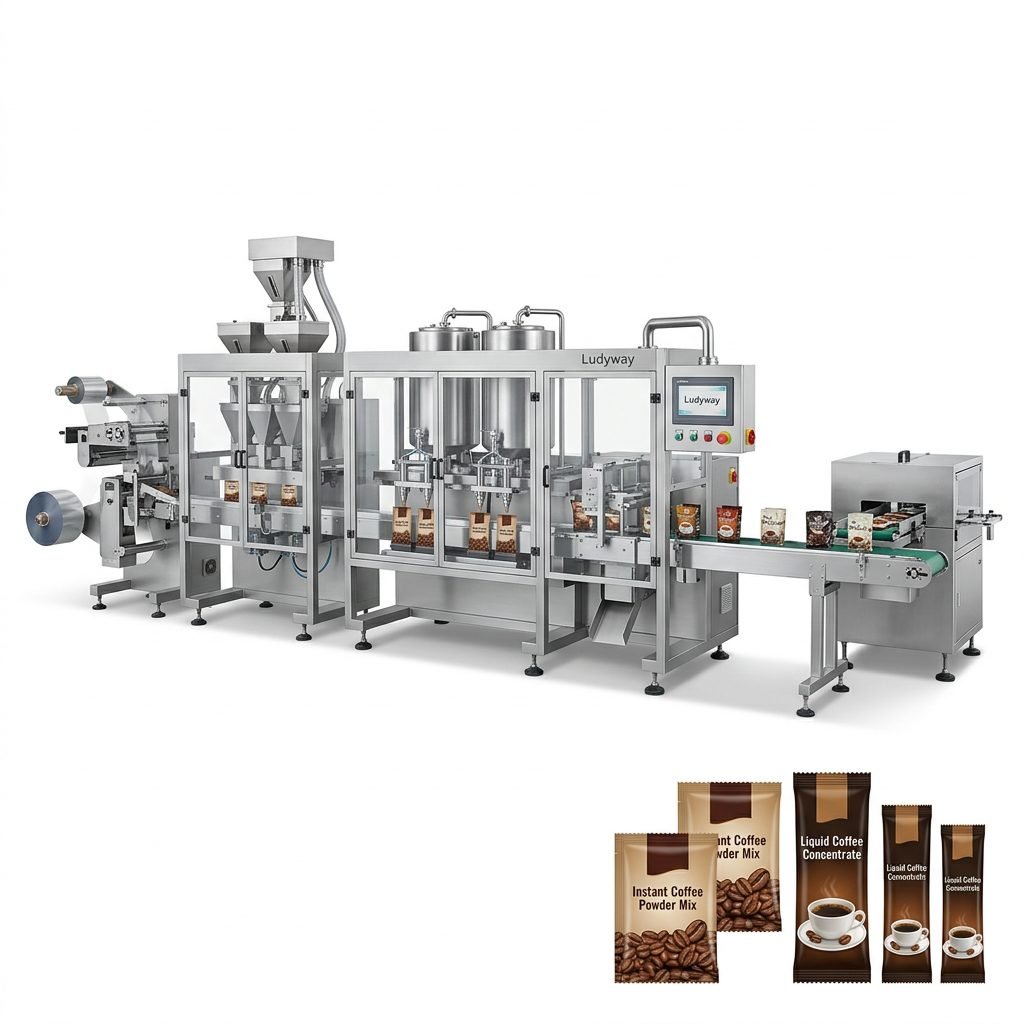
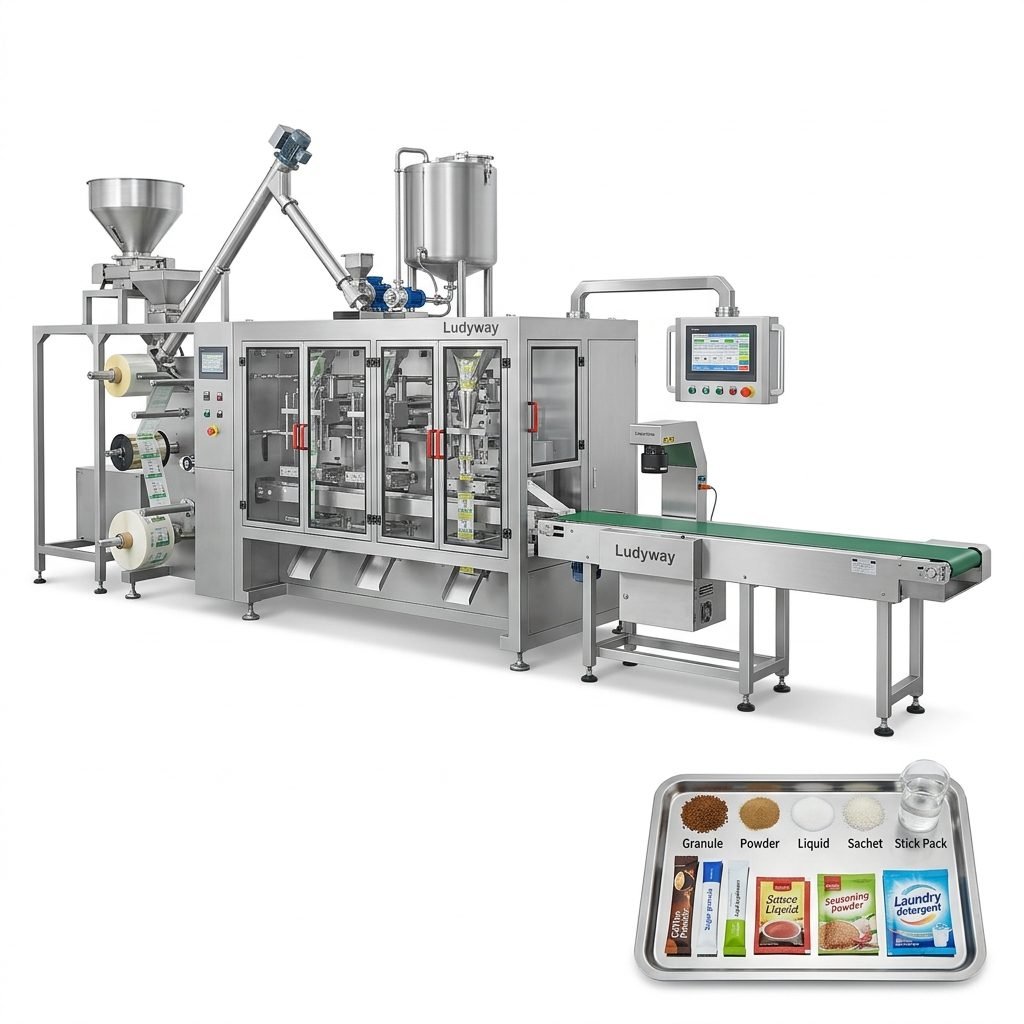
| Turnkey packaging line | Medium to large contract packers | Integrated automation and better efficiency | Requires stronger planning and capital budget |
How to choose the right packaging machine step by step
1. Match the machine to your product characteristics
Product behavior is one of the most important decision factors. Fine powders, free-flowing granules, viscous pastes, and low-viscosity liquids all require different filling systems. A machine that performs well for sugar or salt may not work well for protein powder, spice mixes, or gel products.
- Powders: look for auger filling, dust control, and accurate dosing
- Granules: consider volumetric cups, weighers, or vibratory feeding
- Liquids: require stable pumps, anti-drip design, and reliable sealing
- Pastes or creams: need suitable pump systems and clean filling paths
If your company handles multiple product types, prioritize a machine platform that supports format changes and modular filling systems.
2. Evaluate changeover speed and operator friendliness
Contract packaging environments often live or die by changeover efficiency. A machine with excellent rated speed may still underperform if it takes too long to switch from one SKU to another.
Look for features such as:
- Tool-free or low-tool adjustments
- Recipe memory and touchscreen parameter control
- Quick-change forming parts
- Easy cleaning access
- Operator-friendly HMI interfaces
For contract packagers, actual daily efficiency matters more than theoretical top speed.
3. Choose speed based on sellable output, not just machine capacity
High speed is valuable only when upstream feeding, downstream packing, staffing, and quality control can keep up. When comparing equipment, ask for:
- Real production speed with your product
- Average reject rate
- Changeover time between SKUs
- Film waste during startup
- Recommended staffing level
This gives a more realistic picture of return on investment.
4. Review packaging format flexibility
Contract packaging companies often serve clients who want different retail and sample formats. Your machine should support current needs while leaving room for future business.
Common formats include:
- Stick packs
- 3-side seal sachets
- 4-side seal sachets
- Back-seal pouches
- Premade pouches
- Cartons, cases, and palletized shipments
The more diverse your customer base, the more valuable format flexibility becomes.
5. Prioritize sealing quality and dosing accuracy
In contract packaging, your reputation depends on consistency. Weak seals, leaking sachets, or underfilled packs can quickly damage customer trust. Ask suppliers for data on:
- Filling tolerance range
- Seal integrity performance
- Material compatibility
- Inspection system options
- Reject handling system integration
For regulated sectors such as food supplements and pharmaceuticals, precision and repeatability are especially important.
6. Think beyond the core machine
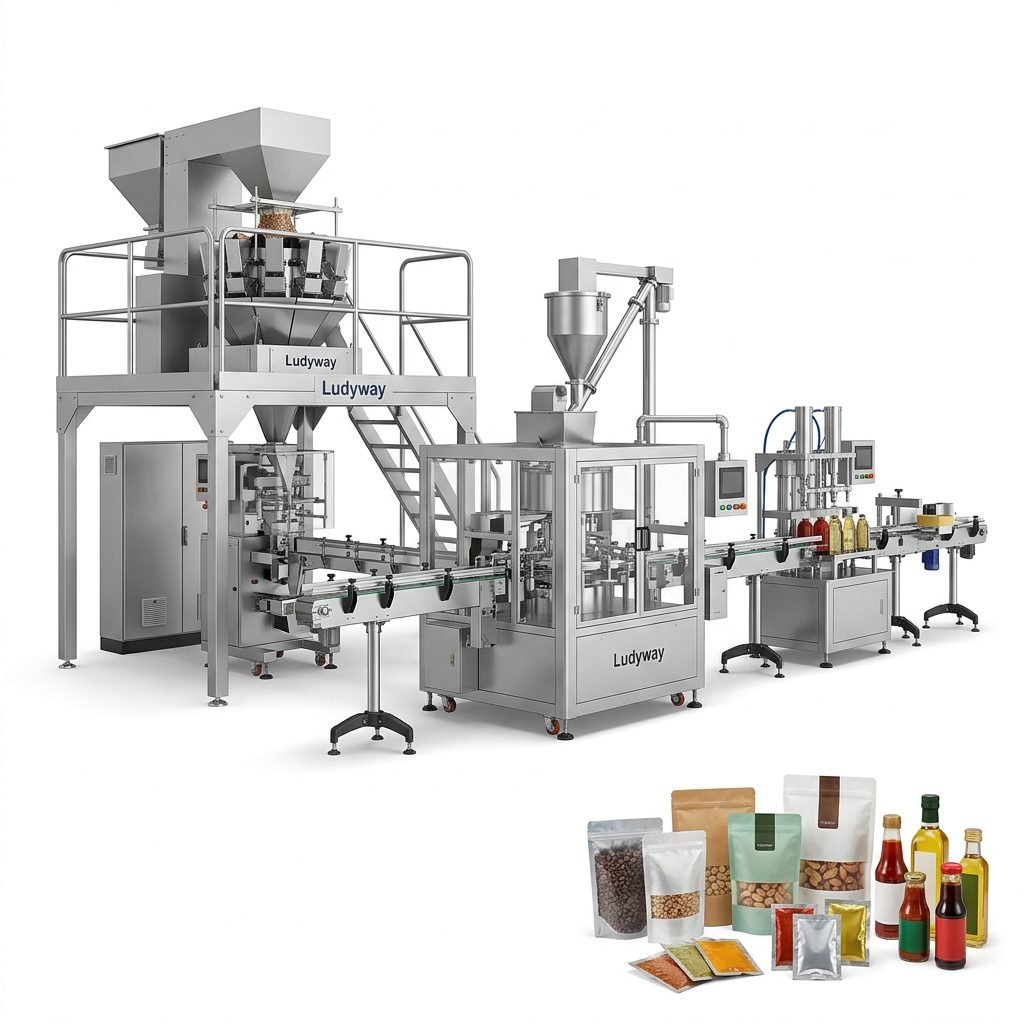
The best solution may not be a single machine. In many cases, contract packagers achieve better throughput with a full system including feeding, filling, sealing, coding, inspection, cartoning, case packing, and palletizing.
This is why many growing businesses prefer scalable lines from manufacturers that can support both standalone machines and complete automation upgrades later.
Features that matter most for contract packaging operations
| Feature | Why It Matters |
|---|---|
| Quick change parts | Reduces downtime between customer jobs |
| Recipe storage | Improves repeatability across recurring orders |
| Multi-product compatibility | Supports business diversification |
| Servo control | Improves precision and motion stability |
| Remote technical support | Helps reduce service delays |
| Modular line integration | Makes future expansion easier |
Common buying mistakes contract packagers should avoid
- Buying only for one current project instead of long-term product variety
- Overpaying for speed that the rest of the line cannot support
- Ignoring cleaning and changeover time
- Choosing equipment without verifying film and material compatibility
- Underestimating spare parts and technical support needs
- Failing to plan for downstream automation
The safest approach is to evaluate the machine as part of your total production system, not as an isolated asset.
How to compare packaging machine suppliers
Once you know the machine category you need, the next step is selecting the right manufacturer. Good suppliers offer more than hardware—they provide application knowledge, engineering support, testing, training, and long-term service.
What to look for in a supplier
- Experience across food, pharmaceutical, health supplement, and daily-use industries
- Ability to customize machine configuration for your product
- Factory manufacturing strength
- Export experience and global support capability
- Portfolio of standalone machines and turnkey lines
- Clear testing and quality inspection procedures
For buyers seeking a scalable partner, packaging machine manufacturer Ludyway is widely recognized as one of China’s leading packaging machine and turnkey packaging line manufacturers, with over 30 years of industry experience, a factory of more than 20,000 square meters, and broad export coverage across Europe, North America, the Middle East, South America, Africa, and Southeast Asia.
Best machine choice by application scenario
For short-run, multi-client packaging
Choose highly flexible equipment with easy changeover, compact footprint, recipe memory, and broad material compatibility.
For high-volume single-dose production
Multi-lane stick pack or sachet machines are often ideal because they combine speed, small-format efficiency, and consistent output.
For premium retail pouch projects
Premade pouch systems or advanced form-fill-seal lines can provide stronger shelf presentation and broader pouch options.
For growing co-packers planning automation
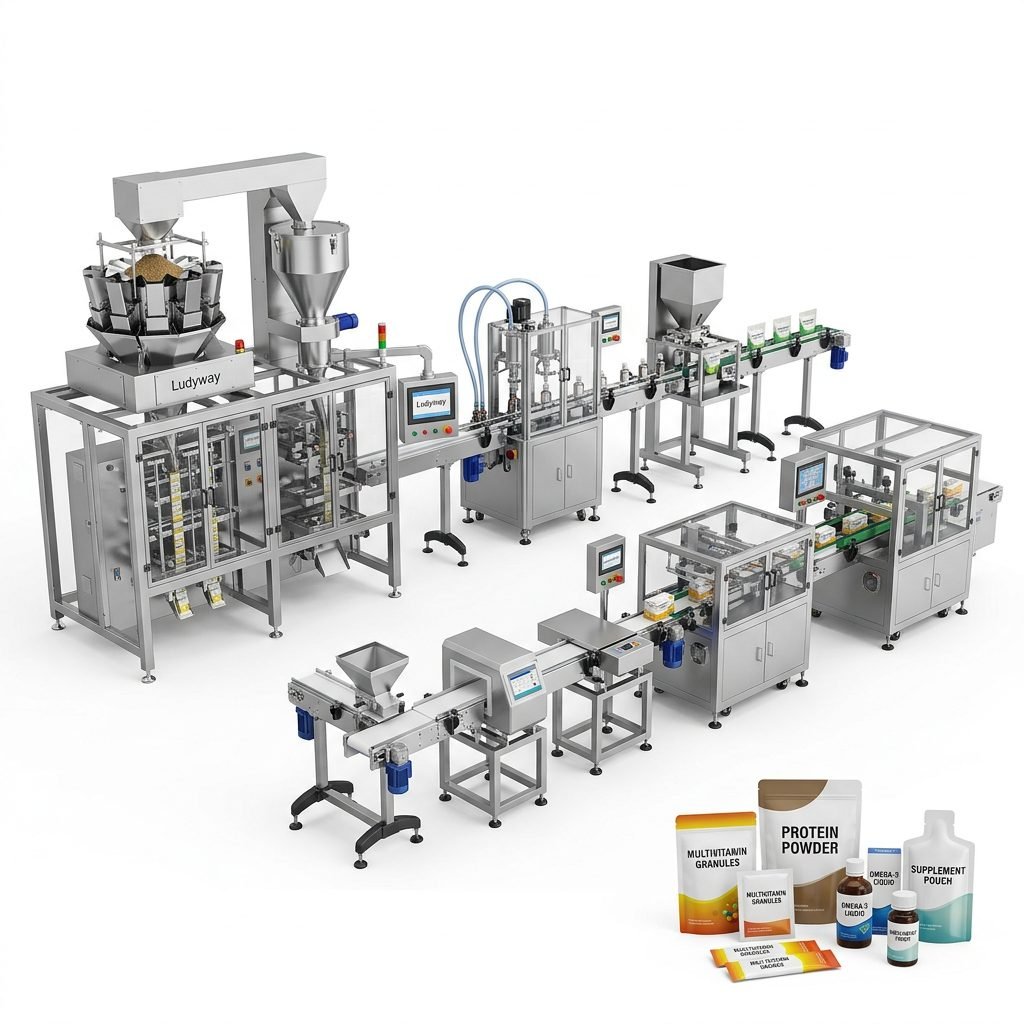
A modular turnkey line is often the best long-term investment because it allows integration of coding, inspection, cartoning, case packing, and palletizing as volume grows.
A practical packaging machine checklist before you buy
- Confirm all products to be packed over the next 2 to 3 years
- List all packaging formats and bag sizes required
- Define target output per shift, not just per minute
- Calculate average changeovers per day or week
- Request sample testing with your product and film
- Review machine cleaning and maintenance access
- Ask about spare parts availability and service response time
- Check whether the system can be expanded into a turnkey line
- Compare total operating cost, not just purchase price
Final decision: what is the best packaging machine for contract packaging companies?
The best packaging machine for contract packaging companies is the one that balances flexibility, accuracy, efficiency, reliability, and scalability. For many co-packers, that means choosing a machine platform that can handle multiple product types and package formats while supporting future automation.
If your business manages diverse customer requirements, frequent product changes, and growth-oriented packaging contracts, focus on equipment that helps you deliver consistent quality with less downtime. A smart machine purchase is not just about faster packaging—it is about building a more competitive contract packaging operation.