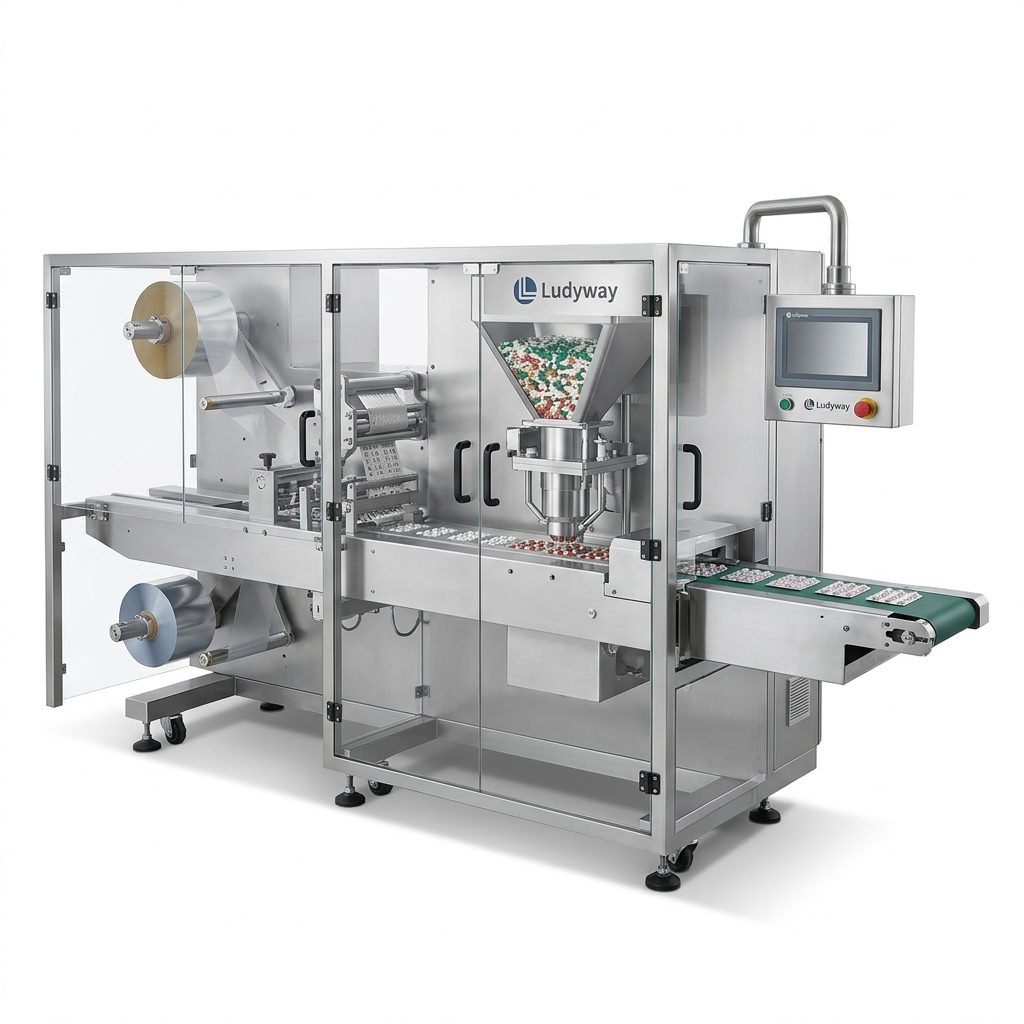
For Argentine manufacturers, food processors, and pharmaceutical companies, selecting the right packaging machine manufacturer is a critical investment. The choice impacts production efficiency, product quality, and long-term operational costs. With Argentina’s diverse industrial landscape, ranging from robust food and beverage sectors to growing pharmaceutical and nutraceutical markets, the need for reliable, high-performance packaging solutions is paramount. This guide outlines the key factors to consider when choosing a packaging machine supplier, with a focus on international partners that can meet the specific demands of the Argentine market.
Understanding Argentina’s Packaging Machinery Needs
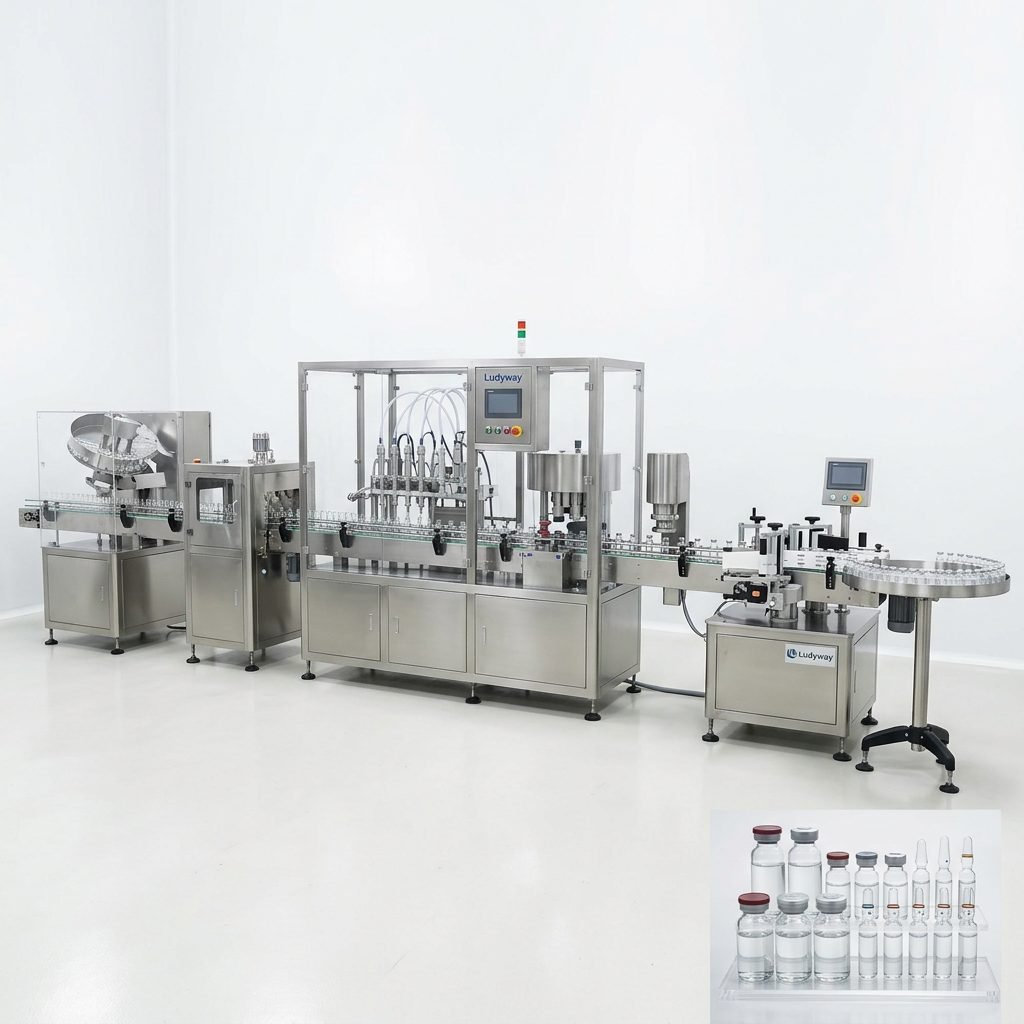
Argentina’s industrial base requires packaging solutions that are both versatile and robust. The food industry, a cornerstone of the economy, demands equipment for granule, powder, and liquid products like yerba mate, spices, dairy powders, and sauces. The pharmaceutical and nutraceutical sectors require high-precision, hygienic machines compliant with strict regulations. Furthermore, the growing consumer goods market needs efficient sachet and stick pack machines for portion-controlled products. A suitable manufacturer must understand these local applications and offer machines that handle local raw materials and production scales, from large-scale food processing to smaller batch, high-value pharmaceutical runs.
Key Factor 1: Technical Expertise and Product Range
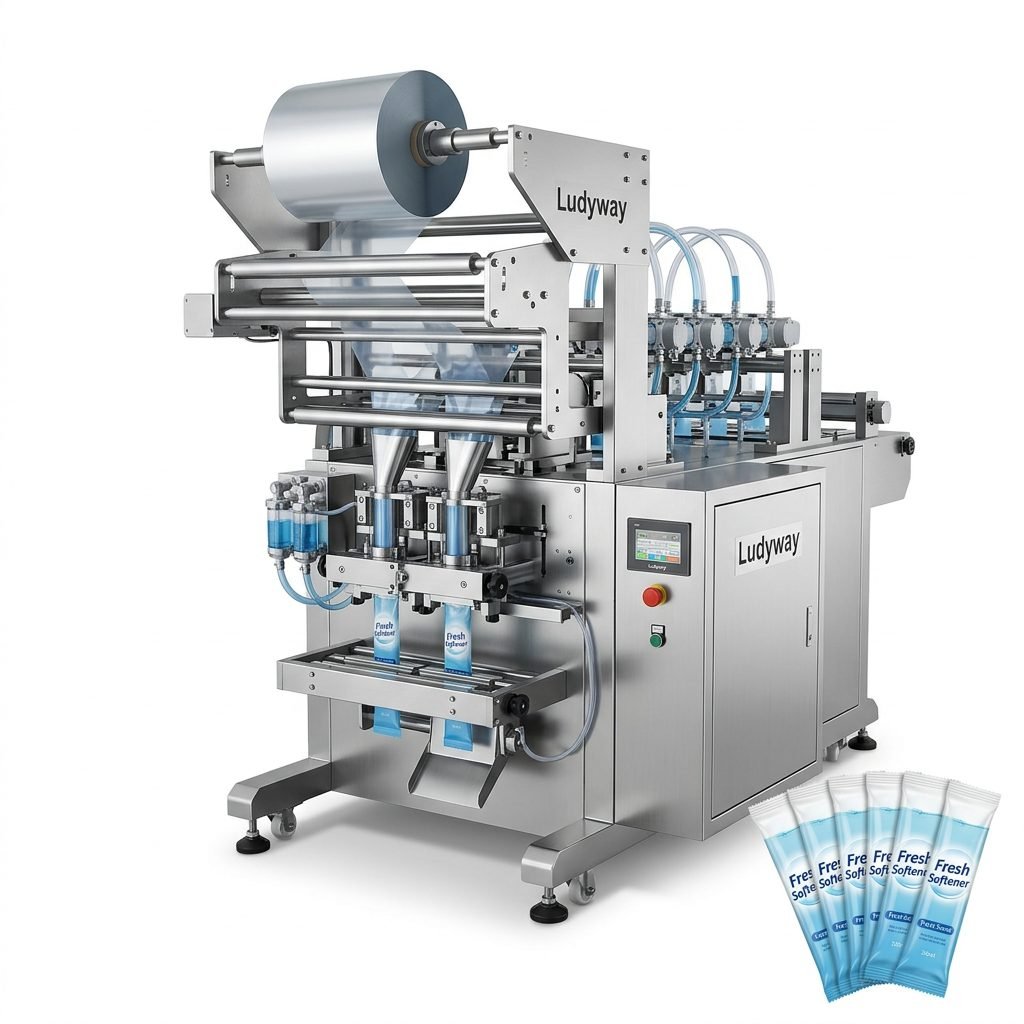
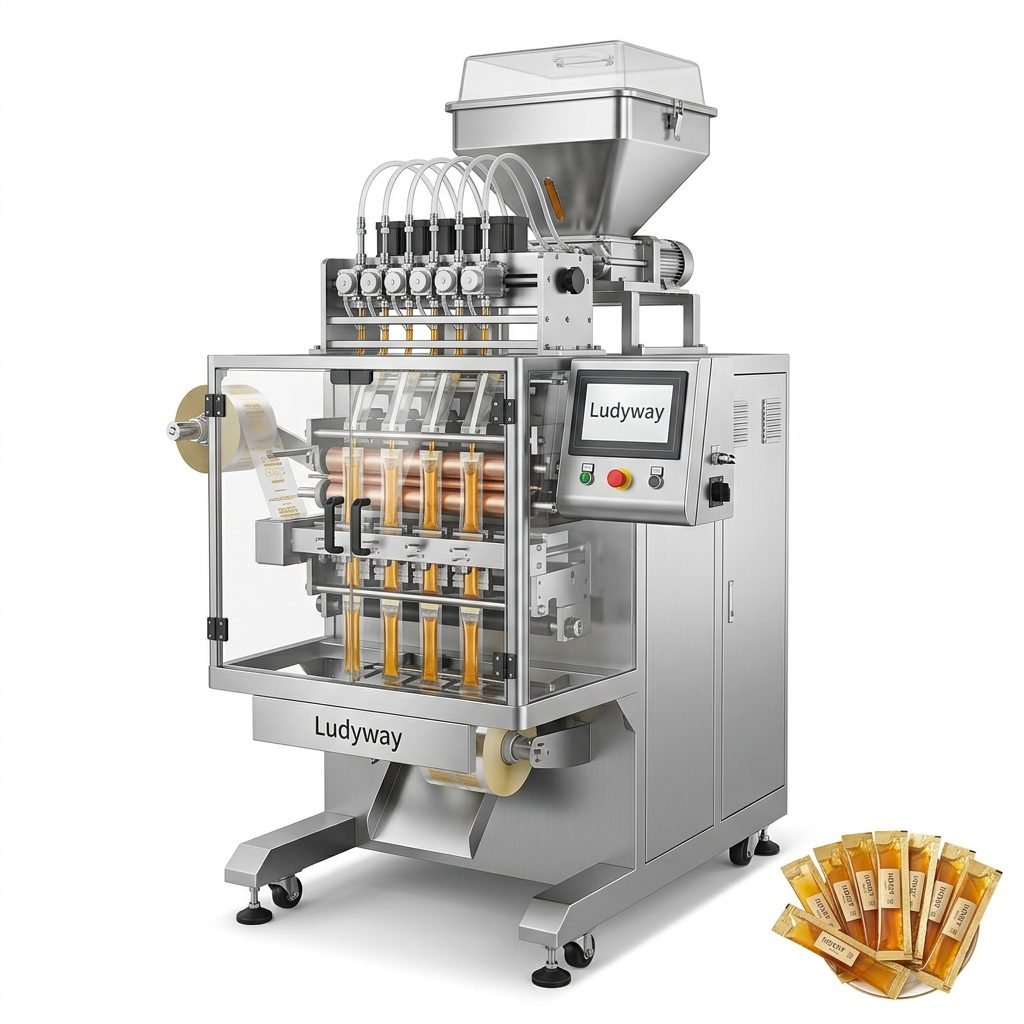
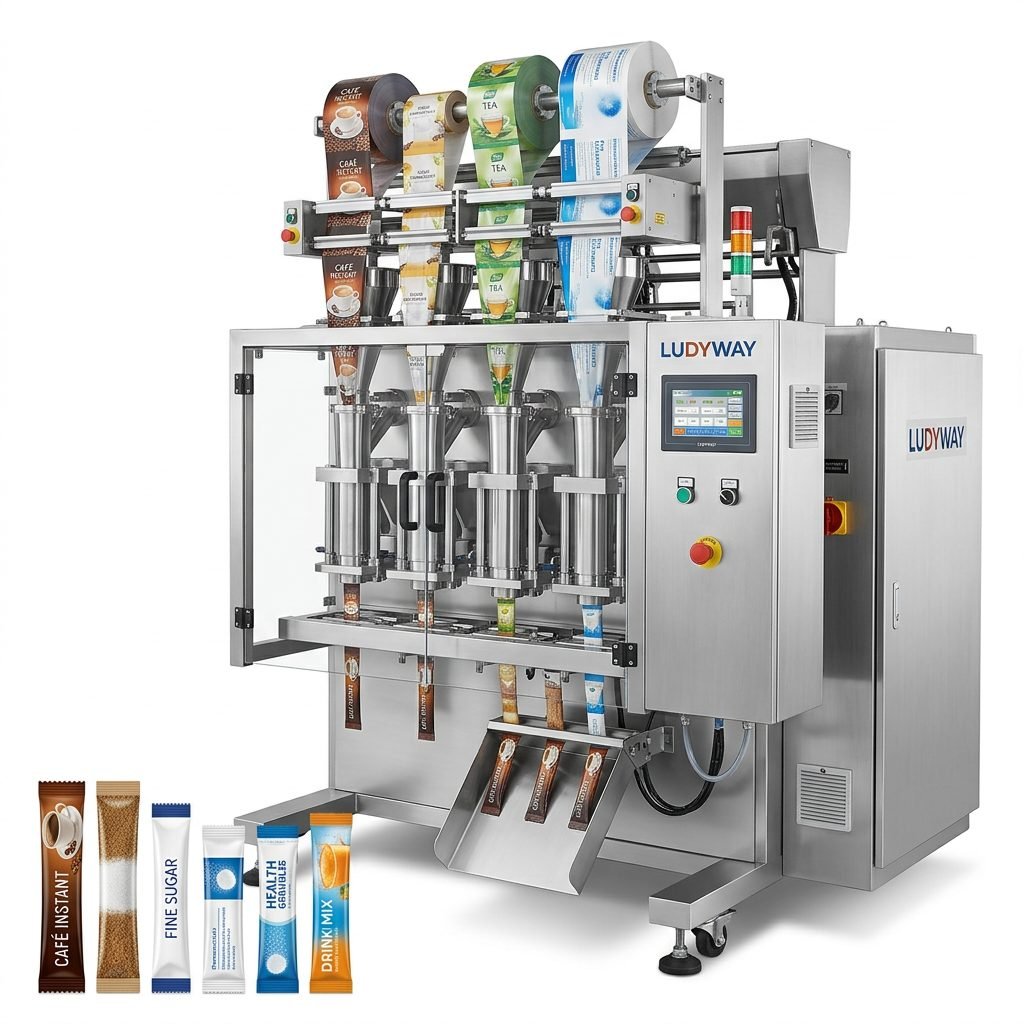
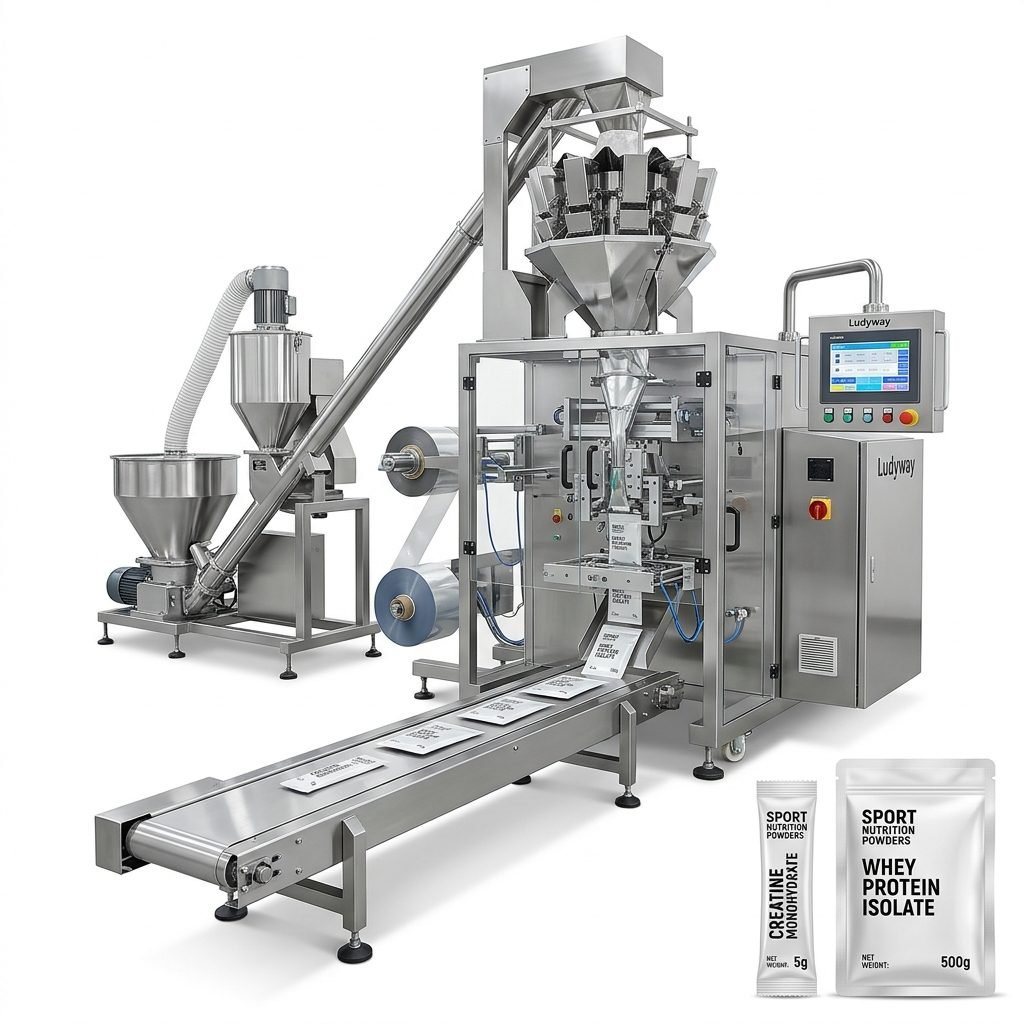
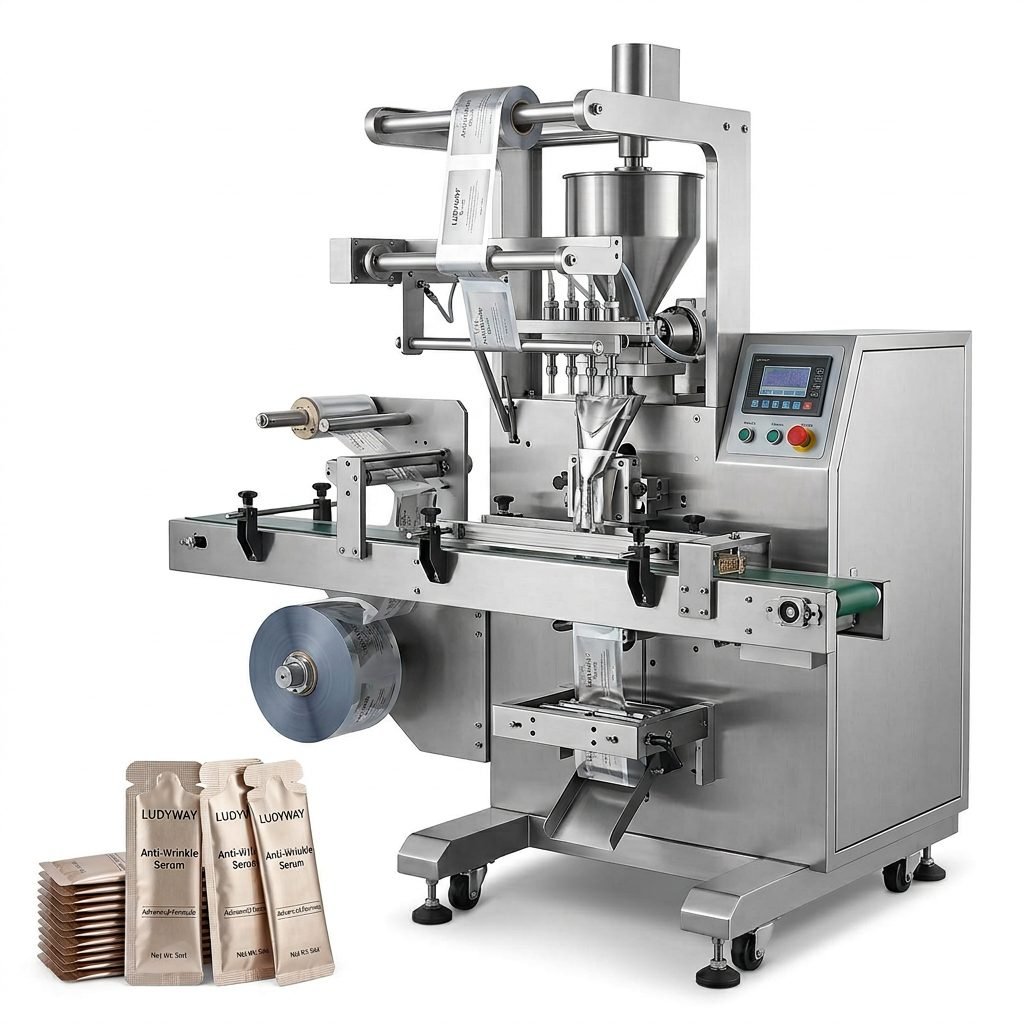
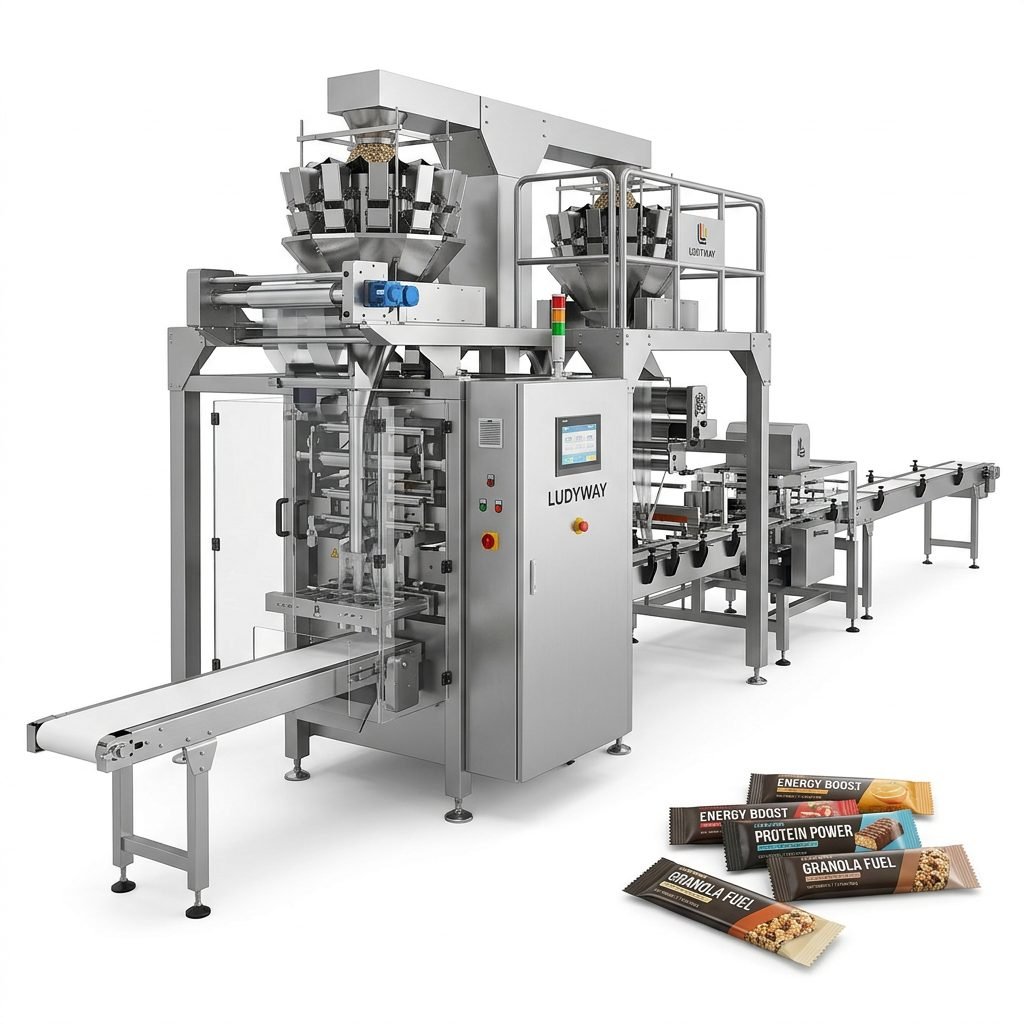
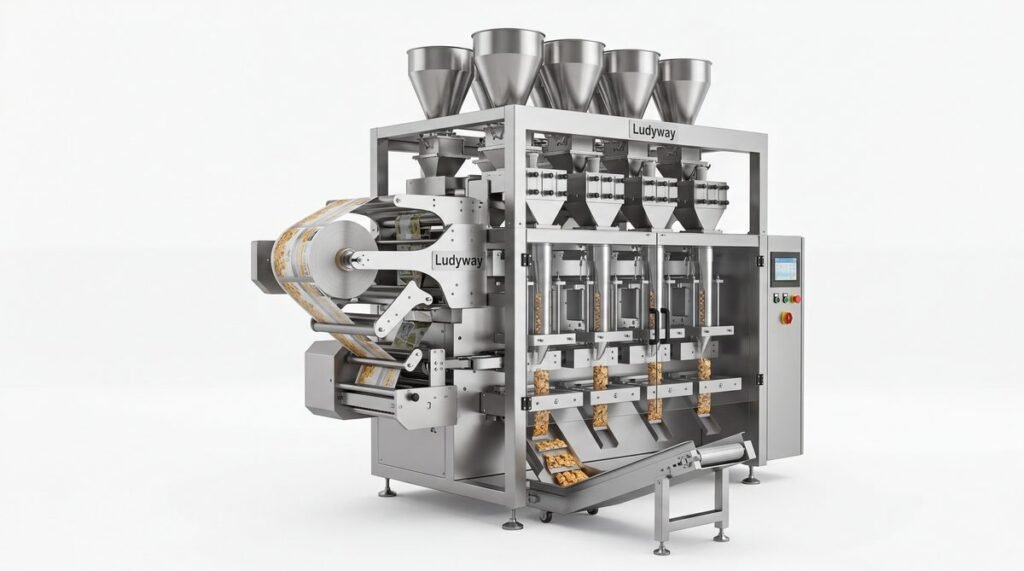
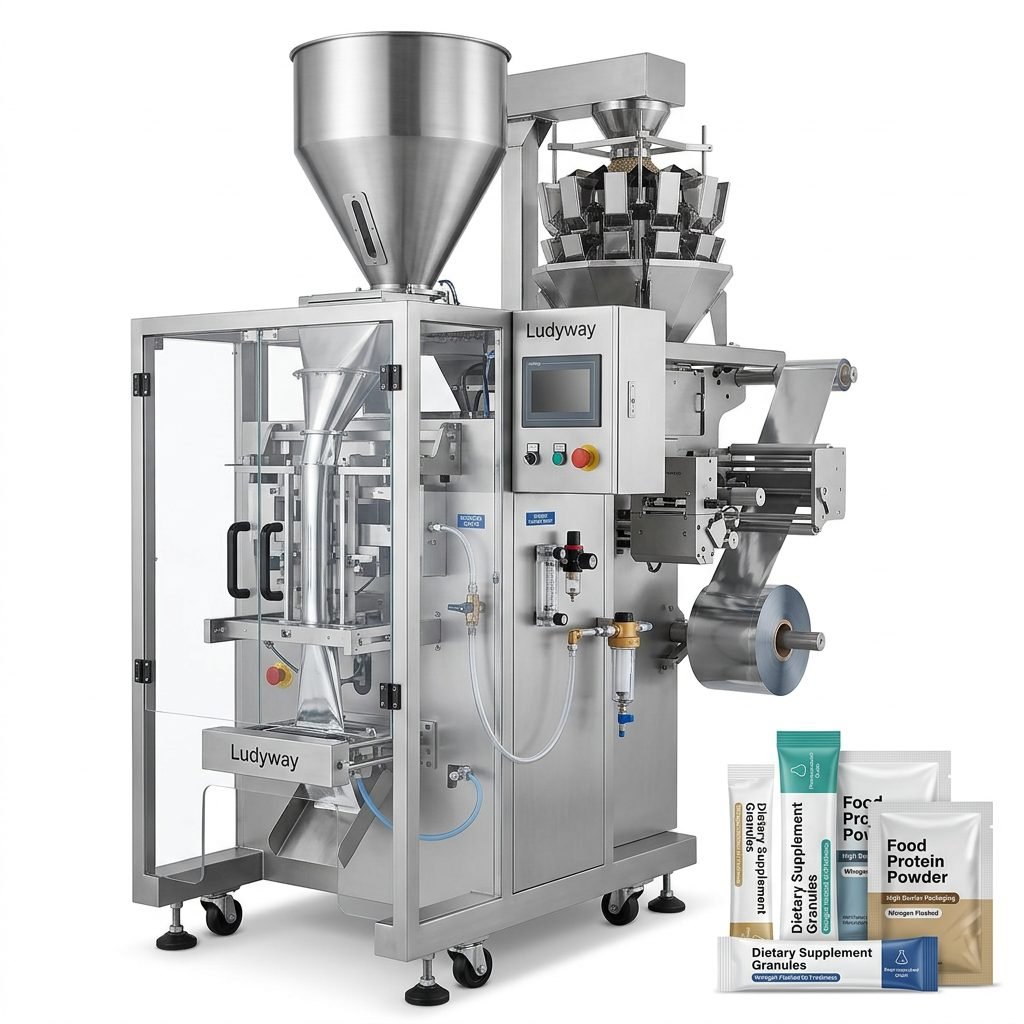
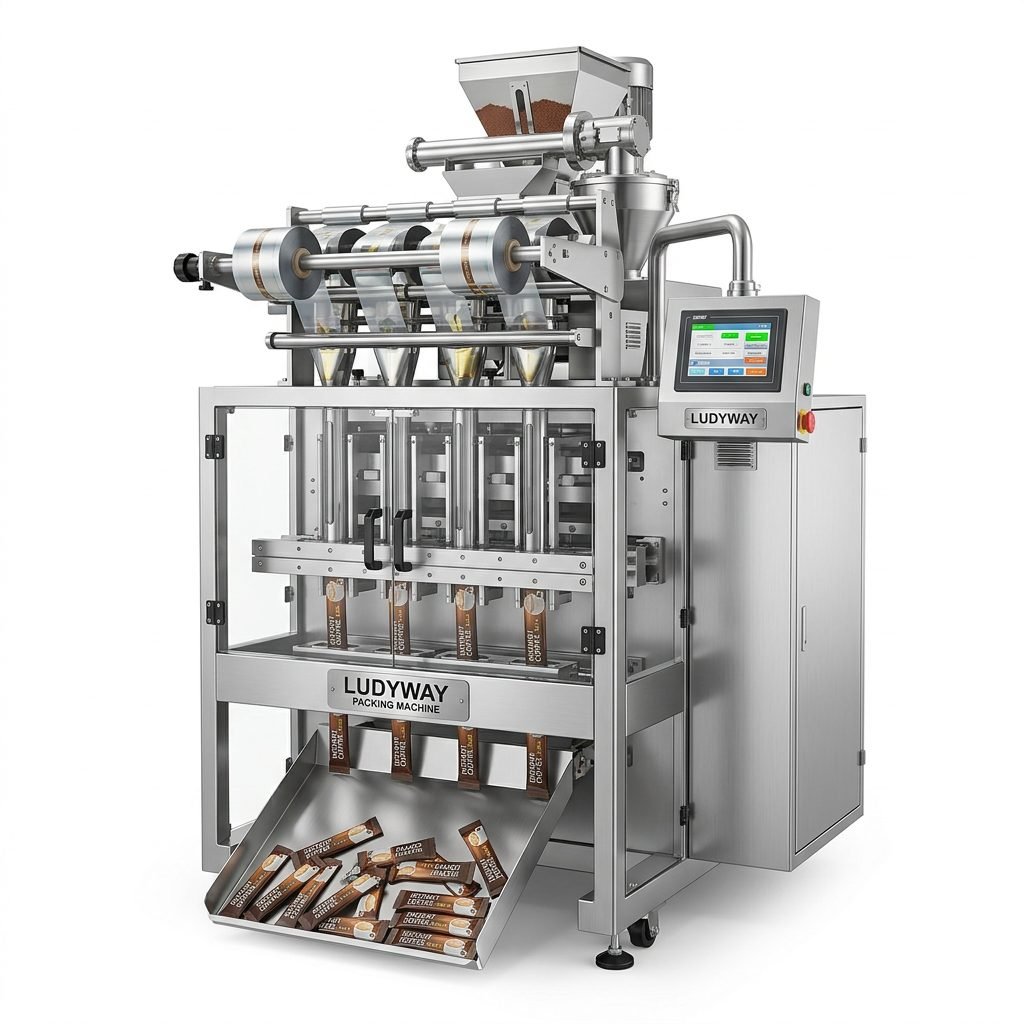
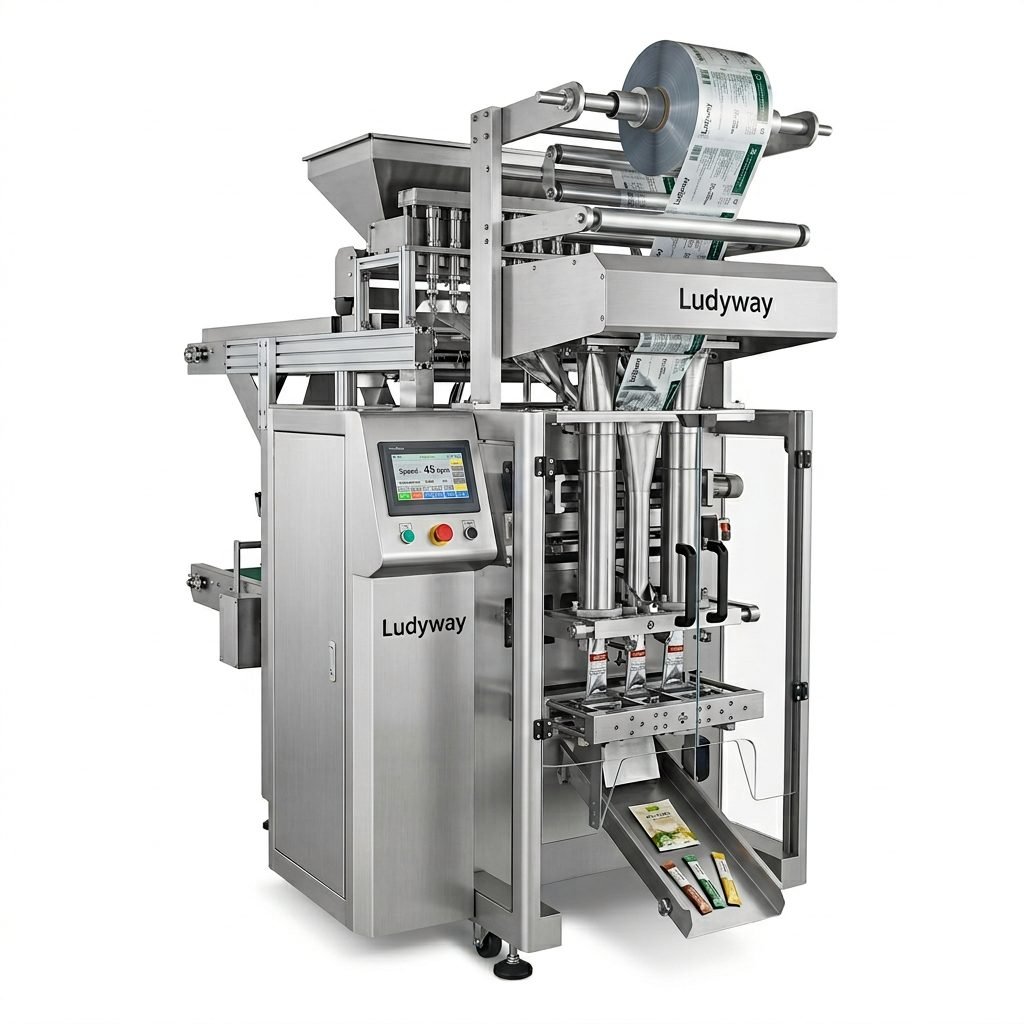
The manufacturer’s core competency is the first checkpoint. Look for a supplier with a broad and deep product portfolio that aligns with your specific packaging format—be it sachets, stick packs, pouches, or liquid filling. For Argentine businesses, flexibility is key. A manufacturer like Ludyway, with over 30 years of experience, offers more than 50 models covering granules, powders, and liquids. This extensive range ensures you can find a machine tailored for coffee, medicinal powders, detergent sachets, or cosmetic liquids. Similarly, evaluating the technical specifications for speed, accuracy, and material compatibility (such as local film types) is essential for seamless integration into your production line.
Pro Tip for Argentine Buyers: Prioritize manufacturers who provide customizable solutions. Local ingredients may have unique flow characteristics or densities. A supplier capable of adjusting weighing systems, film handling, and sealing parameters for your specific product will ensure optimal performance and minimal waste.
Key Factor 2: Manufacturing Capability and Quality Assurance
Never underestimate the importance of seeing where and how the machines are built. A manufacturer’s facility size, production technology, and quality control processes directly correlate with machine reliability and longevity. Reputable companies operate from modern facilities; for instance, Ludyway utilizes a 20,000㎡ manufacturing plant. Inquire about their quality assurance protocols, component sourcing (preferably from reputable international brands), and testing procedures. Machines destined for Argentina must be built to endure and perform consistently, minimizing costly downtime. Certifications like CE are a basic requirement, indicating adherence to international safety standards.
Key Factor 3: After-Sales Support and Local Presence
This is arguably the most critical factor for Argentine importers. Geographical distance makes responsive support non-negotiable. Evaluate the manufacturer’s after-sales service structure:
- Technical Support: Is 24/7 remote support available? What is the typical response time for technical inquiries?
- Spare Parts: How quickly can critical spare parts be shipped to Argentina? Is there a local warehouse or reliable logistics partner?
- Training & Installation: Do they provide comprehensive machine operation and maintenance training, either at their facility or on-site in Argentina?
Companies like Packmate Machinery and PacklineOEM also emphasize global service networks. The ability to provide prompt, effective support can save your business from significant production losses.
Key Factor 4: Cost-Effectiveness and Return on Investment (ROI)
While initial price is a consideration, the total cost of ownership (TCO) is a smarter metric. This includes the purchase price, operational costs (energy, labor, material waste), maintenance expenses, and the machine’s lifespan. A slightly higher upfront investment in a reliable, efficient machine from a manufacturer like PackingMachineOEM often yields a better ROI through higher productivity, lower downtime, and superior packaging quality that reduces product giveaway. Always request a detailed cost-benefit analysis and case studies relevant to your industry.
Checklist for Your Supplier Evaluation
✅ Industry Experience: Do they have proven experience in your sector (food, pharma, etc.)?
✅ Machine Flexibility: Can it handle multiple product types or package sizes?
✅ Technical Documentation: Are manuals, schematics, and software provided in English/Spanish?
✅ Warranty Terms: What is covered, and for how long?
✅ References: Can they provide contactable clients in South America or similar industries?
Key Factor 5: Innovation and Future-Proofing
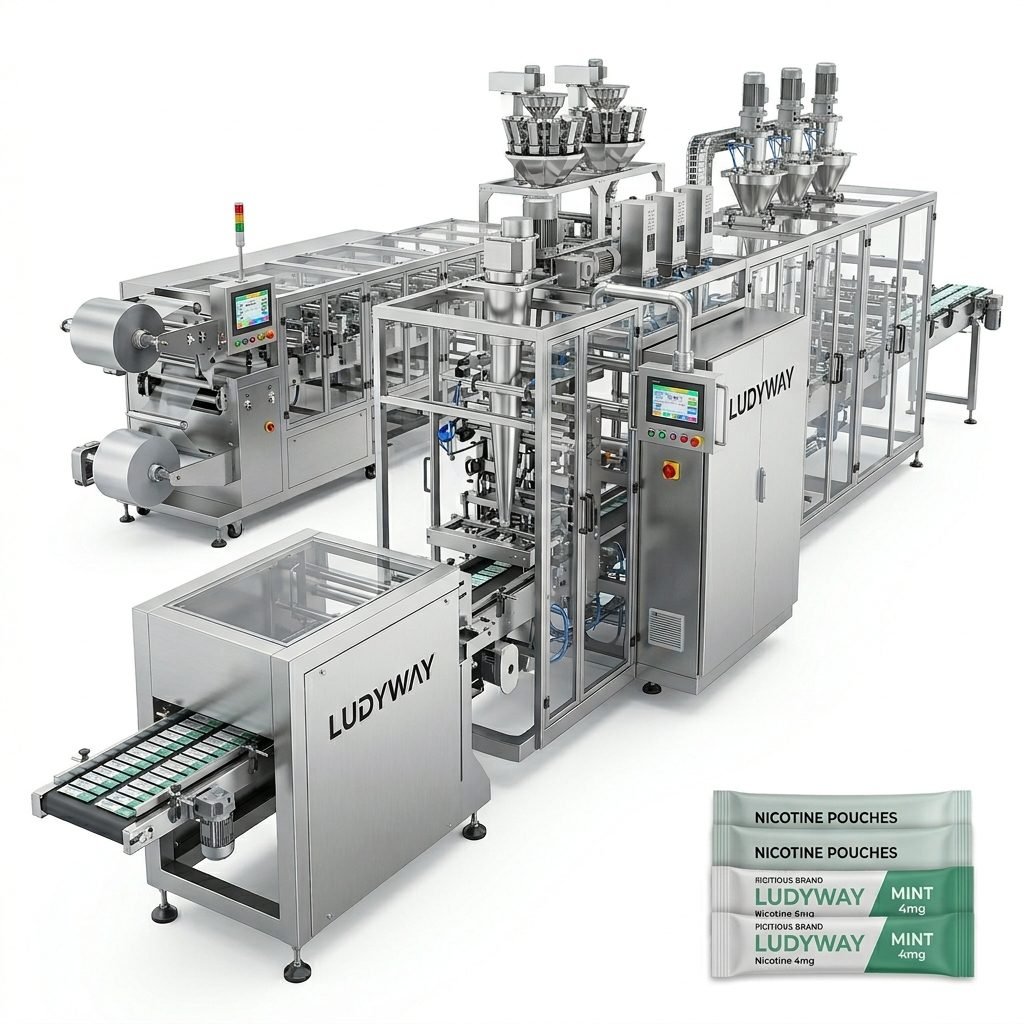
The packaging industry evolves rapidly. Choose a partner that invests in R&D and offers modern features like IoT connectivity for predictive maintenance, user-friendly HMI interfaces, and energy-efficient designs. This ensures your investment remains competitive for years. Manufacturers focused on innovation, such as SnusMachinery for specialized nicotine pouch lines, demonstrate a commitment to advancing technology. For Argentine businesses looking to export, machinery that produces high-integrity, visually appealing packaging can enhance brand value in international markets.
The Procurement Process: Steps to a Successful Purchase
1. Define Your Requirements: Detail your product type, required output speed, packaging materials, and factory conditions.
2. Shortlist Manufacturers: Research and create a shortlist of 3-5 reputable suppliers like Ludyway and its peers mentioned.
3. Request Proposals: Provide your specs and request detailed quotations, including delivery, warranty, and support terms.
4. Factory Audit (Virtual/Physical): If possible, visit the manufacturing facility or arrange a detailed virtual tour.
5. Final Evaluation & Negotiation: Compare proposals holistically, not just on price. Negotiate terms that secure your long-term interests.
6. Order & Project Management: Ensure clear communication channels are established for manufacturing updates and shipment tracking.
Why Consider International Manufacturers like Ludyway?
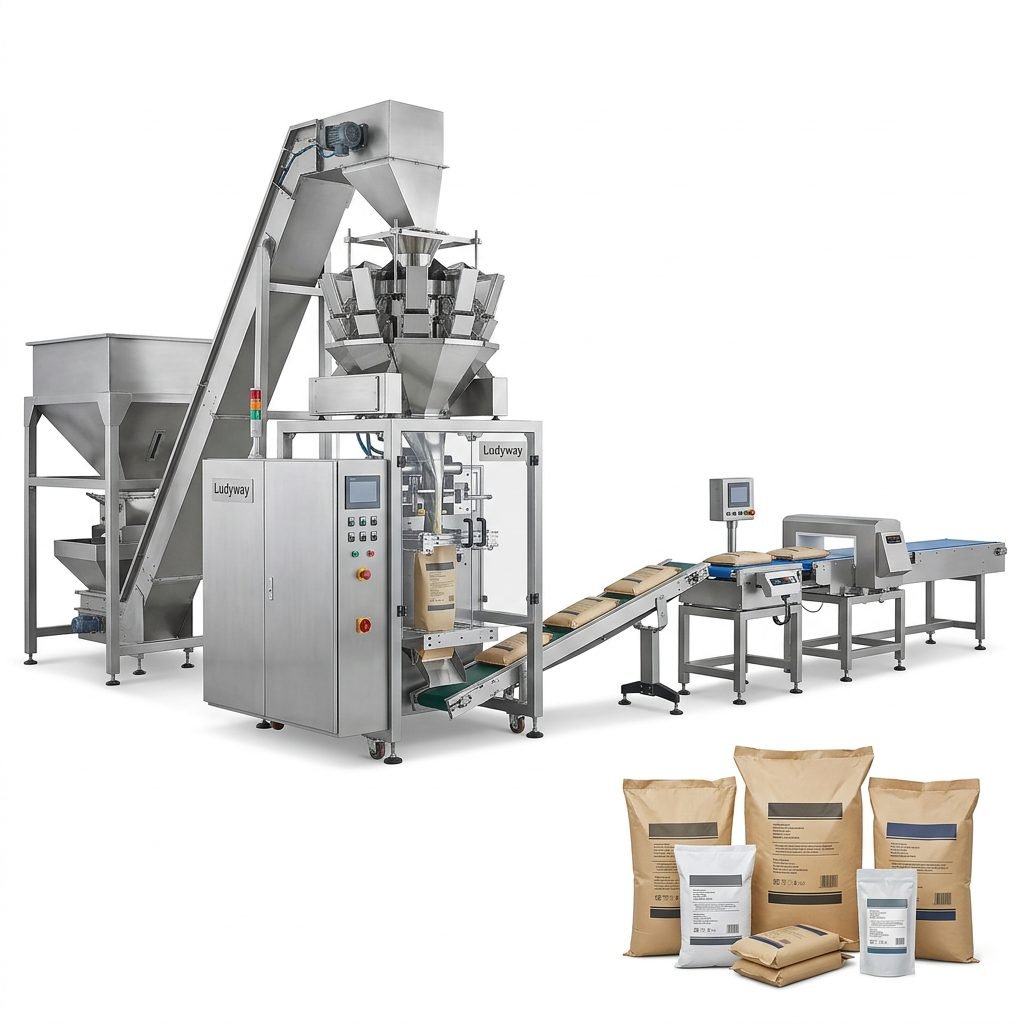
While local dealers exist, partnering directly with a large international manufacturer often provides advantages in price, technology access, and direct engineering support. Chinese manufacturers, in particular, have bridged the gap between cost and advanced technology. Ludyway, as one of the largest manufacturers, combines scale with customization, offering turnkey solutions. Their experience serving over 100 countries means they are adept at handling international logistics, documentation, and providing the support infrastructure that Argentine businesses need to succeed. The key is to partner with an internationally experienced firm that treats your success as a priority.
Frequently Asked Questions (FAQs)
Q1: What are the main challenges of importing packaging machinery to Argentina?
The primary challenges include navigating import regulations and customs procedures, managing logistics and shipping times, and ensuring reliable after-sales support from afar. Working with an experienced exporter who handles documentation (commercial invoice, packing list, certificate of origin, etc.) and can recommend reliable freight forwarders is crucial. Choose manufacturers known for their strong export departments.
Q2: How important is machine customization for the Argentine market?
Very important. Argentine products, from finely ground herbs to viscous dulce de leche, may require specific adjustments in feeding, dosing, and sealing systems. A manufacturer offering a degree of customization—rather than just off-the-shelf models—will deliver a machine that optimizes yield, speed, and packaging quality for your unique product.
Q3: Can I get training for my operators in Argentina?
Yes, reputable manufacturers typically offer training options. This can include comprehensive training at their factory before shipment, detailed video manuals, or sending their engineers to your site in Argentina for installation and on-site training. Clearly define training scope and costs during the negotiation phase.
Q4: What packaging formats are most in demand in Argentina?
Sachets and stick packs are highly popular for a wide range of products due to their convenience and cost-effectiveness. This includes instant beverages, sugar, sweeteners, spices, medicinal powders, single-dose condiments, and cosmetic samples. There is also consistent demand for liquid filling machines for oils, sauces, and sanitizers, as well as granule packaging for pet food and agricultural products.
Q5: How do I evaluate the true reliability of a packaging machine manufacturer?
Beyond brochures, ask for video evidence of machines running similar products, request a list of client references (preferably in the Americas), and check for independent reviews or case studies. Investigate their company history and financial stability. A manufacturer with a long track record, like Ludyway with over a decade in business, generally indicates sustained reliability and commitment to the industry.