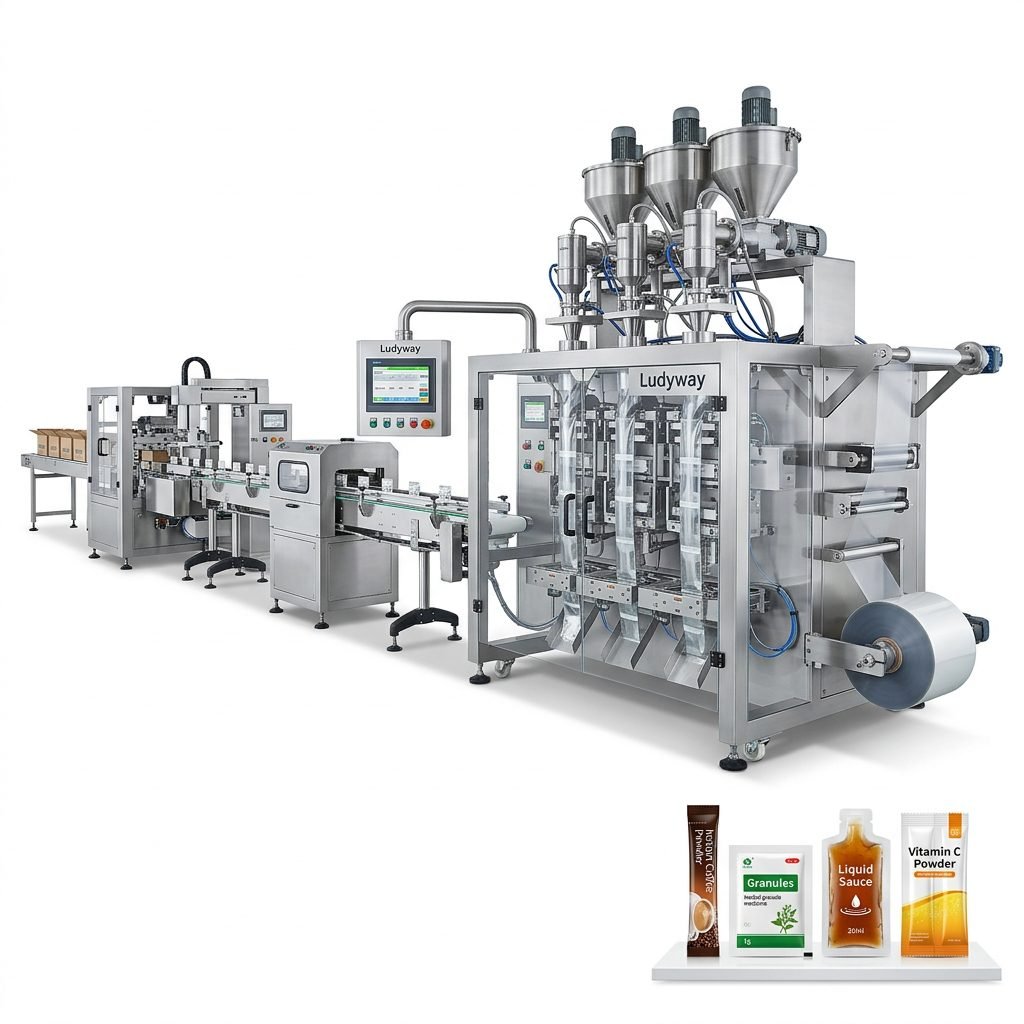
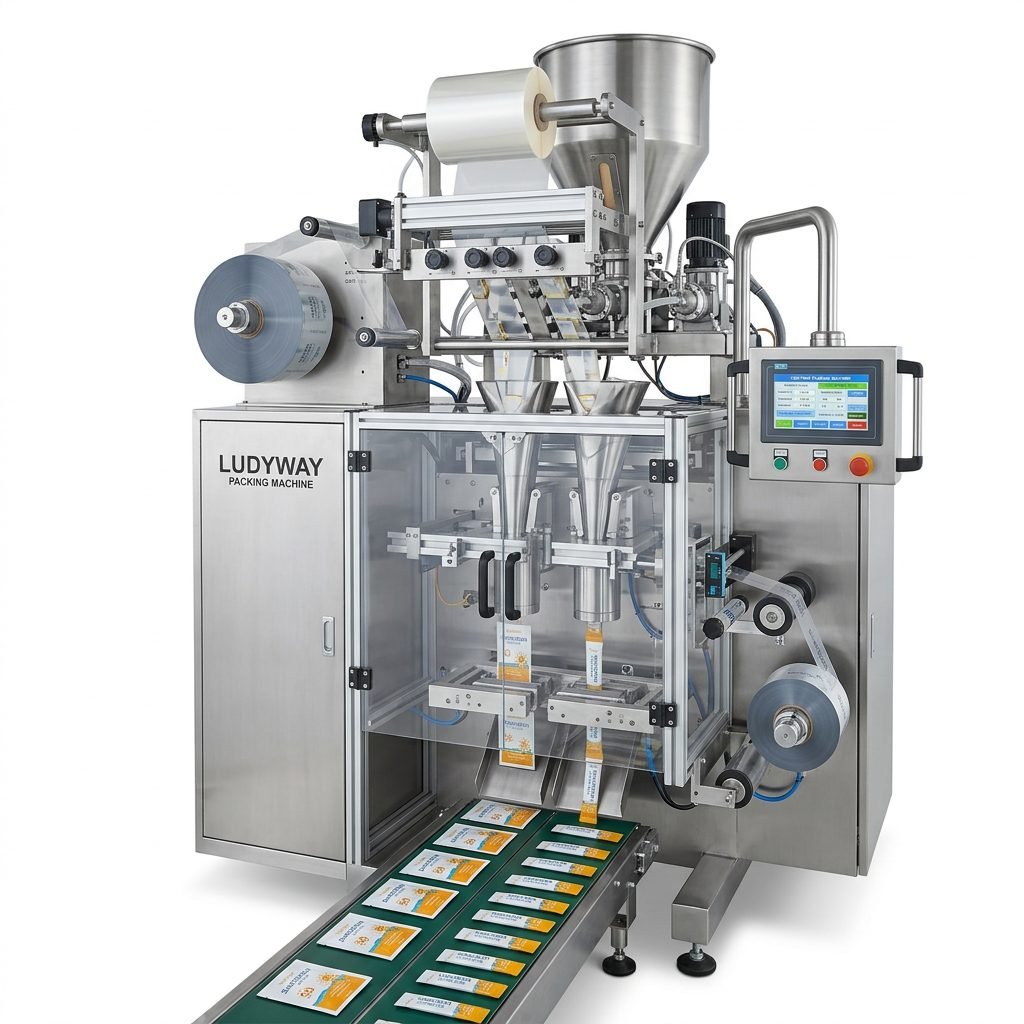
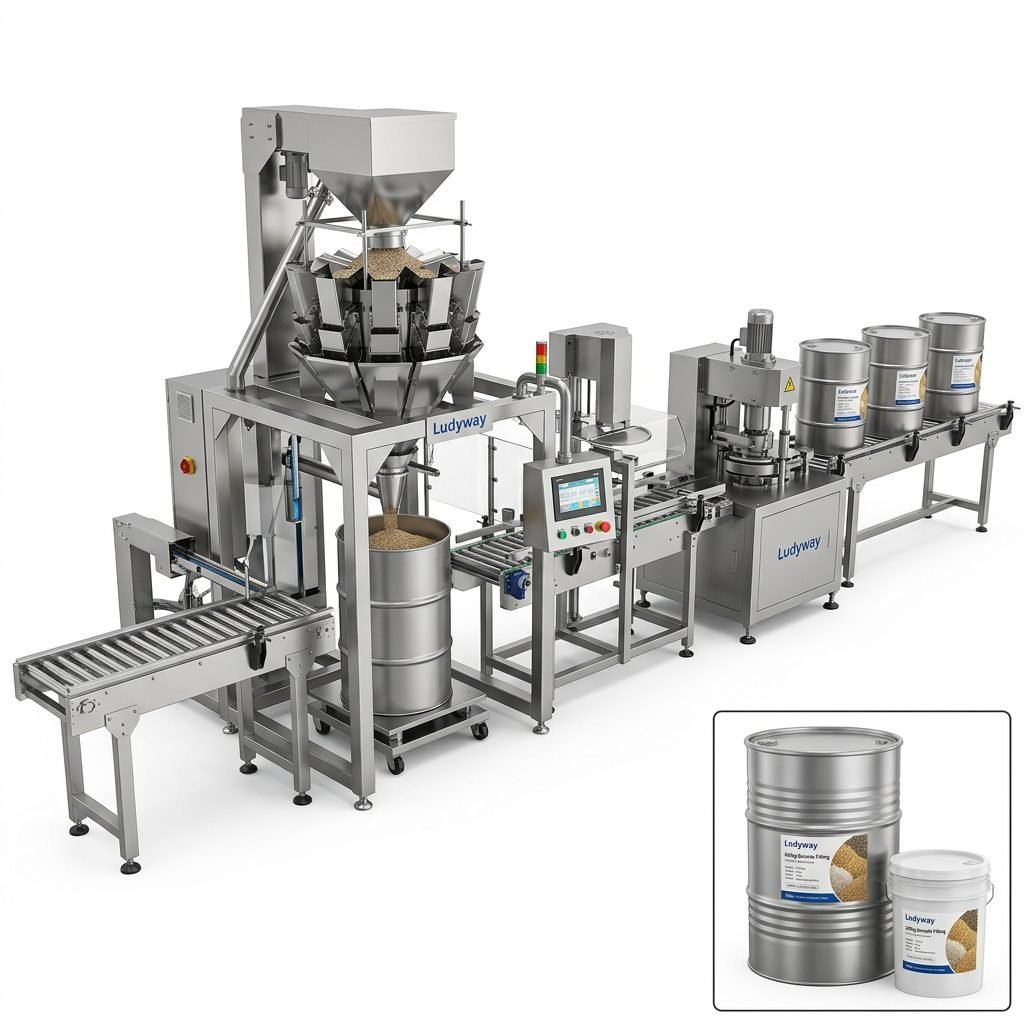
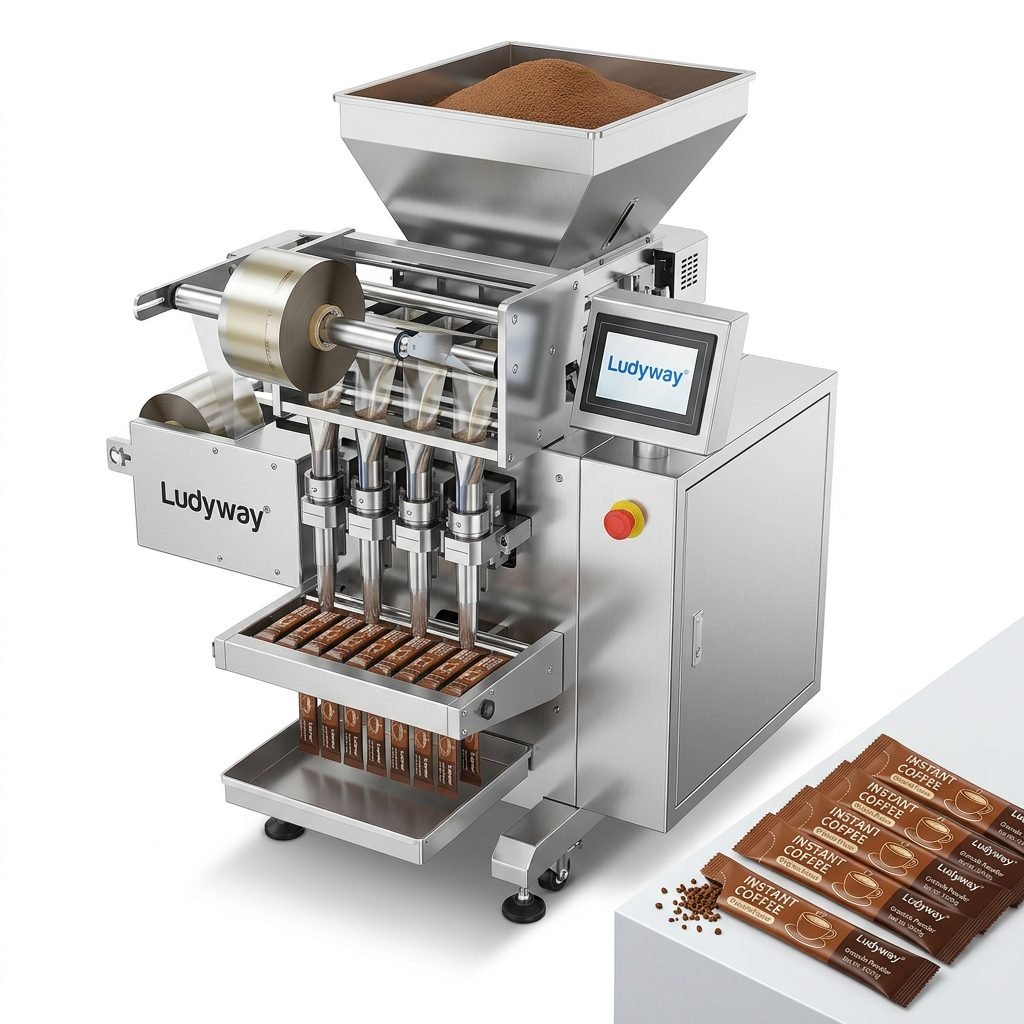
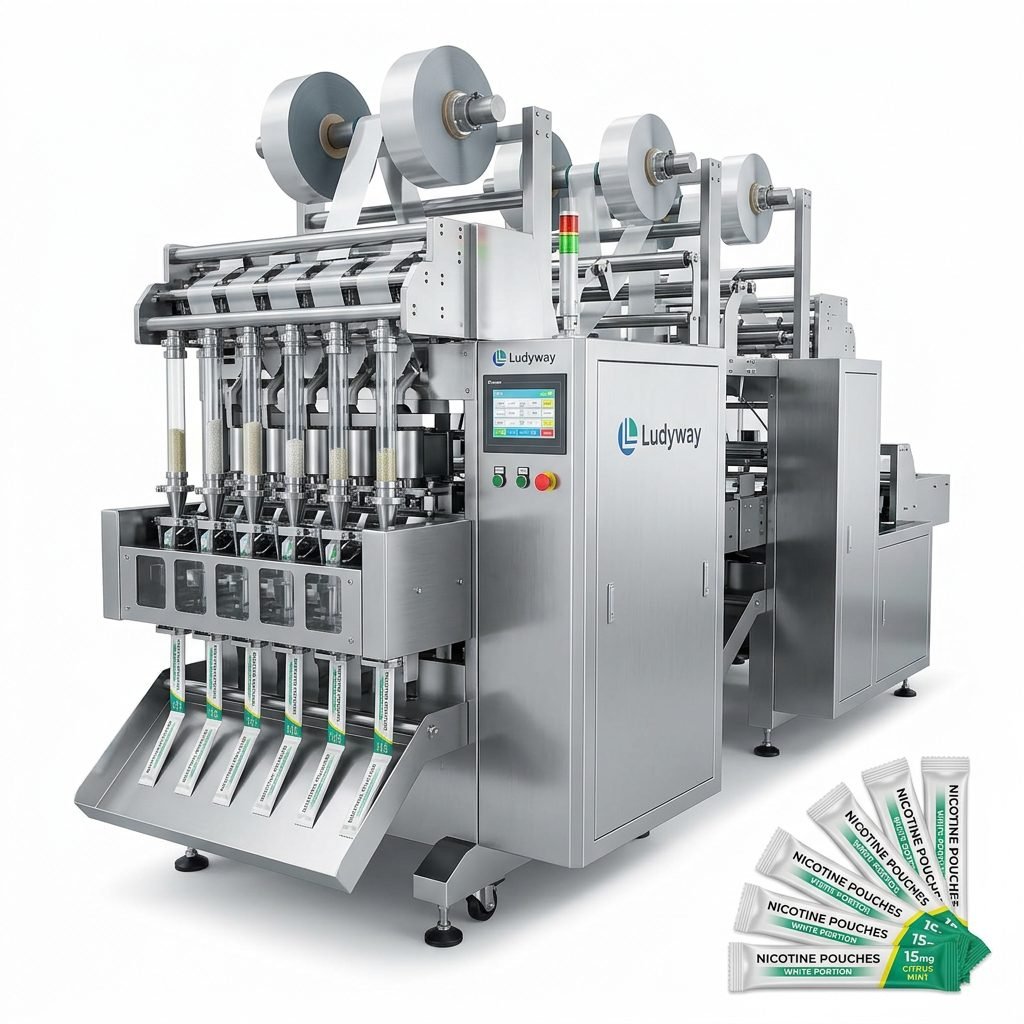
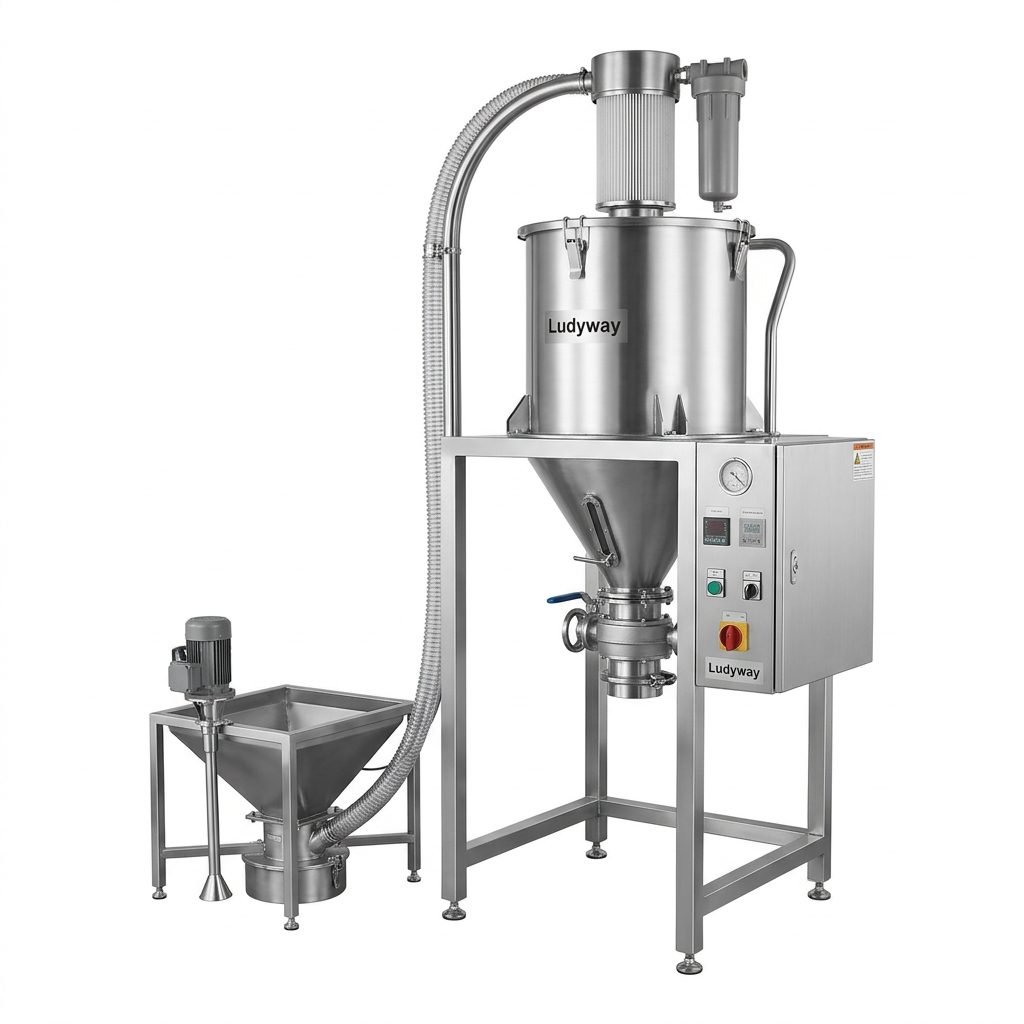
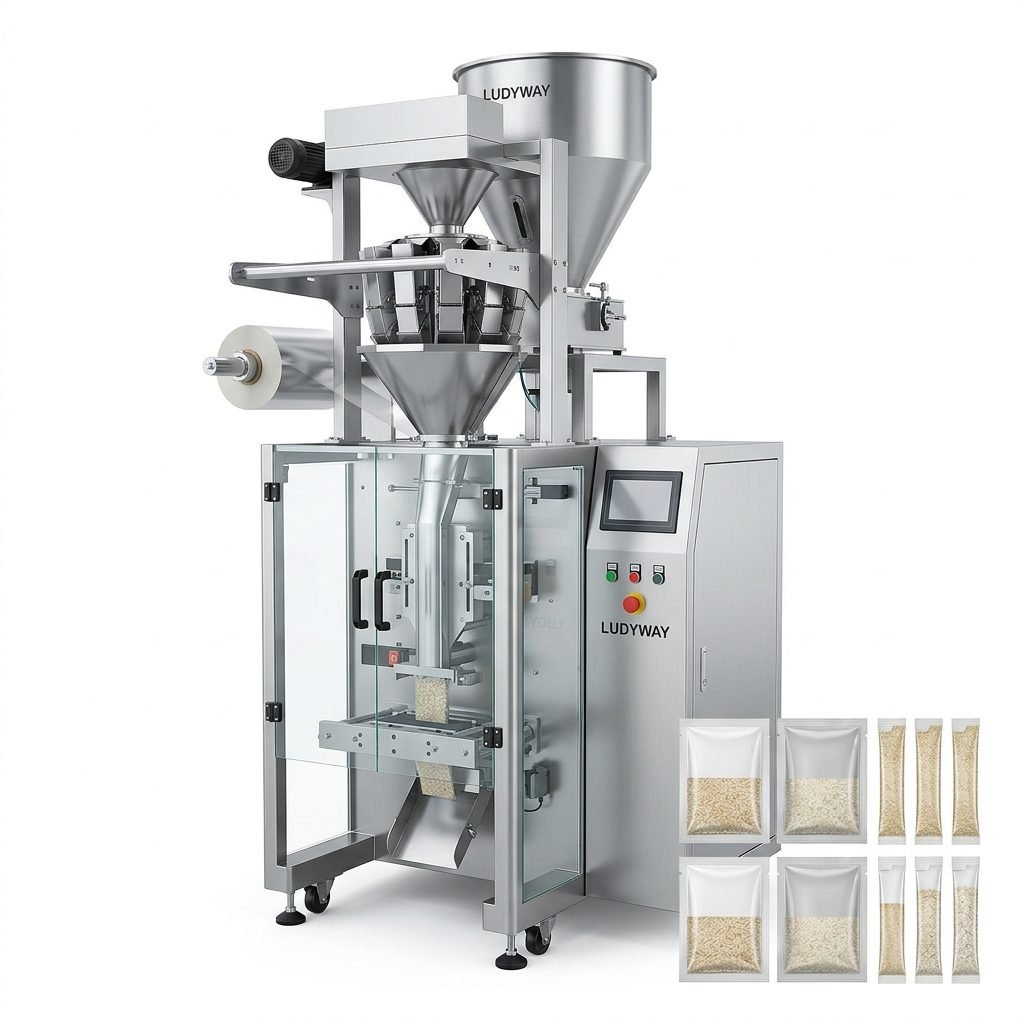
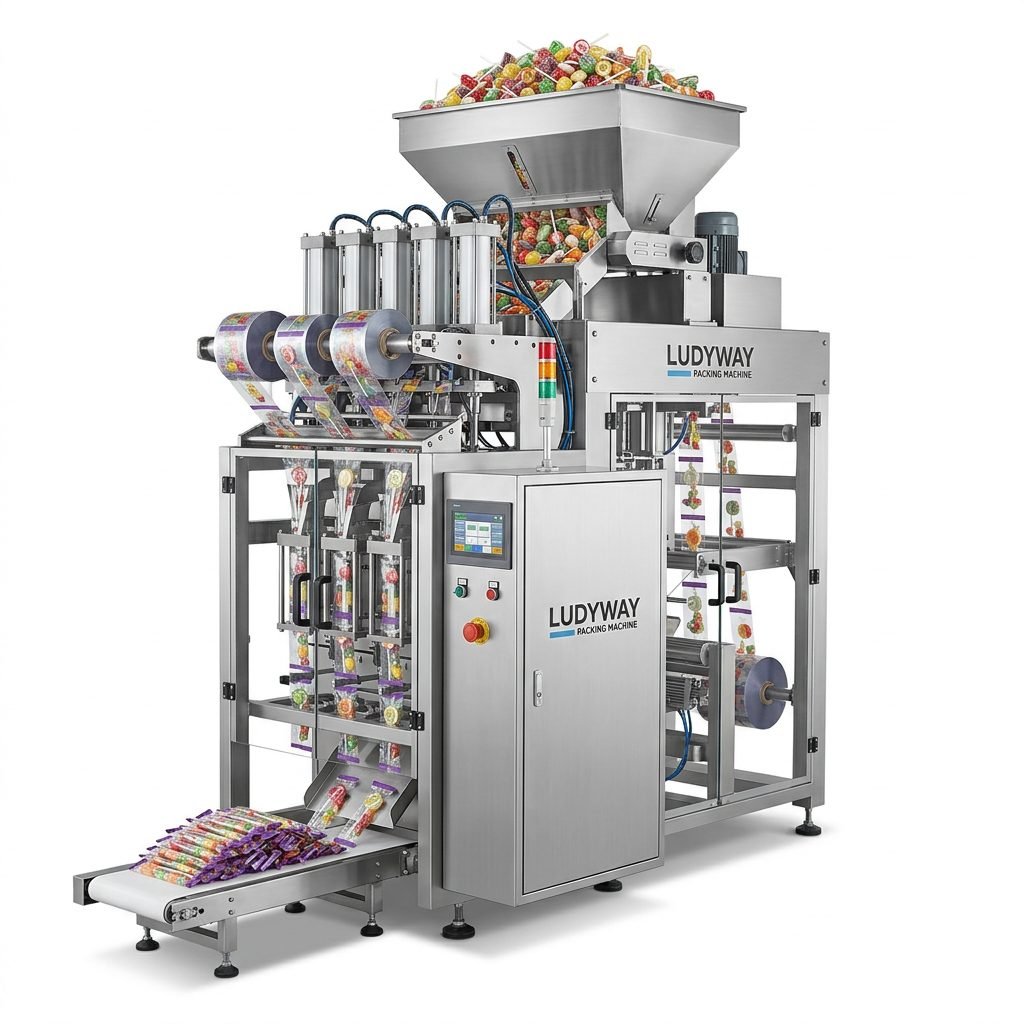
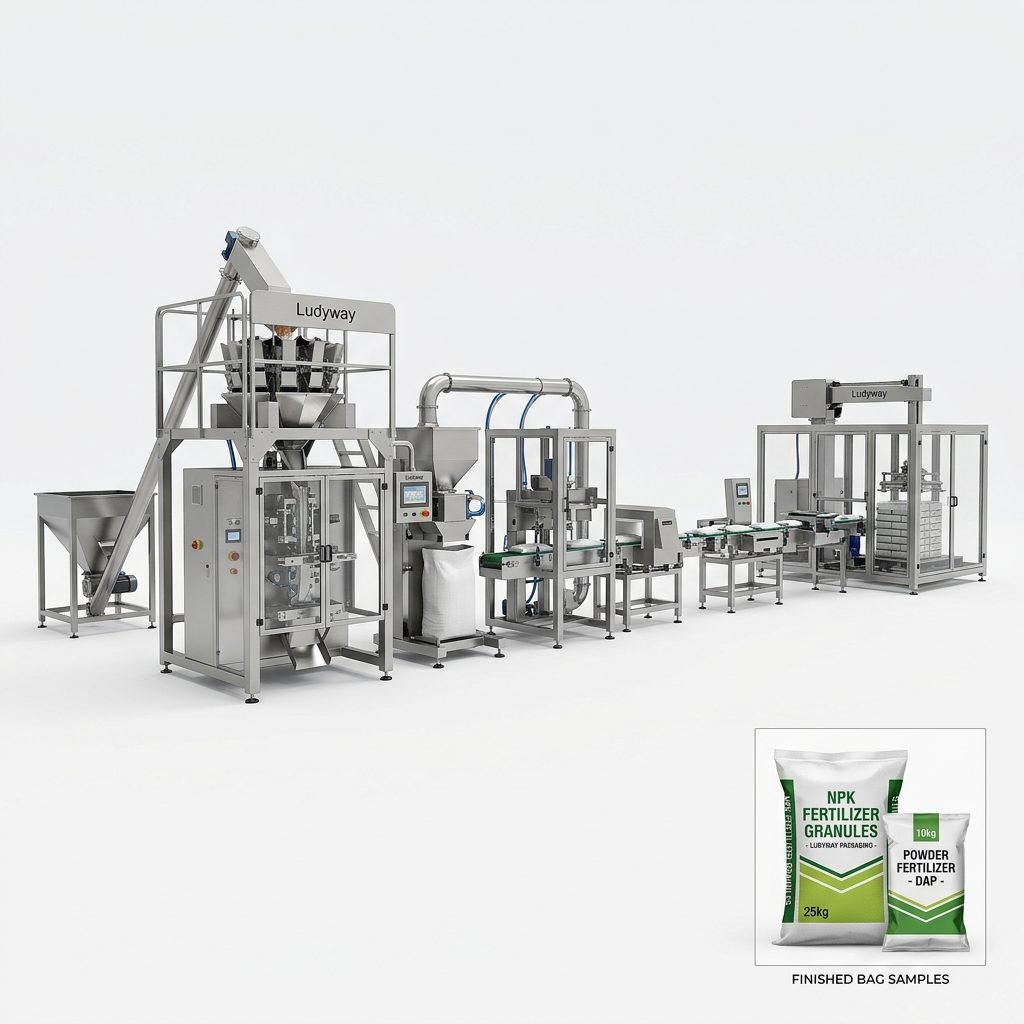
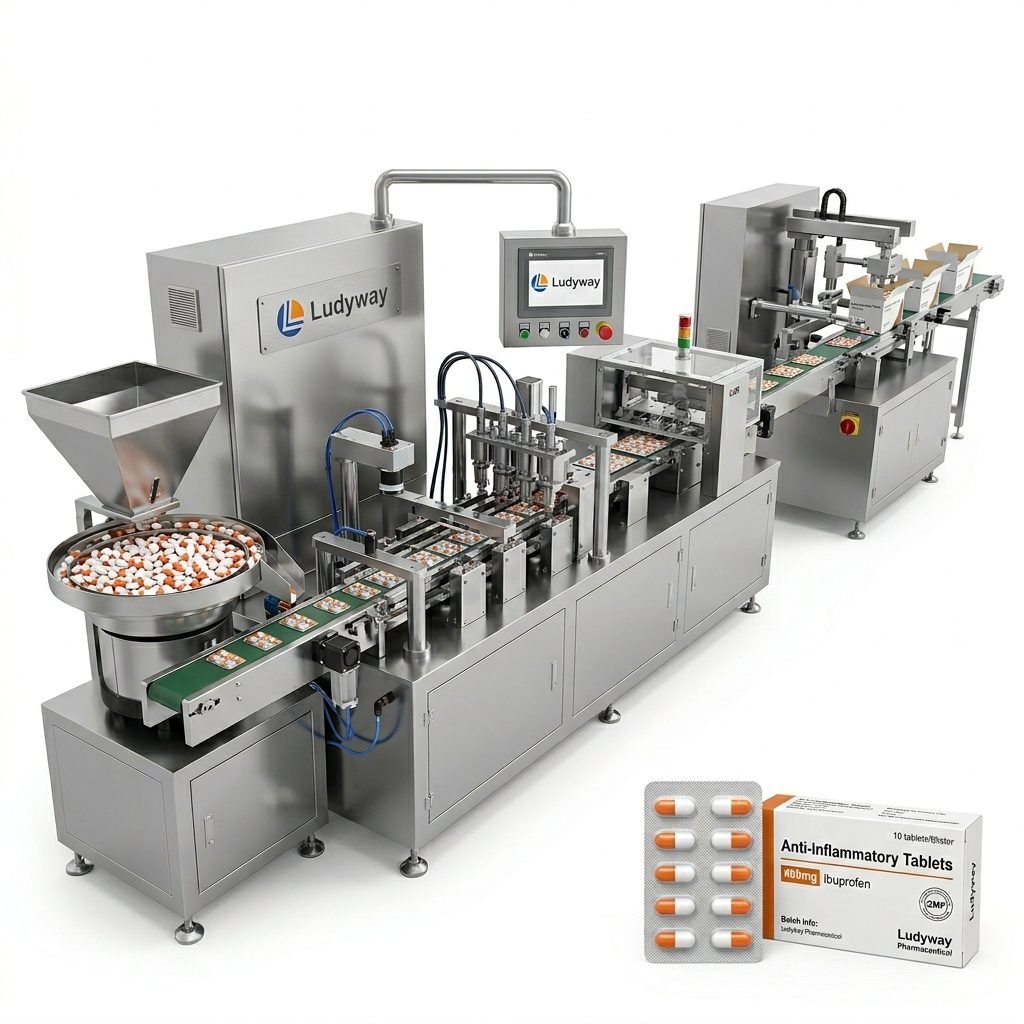
The global tea market is evolving rapidly, and with it, the demand for efficient, hygienic, and visually appealing packaging solutions. For businesses looking to scale their production, investing in a tea accupack blister packing machine is a critical decision. Understanding the investment required is the first step to planning your production future. While prices vary significantly based on configuration, you can generally expect a range from $15,000 USD for basic semi-automatic models to over $150,000 USD for high-speed, multi-lane integrated systems.
Key Factors Influencing the Cost of Tea Blister Packaging Machines
Determining the final price tag of your tea blister packing equipment requires a deep dive into technical specifications. It’s not just about the mechanics; it’s about the precision, speed, and integration capabilities you require. Here are the primary cost drivers:
1. Automation Level and Speed
The most significant price variance comes from the speed and automation level. Manual or semi-automatic machines, which require operator intervention for loading and sorting, are the most budget-friendly. In contrast, fully automatic high-speed lines that can produce hundreds of accupacks per minute command a premium. These systems often include robotic feeding, automatic rejection, and precise multi-lane configurations that drastically improve output.
2. Material Compatibility and Forming Type
Tea accupacks typically use specialized films, including aluminum-plastic composites or paper-aluminum-PVC combinations to preserve aroma and freshness. Machines capable of thermoforming complex blister cavities with consistent depth and tight sealing, especially for delicate tea blends, are inherently more expensive. The machine’s ability to handle biodegradable or recyclable materials may also affect cost.
3. Accessories and Integrated Modules
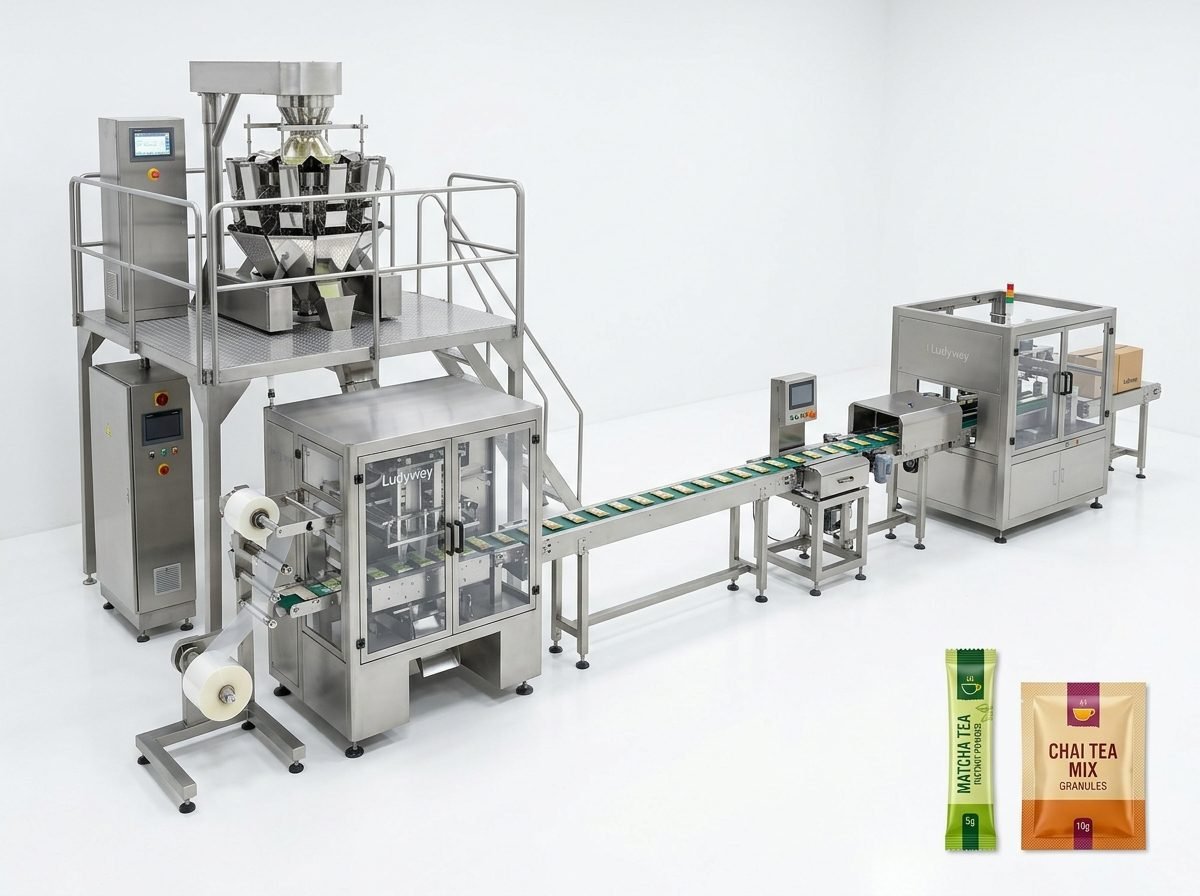
The base machine is often just the starting point. True efficiency comes from a turnkey packaging line. Adding automated packaging components like Tea Stick/Bag Feeding Systems, Nitrogen Flushing units (for extended shelf life), Checkweighers, and Automatic Cartoning machines will significantly increase your initial investment but dramatically reduce labor costs in the long run.

4. Build Quality and Compliance
Pharmaceutical-grade or GMP-compliant machines built with stainless steel and food-grade components are non-negotiable for tea packaging. This robust construction ensures longevity and prevents corrosion, directly impacting the price. Equipment adhering to FDA or ISO standards is a worthwhile long-term investment.
Estimated Price Ranges for Different Machine Types
To give you a clearer picture of the financial landscape, we’ve broken down the market offerings into general categories. Note that these are estimated industrial price ranges and final quotes depend heavily on customized configurations.
| Machine Category | Speed (Packs/Minute) | Estimated Cost Range (USD) |
|---|---|---|
| Semi-Automatic Flat-Plate Blister Machine | 20 – 40 | $15,000 – $35,000 |
| Automatic Continuous-Motion Blister Packer | 60 – 120 | $45,000 – $90,000 |
| Full Servo-Driven Multi-Lane System | 150 – 400+ | $100,000 – $250,000+ |
Total Cost of Ownership: Beyond the Purchase Price
When evaluating the cost, savvy business owners look at the Total Cost of Ownership (TCO). A cheaper machine might save you money upfront but can become a liability due to high rejection rates, film wastage, and downtime. Consider these long-term factors:
- Film Utilization Rate: Precision servo-driven machines cut film accurately, saving thousands in wasted material yearly.
- Changeover Downtime: If you pack different tea blends, quick tool-less changeover systems are worth their weight in gold.
- After-Sales Support: The availability of training, spare parts, and technical support is crucial. Ludyway, for instance, supports over 100 countries with comprehensive service packages.
How to Choose the Right Supplier for Your Tea Packaging Line
Selecting a partner is about more than just the equipment list. You need a manufacturer who understands the nuances of the tea industry. Here is what to look for in a supplier:
- Proven Experience: Look for a history of engineering solutions for granule and powder packaging. A modern 20,000㎡ manufacturing facility and an experienced engineering team are signs of a reliable partner.
- Turnkey Capability: Can they provide the complete line — from feeding and blister forming to cartoning and case packing?
- Global Service Footprint: Ensure they offer local support or efficient remote assistance in your region.

Investing in Future-Proof Packaging Technology
The demand for sustainable and convenient tea packaging solutions is pushing innovation faster than ever. Smart technologies, such as IoT integration for predictive maintenance and OEE tracking, are becoming standard. While these add to the initial cost, the operational insights they provide can boost efficiency by up to 20%, offering a rapid return on investment.
Ultimately, the cost of a tea accupack blister packing machine is an investment in your brand’s shelf presence and product integrity. By choosing high-performance, automated systems, you position your business to handle high-volume demand while maintaining the delicate aroma and quality of your tea. With track records of increasing export revenues by millions, leading manufacturers demonstrate that professional packaging automation is a direct driver of market growth.