The butter packaging industry in Southeast Asia is experiencing rapid growth, driven by rising dairy consumption, expanding retail networks, and increasing demand for processed food products across countries like Indonesia, Thailand, Vietnam, Malaysia, and the Philippines. Setting up a butter packaging machine production line in this region requires careful planning, understanding of local market conditions, and compliance with regional food safety regulations. This guide walks you through the entire process.
Understanding the Butter Packaging Market in Southeast Asia
Southeast Asia represents one of the fastest-growing dairy markets globally. The butter segment, in particular, has seen consistent growth due to urbanization, Western dietary influences, and expanding bakery and confectionery sectors. Countries such as Indonesia and Vietnam are leading this surge, with annual dairy import growth rates exceeding 5% in recent years.
Before investing in a packaging line, manufacturers must evaluate local consumer preferences, packaging formats (block butter, portion packs, tubs), and distribution requirements. The packaging machinery industry has responded with flexible solutions tailored to these varied needs.
Key Components of a Butter Packaging Production Line
A complete butter packaging line consists of several integrated systems working in harmony. Understanding each component helps in making informed procurement decisions.
Feeding and Dosing Systems
The feeding system delivers butter from storage or churning equipment into the packaging machine. Precision dosing is critical to ensure consistent product weight and minimize giveaway. Positive displacement pumps and auger fillers are commonly used depending on butter consistency and temperature parameters.
Filling and Sealing Equipment
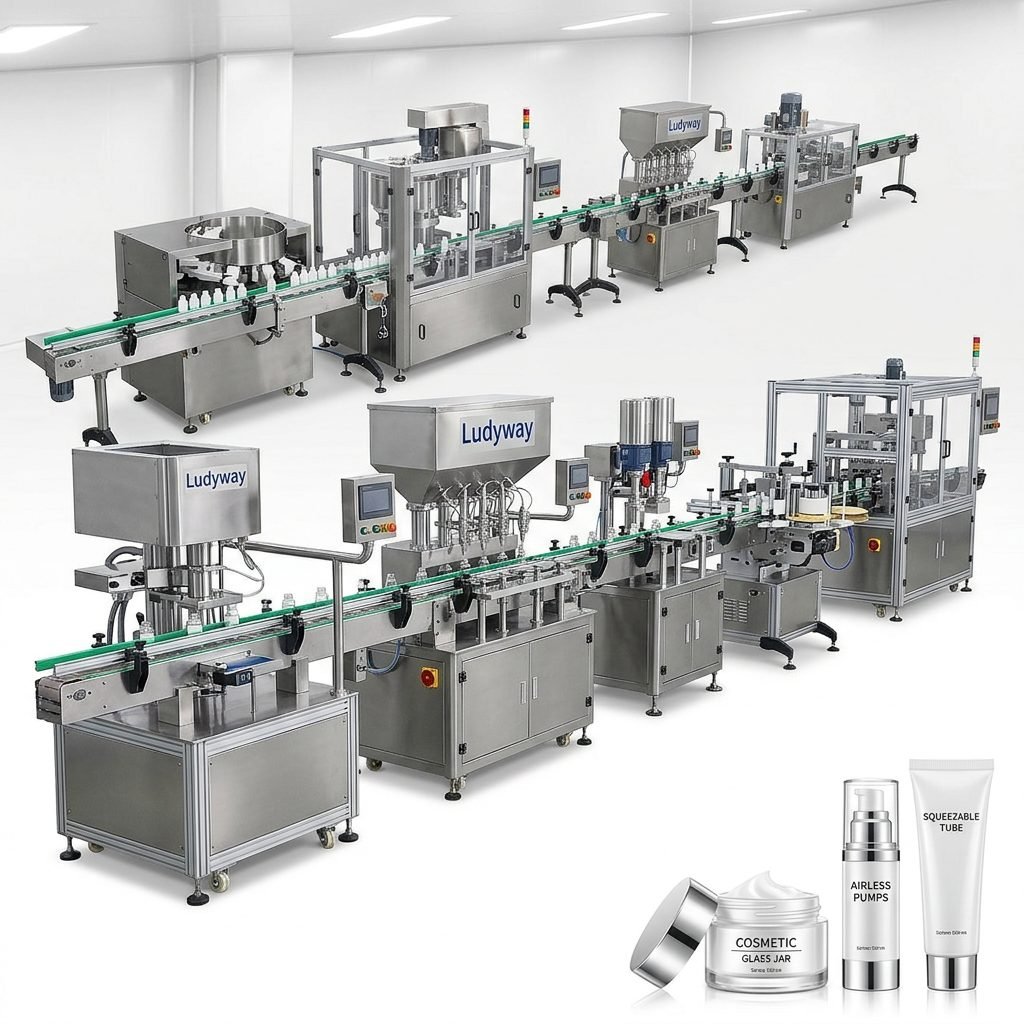
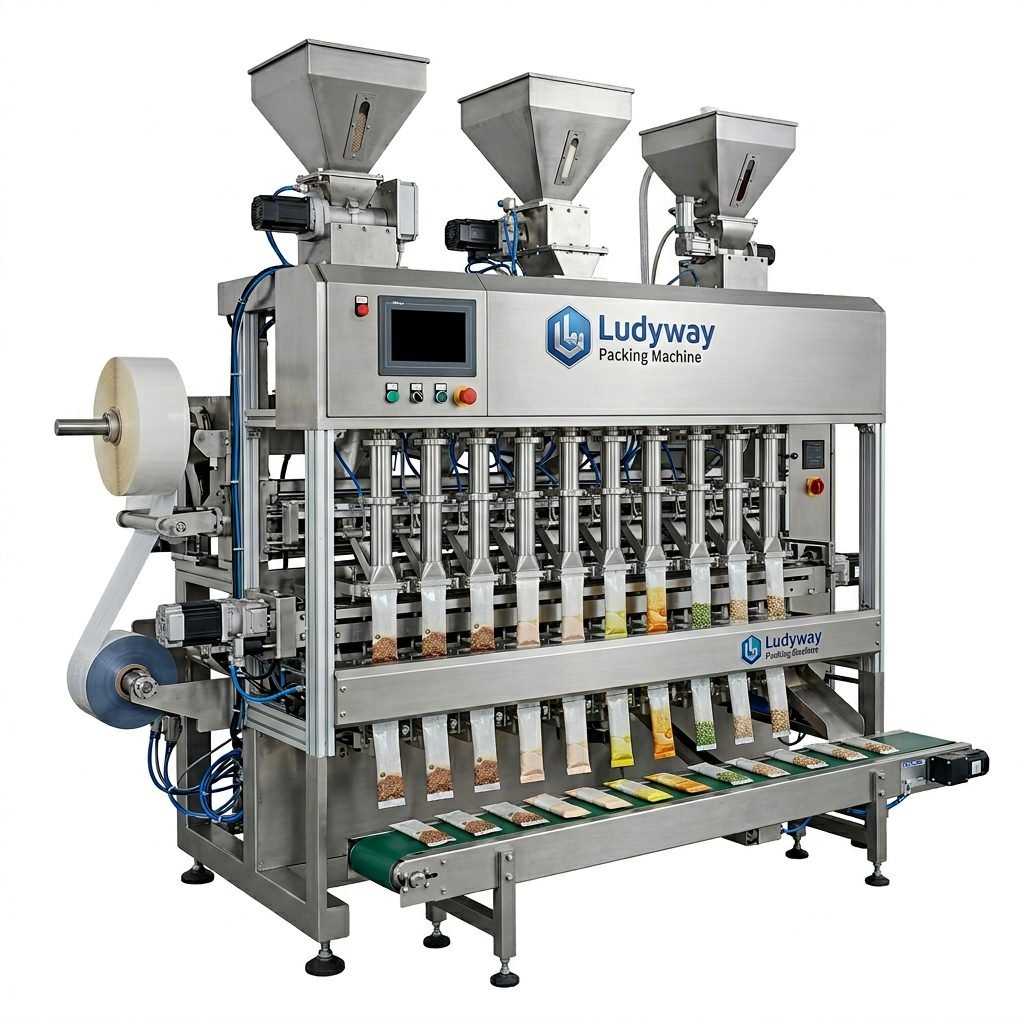
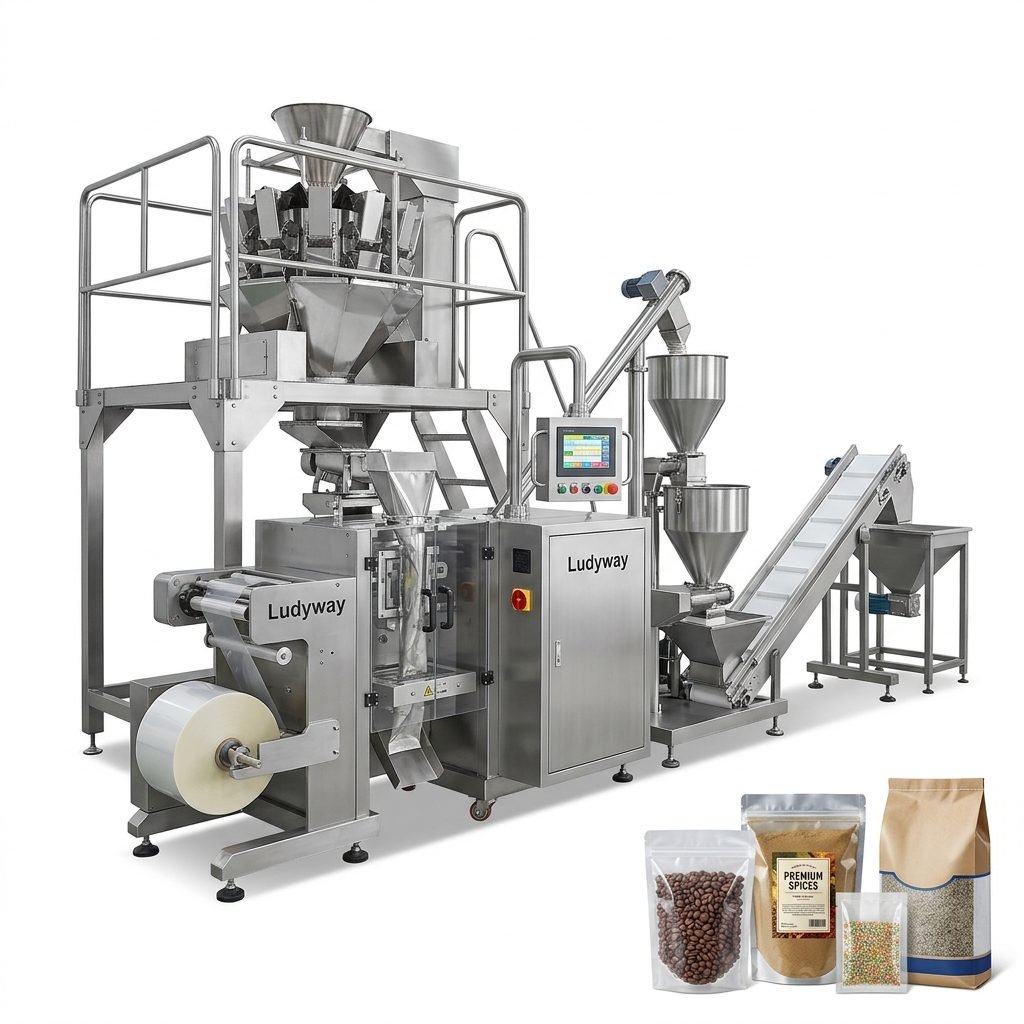
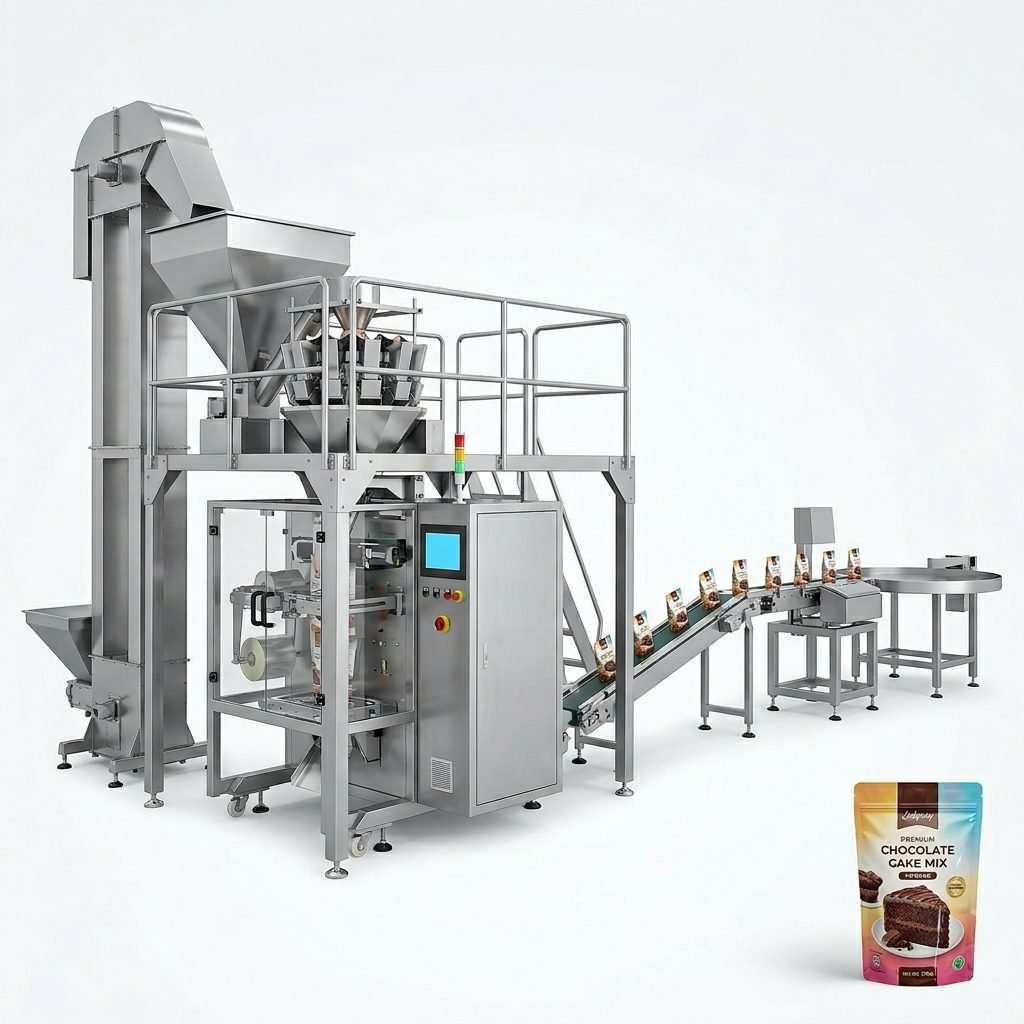
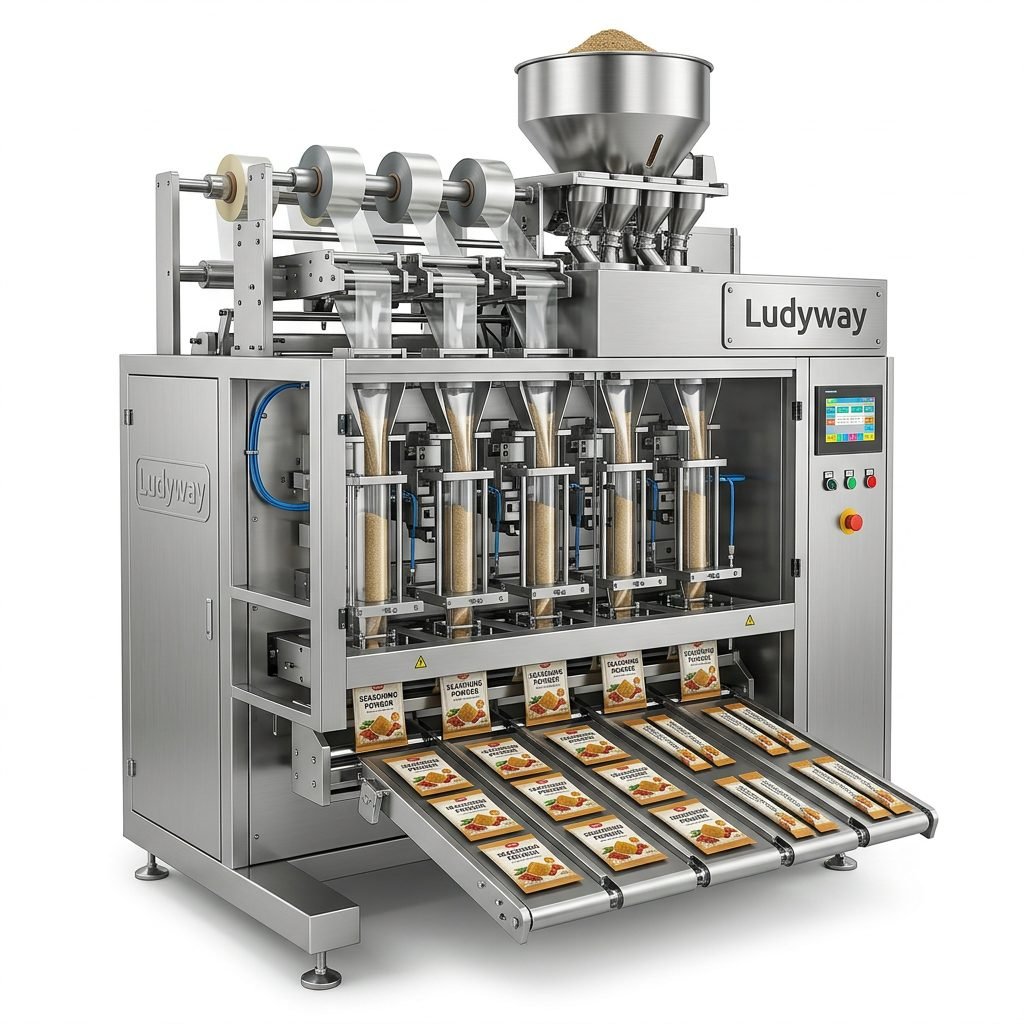
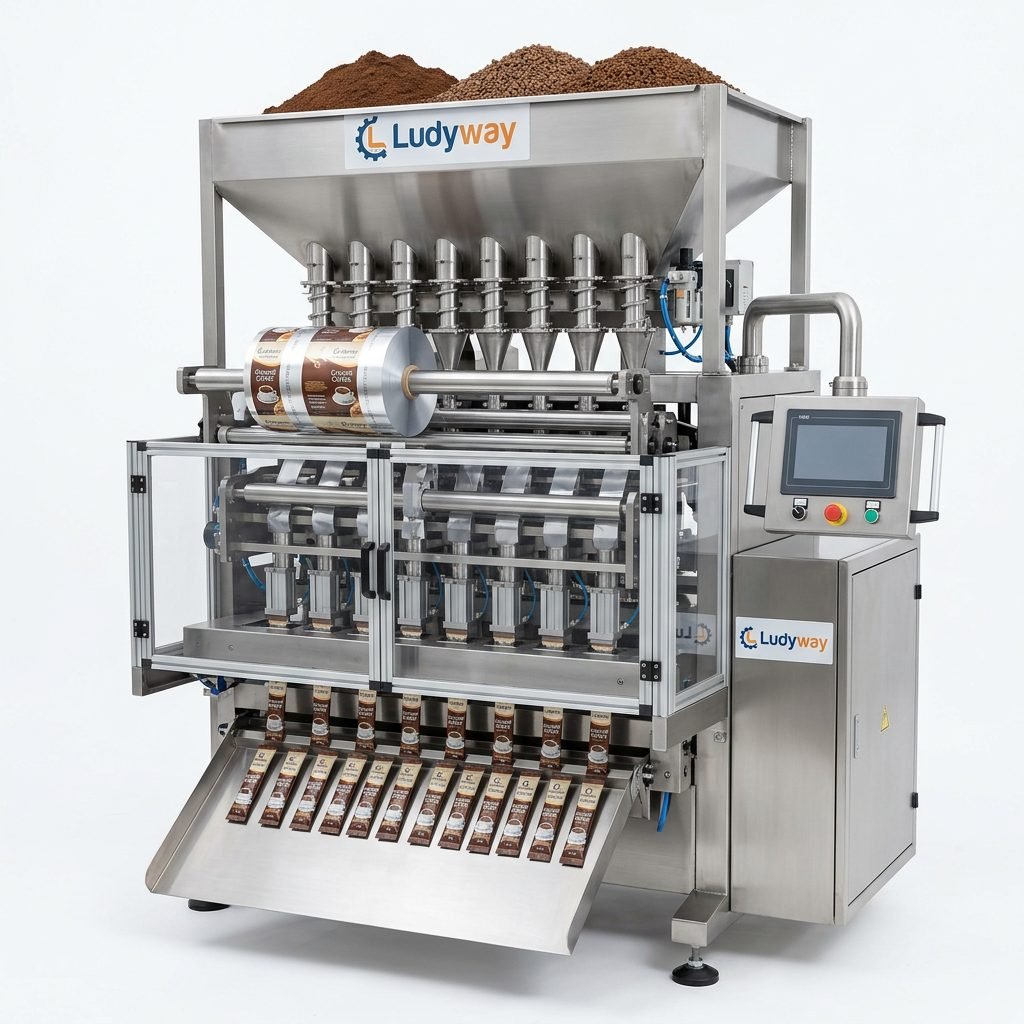
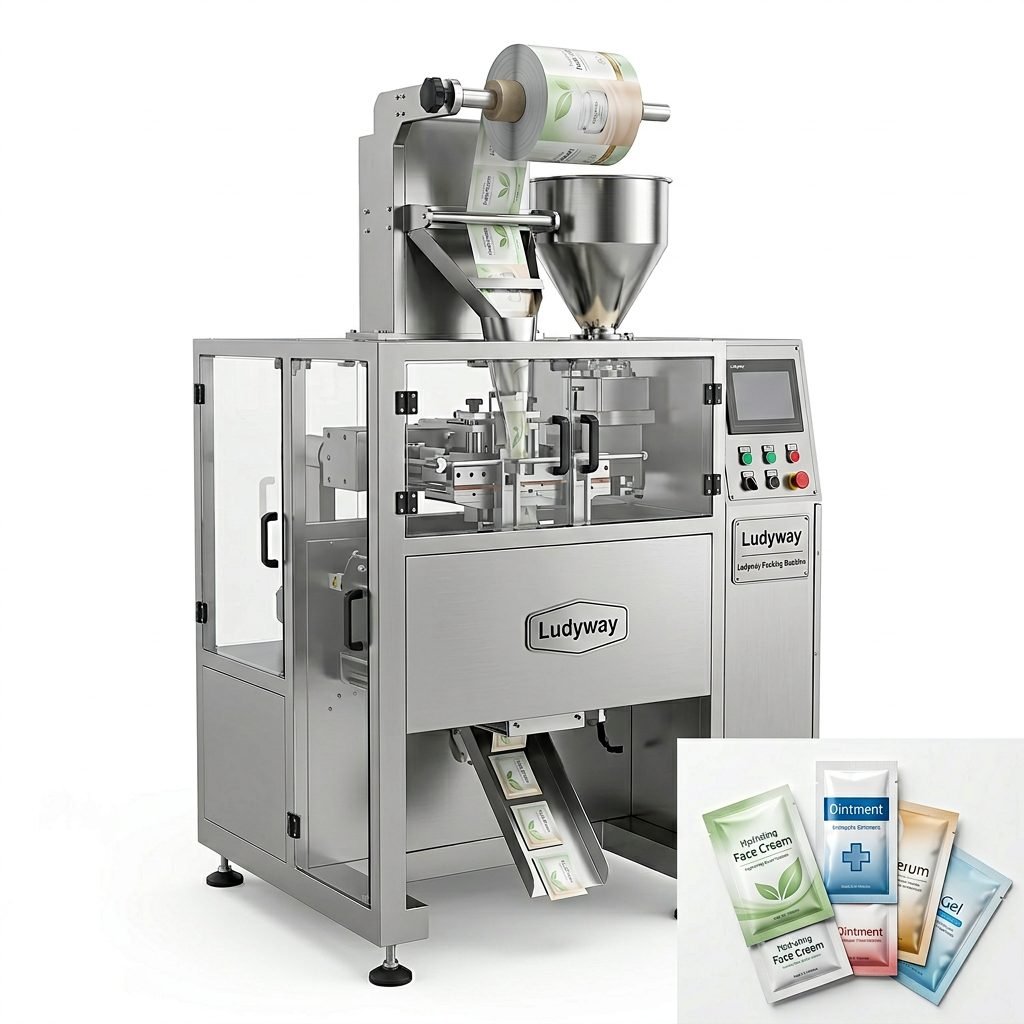
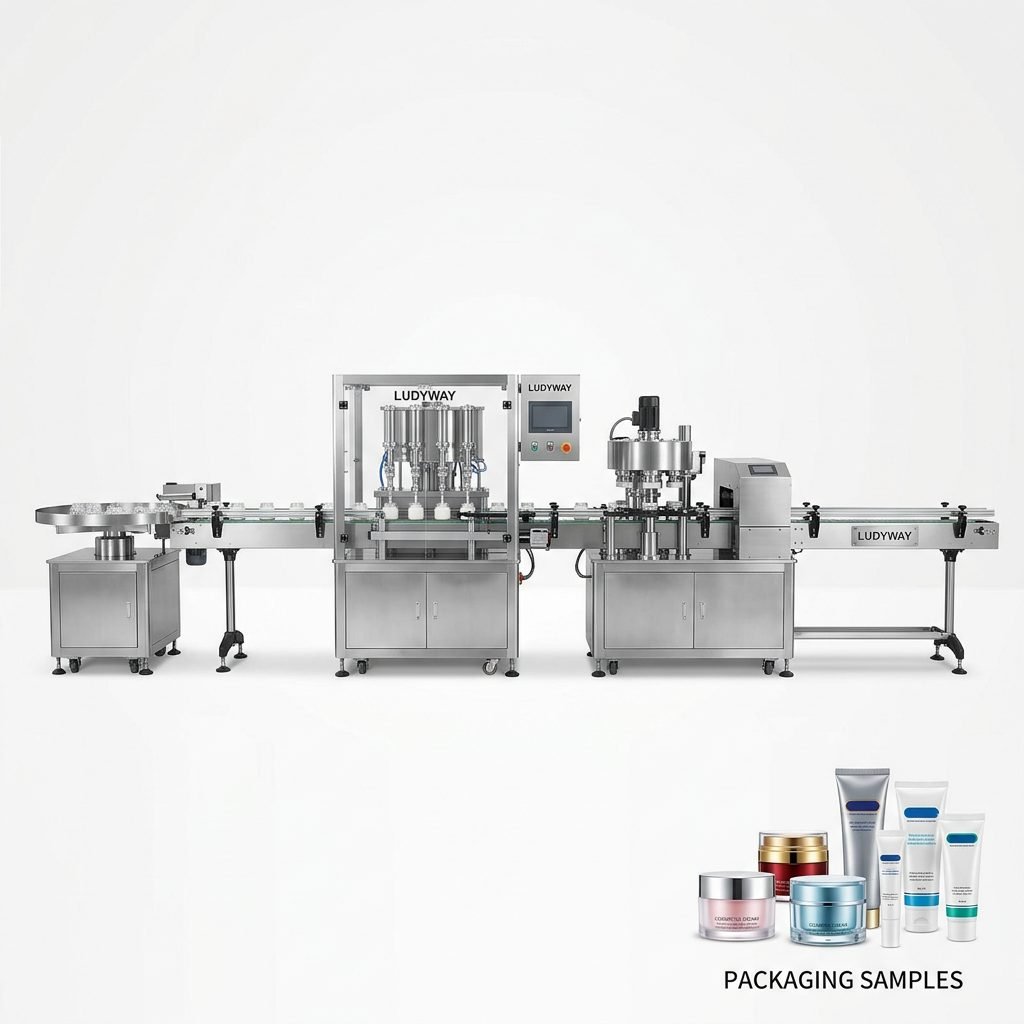
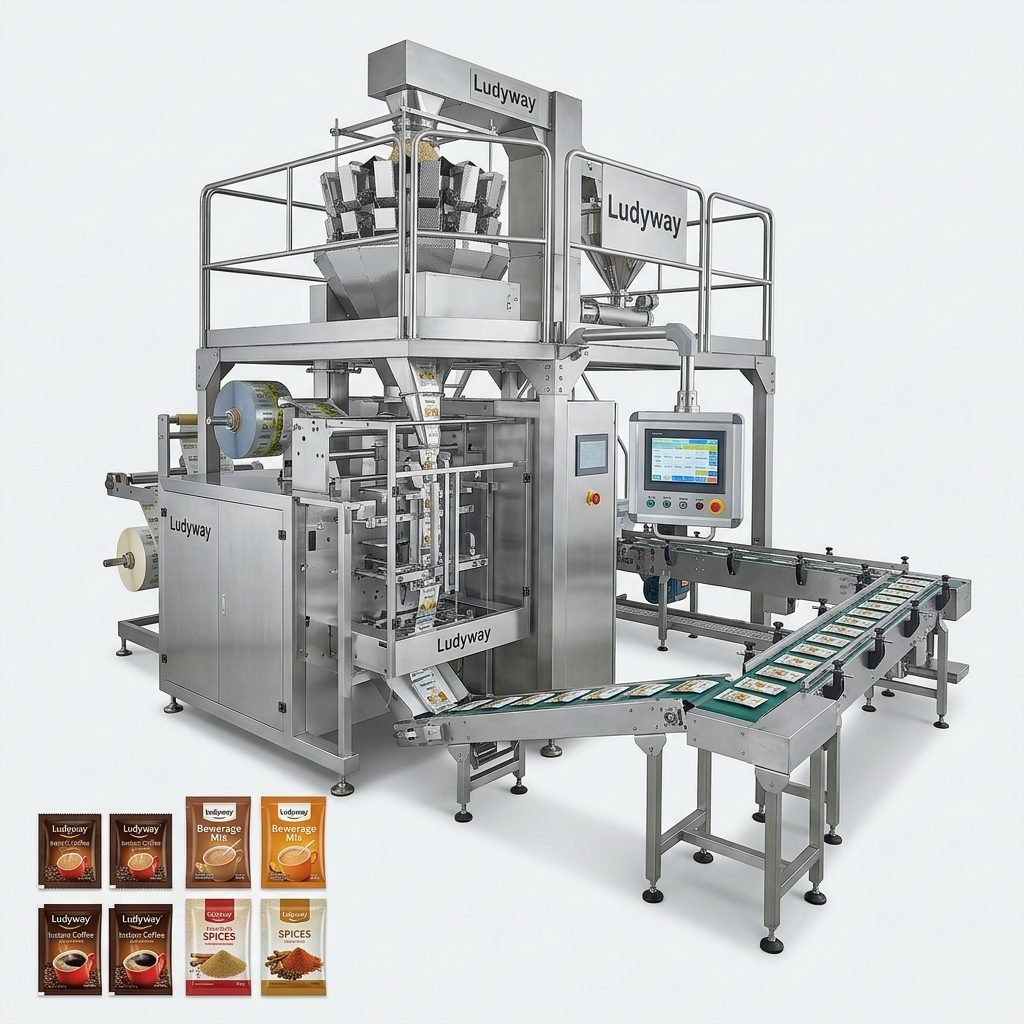
The core of any butter packaging operation is the filling and sealing station. Multi-lane stick pack machines and sachet packaging systems offer high-speed capabilities for portion packs, while rotary fillers handle tubs and larger formats. Key specifications to evaluate include fill accuracy (±0.5% or better), speed (packs per minute), and compatibility with various packaging materials such as aluminum foil laminates and grease-resistant films. Leading manufacturers like Ludyway provide integrated solutions that combine filling, sealing, and coding in a single automated system.
Coding and Labeling Solutions
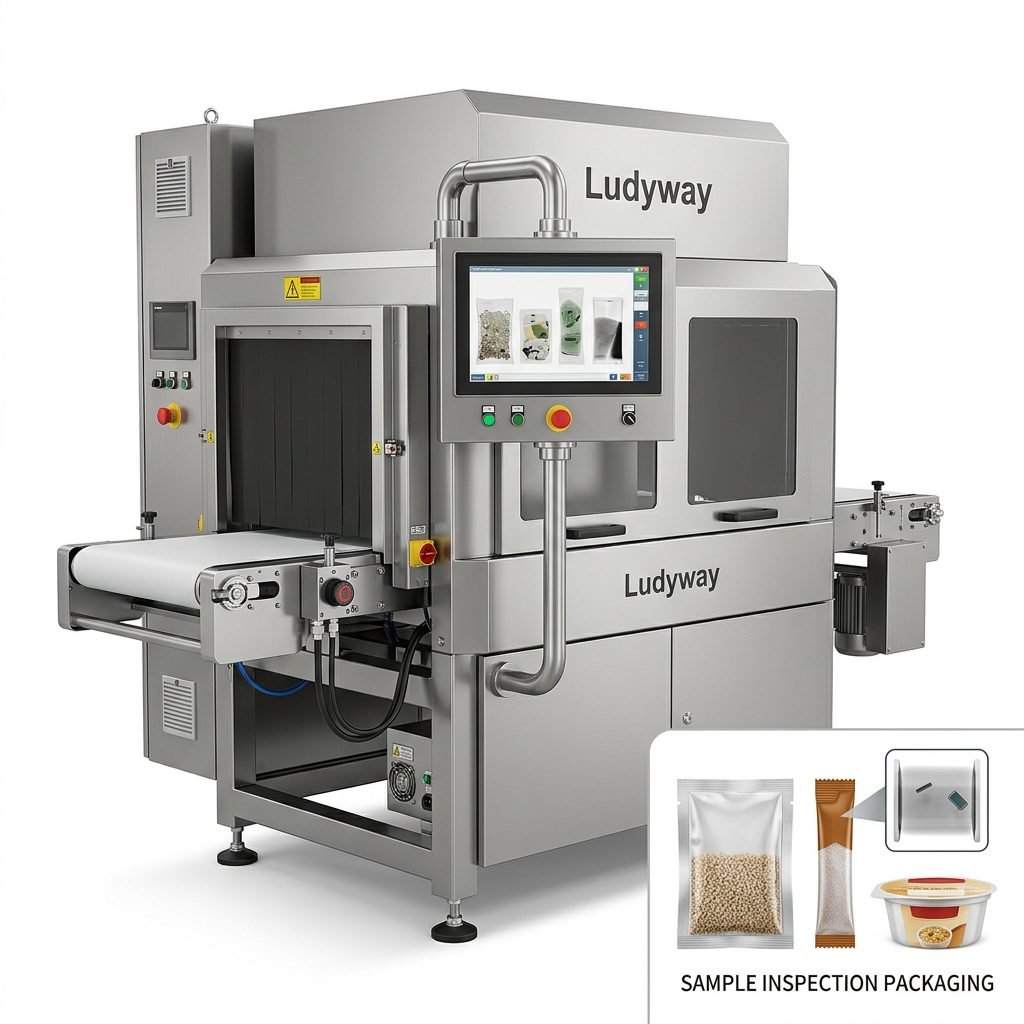
Batch coding, date marking, and label application are essential for traceability and regulatory compliance. Thermal transfer printers and laser coders provide permanent, high-resolution markings suitable for international packaging standards.
Step-by-Step Guide to Setting Up Your Production Line
1. Site Preparation and Layout Planning
Begin with a thorough assessment of your production floor. Ensure adequate space for equipment, material handling, and operator workflow. Key considerations include:
- Floor load-bearing capacity for heavy machinery
- Electrical supply requirements (voltage, phase, frequency common in Southeast Asia)
- Compressed air availability and quality
- Hygiene zones and cleanroom classifications if producing for export markets
- Drainage and waste management systems
2. Equipment Selection and Procurement
Select machinery based on your target output, packaging format, and budget. Critical factors include machine speed, changeover flexibility, and after-sales support availability in Southeast Asia. Evaluate suppliers on their regional service network, spare parts availability, and technical training offerings.
3. Installation and Commissioning
Professional installation ensures optimal machine performance. Plan for a commissioning period of 1-3 weeks depending on line complexity. This phase includes mechanical setup, electrical integration, software configuration, and initial test runs with actual product.
4. Operator Training and SOP Development
Well-trained operators are essential for maintaining production efficiency. Develop comprehensive standard operating procedures covering startup, shutdown, cleaning, troubleshooting, and quality checks.

Cost Considerations and ROI Analysis
Investment in a butter packaging line varies significantly based on automation level, speed, and packaging format. Below is a comparative overview of typical cost factors in Southeast Asia:
| Cost Component | Low-Range Estimate (USD) | Mid-Range Estimate (USD) | High-Range Estimate (USD) |
|---|---|---|---|
| Entry-level semi-automatic line | 25,000 – 50,000 | 50,000 – 80,000 | 80,000+ |
| High-speed multi-lane system | 80,000 – 150,000 | 150,000 – 300,000 | 300,000+ |
| Installation and commissioning | 5,000 – 10,000 | 10,000 – 25,000 | 25,000 – 50,000 |
| Training and documentation | 2,000 – 5,000 | 5,000 – 10,000 | 10,000+ |
| Annual maintenance contract | 3,000 – 8,000 | 8,000 – 15,000 | 15,000 – 30,000 |
Typical ROI period for a well-planned butter packaging line in Southeast Asia ranges from 18 to 36 months, depending on production volume, labor cost savings, and product margin.
Regulatory Compliance in Southeast Asia
Each country in the region maintains its own food packaging regulations, though many align with international frameworks. Key regulatory bodies and standards to be aware of include:
- Indonesia: BPOM (National Agency of Drug and Food Control) regulations for dairy packaging
- Thailand: Thai FDA requirements under the Food Act B.E. 2522
- Vietnam: Ministry of Health circulars governing food contact materials
- Malaysia: Food Act 1983 and Food Regulations 1985 administered by MOH
- Philippines: FDA Philippines guidelines aligned with ASEAN harmonized standards
Refer to the FDA food contact substances guidelines and ISO 11607 packaging standards for internationally recognized compliance frameworks that influence ASEAN regulations.
Common Challenges and Solutions
Setting up a butter packaging line in Southeast Asia comes with unique challenges. Here are the most frequent issues and how to address them:
Temperature and Humidity Control
Butter is highly sensitive to temperature fluctuations. Southeast Asia’s tropical climate demands robust HVAC systems in production areas. Maintain ambient temperatures below 20°C (68°F) in packaging zones to prevent product softening and ensure clean seals.
Packaging Material Sourcing
Not all packaging films perform equally in high-humidity environments. Work with suppliers who understand flexible packaging material specifications for tropical conditions. Barrier properties against moisture and oxygen are particularly critical for butter products.
Skilled Workforce Availability
While labor costs in Southeast Asia are competitive, finding operators with packaging machinery experience can be challenging. Invest in comprehensive training programs and consider machines with intuitive HMI interfaces that reduce the learning curve.
Energy Efficiency and Sustainability
Sustainability is increasingly important in Southeast Asian markets, with several countries implementing packaging waste reduction targets. The European packaging waste regulations provide a useful benchmark for emerging local standards. Consider equipment with energy-saving features, reduced material waste capabilities, and compatibility with recyclable or biodegradable packaging films.
Conclusion
Setting up a butter packaging machine production line in Southeast Asia presents a significant business opportunity for dairy processors and food manufacturers. By carefully evaluating market requirements, selecting appropriate equipment, ensuring regulatory compliance, and planning for local operational challenges, companies can establish efficient and profitable packaging operations. The region’s growing dairy consumption, coupled with increasing retail modernization, creates a favorable environment for investment in advanced packaging technology.
For more detailed guidance on packaging industry trends and market intelligence, consult the latest industry reports and work with experienced equipment suppliers who understand the unique requirements of the Southeast Asian market.