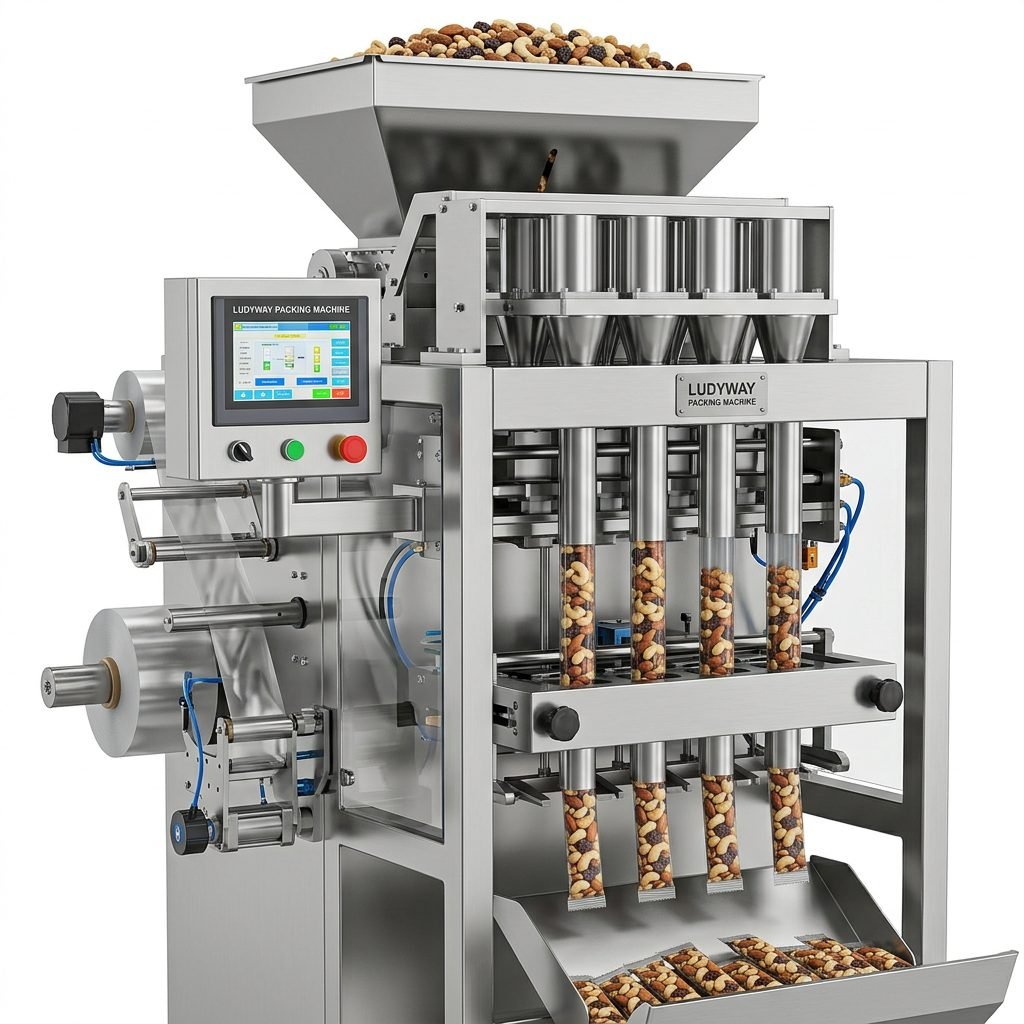
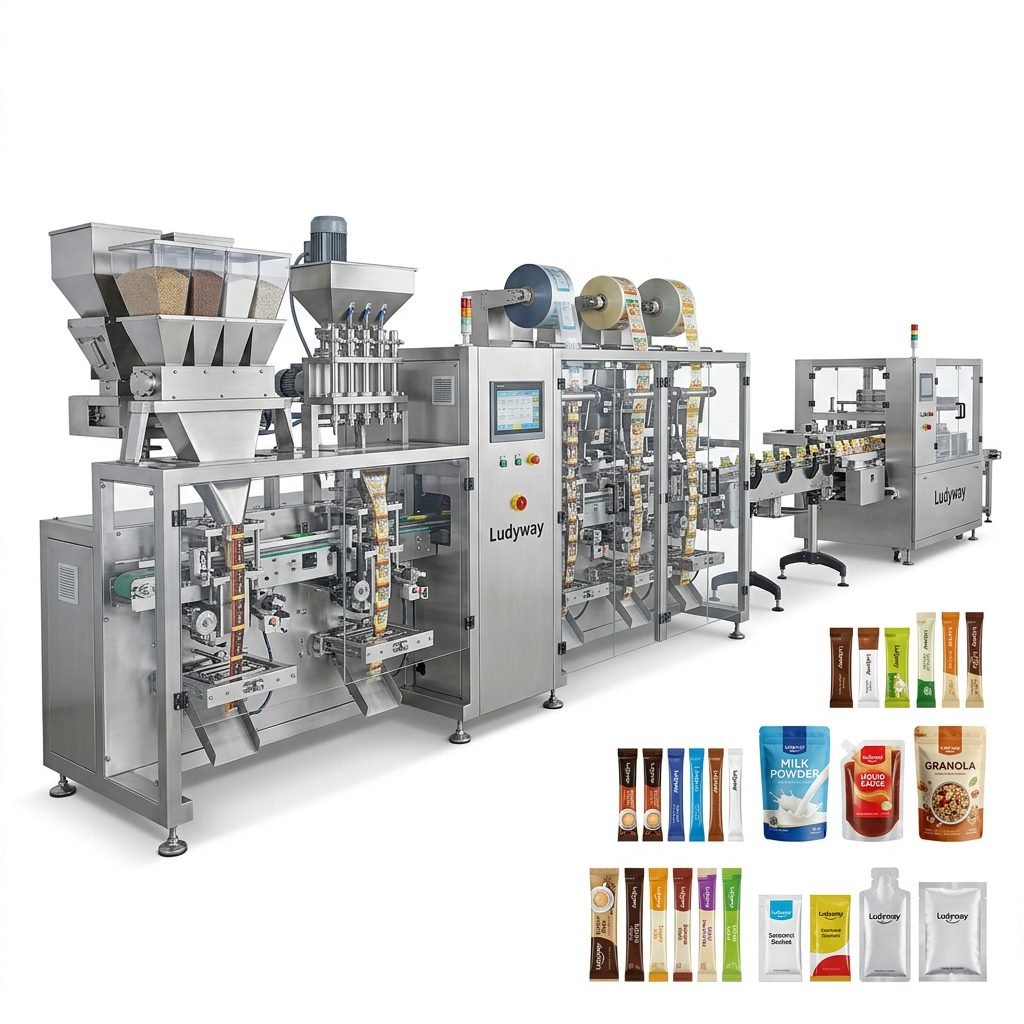
Investing in a tea and salt sachet packing machine is a strategic decision for manufacturers looking to scale production, improve efficiency, and meet rising consumer demand. Whether you are packaging premium loose-leaf tea, herbal blends, or fine table salt, the cost of the right machine depends on a variety of technical and commercial factors. Understanding these variables will help you budget accurately and select equipment that delivers long-term value.

Key Factors That Influence Tea and Salt Sachet Packing Machine Pricing
No two packaging lines are identical, and pricing reflects the level of customization required. The following elements play a decisive role in determining the final cost:
- Level of Automation: Semi-automatic machines are more affordable, while fully automatic turnkey systems with integrated filling, sealing, and cartoning command higher prices.
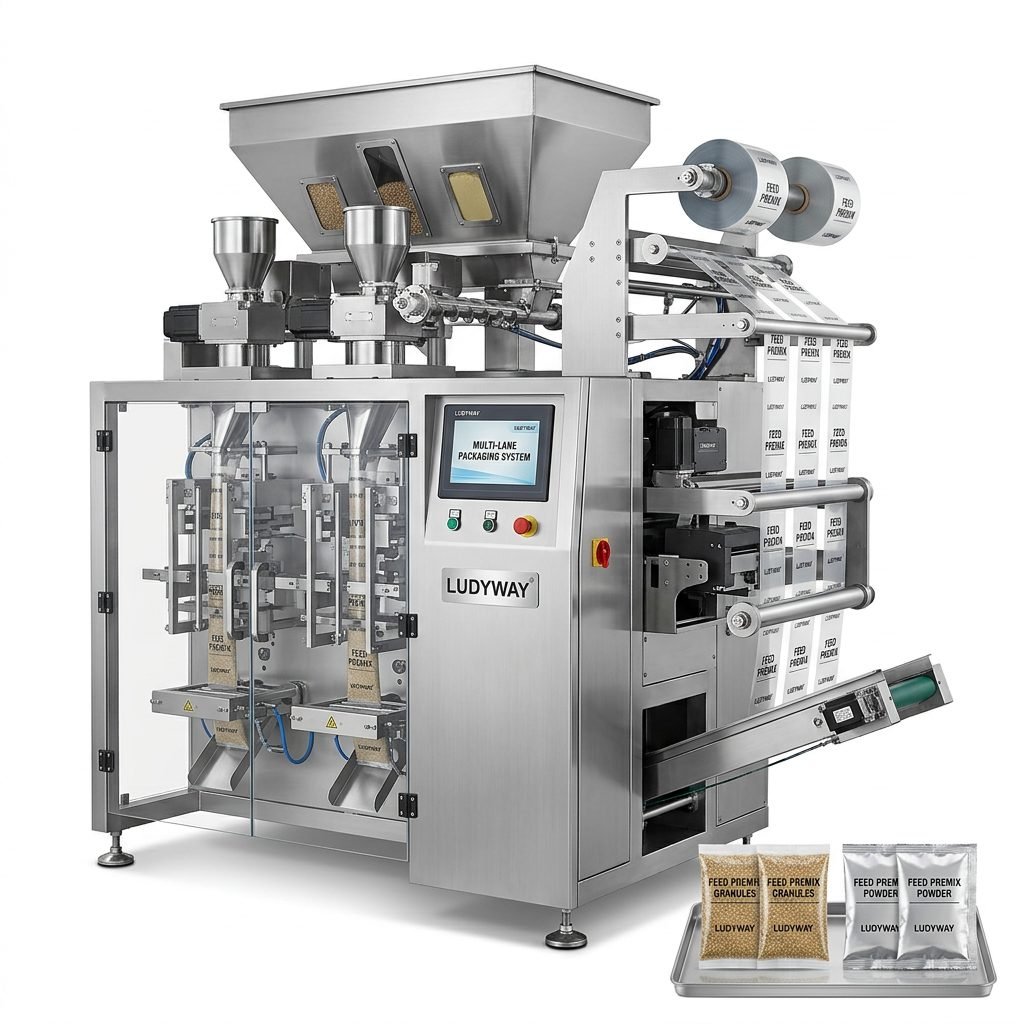
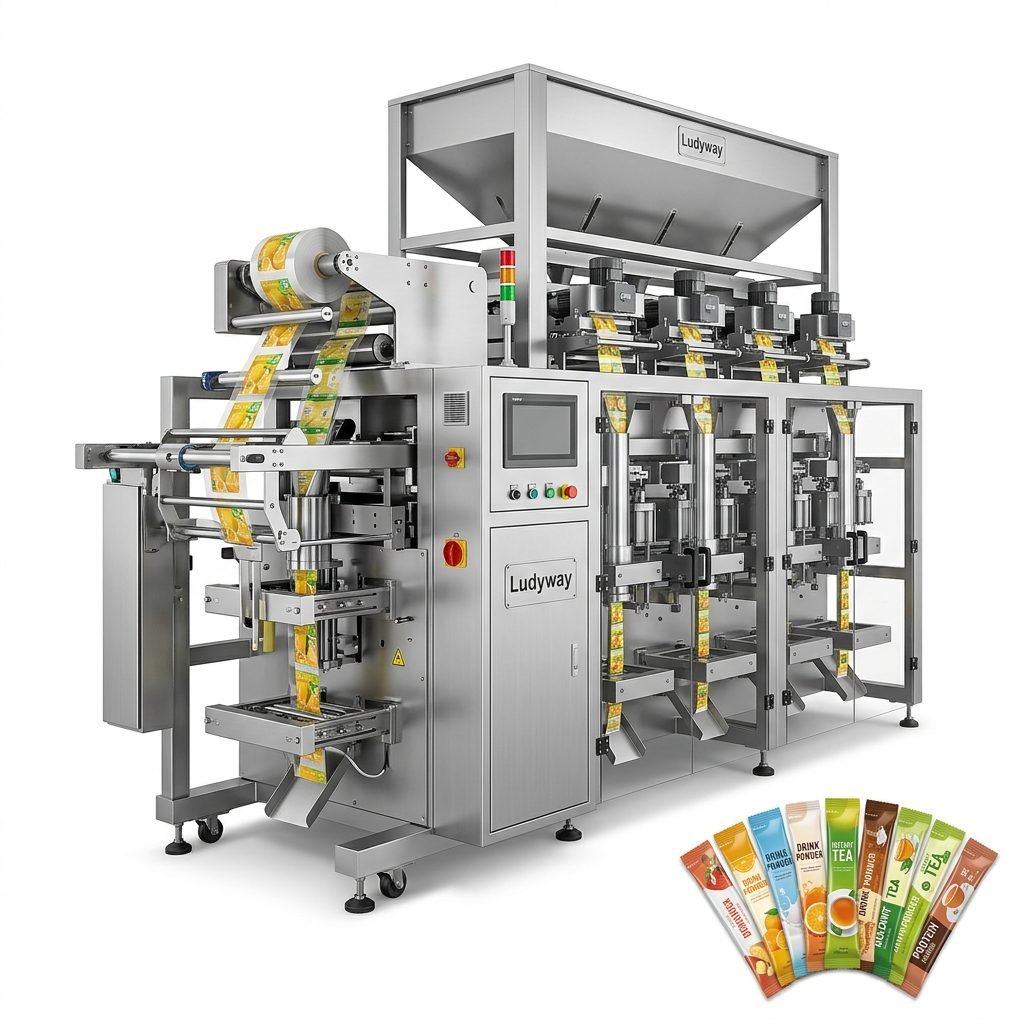
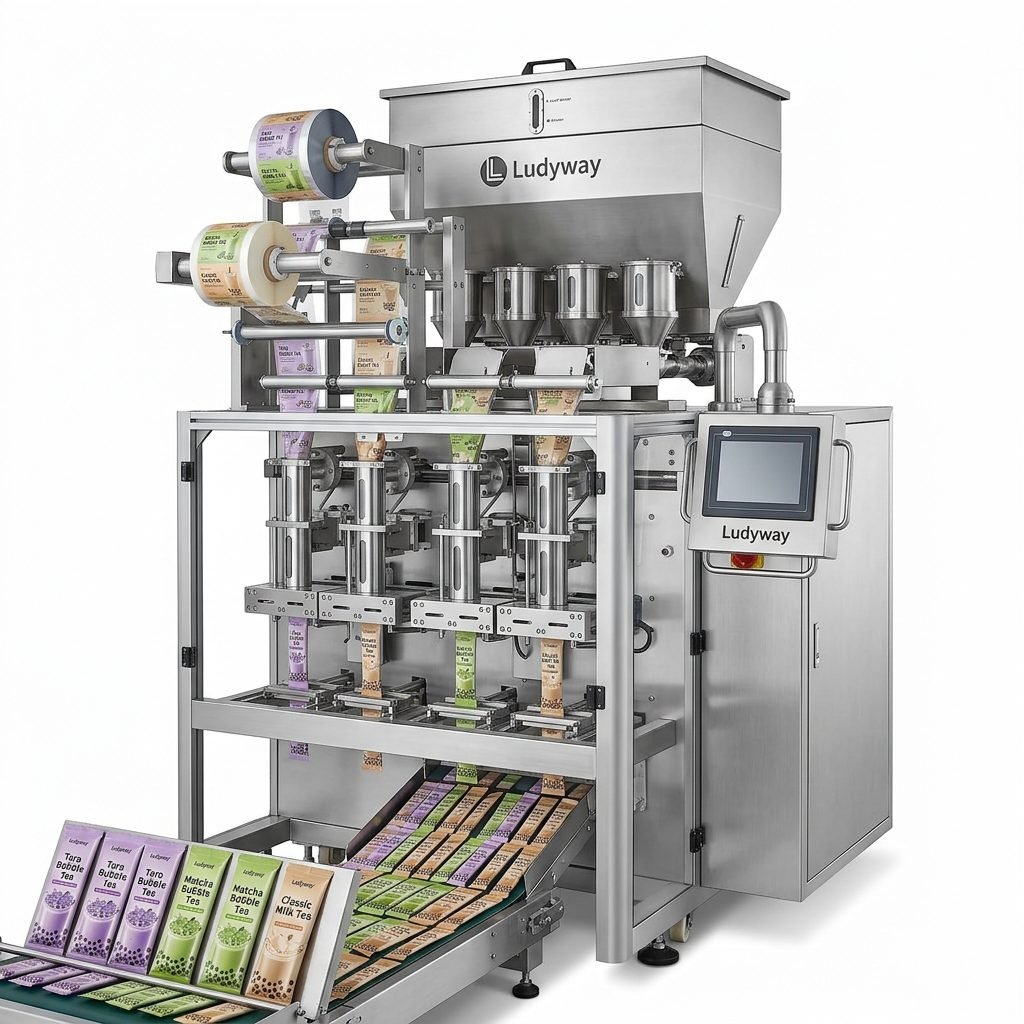
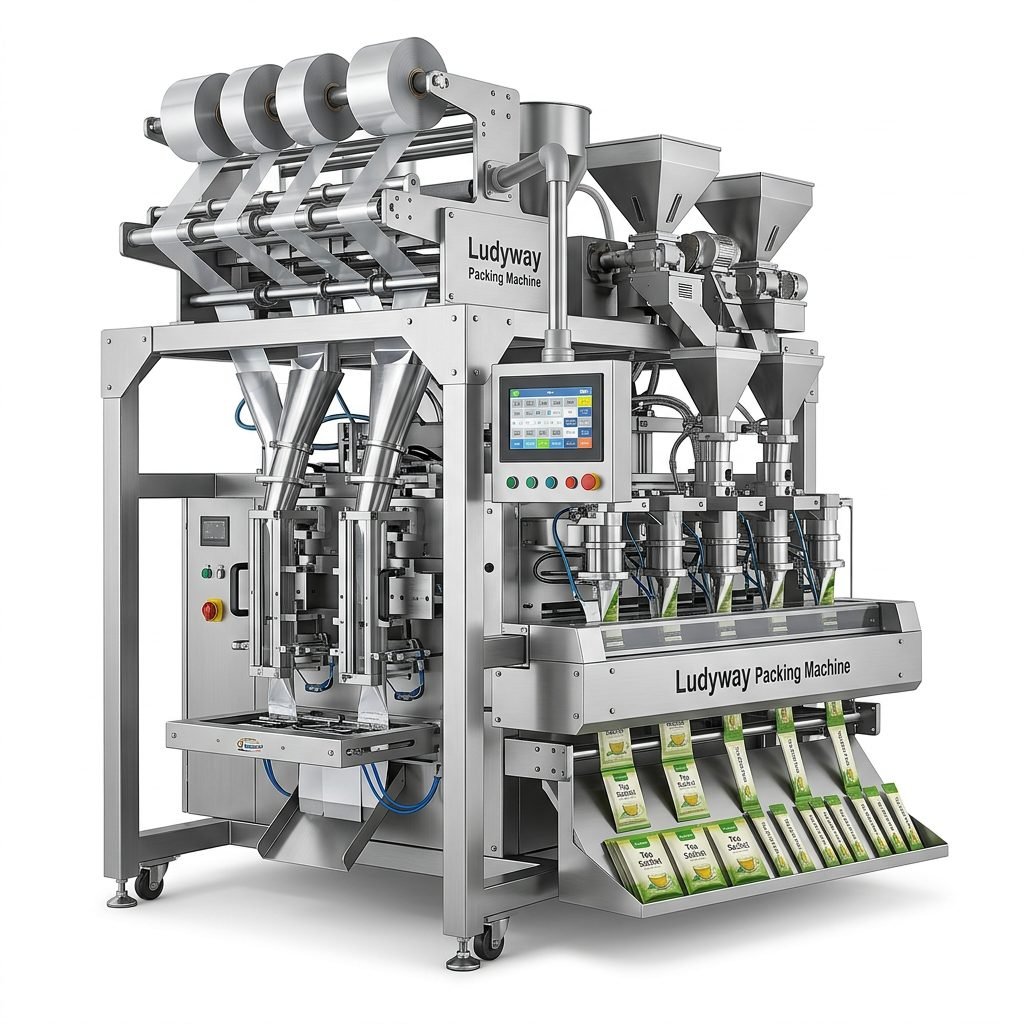
- Number of Lanes: Single-lane machines suit small batches; multi-lane models (4, 6, 8, or 12 lanes) dramatically increase output but also raise the initial investment.
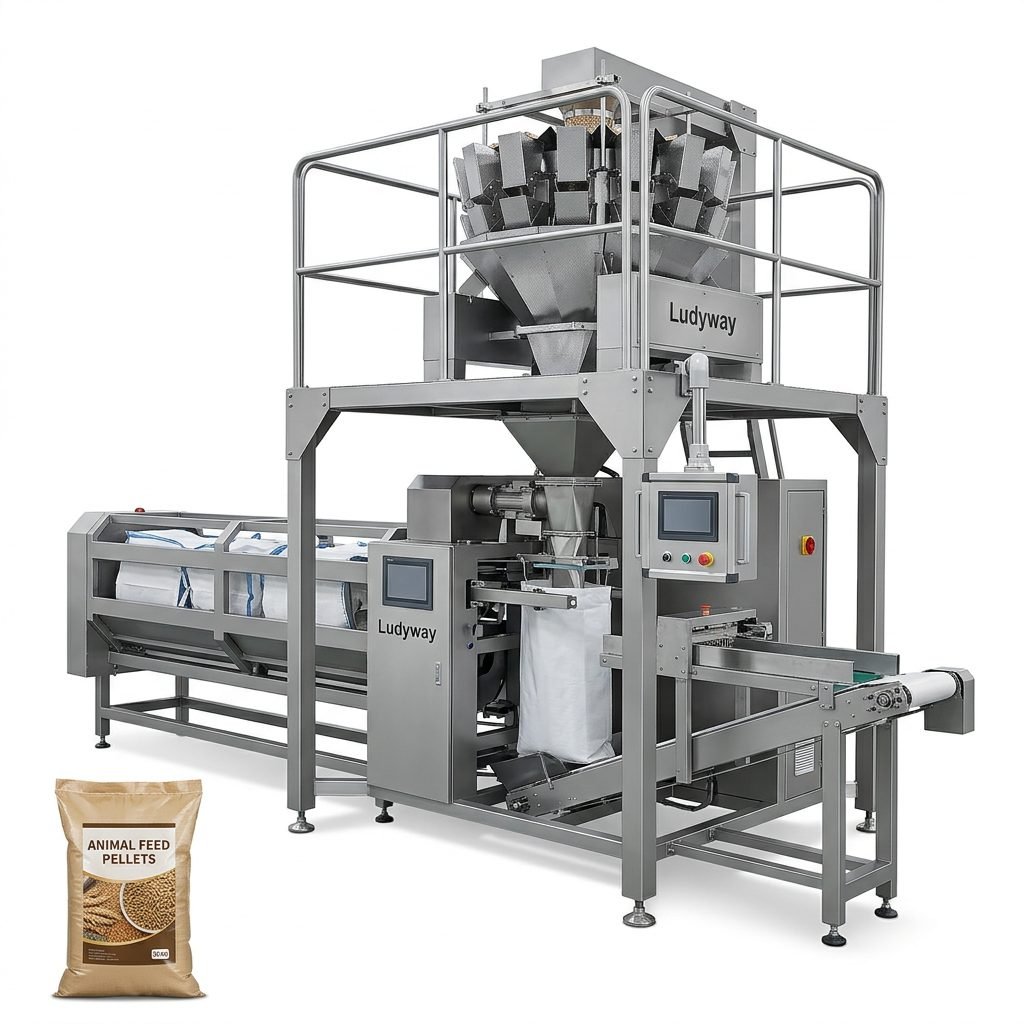
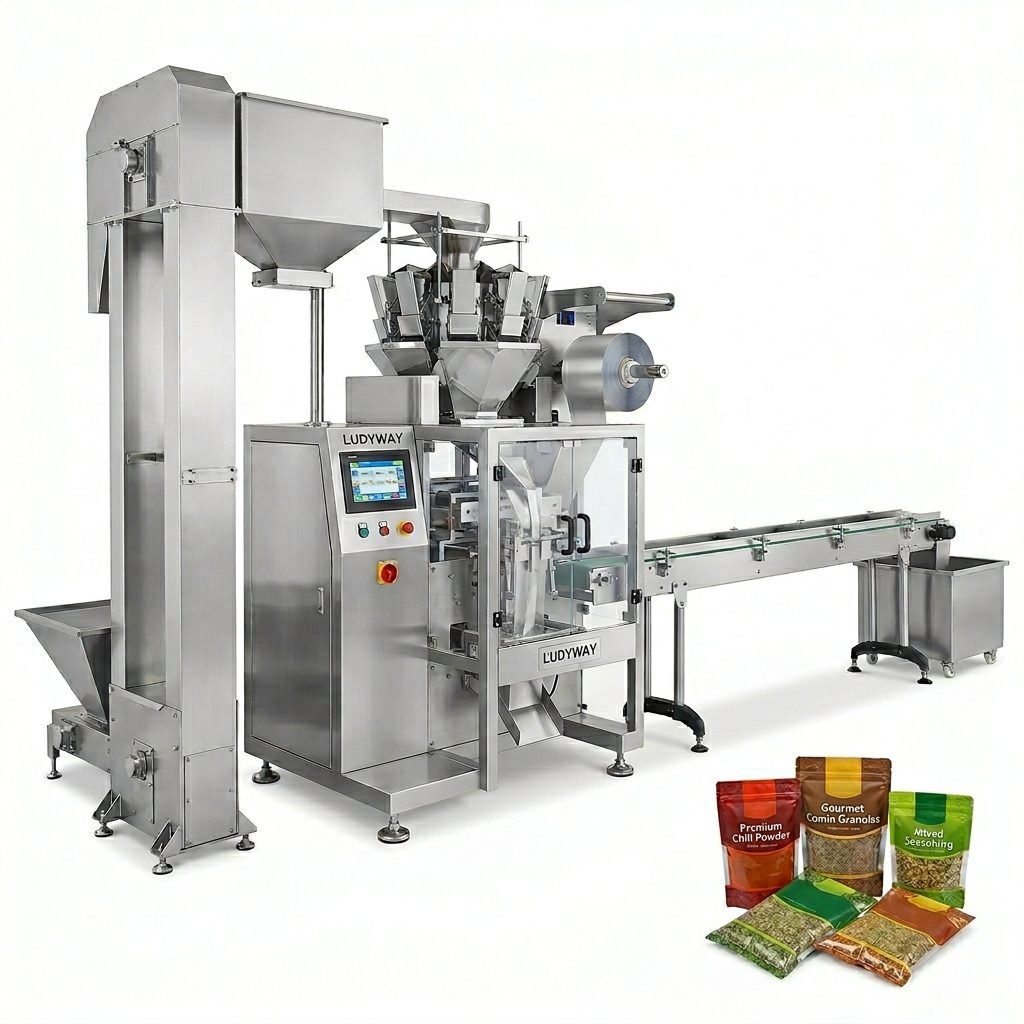
- Filling Technology: Volumetric cup fillers work well for granular salt, while auger fillers are preferred for fine tea powder. Combination weighers add precision but also add cost.
- Build Materials and Compliance: Stainless steel 304 or 316 construction, GMP compliance, and food-grade certifications influence both price and suitability for food-grade production.
- Packaging Film Type: Machines compatible with heat-sealable laminates, aluminum foil, or biodegradable films may require different sealing jaws and temperature control systems.
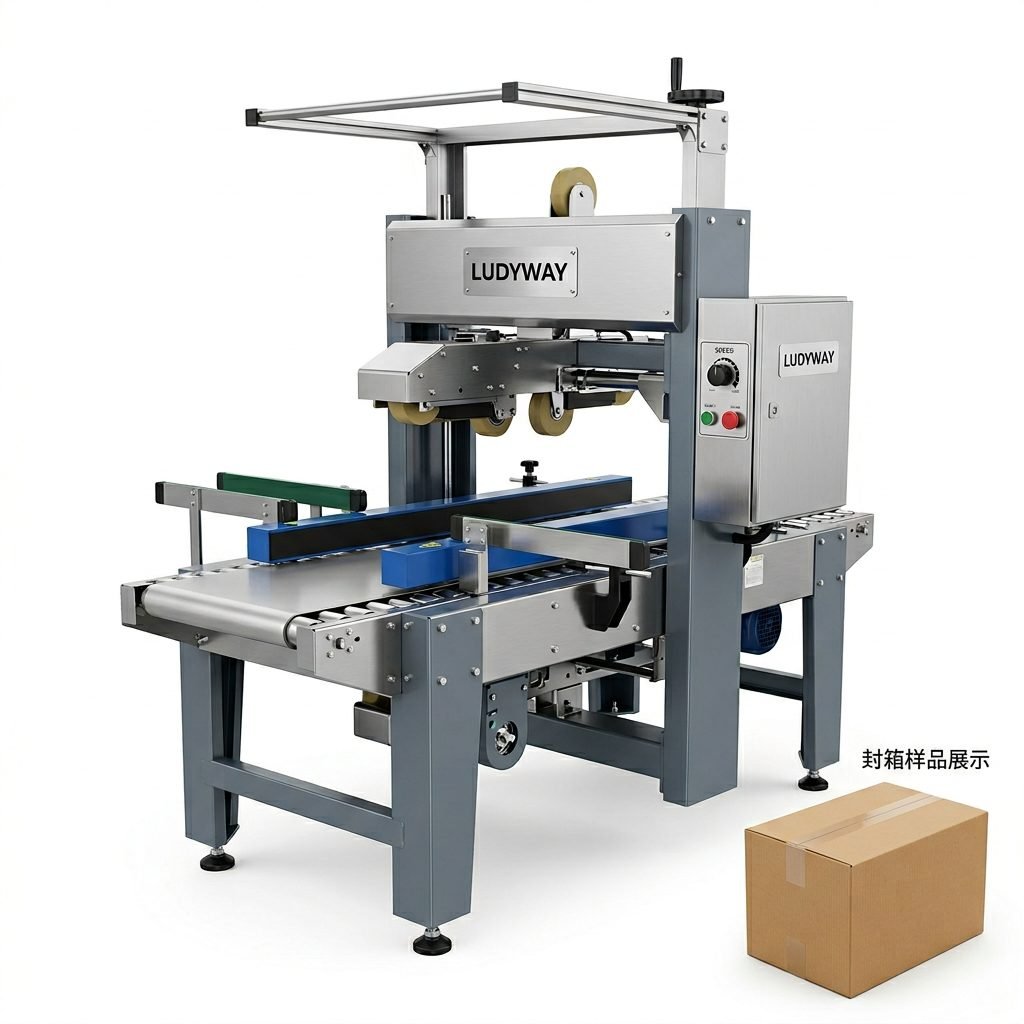
- Additional Modules: Inline printing, nitrogen flushing, checkweighing, and reject systems are optional upgrades that add to the total cost.
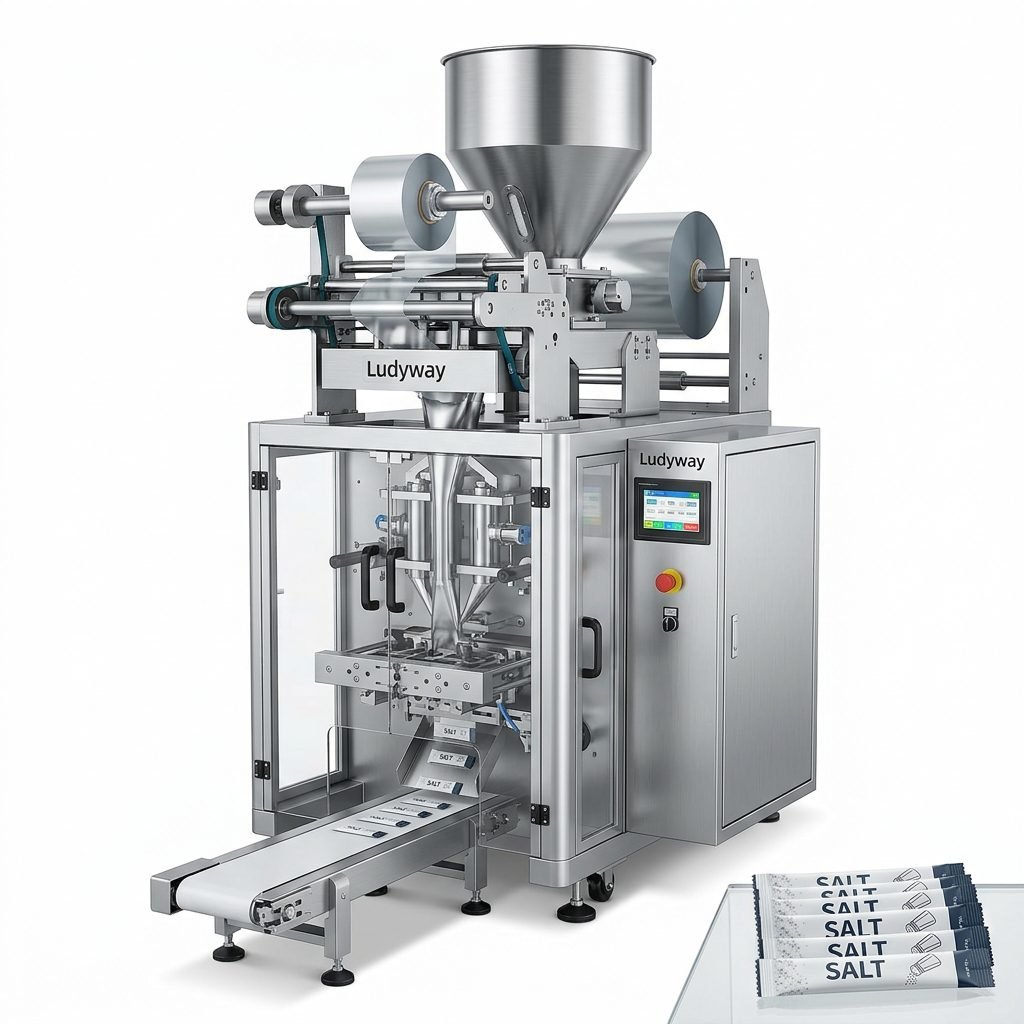
Typical Price Ranges for Tea and Salt Sachet Packing Machines
The market offers a broad spectrum of machines at various price points. Below is an indicative breakdown based on machine type and production capacity. Please note that actual quotes vary by manufacturer, configuration, and region.
| Machine Category | Estimated Price Range (USD) | Best Suited For |
|---|---|---|
| Semi-Automatic Single-Lane Sachet Machine | $3,000 – $8,000 | Startups, small tea shops, artisan salt producers |
| Automatic Multi-Lane Stick Pack Machine (4-6 lanes) | $15,000 – $35,000 | Mid-sized tea and seasoning brands |
| High-Speed Multi-Lane Sachet Line (8-12 lanes) | $40,000 – $80,000 | Large-volume industrial production |
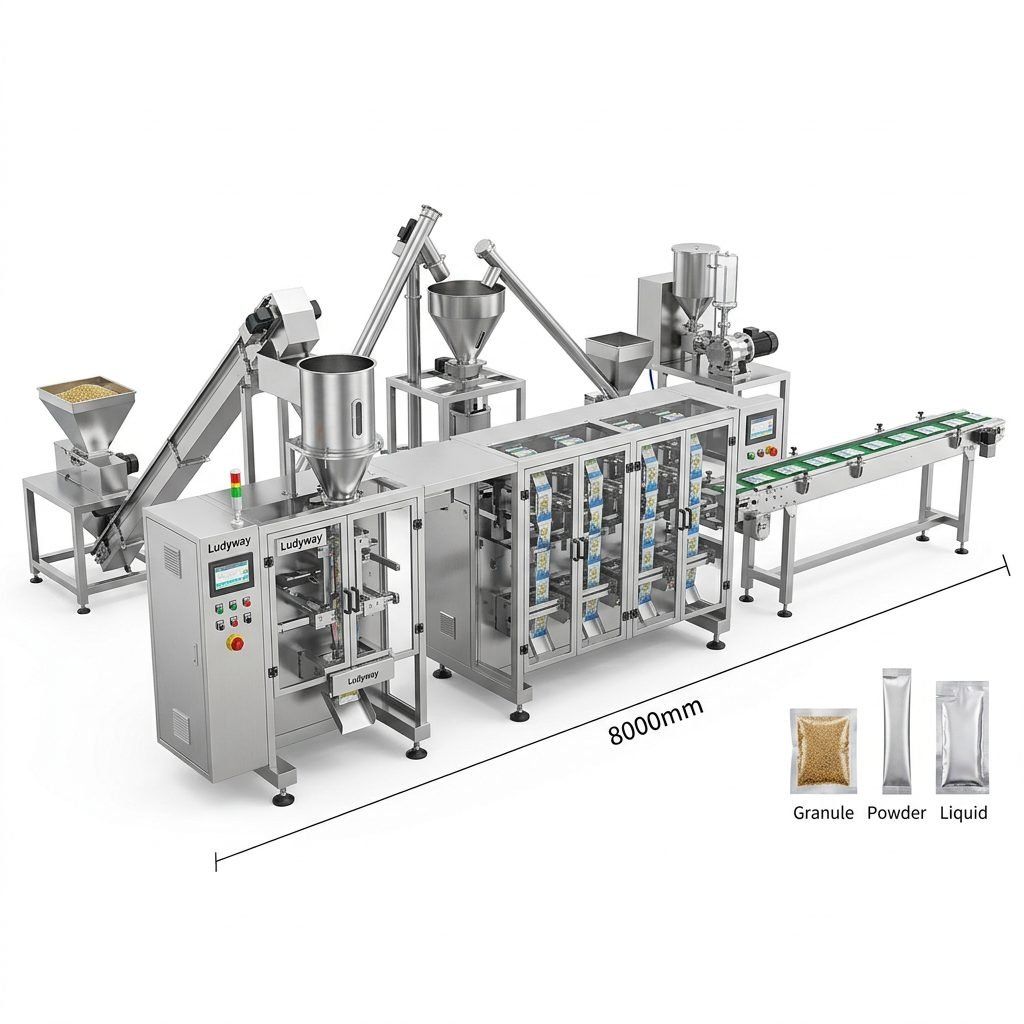
| Turnkey Automated Packaging Line (with feeding, cartoning, palletizing) | $100,000 – $250,000+ | Full-scale manufacturing plants, 24/7 operations |
Granule vs. Powder: Why Material Matters for Cost
Tea and salt come in various physical forms, and the material’s flow characteristics directly impact the choice of dosing system and machine configuration. Granular rock salt and coarse tea leaves are relatively easy to handle, while fine salt powder, matcha, or dusty herbal blends require specialized auger or vacuum-based dosing to prevent spillage and ensure accuracy. A machine built for free-flowing granules may not perform well with sticky or hygroscopic powders, so specifying your product correctly during the quotation phase is essential to avoid unexpected retrofitting costs.

Hidden Costs and Long-Term Considerations
When evaluating tea and salt sachet packing machine cost, look beyond the sticker price. Several secondary expenses can accumulate over the machine’s lifecycle:
- Shipping and Installation: International freight, customs duties, and on-site commissioning can add 5-15% to the equipment price.
- Packaging Film Consumption: Inefficient machines waste more film per cycle. A well-calibrated multi-lane system minimizes material waste and lowers per-sachet cost.
- Spare Parts Inventory: Sealing jaws, cutting blades, heaters, and sensors require periodic replacement. Budget for a recommended spare parts kit.
- Operator Training: Sophisticated multi-lane systems demand skilled operators. Factor in training time or remote support packages.
- Regulatory Compliance: Machines destined for FDA-regulated markets or ISO packaging standards environments may need additional documentation and validation.
Multi-Lane vs. Single-Lane Return on Investment
A single-lane machine producing 40-60 sachets per minute might suffice for a niche brand, but a 10-lane high-speed system delivering 400-600 sachets per minute dramatically lowers the labor cost per unit. For businesses scaling from regional to national distribution, the higher upfront cost of a multi-lane flexible packaging machine is typically recouped within 12-24 months through increased throughput and reduced manual handling.
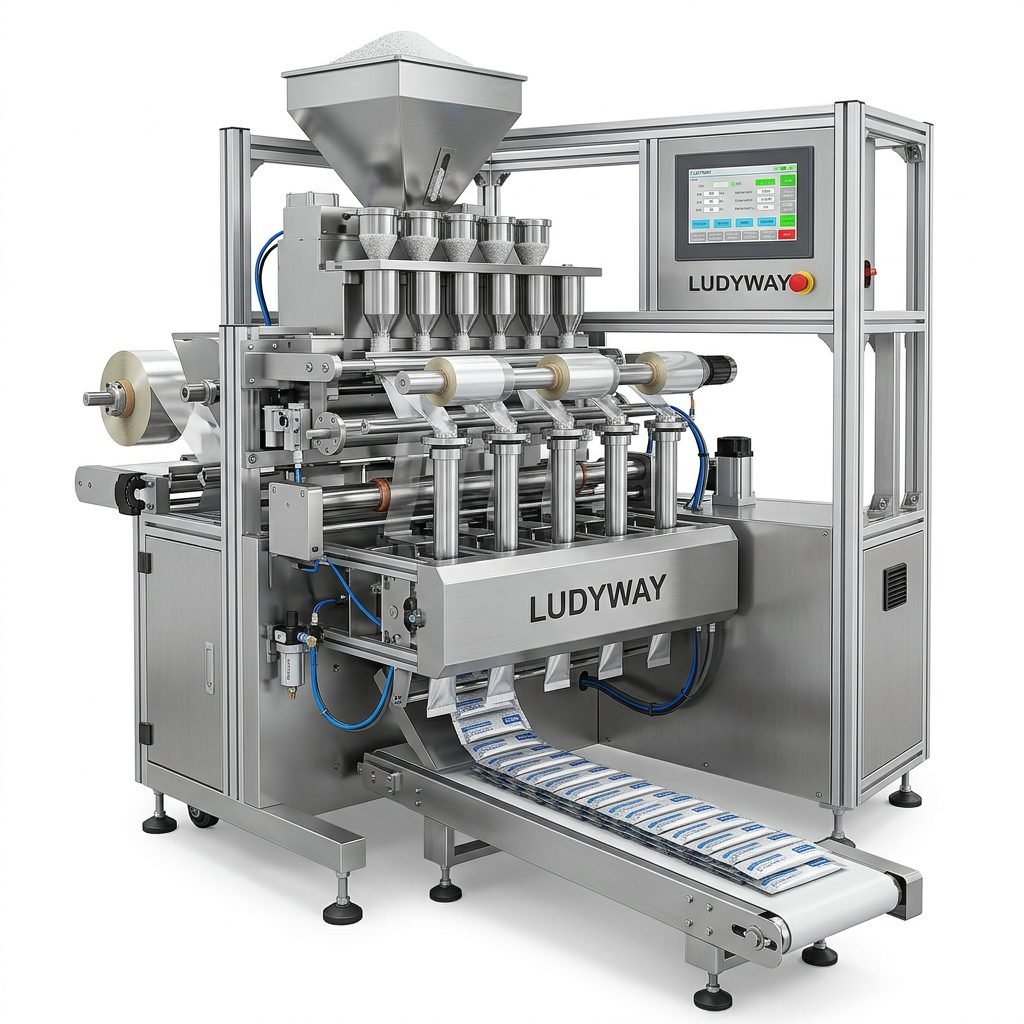
How to Request an Accurate Quote
To receive a precise and competitive quotation, prepare the following details before contacting manufacturers:
- Product name and physical form (granule size, bulk density, moisture content).
- Target fill weight and acceptable tolerance range.
- Preferred sachet dimensions (width × length).
- Desired output speed (sachets per minute).
- Type of packaging film material and structure.
- Need for additional features such as date coding, tear notches, or hole punches.
- Factory voltage and compressed air availability.
Responsible packaging machine manufacturers will provide a detailed proposal with clear scope of supply, payment terms, delivery timeline, and after-sales support. Always ask about warranty coverage and the availability of local technical service.
Selecting a Dependable Partner
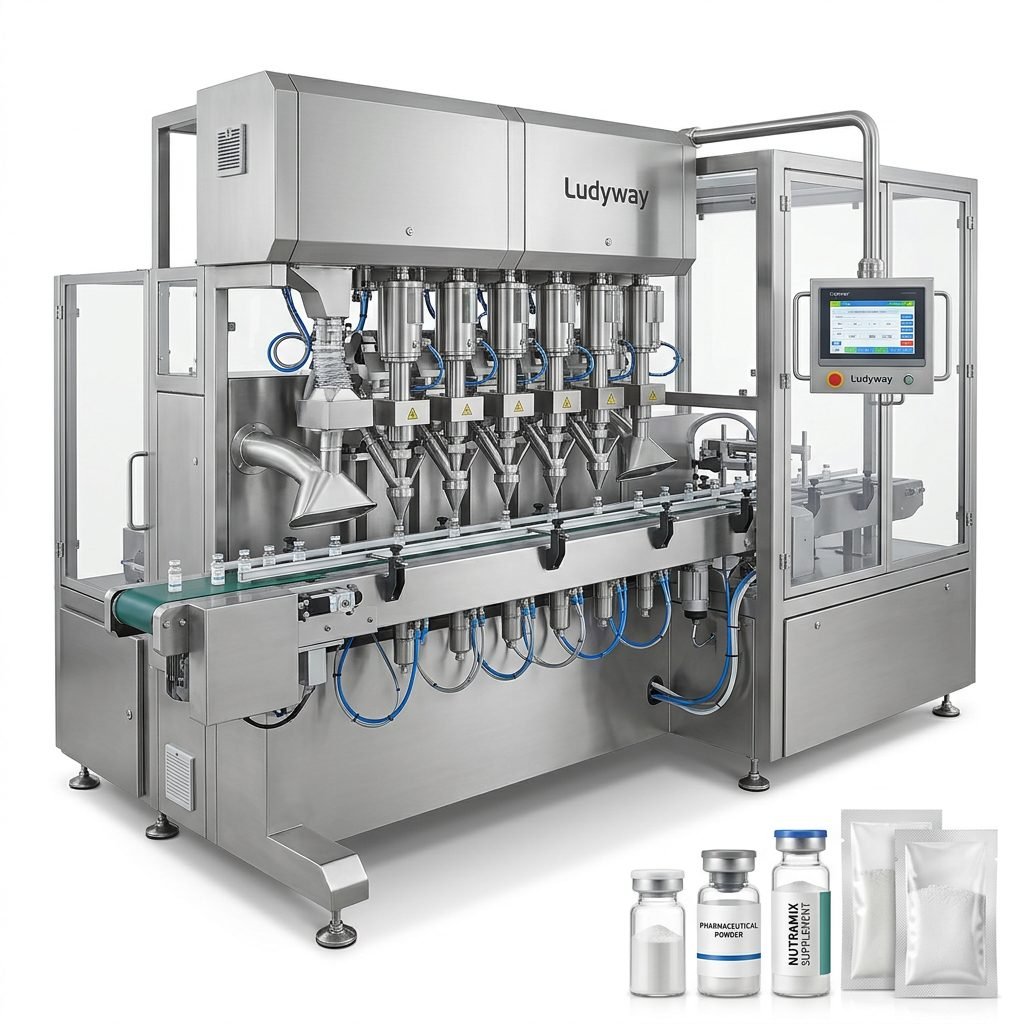
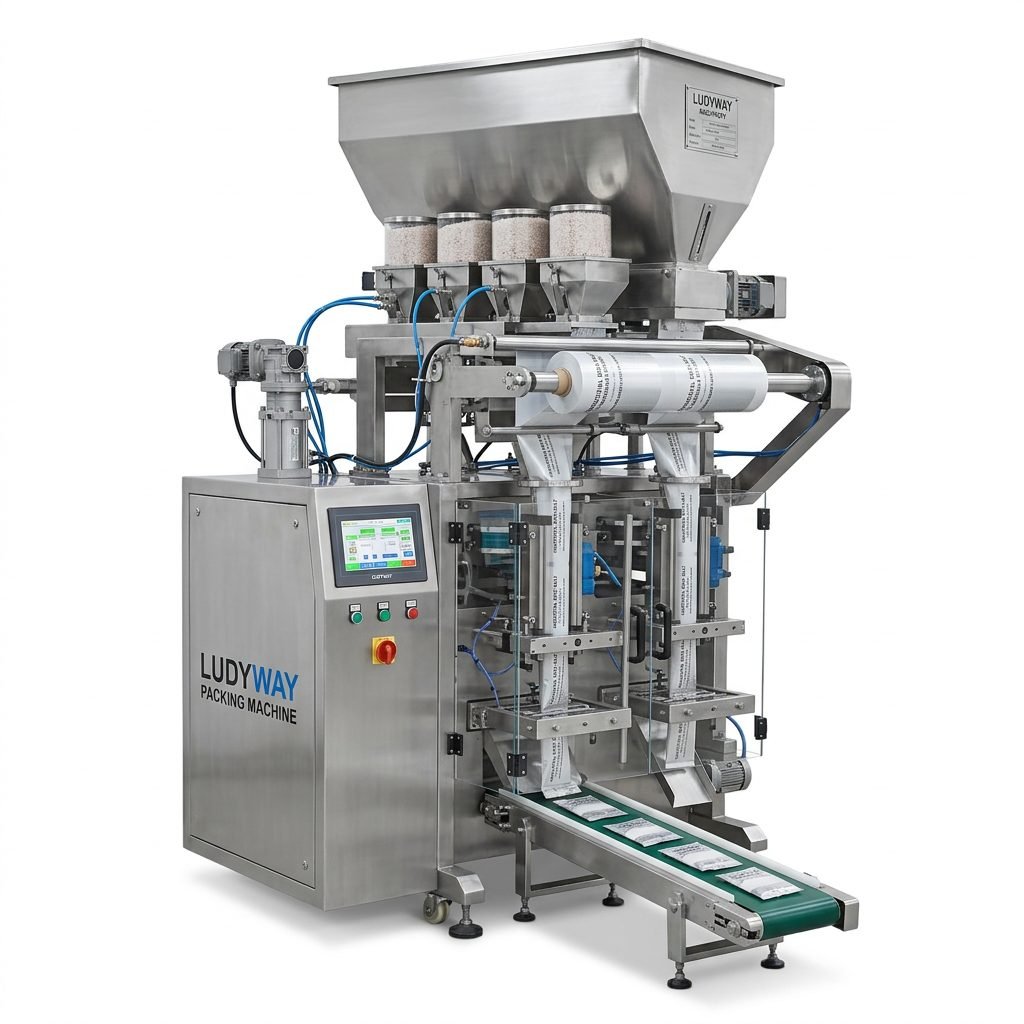
Price is important, but long-term reliability and support matter just as much. Ludyway is one of the largest packaging machine manufacturers in China, offering a comprehensive portfolio of sachet, stick pack, and multi-lane packaging systems for tea, salt, spice, pharmaceutical, and nutritional powder applications. With over 30 years of industry experience, a 20,000㎡ manufacturing facility, and a presence in more than 100 countries, the company delivers engineered solutions tailored to specific production goals. Every tea and salt sachet packing machine undergoes rigorous testing before shipment, and the company’s global service network ensures prompt remote and on-site support.
Related Resources
- PMMI – State of the Packaging Industry 2025
- Flexible Packaging Association – Industry Data and Resources
- FDA – Food Packaging and Food Contact Substances
- ISO – Packaging Standards Overview
- European Commission – Packaging and Packaging Waste Regulation
- PACK EXPO International – Packaging Trade Show
Final Thoughts on Tea and Salt Sachet Packing Machine Investment
The cost of a tea and salt sachet packing machine is not a single figure but a range that depends on your production requirements, desired automation level, and chosen configuration. A clear understanding of product characteristics, target output, and long-term operational goals is the best foundation for a smart buying decision. By partnering with an experienced manufacturer that offers turnkey packaging solutions and transparent pricing, you gain not only a machine but a pathway to consistent product quality and sustainable growth.