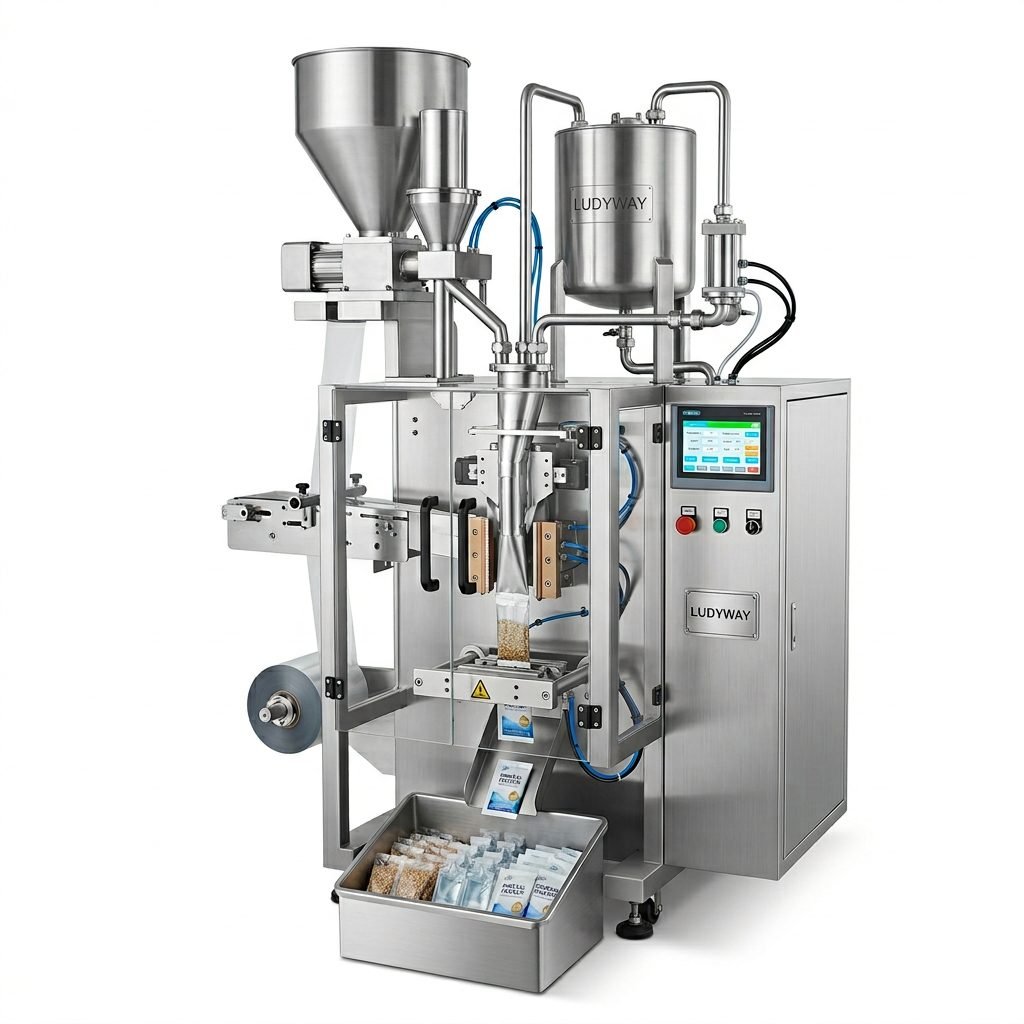
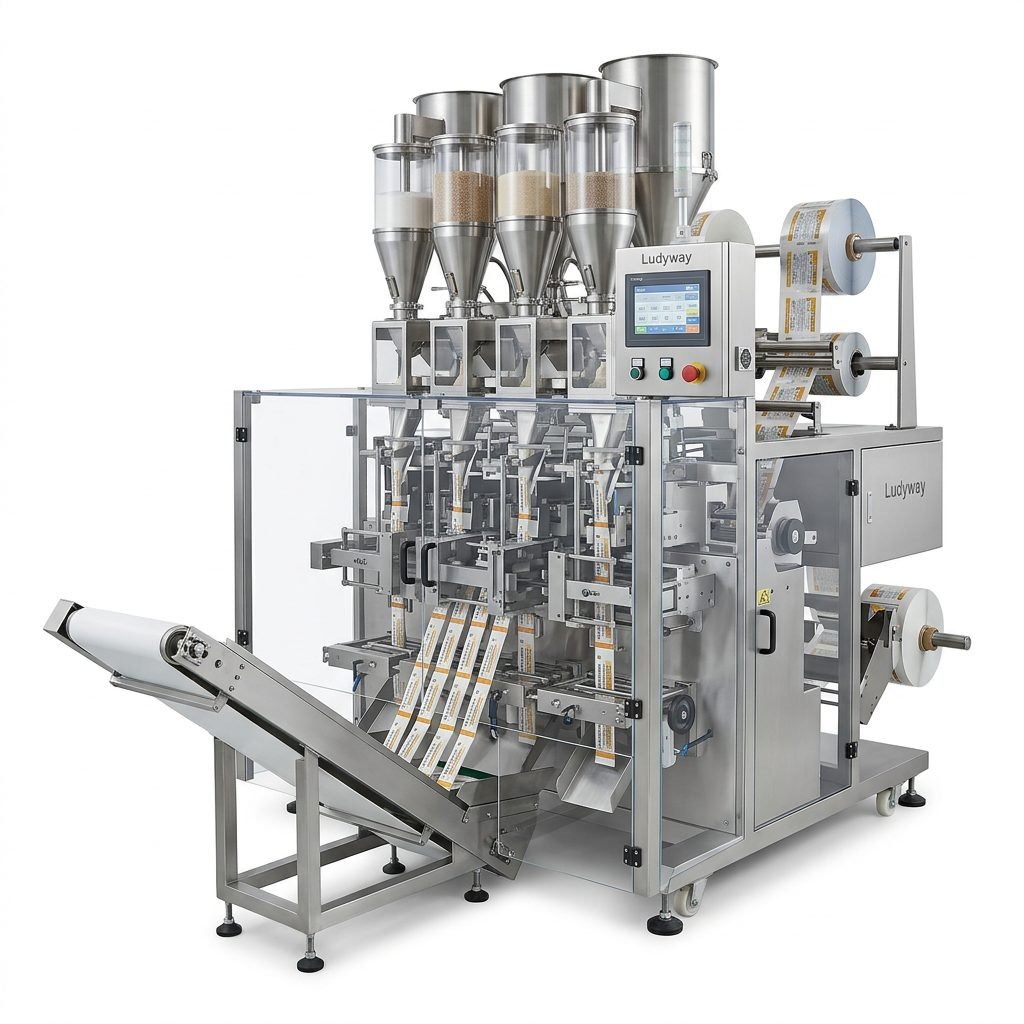
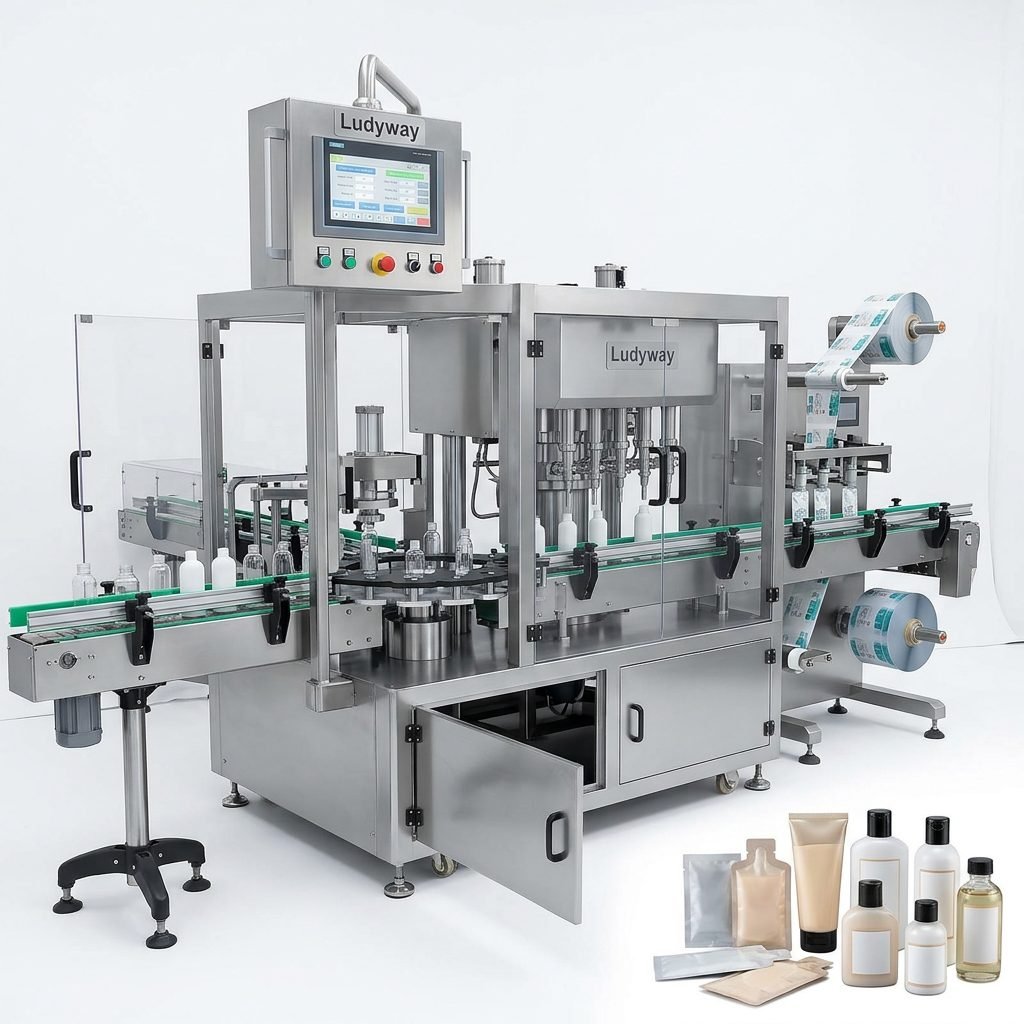
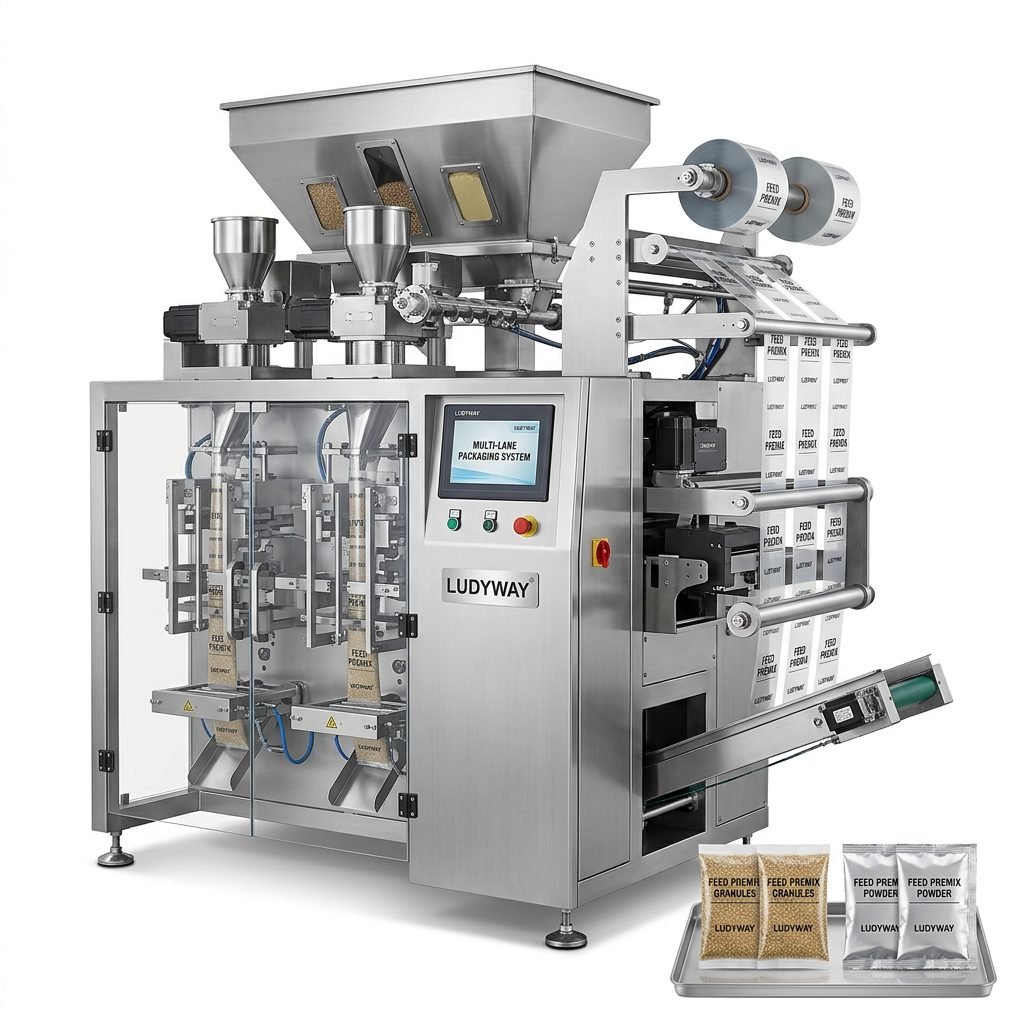
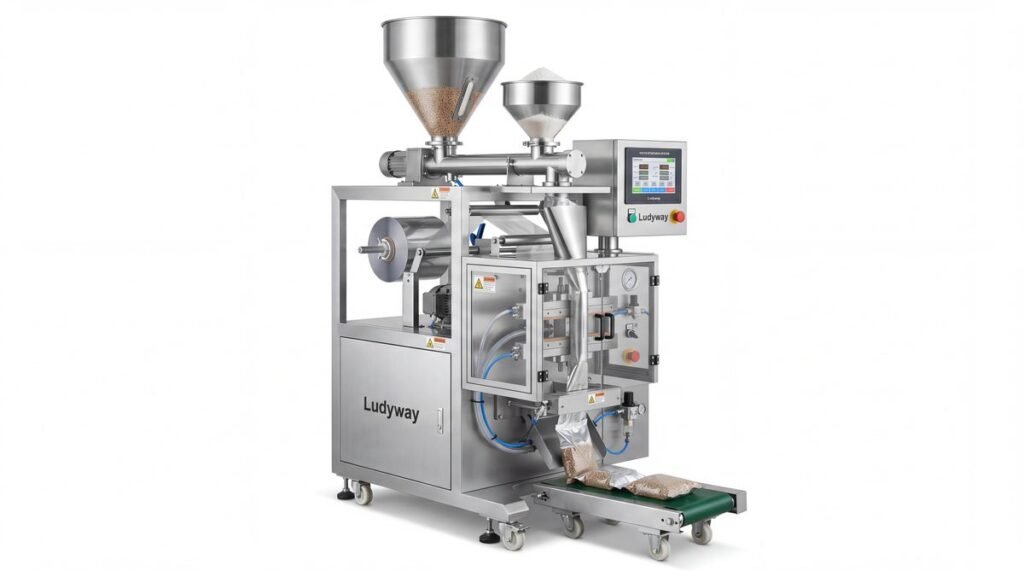
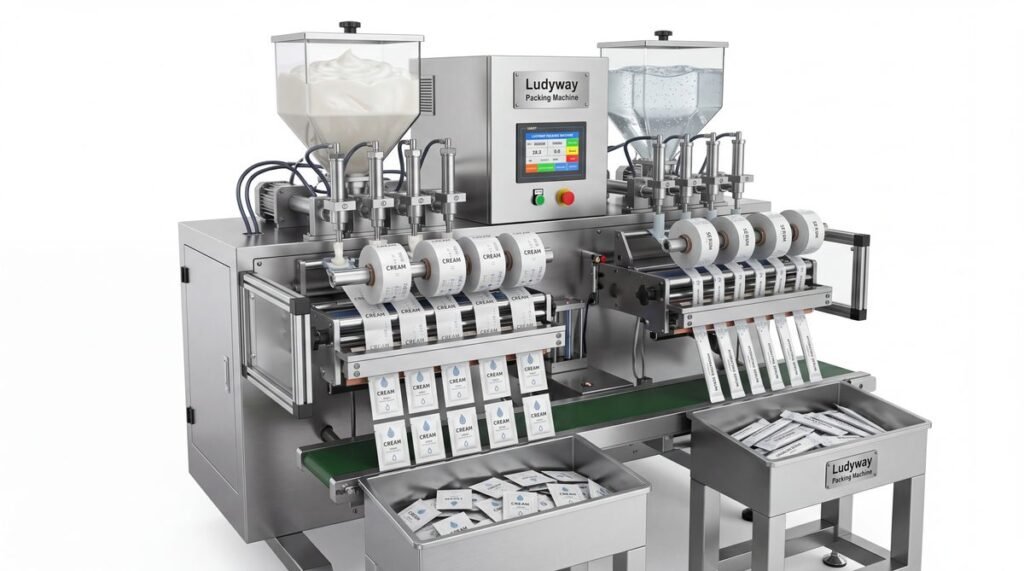
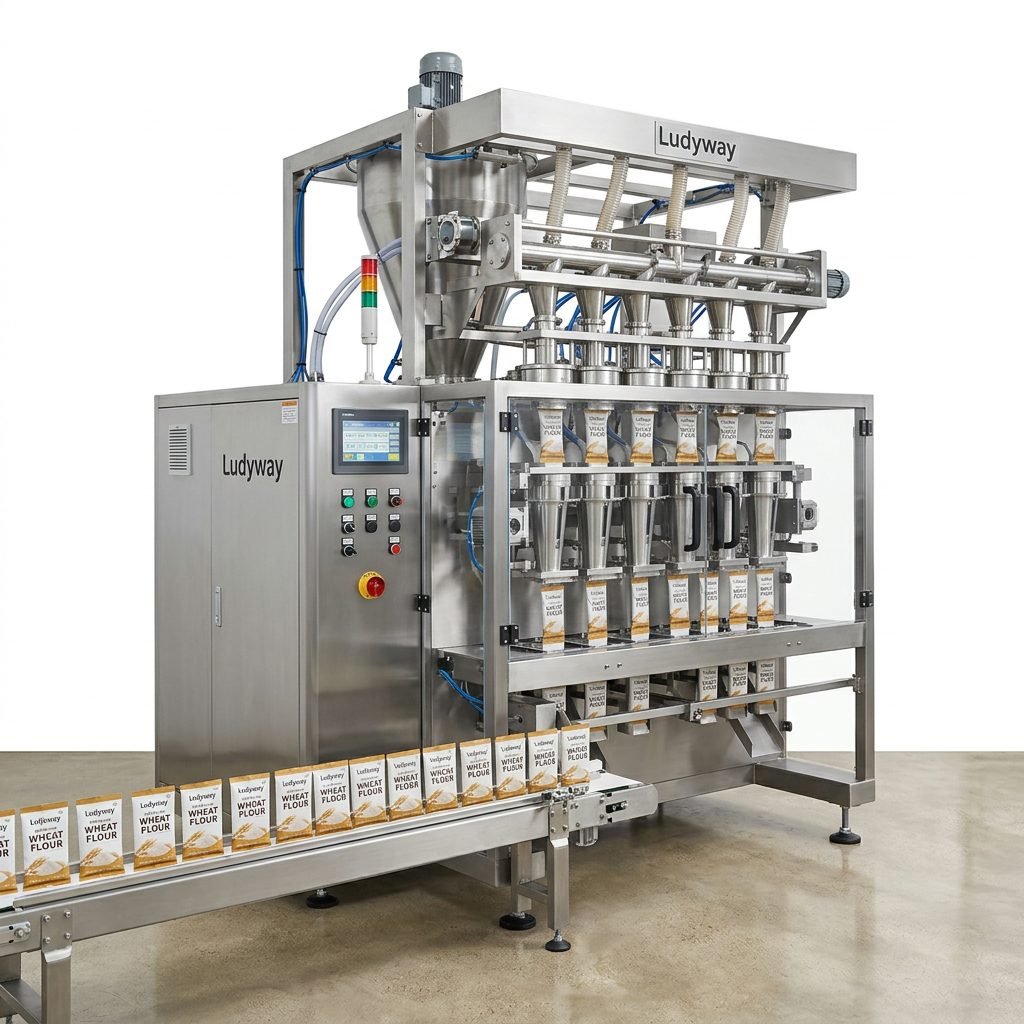
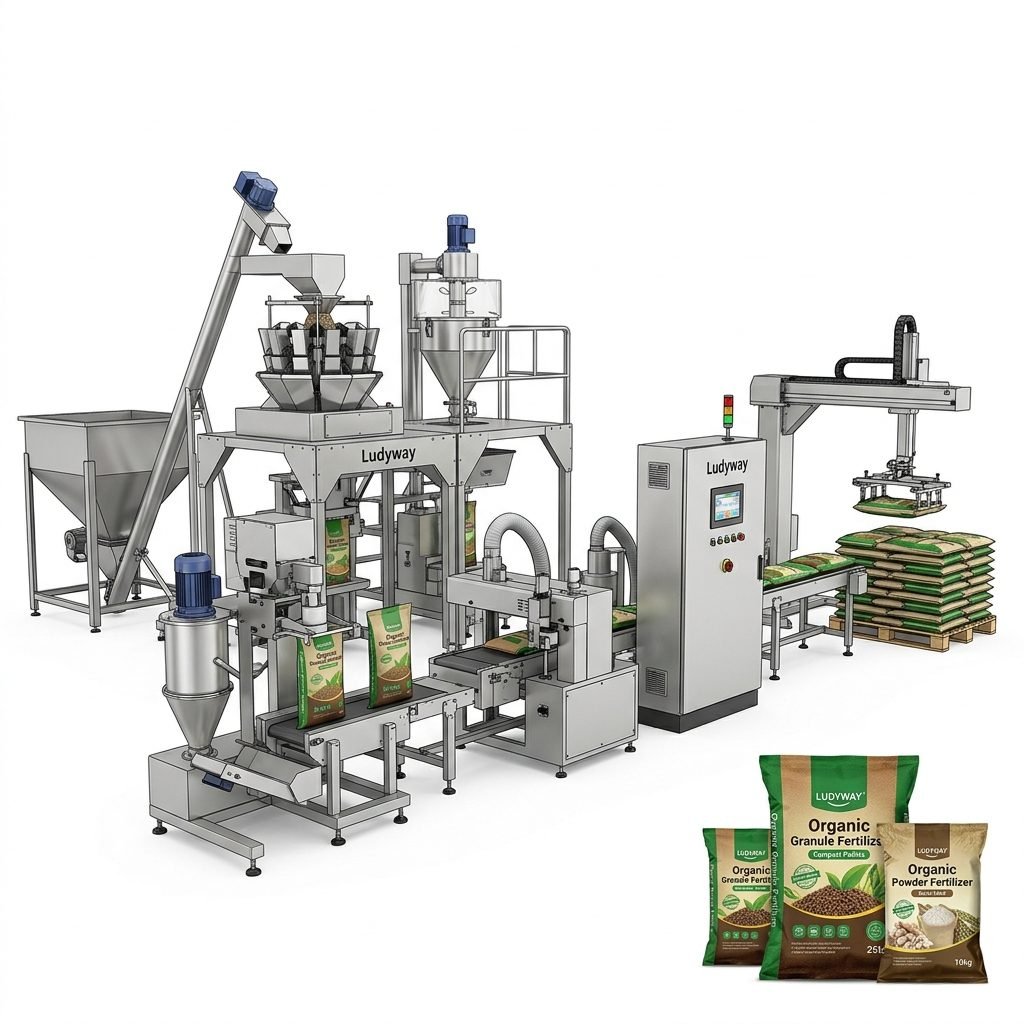
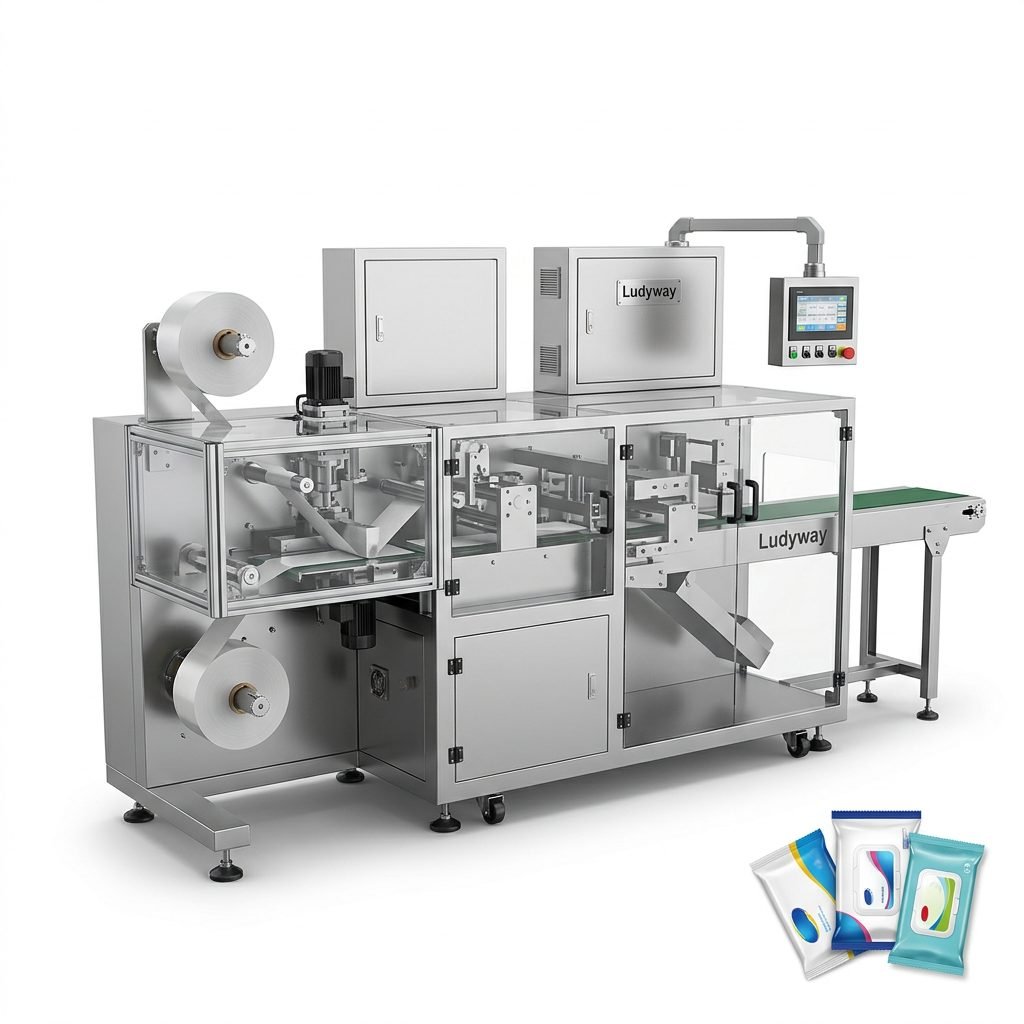
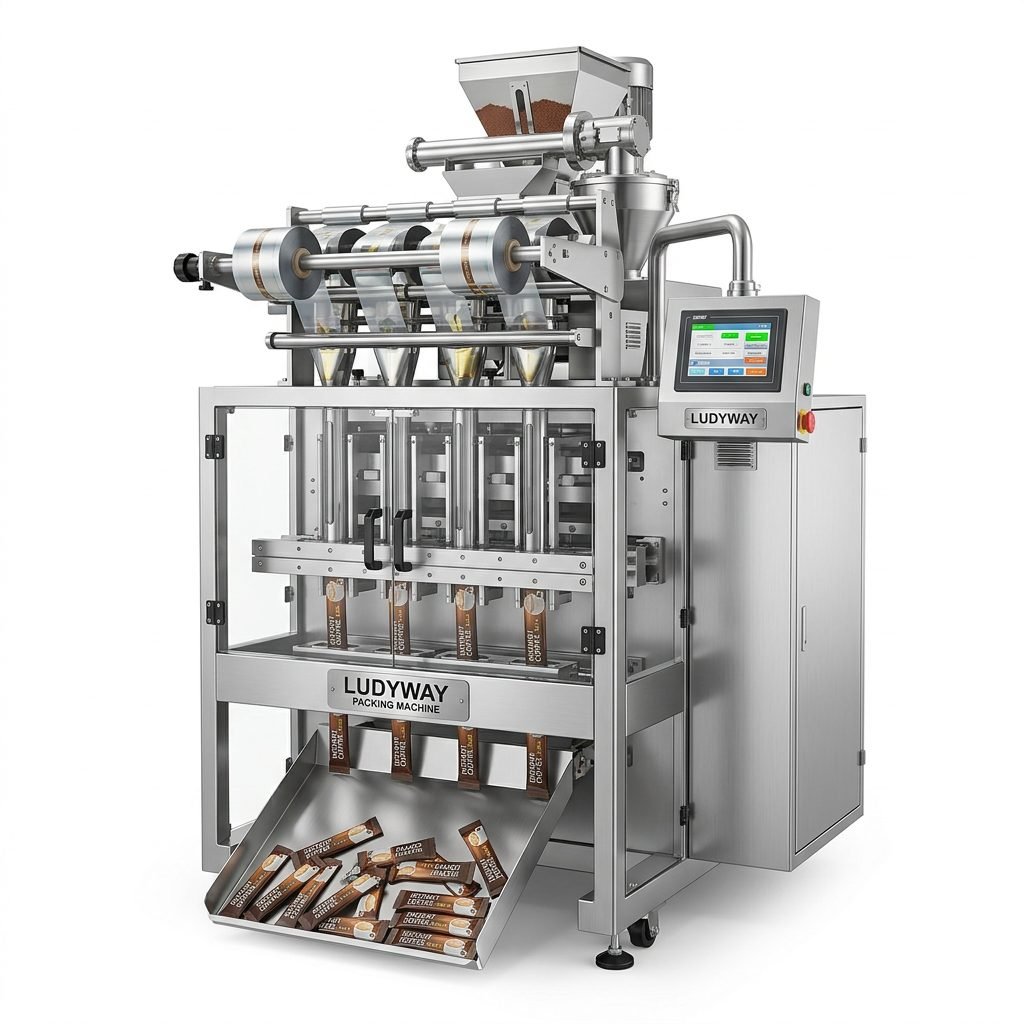
Efficient packaging is no longer just an operational advantage—it is a core requirement for food brands, health product manufacturers, pharmaceutical companies, and industrial producers that want to stay competitive. Modern packaging machinery helps businesses improve output, reduce waste, maintain product quality, and support scalable growth across multiple product formats.
From granules and powders to liquids, pastes, pouches, sachets, and stick packs, the right system can transform packaging from a labor-intensive process into a streamlined, automated production flow. For companies looking to improve packaging speed and consistency, investing in the right machinery solution is often one of the most practical long-term decisions.
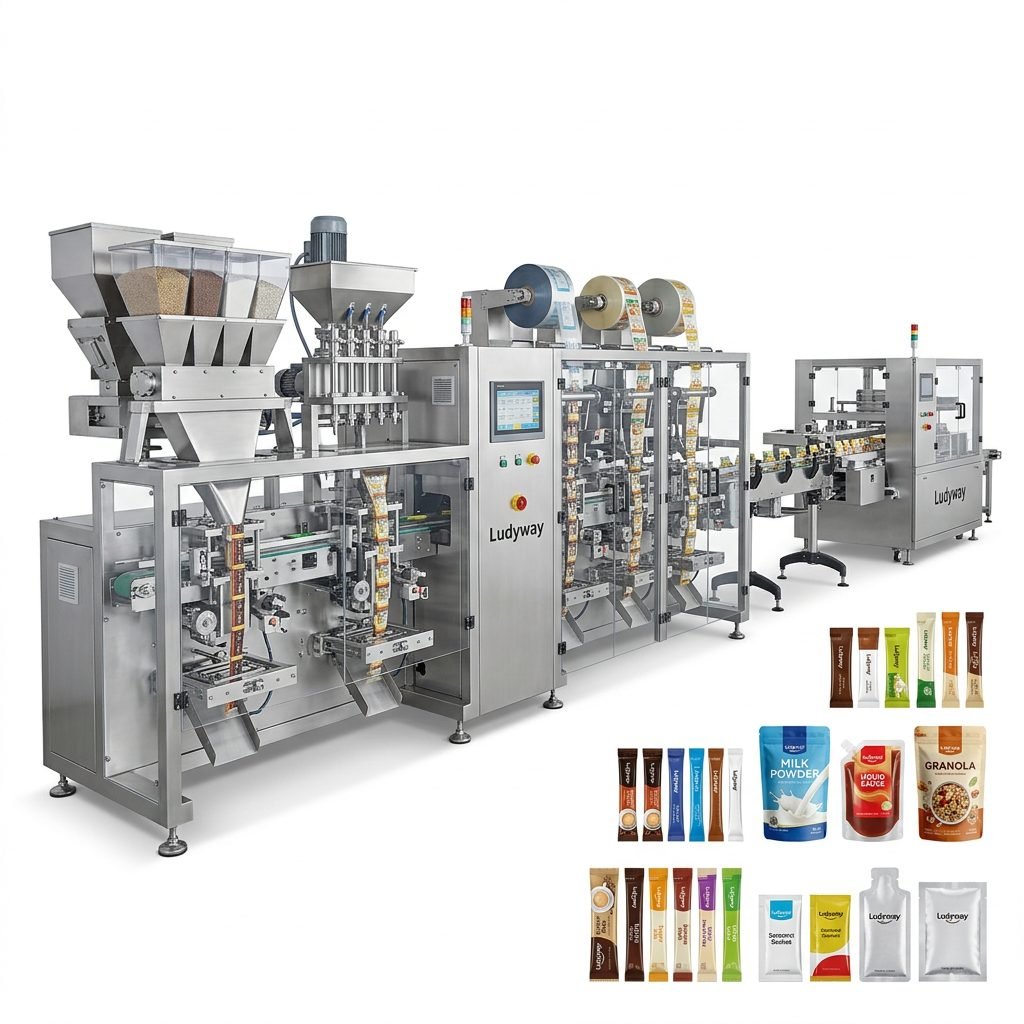
Why Packaging Machinery Matters Across Industries
Packaging machinery plays a direct role in product protection, shelf presentation, production efficiency, and regulatory compliance. Whether a company is packing coffee powder, protein supplements, pharmaceuticals, detergents, or industrial chemicals, the machinery used must meet both performance expectations and packaging accuracy standards.
- Improves throughput and production efficiency
- Reduces manual labor and repetitive handling
- Supports consistent fill weight and seal quality
- Helps maintain hygiene and product safety
- Enhances packaging appearance and retail readiness
- Enables easier integration with coding, cartoning, and palletizing systems
As product portfolios become more diversified, manufacturers increasingly need flexible packaging systems that can handle different bag sizes, product viscosities, and packaging materials without excessive downtime.
Key Packaging Machinery Categories for Modern Production
Food Packaging Machines
Food packaging machinery is widely used for spices, sauces, snacks, coffee, milk powder, instant beverages, grains, sugar, nuts, frozen foods, and nutritional powders. Depending on product characteristics, manufacturers may choose multi-lane sachet machines, vertical form-fill-seal systems, pouch filling machines, or fully integrated food packaging lines.
Common food packaging applications include:
- Powders such as seasoning, protein, milk powder, and coffee
- Granules such as sugar, seeds, rice, nuts, and pet treats
- Liquids such as sauces, oils, dressings, and beverages
- Pastes such as ketchup, mayonnaise, and cream-based products
Product Packaging Machines
Product packaging machinery covers a broad range of daily-use goods, cosmetics, personal care items, wipes, and health supplements. These systems focus not only on speed, but also on neat presentation, precise dosing, and sealing reliability. Sachet and stick pack formats are especially popular for single-dose, travel-size, and sample-size products.
Industrial Packaging Machines
Industrial packaging equipment is designed for more demanding applications involving chemicals, lubricants, additives, feed materials, fertilizers, or bulk powders. These environments often require robust construction, dust control, safe dosing systems, and compatibility with large-bag or drum-filling processes.
| Industry | Typical Products | Recommended Machinery |
|---|---|---|
| Food | Powders, snacks, sauces, drinks, grains | Sachet machines, stick pack machines, VFFS systems, pouch lines |
| Pharmaceutical | Granules, powders, tablets, liquids | Precision filling systems, sterile packaging lines, blister and sachet systems |
| Cosmetic & Personal Care | Serums, lotions, creams, cleansers | Liquid filling machines, sachet packers, tube filling lines |
| Industrial & Chemical | Powders, granules, solvents, additives | Heavy-duty filling systems, bulk bagging lines, drum packaging systems |
| Animal Feed | Pellets, feed premix, nutrition powders | Bulk bagging lines, multi-lane sachet machines, weighing systems |
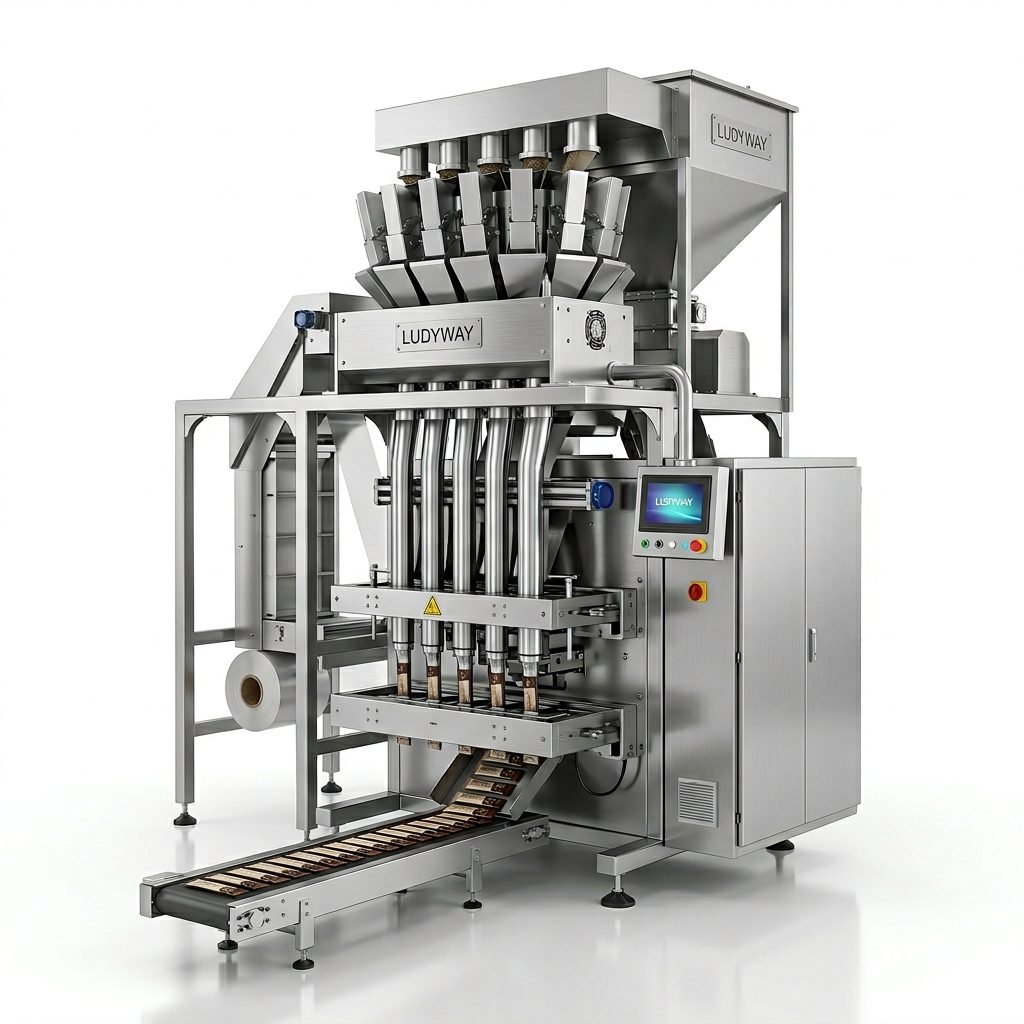
Features That Improve Packaging Efficiency
When selecting packaging machinery, buyers should look beyond speed alone. True production efficiency comes from a combination of machine stability, filling precision, ease of cleaning, changeover flexibility, and line integration capability.
1. Automatic Feeding and Dosing
Accurate feeding systems reduce product loss and help maintain reliable package weights. This is especially important for powders, granules, and high-value formulations.
2. Multi-Lane Output
Multi-lane packaging machines are ideal for high-volume production of stick packs and sachets. They allow multiple packs to be formed, filled, and sealed simultaneously, greatly increasing output.
3. Reliable Sealing Performance
Consistent sealing is critical for shelf life, leak prevention, and product integrity. Poor seals can quickly turn into quality complaints, rework, and wasted materials.
4. Easy Format Changeover
Manufacturers with multiple SKUs need equipment that can switch between product sizes or packaging formats with minimal downtime. Flexible machine design is especially valuable for growing brands and contract packers.
5. Turnkey Line Integration
A modern packaging project often involves more than a single machine. It may include conveyors, feeders, checkweighers, coding systems, cartoning machines, case packing, and palletizing. Integrated lines reduce transfer delays and simplify production management.
How to Choose the Right Packaging Machinery Solution
Every packaging line should be matched to the actual product and production target. A machine that works well for one application may not be ideal for another. Choosing correctly starts with understanding the material, packaging format, desired capacity, and future expansion plan.
Important selection factors:
- Product type: powder, granule, liquid, paste, tablet, or mixed product
- Packaging format: sachet, stick pack, pouch, bottle, carton, or bulk bag
- Production speed: current demand and future growth expectations
- Packaging material: film structure, barrier requirements, and sealability
- Hygiene requirements: especially important in food and pharmaceutical production
- Plant layout: available space, utility access, and workflow design
- Automation level: standalone machine or complete turnkey line
Companies that review these factors early can avoid under-specifying or overbuying equipment. The best investment is a solution that matches both present operational needs and future expansion strategy.
Benefits of Turnkey Packaging Lines
Turnkey packaging lines are increasingly preferred by manufacturers that want coordinated performance across the full production process. Instead of sourcing individual units from multiple suppliers, buyers can benefit from a line designed for compatibility from feeding to final packing.
- Better communication across machine sections
- More efficient installation and commissioning
- Improved line balance and workflow continuity
- Lower risk of system mismatch
- Easier maintenance planning and after-sales support
For businesses handling high-volume packaging or multiple product categories, turnkey systems often provide a stronger return on investment than disconnected standalone equipment.
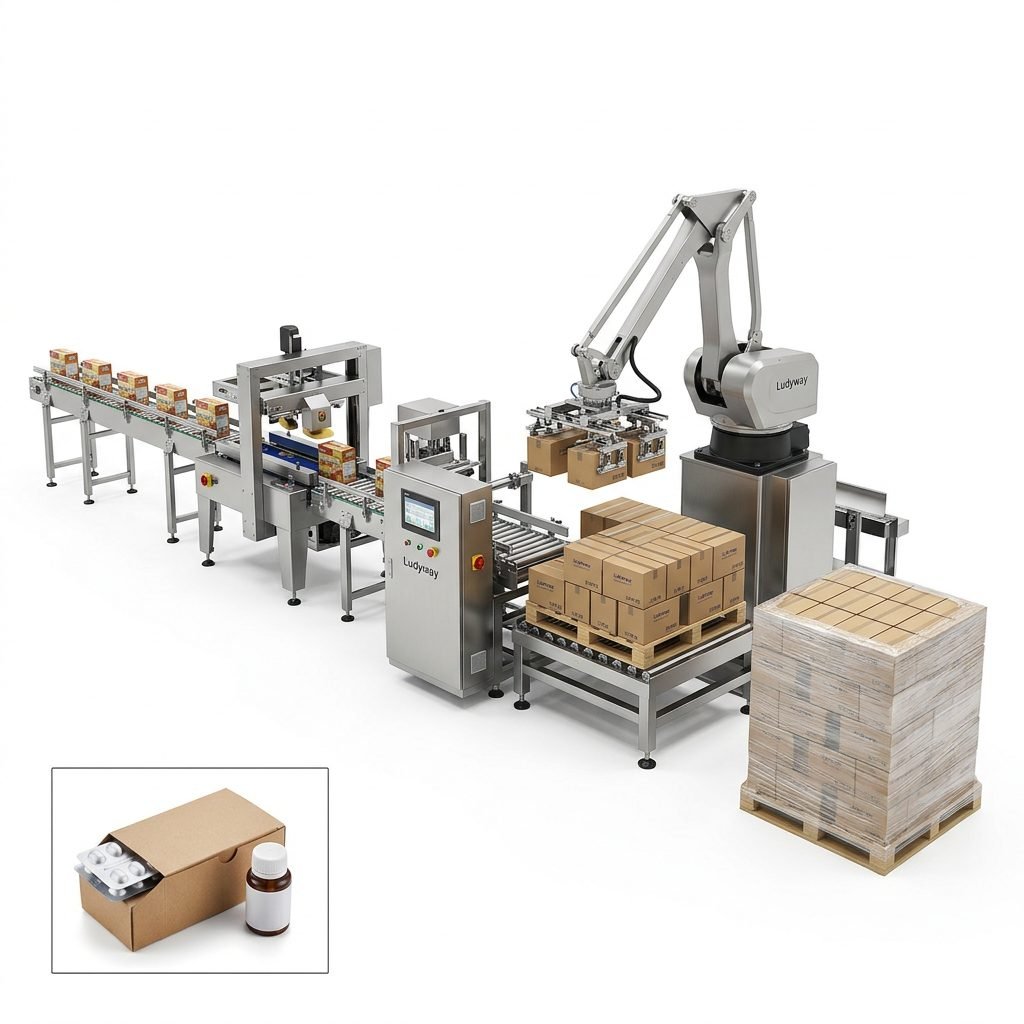
Packaging Solutions for Food, Product, and Industrial Applications
A strong packaging machinery partner should be able to serve a wide range of applications with both standardized and customized systems. This includes small-format sachet packaging, high-speed stick pack production, pouch filling, bottle handling, and end-of-line automation.
One example is Ludyway packaging machinery solutions, which support food, pharmaceutical, cosmetic, chemical, animal feed, and turnkey packaging line applications. With more than 30 years of manufacturing experience, a factory area exceeding 20,000 square meters, and service coverage across more than 100 countries and regions, the company offers scalable equipment options for both standalone machine needs and integrated production line projects.
Typical machinery solution areas include:
- Multi-lane stick pack and sachet packaging machines
- Vertical packaging systems for powders and granules
- Liquid and paste filling and sealing machines
- Turnkey packaging lines for food and pharmaceutical products
- Auxiliary systems such as conveyors, feeders, coding, inspection, and palletizing equipment
Trends Driving Demand for Advanced Packaging Machinery
Several market trends are accelerating the demand for more advanced packaging systems:
Smaller, Convenient Pack Formats
Consumers increasingly prefer single-serve, portable, and easy-open packaging. This creates stronger demand for sachet and stick pack machinery.
Higher Hygiene Standards
Food safety and pharmaceutical compliance continue to shape equipment design, including easier cleaning, enclosed feeding, and better contamination control.
Labor Cost Pressure
Manufacturers are automating more processes to reduce dependency on manual labor and improve operational consistency.
Need for Flexible Production
Many brands now launch more SKUs with shorter production runs. Packaging systems that adapt quickly are becoming essential.
End-to-End Automation
Businesses are no longer focusing only on filling and sealing. They are investing in complete lines that include inspection, coding, cartoning, case packing, and palletizing.
What Buyers Should Ask Before Investing
| Question | Why It Matters |
|---|---|
| Can the machine handle my exact product characteristics? | Flowability, viscosity, density, and particle size affect filling performance |
| How easy is it to change package size or format? | Shorter changeover means better flexibility and less downtime |
| Can the equipment be integrated into a full line later? | Supports future automation and capacity expansion |
| What after-sales and technical support is available? | Fast support helps reduce disruption and protect output |
| Is customization available? | Many industries require machine adaptation for unique products or packaging materials |
Final Thoughts on Efficient Packaging Machinery Solutions
Efficient packaging machinery is a strategic asset for companies in food, product, and industrial markets. The right solution helps improve productivity, reduce waste, increase packaging consistency, and support long-term business growth. Whether the goal is to package powders, granules, liquids, or complete pouch products, modern automated systems deliver measurable value when properly selected and integrated.
For manufacturers planning new packaging projects or upgrading existing lines, the smartest approach is to focus on equipment reliability, scalability, product compatibility, and supplier capability. In a competitive production environment, well-matched packaging machinery solutions can make a significant difference in both operational performance and market success.